
Psych LPN Jobs: A Complete Guide to Psychiatric Nursing Careers for LPNs
Explore psych LPN jobs — settings, salaries, skills, and tips to launch your psychiatric nursing career. 🧠 Real data for US nurses.
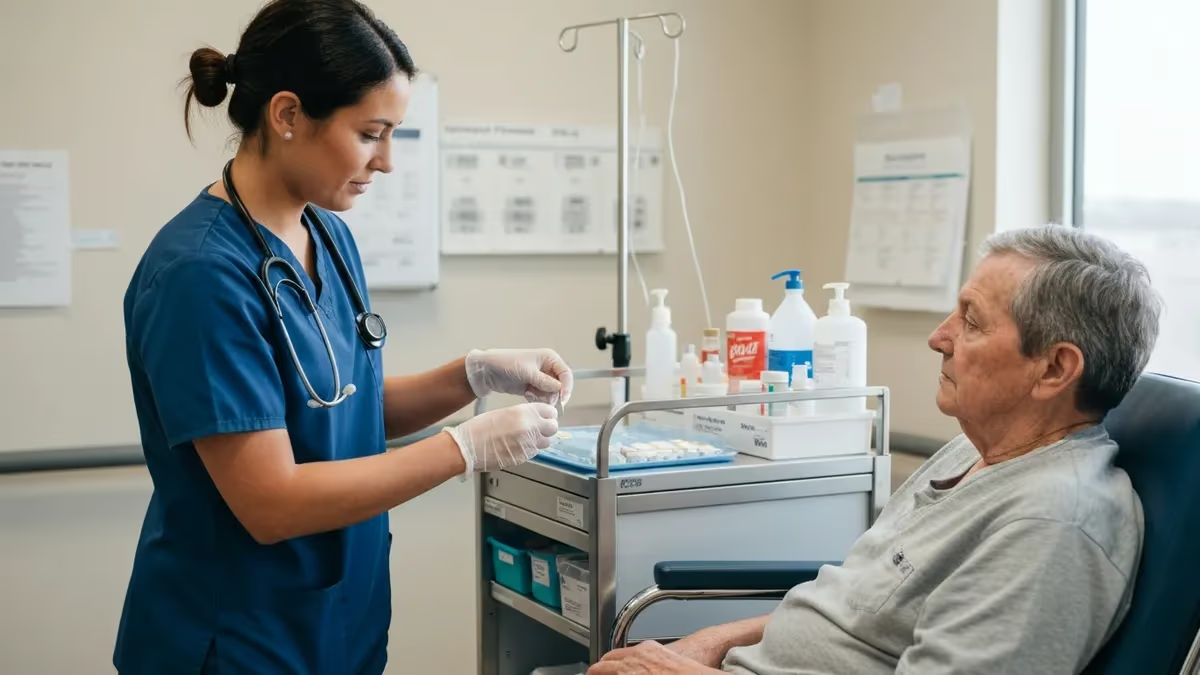
A psych LPN works on the front lines of mental health care, providing direct patient support in settings that range from inpatient psychiatric hospitals to community mental health clinics, correctional facilities, and residential treatment programs. If you are an LPN drawn to behavioral health, psychiatric nursing offers a career path that is both emotionally meaningful and professionally rewarding. Demand for mental health services in the United States has grown sharply over the past decade, and that growth translates directly into strong hiring activity for licensed practical nurses willing to specialize in this area.
Mental health disorders affect more than one in five American adults each year, according to the National Institute of Mental Health. Yet the mental health workforce has not kept pace with that need. Psychiatric units, crisis stabilization centers, and outpatient behavioral health programs all rely heavily on LPNs to fill critical staffing gaps. As hospitals expand psychiatric capacity and states fund community-based mental health programs, job openings for psych LPNs are consistently available in most regions of the country, often with competitive pay and sign-on incentives.
The day-to-day work of a psych LPN is distinct from medical-surgical nursing in important ways. Rather than focusing primarily on physical conditions, you spend much of your shift monitoring mood and behavior, administering psychiatric medications, de-escalating agitated patients, and documenting changes in mental status. Strong therapeutic communication skills are just as essential as clinical competency. Many psych LPNs describe the work as intellectually engaging because each patient presents a unique constellation of symptoms, history, and recovery challenges that require thoughtful, individualized care.
If you are exploring psych lpn jobs for the first time, it helps to understand that the field spans a wide spectrum of acuity. Inpatient acute psychiatric units serve patients in crisis — those experiencing psychotic breaks, severe manic episodes, or active suicidal ideation. Subacute and residential programs work with patients who are stabilizing after an acute episode. Outpatient clinics see patients who are relatively stable but need ongoing medication management and counseling support. Each setting offers different challenges and rewards, and many LPNs eventually find a niche that matches their temperament and clinical interests.
Pay for psych LPNs is competitive with and often exceeds that of LPNs in traditional medical settings. The Bureau of Labor Statistics reports a national median annual salary for LPNs of approximately $59,000, but psychiatric specialties frequently command a premium of five to fifteen percent above that baseline. Facilities that operate around the clock — inpatient hospitals, crisis units, correctional health programs — also offer shift differentials for evening, night, and weekend work, which can meaningfully increase take-home pay for nurses who are flexible about scheduling.
Preparation matters if you want to transition into psychiatric nursing or land your first psych LPN role. While no separate license is required beyond your LPN credential, employers strongly favor candidates who have completed continuing education in mental health topics, hold a de-escalation or crisis prevention certification, and can demonstrate experience or coursework in psychopharmacology.
Some facilities offer paid on-the-job training for motivated LPNs willing to commit to the unit for a defined period. Taking a targeted practice quiz on psychosocial integrity concepts — one of the tested domains on the NCLEX-PN — is also a smart way to sharpen your theoretical foundation before interviews.
This guide covers everything you need to know about psych LPN jobs: the types of settings where you can work, salary expectations by region, the skills that make you most hireable, the pros and cons of psychiatric nursing compared to other LPN specialties, and the concrete steps you can take today to move toward a career in behavioral health. Whether you are a new graduate considering your first position or an experienced LPN looking for a change, the psychiatric nursing field has more opportunity right now than at almost any point in recent history.
Psych LPN Jobs by the Numbers
Where Psych LPNs Work: Top Settings
Acute psychiatric units serve patients in crisis. LPNs monitor vital signs, administer medications, and work closely with psychiatrists and social workers to stabilize patients and plan safe discharge. Fast-paced and emotionally demanding with strong pay.
Outpatient clinics serve adults managing chronic conditions like schizophrenia, bipolar disorder, and major depression. LPNs assist with medication injection clinics, health screenings, and care coordination in a less acute but highly rewarding environment.
Subacute residential programs provide 24-hour care for patients stepping down from inpatient stays. LPNs support daily structure, medication management, and skill-building programs in a therapeutic community setting.
Jails and prisons have significant mental health populations. Psych LPNs in corrections conduct intake mental health screenings, manage psychiatric medications, and provide crisis intervention, often earning premium pay and excellent benefits.
Short-term crisis centers divert patients from emergency rooms by providing 23-hour observation and psychiatric assessment. LPNs work in fast-moving environments with high acuity and strong team collaboration, often with round-the-clock staffing.
Salary is one of the most practical considerations when evaluating psych LPN jobs, and the numbers are encouraging. The Bureau of Labor Statistics places the 2024 national median for all LPNs at approximately $59,380 annually. Psychiatric settings typically pay five to fifteen percent above that figure, meaning a psych LPN can reasonably expect to earn between $62,000 and $68,000 at the median level. In high-demand metropolitan markets and states with higher costs of living — California, New York, Massachusetts, Washington — salaries can reach $75,000 or more with experience.
Geographic variation is real and worth researching before accepting a position. California consistently ranks as the highest-paying state for LPNs overall, and psychiatric specializations carry an even larger premium there because of the concentrated mental health service infrastructure in cities like Los Angeles and San Francisco. The Pacific Northwest has also seen rapid wage growth for psych nurses, driven by acute shortages and significant state investment in behavioral health infrastructure. Even traditionally lower-paying Southern states have seen psychiatric LPN wages climb as demand outstrips supply.
Shift differentials represent a meaningful income multiplier for psych LPNs who can work non-standard hours. Most inpatient psychiatric facilities and crisis units operate continuously, and evening differentials of $2–$4 per hour and night differentials of $3–$6 per hour are standard. Weekend premiums add another layer. A psych LPN working a rotating schedule that includes nights and weekends can boost their effective annual compensation by $5,000 to $10,000 above the base salary — a significant benefit that often does not show up in posted job descriptions but is well worth negotiating during the hiring process.
Benefits packages in psychiatric settings deserve close attention. Many psychiatric hospitals and community mental health organizations are nonprofit entities that offer Public Service Loan Forgiveness (PSLF) eligibility, which can be life-changing for LPNs carrying student loan debt. After ten years of qualifying payments while working full-time for a qualifying employer, the remaining federal loan balance is forgiven tax-free. Given that LPN programs typically generate $15,000 to $30,000 in educational debt, PSLF eligibility can be worth tens of thousands of dollars in net compensation that never appears in a salary figure.
Per diem and contract staffing options have expanded dramatically in the psychiatric sector. Travel nurse agencies and per diem staffing firms actively recruit psych LPNs to fill gaps in inpatient units and community programs. Contract assignments typically pay thirty to fifty percent above local staff rates, though they come without benefits and require flexibility to move between facilities.
For LPNs who are geographically mobile and comfortable with variability, short-term psychiatric contracts can be an excellent way to build experience across multiple settings while earning above-average compensation. Many LPNs use contract work to test different specialties before committing to a permanent position.
Correctional mental health nursing stands out as an especially well-compensated niche within the psych LPN field. State and county correctional systems frequently offer salaries five to twenty percent higher than comparable hospital roles, plus defined-benefit pension plans that have become rare in the private sector. Security-clearance requirements and the unique environment deter some nurses, which keeps competition lower and wages higher. Federal correctional institutions operated by the Bureau of Prisons offer particularly strong total compensation packages, including federal employee health and retirement benefits that are among the most generous available to any healthcare worker in the country.
Understanding the full compensation picture is essential because base salary alone can be misleading. A psych LPN position at a nonprofit community mental health center might list a base of $58,000 but offer PSLF eligibility, strong pension contributions, generous paid time off, and free clinical supervision for additional certifications. Compared against a private-sector hospital role at $65,000 with minimal retirement benefits and no loan forgiveness, the apparent pay gap may reverse completely when total compensation is calculated. Always ask hiring managers for a full benefits summary before comparing offers purely on hourly rate or base salary.
Key Skills for Psych LPN Jobs
Psychiatric LPNs must be proficient in administering a wide range of psychotropic medications, including antipsychotics, mood stabilizers, antidepressants, and anxiolytics. Understanding drug interactions, monitoring for side effects like extrapyramidal symptoms or QTc prolongation, and educating patients about their regimens are core clinical responsibilities. LPNs also conduct regular vital sign monitoring, perform physical health screenings, and assist with the medical management of co-occurring conditions that are common in psychiatric populations, such as diabetes, hypertension, and metabolic syndrome associated with antipsychotic use.
Documentation accuracy is a non-negotiable clinical skill in psychiatric settings. LPNs must record behavioral observations, medication administration, patient statements, and any safety concerns with precision and timeliness. Psychiatric records are frequently reviewed by legal teams in cases involving involuntary holds, guardianship proceedings, or malpractice claims, which means every note carries potential legal weight. Training in electronic health records systems used by behavioral health organizations — such as Netsmart, Kipu, or Epic's behavioral health module — is a practical advantage that many employers specifically look for when screening candidates.
Psych LPN Jobs: Pros and Cons
- +Higher pay than many LPN specialties, with shift differentials boosting income further
- +Deep sense of purpose helping patients navigate serious mental illness and recovery
- +Strong job security driven by nationwide mental health workforce shortages
- +Diverse work settings from inpatient hospitals to outpatient clinics and corrections
- +PSLF loan forgiveness eligibility at many nonprofit behavioral health employers
- +Opportunity to develop specialized skills in psychopharmacology and crisis intervention
- −Emotionally demanding work that can lead to compassion fatigue and burnout without self-care
- −Higher risk of workplace violence compared to most other LPN specialties
- −Irregular hours and rotating shifts are common in 24-hour inpatient settings
- −Scope of practice limitations can be frustrating when LPNs want to do more but cannot
- −Exposure to trauma and distressing patient histories that require active psychological processing
- −Some facilities have higher staff-to-patient ratios than ideal, increasing workload pressure
How to Get Hired as a Psych LPN: 10 Action Steps
- ✓Complete your LPN licensure and ensure your state license is active and in good standing before applying.
- ✓Earn CPI or PMCS de-escalation certification, which most psychiatric employers require before hire or within 90 days.
- ✓Take a continuing education course in psychopharmacology to build medication knowledge specific to psychiatric settings.
- ✓Apply to volunteer or shadow in a behavioral health setting to gain exposure if you have no prior psych experience.
- ✓Tailor your resume to highlight therapeutic communication skills, behavioral observation experience, and any mental health coursework.
- ✓Research which local employers offer PSLF eligibility and prioritize nonprofit behavioral health organizations in your job search.
- ✓Prepare for interviews by studying the mental status exam format and common psychiatric diagnoses like schizophrenia and bipolar disorder.
- ✓Ask about preceptorship programs during interviews — many psych units offer structured onboarding for LPNs new to behavioral health.
- ✓Join a professional organization such as the American Psychiatric Nurses Association (APNA) to access job boards and networking events.
- ✓Practice NCLEX-PN psychosocial integrity questions regularly to strengthen your theoretical knowledge base before clinical interviews.
CPI Certification Can Get You Hired Faster
Crisis Prevention Institute (CPI) certification is the most commonly required non-clinical credential for psych LPN positions. Many facilities will not hire without it or require completion within the first 90 days. Completing CPI training before you apply — rather than waiting for an employer to provide it — signals initiative and readiness, and can be the deciding factor between two otherwise equal candidates. CPI courses are offered online and in-person through hospitals, community colleges, and the CPI organization directly, typically at a cost of $50–$150.
The daily responsibilities of a psych LPN vary considerably by setting, but certain core tasks appear across virtually every psychiatric workplace. At the start of each shift, LPNs typically receive a detailed handoff from the departing nurse, reviewing the behavioral status of each patient on the unit, any overnight incidents, pending medication orders, and scheduled activities or appointments. This situational awareness is critical in psychiatric care because a patient's status can shift rapidly, and knowing the baseline makes it possible to detect meaningful changes before they escalate into safety events.
Medication administration is the most time-intensive clinical task for most psych LPNs. Psychiatric patients are often prescribed complex regimens with multiple psychotropic agents, and ensuring that each medication is given at the correct time, in the correct dose, and to the correct patient requires careful attention.
Many psychiatric patients are ambivalent about their medications — a phenomenon called medication non-adherence — and the LPN's skill in engaging patients around the importance of their regimen significantly affects clinical outcomes. Long-acting injectable antipsychotics (LAIs), which are given monthly or bimonthly, are also commonly managed by LPNs in outpatient settings, requiring both injection technique and documentation precision.
Behavioral observation and documentation form another major block of the psych LPN's workday. Psychiatric units use structured observation protocols — ranging from 15-minute checks to continuous one-to-one observation for high-risk patients — and LPNs are responsible for completing and recording these checks accurately. Behavioral notes must capture not just what the patient did, but how they appeared: affect, thought organization, interaction with peers, sleep patterns, appetite, and any statements made that are clinically significant. Over time, these observations build a longitudinal picture of the patient's trajectory that informs treatment decisions by the attending psychiatrist and multidisciplinary team.
Group programming is a cornerstone of most inpatient and residential psychiatric programs, and psych LPNs often co-help or supervise therapeutic groups covering topics like medication education, coping skills, wellness recovery, and psychoeducation. While licensed therapists lead the clinical content of most groups, LPNs play an important supportive role — taking attendance, observing group dynamics, addressing safety concerns as they arise, and providing encouragement to patients who are reluctant to participate. These interactions are opportunities to build therapeutic rapport that carries over into individual medication and care conversations throughout the shift.
Coordinating care across disciplines is a daily responsibility that many LPNs underestimate when first entering psychiatric settings. A psych LPN routinely communicates with psychiatrists, social workers, occupational therapists, peer support specialists, family members, and community agencies on behalf of patients.
Facilitating discharge planning — ensuring that a patient leaving inpatient care has a follow-up appointment scheduled, transportation arranged, medications dispensed, and community support in place — requires organizational skill and assertive communication. LPNs who develop strong care coordination abilities become indispensable to their units and often advance into charge or supervisory roles more quickly than peers who focus solely on clinical tasks.
Safety monitoring is ever-present in psychiatric settings. LPNs conduct room and contraband searches, monitor restricted items like sharps and cords, perform environmental rounds to identify and remove hazards, and remain vigilant for signs of patient-to-patient conflict, self-harm, or elopement risk. De-escalation is frequently required, and the ability to intervene early — using calm language, offering choices, and redirecting agitation before it becomes physical — is a skill that experienced psych LPNs develop into a kind of clinical intuition. This is one of the most genuinely unique aspects of psychiatric nursing compared to other LPN practice areas.
Shift endings in psychiatric settings are never routine. LPNs complete detailed end-of-shift documentation, prepare handoff summaries, flag any pending concerns for the oncoming team, and ensure that all medication administration records are complete and accurate. The thoroughness and quality of the handoff directly affects patient safety on the next shift, which is why communication skill is prized as highly as clinical skill in behavioral health hiring. LPNs who develop a reputation for giving thorough, organized, and useful shift reports build professional trust quickly and are well-positioned for advancement opportunities when they arise.
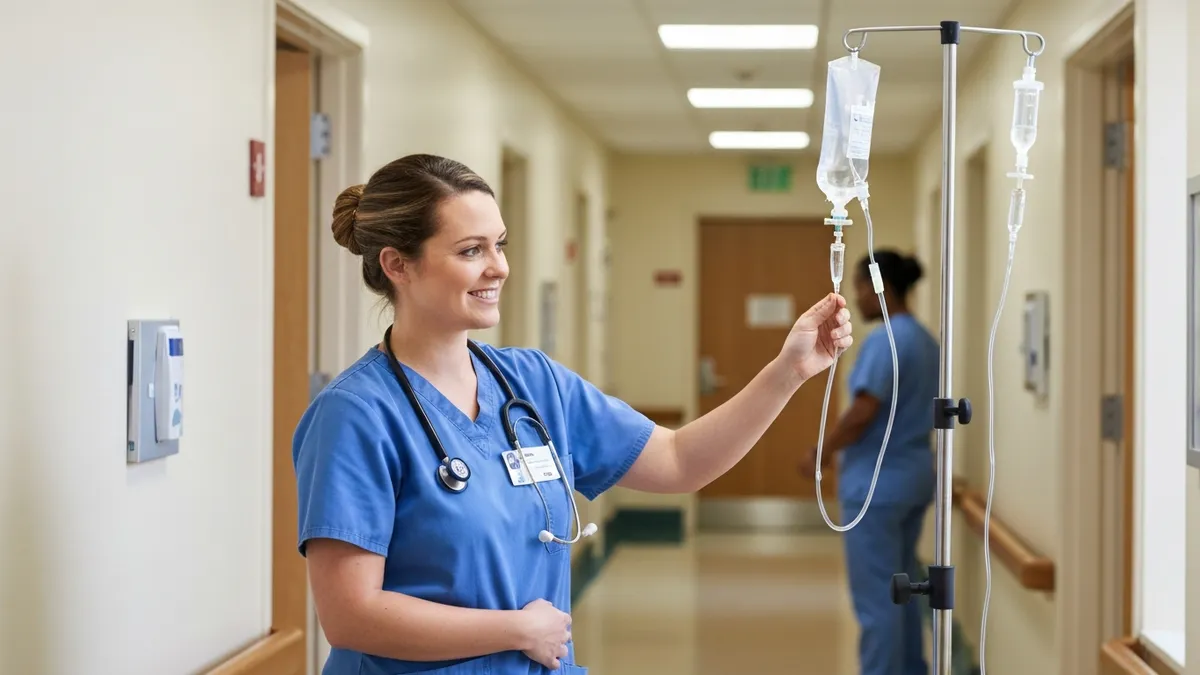
LPN scope of practice in psychiatric settings varies significantly by state. Some states allow psych LPNs to administer intravenous medications, initiate emergency holds, or provide structured counseling under supervision; others restrict these activities to RNs or licensed mental health professionals. Before accepting a position, verify your state's LPN practice act and ask the employer specifically what tasks LPNs are permitted to perform on their unit. Practicing outside your legal scope — even with good intentions — can result in license discipline and personal liability.
Career advancement is a realistic and achievable goal for psych LPNs who are strategic about building their credentials and experience over time. The most direct upward path is returning to school to become a registered nurse through an LPN-to-RN or LPN-to-BSN bridge program, which typically takes one to two years for working nurses completing coursework on an accelerated or part-time schedule.
Many psychiatric employers actively support this transition by offering tuition reimbursement, flexible scheduling to accommodate clinical requirements, and letters of recommendation to nursing programs. An RN license unlocks a much broader scope of practice in behavioral health and opens doors to case management, psychiatric nursing specialty certification, and eventually advanced practice roles.
The American Nurses Credentialing Center (ANCC) offers a Psychiatric-Mental Health Nursing certification (PMH-RN) for registered nurses — a credential that, once you bridge to RN, significantly increases your earning potential and professional credibility in the psychiatric field. Even at the LPN level, pursuing specialty certifications demonstrates commitment to the field and can lead to higher pay, leadership opportunities, and selection for specialized unit roles. Some state behavioral health associations offer LPN-specific mental health certificates that carry weight with employers even if they do not confer national credentialing status.
Leadership roles within the LPN scope of practice are available in psychiatric settings for nurses with experience and demonstrated reliability. Charge LPN positions, in which you supervise the direct care staff on a shift and serve as the clinical point of contact for the team, are common in residential and community mental health settings.
Some outpatient mental health clinics employ LPN supervisors who oversee medication clinics, coordinate patient flow, and serve as administrative liaisons. These roles typically come with a pay bump of three to eight dollars per hour above staff LPN rates and build the management experience valued by nursing programs and hospital systems alike.
Lateral moves within the psychiatric field also provide meaningful career development. A psych LPN who has spent several years on an adult inpatient unit might transition to a child and adolescent psychiatric program, a geriatric behavioral health unit, or a dual-diagnosis substance use program to broaden their clinical experience. Each specialty population — pediatric psychiatric patients, elderly adults with dementia-related behavioral symptoms, adults with co-occurring addiction — has its own unique clinical culture, regulatory framework, and treatment approach. Building experience across multiple psychiatric populations makes an LPN substantially more versatile and hireable at higher wage levels.
Peer support specialist roles represent a non-traditional but growing career option for LPNs with lived experience of mental illness or recovery. Several states have created certification pathways for peer support specialists that allow healthcare workers, including LPNs, to use their personal recovery experience in a professional capacity alongside their clinical training. This dual identity — clinical training combined with lived experience — is highly valued by behavioral health organizations implementing recovery-oriented care models and can open doors to program development, community outreach, and advocacy roles that go beyond traditional nursing career tracks.
Networking within the behavioral health community accelerates career growth in ways that are difficult to replicate through credentials alone. Attending regional mental health conferences, joining the American Psychiatric Nurses Association, participating in continuing education events at your facility, and connecting with colleagues on professional social networks all build the relationships that surface unadvertised job opportunities, mentorship connections, and professional references. Psych LPNs who are active in their professional community consistently report faster wage growth and more frequent advancement opportunities than those who focus solely on clinical skill-building without engaging the broader professional network.
For those interested in the full landscape of qualifications and growth options, reviewing the psych lpn jobs requirements page gives a solid grounding in what is expected at each stage of the career ladder, from initial licensure through specialty practice. The psychiatric nursing field rewards long-term commitment — many experienced psych LPNs report that the work becomes more rewarding, not less, as their skills and relationships deepen over time, making it one of the more sustainable LPN specialty choices for nurses who prioritize professional fulfillment alongside competitive pay.
Succeeding long-term in psych LPN jobs requires more than clinical skill — it demands intentional self-care practices that protect your mental and emotional health over the course of a career. Compassion fatigue and secondary traumatic stress are occupational hazards for psychiatric nurses that most nursing programs do not adequately prepare students for.
When you spend eight to twelve hours per shift absorbing the pain, trauma histories, and crisis experiences of acutely ill patients, the cumulative emotional weight is real and must be actively managed rather than ignored. LPNs who recognize this early and build sustainable practices tend to stay in the field far longer than those who push through exhaustion until burnout forces a career change.
Practical self-care strategies for psych LPNs include establishing clear psychological boundaries between work and personal life — a discipline that requires conscious effort when the work is emotionally engaging. Many experienced psych nurses use end-of-shift transition rituals: a specific song, a five-minute walk in fresh air, or a deliberate mental exercise to acknowledge that the workday is complete and the patient's struggles remain at the facility rather than traveling home with you.
Clinical supervision — scheduled time with a licensed clinical supervisor to process difficult cases and emotional responses — is common in social work but underused in nursing; psych LPNs who advocate for access to supervision consistently report lower burnout rates.
Building a strong peer support network within your workplace is one of the most effective protective factors against psychiatric nursing burnout. Units with strong team cohesion — where nurses debrief after difficult incidents, celebrate patient wins together, and actively check in on each other during demanding shifts — consistently show lower turnover rates than units where staff work in isolated silos. If your unit does not have a structured debriefing culture, you can help create one by initiating brief informal check-ins with colleagues after challenging patient interactions. Small acts of mutual support compound over time into a meaningful team culture.
Continuing education serves a dual purpose for psych LPNs: it keeps your clinical knowledge current and provides intellectual stimulation that counteracts the monotony that can develop after years in the same role. Pursuing training in new therapeutic modalities — dialectical behavior therapy (DBT) skills, trauma-informed care, motivational interviewing — gives you new tools to use with patients and signals to employers that you are invested in professional growth. Many behavioral health organizations reimburse continuing education expenses or offer paid training days for attendance at workshops and conferences, making professional development accessible even on an LPN salary.
Physical health practices are often underemphasized in discussions of psychiatric nursing sustainability, but they matter enormously. Night shifts disrupt circadian rhythms in ways that accumulate health consequences over time, including increased risk of metabolic syndrome, sleep disorders, and mood disturbances. LPNs working rotating schedules need to be especially intentional about sleep hygiene, regular physical activity, and nutrition. Facilities that provide access to employee assistance programs (EAPs), on-site fitness facilities, or wellness incentives are genuinely more supportive of long-term staff health and are worth prioritizing in your job search if physical wellbeing is a priority for you.
Mentorship — both seeking it as an early-career LPN and providing it as you gain experience — enriches the career in ways that purely clinical advancement cannot. Finding an experienced psych nurse who will invest time in explaining unit dynamics, modeling effective de-escalation, and providing honest feedback on your clinical documentation shortens the learning curve dramatically. As you gain confidence, mentoring newer staff builds leadership skills, reinforces your own knowledge, and creates the professional legacy that makes a long career in psychiatric nursing feel genuinely meaningful rather than merely functional.
Finally, staying current on policy developments affecting behavioral health funding and workforce is a way of protecting your career and advocating effectively for the patients you serve. Federal and state mental health parity laws, Medicaid reimbursement changes, and workforce investment legislation all directly affect the volume and quality of psych LPN jobs available in a given region.
LPNs who understand the policy context of their work are better equipped to evaluate employer financial stability, anticipate facility changes before they happen, and advocate for workplace improvements through professional associations and collective bargaining where applicable. An informed psych LPN is a more resilient and effective one.
LPN Questions and Answers

LPN Requirements 2026: Complete Guide to Becoming a Licensed Practical Nurse

LPN IV Certification: Complete 2026 Guide to Training, Requirements & Cost

LPN Programs in Florida: Complete 2026 Guide to Accredited Schools, Costs, Requirements & Licensure

LPN Salary Wisconsin 2026: Average Pay, Top Cities, and How to Earn More

LPN Duties: Complete Guide to Daily Responsibilities and Scope of Practice
About the Author

Registered Nurse & Healthcare Educator
Johns Hopkins University School of NursingDr. Sarah Mitchell is a board-certified registered nurse with over 15 years of clinical and academic experience. She completed her PhD in Nursing Science at Johns Hopkins University and has taught NCLEX preparation and clinical skills courses for nursing students across the United States. Her research focuses on evidence-based exam preparation strategies for healthcare certification candidates.
Join the Discussion
Connect with other students preparing for this exam. Share tips, ask questions, and get advice from people who have been there.
View discussion (7 replies)