
Residential HVAC Services: The Complete Homeowner's Guide to Heating, Cooling, Maintenance, and Choosing the Right Contractor
Residential HVAC services explained: heating, cooling, maintenance, repair, costs, and how to choose a trusted contractor for year-round home comfort. 🏆
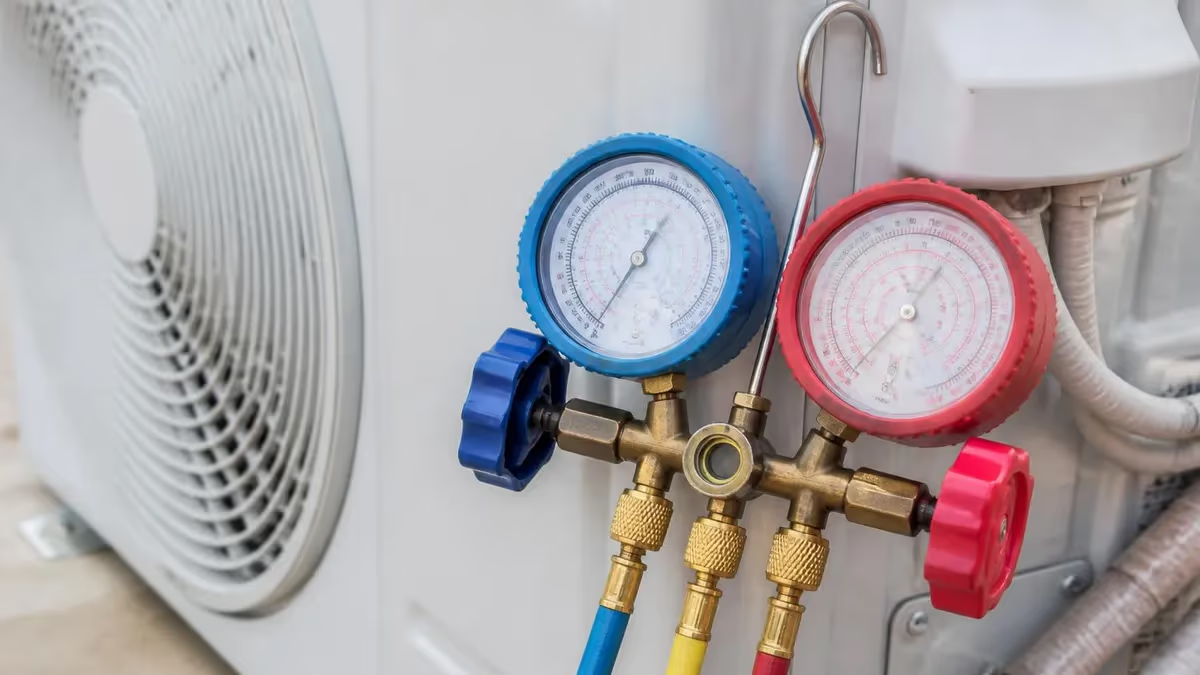
Residential HVAC services cover everything that keeps your home comfortable year-round, from installing a new furnace and air conditioner to diagnosing a noisy blower, sealing leaky ducts, and tuning systems for peak efficiency. For most homeowners, heating and cooling represents the single largest energy expense in the house, so understanding what these services include helps you spend smarter and avoid costly breakdowns. This guide breaks down each service, what it costs, and how to recognize quality work.
The term HVAC stands for heating, ventilation, and air conditioning, and a complete residential system works as one connected loop. Conditioned air is produced by a furnace, heat pump, or air conditioner, then distributed through ductwork and registers into every room. Return vents pull stale air back to be filtered and reconditioned. When any link in that chain fails, comfort suffers immediately. Professional service technicians are trained to test the whole system rather than just the part that seems broken.
Homeowners typically encounter residential HVAC services in three situations: routine maintenance, emergency repair, or full system replacement. A spring tune-up might cost under $150, while a complete system swap can exceed $10,000 depending on equipment and home size. Knowing where your situation falls on that spectrum lets you budget appropriately and ask the right questions when a contractor arrives. Many problems caught early during maintenance never become expensive emergencies later.
Indoor air quality has become a major part of modern residential service offerings. Beyond temperature, today's systems manage humidity, filter allergens, and ventilate fresh air into tightly sealed homes. Whole-house dehumidifiers, media filters, UV lamps, and energy recovery ventilators all fall under the residential HVAC umbrella. These add-ons matter for households with allergies, asthma, or young children, and they increasingly factor into the value buyers place on a home during resale.
Choosing the right provider is just as important as choosing the right equipment. Licensing, insurance, manufacturer certifications, and transparent written estimates separate reputable companies from fly-by-night operators. A good contractor performs a load calculation, explains your options without pressure, and stands behind the work with a clear warranty. Throughout this guide we explain how to vet companies, what red flags to watch for, and how to compare bids so you are never paying for work you do not need.
Finally, residential HVAC is a field shaped by changing codes, refrigerant phase-outs, and efficiency standards that tighten every few years. Equipment installed today must meet minimum SEER2 and AFUE ratings that did not exist a decade ago, and rebates often reward homeowners who exceed those minimums. By the end of this article you will understand the services available, what fair pricing looks like, and how to keep your home comfortable and efficient for years without overspending.
Residential HVAC Services by the Numbers
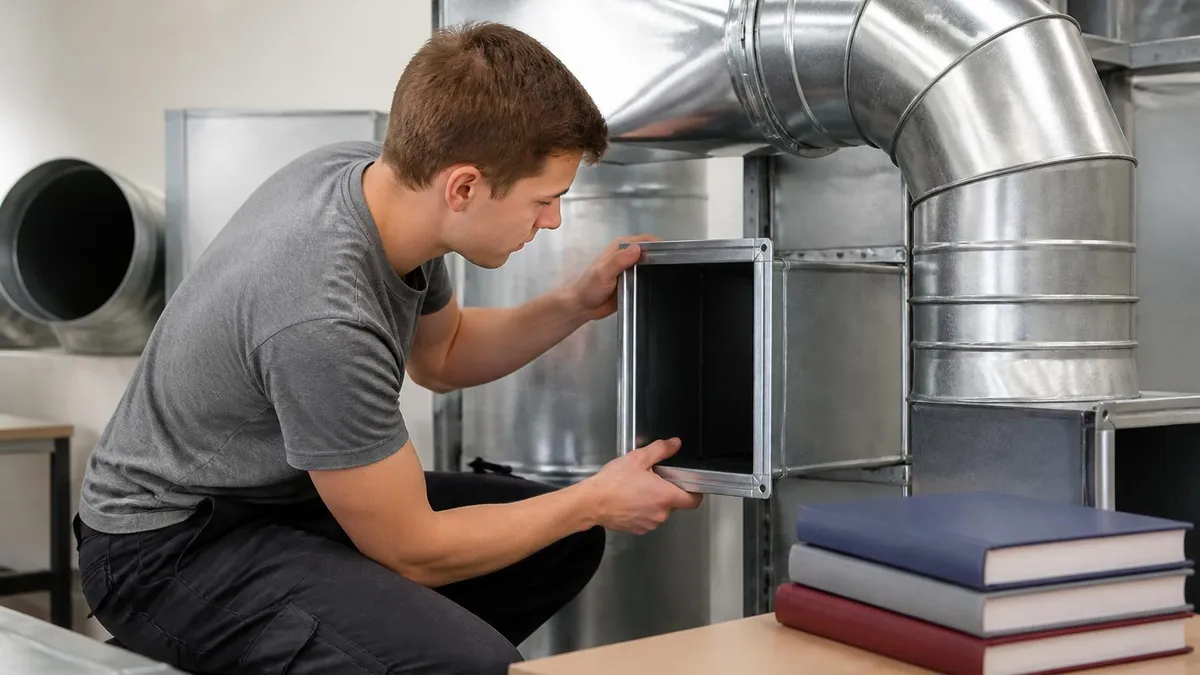
Core Categories of Residential HVAC Services
Sizing, removing old equipment, and installing new furnaces, heat pumps, air conditioners, and ductwork. Includes load calculations, permits, and startup testing to ensure the new system matches the home.
Troubleshooting no-heat, no-cool, airflow, and electrical faults. Technicians test refrigerant pressures, capacitors, motors, and controls to pinpoint failures and restore comfort quickly, often the same day.
Scheduled tune-ups that clean coils, replace filters, check refrigerant, calibrate thermostats, and inspect safety controls. This service extends equipment life and protects manufacturer warranties.
Adding filtration, humidifiers, dehumidifiers, UV lamps, and fresh-air ventilation. These services target allergens, moisture problems, and stale air in tightly sealed modern homes.
Designing, sealing, and balancing duct systems so conditioned air reaches every room evenly. Leaky ducts waste energy and create hot and cold spots throughout the house.
Installation and replacement is the most visible residential HVAC service and the one with the highest stakes. A proper installation begins with a Manual J load calculation, which uses your home's square footage, insulation, window count, and climate zone to size the equipment correctly. Oversized systems short-cycle and waste energy, while undersized units run constantly and never reach setpoint. A quality installer also evaluates ductwork, electrical capacity, and gas line sizing before recommending a model, ensuring the whole system works together as designed.
Repair and diagnostics make up the bulk of day-to-day service calls. When a system stops heating or cooling, technicians follow a logical sequence: confirm power, check thermostat operation, inspect the blower and airflow, then measure refrigerant and electrical readings. Common repairs include replacing a failed capacitor, contactor, igniter, or blower motor. Skilled technicians explain the root cause rather than simply swapping parts, because a recurring fault often points to a deeper problem like low refrigerant from a slow leak that needs sealing.
Preventive maintenance is the most cost-effective service a homeowner can buy. A thorough tune-up cleans the condenser and evaporator coils, replaces or washes filters, clears the condensate drain, tightens electrical connections, lubricates motors, and verifies refrigerant charge. Technicians also test safety controls like the high-limit switch and flame sensor. Many manufacturers require documented annual maintenance to keep warranties valid, so skipping service can quietly void coverage worth thousands of dollars if a major component later fails.
Indoor air quality services have grown rapidly as homes become more airtight. Tight construction saves energy but traps moisture, odors, and pollutants indoors. Service providers install media air cleaners, whole-house humidifiers and dehumidifiers, and energy recovery ventilators that exchange stale indoor air for filtered fresh air without wasting the energy already spent conditioning it. For allergy sufferers, upgrading from a basic one-inch filter to a high-MERV media cabinet can dramatically reduce dust, pollen, and pet dander circulating through the house.
Ductwork service is frequently overlooked yet hugely impactful. Studies show typical homes lose 20 to 30 percent of conditioned air through duct leaks, disconnected joints, and poor insulation in attics and crawlspaces. Professional duct sealing with mastic or aerosol sealant, combined with proper insulation, recovers that lost energy. Balancing dampers then fine-tune airflow so the upstairs bedroom is no longer ten degrees warmer than the living room. Addressing ducts often delivers more comfort than replacing the equipment itself.
Many residential HVAC companies bundle these categories into service agreements or comfort plans. For a flat annual or monthly fee, you receive scheduled maintenance, priority emergency response, and discounts on repairs and parts. These plans appeal to busy homeowners who want predictable budgeting and a guaranteed relationship with a contractor who already knows their system. Before signing, read the fine print to confirm what visits are included and whether the discount actually offsets the membership cost over a typical year.
HVAC Practice Test Questions
Prepare for the HVAC - Heating Ventilation and Air Conditioning exam with our free practice test modules. Each quiz covers key topics to help you pass on your first try.
HVAC Air Conditioning
HVAC Exam Questions covering Air Conditioning. Master HVAC Test concepts for certification prep.
HVAC Code Compliance
Free HVAC Practice Test featuring Code Compliance. Improve your HVAC Exam score with mock test prep.
HVAC Electrical Controls
HVAC Test Prep for Electrical Controls. Practice HVAC Quiz questions and boost your score.
HVAC Energy Efficiency
HVAC Questions and Answers on Energy Efficiency. Free HVAC practice for exam readiness.
HVAC Heating Systems
HVAC Mock Test covering Heating Systems. Online HVAC Test practice with instant feedback.
HVAC Load Calculations
Free HVAC Quiz on HVAC Load Calculations. HVAC Exam prep questions with detailed explanations.
HVAC Tools and Equipment
HVAC Practice Questions for HVAC Tools and Equipment. Build confidence for your HVAC certification exam.
HVAC Refrigeration
HVAC Test Online for Refrigeration. Free practice with instant results and feedback.
HVAC Safety Practices
HVAC Study Material on Safety Practices. Prepare effectively with real exam-style questions.
HVAC System Design
Free HVAC Test covering System Design. Practice and track your HVAC exam readiness.
HVAC Thermodynamics
HVAC Exam Questions covering Thermodynamics. Master HVAC Test concepts for certification prep.
Heating vs. Cooling: Residential HVAC Services Compared
Heating service centers on furnaces, heat pumps, and boilers. Technicians inspect heat exchangers for cracks, test ignition and flame sensors, verify gas pressure, and confirm safe combustion and venting. A cracked heat exchanger is a carbon monoxide hazard that demands immediate attention, which is why fall tune-ups always include a combustion safety check before the heating season begins.
Efficiency in heating equipment is measured by AFUE for furnaces and HSPF2 for heat pumps. A modern condensing furnace can reach 95 to 98 percent AFUE, meaning almost all fuel converts to usable heat. Service work that keeps burners clean and airflow correct directly protects that efficiency, lowering monthly gas or electric bills during the coldest months of the year.
Should You Sign a Residential HVAC Service Agreement?
- +Two scheduled tune-ups keep equipment efficient and under warranty
- +Priority scheduling during peak summer and winter demand
- +Discounts on repairs, parts, and replacement equipment
- +Documented maintenance history protects manufacturer coverage
- +Catches small problems before they become costly emergencies
- +Predictable annual budgeting with no surprise tune-up fees
- +Same technicians learn your system over time
- −Annual fees may exceed the cost of paying per visit
- −Some plans push unnecessary upsells during routine visits
- −Discounts may not apply to all parts or labor
- −Cancellation terms can be restrictive or auto-renewing
- −Quality varies widely between companies offering plans
- −Coverage rarely includes major component replacement
Seasonal Residential HVAC Maintenance Checklist
- ✓Replace or wash air filters every one to three months
- ✓Clear leaves and debris from the outdoor condenser unit
- ✓Keep two feet of clearance around the outdoor unit
- ✓Test the thermostat and replace batteries if needed
- ✓Inspect and clear the condensate drain line
- ✓Check that all supply and return vents are open and unblocked
- ✓Listen for unusual noises like grinding, banging, or hissing
- ✓Schedule a professional cooling tune-up each spring
- ✓Schedule a professional heating tune-up each fall
- ✓Verify carbon monoxide detectors are working near gas equipment
- ✓Note any rising energy bills that signal declining efficiency
- ✓Keep maintenance records to protect equipment warranties
Change your filter on schedule
A clogged filter is the number one cause of residential HVAC failures. It restricts airflow, overheats the furnace, and can freeze the evaporator coil in cooling mode. Checking and replacing your filter every one to three months is a five-dollar task that prevents hundreds of dollars in repairs and keeps efficiency high.
Understanding the cost of residential HVAC services helps you recognize a fair quote and budget for the future. A standard maintenance tune-up typically runs $75 to $200 per visit, while service agreements bundling two visits often cost $150 to $400 annually. Diagnostic fees for a repair call usually range from $75 to $175, frequently applied toward the repair if you proceed. These baseline numbers vary by region, but knowing them protects you from inflated charges that prey on homeowners during an emergency.
Repair costs depend heavily on the failed component. Replacing a run capacitor might cost $150 to $400, while a blower motor runs $400 to $900 installed. A furnace igniter or flame sensor falls in the $150 to $350 range, and a compressor replacement can reach $1,500 to $2,800. Refrigerant leak repairs vary widely depending on location and severity. When repair estimates approach half the cost of new equipment on an aging system, replacement usually becomes the smarter long-term investment.
Full system replacement is the largest residential HVAC expense, typically $5,000 to $12,500 installed for a complete furnace and air conditioner or heat pump system. Pricing depends on equipment efficiency, home size, ductwork condition, and labor rates in your area. High-efficiency variable-speed systems cost more upfront but deliver lower operating costs and better comfort. Always get itemized quotes that separate equipment, labor, permits, and any required electrical or ductwork modifications so you can compare bids accurately.
Operating costs deserve as much attention as installation costs. A system's efficiency rating directly determines your monthly bills, and the difference between a minimum-efficiency unit and a high-efficiency one can total thousands of dollars over a fifteen-year lifespan. When comparing equipment, ask the contractor to estimate annual operating cost based on your local energy rates. A slightly more expensive efficient system frequently pays for itself in savings well before it needs replacement, especially in extreme climates.
Rebates and tax incentives can dramatically reduce net costs. Federal tax credits reward qualifying heat pumps, high-efficiency furnaces, and air conditioners, while many utilities and state programs offer additional rebates for upgrading older equipment. A knowledgeable contractor will identify which incentives apply to the equipment you are considering and often handle the paperwork. Stacking a federal credit with a utility rebate can shave well over a thousand dollars off a high-efficiency installation, narrowing the price gap with standard equipment.
Financing options have made larger projects more accessible. Many companies offer promotional zero-interest periods or low monthly payments through lending partners, and some utilities provide on-bill financing. While financing spreads the cost, compare the total amount paid including interest, and never let a low monthly payment distract you from evaluating the equipment quality and the contractor's reputation. The cheapest monthly payment on a poorly installed system is no bargain when it fails early or runs inefficiently.

Some technicians condemn working equipment to push an expensive replacement. If a contractor declares your system dangerous or beyond repair, ask for the specific evidence, such as photos of a cracked heat exchanger or measured refrigerant readings. Always get a second opinion before approving any replacement that exceeds a few thousand dollars.
Choosing the right contractor is the most consequential decision in residential HVAC. Start by confirming the company holds the proper state or local HVAC license and carries both liability insurance and workers' compensation coverage. An unlicensed installer may save money upfront but leaves you exposed if work fails inspection, damages your home, or someone is injured on the job. Reputable companies list their license number openly and provide proof of insurance without hesitation when asked.
Manufacturer certifications and ongoing training signal competence. Look for NATE-certified technicians and dealers authorized by major equipment brands, which often unlocks better warranties. Read reviews across multiple platforms, paying attention to how the company responds to complaints rather than just the star rating. A pattern of unresolved disputes or recurring callbacks for the same problem is a stronger warning sign than a single negative review among many positive ones. You can also explore options when searching for HVAC technicians near me to compare local providers.
Insist on a written, itemized estimate before any major work. The proposal should specify equipment make and model, efficiency ratings, scope of labor, permit responsibility, warranty terms, and a clear price. Vague quotes scribbled on a business card invite disputes and hidden charges later. For replacements, a quality contractor performs a load calculation rather than simply matching the size of your old unit, because the previous system may have been incorrectly sized to begin with.
Get at least three bids for any large project and compare them carefully. The lowest price is rarely the best value if it omits permits, uses lower-efficiency equipment, or skips necessary ductwork repairs. Conversely, the highest bid is not automatically the most thorough. Line up the proposals side by side and ask each contractor to justify differences. A trustworthy professional welcomes the comparison and explains exactly why their recommendation fits your home and budget without resorting to scare tactics.
Permits and inspections protect you, even though they add a small cost and delay. A permitted installation is inspected by a local authority to verify it meets code, which matters for safety, insurance claims, and resale. If a contractor suggests skipping the permit to save money or time, treat it as a serious red flag. Unpermitted work can create legal and financial headaches when you sell the home, and it removes an independent check on the quality of the installation.
Finally, evaluate communication and professionalism throughout the process. Does the company answer calls, show up on time, and explain options patiently? Do they clean up after themselves and walk you through operating the new system? These details predict the experience you will have if something goes wrong later. A contractor who treats the sales visit as a chance to educate rather than pressure is far more likely to deliver reliable service and stand behind their work for years.
With the right knowledge, you can get more value from every residential HVAC service call and keep your system running smoothly between visits. Start by learning the basics of your own equipment: locate the furnace, air handler, condenser, thermostat, and filter, and note their model and age. When you understand what you own, you ask sharper questions and spot upsells that do not fit your situation. A quick photo of the data plate on each unit gives technicians the details they need instantly.
Document everything. Keep a folder with installation paperwork, warranty registrations, maintenance receipts, and notes about any repairs. This record proves warranty compliance, helps the next technician diagnose recurring issues, and adds credibility when you sell the home. Many warranty claims are denied simply because the homeowner cannot prove annual maintenance was performed, so a few minutes of filing after each visit can protect coverage worth thousands of dollars down the line.
Learn to perform safe homeowner tasks yourself. Changing filters, clearing debris from the outdoor unit, flushing the condensate drain with a vinegar solution, and keeping vents unobstructed require no special skill and prevent the most common failures. Leave anything involving refrigerant, gas, or electrical components to licensed professionals, both for safety and because improper handling can void warranties or create serious hazards. Knowing the line between DIY and professional work saves money without taking risks.
Schedule maintenance proactively rather than waiting for a breakdown. Book your cooling tune-up in early spring and your heating tune-up in early fall, before the seasonal rush when contractors are overwhelmed and emergency rates apply. Off-peak scheduling means faster appointments, more attentive service, and often lower prices. It also means problems surface during mild weather when you can plan repairs calmly instead of facing a no-heat night in January or a sweltering July afternoon.
Pay attention to your system's signals. Rising energy bills, uneven temperatures between rooms, longer run times, strange smells, or new noises all indicate developing problems. Catching these early during a routine visit is far cheaper than waiting for total failure. Track your monthly energy usage so you notice gradual efficiency decline, which often points to a dirty coil, low refrigerant, or a failing component that a technician can correct before it cascades into a larger, more expensive repair.
Finally, think about efficiency upgrades that pay back over time. Smart thermostats, duct sealing, added attic insulation, and high-MERV filtration all improve comfort and lower bills, and they often qualify for rebates. When replacement eventually becomes necessary, you will be ready with a contractor relationship, maintenance records, and a clear understanding of what efficient equipment costs. That preparation turns a stressful emergency replacement into a confident, well-informed investment in your home's long-term comfort and value.
HVAC Questions and Answers
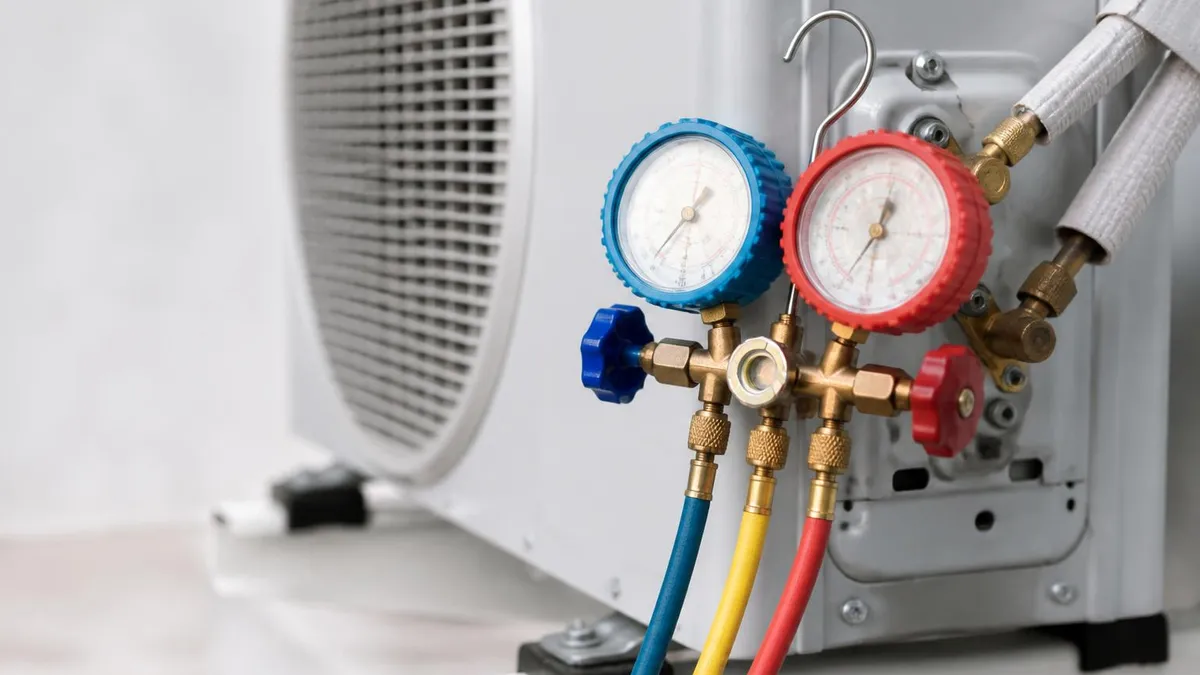
HVAC Sales: The Complete Guide to Selling Heating and Cooling Systems, Building Customer Trust, and Closing More Deals
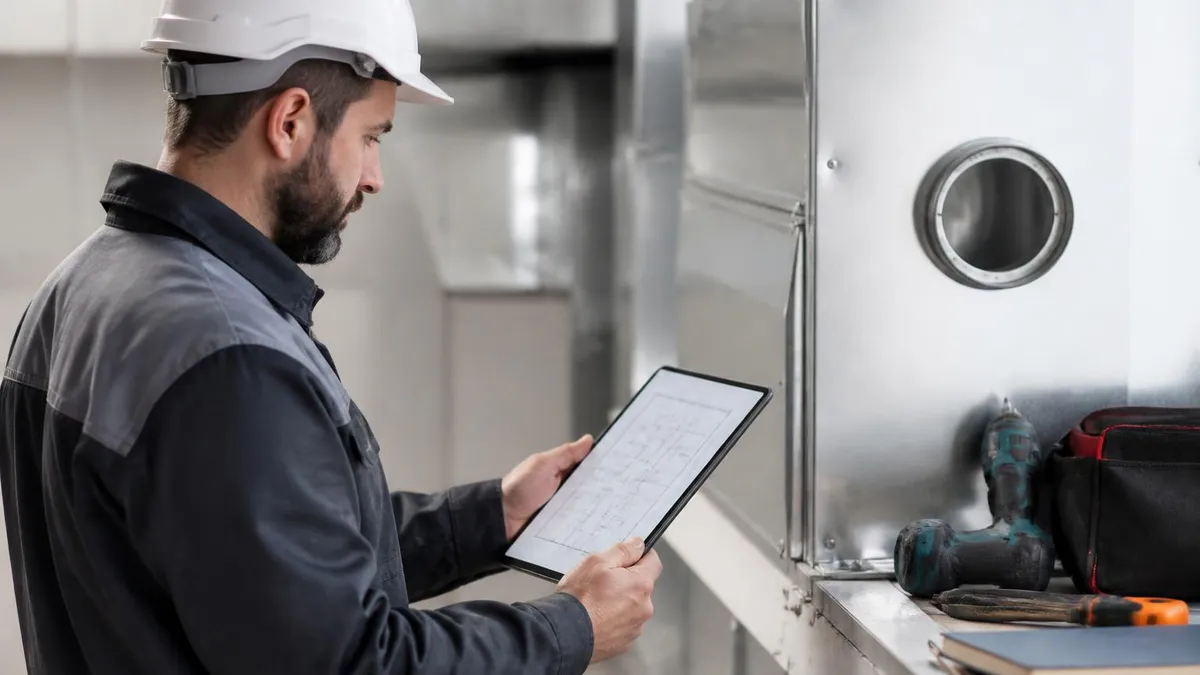
HVAC Technicians Near Me: The Complete Homeowner's Guide to Finding, Vetting, and Hiring Local Heating and Cooling Pros
HVAC Air Duct Sealing: The Complete Homeowner and Contractor Guide to Sealing Ductwork for Efficiency, Comfort, and Indoor Air Quality

HVAC Replacement Services: Complete Guide to System Replacement, Costs, and What to Expect
HVAC Solutions: The Complete Guide to Heating, Cooling, and Indoor Air Quality Systems for Homes and Buildings
About the Author

NATE Certified HVAC Technician & Licensing Exam Trainer
Universal Technical InstituteMike Johnson is a NATE-certified HVAC technician and EPA 608 universal-certified refrigerant handler with a Bachelor of Science in HVAC/R Technology. He has 19 years of commercial and residential HVAC installation and service experience and specializes in preparing technicians for NATE certification, EPA 608, A2L refrigerant safety, and state HVAC contractor licensing examinations.