
HVAC Tune-Up Cost: What You'll Pay, What's Included, and How to Save on Annual Maintenance
HVAC tune up cost explained: average prices, what a tune-up includes, AC vs furnace fees, and how to save on annual heating and cooling maintenance. 🏆
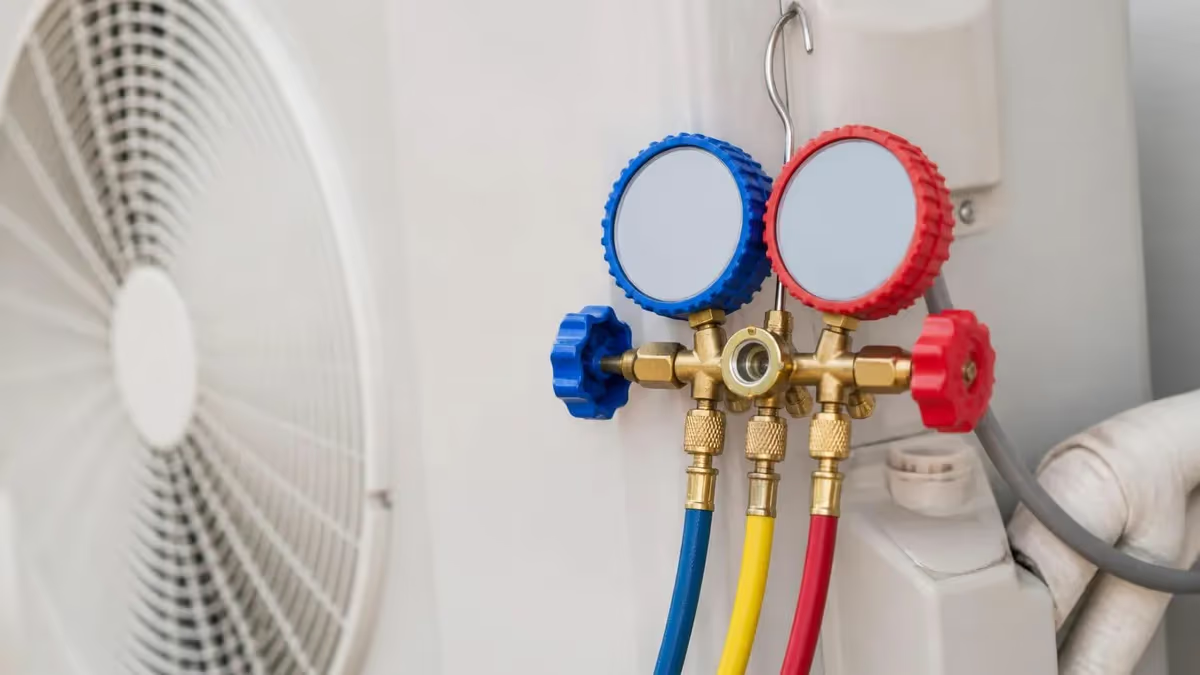
Understanding the typical HVAC tune up cost is one of the smartest first steps any homeowner can take before scheduling seasonal maintenance. On average, a standard HVAC tune-up costs between $75 and $200 per visit, with most households paying around $120 for a single-system inspection and cleaning. That figure can climb higher when you bundle both heating and cooling, add refrigerant, or call a premium contractor in a high cost-of-living region. Knowing the range helps you spot fair quotes and avoid overpaying for routine service.
The price you see on an invoice reflects far more than a quick filter swap. A proper tune-up includes a multi-point inspection, electrical testing, lubrication of moving parts, condensate drain clearing, refrigerant pressure checks, and a combustion analysis on gas furnaces. Each of those tasks protects the equipment you have already invested thousands of dollars in. Skipping them to save $100 a year often leads to compressor failures, cracked heat exchangers, or efficiency losses that cost far more down the line.
Several variables push the number up or down. System type matters: a basic split air conditioner is cheaper to service than a high-efficiency variable-speed heat pump. Location matters too, since labor rates in metro areas like New York or San Francisco run 30 to 50 percent above rural Midwest pricing. The season you book also influences cost, with spring and fall promotions frequently dropping the price below $90 to keep technicians busy during slower months.
Many homeowners are surprised to learn that maintenance plans can change the math entirely. A typical service agreement runs $150 to $300 per year and bundles two visits, priority scheduling, and a 10 to 20 percent discount on repairs. If you would otherwise pay for spring AC service and fall furnace service separately, the plan often pays for itself. When weighing options, it helps to find qualified local HVAC technicians who clearly explain what each tier covers.
It is also worth separating a tune-up from a repair. A tune-up is preventive: it identifies small problems before they become emergencies. A repair fixes something already broken, and those bills can range from $150 for a capacitor to $2,000 for a compressor. The entire point of paying for annual maintenance is to reduce the frequency and severity of those repair calls while keeping your energy bills predictable throughout the year.
Throughout this guide, we break down exactly what drives HVAC tune-up pricing, what a thorough service visit should include, when DIY makes sense versus hiring a pro, and how to negotiate the best possible rate. By the end, you will be able to read any maintenance quote with confidence and know whether the number in front of you is reasonable, inflated, or a genuine bargain worth booking right away.
HVAC Tune-Up Costs by the Numbers
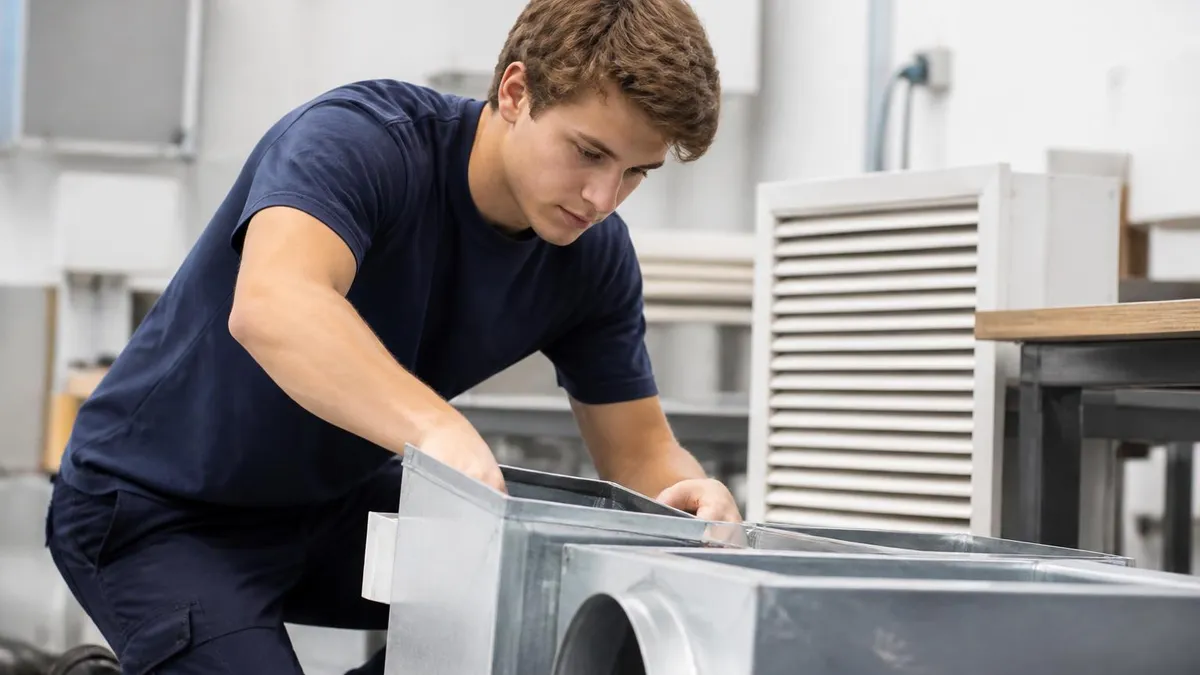
Common HVAC Tune-Up Price Points
A complete HVAC tune-up is a structured service that follows a checklist, not a vague once-over. The technician begins by inspecting the air filter and replacing it if needed, then examines the blower assembly for dust buildup that restricts airflow. Restricted airflow is one of the most common causes of high energy bills, because the system has to run longer to reach the thermostat setpoint. Cleaning the blower wheel and squirrel cage alone can restore noticeable comfort and lower monthly costs.
Next comes the electrical inspection, which is arguably the most valuable part of the visit. The technician tightens loose terminals, tests capacitors and contactors, and measures voltage and amperage draw on the motor. A weak capacitor that costs $15 to replace during a tune-up can otherwise burn out the compressor, a $1,500 to $2,500 failure. Catching electrical wear early is precisely why preventive maintenance saves money over the lifespan of the equipment, even when the visit itself feels routine.
On the cooling side, the technician checks refrigerant pressure and looks for leaks. Low refrigerant signals a leak that must be repaired, not simply topped off, and a system running low strains the compressor and slashes efficiency. The condenser coil outside is rinsed clean of grass, leaves, and dander, while the evaporator coil indoors is inspected for the biofilm that breeds mold and odors. Both coils must be clean for heat transfer to work properly.
For heating systems, combustion analysis takes center stage. The technician measures carbon monoxide, inspects the heat exchanger for cracks, verifies the flame sensor, and confirms the system vents exhaust safely. A cracked heat exchanger can leak deadly carbon monoxide into living spaces, so this single check is a genuine safety service. The igniter, gas pressure, and burners are also examined to ensure clean, efficient combustion throughout the winter heating season.
The condensate drain is flushed to prevent clogs that cause water damage and trigger safety shutoffs. Moving parts are lubricated, belts are checked for wear, and the thermostat calibration is verified against an accurate thermometer. Many technicians also test the system's overall temperature split, the difference between return and supply air, to confirm the equipment is performing within manufacturer specifications. Pairing a tune-up with professional duct sealing can amplify the efficiency gains.
Finally, a good technician documents everything and explains the results in plain language. You should receive a written report listing measurements, photos of any concerns, and clear recommendations ranked by urgency. This transparency lets you decide which repairs are truly necessary versus optional upgrades. If a contractor cannot show you data or rushes through the visit in fifteen minutes, that is a red flag that you paid for a sticker on the unit rather than genuine preventive maintenance.
HVAC Practice Test Questions
Prepare for the HVAC - Heating Ventilation and Air Conditioning exam with our free practice test modules. Each quiz covers key topics to help you pass on your first try.
HVAC Air Conditioning
HVAC Exam Questions covering Air Conditioning. Master HVAC Test concepts for certification prep.
HVAC Code Compliance
Free HVAC Practice Test featuring Code Compliance. Improve your HVAC Exam score with mock test prep.
HVAC Electrical Controls
HVAC Test Prep for Electrical Controls. Practice HVAC Quiz questions and boost your score.
HVAC Energy Efficiency
HVAC Questions and Answers on Energy Efficiency. Free HVAC practice for exam readiness.
HVAC Heating Systems
HVAC Mock Test covering Heating Systems. Online HVAC Test practice with instant feedback.
HVAC Load Calculations
Free HVAC Quiz on HVAC Load Calculations. HVAC Exam prep questions with detailed explanations.
HVAC Tools and Equipment
HVAC Practice Questions for HVAC Tools and Equipment. Build confidence for your HVAC certification exam.
HVAC Refrigeration
HVAC Test Online for Refrigeration. Free practice with instant results and feedback.
HVAC Safety Practices
HVAC Study Material on Safety Practices. Prepare effectively with real exam-style questions.
HVAC System Design
Free HVAC Test covering System Design. Practice and track your HVAC exam readiness.
HVAC Thermodynamics
HVAC Exam Questions covering Thermodynamics. Master HVAC Test concepts for certification prep.
AC vs Furnace vs Heat Pump Tune-Up Cost
An air conditioner tune-up typically costs $70 to $150 and is best scheduled in spring before peak summer demand. The visit focuses on refrigerant pressure, coil cleaning, capacitor testing, and condensate drainage. Because cooling systems work hardest in extreme heat, a spring service prevents mid-July breakdowns when contractor wait times stretch to days.
The single biggest cost driver for AC service is refrigerant. If the system uses older R-22, top-offs can add $50 to $150 per pound due to phase-out scarcity. Newer R-410A systems are cheaper to service, which is one reason replacing aging equipment sometimes beats repeatedly recharging it.
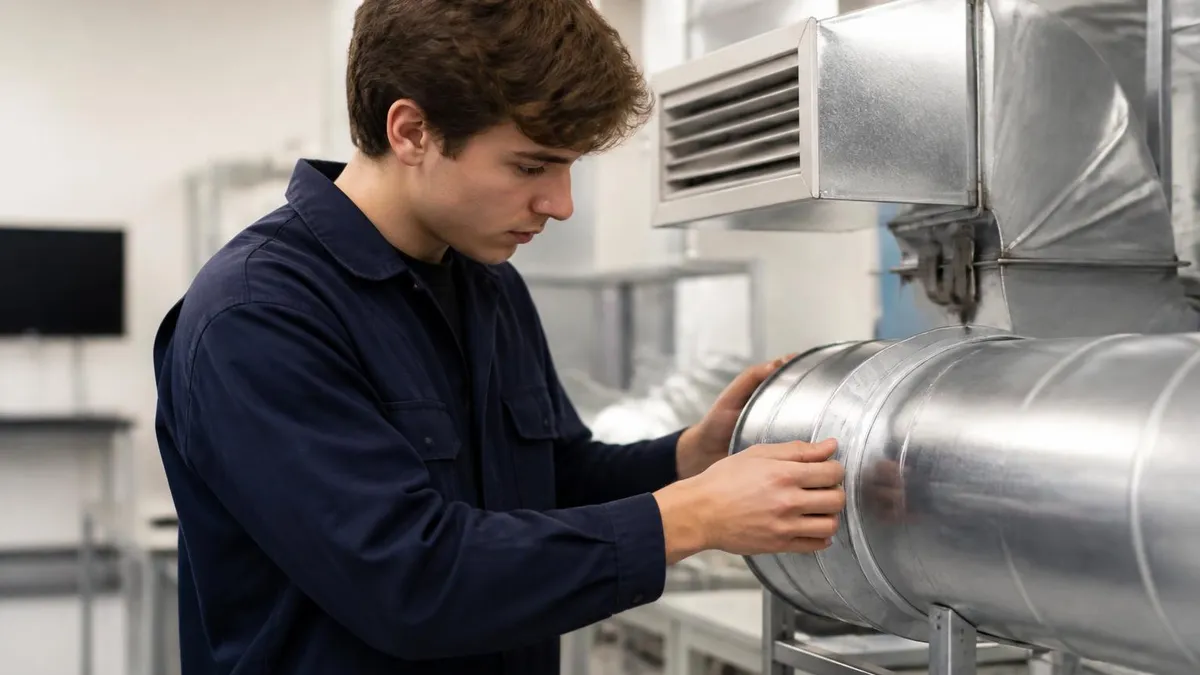
Is Paying for an Annual HVAC Tune-Up Worth It?
- +Catches small electrical and refrigerant issues before they cause costly failures
- +Maintains manufacturer efficiency, lowering monthly energy bills
- +Extends equipment lifespan, often by 5 or more years
- +Preserves manufacturer warranty coverage that requires documented maintenance
- +Includes critical safety checks like carbon monoxide and heat exchanger inspection
- +Service plans add priority scheduling and repair discounts
- −Annual cost of $150–$300 feels avoidable on a newer system
- −Some contractors upsell unnecessary repairs during visits
- −Quality varies widely between technicians and companies
- −Low-cost promotions can mean rushed, superficial inspections
- −DIY tasks like filter changes overlap with paid services
- −Plans may auto-renew at higher rates if not monitored
Pros and Cons at a Glance
| Pros | Cons |
|---|---|
| Catches small electrical and refrigerant issues before they cause costly failures | Some contractors upsell unnecessary repairs during visits |
| Maintains manufacturer efficiency, lowering monthly energy bills | Quality varies widely between technicians and companies |
| Preserves manufacturer warranty coverage that requires documented maintenance | Low-cost promotions can mean rushed, superficial inspections |
| Includes critical safety checks like carbon monoxide and heat exchanger inspection | DIY tasks like filter changes overlap with paid services |
| Service plans add priority scheduling and repair discounts | Plans may auto-renew at higher rates if not monitored |
What to Do Before Your HVAC Tune-Up Visit
- ✓Confirm exactly which system (AC, furnace, or both) the quoted price covers.
- ✓Ask whether a new air filter is included or billed separately.
- ✓Request a written multi-point inspection checklist in advance.
- ✓Clear furniture and clutter away from indoor units and registers.
- ✓Trim weeds and debris around the outdoor condenser unit.
- ✓Locate and share your equipment's age and model number.
- ✓Ask if refrigerant top-offs cost extra and at what per-pound rate.
- ✓Compare the single-visit price against an annual maintenance plan.
- ✓Verify the contractor is licensed, bonded, and insured.
- ✓Read recent online reviews focused on honesty and upselling.
A clogged filter can mimic a major breakdown
Before paying for a diagnostic call, replace your air filter. A dirty filter restricts airflow, freezes coils, and triggers shutdowns that look like expensive failures. This $15 fix solves a surprising share of "no cooling" complaints. A tune-up technician will replace it, but staying on top of monthly filter changes between visits protects your investment year-round.
The final price of an HVAC tune-up is shaped by a handful of predictable factors, and understanding them helps you interpret any quote. System type is the largest driver. A single-stage split air conditioner is straightforward and cheap to service, while a variable-speed, communicating heat pump with multiple sensors and control boards demands more time and expertise. The more sophisticated the equipment, the higher the labor portion of the bill, simply because the technician must work through more checkpoints.
Geographic location creates dramatic swings. Labor rates in dense, high-cost metros run far above small-town and rural pricing, sometimes by 40 to 50 percent. A tune-up that costs $90 in rural Texas can easily reach $180 in Los Angeles or Boston. Regional climate also plays a role: in the Sun Belt, AC service is in constant demand and priced competitively, while in northern states furnace maintenance dominates the schedule and commands a premium during cold snaps.
Seasonality strongly influences what you pay. Booking AC service in the off-season, such as late winter or early spring, often unlocks promotional pricing because technicians have open schedules. The same applies to furnace tune-ups in late summer. Emergency or peak-season service, by contrast, carries premium rates and sometimes after-hours surcharges. Planning maintenance during shoulder months is one of the easiest ways to shave 20 to 30 percent off the standard rate.
The contractor's business model matters too. Large national chains carry higher overhead and may price tune-ups higher or aggressively bundle them with sales pitches for new systems. Independent local technicians frequently offer lower rates and more personalized service, though quality varies. The key is matching price to value: the cheapest sticker is meaningless if the inspection is superficial and misses the cracked heat exchanger that could endanger your family.
Add-on services quietly inflate invoices. Refrigerant top-offs, especially for legacy R-22 systems, can add $50 to $150 per pound. Coil cleaning beyond a basic rinse, blower wheel pulls, and surge protector installation are common extras. None are inherently dishonest, but you should approve them individually rather than discovering them on the final bill. Always ask which items are included in the base price versus billed separately before work begins.
Finally, the condition and age of your system affects total cost over time. A neglected ten-year-old unit will surface more issues during a tune-up, meaning more recommended repairs. A well-maintained system stays cheaper to service because each visit builds on the last. This compounding benefit is why homeowners who commit to consistent annual maintenance ultimately spend less per year than those who only call when something breaks down completely.

Deeply discounted tune-up promotions are sometimes loss leaders designed to get a salesperson inside your home. The technician may rush the inspection, then "discover" expensive problems requiring immediate repair or full replacement. Legitimate low-cost specials exist, but always verify the company's reputation and get any major repair recommendation confirmed by a second opinion before authorizing it.
Saving money on HVAC maintenance starts with timing and bundling. The single most effective tactic is scheduling service during the off-season, when contractors discount visits to keep crews busy. A furnace tune-up booked in August or an AC tune-up in February frequently costs less than the same service during a heat wave or cold snap. Combining both systems into one dual-system visit also reduces the per-system price, since the technician is already on-site and saves a trip charge.
Maintenance plans deliver the most reliable long-term savings for most households. For $150 to $300 a year, you typically receive two visits, priority emergency scheduling, and a standing 10 to 20 percent discount on any repairs. If you would otherwise pay separately for spring and fall service, the plan effectively bundles them at a discount while locking in your rate. Just calendar the renewal date so you can renegotiate or shop around rather than auto-renewing at a higher price.
Doing the simple tasks yourself between professional visits keeps systems healthier and reduces emergency calls. Change filters every one to three months, keep the outdoor condenser clear of leaves and grass clippings, rinse the coil gently with a hose, and pour a cup of vinegar down the condensate line to prevent algae clogs. These five-minute habits handle the maintenance that does not require tools or training, leaving the technician free to focus on electrical, refrigerant, and combustion work.
Comparison shopping pays off, but compare scope, not just price. Ask each contractor for their written inspection checklist and confirm exactly what the base fee covers. A $90 tune-up with a thorough 25-point inspection beats a $70 visit that only swaps the filter and rinses the coil. Reading recent reviews specifically for comments about honesty and upselling tells you more about value than the advertised price ever will.
Take advantage of utility and manufacturer programs. Many electric and gas utilities offer rebates for enrolling in maintenance programs or installing smart thermostats, and some manufacturers require documented annual service to keep warranties valid. Skipping maintenance can void coverage on a compressor or heat exchanger worth thousands, so the tune-up effectively protects a much larger asset. Always file your service receipts in case you ever need to make a warranty claim.
Finally, think about the bigger picture before pouring money into an aging system. If a unit is fifteen or more years old and needs frequent repairs, repeated tune-ups and fixes may exceed the value of the equipment. In that case, exploring professional HVAC replacement options could save more over the next decade than continuing to maintain a failing system. Weigh annual maintenance spending against the efficiency and reliability of modern equipment.
Once you understand pricing, the practical goal is getting maximum value from every maintenance dollar. Start by building a relationship with one trustworthy contractor rather than chasing the lowest bidder each year. A technician who knows your system's history can spot trends, such as a capacitor that has weakened over two visits, and address them before failure. That continuity is worth more than the small savings from constantly switching companies for a marginally cheaper sticker price.
Keep detailed records of every visit. Save the written inspection report, note the measurements taken, and photograph any flagged components. This documentation supports warranty claims, helps you evaluate whether recommended repairs are genuinely recurring, and gives a second-opinion technician valuable context. Organized homeowners catch upselling faster because they can compare this year's findings against last year's and question anything that suddenly appears without explanation.
Learn to ask the right questions during the visit. Request the temperature split reading, the capacitor's measured capacitance versus its rating, and the refrigerant pressures. You do not need to be an expert to benefit; simply asking signals that you are an informed customer, which discourages padding the bill. A good technician welcomes these questions and explains the answers, while an evasive one reveals that the service may not be as thorough as the invoice suggests.
Prioritize repairs by safety and cost-efficiency. Anything involving carbon monoxide, a cracked heat exchanger, or exposed electrical hazards is non-negotiable and should be fixed immediately. Efficiency-related items, like a slightly worn belt or a minor coil cleaning, can sometimes wait until the next visit if budget is tight. Ask the technician to rank recommendations by urgency so you can make informed decisions instead of approving everything under pressure.
Time your maintenance around your equipment's life stage. New systems under warranty need documented service to stay covered but rarely require major repairs. Mid-life systems benefit most from diligent tune-ups that extend their useful years. Aging systems near the end of their lifespan call for a frank cost-benefit conversation, since money spent on repeated repairs might be better invested toward replacement. Matching your maintenance strategy to equipment age keeps spending rational.
Lastly, treat preventive maintenance as insurance rather than an expense. The $120 you spend on a tune-up protects equipment worth $5,000 to $12,000 and prevents emergency calls that cost double during peak demand. Homeowners who consistently maintain their systems report fewer breakdowns, lower energy bills, and longer equipment life. When you frame the tune-up as protecting a major household asset, the annual cost stops feeling optional and starts looking like one of the best returns in home ownership.
Sample HVAC Practice Questions
Try these questions from our free HVAC practice tests. The correct answer and an explanation follow each question.
What is a 'variable frequency drive' (VFD) and how does it save energy?
- A. A multi-speed motor starter that operates at preset speeds
- B. An electronic device that controls motor speed by varying electrical frequency, saving energy because power decreases with the cube of speed reduction
- C. A variable valve that controls refrigerant flow in the compressor
- D. A damper control system that varies airflow without changing fan speed
Answer: B. An electronic device that controls motor speed by varying electrical frequency, saving energy because power decreases with the cube of speed reduction
A VFD controls AC motor speed by varying electrical frequency. Because power follows the cube law (50% speed = 12.5% power), even small speed reductions yield dramatic energy savings.
What is the Annual Fuel Utilization Efficiency (AFUE) rating used for?
- A. Rating the efficiency of air conditioning systems
- B. Rating the seasonal efficiency of fossil-fuel heating equipment
- C. Measuring airflow in forced-air systems
- D. Calculating heat loss through building walls
Answer: B. Rating the seasonal efficiency of fossil-fuel heating equipment
AFUE measures how efficiently a furnace or boiler converts fuel into heat over a heating season, expressed as a percentage.
Under EPA 608, what is the maximum allowable annual leak rate for a commercial refrigeration system containing more than 50 pounds of refrigerant?
- A. 10%
- B. 20%
- C. 35%
- D. 50%
Answer: C. 35%
EPA 608 sets a 35% annual leak rate threshold for commercial refrigeration systems holding more than 50 pounds of refrigerant before mandatory repair is required.
In HVAC design, an 'economizer' cycle saves energy by:
- A. Recovering heat from exhaust air in winter
- B. Using cool outdoor air directly for cooling when conditions permit
- C. Reducing compressor staging during partial loads
- D. Increasing refrigerant subcooling
Answer: B. Using cool outdoor air directly for cooling when conditions permit
An air-side economizer uses 100% outdoor air for cooling when the outdoor temperature and/or enthalpy is below a setpoint, reducing or eliminating mechanical cooling energy.
HVAC Questions and Answers
HVAC Sales: The Complete Guide to Selling Heating and Cooling Systems, Building Customer Trust, and Closing More Deals

HVAC Technicians Near Me: The Complete Homeowner's Guide to Finding, Vetting, and Hiring Local Heating and Cooling Pros
HVAC Air Duct Sealing: The Complete Homeowner and Contractor Guide to Sealing Ductwork for Efficiency, Comfort, and Indoor Air Quality

HVAC Replacement Services: Complete Guide to System Replacement, Costs, and What to Expect
HVAC Solutions: The Complete Guide to Heating, Cooling, and Indoor Air Quality Systems for Homes and Buildings
About the Author

NATE Certified HVAC Technician & Licensing Exam Trainer
Universal Technical InstituteMike Johnson is a NATE-certified HVAC technician and EPA 608 universal-certified refrigerant handler with a Bachelor of Science in HVAC/R Technology. He has 19 years of commercial and residential HVAC installation and service experience and specializes in preparing technicians for NATE certification, EPA 608, A2L refrigerant safety, and state HVAC contractor licensing examinations.