
Used Forklift Dealers: How to Buy, Rent, and Certify Your Forklift Fleet in 2026 September
Forklift rental vs buying from used forklift dealers: compare prices, certification, electric forklifts, and operator training for 2026 September. 💡
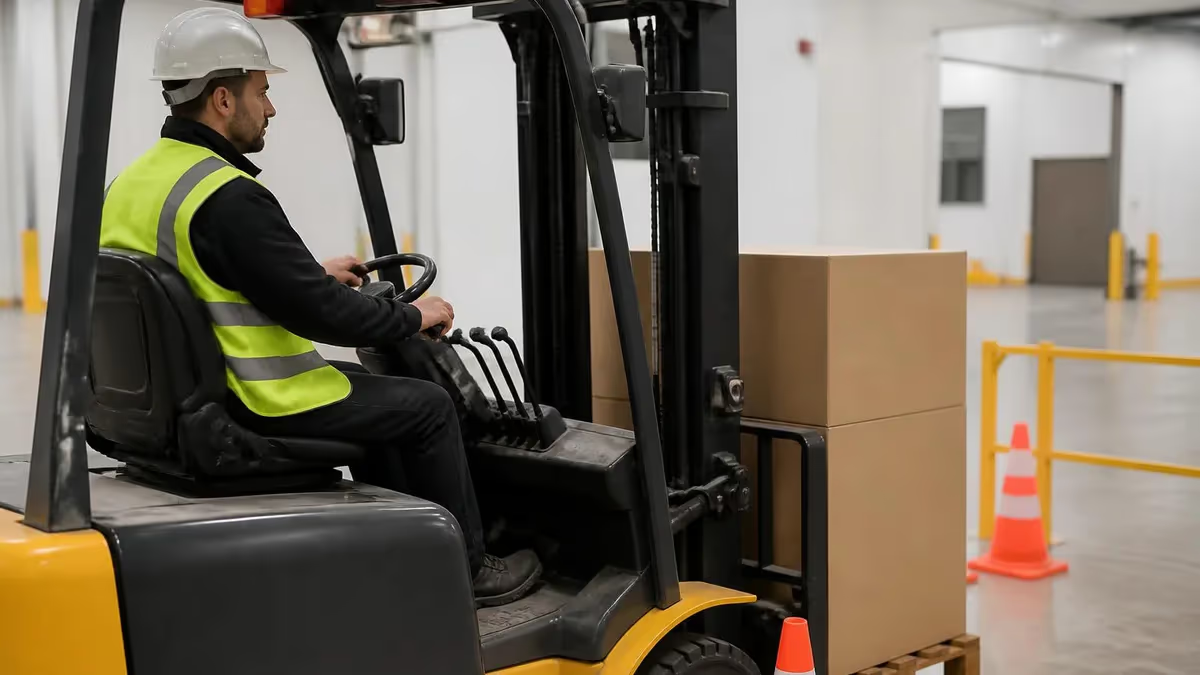
When a growing warehouse needs more lifting capacity, the first question is almost always whether to buy new, work with used forklift dealers, or sign a short-term forklift rental agreement. Each path carries different costs, lead times, and maintenance duties, and the right answer depends on how many hours the machine will run each week. A pallet operation moving freight all day has very different needs than a seasonal facility that spikes twice a year, so understanding the landscape before you spend matters.
Used forklift dealers occupy a valuable middle ground in this market. A reputable dealer inspects, reconditions, and warranties pre-owned machines, giving buyers access to quality forklifts at roughly 40 to 60 percent of new-equipment pricing. That savings can be the difference between affording a single truck and equipping a whole shift. The catch is that not every seller meets the same standard, and a poorly inspected unit can cost more in downtime than you saved, so vetting the dealer matters too.
Pricing for forklifts varies widely by class, fuel type, and condition. A reconditioned 5,000-pound internal-combustion cushion-tire truck might list for $12,000 to $18,000, while a comparable new model runs $30,000 or more. An used forklift dealers network also handles trade-ins, financing, and parts, which means you can build a relationship that supports the equipment for years rather than completing a single transaction and walking away from any future service needs your fleet might have.
For operations that cannot justify ownership, forklift rental fills the gap. Short-term rentals cover seasonal peaks, special projects, and equipment failures, while long-term leases function almost like ownership without the capital outlay. A typical daily rental for a standard warehouse forklift runs $150 to $250, weekly rates land around $500 to $800, and monthly rentals fall between $800 and $2,000 depending on capacity, attachments, and whether the truck is electric or runs on propane fuel.
Whatever route you choose, the machine is only half the equation. Every person who climbs into the seat must hold a valid forklift certification, and the employer is legally responsible for providing forklift training that meets OSHA standards. A beautifully reconditioned electric forklift operated by an untrained worker is a serious liability, both for safety and compliance. Smart buyers plan equipment acquisition and operator credentialing together rather than treating them as separate, unrelated projects handled by different departments weeks apart.
This guide walks through everything you need to evaluate used forklift dealers and rental providers with confidence. We cover what to inspect before buying, how to compare a forklift for sale against a rental quote, the differences between an electric forklift and a propane unit, when a stand up forklift makes sense, and how to keep every forklift operator on your floor properly certified. By the end you will know how to match the equipment, the contract, and the training to your actual workload.
Used Forklifts & Rentals by the Numbers
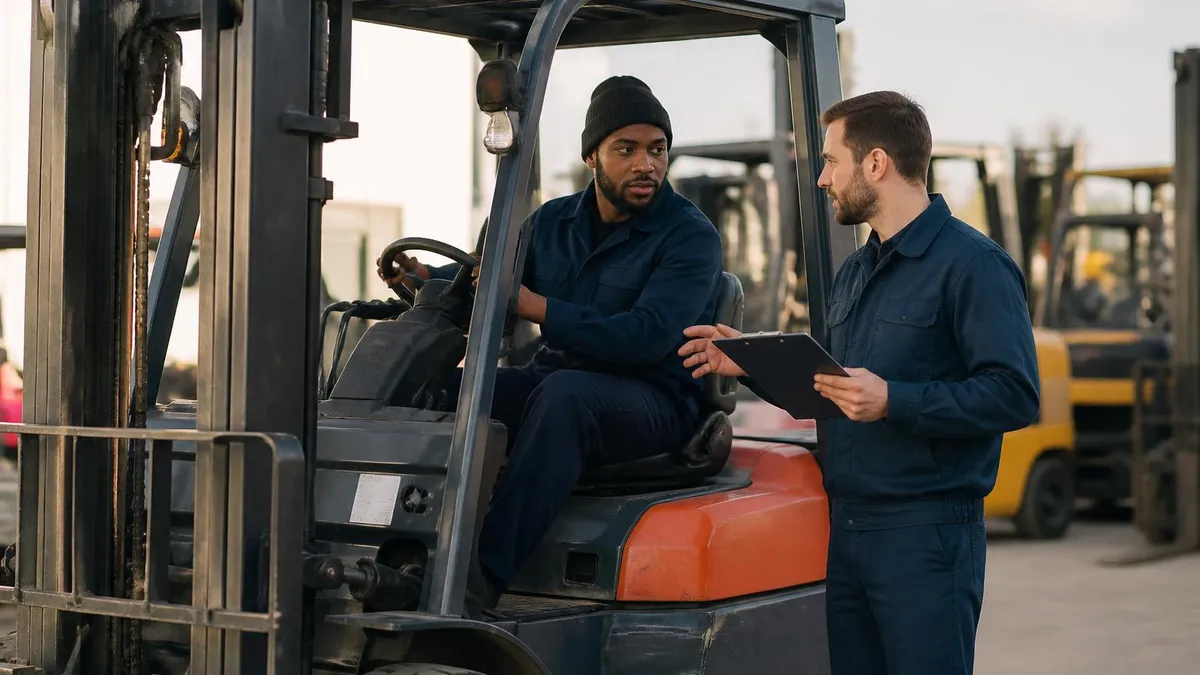
Should You Buy, Use a Forklift Rental, or Lease?
Best when the truck runs 20+ hours weekly for years. Reconditioned units from used forklift dealers cost 40-60% less than new and build long-term equity in your fleet.
Ideal for seasonal peaks, special projects, or covering a breakdown. Daily and weekly rates avoid capital outlay and include maintenance, but cost more per hour over time.
Functions like ownership without the upfront cost. Fixed monthly payments, predictable budgeting, and often a purchase option at the end make leasing attractive for steady operations.
Justified only for heavy daily use, specialized attachments, or warranty-critical environments. Highest cost but longest service life and full manufacturer support and telematics.
Inspecting a used forklift properly is the single most important skill when buying from used forklift dealers. Start with the hour meter, which functions like a vehicle odometer. A well-maintained internal-combustion truck can run 10,000 to 12,000 hours, while electric units often last 15,000 hours or more thanks to fewer moving parts. A machine showing 20,000 hours is not automatically junk, but it should be priced accordingly and backed by detailed service records that prove the major components were maintained on schedule.
The mast is the heart of any forklift, so examine it carefully under load if possible. Raise the forks fully and watch for hesitation, jerking, or drift when the controls are released. Hydraulic drift of more than a few inches over several minutes signals worn cylinder seals, which are expensive to rebuild. Check the lift chains for stretch and rust, inspect the carriage for cracks, and look at the fork blades for bending, gouges, or heel wear exceeding ten percent of the original thickness.
Tires tell a clear story about how the truck was treated. Cushion tires worn to the safety line or pneumatic tires with chunking and flat spots indicate hard use and rough floors. Worn tires also affect stability and ride quality, so factor replacement into your offer. A forklift operator depends on good rubber for safe load handling, and budgeting for tires up front prevents an unwelcome surprise during the first week of service on your warehouse floor.
Drivetrain and engine checks come next. On a propane or diesel unit, listen for knocking, watch for blue or black exhaust smoke, and verify the transmission shifts smoothly without slipping. On an electric forklift, the battery is the most valuable single component and can cost $4,000 to $8,000 to replace. Ask for a load test on the battery, check the manufacture date stamped on the case, and confirm the charger is included and matched to the pack.
Do not skip the safety systems, because OSHA inspectors will not. Confirm the horn, lights, backup alarm, and seatbelt all function. Verify the overhead guard is undamaged and the load backrest is present. Test the parking brake on an incline and make sure the operator presence system shuts down the machine when the seat is empty. These features protect every forklift operator who uses the truck and are non-negotiable for a compliant, insurable piece of equipment.
Finally, get the inspection in writing. The best used forklift dealers provide a multi-point reconditioning report, a clear photo log of any repairs performed, and at least a 30-to-90-day powertrain warranty. Request a forklift for sale listing that names the specific model year, capacity, and lift height rather than vague marketing language. A dealer who hesitates to put condition details in writing is telling you something important about how much they stand behind the machine.
Electric Forklift vs Propane: Choosing the Right Power
An electric forklift produces zero exhaust emissions, making it the standard choice for indoor warehouses, food storage, and any enclosed space where air quality matters. Battery technology has improved dramatically, and modern lithium packs charge faster and last longer than older lead-acid units, reducing downtime between shifts considerably for busy operations.
The trade-off is upfront cost and charging infrastructure. A new electric model can exceed $30,000, though reconditioned units from used forklift dealers often run half that. Battery replacement is the major lifetime expense, so always verify pack health before buying. Lower fuel and maintenance costs frequently make electric cheaper over a five-year horizon for single or double shifts.
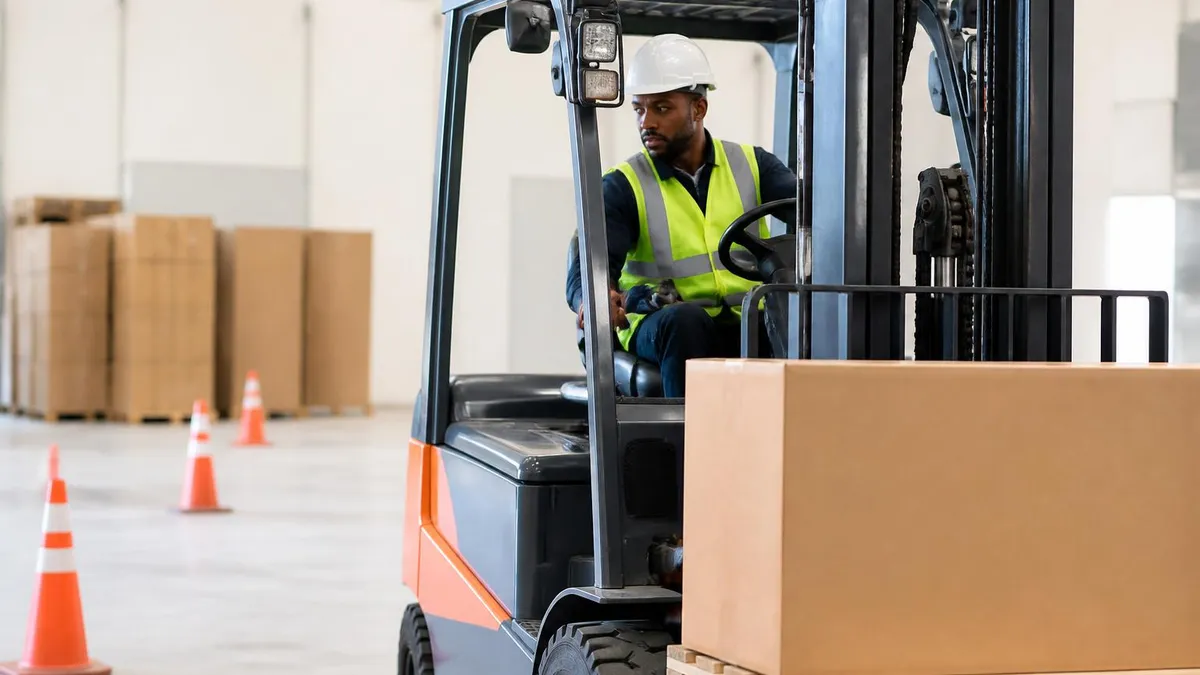
Buying From Used Forklift Dealers: Pros and Cons
- +40-60% cheaper than buying a new forklift outright
- +Reconditioned units come inspected and often warrantied
- +Faster availability than ordering a new truck
- +Dealers handle financing, trade-ins, and parts support
- +Lower depreciation hit compared to a brand-new machine
- +Wide selection of capacities, fuel types, and attachments
- +Established dealers offer ongoing service relationships
- −Quality varies widely between reputable and bargain dealers
- −Shorter or limited warranty versus new equipment
- −Higher long-term maintenance on high-hour machines
- −Battery or engine replacement can be a hidden cost
- −Limited or no manufacturer technology and telematics
- −Best models sell quickly, so timing matters
Used Forklift Dealer Vetting Checklist
- ✓Confirm the dealer provides a written multi-point inspection report.
- ✓Ask for the hour meter reading and full service history.
- ✓Verify the make, model year, capacity, and lift height in writing.
- ✓Request a load test on the mast and battery before buying.
- ✓Check that a powertrain warranty of at least 30 days is included.
- ✓Inspect tires, forks, chains, and the overhead guard in person.
- ✓Confirm all safety systems and the operator presence switch work.
- ✓Get a clear total price including delivery and any attachments.
- ✓Read online reviews and ask for references from past buyers.
- ✓Verify the dealer offers parts and service support after the sale.
Equipment and certification go together
OSHA holds the employer responsible for ensuring every forklift operator is trained and certified on the specific truck they use. A reconditioned electric forklift is worthless and dangerous in the hands of an uncertified worker. Plan operator training the same day you plan your purchase or forklift rental, never as an afterthought weeks later.
Acquiring equipment is only legal and safe once you address the human side, and that means certification of forklift operators. Under OSHA standard 1910.178, employers must ensure every forklift operator completes formal instruction, hands-on training, and a workplace evaluation before driving a powered industrial truck unsupervised. This applies whether the machine came from used forklift dealers, a forklift rental yard, or a brand-new purchase. The law does not distinguish between owned and rented equipment; the operator credential requirement is identical in every case.
Forklift training breaks into three parts. First comes classroom or online instruction covering truck mechanics, stability, load handling, and workplace hazards. Second is practical, hands-on training where a qualified trainer watches the operator drive, lift, and maneuver. Third is the evaluation, a documented performance check confirming the worker can run that specific class of truck safely. All three must be completed and recorded before the certification of forklift competency is valid for that individual on your floor.
Certification is truck-specific, which trips up many employers. A worker certified on a sit-down counterbalance propane truck is not automatically cleared to operate a stand up forklift or a narrow-aisle reach truck. The controls, stance, and stability characteristics differ enough that OSHA requires separate evaluation for each meaningfully different type. When you add a new class of equipment to your fleet, budget time to re-evaluate operators on that specific machine before assigning them to it on a live shift.
Recertification is required at least once every three years, and sooner under several conditions. If an operator is involved in an accident or near-miss, observed driving unsafely, assigned to a different type of truck, or if conditions in the workplace change, the employer must refresh and re-evaluate that operator. Keeping a simple training log with dates, trainer names, and truck classes makes compliance straightforward and protects you during an OSHA inspection or after any incident on the property.
The cost of certification of forklift operators is modest compared to the equipment itself. Online courses paired with an in-person evaluation typically run $50 to $150 per operator, and full classroom programs cost $100 to $300. Many used forklift dealers and rental companies offer training packages or can refer you to certified trainers in your area. Bundling training with your equipment acquisition keeps the whole project on one timeline and one budget rather than scattering it across months.
Documentation is what turns a trained worker into a compliant one. OSHA requires a written certification record that includes the operator's name, the evaluation date, the trainer's name, and the type of truck. Keep these records on file for the duration of employment and present them on request. A surprising number of citations stem not from untrained workers but from missing paperwork, so treat documentation as seriously as the training itself, because in an audit the file is your proof.
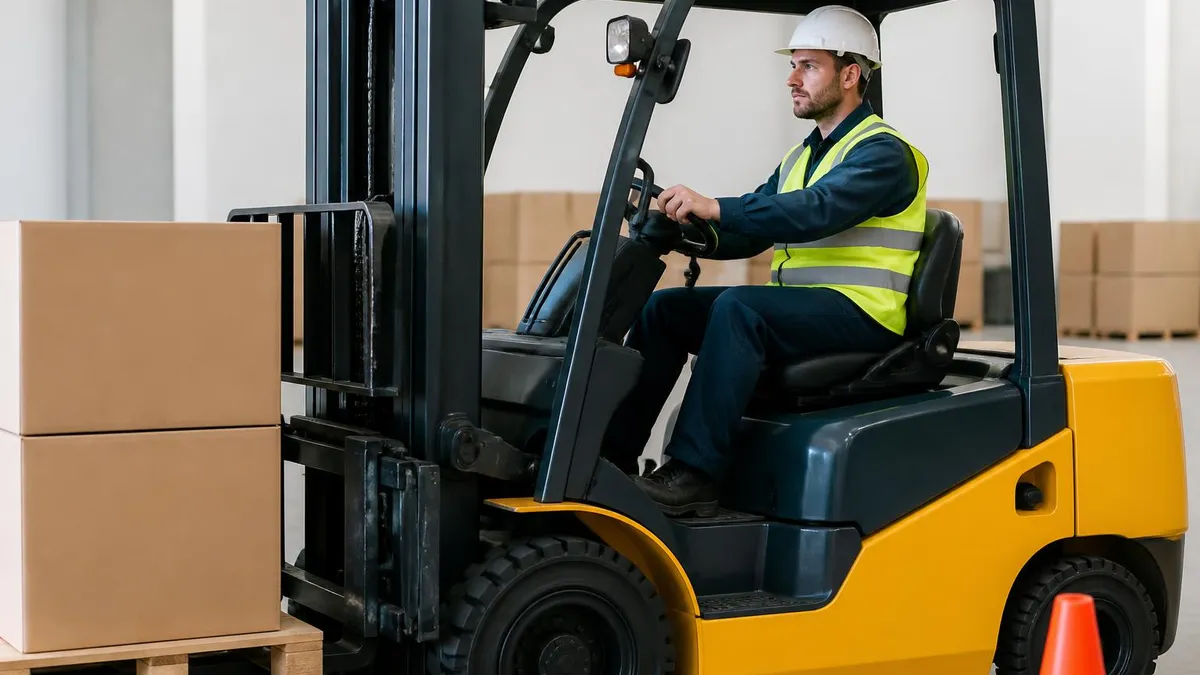
OSHA requires recertification at least every three years, and immediately after any accident, near-miss, or assignment to a new type of truck. A forklift operator certified on a sit-down propane truck is not cleared to run a stand up forklift without a separate evaluation. Missing documentation alone can trigger citations and fines.
Understanding total cost of ownership separates smart buyers from those who only look at the sticker price. The purchase or rental figure is just the beginning. A forklift for sale at an attractive price can become expensive once you add tires, battery health, fuel, scheduled maintenance, and operator training. Building a five-year spreadsheet that captures every recurring cost reveals whether buying from used forklift dealers, signing a long forklift rental, or leasing actually delivers the lowest cost per operating hour for your workload.
Start with acquisition. A reconditioned 5,000-pound forklift might cost $14,000 from a quality dealer, while the equivalent new truck runs $32,000. The used machine saves $18,000 up front, but if it needs $4,000 in tires and a $6,000 battery within two years, the real gap narrows. This is exactly why the inspection step matters so much: a well-vetted used unit preserves the savings, while a poorly chosen one erodes it through unplanned repairs and unexpected downtime.
Maintenance is the largest variable cost over time. Budget roughly $1,500 to $3,000 per year for a forklift in steady warehouse use, more for high-hour internal-combustion trucks and less for electric models with fewer moving parts. Planned maintenance, oil changes, hydraulic service, and tire replacement are predictable. Unplanned breakdowns are not, which is why a machine with documented service history from reputable used forklift dealers carries less financial risk than an unknown bargain unit.
Fuel and energy costs depend heavily on power type. A propane forklift might burn $8 to $12 of fuel per operating shift, while an electric forklift costs only a few dollars in electricity to charge overnight. Over thousands of hours, that difference compounds significantly. If your operation runs indoors and on a single or double shift, the lower energy and maintenance cost of electric frequently offsets its higher purchase price within three to four years of regular use.
Forklift rental shifts the cost structure entirely. You pay no acquisition cost and usually no maintenance, since the rental company handles repairs. Instead you pay a predictable daily, weekly, or monthly rate. For a truck used fewer than roughly 200 hours a year, renting almost always beats owning. Cross that threshold and ownership, whether new or from used forklift dealers, typically wins because the fixed asset cost spreads across far more operating hours.
Do not forget the soft costs that rarely appear on a quote. Operator training, certification of forklift competency, insurance, and the productivity cost of downtime all belong in the calculation. A cheaper truck that breaks down during peak season can cost more in missed shipments than a reliable one saved at purchase. The lowest total cost of ownership comes from matching the right equipment and contract to your actual hours, then keeping every forklift operator certified and the machine maintained on schedule.
With the big decisions behind you, a handful of practical tactics will sharpen your buying and renting strategy. First, time your purchase. Used forklift dealers see inventory swings as fleets turn over equipment, often at quarter-end and year-end when businesses upgrade. Shopping during these windows gives you more selection and stronger negotiating leverage. If you can be flexible on model year and color, you will frequently find a better-maintained truck at a lower price than if you demand one exact specification.
Second, negotiate the whole package, not just the price. Ask the dealer to include a fresh set of tires, a recent hydraulic service, delivery, and an extended powertrain warranty. These additions cost the dealer far less than they are worth to you and are often easier to win than a straight discount. A forklift for sale listing has more flexibility built in than the headline number suggests, so always ask what can be added before you accept the first offer they make.
Third, match the truck precisely to your task. Measure your aisle widths, rack heights, and typical load weights before shopping. Buying a 6,000-pound truck when your heaviest pallet is 3,000 pounds wastes money and energy, while undersizing creates a safety hazard. If you run narrow aisles, a stand up forklift or reach truck may store far more product per square foot than a sit-down counterbalance model, changing your entire facility economics for the better over time.
Fourth, treat forklift rental as a strategic tool, not just a backup. Renting a specialized attachment truck for a one-week project is far cheaper than buying one you will use twice a year. Many operations keep a core owned fleet for daily work and rent supplemental units for seasonal peaks. This hybrid approach keeps capital tied up only in the equipment that earns its keep every single shift, while flexing capacity up and down as demand changes through the year.
Fifth, build your operator pipeline alongside your equipment. The best truck is useless without a certified driver, and good forklift operators are in demand. Invest in forklift training for existing staff to create internal flexibility, and keep certification of forklift competency current so you are never caught short during a busy stretch. Cross-training workers on multiple truck classes gives you scheduling resilience that a single specialized operator never can, especially when someone calls in sick unexpectedly.
Finally, document everything and revisit the plan annually. Keep purchase records, service logs, rental agreements, and training files in one organized place. Each year, review your fleet against your actual workload and ask whether any owned truck would be cheaper as a rental, or any frequent rental cheaper to own. Markets shift, your volume changes, and the optimal mix of buying from used forklift dealers, renting, and leasing rarely stays the same from one year to the next.
Forklift Questions and Answers
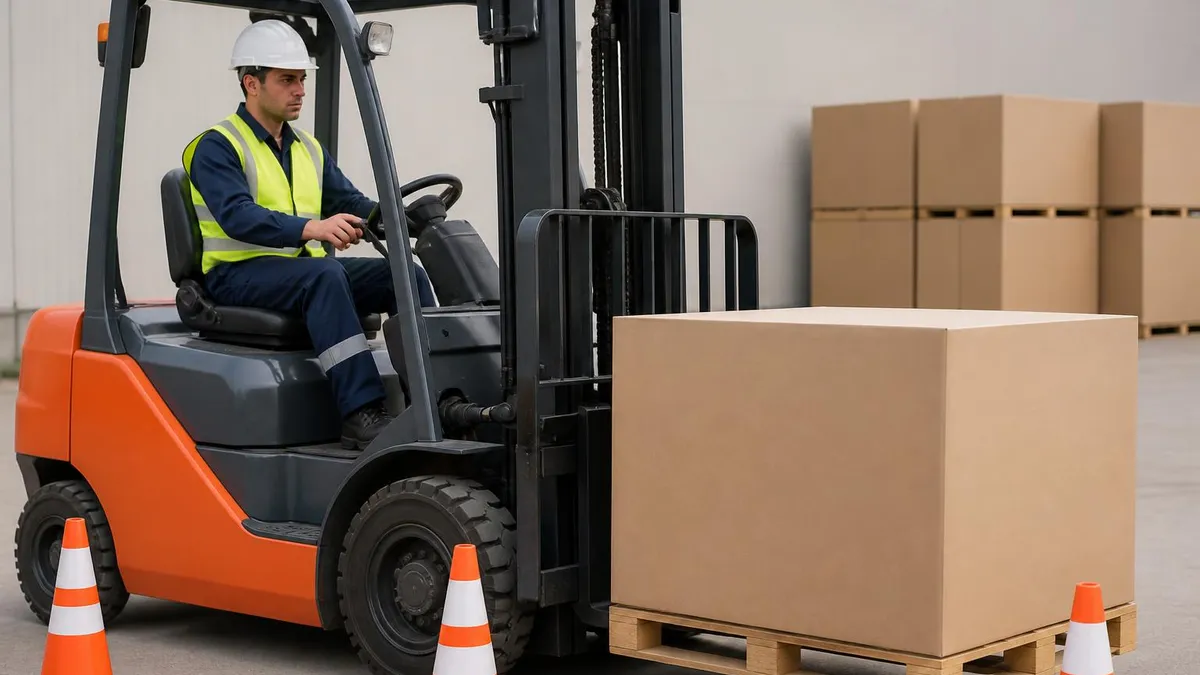
Forklift Tires: Complete Guide to Types, Sizing, Wear Patterns, and Replacement Costs
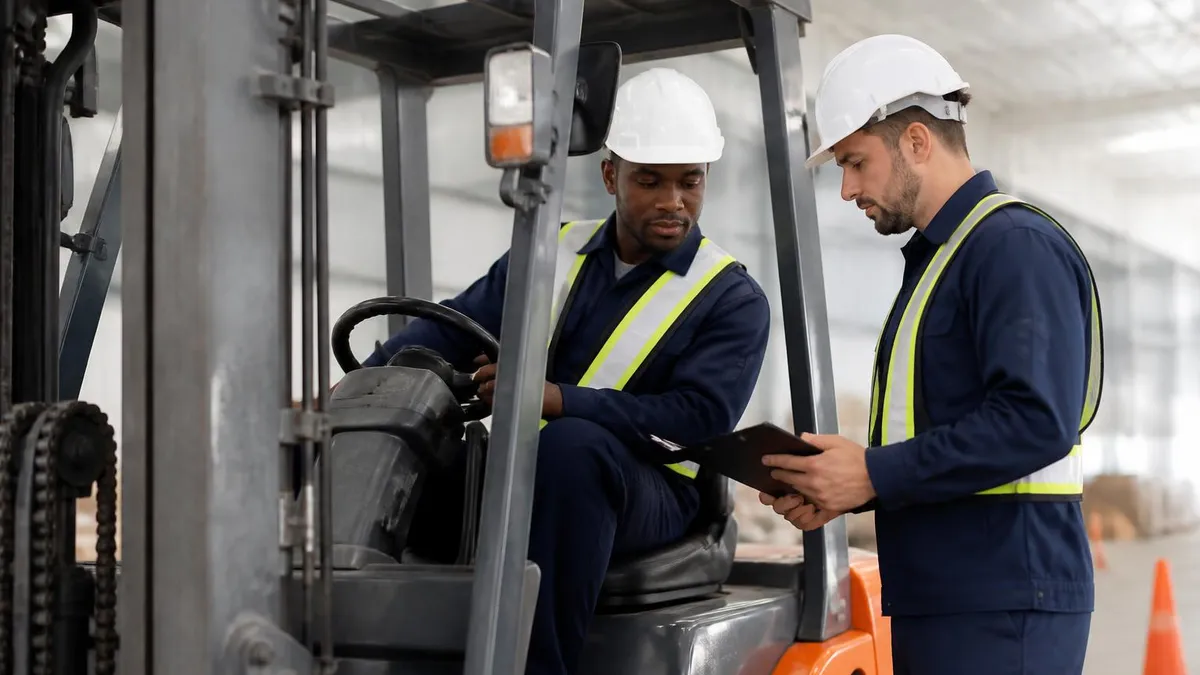
Forklift Operator Duties: Complete Guide to Daily Responsibilities, Safety Tasks, and Career Path for 2026
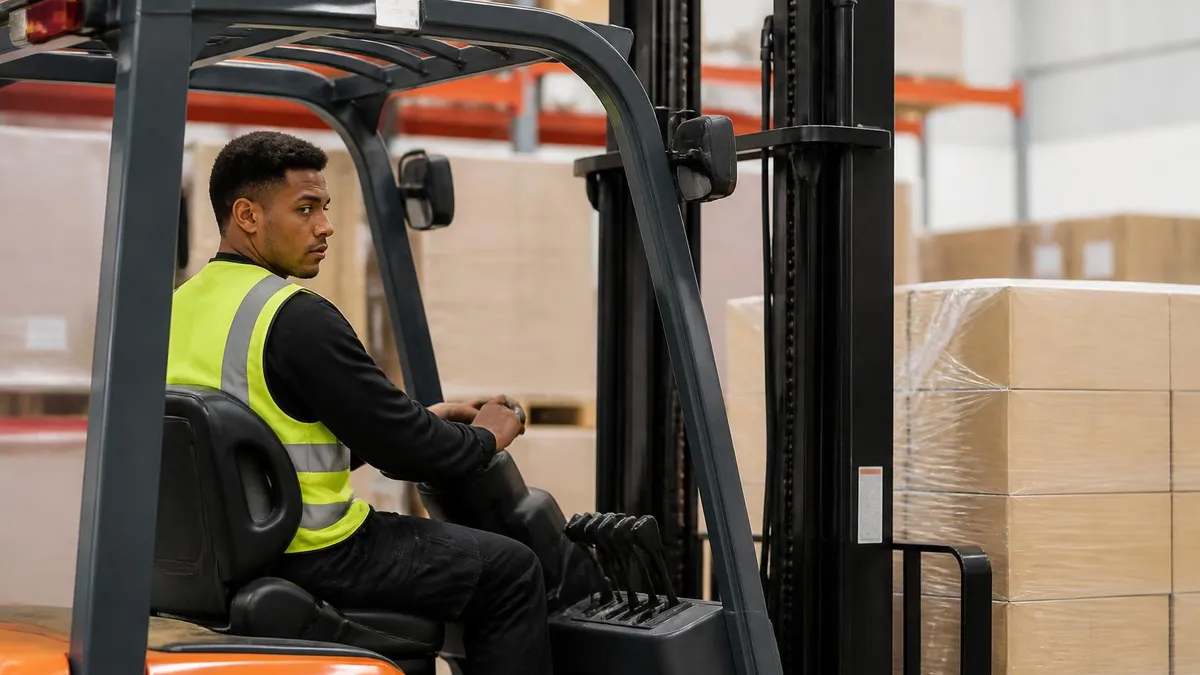
Forklift Course: Complete Training Guide, Certification Requirements, and Operator Tips for 2026
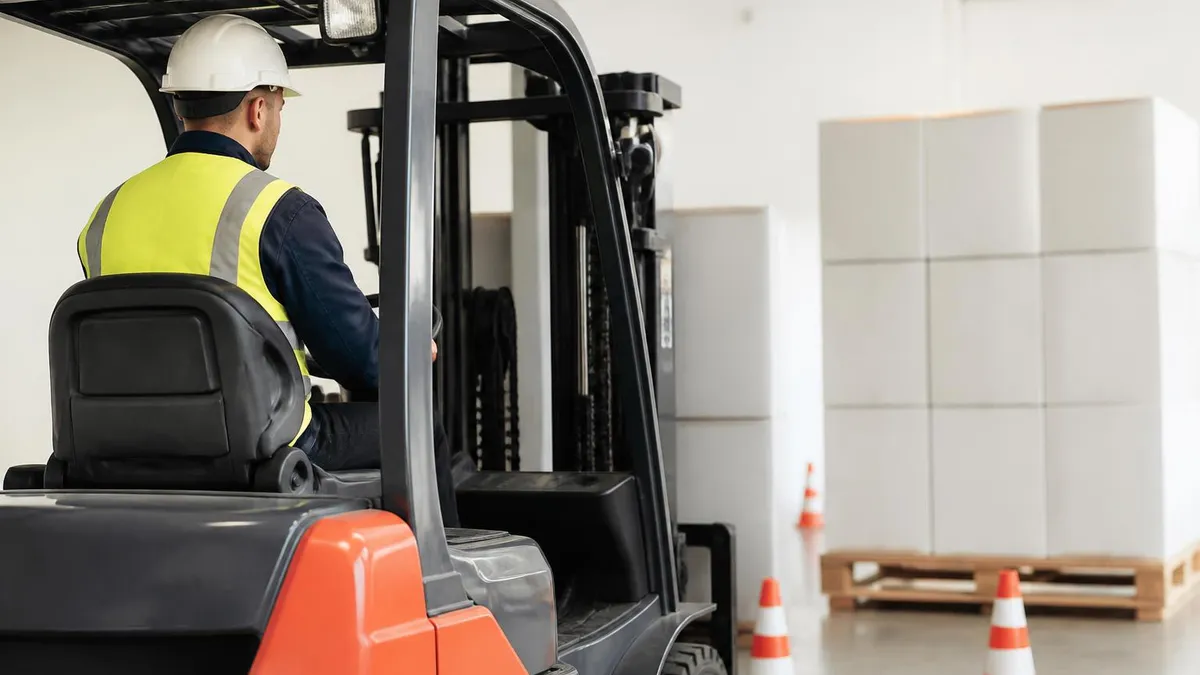
Forklift License Renewal: Complete Guide to Forklift License Expiry, OSHA Recertification, and Operator Requirements for 2026
Forklift Operator Job Description: Complete Guide to Duties, Skills, Pay, and Career Path for 2026
About the Author

Certified Crane Operator & Skilled Trades Exam Specialist
Ferris State UniversityRobert Martinez is a Journeyman Ironworker, NCCCO-certified crane operator, and forklift trainer with a Bachelor of Science in Construction Technology from Ferris State University. He has 21 years of ironworking, rigging, and heavy equipment operation experience across high-rise and industrial construction sites. Robert prepares candidates for crane operator, rigger, forklift, and skilled trades certification examinations.