
FDNY Fire Academy: Inside New York's Legendary Firefighter Training Program
Everything about the FDNY Fire Academy — 🎯 training phases, physical standards, curriculum, and how to prepare for New York's toughest firefighter program.
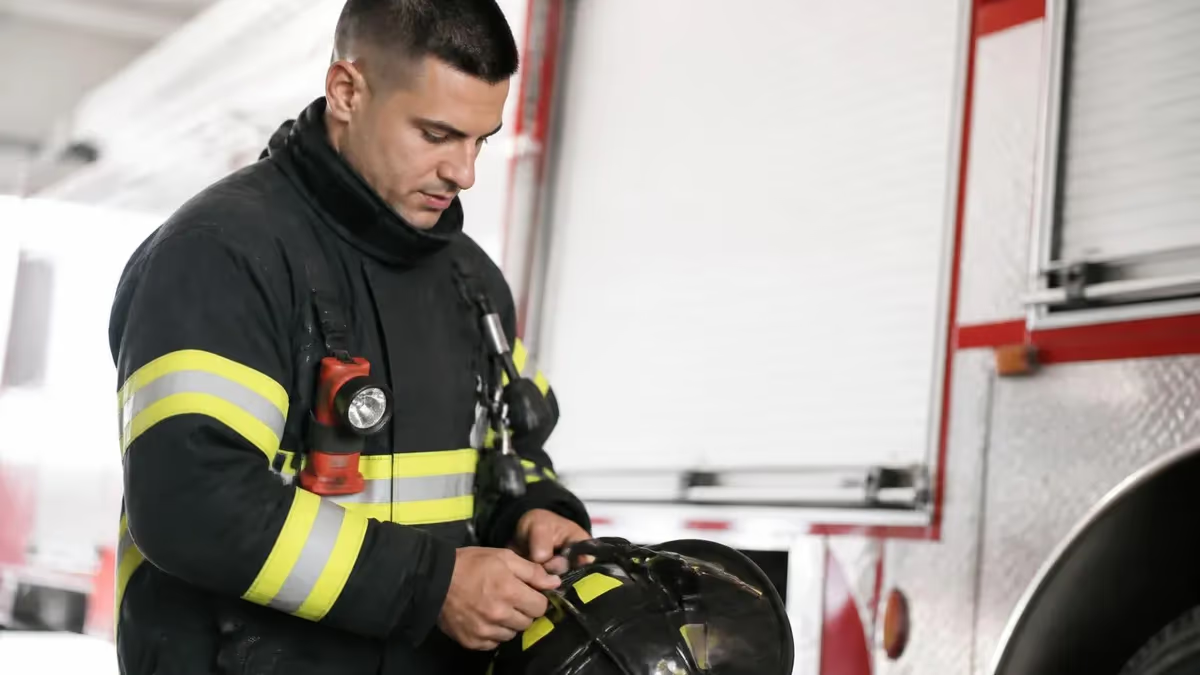
The FDNY Fire Academy, officially known as the Randall's Island Fire Academy, is one of the most rigorous and respected firefighter training programs in the world. Located on Randall's Island in the East River between Manhattan, Queens, and the Bronx, this facility transforms civilian recruits into fully certified New York City firefighters over an intensive 18-week program.
Every probie — the department's term for probationary firefighters — must complete this demanding curriculum before they are permitted to set foot inside a firehouse as an active member of the FDNY. Understanding what happens at the academy is essential for anyone seriously considering a career with the Fire Department of New York.
The training process at the FDNY Fire Academy is modeled on the belief that excellence in firefighting requires both physical mastery and deep intellectual understanding of fire behavior, building construction, and emergency medical response. Recruits attend classes six days a week, spending roughly half their time in classroom instruction and half performing hands-on practical exercises. The physical demands are significant: candidates must be capable of climbing multiple flights of stairs in full gear, carrying hoses, breaching walls, and rescuing victims — all while wearing self-contained breathing apparatus that adds considerable weight and restricts movement and vision significantly.
For those preparing to take the written exam or physical assessment, it helps to understand the full scope of what the academy covers. Subjects range from fire suppression tactics and hydraulics to hazardous materials, emergency medical care, and the unique challenges posed by New York City's aging building stock. The FDNY responds to more than 500,000 incidents per year across all five boroughs, and the variety of those emergencies demands that graduates be genuinely versatile responders capable of handling anything from a residential fire in Brooklyn to a high-rise emergency in Midtown Manhattan.
Candidates who successfully complete the fdny fire academy and the broader probationary period join a department that traces its origins to 1865, when the City of New York established the first paid municipal fire department in the United States. Today the FDNY employs approximately 11,000 uniformed firefighters and officers, serving one of the most densely populated cities on Earth. That legacy of service creates enormous institutional pride — and equally enormous expectations for every new class of probies graduating from Randall's Island each year.
Preparation before the academy begins is just as important as performance during training. Candidates who arrive in peak physical condition, with a solid grasp of basic fire science and emergency medical fundamentals, consistently perform better during the physical and written assessments that punctuate every phase of the curriculum. The department does not offer second chances easily; recruits who fail critical evaluations face separation from the program, making advance preparation a genuine career necessity rather than an optional edge.
This article provides a comprehensive breakdown of the FDNY Fire Academy experience — from the initial physical fitness requirements and the classroom curriculum to the live fire evolutions on Randall's Island and the expectations placed on new probies during their first year of active duty. Whether you are a current applicant, a family member supporting someone going through the process, or simply someone curious about how New York City prepares its firefighters, you will find detailed, accurate information in every section that follows.
FDNY Fire Academy by the Numbers
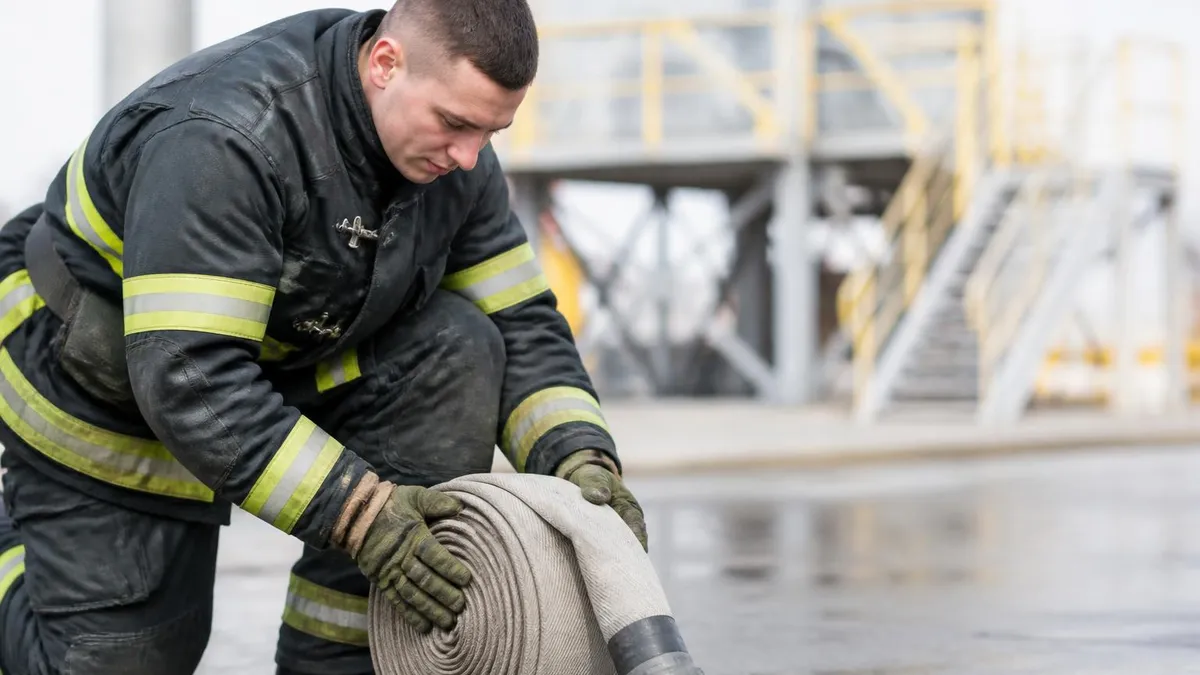
FDNY Fire Academy: Phase-by-Phase Training Timeline
Weeks 1–3: Orientation and Foundations
Weeks 4–7: Fire Science and Hydraulics
Weeks 8–11: Building Construction and Tactics
Weeks 12–15: Live Fire Evolutions
Weeks 16–18: EMS Certification and Final Evaluations
The physical requirements for the FDNY Fire Academy are among the most demanding of any municipal fire department in the country, reflecting the extreme physical stress that active firefighting places on the human body. Before a recruit even reports to Randall's Island, they must have already passed the Candidate Physical Ability Test, commonly known as the CPAT.
This standardized assessment evaluates candidates on eight separate events including stair climb, hose drag, equipment carry, ladder raise and extension, forcible entry, search, rescue, and ceiling breach and pull — all completed within a set time wearing a weighted vest that simulates the burden of full firefighting gear.
Once at the academy, the physical demands escalate further. Morning physical training sessions begin each day and are specifically designed to build the functional strength, cardiovascular endurance, and muscular stamina needed for sustained firefighting operations. These sessions are not optional fitness extras — they are assessed components of the program.
Recruits who fall below minimum performance standards on physical evaluations are placed on remediation plans, and those who cannot meet standards within the remediation window face separation from the class. The academy estimates that somewhere between 5 and 10 percent of recruits do not complete the program, with physical performance failures accounting for a meaningful portion of those attritions.
The academic requirements are equally serious. Recruits are tested regularly on the classroom material covering fire behavior, building construction, FDNY operational procedures, and emergency medical care. Written examinations occur at the end of each major curriculum phase, and a minimum passing score must be achieved on each. Subjects tested include the characteristics of different fuels and construction materials, the operation of firefighting equipment, FDNY radio protocols, hazardous materials identification and response, and the signs and symptoms of common medical emergencies including cardiac arrest, stroke, diabetic crisis, and anaphylaxis.
Building construction knowledge is particularly emphasized because New York City's building stock is exceptionally varied and historically dense. A firefighter who does not understand the difference between ordinary construction and heavy timber construction — or who cannot identify signs of lightweight truss assembly — may make tactical decisions that place themselves and their crew at mortal risk.
The academy spends considerable time teaching recruits how to read a building from the exterior before entering, recognizing features like parapet walls, cornices, fire escapes, and window configurations that reveal how the structure was built and how it is likely to fail under fire conditions.
Emergency medical training at the FDNY Fire Academy is not a secondary concern — it is a core competency. Every FDNY firefighter is required to maintain active EMT certification throughout their career, because engine and ladder companies routinely arrive on the scene of medical emergencies before ambulances in dense urban neighborhoods. Recruits cover the full EMT-B curriculum during the academy, including airway management, bleeding control, patient assessment, spinal immobilization, childbirth assistance, and the operation of automated external defibrillators. Practical assessments require recruits to demonstrate these skills on manikins and on each other under timed, realistic conditions.
Hazardous materials awareness training is another mandatory component that many recruits underestimate before arriving at the academy. New York City's industrial history and its status as a global port city mean that firefighters regularly encounter chemical, biological, and radiological hazards across all five boroughs. While full hazmat technician certification is reserved for specialized units, every firefighter must understand how to recognize a hazmat incident, establish a hot zone perimeter, and request the appropriate specialized resources without placing themselves or civilians at unnecessary risk. These skills are drilled repeatedly and tested with written and practical assessments.
Recruits also receive substantial instruction in FDNY-specific operational procedures and the department's Incident Command System protocols. New York City uses its own modified command framework that integrates elements of the National Incident Management System with decades of FDNY institutional practice. Understanding how to communicate on the FDNY radio system, how to report conditions using standardized terminology, and how to operate as part of a coordinated multi-unit response are all skills developed systematically during the 18-week curriculum.
FDNY Practice Test Questions
Prepare for the FDNY - Fire Department New York exam with our free practice test modules. Each quiz covers key topics to help you pass on your first try.
FDNY Building Construction
FDNY Exam Questions covering Building Construction. Master FDNY Test concepts for certification prep.
FDNY Community Engagement and Public Educa...
Free FDNY Practice Test featuring Community Engagement and Public Education. Improve your FDNY Exam score with mock test prep.
FDNY Emergency Medical Response
FDNY Mock Exam on Emergency Medical Response. FDNY Study Guide questions to pass on your first try.
FDNY Emergency Medical Services
FDNY Test Prep for Emergency Medical Services. Practice FDNY Quiz questions and boost your score.
FDNY Hazardous Materials Response
FDNY Questions and Answers on FDNY Hazardous Materials Response. Free FDNY practice for exam readiness.
FDNY Technical Rescue Operations
FDNY Mock Test covering FDNY Technical Rescue Operations. Online FDNY Test practice with instant feedback.
FDNY Fire Behavior
Free FDNY Quiz on Fire Behavior. FDNY Exam prep questions with detailed explanations.
FDNY Firefighting Operations and Equipment
FDNY Practice Questions for Firefighting Operations and Equipment. Build confidence for your FDNY certification exam.
FDNY Fire Academy Curriculum: Key Subject Areas
Fire science instruction at the FDNY Fire Academy covers the chemistry and physics of combustion, the progression of a fire from ignition through full room involvement, and the conditions that produce dangerous phenomena like flashover, backdraft, and smoke explosion. Recruits learn to read smoke — its color, density, volume, and velocity — as a diagnostic tool that tells experienced firefighters what a fire is doing before they can see the flames directly.
Tactical instruction translates this science into operational decisions: when to use an offensive interior attack versus a defensive exterior operation, how to coordinate simultaneous ventilation and water application to control fire spread without creating dangerous steam conditions, and how to conduct primary and secondary searches in smoke-filled buildings. Every tactical decision is grounded in fire behavior principles taught during the classroom phases of training.
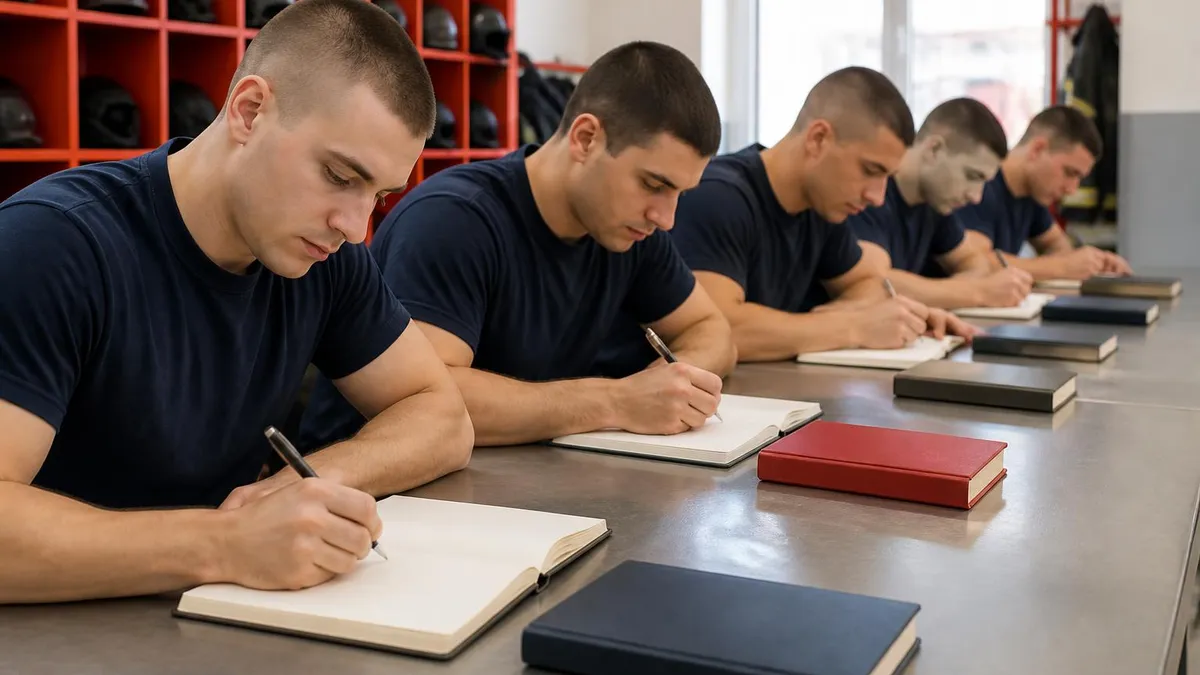
FDNY Fire Academy: Advantages and Challenges for Recruits
- +World-class training facility on Randall's Island with purpose-built burn structures and realistic training environments
- +Full salary and benefits paid during the 18-week academy — recruits earn approximately $45,000 annually as probies
- +EMT certification included at no additional cost, expanding career versatility and adding a valuable credential
- +Structured peer cohort creates lasting professional bonds that define a firefighter's career-long support network
- +Access to FDNY's institutional knowledge base built over 150 years of big-city fire suppression experience
- +Clear pathway to promotion through a merit-based civil service examination system that rewards study and performance
- −Six-day training weeks with mandatory physical training leave limited time for family obligations or secondary employment
- −Physical attrition is real — recruits who cannot meet progressive physical standards face separation without exception
- −Academic examinations are rigorous; recruits without strong study habits must adapt quickly or risk failing out
- −Randall's Island commute is challenging from outer boroughs, requiring early departures and adding to overall daily fatigue
- −Live fire evolutions involve genuine physical danger and significant psychological stress that not all candidates anticipate
- −The strict hierarchical discipline structure requires an attitude adjustment for recruits unaccustomed to paramilitary environments
FDNY Fire Academy Preparation Checklist
- ✓Begin cardiovascular training at least six months before your academy start date, targeting 5-mile runs at a sub-9-minute pace.
- ✓Develop functional strength through stair climbing with a loaded pack — aim for 10 floors per session before day one.
- ✓Study the FDNY's Firefighting Procedures manuals, which are publicly available and form the basis of academy classroom content.
- ✓Review basic fire chemistry and the stages of fire development using IFSTA Essentials of Fire Fighting textbook materials.
- ✓Obtain a copy of the New York State EMT-Basic study guide and begin familiarizing yourself with patient assessment protocols.
- ✓Memorize the FDNY radio signal system and 10-codes used for communicating on departmental radio frequencies.
- ✓Practice donning and doffing simulated breathing apparatus — timing yourself to meet FDNY's under-one-minute standard.
- ✓Study New York City building types and construction classifications, focusing on tenement, brownstone, and high-rise structures.
- ✓Prepare mentally for a strict paramilitary environment by reviewing military or JROTC-style conduct and communication norms.
- ✓Connect with FDNY firefighters through community outreach programs to gain firsthand insight into daily firehouse operations.
The Academy Starts Before You Arrive
Recruits who spend six or more months preparing physically and academically before their academy start date consistently report lower stress levels and higher performance on evaluations. The FDNY does not curve grades or provide extended remediation periods for candidates who arrive unprepared — arriving fit and knowledgeable from day one is the single most effective strategy for graduating successfully.
Live fire training is the defining experience of the FDNY Fire Academy, the moment when months of classroom instruction and controlled physical training converge into the raw, sensory reality of structural firefighting. The academy's burn buildings on Randall's Island are sophisticated, purpose-built structures equipped with gas-fired props that can simulate realistic fire conditions while allowing instructors to control intensity, location, and progression to ensure maximum safety.
These are not campfire demonstrations — recruits enter smoke-filled, heat-stressed environments wearing full personal protective equipment and breathing from SCBA cylinders, advancing charged hoselines toward simulated fire rooms exactly as they would in an actual New York City building.
The first live fire evolution is universally described by graduates as a transformative experience. No matter how well a recruit intellectually understands the principles of fire behavior, the physical reality of working in a superheated environment with near-zero visibility while wearing approximately 60 pounds of gear is something that cannot be fully simulated in a classroom. Recruits must manage their anxiety, maintain their situational awareness, communicate clearly with their partner and officer, and execute the techniques they have drilled hundreds of times — all simultaneously, in conditions deliberately designed to challenge composure and technical proficiency.
Each live fire evolution is carefully scaffolded to build skills progressively. Early exercises focus on hoseline advancement and nozzle technique in moderate heat conditions with instructors in close proximity. Later evolutions simulate more complex scenarios: searching for victims in blacked-out rooms, operating in roof-level positions during ventilation exercises, and working as part of a four-person team executing a coordinated fire attack while another team conducts primary search operations. By the final weeks of live fire training, recruits are expected to perform at near-professional standards without instructor prompting.
Instructor-to-recruit ratios during live fire exercises are strictly maintained to ensure safety. Each evolution is preceded by a thorough safety briefing, and emergency evacuation procedures are drilled until they are automatic. Recruits wear personal alert safety system devices that emit a loud alarm if the wearer remains motionless for more than 30 seconds — a critical piece of equipment that has saved firefighters' lives in actual incidents. Learning to trust this equipment and to rely on established safety protocols is itself an important lesson that the live fire curriculum reinforces.
Beyond fire suppression, live fire training includes exercises specific to New York City's operational realities. Recruits practice high-rise firefighting techniques including standpipe operations — connecting hoselines to the building's internal water supply system rather than a street-level hydrant. They train in subway emergency scenarios and learn the protocols for responding to emergencies in the city's complex underground transit infrastructure. Confined space awareness exercises cover the risks and mitigation techniques relevant to working in elevator shafts, voids beneath collapsed structures, and the dense mechanical spaces found throughout New York's older buildings.
Roof operations are a particularly important component of FDNY training that distinguishes New York City's approach from that of many suburban departments. Because so many NYC structures are attached to neighboring buildings, roof operations for ventilation and search carry unique risks: a firefighter on the wrong section of a roof may be standing over a fire room with no structural support beneath them. The academy's instruction on reading roofline construction features, identifying safe versus compromised areas, and executing emergency bail-out techniques from elevated positions is comprehensive and heavily emphasized by instructors who have experienced these hazards firsthand.
The psychological dimensions of live fire training are acknowledged openly by FDNY instructors in a way that reflects a broader cultural shift in how the fire service approaches mental health. Recruits are encouraged to debrief honestly after difficult evolutions, and instructors share accounts of their own early experiences to normalize the anxiety and uncertainty that accompany working in immediately dangerous to life and health conditions. This approach helps build the kind of crew cohesion and psychological resilience that sustains firefighters through a 20-year career marked by repeated exposure to trauma and physical danger.
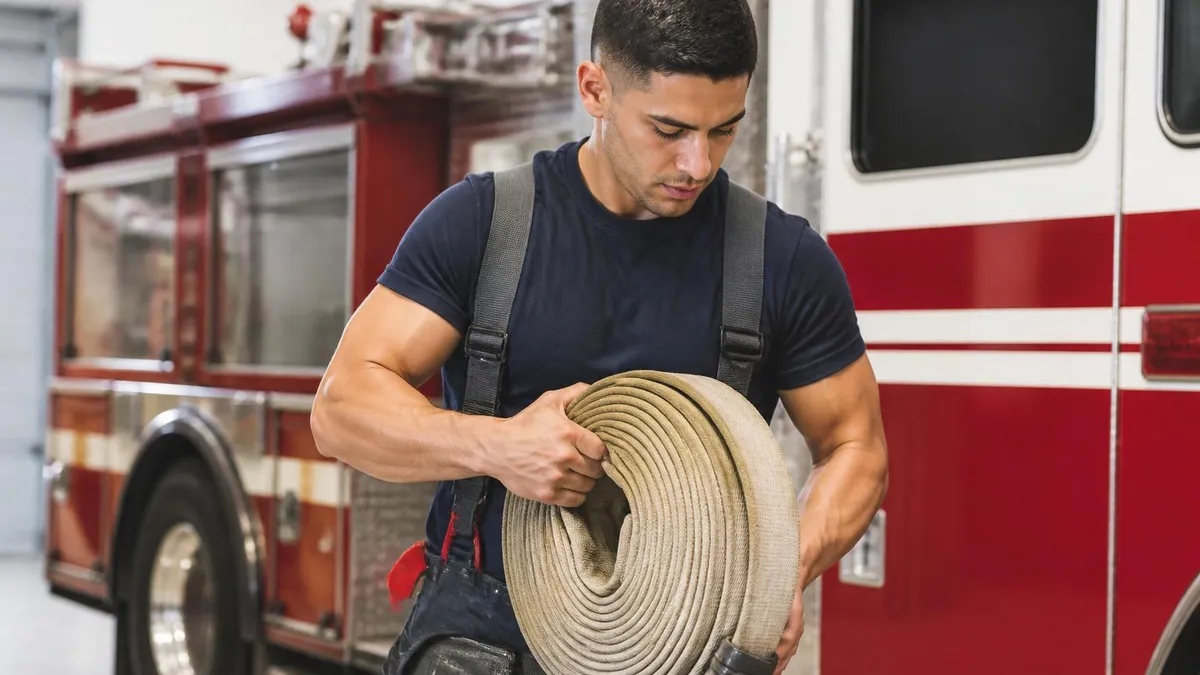
Graduating from the FDNY Fire Academy does not end your probationary period. New firefighters remain probies for their first year of active duty in a firehouse, during which they are evaluated continuously by their company officers and senior members. Serious performance deficiencies during this period can result in termination even after academy completion. Treat your first year in quarters as an extension of the academy, not a graduation from it.
Graduation from the FDNY Fire Academy is a formal ceremony held on Randall's Island, attended by family members, FDNY leadership, and city officials. It is one of the most emotionally charged events in a firefighter's career — a public acknowledgment of the months of sacrifice, physical effort, and academic work that preceded it.
New probies receive their assignments to firehouses across the five boroughs at graduation, and most will report for their first shift within days of the ceremony. The transition from the structured environment of the academy to the more autonomous, experience-driven culture of an active firehouse is significant and requires its own adjustment period.
The firehouse experience during the probie year is shaped heavily by the informal mentorship system that has defined FDNY culture for generations. New firefighters are paired with senior members who guide them through the practical realities of life on the apparatus floor — how to care for equipment, how to conduct effective building inspections in their first-due area, how to navigate the complex social dynamics of a firehouse where the same crew eats, sleeps, and works together for 24-hour shifts.
This mentorship is not formalized in any official policy document but is nonetheless one of the most reliable features of FDNY culture across all five boroughs.
Firehouses in New York City are assigned to specific geographic areas called first-due territories, and new probies are expected to learn their territory thoroughly during their first year. This means walking every block, studying the buildings that present the greatest fire risk or the most complex access challenges, and understanding where the nearest hydrants, standpipe connections, and sprinkler system controls are located for every major structure in the area. This geographic and tactical intelligence becomes essential during the cognitive compression of an actual emergency response, when there is no time to consult maps or databases.
Physical fitness standards do not end at graduation. The FDNY requires all uniformed members to maintain fitness levels sufficient to perform the duties of their position, and firehouses maintain gym equipment specifically for this purpose. Many companies develop their own informal physical training routines that members are expected to participate in during down time between calls. Firefighters who neglect their physical condition find that the cumulative fatigue of active firefighting takes a mounting toll over the course of a career, making ongoing fitness investment a professional necessity rather than a personal preference.
Continuing education requirements ensure that FDNY firefighters never stop learning after the academy. The department mandates regular recertification in EMT skills and CPR, annual hazardous materials awareness refreshers, and periodic building construction updates as new construction methods and materials enter New York City's built environment. Specialized training is available for firefighters who want to qualify for assignment to technical rescue companies, hazmat units, marine units, or the department's elite rescue companies that handle the most complex and dangerous calls in the system.
Career progression within the FDNY follows a civil service examination structure. After the academy and probie year, firefighters become fully tenured and are eligible to sit for the Lieutenant's exam when it is offered, typically every few years. Preparation for promotional examinations begins in earnest during the probie year for the most ambitious members, who recognize that early investment in studying the extensive FDNY operational procedures and tactical principles tested on promotional exams compounds over time into meaningful career advantages.
For those considering both firefighting and emergency medical service pathways, the FDNY offers interconnected career tracks that allow members to build expertise across both disciplines. Understanding the full scope of what the department offers — including information about fdny fire academy counterparts in the EMS division — helps candidates make informed decisions about which entry point and career trajectory best aligns with their professional goals and personal strengths.
Practical preparation strategies for FDNY applicants begin long before the first day at Randall's Island, and the most successful recruits approach that preparation as systematically as they would any serious professional undertaking. The written component of FDNY entry-level testing covers reading comprehension, spatial reasoning, memorization, and deductive logic — skills that respond well to structured practice using official study guides and realistic practice examinations. Candidates who complete dozens of timed practice tests under realistic conditions arrive at the actual exam with significantly lower anxiety and significantly higher scores than those who study only informally.
Physical preparation should be periodized in the same way that competitive athletes structure their training. In the months farthest from the academy start date, candidates should build aerobic base and general strength.
As the start date approaches, training should shift toward the specific movements and energy systems tested in the CPAT and used during academy physical training sessions — stair climbing, pulling heavy loads, carrying equipment over distance, and working through confined spaces in awkward body positions. Rest and recovery are not optional components of this preparation; overtraining injuries in the months before the academy can derail an entire application cycle.
Mental preparation is perhaps the least discussed but most important dimension of FDNY Fire Academy readiness. The academy's drill instructor staff uses controlled stress — loud commands, timed evolutions, public performance evaluations — to simulate the cognitive demands of emergency response. Recruits who have never worked in high-pressure, public-performance environments before often find this aspect of the academy unexpectedly difficult. Exposure through team sports, military service, emergency medical work, or other high-stakes environments provides relevant conditioning that pays dividends during the academy's most demanding phases.
Study groups among academy classmates are strongly encouraged and consistently effective. The camaraderie built during group study sessions mirrors the teamwork demanded during live fire evolutions, and the collective intelligence of a well-organized study group helps individuals identify and fill gaps in their understanding more efficiently than solo study alone. Many of the professional friendships that sustain FDNY firefighters through decades of service are first formed in the study sessions and shared hardships of the 18-week academy program.
Documentation and record-keeping during the application and academy process require careful attention. The FDNY's hiring process involves extensive background investigation, including verification of all employment history, criminal record checks, and medical examinations. Candidates who have any potentially disqualifying factors in their history — prior arrests, gaps in employment, past medical conditions — should address these proactively with honest disclosure and, where applicable, supporting documentation that contextualizes the circumstances. Attempting to conceal information that the department's investigators will find is far more damaging to an application than the underlying issue itself in most cases.
The FDNY actively recruits candidates from underrepresented communities through its diversity recruitment program, which includes outreach events in neighborhoods across all five boroughs, partnerships with high schools and colleges, and the Explorers program that introduces young people to firefighting careers. Candidates from these programs often arrive at the academy with meaningful familiarity with FDNY culture and operations, giving them a genuine advantage during the social adjustment phase of training even if their physical or academic preparation requires additional work.
Financial planning before the academy is a practical necessity that many first-time applicants overlook. While recruits are paid during training, the probie salary is significantly lower than what most firefighters earn in their fifth or tenth year of service, and the transition from a higher-paying civilian job to the academy can create short-term financial stress. Candidates who minimize debt, build emergency savings, and make housing arrangements that minimize commute stress before reporting to Randall's Island are better positioned to focus entirely on the training demands of the 18-week program without the cognitive overhead of financial anxiety.
FDNY Questions and Answers
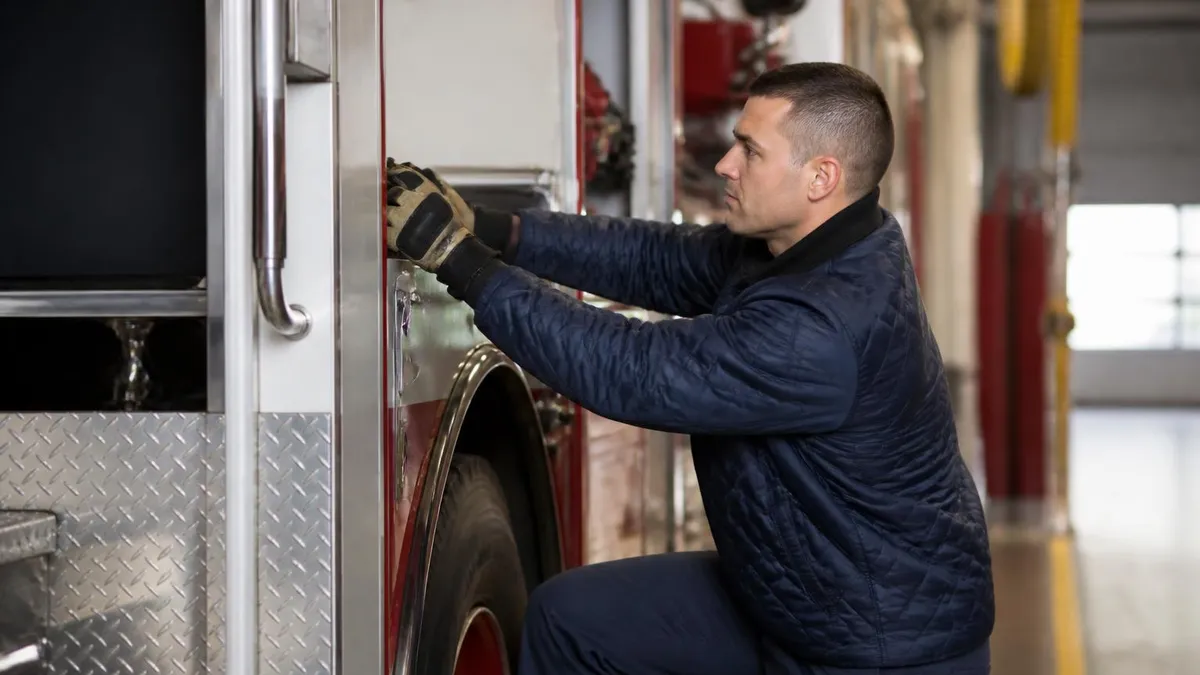
FDNY EMS — How New York City's Emergency Medical Service Works and How to Become an FDNY EMT or Paramedic
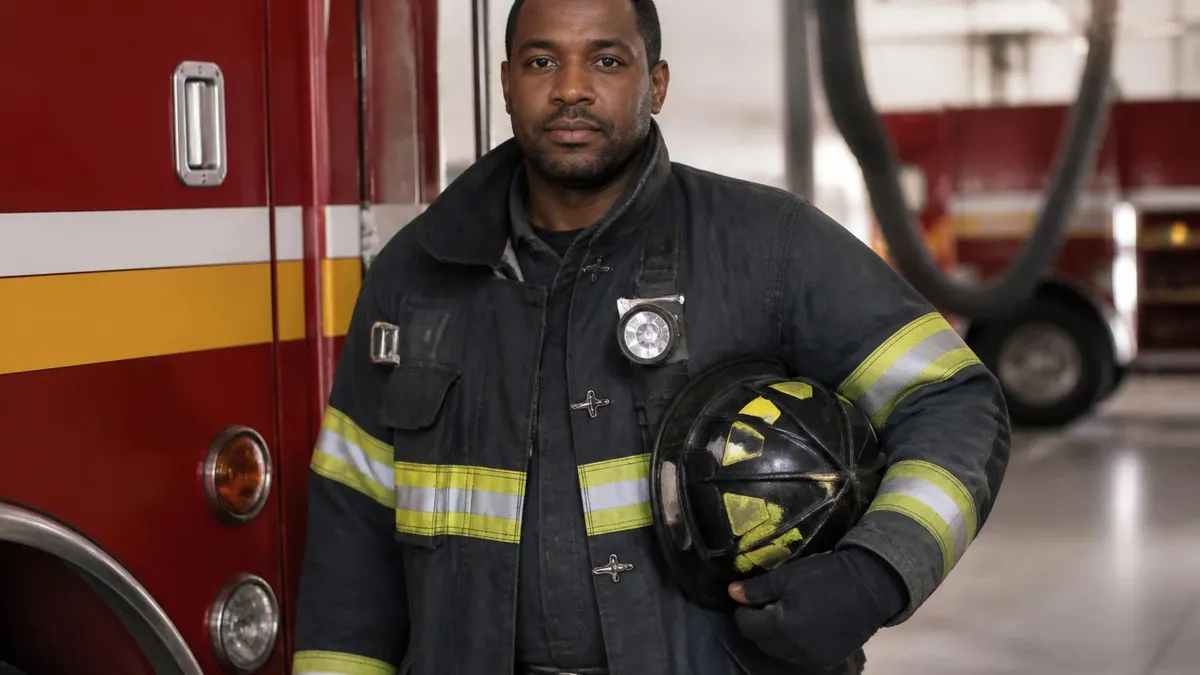
FDNY Marine Units: Inside the Fire Department of New York's Fireboat Fleet and Marine 6
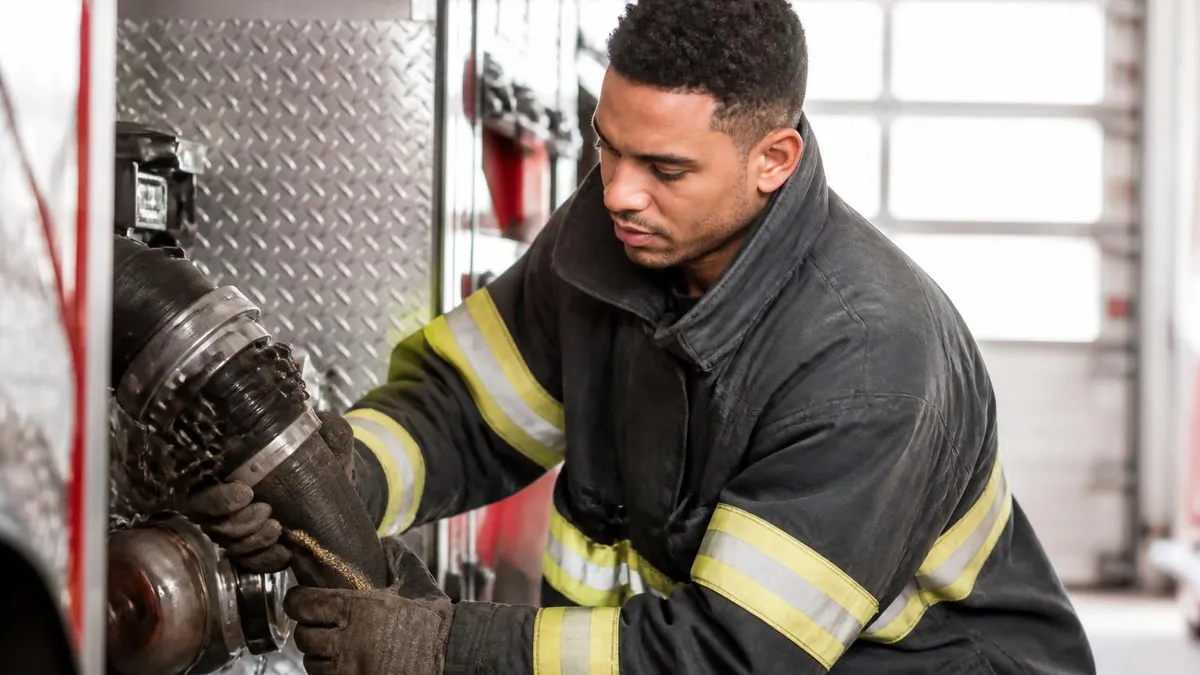
FDNY Codes: A Complete Guide to Fire Department of New York Radio Signals, Box Numbers, and Response Codes
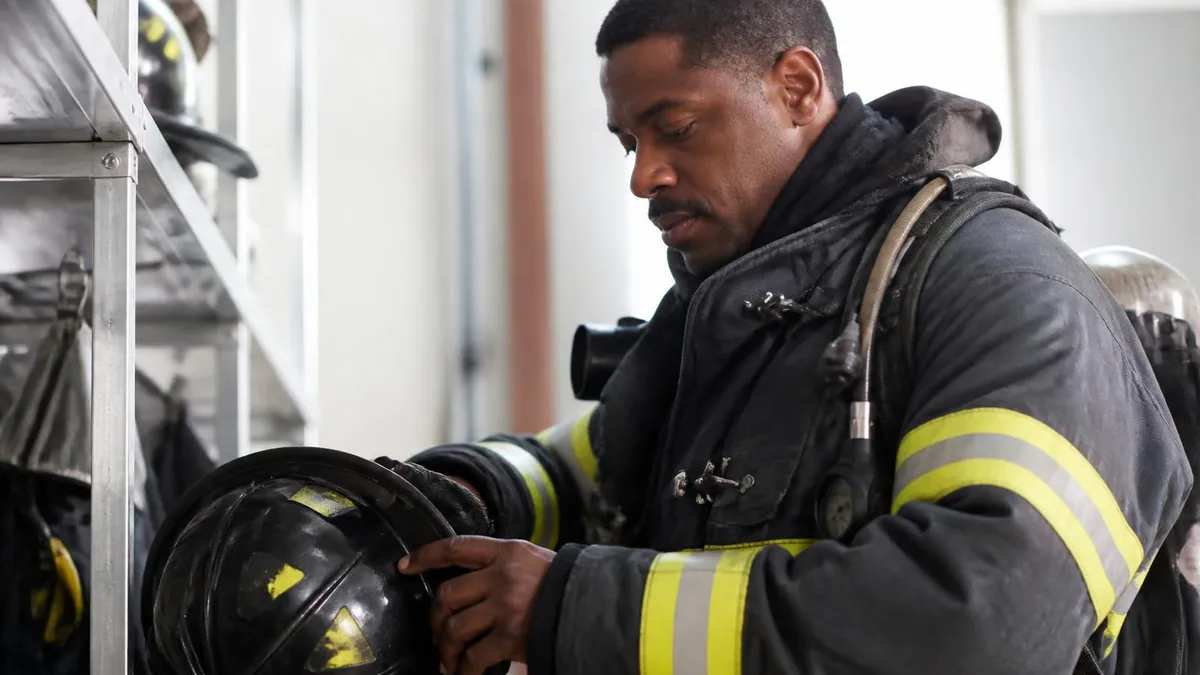
FDNY Firefighter Death: Line of Duty Sacrifice, Memorials, and the Legacy of New York's Bravest
FDNY Twitter and Social Media: How the Fire Department of New York Uses Digital Platforms
About the Author

Law Enforcement Trainer & Civil Service Exam Specialist
John Jay College of Criminal JusticeMarcus B. Thompson earned his Master of Arts in Criminal Justice from John Jay College of Criminal Justice and served 12 years as a law enforcement officer before transitioning to full-time academy instruction. He is a POST-certified instructor who has prepared candidates for police entrance exams, firefighter assessments, and civil service examinations across dozens of agencies.
Join the Discussion
Connect with other students preparing for this exam. Share tips, ask questions, and get advice from people who have been there.
View discussion (9 replies)