
FDNY Calendar: Your Complete Guide to Fire Department of New York Events and Schedules
📚 Explore the FDNY calendar including department events, recruitment timelines, public ceremonies, and how to stay connected with the Fire Department of New York.
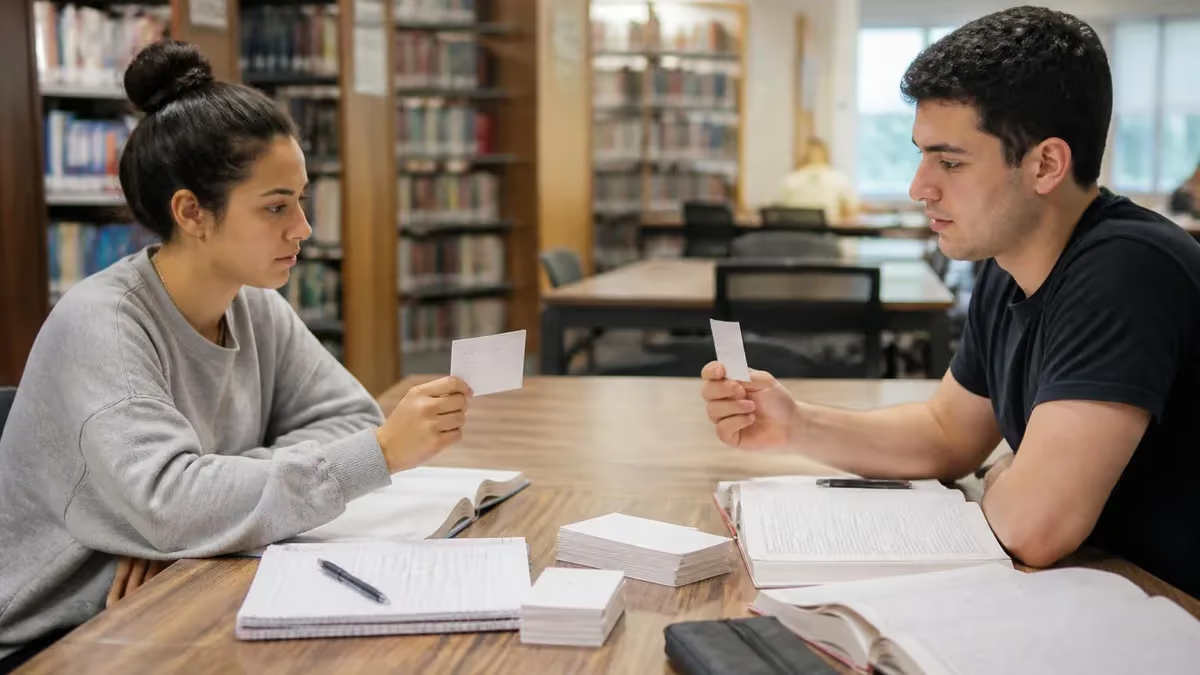
The FDNY calendar is far more than a scheduling tool — it is a living record of one of the most active and storied fire departments in the world. From major public ceremonies and recruitment exam dates to community outreach events and annual memorial observances, the Fire Department of New York maintains a packed schedule that reflects its deep ties to the city it protects. Whether you are a prospective recruit tracking application windows, a family member planning to attend a graduation, or a New Yorker curious about open houses, understanding the FDNY's annual rhythm gives you a meaningful edge.
New York City's fire department operates across more than 220 firehouses and deploys over 10,000 uniformed members every single day. That scale means the department's official calendar touches nearly every borough and neighborhood, with events ranging from high-profile ticker-tape parades to quiet block-level fire safety demonstrations. Many of these activities are tied directly to the department's mission of prevention, preparedness, and community education — not just emergency response. Knowing when and where these events occur helps both insiders and outsiders engage with the FDNY more effectively.
Recruitment is one of the most closely watched items on the fdny calendar, and for good reason. The Civil Service Exam for Firefighter — officially designated as Exam No. 7024 or its successor — opens infrequently, sometimes only once every few years. Missing the filing window can delay your career by a significant span of time. Candidates who stay current with DCAS (Department of Citywide Administrative Services) announcements and FDNY outreach events are far better positioned to apply the moment a new exam cycle opens.
Beyond recruitment, the calendar serves a critical safety education function. The FDNY runs dozens of fire prevention and emergency preparedness programs throughout the year, many tied to national awareness campaigns like Fire Prevention Week in October. These events draw thousands of New Yorkers into direct contact with firefighters, EMTs, and paramedics who offer hands-on demonstrations of equipment, home escape planning, and smoke alarm installation. Attendance is free and open to the public, making them an accessible entry point for anyone wanting to understand how the department operates at the neighborhood level.
Memorial observances hold a central and deeply emotional place in the FDNY's annual schedule. The anniversary of September 11 each year draws solemn ceremonies across multiple sites in the city, with firefighters, officers, and Gold Star families gathering to honor the 343 members of the department who died that day. Line-of-Duty Death memorial services for members lost in the preceding year also punctuate the calendar, reminding both the department and the public of the ongoing sacrifice required by the profession.
Promotional ceremonies, graduation exercises for new firefighter classes, and department-wide training milestones round out the institutional side of the calendar. These events are frequently open to the press and sometimes to invited guests, offering a rare window into the formal culture and traditions of America's largest fire department. Graduations in particular draw hundreds of family members to the FDNY Fire Academy on Randall's Island, where classes of newly trained firefighters receive their badges in moving ceremonies that have been held in one form or another for over a century.
Understanding the full arc of the FDNY's annual schedule — from exam filings in the spring, to Fire Prevention Week in October, to end-of-year memorial events — positions you to engage with the department at every level. This guide breaks down each major category of FDNY calendar events, explains what to expect, and gives you practical tools to stay current so you never miss an important date.
FDNY Calendar by the Numbers

Major Categories on the FDNY Calendar
The FDNY Firefighter exam opens on a multi-year cycle through DCAS. Filing periods, written test dates, and physical agility test windows are among the most critical calendar items for anyone pursuing a firefighting career in New York City.
New firefighter classes graduate from the FDNY Fire Academy on Randall's Island multiple times per year. These ceremonies mark the formal entry of recruits into active service and are often attended by city officials and department leadership.
September 11 memorials, the FDNY Medal Day ceremony, and Line-of-Duty Death services honor fallen members throughout the year. These solemn events are central to the department's culture of remembrance and brotherhood.
Firehouse open houses, fire safety demonstrations, and school education programs appear regularly on the FDNY calendar, especially in October during Fire Prevention Week when public engagement peaks.
The FDNY hosts and participates in numerous charity fundraisers, sporting competitions, and foundation events throughout the year, including the famous FDNY vs. NYPD hockey game and rugby matches that raise money for families of fallen heroes.
The recruitment timeline is the single most consequential stretch of the FDNY calendar for anyone aspiring to wear the department's uniform. The process begins well before an exam date is announced. The City of New York posts a Notice of Examination (NOE) through DCAS — typically weeks or even months before the filing period opens — giving candidates time to prepare and gather required documentation. These notices appear on the official NYC.gov jobs portal, and candidates who monitor both DCAS and FDNY recruitment pages simultaneously have the best chance of catching new postings before filing windows close.
Filing periods for the Firefighter exam have historically lasted between four and eight weeks. During this window, applicants must submit their online application and pay the required fee — currently $68 — through the DCAS portal. Late applications are not accepted under any circumstances, which is why calendar awareness is so important. Candidates who miss the filing deadline by even a day may be forced to wait years until the next exam cycle opens, a delay that can significantly impact career trajectories and financial planning.
After filing closes, candidates typically wait several months before the written exam date is announced. The written test covers reading comprehension, spatial reasoning, memorization, and mathematical reasoning — skills that require consistent, structured preparation. Study groups, online practice resources, and formal prep courses all peak in enrollment during the period between the filing deadline and the exam date. The FDNY's own recruitment office periodically hosts free preparation workshops, particularly in communities where firefighting has historically been underrepresented, and these sessions are announced on the department's official calendar.
Following the written exam, candidates who achieve a passing score enter the list established by DCAS in ranked order. Candidates are called from this list to complete the Candidate Physical Ability Test (CPAT), a standardized eight-event obstacle course that simulates the physical demands of firefighting. CPAT dates are scheduled in batches, and candidates must complete required orientation sessions before their test date. Missing a scheduled CPAT date without proper advance notice typically results in disqualification from that exam cycle entirely.
Medical examinations, psychological evaluations, background investigations, and character reviews follow the CPAT for candidates who pass. Each of these steps has its own scheduling timeline and documentation requirements, and the total process from initial exam filing to academy entry can span two or more years. Candidates who stay organized and respond promptly to every DCAS and FDNY communication navigate this lengthy pipeline far more smoothly than those who treat it casually.
The FDNY Fire Academy training program itself lasts approximately 18 weeks and follows a rigorous academic and practical schedule. Recruits attend classes Monday through Friday and must meet performance benchmarks in firefighting technique, emergency medical response, hazardous materials handling, and departmental procedure. Academy graduation dates are typically announced several weeks in advance, allowing family members and department officials to plan attendance. For the recruits completing the program, graduation day represents the culmination of what can be a two-to-four-year journey from exam filing to active duty.
Candidates interested in EMS careers — as EMTs or paramedics — follow a parallel but distinct calendar managed jointly by the FDNY and DCAS. EMS hiring occurs more frequently than firefighter hiring due to higher turnover and demand, which means the EMS-specific exam cycle and interview windows appear on the FDNY calendar with greater regularity throughout the year. Keeping track of both firefighter and EMS timelines simultaneously is advisable for candidates who may qualify under either pathway and want to maximize their chances of entering the department.
FDNY Calendar Events by Season
Spring is historically the most active season for FDNY recruitment activity. Civil Service Exam filing periods frequently open between March and May, and the department often schedules recruitment fairs and information sessions in all five boroughs during this window. Firefighter graduations also cluster in late spring, coinciding with the completion of winter academy classes. Public firehouse open houses begin to pick up in warmer months as outdoor events become more feasible across neighborhoods.
Summer brings a mix of community engagement events and department-wide training milestones. The FDNY Foundation hosts fundraising galas and charity events in June and July that draw donors, city officials, and department leadership. Water rescue training, high-rise drill certifications, and hazardous materials refreshers appear on internal department calendars during the summer months when operationally feasible. Candidates on active civil service lists are frequently called for CPAT testing during this period.

Tracking the FDNY Calendar: Benefits and Challenges
- +Never miss a recruitment exam filing window, which may only open once every several years
- +Plan family attendance at firefighter graduation ceremonies well in advance
- +Access free fire safety education events, including smoke alarm installations in your home
- +Stay informed about community open houses and firehouse tours for children and adults
- +Receive early notice of charity events that raise money for fallen firefighters' families
- +Track promotional and medal ceremonies that celebrate the department's bravest members
- −Official FDNY event announcements can appear on multiple platforms with inconsistent timing
- −Civil service exam cycles are irregular and difficult to predict years in advance
- −Some events require advance registration and fill quickly once announced publicly
- −Internal department training calendars are not publicly accessible, limiting outsider visibility
- −Event dates can shift due to weather, emergency operational demands, or city scheduling conflicts
- −DCAS and FDNY websites do not always share a unified calendar interface, requiring monitoring of both
FDNY Calendar Tracking Checklist
- ✓Bookmark the official FDNY recruitment page at nyc.gov/fdny and check it monthly
- ✓Create a DCAS account to receive email notifications for new civil service exam postings
- ✓Subscribe to the FDNY Foundation newsletter for charity event announcements and dates
- ✓Follow the official FDNY social media accounts on Instagram, X (Twitter), and Facebook
- ✓Mark Fire Prevention Week (second full week of October) on your personal calendar every year
- ✓Set a Google Alert for 'FDNY exam 2024' and 'FDNY Notice of Examination' to catch new postings
- ✓Check your borough's community board website for local firehouse open house announcements
- ✓Register for any upcoming FDNY recruitment information sessions as soon as they are announced
- ✓Note the FDNY Medal Day ceremony date once announced and confirm it fits your schedule
- ✓Record CPAT orientation and test dates immediately upon notification — missing them risks disqualification
The Filing Window Waits for No One
The FDNY Firefighter civil service exam filing period typically lasts only four to eight weeks, and DCAS does not accept late applications. Missing this window can delay your firefighting career by three to five years until the next exam cycle opens. Set calendar alerts the moment a Notice of Examination is published — do not wait for reminders from friends or social media posts.
Community engagement sits at the heart of the FDNY's public-facing calendar, and no time of year illustrates this better than the weeks surrounding Fire Prevention Week each October. During this period, more than 220 firehouses across New York City open their doors to the public in coordinated events that blend safety education with community connection. Firefighters set up equipment displays, allow children to climb on apparatus, and walk visitors through realistic home fire escape drills. These open houses consistently draw thousands of New Yorkers who might otherwise never interact directly with their local firehouse crew.
The FDNY's school education programs represent one of the most consistent items on the department's community calendar throughout the academic year. Programs like Learn Not to Burn, designed for early elementary students, bring firefighters into classrooms to teach age-appropriate fire safety concepts. These visits are coordinated through the FDNY's Bureau of Fire Prevention and follow a structured curriculum that aligns with New York State education standards. Teachers can request visits through the department's official education portal, and demand consistently outpaces available scheduling slots, particularly in the fall semester.
Senior citizen outreach events appear with notable regularity on the FDNY calendar, reflecting the department's awareness that older adults face disproportionately high fire fatality rates. These events — often hosted in partnership with senior centers, Houses of Worship, and community organizations — focus on topics like safe cooking practices, heating equipment maintenance, and the critical importance of working smoke alarms. The FDNY's Operation Safe Haven program specifically targets isolated elderly residents for home safety inspections and free smoke alarm installation, with scheduling coordinated through local firehouses and community liaisons.
Cultural heritage events and diversity recruitment initiatives have grown significantly on the FDNY calendar over the past decade. The department hosts targeted recruitment events in partnership with organizations representing Black, Latino, Asian-American, and women firefighters to broaden the applicant pool. Events like Women's History Month firefighter showcases and Hispanic Heritage Month outreach sessions are formally scheduled and announced in advance, reflecting a departmental commitment to building a workforce that better reflects the diversity of New York City's population.
Large-scale public safety exercises occasionally appear on the FDNY's calendar in coordination with other city agencies. Multi-agency drills involving FDNY, NYPD, and the Office of Emergency Management simulate mass casualty events, building collapses, and hazardous material releases. While many of these drills are not publicly announced in advance for operational security reasons, some larger exercises — particularly those involving transportation hubs or major public venues — do receive advance notice and may cause temporary disruptions to normal city traffic patterns.
Athletic and cultural events sponsored by the FDNY or the FDNY Foundation punctuate the calendar with a different kind of community engagement. Charity runs, the FDNY Golf Classic, and the iconic FDNY vs. NYPD hockey game at Madison Square Garden draw thousands of attendees and raise millions of dollars annually for the FDNY Foundation's scholarship and family support programs. These events are typically announced months in advance, and tickets sell out quickly — particularly for the hockey game, which has become one of New York City's most beloved annual sporting traditions.
Neighborhood-level fire safety programs through the FDNY's Community Affairs Bureau also generate a steady stream of calendar events throughout the year. Block association presentations, community board appearances, and multi-family building inspections are coordinated locally and do not always appear on the department's central public calendar. Residents interested in scheduling safety presentations for their building, block, or community organization can contact their borough's Community Affairs unit directly through FDNY's website — a resource that remains underutilized despite its genuine value for property managers and neighborhood organizations alike.

DCAS does not grant extensions to the FDNY Firefighter exam filing period for any reason, including technical difficulties or late awareness of the announcement. If you discover a new Notice of Examination less than a week before the deadline, submit your application immediately regardless of whether your preparation feels complete. You can prepare fully between filing and the actual test date, but you cannot file after the window closes.
Staying reliably informed about upcoming FDNY calendar events requires a multi-channel approach, because the department distributes announcements across several platforms that do not always update simultaneously. The official FDNY website at nyc.gov/fdny is the authoritative source for department-wide events, but individual firehouse open houses and community-level programs may only be announced through borough-specific social media accounts or local community boards. Building a personalized monitoring system that covers all these channels is the most reliable way to ensure you never miss a date that matters to you.
The DCAS exam calendar is the definitive source for civil service exam filings and test dates and should be treated as a completely separate monitoring task from the FDNY website itself. DCAS publishes Notices of Examination on its own portal at nyc.gov/dcas, and candidates should create a free DCAS account to receive automatic email notifications when new exam filings are posted. The FDNY does not control the DCAS announcement timeline, which is why relying solely on the fire department's website to learn about exam dates creates a significant information gap that catches unprepared candidates off guard every cycle.
Social media has become an increasingly important real-time supplement to official FDNY announcements. The department's verified Instagram and X accounts frequently post event reminders, graduation photos, and recruitment notices days or weeks before they appear in formal press releases. Following these accounts and enabling push notifications for FDNY-related searches gives you a meaningful head start on planning for events that have limited capacity or registration requirements. The FDNY Foundation's social channels are a separate but equally valuable follow for charity event announcements and fundraiser dates.
Local news sources — particularly outlets like The Chief-Leader, which covers New York City civil service issues in depth — often report on FDNY exam announcements, contract negotiations, and promotional ceremonies before they appear in mainstream press coverage. Subscribing to The Chief-Leader's newsletter or setting up Google Alerts for FDNY-related civil service keywords creates an additional early-warning layer for recruitment calendar items. Community newspapers in neighborhoods with high concentrations of FDNY families, such as Gerritsen Beach in Brooklyn or Woodside in Queens, also occasionally publish firehouse-level event announcements not found anywhere else.
The FDNY Captains Endowment Association, the Uniformed Firefighters Association (UFA), and the Uniformed Fire Officers Association (UFOA) all maintain their own communication channels that occasionally include calendar-relevant information for members and their families. While these channels are primarily internal, their public-facing social media accounts and websites sometimes publicize contract milestones, memorial events, and legislative advocacy activities tied to specific calendar dates. Candidates who are serious about joining the department often follow these union channels as a way of understanding the department's organizational culture before they ever enter the recruiting process.
For those specifically tracking the FDNY's emergency management and multi-agency exercise calendar, the NYC Emergency Management Department at nyc.gov/em publishes advance notices of public-facing preparedness events throughout the year. These include community emergency response training (CERT) sessions, shelter-in-place drills, and large-scale tabletop exercises that involve FDNY coordination. Attending these events as a civilian not only keeps you informed about the department's operational calendar but also builds the kind of community preparedness awareness that the FDNY actively promotes through every public engagement program it runs.
Finally, for readers exploring the broader FDNY organizational structure and how events are coordinated across the department's many divisions and bureaus, detailed background on the department's physical footprint can be found in our coverage of fdny calendar activities tied to specific companies and engine houses. Understanding where the department operates geographically helps contextualize why certain events are held in particular boroughs and how community-level calendar items fit into the department's larger operational and outreach strategy.
Preparing for any FDNY exam or career milestone is most effective when you treat the calendar as an active planning tool rather than a passive reference. The candidates who perform best on civil service exams are almost never the ones who began studying the week before the test date — they are the ones who identified the exam cycle months in advance, built structured study schedules timed to the exam date, and used every publicly available preparation resource the FDNY and its partners offered along the way.
This kind of calendar-driven preparation is a skill that transfers directly to the disciplined, organized mindset the department looks for in its recruits.
For exam preparation specifically, the Candidate Physical Ability Test (CPAT) deserves dedicated calendar planning. The CPAT is physically demanding by design — the eight events simulate the aerobic and strength requirements of active firefighting — and it cannot be approached casually. The FDNY and its union partners occasionally offer free CPAT preparation sessions, particularly for candidates from underrepresented communities, and these sessions are announced on the department's recruitment calendar with limited spots available. Identifying these training opportunities and registering early can make a meaningful difference in test-day performance for candidates who lack access to specialized fitness facilities.
Study groups organized around FDNY exam cycles have become increasingly common in New York City neighborhoods with strong firefighting traditions. These informal groups — sometimes organized through community centers, fire department auxiliaries, or online forums — often coordinate their meeting schedules around official announcement milestones and use practice tests, study guides, and retired firefighter mentors to supplement independent preparation. Connecting with these communities through local FDNY firehouse auxiliary groups or online resources can provide both academic support and early intelligence about calendar developments in the recruitment pipeline.
The written portion of the FDNY Firefighter exam tests cognitive abilities rather than fire department-specific knowledge, which means preparation is broadly applicable and can begin well in advance of a formal exam announcement. Reading comprehension drills, spatial reasoning puzzles, and timed mathematical problems are useful at any point in the calendar year regardless of whether a new exam cycle has been announced. Candidates who maintain consistent practice across multiple months arrive at the written exam with fully conditioned cognitive abilities rather than cramming under pressure in the final weeks before the test date.
Emergency Medical Services candidates face a somewhat different preparation calendar than firefighter candidates, because the EMS exam and hiring process occur more frequently and with shorter lead times. EMS exam cycles can open and close in a matter of weeks, requiring candidates to maintain an even more vigilant monitoring posture than their firefighter-track counterparts.
The FDNY EMS Academy training program, which follows hiring, runs on its own intensive schedule and requires candidates to have a valid New York State EMT certification before the academy start date — a certification that itself requires completing a training course that typically runs 120 to 160 hours over several weeks or months.
Practice examinations and preparedness quizzes offer one of the most efficient ways to use the calendar period between exam filing and test day. Online platforms that specialize in FDNY content provide timed practice tests that closely replicate the format and difficulty of official civil service exams, allowing candidates to identify knowledge gaps and adjust their study plans accordingly.
Building a weekly review schedule that incorporates practice tests at regular intervals — rather than treating them as a final-week activity — produces measurably better results and significantly reduces test-day anxiety. Consistent, calendar-driven practice is the method that most consistently separates successful candidates from those who struggle.
Whatever your specific goal — whether you are tracking a recruitment exam, planning to attend a graduation ceremony, or simply looking to engage with your local firehouse through a community event — the FDNY calendar rewards those who engage with it proactively and systematically. The department makes an enormous amount of information publicly available for those willing to look, and the candidates, families, and community members who invest time in understanding the department's annual schedule consistently find that engagement with the FDNY, at every level, is richer, more rewarding, and more productive as a result.
FDNY Questions and Answers
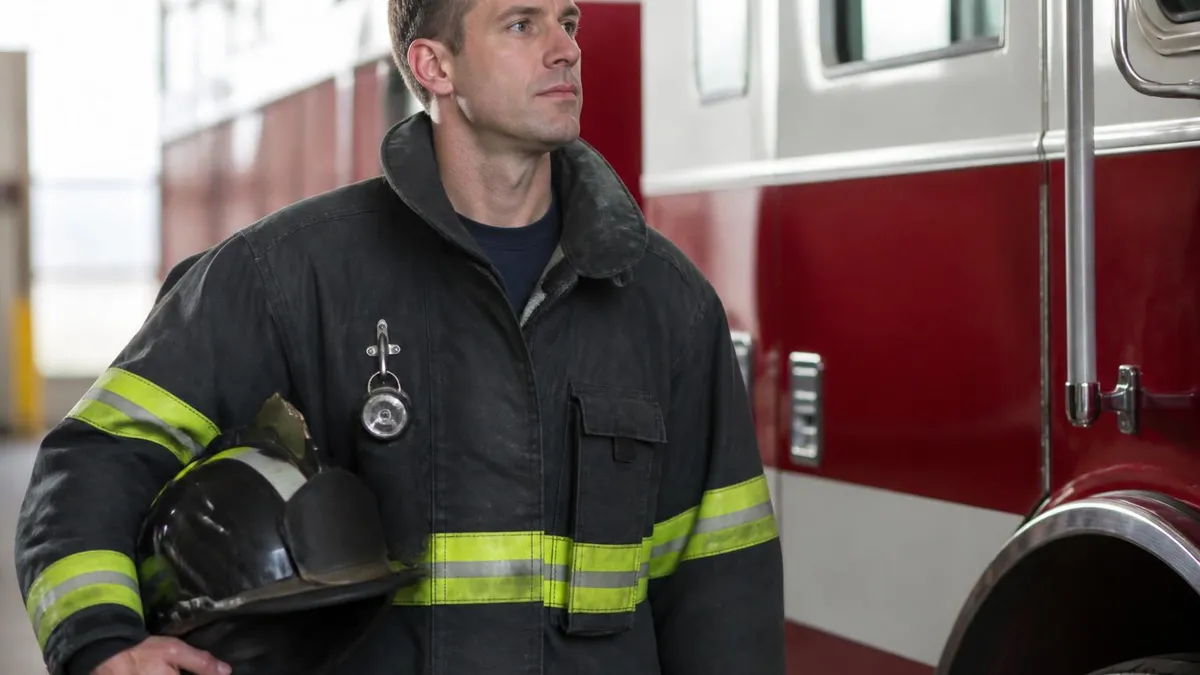
FDNY Stations, Engine & Ladder Companies
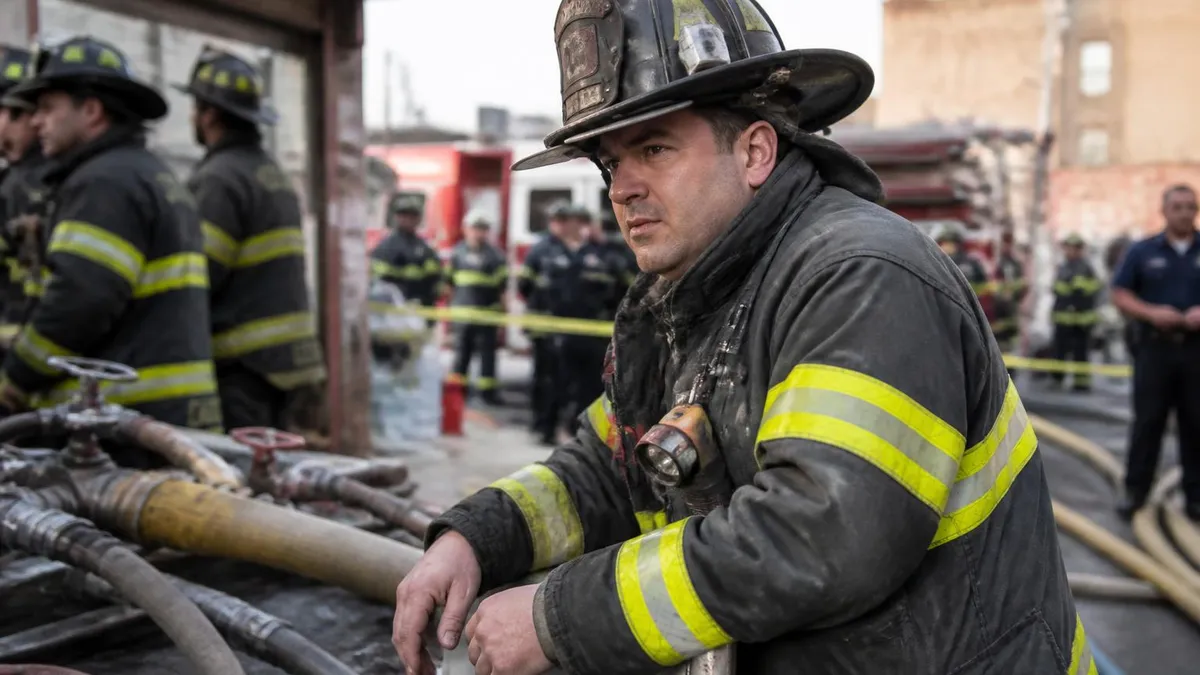
FDNY 10 Codes: Complete Guide to Fire Department Radio Communication

FDNY Logo: History, Meaning, and Symbolism of the Fire Department of New York Emblem
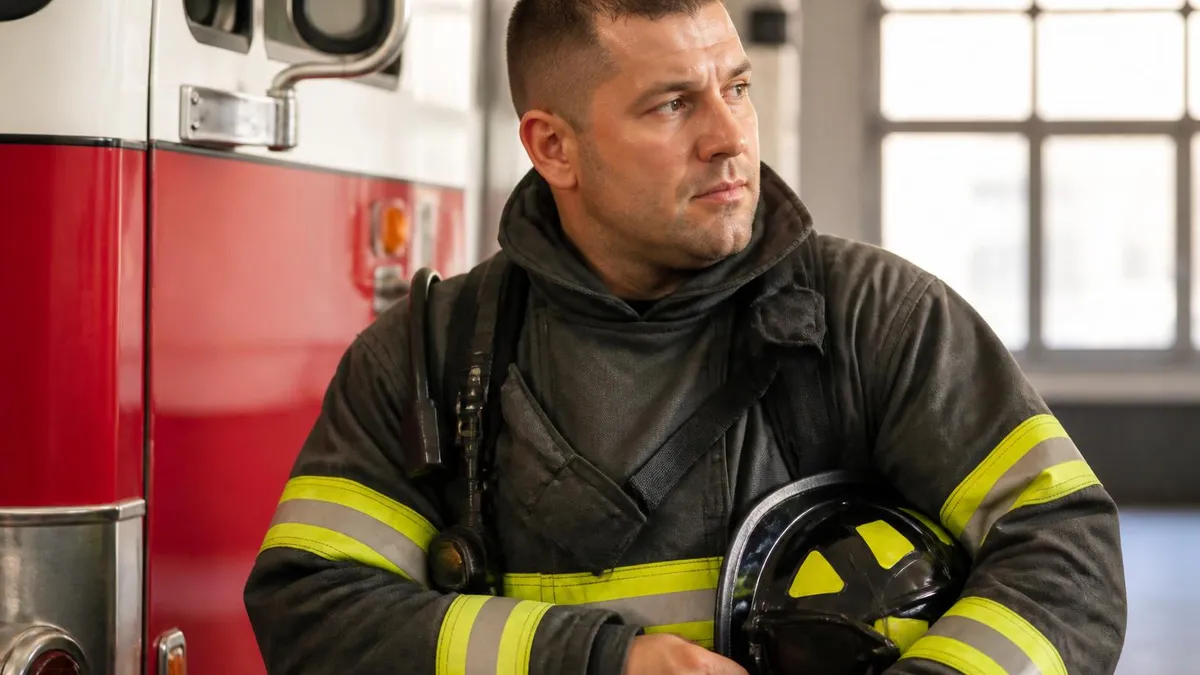
FDNY vs NYPD Hockey Game: Inside New York's Bravest vs Finest Heroes on Ice Rivalry
FDNY Marine Units: Inside the Fire Department of New York's Fireboat Fleet and Marine 6
About the Author
Law Enforcement Trainer & Civil Service Exam Specialist
John Jay College of Criminal JusticeMarcus B. Thompson earned his Master of Arts in Criminal Justice from John Jay College of Criminal Justice and served 12 years as a law enforcement officer before transitioning to full-time academy instruction. He is a POST-certified instructor who has prepared candidates for police entrance exams, firefighter assessments, and civil service examinations across dozens of agencies.
Join the Discussion
Connect with other students preparing for this exam. Share tips, ask questions, and get advice from people who have been there.
View discussion (9 replies)