
FDNY Marine Units: Inside the Fire Department of New York's Fireboat Fleet and Marine 6
FDNY Marine 6 and the full FDNY marine units explained: fireboats, stations, history, capabilities, and how the fleet protects New York Harbor. 📚
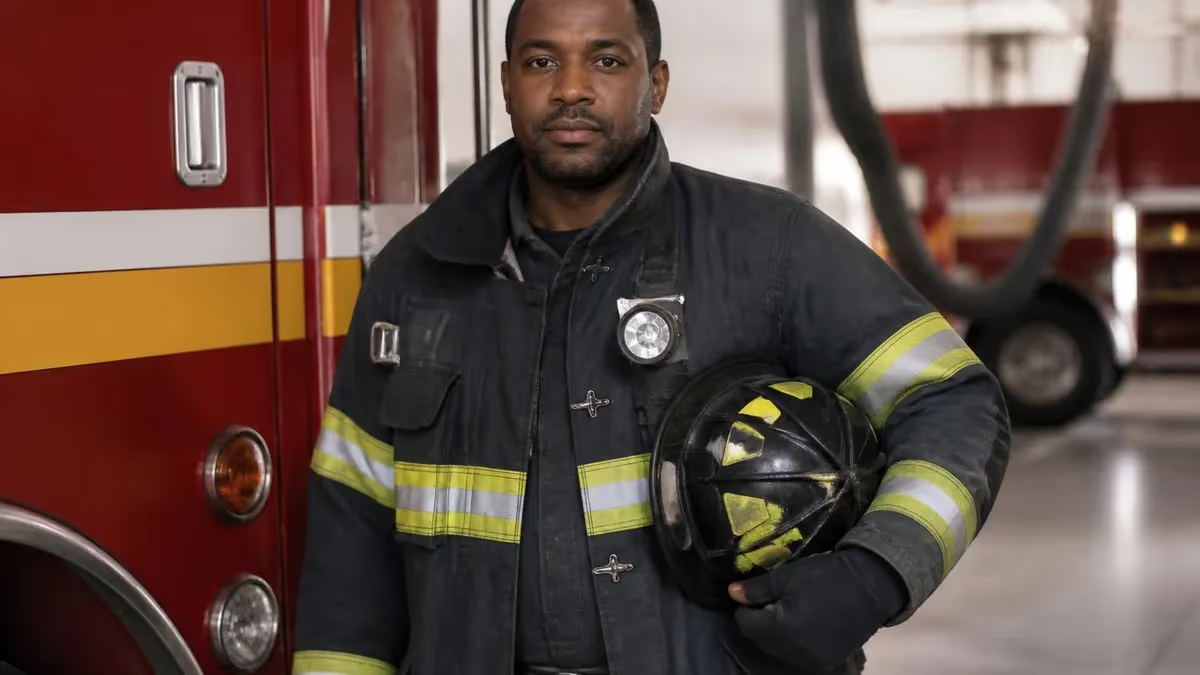
FDNY Marine 6 is one of the most recognizable assets in the Fire Department of New York's harbor defense network, and it sits at the center of a fleet that has protected the largest natural harbor on the East Coast for more than 150 years. The FDNY marine units operate as floating fire stations, capable of pumping millions of gallons per hour while responding to fires aboard ships, on piers, in waterfront warehouses, and along the 520 miles of shoreline that wrap around the five boroughs of New York City.
When people say FDNY Marine 6, they are usually referring to the firefighting vessel Bravest, a powerhouse fireboat that has been a workhorse of the fleet since the early 2000s. Marine 6 is stationed on Staten Island and shares response responsibility with sister boats like Marine 1, Marine 9, and the legendary Three Forty Three, a 140-foot fireboat that is among the most powerful in the world. Together these vessels form a layered, harbor-wide response system.
The marine division does far more than spray water at burning ships. Crews handle hazardous materials releases on tankers, marine rescues, dewatering of sinking vessels, port security drills with the Coast Guard, and even ceremonial water displays for arriving cruise liners and Fleet Week parades. Marine firefighters train in dive operations, swift water rescue, helicopter operations, and shipboard firefighting, which is one of the most dangerous disciplines in the fire service.
Marine 6's importance grew dramatically after September 11, 2001, when fireboats pumped Hudson River water to the World Trade Center site after the city's broken water mains failed. That single event reshaped how the FDNY thinks about its marine assets, leading directly to the commissioning of Three Forty Three and Fire Fighter II, vessels designed to handle terrorist attacks, chemical incidents, and large-scale waterfront emergencies that exceed land-based capabilities.
Today FDNY Marine 6 covers a service area that includes the busy Kill Van Kull shipping channel, the Bayonne Bridge, container terminals at Howland Hook, the Staten Island Ferry route, and dozens of marinas and waterfront facilities. Response times to a marine emergency in this area can be the difference between a contained fire and a multi-vessel disaster, which is why the fireboat is staffed around the clock by a dedicated marine engineer, pilot, and firefighters.
This article walks through the structure of the FDNY marine unit fleet, the history of each fireboat, the equipment carried aboard Marine 6, the qualifications required to serve, and how the unit fits into the broader emergency response architecture of New York City. Whether you are an aspiring firefighter, a maritime professional, or a New Yorker curious about the boats you see passing under the Verrazzano-Narrows Bridge, you will find a complete picture of the fleet.
You will also find study resources, practice tests, and reference material drawn from the same source documents used by candidates preparing for the FDNY exam, the EMS exam, and the promotional tests for marine engineer and marine pilot. Marine 6 is not just a piece of equipment, it is the centerpiece of a tradition that goes back to the steam-powered fireboats of the 19th century, and understanding it means understanding a unique part of FDNY culture.
FDNY Marine Units by the Numbers
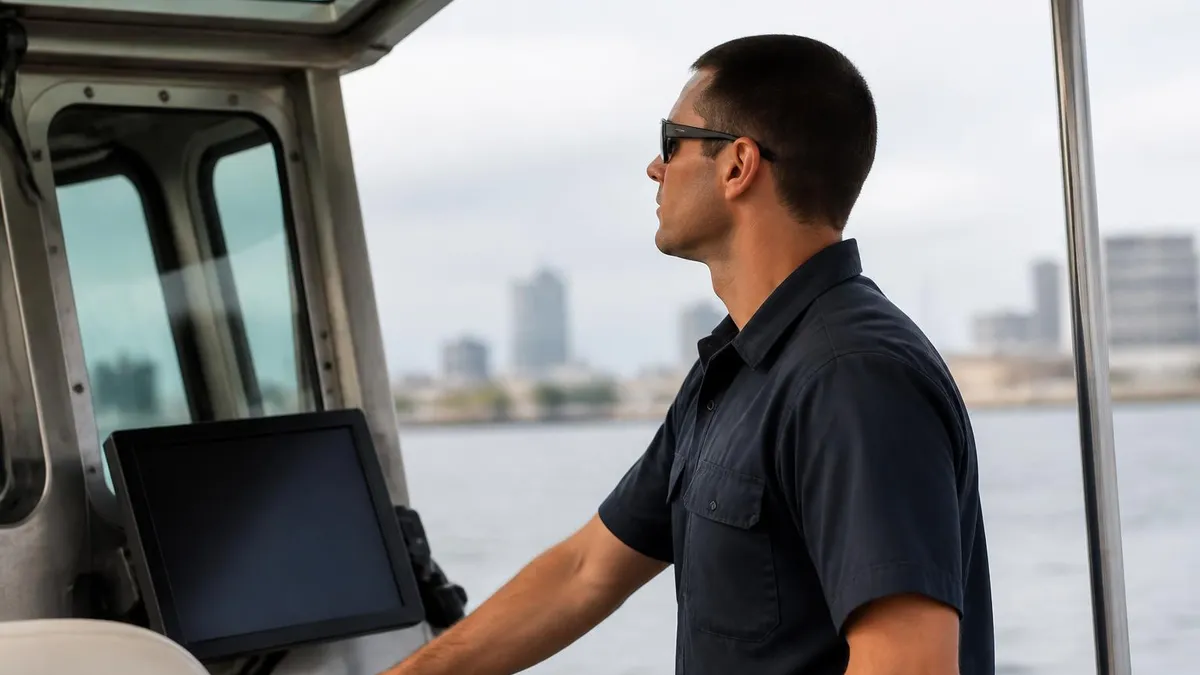
The FDNY Marine Fleet at a Glance
The flagship of the fleet, a 140-foot fireboat named for the 343 firefighters lost on September 11, 2001. Capable of pumping 50,000 gallons per minute, it patrols the busiest waterfront zones of Manhattan.
A versatile mid-size fireboat stationed on Staten Island. Marine 6 covers the Kill Van Kull, container terminals, and the heavily trafficked shipping lanes south of the Verrazzano-Narrows Bridge.
A 140-foot fireboat that replaced the historic Fire Fighter in 2010. Fire Fighter II patrols the harbor from Staten Island with chemical-biological-radiological protective systems built in.
Smaller rapid-response craft that operate as satellite units. These boats are designed to reach marina fires, swift water rescues, and shoreline incidents that don't require a full fireboat response.
Tenders, dive support boats, and rescue craft used during major harbor incidents, ceremonial displays, and Coast Guard joint operations. They round out a layered marine response system.
The history of FDNY marine units begins in 1875 with the steam fireboat William F. Havemeyer, a vessel commissioned by the City of New York after a series of devastating pier fires made it clear that land-based engine companies could not protect the booming port. Within a decade, the fleet grew to include several steam-powered boats with names like New Yorker, Zophar Mills, and the New York, each capable of pumping seawater through hoses long before electric or diesel pumps existed.
By the early 20th century, the marine division had become a critical defense for what was then the busiest port in the world. Fireboats answered alarms from the Brooklyn Navy Yard, the West Side piers used by transatlantic ocean liners, and the railroad freight terminals that lined Manhattan's Hudson shoreline. A single pier fire could threaten hundreds of millions of dollars in cargo, which made the marine companies among the most valued in the department.
The 1938 commissioning of the fireboat Fire Fighter marked a generational leap. The vessel served continuously for 72 years and battled an extraordinary number of major incidents, including the 1973 Staten Island gas tank explosion and the 1991 Brooklyn waterfront fire. Fire Fighter was so beloved that when it was retired in 2010, it was preserved as a museum ship in Greenport on Long Island, a permanent monument to the marine division's lineage.
September 11, 2001, transformed the marine division. After the water mains around the World Trade Center ruptured, fireboats including the John D. McKean and Fire Fighter pumped Hudson River water through hose lays that stretched for blocks. Without that improvised water supply, the fires would have spread further into surrounding buildings. The lesson stuck, and within a few years the city was committed to building a new generation of fireboats designed for terrorism response.
That investment produced Three Forty Three in 2010 and Fire Fighter II shortly afterward. Both vessels feature decontamination systems, citadel air filtration to allow crews to operate inside chemical plumes, foam capability for petroleum fires, and pumping rates that dwarf anything previously seen on a fireboat. They were not just replacements, they were a strategic redesign of how the harbor would be defended.
Marine 6 sits within this lineage as a versatile, mid-tier fireboat whose Staten Island location gives the department coverage of the most chemically active waterway in the harbor. The Kill Van Kull moves a staggering volume of petroleum products, ammonia, and bulk cargo every day, and Marine 6 is positioned to intervene if any of that hazardous traffic catches fire or releases a spill that threatens shoreline communities.
The history of the fleet is also a history of New York's port itself. As container shipping shifted from Manhattan to New Jersey and Brooklyn, the marine companies adapted by closing some older stations, opening new ones, and reconfiguring response patterns. Modern Marine 6 operations reflect that adaptation, with regular drills involving the Port Authority, the Coast Guard, and harbor pilots who guide the largest ships into and out of the port.
FDNY Practice Test Questions
Prepare for the FDNY - Fire Department New York exam with our free practice test modules. Each quiz covers key topics to help you pass on your first try.
FDNY Building Construction
FDNY Exam Questions covering Building Construction. Master FDNY Test concepts for certification prep.
FDNY Community Engagement and Public Educa...
Free FDNY Practice Test featuring Community Engagement and Public Education. Improve your FDNY Exam score with mock test prep.
FDNY Emergency Medical Response
FDNY Mock Exam on Emergency Medical Response. FDNY Study Guide questions to pass on your first try.
FDNY Emergency Medical Services
FDNY Test Prep for Emergency Medical Services. Practice FDNY Quiz questions and boost your score.
FDNY Hazardous Materials Response
FDNY Questions and Answers on FDNY Hazardous Materials Response. Free FDNY practice for exam readiness.
FDNY Technical Rescue Operations
FDNY Mock Test covering FDNY Technical Rescue Operations. Online FDNY Test practice with instant feedback.
FDNY Fire Behavior
Free FDNY Quiz on Fire Behavior. FDNY Exam prep questions with detailed explanations.
FDNY Firefighting Operations and Equipment
FDNY Practice Questions for Firefighting Operations and Equipment. Build confidence for your FDNY certification exam.
Marine 6 and Sister Vessels Explained
Marine 6, known by its boat name Bravest, is a mid-sized fireboat that operates from Staten Island and serves as one of the most actively dispatched marine units in the fleet. Built to handle a wide range of incidents, the vessel combines respectable pumping capacity with a relatively shallow draft that lets it operate in shoreline areas larger fireboats cannot easily reach. The boat is staffed around the clock by a marine engineer, marine pilot, and firefighting crew.
The Bravest typically responds to alarms across the Kill Van Kull, Newark Bay approaches, and the waters surrounding the Verrazzano-Narrows Bridge. Its design includes multiple deck-mounted monitors, foam systems for petroleum fires, and equipment lockers stocked with shipboard firefighting tools. Marine 6 is also frequently used as a backup for larger incidents elsewhere in the harbor, which makes it a key flex asset for the entire FDNY marine division.
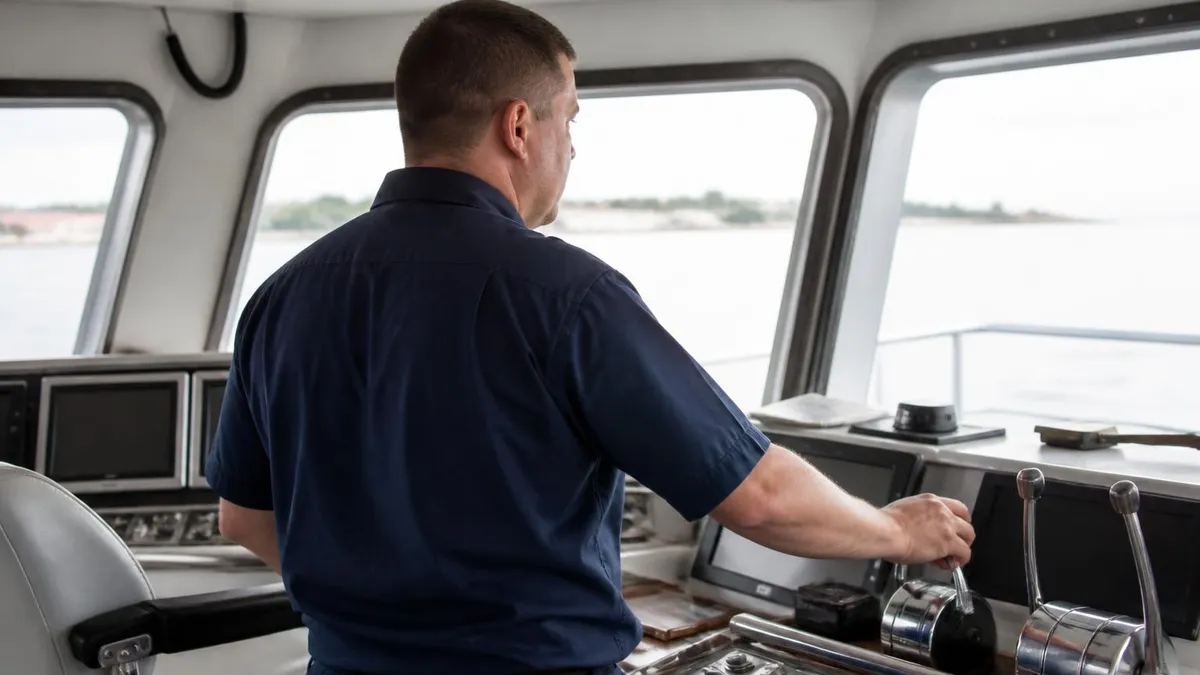
Working in the FDNY Marine Division: What Members Say
- +Unique skill set combining firefighting, seamanship, and rescue diving
- +Highly specialized training that opens doors to private maritime work after retirement
- +Quieter run volume than busy land-based engine companies, allowing deeper training time
- +Strong sense of tradition and tight-knit crew culture aboard the fireboats
- +Opportunities to participate in major ceremonial events like Fleet Week and tall ship parades
- +Direct involvement in port security exercises with the Coast Guard and federal partners
- −Long shifts in confined quarters can be challenging during multi-day deployments
- −Limited promotional pathways compared with land-based companies in some specialties
- −Weather exposure during winter operations is brutal, with ice and freezing spray on deck
- −Boats require constant maintenance, creating extra workload beyond firefighting duties
- −Marine engineer and pilot positions require specialized licensing that takes years to build
- −Response areas can be remote, with long transits to reach distant parts of the harbor
FDNY Marine 6 Firefighter Qualifications Checklist
- ✓Pass the standard FDNY firefighter written exam with a qualifying score
- ✓Complete the physical ability test (CPAT) within the required time window
- ✓Graduate from the FDNY Fire Academy on Randall's Island as a probationary firefighter
- ✓Serve a minimum tour in a land-based engine or ladder company before requesting marine
- ✓Complete USCG-approved basic safety training and shipboard firefighting courses
- ✓Pass a swim test and demonstrate water survival competency in full gear
- ✓Obtain a Transportation Worker Identification Credential (TWIC) for port access
- ✓Receive specialized training in foam operations and large-flow nozzle deployment
- ✓Complete CBRN awareness and operations courses required for fireboat assignments
- ✓Maintain current EMT or paramedic certification for medical responses aboard vessels
One fireboat equals dozens of hydrants
A fully engaged Marine 6 can flow more water in five minutes than a typical city block of fire hydrants could supply in an hour. That capacity is why fireboats are dispatched to large structural fires near the waterfront and why they were the difference-makers at Ground Zero in 2001.
The equipment carried aboard Marine 6 reflects decades of hard-earned lessons from shipboard, pier, and waterfront fires. The deck is dominated by multiple monitors, the large remote-controlled water cannons that can throw streams hundreds of feet at flow rates measured in thousands of gallons per minute. Each monitor can be configured to deliver straight water, fog patterns, or foam concentrate, depending on the type of fuel involved in the fire.
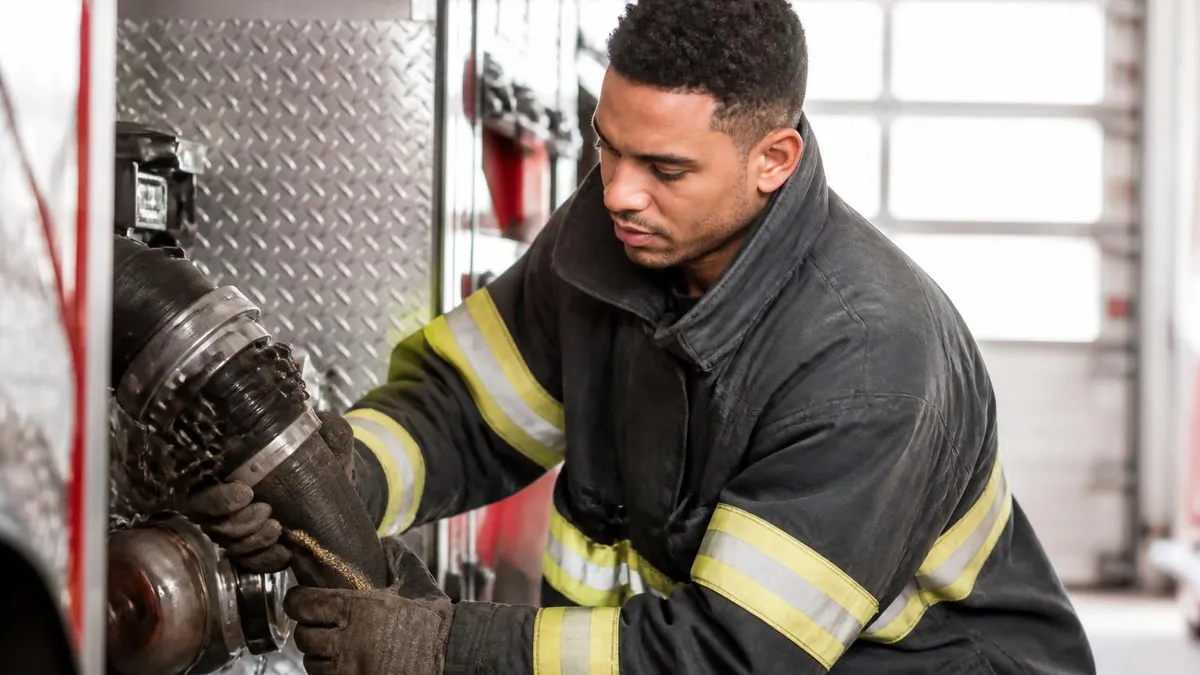
Below deck, the pumps are powered by dedicated diesel engines separate from the propulsion plant, which means Marine 6 can fight fires at full capacity while still maneuvering. Salt water is drawn directly from the harbor, filtered through intake screens to prevent debris damage, and routed through high-pressure piping that supplies both deck monitors and dozens of hose connections positioned around the vessel.
The boat also carries a substantial supply of aqueous film-forming foam, the agent used to suppress petroleum fires. With the Kill Van Kull moving so much crude oil, refined fuel, and chemical product every day, foam capability is not optional. Marine 6's foam system can blanket an entire pier or burning vessel for sustained periods, buying time for tugs to move surrounding shipping out of the affected area.
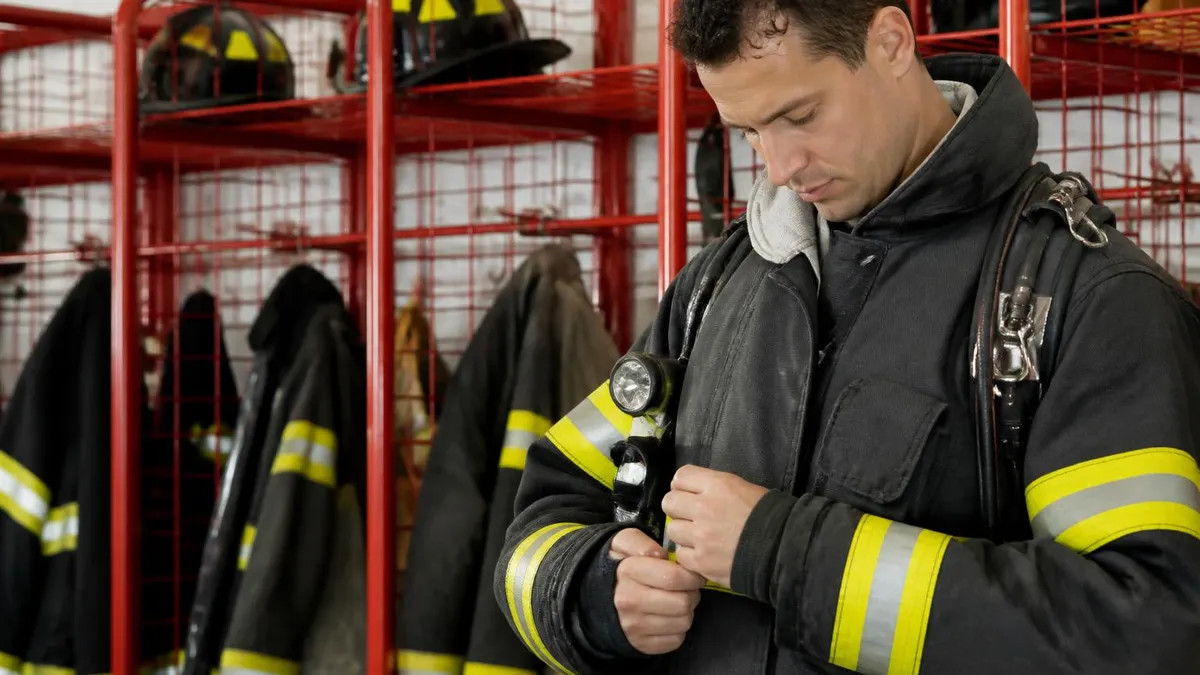
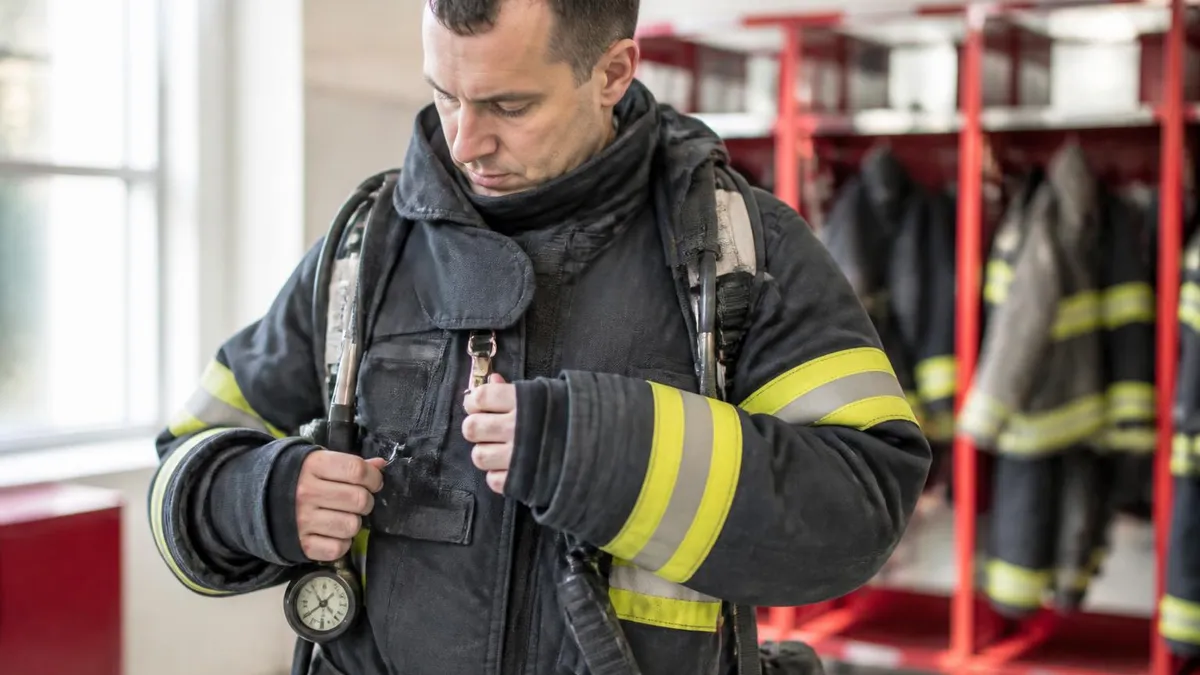
Personal protective equipment aboard Marine 6 differs in important ways from gear used by land-based companies. Shipboard firefighting bunker gear is built to handle the extreme heat of metal-bound fires inside engine rooms and cargo holds. Crews also carry extended-duration self-contained breathing apparatus, thermal imaging cameras designed for marine environments, and specialized hose appliances that connect to international shore connections found on commercial vessels.
Communications gear is another quiet but critical capability. Marine 6 carries marine VHF radios, FDNY land-mobile radios, Coast Guard interoperability channels, and satellite phones for incidents that move beyond normal harbor coverage. The pilothouse includes radar, AIS receivers that show every commercial vessel in the area, depth sounders, and chart plotters tied to the latest NOAA harbor charts.
Rescue equipment includes dive gear for the unit's qualified rescue divers, throw bags, rescue swimmer uses, and inflatable craft that can be launched from the deck to reach victims close to shore. Many marine division members are dual-qualified as rescue divers, an extraordinarily demanding specialty that adds another layer of capability to every fireboat response.
Finally, Marine 6 carries equipment specific to vessel salvage, including portable dewatering pumps capable of removing thousands of gallons per minute from a sinking ship. Damage control kits, wooden plugs, patching materials, and shoring lumber are stored in dedicated lockers. These tools transform a fireboat from a pure firefighting platform into a multi-mission marine emergency response asset.
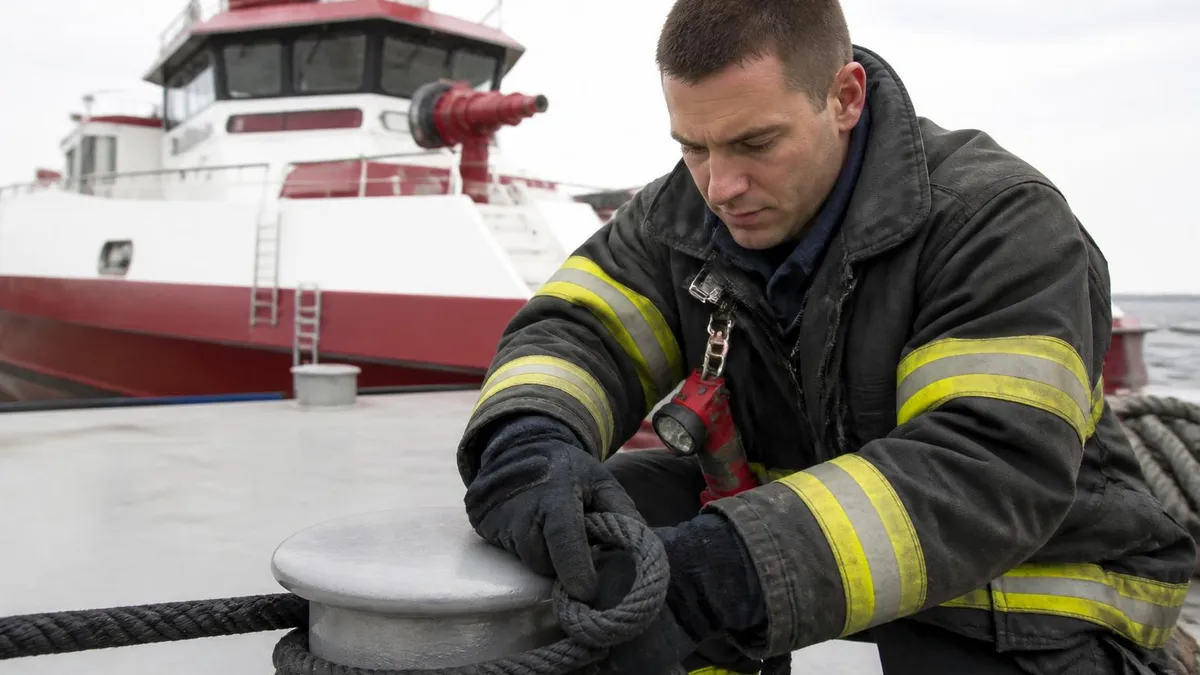
Shipboard fires can double in size every 60 to 90 seconds because of confined fuel loads and limited ventilation. A delayed marine response can mean the difference between a contained engine-room fire and a total loss of vessel and cargo, which is why Marine 6 operates with a continuous-readiness posture.
Modern FDNY marine operations balance a quiet daily routine with the constant possibility of a high-consequence emergency. A typical Marine 6 shift includes vessel inspections, pump tests, foam system checks, weapons-and-tools accountability, navigation drills, and joint training with the Coast Guard or Port Authority. Crew members rotate through pilothouse, engine room, and deck assignments to keep their certifications and reflexes sharp.
Marine 6 also plays a key role in pre-planning. The marine division maintains detailed pre-fire plans for every major pier, terminal, ferry slip, and cruise ship berth in the harbor. These pre-plans include access routes, hydrant locations, ship-specific firefighting connections, hazardous cargo notes, and evacuation considerations. Updating and walking through these plans is a regular part of the unit's training cycle.
Beyond firefighting, the marine units serve as the city's primary maritime medical response. When a passenger collapses on the Staten Island Ferry, when a deckhand is injured on a container ship, or when a recreational boater is struck by a propeller, Marine 6 or one of its sister boats is usually the first FDNY asset on scene. Each vessel carries advanced life support equipment and can provide patient care during transit to shore.
The future of FDNY marine units involves more technology, more integration with federal partners, and continued investment in vessel modernization. Drone reconnaissance, automated identification system tracking, and remote-controlled water monitors are being studied for future fireboats. Cyber and electronic warfare concerns have also entered marine division training, reflecting how port security has evolved since 9/11.
Climate change is another factor shaping the fleet's future. Sea level rise, more frequent flooding events like Superstorm Sandy in 2012, and increasingly volatile weather are pushing the marine division to develop new capabilities for swift water rescue inside flooded neighborhoods. During Sandy, marine companies operated for days inside flooded streets, rescuing residents who could not be reached by land-based companies.
For more detail on the codes and signals used during marine responses, FDNY's radio language and dispatch terminology are similar across land and water units. Readers interested in those specifics can explore the FDNY Codes reference, which decodes the signals you hear over radio traffic during major harbor incidents.
What has not changed, and what is unlikely to change, is the central role of marine units in protecting New York City. As long as ships move through the harbor, as long as fuel terminals line the Kill Van Kull, and as long as millions of New Yorkers live and work along the waterfront, the FDNY marine division and Marine 6 in particular will remain a vital part of the city's emergency response architecture.
For candidates and enthusiasts who want to understand the FDNY marine units at a deeper level, the best preparation combines studying official department materials with hands-on experience in marine environments. Many successful candidates spend time volunteering with auxiliary coast guard units, completing recreational sailing courses, or working summer jobs on harbor cruises and ferries before they ever sit for the FDNY exam.
Practical familiarity with boats matters because the FDNY marine division is small, and competition for assignments is intense. Demonstrating that you have already invested in maritime skills, whether through a captain's license, a small boat operator certification, or rescue diver training, signals that you are serious about a long-term career in the marine companies rather than treating it as a passing curiosity.
Studying for the FDNY firefighter exam is the first step. The exam tests reading comprehension, mechanical aptitude, spatial orientation, and observation and memory. None of these are specifically marine-focused, but each maps directly to skills needed on a fireboat. Pilots must read charts and instruments quickly, engineers must understand mechanical systems, and crews must remember complex pre-fire plans across hundreds of waterfront facilities.
Once you reach the academy and then a probationary assignment, your goal becomes building a reputation as a reliable, technically curious firefighter. Marine assignments are typically open only to members who have already proven themselves in engine and ladder companies. Senior officers in the marine division look for candidates who have shown initiative, completed extra certifications, and demonstrated good judgment under pressure.
Maintenance proficiency matters too. A marine engineer on Marine 6 spends a significant portion of any shift working on pumps, fuel systems, electrical panels, and the auxiliary equipment that keeps the boat functional. Candidates with backgrounds in diesel mechanics, marine engineering, or industrial maintenance often advance more quickly because they can contribute immediately to vessel readiness.
Physical fitness deserves a separate mention. Shipboard firefighting is exhausting in ways that land-based firefighting is not. You may be climbing ladders inside burning engine rooms, dragging hose lines across slippery decks, or carrying equipment up steep gangways for hours. The job rewards the kind of fitness that combines strength, endurance, and balance, especially balance, which is constantly tested on a moving deck in rough water.
Finally, study the harbor itself. Learn the major terminals, the tidal patterns, the bridge clearances, the depth charts of the main channels, and the names of the tugboats and ferries you see every day. Marine 6 and the rest of the fleet protect a working harbor, and the firefighters who do that job best are the ones who treat the harbor as a living system they understand intimately, not just a stretch of water on a map.
FDNY Questions and Answers
FDNY Rescue 2: Inside Brooklyn's Elite Rescue Company
FDNY Codes: A Complete Guide to Fire Department of New York Radio Signals, Box Numbers, and Response Codes
FDNY Runs and Workers: What the Numbers Really Mean
FDNY Business: NYC Fire Department Online Portal for Permits, COFs, and Inspections
FDNY Exam: How to Apply and Prepare for the Firefighter Test
About the Author
Law Enforcement Trainer & Civil Service Exam Specialist
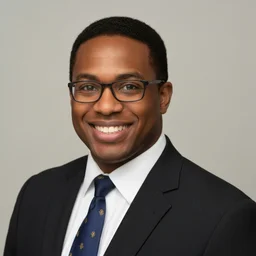
John Jay College of Criminal JusticeMarcus B. Thompson earned his Master of Arts in Criminal Justice from John Jay College of Criminal Justice and served 12 years as a law enforcement officer before transitioning to full-time academy instruction. He is a POST-certified instructor who has prepared candidates for police entrance exams, firefighter assessments, and civil service examinations across dozens of agencies.
Join the Discussion
Connect with other students preparing for this exam. Share tips, ask questions, and get advice from people who have been there.
View discussion (9 replies)