
FDNY Stations: A Complete Guide to New York City's Firehouses 2026 September
🗨️ Explore FDNY stations across all 5 boroughs. Learn how firehouses are organized, how companies operate, and what makes NYC's fire system unique.

The FDNY stations scattered across New York City's five boroughs represent one of the most sophisticated urban fire protection networks in the world. With more than 250 firehouses housing over 11,000 uniformed members, the Fire Department of New York operates around the clock to protect more than 8 million residents. Understanding how these stations are organized, where they are located, and how they function is essential for anyone preparing for FDNY exams or simply curious about the department's vast operations.
Each of the fdny stations serves a distinct geographic area and houses one or more companies — the operational units that respond to emergencies. An engine company handles water supply and hose operations, while a ladder company performs forcible entry, search and rescue, and ventilation. In many firehouses, both an engine and a ladder company share the same building, making those locations dual-company stations. This arrangement maximizes efficiency in densely populated areas where simultaneous responses are frequent.
The distribution of firehouses across the city is not arbitrary. FDNY planners use population density data, historical call volumes, building stock analysis, and geographic obstacles like bridges and tunnels to determine where stations should be located. High-density neighborhoods in Manhattan, for example, may have firehouses positioned just a few blocks apart, while more suburban areas in Staten Island or eastern Queens have larger response territories. The goal is always to meet the department's target response time of under five minutes for structural fires.
Beyond engine and ladder companies, many FDNY stations also house specialized units. Battalion chiefs, rescue companies, squad companies, and hazmat teams are all assigned to specific firehouses. Rescue companies — of which there are five in the city — are elite units trained to handle the most technically complex emergencies, including trench collapses, water rescues, and high-angle rope operations. Their firehouses are strategically placed to allow quick access to major thoroughfares in each borough.
The physical design of FDNY firehouses has evolved dramatically over the department's 160-plus year history. Nineteenth-century firehouses were often ornate Victorian structures with decorative facades reflecting civic pride. Modern firehouses are engineered for operational efficiency, with wide apparatus bays, decontamination areas, advanced communications rooms, and living quarters designed for 24-hour shifts. Many historic firehouses have been preserved and renovated, blending architectural heritage with contemporary safety standards.
For candidates studying for FDNY promotional exams, understanding the structure and function of stations is a core knowledge area. Questions about company assignments, response protocols, and geographic coverage regularly appear on exams for lieutenant, captain, and battalion chief. Knowing which types of companies are housed together, how mutual aid between companies is coordinated, and how the department's borough command structure maps onto physical station locations will give you a measurable edge on test day.
The FDNY's firehouse network also plays a critical role in community engagement. Many stations participate in fire prevention education programs, host school visits, and serve as neighborhood anchors during large-scale emergencies. Firefighters stationed in a given neighborhood often develop deep familiarity with the local building stock — knowledge that proves invaluable when navigating an unfamiliar structure during a nighttime fire response. That intersection of community knowledge and operational skill defines the culture of every FDNY firehouse.
FDNY Stations by the Numbers

How FDNY Stations Are Organized
Engine companies are responsible for water supply, laying hose lines, and delivering water to the seat of a fire. Each engine is equipped with a pumper apparatus and assigned a specific first-due response area within its station's territory.
Ladder companies perform forcible entry, roof operations, search and rescue, and ventilation. Their aerial apparatus — tower ladders or straight sticks — allow access to upper floors and rooftops that would otherwise be unreachable in high-rise structures.
The city is divided into 57 battalions, each overseen by a battalion chief who coordinates multiple engine and ladder companies within a geographic area. Battalion chiefs respond to all working fires and serve as incident commanders on scene.
Five rescue companies and eight squad companies are distributed across the boroughs. Rescue companies handle technical rescues; squad companies provide a hybrid function, performing both engine-type suppression duties and specialized rescue operations at major incidents.
Above the battalion level, division commands oversee groups of battalions within larger geographic zones. Division commanders respond to multiple-alarm fires and serve as the senior operational authority before a chief of department arrives on scene.
New York City's five boroughs present dramatically different challenges for fire station placement, and the FDNY has tailored its distribution of companies accordingly. Manhattan — the most densely built borough — contains a high concentration of firehouses packed into a relatively small land area. The sheer volume of high-rise residential and commercial buildings, combined with narrow streets and heavy traffic, demands rapid response capability from multiple directions. Some Manhattan neighborhoods have engine and ladder companies responding from stations literally within sight of each other.
Brooklyn, the most populous borough by resident count, features an extraordinarily diverse building stock. Brownstone row houses in Park Slope, high-rise housing projects in East New York, industrial warehouses along the waterfront, and attached brick taxpayers in Bay Ridge each present unique fire behavior and access challenges. FDNY stations in Brooklyn are distributed to reflect this variety, with some companies positioned to cover sprawling low-density residential areas and others concentrated in high-risk commercial corridors.
Queens is the geographically largest borough, and its firehouse network reflects that scale. Response territories in eastern Queens are significantly larger than those in western neighborhoods closer to Manhattan. The borough is also home to John F. Kennedy International Airport, which has its own on-site fire station staffed by Port Authority firefighters, though FDNY units from nearby stations maintain mutual aid agreements for major aircraft incidents. The mix of single-family homes, attached housing, and large commercial properties in Queens demands versatile companies comfortable with varied building types.
The Bronx contains some of the highest fire-call-volume stations in the entire country. During the 1970s urban crisis, firehouses in the South Bronx responded to staggering numbers of fires each night, earning a global reputation for the intensity of their work. Today, while fire conditions have improved dramatically, the South Bronx still generates significant call volume, and its stations remain among the busiest in the department. High-density housing, older building stock, and elevated poverty rates continue to correlate with elevated fire risk in portions of the borough.
Staten Island's firehouse network is the most spread out of the five boroughs, reflecting the island's lower population density and more suburban character. Response territories are larger, and the department has historically had to balance coverage with the reality that Staten Island has fewer stations per square mile than any other borough. The island's geography — bisected by major hills and served by a limited road network — also affects response routing, requiring careful placement of companies near key arterial roads.
Understanding borough-level station distribution is particularly relevant for FDNY exam candidates studying topics related to resource deployment, mutual aid, and incident command. Questions about which types of companies are located where, how battalion boundaries are drawn, and how the department coordinates cross-borough responses during major incidents appear regularly on promotional exams. Memorizing the broad outlines of how stations are clustered in each borough will help you answer these questions confidently.
The department continuously evaluates station locations in response to changing demographics and development patterns. As new residential towers rise in neighborhoods like Long Island City and Downtown Brooklyn, and as population shifts occur across the outer boroughs, FDNY planners reassess whether existing station locations and company assignments still reflect optimal coverage. This ongoing analysis is a core function of the department's strategic planning division, and its results directly influence where new firehouses are built and which companies are relocated.
FDNY Company Types: Roles and Responsibilities
Engine companies form the backbone of FDNY fire suppression operations. Each engine carries a pumper apparatus capable of delivering hundreds of gallons of water per minute through multiple hose lines. The engine company's primary mission on arrival is to stretch a hose line to the fire floor, establish a water supply, and begin direct attack on the fire. Engine firefighters train extensively on hose management, nozzle technique, and reading fire conditions to determine the safest and most effective attack angle.
In multi-company responses, engine companies are assigned specific roles based on their arrival order. The first-due engine typically stretches to the fire apartment or floor, while subsequent engines provide backup lines, supply water to the first engine from a hydrant, or position for exposure protection. Coordination between engine companies is managed by the incident commander — usually a battalion chief at working fires — using a standard radio communication framework that all FDNY members must master for promotional exams.

Career at an FDNY Station: What Firefighters Gain and Face
- +Competitive salary with step increases reaching over $100,000 after five years on the job
- +Comprehensive health insurance coverage for firefighters and their families, including dental and vision
- +Defined-benefit pension plan allowing retirement after 20 years of service with a significant annual benefit
- +Strong camaraderie and brotherhood culture built through shared experience at the firehouse
- +Job stability and civil service protections that insulate members from economic downturns
- +Opportunities to specialize in rescue, hazmat, marine, or EMS units after gaining patrol experience
- −Shift work including nights, weekends, and holidays disrupts personal and family schedules
- −Chronic exposure to combustion byproducts increases long-term cancer risk for firefighters
- −Physical demands of the job can lead to musculoskeletal injuries that accumulate over a career
- −High-stress incident environments — including mass-casualty events and child victims — create mental health challenges
- −Competitive promotional process requires extensive study and testing beyond patrol duties
- −Senior firefighters may wait years before securing preferred station or company assignments by seniority
Pros and Cons at a Glance
| Pros | Cons |
|---|---|
| Comprehensive health insurance coverage for firefighters and their families, including dental and vision | Shift work including nights, weekends, and holidays disrupts personal and family schedules |
| Strong camaraderie and brotherhood culture built through shared experience at the firehouse | Chronic exposure to combustion byproducts increases long-term cancer risk for firefighters |
| Job stability and civil service protections that insulate members from economic downturns | Physical demands of the job can lead to musculoskeletal injuries that accumulate over a career |
| Opportunities to specialize in rescue, hazmat, marine, or EMS units after gaining patrol experience | High-stress incident environments — including mass-casualty events and child victims — create mental health challenges |
How to Find and Visit an FDNY Firehouse
- ✓Use the FDNY's official website to locate the nearest firehouse by borough, neighborhood, or zip code.
- ✓Call ahead to confirm the company will be available — emergency calls can pull units away unexpectedly during your visit.
- ✓Identify whether you want to visit an engine company, ladder company, or specialized rescue unit before choosing a station.
- ✓Review the history of the specific firehouse if you are interested in its architecture or notable incidents.
- ✓Dress appropriately and arrive during daytime hours when station personnel are typically available for informal interaction.
- ✓Bring school groups or community organizations through the FDNY's formal Fire Safety Education program for structured visits.
- ✓Ask about the apparatus assignment — the type of truck or engine in the bay tells you the company's operational function.
- ✓Note the battalion and division number posted at the station entrance to understand the command hierarchy it belongs to.
- ✓Check whether the station is a dual-company house with both an engine and a ladder sharing the same facility.
- ✓Follow all FDNY social media channels for announcements about open-house events and community fire safety programs.
Know Your First-Due Areas
On FDNY promotional exams, questions about station response protocols often hinge on understanding first-due, second-due, and mutual-aid assignments. A company's first-due area is the specific geographic zone where it has primary responsibility for initial response. Knowing that each engine and ladder has a defined first-due area — and that overlap is deliberately built into the system — is essential for answering incident command and resource deployment questions correctly.
Some of the most storied firehouses in American history are found within the FDNY's network, and understanding their histories adds important context to how the department operates today. Engine 55, located in Little Italy in Manhattan, is one of the oldest continuously operating firehouses in the city, its ornate facade a reminder of the era when civic buildings were designed to project power and permanence. The firehouse weathered multiple waves of urban change in its surrounding neighborhood while maintaining an unbroken record of service stretching back more than a century.
The firehouses of the South Bronx carry perhaps the heaviest emotional weight of any in the department. During the crisis years of the 1970s, when arson and poverty combined to produce nightly infernos, companies like Engine 82 and Ladder 31 responded to so many fires that their story became the subject of books and documentaries. The firefighters who served in those stations during that period are regarded with particular reverence within the department, their experience representing the extreme end of what urban fire service demands from its members.
Several FDNY firehouses gained national and global recognition following the September 11, 2001 attacks. Engine 54, Ladder 4, and Battalion 9 — all housed in the same Midtown Manhattan firehouse on West 48th Street — lost 15 members that day, the most of any single firehouse in the department. The memorial plaques and photographs that fill many FDNY firehouses today tell a story of sacrifice that shapes the culture and identity of every company throughout the system, binding current members to those who came before them.
Historic firehouses throughout the five boroughs have been designated New York City landmarks, protecting them from demolition or inappropriate alteration. The Landmarks Preservation Commission works with the city's Department of Citywide Administrative Services to balance preservation requirements with the FDNY's operational need to update facilities with modern safety equipment, larger apparatus bays, and improved decontamination areas. In some cases, this has meant constructing new additions behind historic facades, preserving the streetscape character while modernizing the interior.
The Firehouse of the Future initiative, launched in recent years, reflects the FDNY's commitment to designing stations that address the health and safety challenges facing today's firefighters. Modern firehouses feature separate clean and dirty zones that prevent carcinogenic combustion residues from contaminating living areas, improved exhaust ventilation systems in apparatus bays, and enhanced shower facilities for immediate post-incident decontamination. These design changes respond directly to research showing elevated cancer rates among career firefighters and represent a significant shift in how fire service facilities are conceived and built.
Understanding the architectural and operational evolution of FDNY stations also matters for exam preparation, particularly for questions related to building construction and hazardous materials. Older firehouses may themselves contain legacy building materials — asbestos insulation, lead paint, aging electrical systems — that require careful management. Firefighters assigned to these stations need awareness of their own facility's hazards in addition to the hazards they encounter on emergency responses. This dual awareness is a recurring theme in FDNY training and testing materials.
Community historians and urban planners frequently study FDNY firehouse distribution as a window into the city's development patterns over the past century and a half. The locations of nineteenth-century firehouses reflect the densification of Manhattan's street grid, the industrialization of waterfront areas, and the waves of immigrant settlement that shaped different neighborhoods. Tracing how station locations have shifted over time reveals much about how the city itself has grown, contracted, and transformed — making FDNY station history a genuinely rich subject for anyone with a deeper interest in New York City's civic infrastructure.

While FDNY firehouses are public facilities, unannounced visits are subject to operational availability — companies may be out on calls when you arrive. For guaranteed access, contact the FDNY's Public Affairs division or the Fire Safety Education unit to arrange a structured visit through official channels. Schools, youth organizations, and community groups are especially encouraged to request formal educational tours.
For anyone preparing for FDNY promotional exams, mastering the operational structure of stations is not just background knowledge — it is directly tested material. Questions about company assignments, incident command protocols, and resource deployment all presuppose a clear understanding of how firehouses are organized and how different company types interact during multi-alarm incidents. The exam rewards candidates who can apply this structural knowledge to realistic scenario-based questions, not just those who have memorized lists of company numbers and addresses.
The battalion chief exam, in particular, places heavy emphasis on understanding how companies within a battalion work together. A battalion typically oversees between seven and twelve companies spread across multiple firehouses. On a major fire, the battalion chief must track the location, assignment, and operational status of every company in the sector, coordinate with adjacent battalions for mutual aid, and communicate clearly with division command about resource needs. Understanding the physical geography of station locations within a battalion is essential for answering these coordination-focused exam questions correctly.
Lieutenant and captain exams test a more granular level of knowledge about individual company operations. Candidates at these ranks need to understand what specific actions the officer of a first-due engine or ladder is expected to take upon arrival at different types of fires — high-rise buildings, taxpayers, private dwellings, and industrial occupancies each demand a different tactical approach. The company officer is also responsible for the safety and accountability of their own firefighters, making knowledge of personnel management and incident command principles equally important alongside tactical knowledge.
Study materials for FDNY exams include department bulletins, training circulars, and operational procedures that reference specific company types and station assignments. Candidates who study with a geographic mental model of the city — knowing roughly where engine and ladder companies are clustered, how battalion boundaries divide the boroughs, and where special operations units are based — tend to perform better on questions that require contextual reasoning rather than pure memorization. Building that mental model takes time but pays dividends throughout the exam and throughout a career in leadership roles.
The FDNY's own training resources, including materials available through the Bureau of Training, provide the most authoritative information about company operations and station structure. Supplementing those official resources with detailed study guides and practice questions helps candidates internalize the material and identify gaps in their knowledge before exam day. The combination of official materials and targeted practice testing is the approach consistently recommended by experienced FDNY officers who have successfully navigated the promotional process.
Understanding how stations are organized also helps new firefighters navigate the informal culture of the department. Assignment to a specific firehouse and company shapes a firefighter's early career in fundamental ways — the mentors available, the types of calls encountered, the specific building stock they become expert in, and the operational pace they experience. High-volume stations in dense urban areas provide intense early experience, while lower-volume stations may offer more time for training and study. Many firefighters deliberately seek assignment to busy companies early in their careers to accelerate their operational development before pursuing promotion.
For exam candidates at every level, we recommend exploring the full range of practice resources available specifically for FDNY knowledge areas. Practice tests covering building construction, emergency medical response, and community engagement all relate directly to the knowledge base needed to operate effectively within the firehouse environment. These resources allow you to identify which content areas need the most attention and build the exam-taking stamina to perform well under timed conditions. Consistent practice, combined with thorough study of official materials, is the most reliable path to exam success.
Preparing effectively for FDNY exams requires a structured approach that addresses both factual content and applied reasoning. The most successful candidates begin their preparation by building a strong conceptual foundation — understanding how the department is organized, how companies interact, and what principles drive operational decision-making — before drilling into the specific rules and procedures that appear on individual exams. Starting with conceptual frameworks allows the specific details to slot into a coherent mental structure rather than floating as isolated facts.
Time management is a critical skill for any FDNY exam. Most promotional exams are timed, with a limited number of minutes available per question. Candidates who have practiced under realistic time pressure perform measurably better than those who studied only from notes without simulating exam conditions. Using timed practice tests to build both speed and accuracy is an investment that pays off directly when you are sitting in the exam room and need to work efficiently through a long question set.
Reading comprehension questions, which appear across multiple FDNY exam formats, test your ability to extract relevant information from operational procedures and apply it to a presented scenario. These questions reward candidates who read carefully and resist the temptation to rely on background knowledge rather than the specific wording of the provided text. Practicing with FDNY bulletins, training circulars, and operational procedures trains this careful reading habit and familiarizes you with the department's formal writing style at the same time.
Physical preparation remains important alongside academic study for entry-level and promotional exams that include physical performance components. The Candidate Physical Ability Test for entry-level candidates, and physical fitness expectations that persist throughout a career, mean that firefighters must maintain conditioning as a professional obligation. Many experienced FDNY members recommend integrating study sessions with physical training routines rather than treating them as competing demands on limited time — the discipline required for each reinforces the other.
Community study groups have become an increasingly popular preparation strategy for FDNY promotional exams. Candidates who study together can quiz each other, debate the reasoning behind answer choices, and hold each other accountable to consistent study schedules. Department members in the same rank preparing for the same exam often form informal study circles, sharing resources and insights while building the professional relationships that will serve them throughout their careers. If you have access to colleagues preparing for the same exam, forming or joining a study group is one of the highest-return investments you can make in your preparation.
Online practice platforms specifically designed for FDNY exam content offer another powerful preparation tool. These platforms deliver questions in formats that mirror the actual exam, track your performance across content areas over time, and allow you to identify patterns in your mistakes — whether you struggle with calculation questions, scenario-based reasoning, or specific technical content areas. Targeted practice in your weak areas, guided by performance data from practice tests, is far more efficient than re-studying everything uniformly as exam day approaches.
Finally, do not underestimate the value of rest and recovery in your preparation strategy. The week before the exam, reduce study intensity and focus on consolidating what you already know rather than cramming new material. Arrive at the testing site well-rested, with your identification documents prepared in advance, and approach the exam with confidence in the work you have put in. The FDNY rewards thorough preparation, and the investment you make studying the operational structure and history of its stations will pay dividends not just on exam day but throughout your entire career in the department.
FDNY Questions and Answers
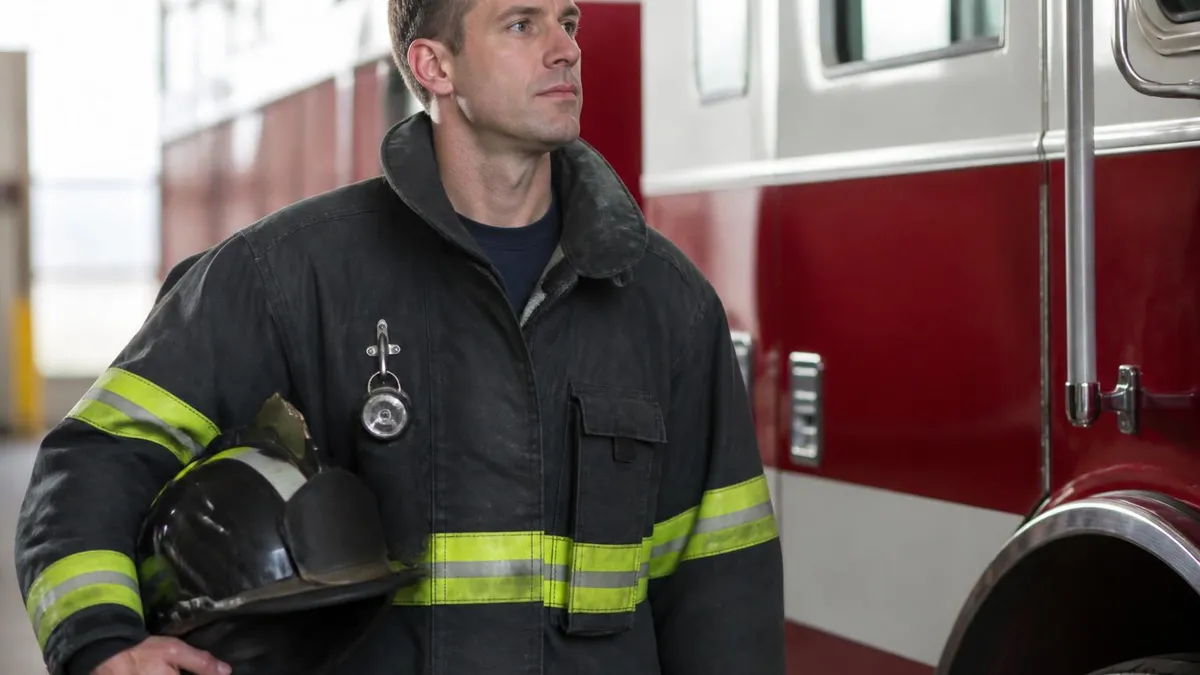
FDNY Stations, Engine & Ladder Companies
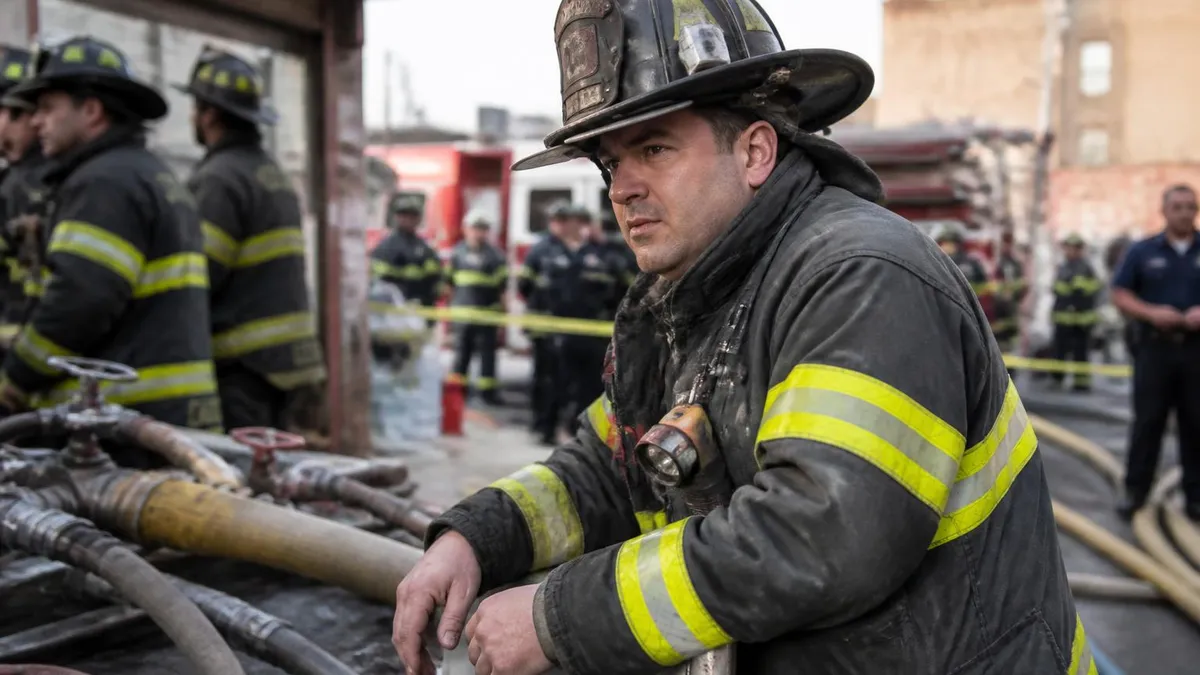
FDNY 10 Codes: Complete Guide to Fire Department Radio Communication
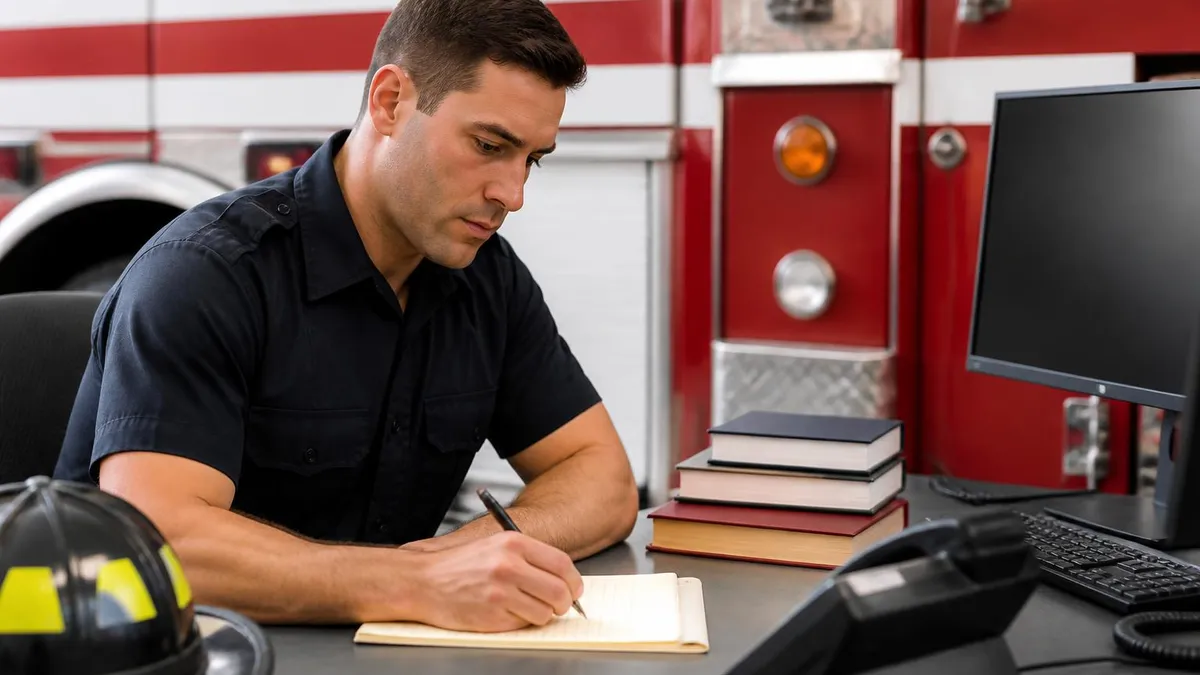
FDNY Logo: History, Meaning, and Symbolism of the Fire Department of New York Emblem
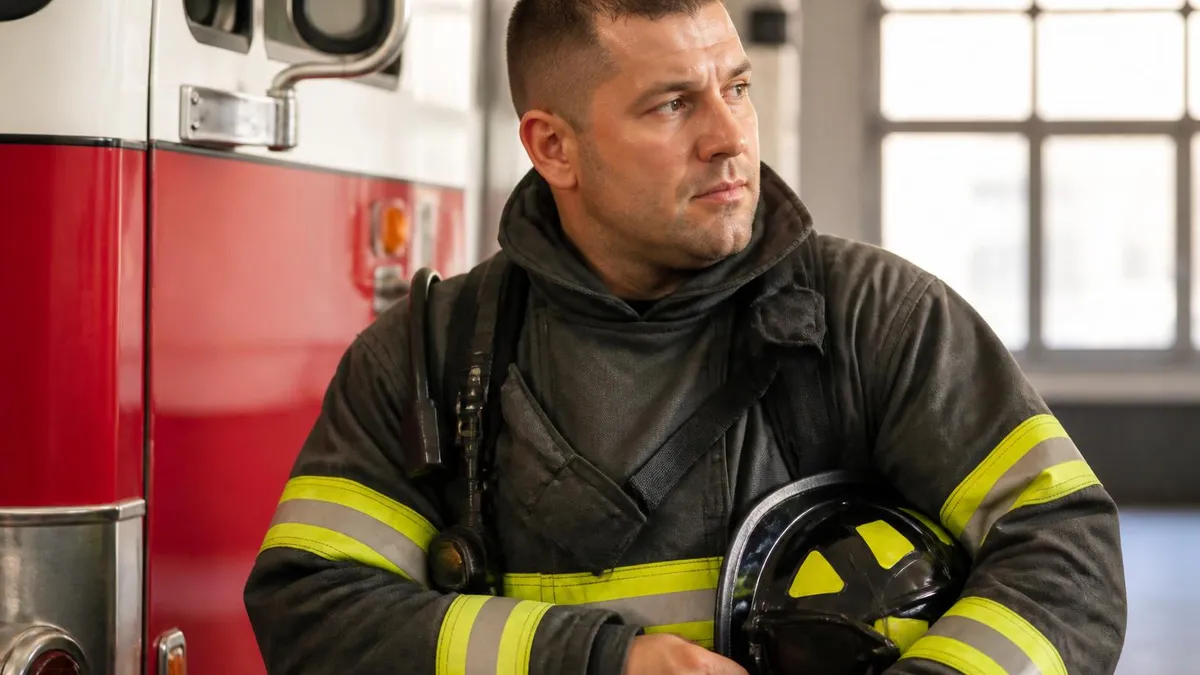
FDNY vs NYPD Hockey Game: Inside New York's Bravest vs Finest Heroes on Ice Rivalry
FDNY Marine Units: Inside the Fire Department of New York's Fireboat Fleet and Marine 6
About the Author

Law Enforcement Trainer & Civil Service Exam Specialist
John Jay College of Criminal JusticeMarcus B. Thompson earned his Master of Arts in Criminal Justice from John Jay College of Criminal Justice and served 12 years as a law enforcement officer before transitioning to full-time academy instruction. He is a POST-certified instructor who has prepared candidates for police entrance exams, firefighter assessments, and civil service examinations across dozens of agencies.
Join the Discussion
Connect with other students preparing for this exam. Share tips, ask questions, and get advice from people who have been there.
View discussion (9 replies)