
FDNY Firehouse: Inside New York's Fire Stations, Culture, and What Firefighters Face Every Day
Explore the FDNY firehouse — daily life, structure, training, and culture inside New York City's fire stations. 🏆 Everything you need to know.
The fdny firehouse is far more than a building where firefighters wait between calls. It is a living, breathing institution at the heart of New York City's emergency response system — a place where highly trained professionals eat, sleep, train, and build the trust that keeps them alive in the most dangerous situations imaginable. Every firehouse in the five boroughs operates as a self-contained unit, blending tactical readiness with the domestic rhythms of shared life over a 24-hour tour.
New York City is home to more than 200 firehouses spread across all five boroughs, making the FDNY one of the largest and most complex fire departments in the world. Each firehouse houses at least one Engine company, and many contain both an Engine and a Ladder company sharing the same quarters. The physical layout, the equipment stored inside, and the daily schedule of each house are carefully designed to ensure that apparatus can roll out the door and be en route to a call within 60 to 90 seconds of an alarm sounding.
Life inside an FDNY firehouse follows a structured rhythm that balances operational readiness with the practical demands of housing a rotating crew around the clock. Firefighters assigned to a house work a schedule that typically alternates between day tours (9 hours) and night tours (15 hours), with a 24-hour break in between. Over a roughly nine-day cycle, each firefighter completes two day tours and two night tours before receiving several days off. This schedule means the firehouse is always occupied, always staffed, and always ready.
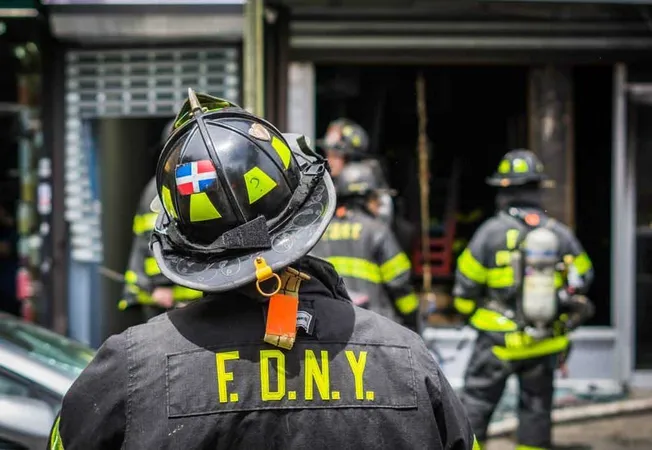
The physical structure of a typical New York City firehouse reflects decades of evolution in fire service needs. Older houses — many dating to the late 19th or early 20th century — were built for horse-drawn apparatus and have been continuously retrofitted to accommodate modern vehicles, digital dispatch systems, and contemporary safety standards. The iconic façade of a neighborhood firehouse, with its wide overhead door and gleaming apparatus visible from the street, has become one of the most recognizable architectural signatures of urban New York.
Beyond the apparatus floor, most firehouses contain a kitchen, a bunkroom, locker space, a watch desk, and a housewatch area where a firefighter monitors the department radio and manages incoming alarm notifications. The kitchen holds enormous cultural significance — meals prepared and shared by the crew are a cornerstone of firehouse camaraderie, and the tradition of cooking together has been part of FDNY culture since the department's earliest days in the mid-1800s.
For anyone preparing to join the FDNY, understanding firehouse culture, operations, and expectations is essential. The written exam, physical test, and medical evaluations that candidates must pass all relate directly to the skills and knowledge needed to function effectively inside a firehouse. Study resources, practice questions, and structured preparation programs can help candidates build the foundation they need to succeed at every stage of the hiring process and thrive once assigned to their first house.
Whether you are a curious New Yorker, a firefighting candidate in active preparation, or someone who simply wants to understand how the city's most vital emergency response network operates on a daily basis, a closer look at the FDNY firehouse reveals a world of discipline, brotherhood, technical expertise, and genuine public service that is unlike anything else in urban America.
FDNY Firehouse by the Numbers

FDNY Firehouse: Key Areas and Their Functions
The ground-level bay where fire trucks, engines, and ladders are stored and maintained. This is the operational nerve center of any firehouse — equipment is checked every tour to ensure immediate readiness for the next alarm.
A dedicated station near the apparatus floor where an assigned firefighter monitors department radio frequencies, logs all alarms, greets visitors, and ensures continuity of communication between the firehouse and FDNY Communications.
The social and cultural center of firehouse life. Crews cook together, share meals, and build the interpersonal trust that is critical during emergency operations. Many firehouses have long-standing meal traditions and signature dishes.
Sleeping quarters for night-tour firefighters and secure locker space for personal protective equipment. Bunks are often in a shared dormitory format, reinforcing the communal nature of firehouse life across a full 15-hour night shift.
Many modern firehouses include a dedicated space for physical conditioning and hands-on skills practice. Firefighters maintain their fitness and review tactical drills here, ensuring peak physical and technical readiness throughout every tour.
A typical day inside an FDNY firehouse begins long before the general public is awake. The incoming crew — whether arriving for a 9-hour day tour starting at 9 a.m. or a 15-hour night tour beginning at 6 p.m. — follows a structured relief procedure that ensures no gap in coverage. Each incoming firefighter relieves a counterpart on the previous tour, reviewing any incidents, equipment status changes, or special orders before formally taking responsibility for their position on the apparatus.
The first mandatory task of every tour is apparatus and equipment check. Firefighters systematically inspect their assigned engine or ladder truck, verifying fuel levels, fluid levels, tire pressure, and the operational status of every major system. Tools are inventoried, breathing apparatus (SCBA) units are tested, hose loads are verified, and any deficiencies are immediately reported to the officer in charge. This process, which typically takes 30 to 60 minutes, is non-negotiable — an undetected equipment failure during an emergency could cost lives.
Physical training is woven into the daily schedule of most FDNY firehouses. Members are expected to maintain the cardiovascular endurance and muscular strength needed to perform under extreme physiological stress — wearing 50+ pounds of gear, climbing multiple flights of stairs, forcibly entering structures, and carrying victims to safety. Departmental wellness initiatives encourage consistent exercise during tours, and many companies develop their own informal fitness routines that have become part of house culture over the years.
Meals play an outsized role in firehouse life, both practically and culturally. Because firefighters cannot leave the firehouse during their tour without being recalled to their apparatus, food is prepared on site by crew members who take turns cooking. The cost of meals is typically shared equally among the crew — a tradition sometimes called the "meal fund." Over time, certain firehouses have become famous within the department for their cooking, and recipes are passed down from generation to generation of firefighters like cherished heirlooms.
Throughout the tour, the housewatch firefighter maintains a continuous log of all incoming alarms, department orders, and visitor activity. When an alarm comes in, the housewatch member activates the house lights, sounds the alert tone, and announces the nature and location of the call over the intercom. The entire responding crew must be aboard their apparatus and ready to exit within 60 seconds — a standard that requires the kind of automatic, rehearsed readiness that only comes from consistent practice and deeply ingrained habit.
After returning from a run, the crew immediately begins restoration — replenishing used hose, refilling water tanks, restocking any expended medical supplies, cleaning and inspecting tools, and debriefing on the tactical decisions made during the incident. This after-action culture ensures that lessons are absorbed in real time and that the company is fully prepared for the next alarm before they have even caught their breath. It also gives officers the opportunity to coach junior firefighters and reinforce department standard operating procedures.
Administrative duties, community outreach visits, and building inspections round out the typical firehouse day. FDNY firefighters are authorized and required to conduct fire safety inspections of commercial and residential buildings in their response area, documenting hazards and ensuring compliance with the New York City Fire Code. These inspections not only reduce fire risk citywide but also give firefighters invaluable familiarity with the layout, occupancy, and construction characteristics of the buildings they may one day need to enter under emergency conditions.
FDNY Engine vs Ladder vs Battalion: Understanding Company Types
FDNY Engine companies are the primary water-delivery units of the department. Each engine carries a pumper apparatus equipped with hundreds of feet of hose, a high-capacity pump, and an onboard water tank. The engine crew's primary mission at a structural fire is to stretch hose lines from a hydrant into the building and apply water directly to the fire, controlling its spread and protecting trapped occupants until the fire is knocked down.
Engine companies are typically staffed by a lieutenant and four or five firefighters during each tour. When an alarm sounds, the engine is usually the first or second unit to arrive at a scene. Knowing the hydrant locations, the building's construction type, and the most efficient hose-stretch routes through different building layouts is fundamental knowledge for every engine company firefighter working out of a New York City firehouse.

FDNY Firehouse Life: Rewards and Challenges
- +Deep sense of brotherhood and belonging built through shared daily life and mutual dependence
- +Consistent physical activity and access to fitness resources built into the tour schedule
- +Intellectually stimulating work requiring constant learning about buildings, fire behavior, and tactics
- +Strong job security, competitive salary, and one of the most comprehensive pension systems in public service
- +Community respect and the satisfaction of performing meaningful, life-saving work every tour
- +Exposure to a wide variety of emergency scenarios that build genuine expertise over a career
- −Irregular sleep patterns during night tours can affect long-term health and family schedules
- −Chronic exposure to combustion byproducts and carcinogens increases cancer risk over a career
- −Psychological stress from witnessing traumatic incidents, mass casualty events, and line-of-duty injuries
- −Physical demands remain extremely high regardless of age or years of service
- −Limited control over assignment location — new firefighters are placed where the department needs them
- −The communal nature of firehouse life means personality conflicts can affect the entire work environment
FDNY Firehouse Readiness: 10 Things Every Firefighter Checks Each Tour
- ✓Inspect all SCBA breathing apparatus units for proper function, full air pressure, and mask seal integrity
- ✓Verify engine pump controls, panel gauges, and electronic systems are all fully operational
- ✓Check hose load configuration to confirm correct packing and no kinks, damage, or missing couplings
- ✓Test all power tools including saws, fans, and hydraulic rescue equipment for starting and operation
- ✓Confirm portable radio function by testing transmit and receive on all assigned frequencies
- ✓Review the building pre-plan file for any structures recently inspected or flagged as high-hazard
- ✓Inspect turnout gear for tears, burns, or delamination that could compromise thermal protection
- ✓Test all emergency lighting and backup power systems throughout the firehouse apparatus floor
- ✓Confirm medical supply inventory is complete and check expiration dates on all medications and consumables
- ✓Read all outstanding department orders, special orders, and communications posted at the housewatch desk
The 60-Second Rule: Why Speed Starts Before the Alarm
FDNY companies are expected to have apparatus rolling out the firehouse door within 60 to 90 seconds of an alarm. This standard is only achievable because firefighters spend every tour maintaining equipment, reviewing response routes, and rehearsing their roles — so that when the alert tone sounds, muscle memory takes over and conscious deliberation is replaced by practiced, automatic action.
FDNY firehouse culture is one of the most distinctive workplace cultures in any profession anywhere in the world. It is built on a foundation of interdependence — the understanding that every person in the house is responsible not only for their own performance but for the survival of every other person on the crew. This creates bonds that extend far beyond a typical workplace and that often last for the entirety of a firefighter's career and beyond into retirement.
The tradition of cooking together — often called the "firehouse kitchen culture" — is one of the most visible expressions of this interdependence. Meals are a daily negotiation, a creative exercise, and a bonding ritual all at once. Every member of the crew contributes to the meal fund, typically a few dollars per tour, and one firefighter takes the lead on shopping and cooking. Over the years, many FDNY firehouses have developed signature recipes, seasonal menus, and cooking competitions that have become beloved parts of individual house identity.
Humor is another cornerstone of firehouse culture, serving as both a social lubricant and a coping mechanism for the psychological weight of the job. Pranks, inside jokes, and irreverent banter are part of daily life in virtually every firehouse in the city. Veterans will often test new firefighters with elaborate setups, and the ability to take a joke gracefully while eventually getting the last laugh is considered a sign of good cultural fit. This humor is not a sign of frivolity — it is a deliberate, collectively understood strategy for managing stress and maintaining morale in a high-stakes environment.
Firefighting traditions in New York City date back to the volunteer companies of the 18th and early 19th centuries, and many of those traditions survive — in modified form — in the modern FDNY firehouse. Memorial plaques, photographs of past company members, historical apparatus photographs, and tributes to firefighters who died in the line of duty line the walls of firehouses throughout the city.
September 11 occupies a uniquely profound place in FDNY memory — 343 members of the department were killed that day, and nearly every firehouse in New York City lost members who are honored permanently in their house.
Mentorship is a formal and informal institution inside every firehouse. Senior firefighters — known as "veterans" or simply "the old-timers" — are expected to share their knowledge of building construction, tactical decision-making, and street-level wisdom with newer members. This transfer of knowledge happens through formal company drills, after-action reviews following runs, and the countless informal conversations that fill the hours between alarms. In many ways, the firehouse functions as a continuous, never-ending apprenticeship program.
Officer leadership inside the firehouse — exercised by lieutenants and captains — sets the tone for everything that happens within a company. A strong company officer ensures that drills are rigorous and relevant, that equipment is maintained to the highest standard, that interpersonal conflicts are resolved before they affect performance, and that every firefighter on the crew understands both the tactical plan and their specific role within it. The quality of leadership inside a firehouse has a direct, measurable impact on the safety of both firefighters and the public they serve.
Community connection is another dimension of firehouse culture that is easy to overlook but deeply important. FDNY firehouses are neighborhood institutions — people stop by to visit, to thank the crew, to bring food, and sometimes simply to feel safer knowing that professional help is close at hand. Public education visits to schools, fire prevention fairs, and safety demonstrations are not just departmental requirements; they are genuine expressions of the relationship between the firehouse and the neighborhood it serves, a relationship built over years and sometimes over generations of the same families living near the same house.

New FDNY probationary firefighters ("probies") do not choose their first firehouse assignment. The department places new members based on operational needs, and first assignments are frequently in high-activity houses in Brooklyn, the Bronx, or Manhattan. This is considered valuable — high call volume means accelerated experience, and probies who come through busy houses often develop foundational skills more rapidly than those assigned to quieter areas of the city.
Preparing for a career in the FDNY means preparing for the culture, demands, and expectations of the firehouse from day one. The written examination — a key early step in the hiring process — tests candidates on reading comprehension, spatial reasoning, logical reasoning, and memory, all of which are directly relevant to the situational awareness firefighters must exercise inside a burning building. Candidates who score higher on the written exam are ranked higher on the hiring list, which directly affects how quickly they receive a call-back and which firehouse options may become available to them.
Building construction knowledge is among the most critical technical subjects for any firefighter candidate. Understanding how different construction types — wood frame, ordinary, heavy timber, non-combustible, and fire-resistive — behave under fire conditions determines tactical decision-making at every level of the fire service. An engine company stretching a hoseline into a Type III ordinary construction building needs to understand that the floor joists above them may fail far sooner than the floor joists in a modern fire-resistive high-rise. This knowledge is tested on the FDNY exam and reinforced constantly through firehouse drills.
The physical demands of firehouse life should not be underestimated by anyone in the candidate pipeline. The FDNY Candidate Physical Ability Test (CPAT) evaluates candidates on a series of physically demanding tasks performed in full gear — stair climb with hose pack, hose drag, equipment carry, ladder raise, forcible entry simulation, search crawl, rescue drag, and ceiling breach. Candidates who arrive at the CPAT already physically conditioned for these specific movements perform significantly better than those who train only in general fitness terms. Specificity of preparation matters enormously.
Community engagement is an increasingly emphasized dimension of FDNY work, and candidates who understand the department's public education mission are better prepared for the full scope of what a firefighter does. The FDNY's fire prevention and public education programs reach millions of New Yorkers each year through school visits, neighborhood outreach, smoke alarm installation programs, and multilingual safety campaigns. Firefighters assigned to community engagement functions represent the department in the most positive public-facing way, and this aspect of the job carries its own distinct set of communication and interpersonal skills.
Mental health preparedness is another area where candidates benefit from thinking ahead. The psychological demands of regular exposure to traumatic incidents — serious injuries, pediatric emergencies, fire fatalities — accumulate over a career. The FDNY has invested significantly in peer support programs, counseling services, and mental health awareness training, recognizing that psychological resilience is as important as physical fitness for long-term service. Candidates who enter the department with a realistic understanding of these challenges and a proactive approach to mental wellness are better positioned to build long, healthy careers.
Study resources specifically designed for FDNY candidates — including fdny firehouse practice tests covering building construction, community engagement, and other tested domains — are invaluable tools for structured exam preparation. The best candidates approach the written exam the same way they will approach a working fire: with thorough preparation, systematic execution, and the confidence that comes from genuine knowledge rather than guesswork. Practice tests identify knowledge gaps, build familiarity with question formats, and develop the time-management skills needed to complete the exam efficiently under pressure.
Once assigned to a firehouse, new firefighters enter a probationary period during which they are evaluated continuously by their officers and peers. The probie is expected to be the first one in and the last one out — the first to volunteer for difficult tasks, the first to arrive for their tour, and the most attentive student in every drill and post-incident debrief.
The habits and reputation established in the first year of firehouse assignment can shape the arc of an entire career, which is why the most successful candidates treat exam preparation, CPAT training, and academy performance all as extensions of the same commitment to excellence that will define their time in the house.
Practical preparation for life in an FDNY firehouse begins long before a candidate receives their first assignment. The most effective candidates approach every stage of the process — from written exam preparation through academy training — with the understanding that each skill they build now will pay dividends the moment they walk through their first firehouse door as a probationary firefighter. The transition from candidate to probie to full firefighter is steep, but it is made dramatically more manageable by front-loaded preparation.
Physical conditioning should be treated as a structured training program rather than a general fitness goal. Candidates who analyze the specific demands of the CPAT — the weight of the gear, the duration of each task, the combination of aerobic and strength demands — and design their training accordingly consistently outperform candidates who rely on general athletic fitness. Stair-climb training with a weighted vest, hose-drag simulations, and overhead work with appropriate resistance directly mirror CPAT task demands and accelerate readiness in ways that generalized gym work cannot replicate.
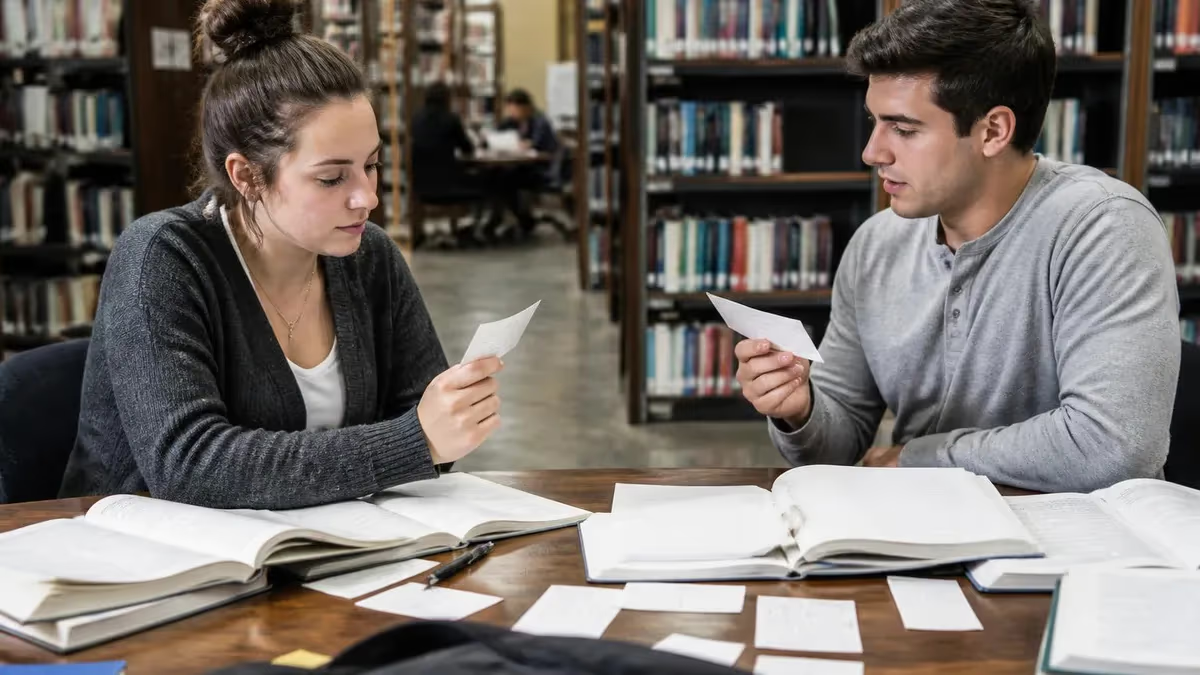
Study groups are one of the most underutilized tools in FDNY exam preparation. Candidates who study with peers — sharing notes, quizzing each other, discussing the reasoning behind correct answers on practice tests — tend to retain information more deeply and identify their own blind spots more effectively than solo studiers. Many past FDNY candidates have organized informal study groups that evolved into lasting professional friendships and networks that continue providing value throughout a career.
Researching the specific firehouse or neighborhood where a candidate hopes to be assigned adds a meaningful layer of contextual knowledge to exam preparation. Understanding the predominant building construction types in different parts of New York City — the brownstones and row houses of Brooklyn, the high-rise residential towers of Manhattan, the attached frame dwellings of Queens, the mixed-use commercial blocks of the Bronx — allows candidates to connect abstract building construction knowledge to the specific tactical realities they will face in their assigned response area.
Staying physically and mentally healthy during the often-lengthy FDNY hiring process is itself an important preparatory skill. The process from exam to appointment can take multiple years, during which candidates must maintain their CPAT eligibility, keep their background documentation current, and sustain the motivation to continue preparing even when the timeline feels uncertain. Candidates who build consistent daily habits around fitness, study, and self-care are better positioned to maintain readiness across a multi-year hiring timeline without burning out or falling behind.
Networking with active FDNY members and recent probies provides insights that no study guide or practice test can fully replicate. Understanding what the first weeks in a firehouse actually feel like — the pace, the expectations, the informal social dynamics — helps candidates calibrate their mental preparation and arrive at their first tour with realistic expectations and appropriate humility. Organizations like the FDNY Foundation, community advisory boards, and open house events at local firehouses offer opportunities for candidates to make these connections before they are hired.
Above all, the most important piece of advice that experienced FDNY members consistently offer to candidates is deceptively simple: show up fully prepared, treat every task as if your crewmates' lives depend on your competence — because eventually they will, and act with integrity at every step of the process. The FDNY firehouse is a place that demands the best from everyone inside it, and the candidates who arrive already committed to that standard are the ones who find in it not just a job, but a vocation and a second family that will define the rest of their lives.
FDNY Questions and Answers
FDNY (Fire Department New York) Test: Your Guide
FDNY vs NYPD Hockey Game: Inside New York's Bravest vs Finest Heroes on Ice Rivalry

FDNY Podcast September 2025: Your Complete Guide to the Department's Audio Content

FDNY Battalion: Structure, Roles, and What Every Aspiring Firefighter Should Know

FDNY Medals: Honoring Courage, Sacrifice, and Exceptional Service in New York City
About the Author

Law Enforcement Trainer & Civil Service Exam Specialist
John Jay College of Criminal JusticeMarcus B. Thompson earned his Master of Arts in Criminal Justice from John Jay College of Criminal Justice and served 12 years as a law enforcement officer before transitioning to full-time academy instruction. He is a POST-certified instructor who has prepared candidates for police entrance exams, firefighter assessments, and civil service examinations across dozens of agencies.
Join the Discussion
Connect with other students preparing for this exam. Share tips, ask questions, and get advice from people who have been there.
View discussion (9 replies)