
How Many FDNY Firefighters Are There? The Complete Breakdown 2026
How many FDNY firefighters protect New York City? 🔎 Discover the full workforce numbers, borough breakdown, ranks, and what it takes to join.

How many FDNY firefighters does it take to protect the most densely populated city in the United States? The answer is both impressive and complex. As of the most recent data, the Fire Department of New York employs approximately 11,000 uniformed firefighters, making it the largest fire department in the United States and one of the largest in the entire world. These men and women staff more than 250 firehouses spread across all five boroughs, standing ready around the clock to respond to fires, medical emergencies, hazardous materials incidents, and natural disasters.
Understanding the sheer scale of the FDNY workforce requires looking at the department from multiple angles. Beyond the roughly 11,000 active firefighters, the FDNY also employs around 4,000 EMS personnel, approximately 350 fire marshals, and nearly 2,000 civilian support staff. Together, the total FDNY headcount exceeds 17,000 employees, a figure that places it in a league of its own among municipal fire departments nationwide. This workforce operates on rotating shifts to ensure that every neighborhood in New York City — from the South Bronx to the Rockaways — is covered at all hours.
The department's size is a direct reflection of New York City's unique challenges. With more than 8.3 million residents packed into just 302 square miles, the risk density per square kilometer far exceeds virtually any other American city. Add to that the city's iconic skyline of high-rise buildings, an aging underground infrastructure of steam pipes and electrical conduits, busy commercial corridors, and a sprawling subway system, and you begin to understand why maintaining a firefighting force of this magnitude is not just prudent — it is absolutely essential for public safety.
The FDNY traces its origins back to 1865, when it was formally established as a paid, professional department replacing the city's volunteer companies. Over the past 160 years, the workforce has grown and contracted in response to budget cycles, population shifts, and changing hazard profiles. The department saw significant staffing reductions during New York City's fiscal crisis in the 1970s, a period that contributed to the catastrophic wave of fires that swept through neighborhoods like the South Bronx and Bushwick. Rebuilding that workforce took decades, and the lessons learned from those cuts continue to shape staffing policy today.
For anyone curious about how many fdny firefighters also participate in the department's legendary community and cultural traditions — from hockey leagues to charitable events — it is worth noting that the FDNY's culture of brotherhood and sisterhood extends well beyond the firehouse. The department maintains dozens of active recreational and fraternal organizations that bind its massive workforce together into something that feels, despite its size, like a tight-knit family. These traditions are part of what makes the FDNY a uniquely cohesive institution.
Staffing levels at the FDNY are determined through a combination of collective bargaining agreements with the Uniformed Firefighters Association (UFA) and Uniformed Fire Officers Association (UFOA), mayoral budget decisions, and federal grants. The department's headcount has fluctuated over the years, dipping during budget crunches and expanding when federal Staffing for Adequate Fire and Emergency Response (SAFER) grants become available. Tracking these numbers is important not just for policy wonks, but for anyone considering a career with the FDNY, since hiring academy classes are directly tied to authorized headcount levels.
Whether you are a prospective candidate preparing for the FDNY exam, a researcher studying public safety workforce trends, or simply a curious New Yorker who has wondered what it takes to keep this city safe, the numbers behind the FDNY workforce tell a fascinating story. The sections below break down the department's staffing by borough, rank structure, gender and diversity trends, historical context, and the path one must take to join the ranks of New York's Bravest.
FDNY Firefighters by the Numbers

FDNY Workforce at a Glance: Key Categories
Approximately 11,000 active uniformed firefighters serve across engine companies, ladder companies, rescue companies, and squad companies. They respond to structural fires, vehicle accidents, medical emergencies, and technical rescues every day.
The FDNY's officer corps includes lieutenants, captains, battalion chiefs, deputy chiefs, and assistant chiefs. Officers command units at emergency scenes and manage firehouse operations, accounting for roughly 3,000 of the department's uniformed members.
The FDNY Bureau of Emergency Medical Services employs approximately 4,000 EMTs and paramedics, making New York City's EMS one of the busiest emergency medical systems anywhere in the world, handling over 1.7 million calls each year.
Roughly 350 FDNY fire marshals serve as sworn law enforcement officers responsible for investigating the origin and cause of fires. They carry arrest authority and work closely with the district attorney's office on arson prosecutions.
Nearly 2,000 civilian employees support FDNY operations in roles spanning communications, information technology, finance, human resources, training, and facilities maintenance, ensuring the department's uniformed members can focus on emergency response.
Breaking down the FDNY's firefighter workforce by borough reveals how dramatically staffing levels reflect population density and fire risk. Brooklyn, the most populous borough with roughly 2.6 million residents, is served by the largest share of FDNY resources, with dozens of engine and ladder companies spread across neighborhoods ranging from densely built Bedford-Stuyvesant to the more suburban streets of Bay Ridge. Manhattan, despite being the smallest borough by land area, hosts an extraordinarily high concentration of firehouses given its skyscraper density, tourist foot traffic, and the enormous daytime population swelled by commuters.
The Bronx, which experienced some of the worst urban fire disasters in American history during the 1970s, remains one of the most heavily covered boroughs relative to its size. The fires that devastated the South Bronx during that era — immortalized in the phrase "The Bronx is burning" — led to long-term policy commitments to maintain strong staffing in the borough, and those commitments have generally held even through subsequent budget cycles.
Today the Bronx is served by a network of companies that respond to a mix of residential building fires, vehicle incidents, and an increasingly large volume of EMS calls.
Queens, the geographically largest borough, presents unique operational challenges. Its sprawling footprint encompasses dense urban neighborhoods like Jackson Heights and Flushing, mid-density residential areas like Bayside and Jamaica, and more suburban pockets near the Nassau County border. Covering this diversity of built environments requires a large and strategically positioned company roster, and the FDNY has historically maintained more firehouses in Queens than casual observers might expect given its lower building heights compared to Manhattan.
Staten Island is the least populous borough and consequently has the fewest FDNY companies, but its relative isolation — connected to the rest of the city only by the Staten Island Ferry and two bridges — gives its firefighters an added sense of self-reliance. Mutual aid agreements with surrounding New Jersey departments provide backup when major incidents stretch local resources, but in day-to-day operations, Staten Island's companies handle their territory with a high degree of independence and community familiarity.
The FDNY staffs each firehouse with a minimum complement of personnel on each tour (shift), and those minimums are set through collective bargaining. A typical engine company might have four firefighters and an officer per tour, while a ladder company may have five firefighters and an officer. Rescue companies, which handle the most technically demanding incidents including building collapses, confined space rescues, and underwater recoveries, carry larger crews with highly specialized training. These minimums are fiercely protected by the UFA because history has demonstrated that understaffing a company dramatically increases firefighter injury and death rates.
Special operations units add another dimension to the FDNY's borough coverage. The department's Hazardous Materials units, Marine Division boats, and Special Operations Command assets are positioned at strategic locations to provide rapid coverage across the entire city.
When a major incident occurs — think a building collapse in downtown Manhattan or a ship fire in the harbor — these specialized resources can mobilize from multiple boroughs simultaneously, creating a coordinated response that no single borough's companies could manage alone. Understanding this layered system helps explain why the FDNY's total headcount, while seemingly enormous, is carefully calibrated to the city's specific risk profile.
It is also worth noting that the FDNY responds to far more than fires. The department logs well over 400,000 structural and non-structural fire calls per year, but EMS incidents dwarf that figure, reaching nearly 1.8 million annual responses in recent years. This means that on any given day, the vast majority of FDNY personnel are involved in medical emergencies rather than fighting fires, a reality that has increasingly shaped debates about staffing levels, unit types, and how the department allocates its considerable workforce across the five boroughs.
FDNY Firefighter Ranks, Roles, and Daily Operations
The FDNY's rank structure begins at Firefighter and progresses through Lieutenant, Captain, Battalion Chief, Deputy Chief, Assistant Chief, Chief of Department, and ultimately the Fire Commissioner, a mayoral appointee. Each rank carries distinct responsibilities: firefighters execute tactical operations at the scene, lieutenants command individual units, captains manage firehouses, and battalion chiefs coordinate multiple companies across a geographic area during major incidents.
Promotions within the uniformed ranks are governed by civil service examinations, seniority, and performance evaluations. The Lieutenant's exam and Captain's exam are especially competitive, often drawing hundreds of candidates for a limited number of openings. Officers who demonstrate exceptional leadership and technical expertise may be tapped for specialized assignments in divisions like the Special Operations Command, Bureau of Training, or the Office of Fire Investigations, where their rank experience translates into broader departmental impact.

Is the FDNY the Right Career for You? Weighing the Realities
- +Competitive salary with regular step increases through collective bargaining agreements
- +Excellent pension benefits under the FDNY retirement system with 20-year vesting
- +Comprehensive health insurance coverage for firefighters and their families
- +Strong union representation through the Uniformed Firefighters Association
- +Deep sense of purpose and community service in one of the world's greatest cities
- +Career advancement opportunities through promotional exams and specialized assignments
- −Highly competitive civil service exam process with long waiting periods between list calls
- −Physically and mentally demanding work with genuine risk of injury or death
- −Rotating shift schedule can be challenging for family schedules and social life
- −Probationary period at the Fire Academy is demanding with strict standards
- −Exposure to carcinogens and toxic substances increases long-term health risks
- −Emotional toll of responding to traumatic incidents including deaths and serious injuries
Pros and Cons at a Glance
| Pros | Cons |
|---|---|
| Competitive salary with regular step increases through collective bargaining agreements | Highly competitive civil service exam process with long waiting periods between list calls |
| Comprehensive health insurance coverage for firefighters and their families | Physically and mentally demanding work with genuine risk of injury or death |
| Strong union representation through the Uniformed Firefighters Association | Rotating shift schedule can be challenging for family schedules and social life |
| Deep sense of purpose and community service in one of the world's greatest cities | Probationary period at the Fire Academy is demanding with strict standards |
| Career advancement opportunities through promotional exams and specialized assignments | Exposure to carcinogens and toxic substances increases long-term health risks |
How to Become an FDNY Firefighter: Step-by-Step Checklist
- ✓Monitor the NYC Department of Citywide Administrative Services (DCAS) website for the next open FDNY exam filing period.
- ✓File your application and pay the exam fee during the open filing window — missing this window means waiting for the next exam cycle.
- ✓Study for the written civil service exam, focusing on reading comprehension, spatial reasoning, and logical problem-solving.
- ✓Take and pass the written exam, then monitor your list number to gauge when you may receive a candidate notice.
- ✓Complete the Candidate Physical Ability Test (CPAT), a standardized physical fitness exam simulating firefighting tasks.
- ✓Pass a comprehensive medical examination conducted by FDNY physicians to verify physical fitness for duty.
- ✓Complete a thorough background investigation including criminal history, employment history, and character references.
- ✓Pass a psychological evaluation administered by FDNY psychologists to assess mental fitness for the demands of firefighting.
- ✓Receive and accept your appointment letter, then report to the FDNY Fire Academy on Randall's Island for probationary training.
- ✓Graduate from the 18-week Fire Academy curriculum covering firefighting tactics, EMS skills, building construction, and more.
The FDNY Is Larger Than Most City Police Departments
With more than 17,000 total employees and roughly 11,000 uniformed firefighters, the FDNY's headcount exceeds the entire police department workforce of many major American cities. On a typical weekday, the FDNY responds to more than 4,000 emergency incidents — a pace that requires careful staffing, logistics, and coordination across all five boroughs simultaneously.
The history of FDNY staffing is inseparable from the history of New York City itself. When the department was formally organized as a paid professional force in 1865, it employed a few hundred men to protect a city of roughly one million people. As the city's population exploded through immigration in the late 19th and early 20th centuries, the department expanded rapidly, adding new companies to cover neighborhoods that were being built at a furious pace. By the mid-20th century, the FDNY had grown into a force of thousands, widely regarded as the gold standard of American urban firefighting.
The 1970s brought crisis. New York City's fiscal near-collapse led to dramatic cuts across all municipal agencies, and the FDNY was no exception. Firehouses were closed, companies were disbanded, and staffing levels fell sharply just as fire rates in many neighborhoods were spiking due to poverty, abandonment, and arson for insurance fraud. The results were catastrophic. Entire city blocks burned in the South Bronx, Harlem, Bushwick, and the Lower East Side. Some neighborhoods lost more than half of their residential building stock in a single decade. The human cost — in lives, in displacement, in community destruction — was staggering.
The lesson from that era has never been forgotten within the FDNY or New York City government: cutting firefighter staffing below safe levels is not a budget savings strategy, it is a disaster policy. Every dollar saved by closing a firehouse or reducing a company to below-minimum staffing is eventually paid back many times over in property loss, human lives, and the long-term economic devastation that follows uncontrolled fires. This institutional memory is one reason why FDNY staffing debates are always politically charged, with the UFA and community advocates pushing back hard against any proposed cuts.
The aftermath of September 11, 2001, reshaped the FDNY in profound ways. The department lost 343 members on that day, the largest loss of life for any emergency services organization in a single incident in American history. Rebuilding the workforce after that tragedy required massive hiring academy classes and tested the department's training infrastructure to its limits. The 9/11 attacks also accelerated changes in how the FDNY approached counterterrorism, hazardous materials response, and interagency coordination with the NYPD, Port Authority Police, and federal agencies.
The period following 9/11 also saw the full integration of the New York City Emergency Medical Service into the FDNY, a merger that had been completed in 1996 but whose operational implications took years to fully work through. Adding 4,000 EMS personnel to a department already focused on fire suppression required significant adjustments in management structure, training protocols, and resource allocation. Today the merged department handles fire and EMS operations as an integrated system, though tensions between the two sides of the department over pay equity, staffing, and departmental identity have never fully disappeared.
In recent years, staffing debates have increasingly centered on the question of how the FDNY should respond to a fire call landscape that is evolving rapidly. Thanks to decades of public education campaigns, improved building codes, widespread smoke alarm adoption, and changes in construction materials, structural fire rates in New York City have fallen significantly from their 1970s peak.
At the same time, EMS call volume has skyrocketed, driven by an aging population, the opioid crisis, and the sheer growth of the city. This shift has led to ongoing discussions about whether the optimal FDNY staffing model of the future should look different from the model built around the fire-heavy environment of the past.
Federal SAFER grants have played an important role in maintaining FDNY headcount through budget-constrained periods. These grants, administered by FEMA, allow municipalities to hire additional firefighters with federal funds on a cost-share basis, reducing the burden on city budgets. The FDNY has successfully secured multiple SAFER grants over the past two decades, using them to maintain staffing levels that might otherwise have been reduced during periods of municipal fiscal stress. Tracking grant cycles is therefore an important part of understanding why the department's headcount fluctuates modestly from year to year even when the overall trajectory is stable.

The FDNY civil service exam is only offered periodically, and candidates must file during a specific open window — often just a few weeks long. Missing the filing deadline means waiting for the next exam cycle, which can be several years away. Monitor the NYC DCAS website closely and set reminders as soon as a new exam is announced to avoid missing your opportunity.
Diversity within the FDNY has been one of the most significant and contentious issues facing the department over the past two decades. For most of its history, the FDNY was an overwhelmingly white, male institution, reflecting both the demographics of the communities from which it historically recruited and the systemic barriers that kept women and people of color from accessing the civil service pipeline.
By the early 2000s, data revealed that the FDNY was among the least racially diverse large fire departments in the United States, a fact that led to federal civil rights litigation and ultimately a court-supervised consent decree requiring the department to reform its hiring practices.
The Vulcan Society, an organization representing Black FDNY firefighters, was the lead plaintiff in that landmark litigation, which resulted in binding requirements for the department to use validated, non-discriminatory testing methods, expand outreach to underrepresented communities, and establish accountability mechanisms for tracking diversity metrics. The settlement and its aftermath accelerated a genuine — if still incomplete — transformation in FDNY demographics. More recent academy classes have been meaningfully more diverse than those of the pre-litigation era, with larger percentages of Black, Hispanic, and Asian recruits than at any point in the department's history.
Women's representation in the FDNY has also grown, though the numbers remain small relative to the department's overall size. The first women were hired as uniformed FDNY firefighters in 1982, and today several hundred women serve in uniformed firefighting roles.
The department has taken steps to make the candidate physical ability test and the fire academy training environment more welcoming to female candidates, recognizing that a larger pool of qualified applicants — regardless of gender — strengthens the department's overall workforce. Female firefighters have served in every unit type, including the elite rescue companies, and several have advanced to officer ranks.
The FDNY's diversity efforts are also shaped by the recognition that community trust is operationally valuable. In neighborhoods where residents have historically had fraught relationships with city institutions, having firefighters who reflect the community's demographics and speak its languages can make a tangible difference in how quickly people call for help, how cooperative bystanders are during incidents, and how the department is perceived as a civic institution. This is not merely a social justice argument — it is an operational one, grounded in decades of experience about what makes emergency response effective.
Looking at the FDNY's total workforce through the lens of gender and ethnicity also reveals important patterns in retention and promotion. Studies have consistently shown that while diversity at the entry level has improved, the pipelines to senior officer ranks remain disproportionately white and male. Addressing this requires not just better recruiting but also mentorship programs, equitable access to specialized assignments that build promotional resumes, and cultural changes within the firehouse environment that make all members feel genuinely included and supported in their career development.
The question of how the FDNY's workforce will look in 2040 is an open one. Demographic projections suggest that New York City will continue to become more diverse, and a department that reflects that diversity will be better positioned to serve the city effectively. Technological changes — from advanced building sensors that reduce unnecessary alarm responses to robotic systems that can assist in hazardous environments — may also reshape the mix of skills the department needs, potentially opening new entry pathways for candidates with technical backgrounds who might not have traditionally considered a firefighting career.
For candidates today, the diversity push is genuinely good news. The FDNY has invested in outreach programs in communities that were historically underrepresented, providing information sessions, physical fitness preparation programs, and mentorship opportunities designed to expand the pool of qualified candidates.
Organizations like the Vulcan Society, the Uniformed EMTs, Paramedics and Fire Inspectors (Local 2507), and the Captain's Endowment Association all play roles in shaping the environment in which new firefighters build their careers. Understanding this landscape is part of what it means to be a fully informed candidate for one of New York City's most demanding and rewarding public service careers.
Preparing effectively for the FDNY exam requires more than memorizing facts — it demands building a genuine understanding of firefighting principles, building construction, community engagement, and the operational realities of emergency response in a major urban environment. The written civil service exam tests reading comprehension, logical reasoning, spatial orientation, and memory, and candidates who perform best are typically those who have invested consistent study time over months, not days, before the test date.
One of the most underestimated aspects of FDNY preparation is the physical fitness component. The Candidate Physical Ability Test is standardized nationally and simulates the physical demands of firefighting through a series of timed events including stair climbing with hose packs, hose dragging, equipment carrying, ladder raises, forcible entry, search maneuvers, rescue drags, and ceiling breach and pull tasks. Candidates who wait until they receive a test notice to start training are almost invariably underprepared. Elite candidates begin building their aerobic base, grip strength, and functional movement patterns a full year or more before their scheduled CPAT date.
Background investigations are another area where candidates sometimes underestimate the stakes. The FDNY conducts thorough checks of criminal history, driving records, employment history, military service records, social media activity, and personal references. Disclosures of past minor infractions handled honestly are generally treated more favorably than omissions that investigators discover on their own. Candidates with complex backgrounds should consult with a knowledgeable advisor before reaching the investigation stage to understand how to present their history accurately and completely.
The Fire Academy on Randall's Island is where candidates who survive all prior stages finally become probationary firefighters. The 18-week curriculum covers an extraordinary range of material: firefighting tactics, hose operations, ladder operations, emergency medical response, hazardous materials awareness, building construction, ropes and knots, water supply, and more.
Probies — as academy trainees are called — are expected to absorb enormous amounts of information quickly while simultaneously developing physical skills under high-stress conditions. The failure rate at the academy is real, and candidates who treat it as a formality rather than a demanding professional training program do so at their peril.
Once assigned to a firehouse after academy graduation, new firefighters enter a further period of on-the-job learning that typically lasts one to two years. Senior firefighters and officers serve as informal mentors, passing down institutional knowledge that no classroom can fully convey — the particular quirks of a neighborhood's building stock, the shortcuts in the apparatus bay, the communication rhythms of a well-functioning crew. This apprenticeship tradition is one of the FDNY's greatest institutional strengths, ensuring that organizational knowledge is continuously transmitted from experienced members to the next generation of firefighters.
For candidates who want to maximize their preparation for the written exam, practice testing is one of the most effective study strategies available. Working through realistic practice questions under timed conditions helps identify weak areas, builds test-taking stamina, and reduces anxiety on exam day by making the testing environment feel familiar. The quiz resources available on PracticeTestGeeks cover FDNY-specific content including building construction, community engagement, fire behavior, and operational knowledge, giving candidates targeted practice in the areas most likely to appear on the actual exam.
The journey from curious applicant to sworn FDNY firefighter is long, demanding, and at times uncertain — but for those who complete it, it leads to one of the most meaningful and respected careers available anywhere in public service. The approximately 11,000 men and women who currently wear the FDNY shield represent the culmination of a rigorous selection process designed to identify individuals who possess not just physical capability and cognitive aptitude, but also the character, integrity, and commitment to service that New York City's residents deserve from those entrusted with their safety.
Sample Fire Department New York Practice Questions
Try these questions from our free Fire Department New York practice tests. The correct answer and an explanation follow each question.
Which FDNY initiative involves firefighters visiting residential buildings to provide free smoke alarm installations?
- A. Operation Blue Card
- B. Smoke Alarm Installation Program
- C. Building Safety Corps
- D. Project Lifesaver
Answer: B. Smoke Alarm Installation Program
The FDNY's Smoke Alarm Installation Program deploys firefighters to install free smoke alarms in residences, particularly in high-risk neighborhoods.
What role do FDNY firefighters play during community events?
- A. They oversee event security and manage crowd control
- B. They participate in event planning and logistics
- C. They provide fire safety demonstrations and interact with the community
- D. They handle financial transactions and fundraising activities
Answer: C. They provide fire safety demonstrations and interact with the community
During community events, FDNY firefighters play a vital role by providing fire safety demonstrations and interacting directly with the community. They showcase their equipment, explain fire prevention tips, and answer questions, fostering a positive relationship between the department and the public. This presence helps educate residents and builds trust within the community.
What is a common way the FDNY supports families of firefighters?
- A. By providing financial support for firefighter families during emergencies
- B. By offering community events and activities for families
- C. By organizing job placement programs for family members
- D. By creating educational programs focused on career development for family members
Answer: B. By offering community events and activities for families
The FDNY commonly supports families of firefighters by offering community events and activities for them. These events help build a strong sense of camaraderie and support among families, recognizing the unique challenges faced by those whose loved ones serve. Such initiatives foster a supportive network and ensure families feel connected to the FDNY community.
How are FDNY firehouses typically identified in official communications?
- A. By the borough and street address only
- B. By company type and number (e.g., Engine 10, Ladder 30)
- C. By division and battalion number only
- D. By a unique GPS coordinate designation
Answer: B. By company type and number (e.g., Engine 10, Ladder 30)
FDNY units are designated by company type (Engine, Ladder, Rescue, etc.) and a unique number, such as Engine 10 or Ladder 30.
FDNY Questions and Answers

FDNY Hockey: The Rich Tradition of New York's Bravest on the Ice

FDNY Super Pumper: The Massive Fire-Fighting System That Transformed New York City's Firefighting
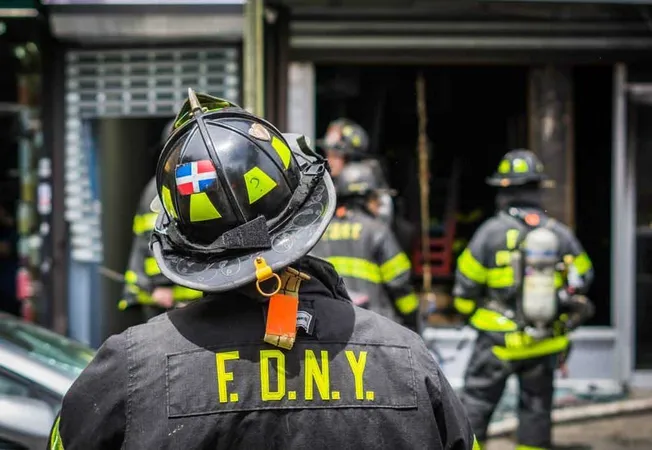
FDNY (Fire Department New York) Test: Your Guide
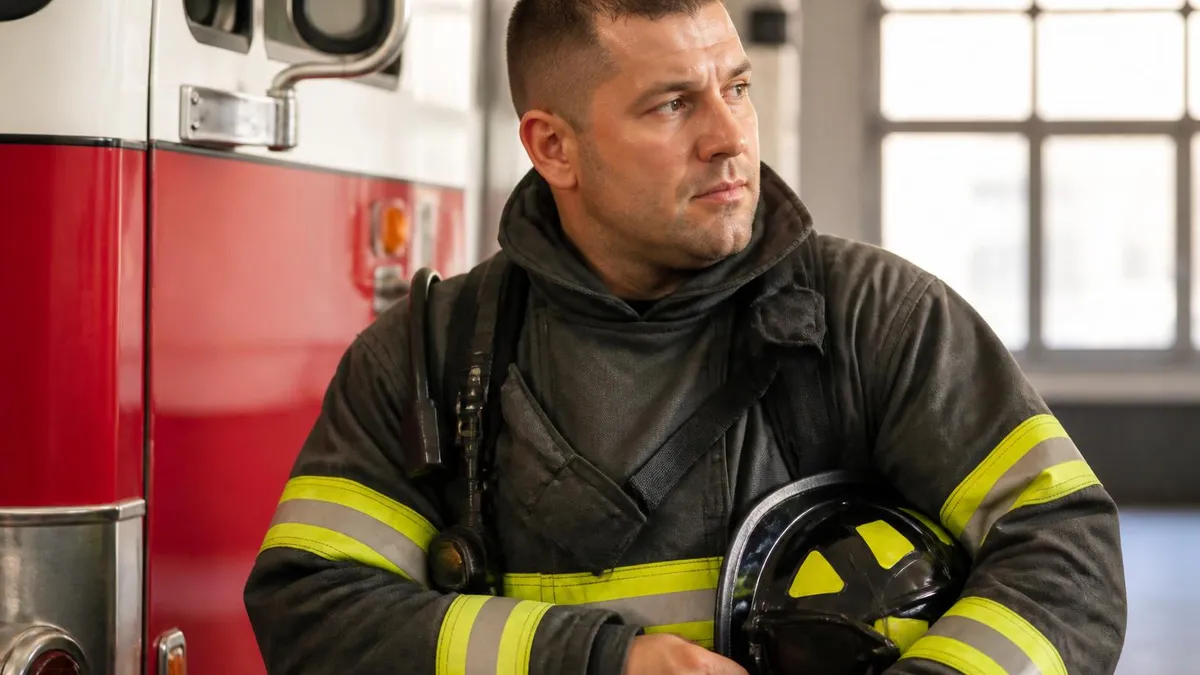
FDNY vs NYPD Hockey Game: Inside New York's Bravest vs Finest Heroes on Ice Rivalry
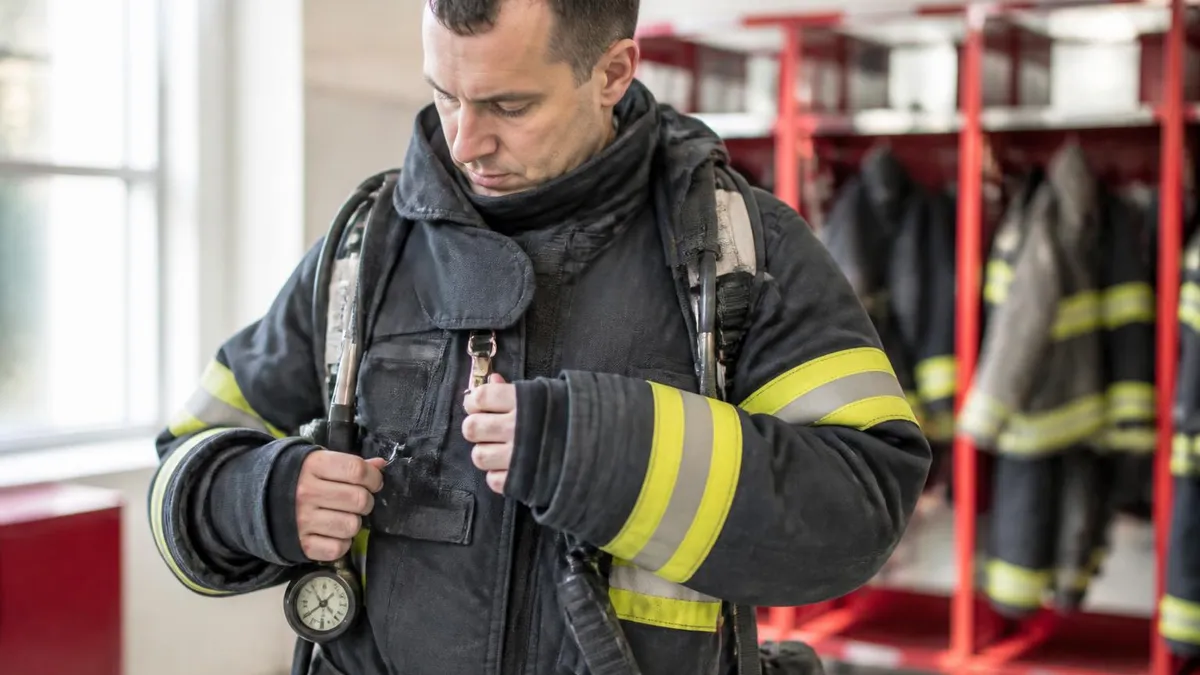
FDNY Runs and Workers: What the Numbers Really Mean
About the Author
Law Enforcement Trainer & Civil Service Exam Specialist
John Jay College of Criminal JusticeMarcus B. Thompson earned his Master of Arts in Criminal Justice from John Jay College of Criminal Justice and served 12 years as a law enforcement officer before transitioning to full-time academy instruction. He is a POST-certified instructor who has prepared candidates for police entrance exams, firefighter assessments, and civil service examinations across dozens of agencies.
Join the Discussion
Connect with other students preparing for this exam. Share tips, ask questions, and get advice from people who have been there.
View discussion (9 replies)