
ECMO Side Effects: What Patients and Families Need to Know 2026 August
Learn ECMO side effects for neonates & adults — bleeding, clots, infections, and more. ✅ Evidence-based guide for patients & families.

Extracorporeal membrane oxygenation in neonates and adults is one of modern medicine's most powerful life-support tools, but it carries a significant burden of potential side effects that every patient, family member, and clinician must understand. ECMO side effects range from manageable complications like minor bleeding at cannula insertion sites to catastrophic events including stroke and multi-organ failure. Because the extracorporeal membrane oxygenation circuit continuously circulates the patient's blood outside the body, it interacts with every organ system, making side-effect awareness critical for informed decision-making.
The extracorporeal membrane oxygenation procedure works by draining blood from the body, oxygenating it through an artificial membrane lung, and returning it to the circulation — bypassing the heart and lungs either partially or completely. While this process is lifesaving in situations where the heart or lungs cannot sustain adequate oxygenation on their own, the constant contact between blood and artificial surfaces triggers inflammatory responses, clotting cascades, and hemolytic processes that underlie most of the therapy's side effects.
Understanding ecmo side effects requires familiarity with the two main configurations used clinically. Venovenous extracorporeal membrane oxygenation (VV-ECMO) is used primarily for patients with severe respiratory failure, such as those who developed acute respiratory distress syndrome during the COVID-19 pandemic. Venoarterial ECMO (VA-ECMO) supports both cardiac and pulmonary function and is used in patients with cardiogenic shock or cardiac arrest. Each mode carries overlapping yet distinct complication profiles, and the patient population — whether neonates, pediatric patients, or adults — further modifies the risk landscape.
Neonatal ECMO deserves special attention because extracorporeal membrane oxygenation in neonates was actually the earliest widespread application of this technology, developed in the 1970s for conditions like meconium aspiration syndrome, congenital diaphragmatic hernia, and persistent pulmonary hypertension of the newborn. Neonates have immature coagulation systems, fragile cerebral vasculature, and smaller circuit volumes relative to body size, all of which amplify certain complications. Intracranial hemorrhage, for example, occurs in approximately 10–15% of neonates on ECMO, a rate substantially higher than in adults.
For adults, the extracorporeal membrane oxygenation treatment landscape expanded dramatically during the COVID-19 pandemic, when thousands of patients with refractory hypoxemia were placed on VV-ECMO across intensive care units worldwide. Studies from this period provided some of the largest datasets on adult ECMO complications, confirming that bleeding and thrombosis remain the dominant causes of morbidity. Mortality among adults on ECMO still approaches 40–60% in many centers, reflecting both the severity of the underlying illness and the toll of circuit-related side effects.
The extracorporeal membrane oxygenation machine price — which ranges from roughly $150,000 to $300,000 per unit, with disposable circuit components adding $5,000–$20,000 per run — means that ECMO is concentrated in large academic medical centers with dedicated teams. This specialization has helped improve safety outcomes over the decades, but it also means families often travel far from home to access this therapy, adding logistical stress to an already difficult medical situation.
This guide organizes ECMO side effects into clear, evidence-based categories so patients, caregivers, and students preparing for clinical examinations can build a comprehensive mental model of the risks. We cover hemorrhagic complications, thrombotic events, infectious risks, neurological consequences, metabolic disturbances, and the unique challenges posed by long-duration ECMO runs, with practical context for each.
ECMO Side Effects by the Numbers

Major Categories of ECMO Side Effects
Bleeding is the most frequent serious side effect of ECMO, occurring in 30–40% of patients. Systemic anticoagulation required to prevent circuit clotting raises the risk of bleeding at cannula sites, surgical wounds, the gastrointestinal tract, and — most dangerously — the brain.
Despite anticoagulation, clots can still form on circuit components or within the patient's own vasculature. Oxygenator thrombosis, arterial limb ischemia in VA-ECMO, and pulmonary embolism are all documented complications that can require urgent circuit changeout or surgical intervention.
Stroke, intracranial hemorrhage, and hypoxic-ischemic encephalopathy represent the most feared neurological outcomes. Embolic phenomena from the circuit and the hemodynamic instability that precedes ECMO initiation both contribute to brain injury, particularly in neonates and patients undergoing VA-ECMO.
ECMO cannulas provide a direct conduit for bloodstream infections. Circuit-associated bacteremia and fungemia can be life-threatening in an already critically ill patient. Prolonged runs — sometimes lasting weeks — substantially increase cumulative infection risk.
Renal failure requiring dialysis affects roughly 50% of adult ECMO patients. Hepatic dysfunction, adrenal insufficiency, and gastrointestinal complications can also develop, driven by the underlying illness, hemodynamic compromise, and the systemic inflammatory response triggered by the extracorporeal circuit.
Neurological complications represent one of the most devastating categories of ECMO side effects, capable of undermining a technically successful ECMO run and leaving a patient with permanent disability even when the original cardiac or pulmonary crisis is resolved. The brain is uniquely vulnerable to the hemodynamic changes, embolic showers, and anticoagulation-related hemorrhage that accompany extracorporeal support. Understanding why these injuries occur requires a close look at both the underlying disease pathology and the circuit-specific mechanisms that compound the risk.
Intracranial hemorrhage (ICH) is the most feared neurological complication, occurring in roughly 5–10% of adults and 10–15% of neonates on ECMO. In neonates, the germinal matrix — a highly vascular, fragile region of the developing brain — is particularly susceptible. Fluctuations in cerebral blood flow and venous pressure, combined with systemic heparinization, create the perfect storm for germinal matrix hemorrhage that can extend into the ventricles. When intraventricular hemorrhage develops, the risk of long-term neurodevelopmental impairment escalates sharply.
Ischemic stroke can occur through several mechanisms during the extracorporeal membrane oxygenation procedure. Gaseous or particulate emboli generated within the circuit — from membrane lung disruption, de-airing failures, or clot fragmentation — can travel to the cerebral circulation. In VA-ECMO, retrograde aortic flow from the arterial return cannula can create competitive flow dynamics at the aortic arch, increasing embolic risk to the cerebral vessels. Additionally, inadequate anticoagulation windows — even brief periods where heparin levels fall below target — can permit thrombus formation on circuit surfaces that subsequently embolize.
Cerebral autoregulation, the brain's ability to maintain constant blood flow across a range of perfusion pressures, is frequently impaired in patients sick enough to require ECMO. When autoregulation fails, the brain becomes passively pressure-dependent, meaning hypotensive episodes — common during ECMO initiation and weaning — directly translate into cerebral hypoperfusion. The combination of impaired autoregulation and the non-pulsatile flow generated by centrifugal ECMO pumps creates conditions markedly different from normal physiology and may contribute to cerebral edema and injury over time.
Seizures complicate approximately 3–10% of pediatric and neonatal ECMO runs and may be clinically silent due to sedation and neuromuscular blockade. Continuous EEG monitoring is increasingly recommended in specialized centers to detect subclinical seizure activity, which if untreated can compound neurological injury. Recognizing seizures in the context of ECMO is challenging because the patient is typically heavily sedated, mechanically ventilated, and unable to provide clinical cues like motor manifestations.
Hypoxic-ischemic encephalopathy (HIE) often precedes ECMO initiation in neonates who experienced a period of severe cardiorespiratory failure before the circuit could be established. In these patients, it can be difficult to attribute subsequent neurological findings to ECMO versus pre-existing injury. This distinction matters for prognosis and for ethical decision-making about continuation of support. Neuroimaging with cranial ultrasound or MRI, combined with clinical neurological assessment, guides these determinations in most neonatal ECMO programs.
The intersection of neurological risk and anticoagulation management is where much of the clinical decision-making tension lies. Clinicians must balance the risk of clotting — which could cause circuit failure, pulmonary embolism, or arterial limb ischemia — against the risk of bleeding into the brain or other critical sites. This requires frequent laboratory monitoring, including anti-Xa levels, activated clotting times (ACT), and thromboelastography (TEG), with heparin dose adjustments made multiple times daily. No universally accepted anticoagulation protocol exists, and practice varies significantly between ECMO centers.
Venovenous Extracorporeal Membrane Oxygenation: Side Effects by Configuration
Venovenous extracorporeal membrane oxygenation is used exclusively for respiratory failure and does not directly support cardiac output. The venous drainage and return cannulas both remain in the venous circulation, which reduces arterial embolic risk compared to VA-ECMO. However, VV-ECMO patients still face substantial bleeding risk from systemic anticoagulation, recirculation of oxygenated blood back into the drainage cannula reducing efficiency, and potential for significant hemolysis when flows are high or the circuit malfunctions.
Common VV-ECMO complications include cannula-site bleeding, hemothorax if chest tubes are in place, and gastrointestinal bleeding in patients with pre-existing mucosal vulnerability. Pressure injuries from prolonged prone positioning — often used concurrently in severe ARDS — add to the complication burden. Patients on VV-ECMO for COVID-19-related ARDS experienced particularly high rates of bacterial superinfection, with some studies reporting pneumonia complication rates exceeding 40% during extended runs.

ECMO Benefits vs. Risks: Weighing the Decision
- +Provides time for native organ recovery when conventional therapies have failed
- +Can be life-saving in otherwise fatal cardiac arrest (ECPR) scenarios
- +Allows optimization of ventilator settings to reduce ventilator-induced lung injury
- +Supports hemodynamics during high-risk cardiac procedures or as a bridge to transplant
- +Technology has become safer with centrifugal pumps and improved membrane oxygenators
- +Experienced ECMO centers achieve meaningful survival rates in carefully selected patients
- −Major bleeding occurs in 30–40% of patients, sometimes requiring surgical intervention
- −Stroke or intracranial hemorrhage can cause permanent neurological disability
- −Limb ischemia in VA-ECMO may lead to amputation if perfusion cannula is not placed promptly
- −Infections associated with ECMO cannulas carry high mortality in already-critical patients
- −Multi-organ failure — particularly acute kidney injury — complicates the majority of adult runs
- −Long-term neurodevelopmental consequences are significant in neonatal survivors
ECMO Side Effect Monitoring Checklist for Clinical Teams
- ✓Check activated clotting time (ACT) or anti-Xa levels every 1–2 hours to maintain anticoagulation within target range
- ✓Inspect cannula insertion sites every nursing shift for signs of bleeding, hematoma, or infection
- ✓Assess distal limb perfusion hourly in all peripheral VA-ECMO patients; place distal perfusion cannula if ischemia is suspected
- ✓Monitor upper and lower extremity pulse oximetry simultaneously in VA-ECMO patients to detect Harlequin syndrome early
- ✓Perform daily cranial ultrasound in neonates on ECMO to screen for intraventricular or intraparenchymal hemorrhage
- ✓Measure plasma-free hemoglobin every 12–24 hours to detect circuit-associated hemolysis before renal injury occurs
- ✓Review complete blood count, fibrinogen, and platelet count at least twice daily to guide transfusion and hemostasis decisions
- ✓Obtain blood cultures promptly if fever, leukocytosis, or hemodynamic deterioration develops; consider line infection as a source
- ✓Assess for left ventricular distension on bedside echocardiography in VA-ECMO patients with pulmonary edema or poor lung compliance
- ✓Document neurological status systematically at least once per shift; arrange continuous EEG monitoring if seizures are suspected
The Anticoagulation Tightrope in ECMO Management
The single most consequential daily decision in ECMO management is anticoagulation dosing. Underdose heparin and the circuit clots, potentially sending massive emboli to the lungs or systemic circulation. Overdose and the patient bleeds into the brain, surgical wounds, or cannula sites. No universal protocol eliminates this tension — each patient requires individualized titration guided by multiple simultaneous coagulation assays, updated as often as every hour during periods of instability.
The comparison between extracorporeal membrane oxygenation in neonates and extracorporeal membrane oxygenation for adults reveals not just differences in body size but fundamental distinctions in pathophysiology, circuit design, complication profile, and long-term outcomes. Both populations depend on the same basic technology, yet the clinical experience of managing an 800-gram premature infant and a 90-kilogram adult with cardiogenic shock requires very different expertise, equipment, and risk-benefit calculus.
In neonates, the most common indications for ECMO — meconium aspiration syndrome, congenital diaphragmatic hernia (CDH), persistent pulmonary hypertension of the newborn (PPHN), and sepsis — are respiratory in nature, making VV-ECMO the preferred mode when technically feasible. However, many neonatal ECMO programs still use VA-ECMO because the small caliber of neonatal vessels and the frequent co-existence of cardiac dysfunction makes venoarterial cannulation more reliable. The extracorporeal membrane oxygenation circuit used in neonates must be primed with packed red blood cells to prevent severe dilutional anemia, introducing donor blood exposure risks not present in adult practice.
For adults receiving extracorporeal membrane oxygenation treatment, the dominant indications have shifted over the past decade. Cardiac ECMO (VA-ECMO for cardiogenic shock) and respiratory ECMO (VV-ECMO for severe ARDS) each represent large and growing patient populations. The COVID-19 pandemic provided an unprecedented natural experiment in large-scale adult VV-ECMO deployment. Data from the Extracorporeal Life Support Organization (ELSO) registry during 2020–2022 showed that centers with high ECMO volume achieved meaningfully better survival compared to centers deploying the technology for the first time under pandemic pressure — underscoring that ECMO outcomes are inseparable from institutional expertise.
The extracorporeal membrane oxygenation diagram most commonly used in teaching materials shows blood draining from the right atrium via a large venous cannula, passing through a centrifugal pump head, then flowing across the membrane oxygenator where CO2 is removed and oxygen is added, before returning to the patient. In VA-ECMO the return goes into the aorta; in VV-ECMO it returns to the right atrium or pulmonary vasculature. This simplified schematic masks enormous variability in actual circuit configurations, sweep gas flow rates, and monitoring strategies that differ between neonatal and adult practice.
Renal complications disproportionately affect adult ECMO patients. Acute kidney injury requiring continuous renal replacement therapy (CRRT) develops in approximately 50–70% of adults on VA-ECMO for cardiogenic shock. The combination of low cardiac output before ECMO initiation, non-pulsatile perfusion during ECMO, nephrotoxic antibiotics, contrast exposure from imaging, and the inflammatory response to the circuit all converge to injure the kidneys. Integrating CRRT into the ECMO circuit — running the dialysis filter in-line — reduces the need for additional vascular access but adds complexity to anticoagulation management.
Pediatric patients (older neonates through adolescents) occupy a middle ground between the neonatal and adult populations. They are large enough to tolerate standard venous cannulation approaches used in adults yet small enough that circuit prime volume remains hemodynamically significant. The ELSO registry data for pediatric ECMO consistently shows that cardiac indications carry higher mortality than respiratory indications, reflecting the severity of conditions like myocarditis, post-operative congenital heart disease, and pediatric cardiogenic shock that drive cardiac ECMO use in this age group.
Long-term follow-up data on adult ECMO survivors has been accumulating over the past decade. Studies from European and North American centers show that adults who survive to hospital discharge after VV-ECMO for ARDS frequently experience post-intensive care syndrome (PICS), characterized by cognitive impairment, psychological sequelae (PTSD, depression, anxiety), and physical deconditioning that can persist for years. Rehabilitation programs that address all three domains of PICS — cognitive, psychological, and physical — have been associated with better functional recovery, and awareness of these long-term consequences is a crucial part of the informed consent process before ECMO initiation.

Certain ECMO complications require immediate escalation rather than routine monitoring adjustment. Sudden loss of circuit flow with patient deterioration suggests pump failure or massive circuit thrombosis requiring emergent circuit changeout. New neurological signs including pupillary asymmetry, seizure activity, or sudden loss of consciousness demand urgent neuroimaging to rule out intracranial hemorrhage. Sudden limb cyanosis in peripheral VA-ECMO is a vascular emergency requiring immediate surgical or interventional assessment to prevent limb loss.
Long-term outcomes after ECMO extend well beyond hospital survival statistics and touch on quality of life, functional independence, cognitive development, and psychological well-being. For families navigating the decision to initiate or continue ECMO support, understanding the full spectrum of potential long-term consequences is as important as understanding the immediate life-or-death calculus. ECMO teams at experienced centers increasingly include palliative care specialists and psychologists in the care model to support this broader conversation.
Neurodevelopmental outcomes in neonatal ECMO survivors have been studied extensively, though the challenge of separating ECMO-related injury from the effects of the underlying illness remains methodologically difficult. School-age follow-up of children who received ECMO as neonates shows elevated rates of learning disabilities, attention-deficit disorders, behavioral problems, and motor delays. Children with CDH who required ECMO have some of the highest rates of neurodevelopmental impairment, reflecting the combined burden of the anatomical abnormality, prolonged respiratory failure, and ECMO-related risks.
Pulmonary outcomes after VV-ECMO for severe ARDS are generally more favorable than might be expected given the severity of the initial illness. Many survivors demonstrate near-normal spirometric values at one-year follow-up, suggesting that ECMO's role in enabling lung-protective ventilation — by reducing the ventilator pressures and volumes needed to maintain oxygenation — may actually preserve lung tissue that aggressive conventional ventilation would have damaged. However, a subset of patients develop pulmonary fibrosis, particularly those who had prolonged inflammatory lung injury before ECMO could reduce ventilator intensity.
Cardiac outcomes after VA-ECMO for cardiogenic shock depend heavily on the underlying etiology and whether a definitive treatment — revascularization for ischemia, surgical repair for mechanical complications, or transplantation for end-stage cardiomyopathy — was successfully accomplished during or after the ECMO run. Patients bridged to cardiac transplantation with VA-ECMO generally have outcomes similar to patients transplanted from other bridging strategies, though pre-transplant ECMO duration and end-organ function at the time of transplantation significantly influence post-transplant survival.
Psychological sequelae of ECMO are increasingly recognized as a major component of long-term burden. Adult survivors report high rates of PTSD, with flashbacks and nightmares related to ICU experiences including device alarms, invasive procedures, and the experience of being unable to communicate while intubated and sedated. Depression affects a substantial proportion of survivors in the first year after discharge. Family members of ECMO patients also experience significant psychological stress, including caregiver burnout, anxiety, and PTSD related to witnessing their loved one in critical condition for weeks or months.
Rehabilitation after ECMO is intensive and multidisciplinary. Physical therapy must rebuild profound skeletal muscle weakness from prolonged immobilization and critical illness myopathy. Occupational therapy addresses fine motor skills and activities of daily living. Speech therapy may be needed for patients who experienced prolonged intubation and tracheostomy. Cognitive rehabilitation addresses the attention, memory, and executive function deficits that many ICU survivors experience. Most ECMO survivors require weeks to months of inpatient rehabilitation followed by outpatient therapy before returning to functional independence.
For those studying or working in ECMO-related clinical roles, a thorough understanding of these long-term outcomes is essential both for patient counseling and for the continuing evolution of ECMO practice. The field is actively investigating strategies to reduce complication rates — including improved circuit biocompatibility, better anticoagulation monitoring tools, earlier rehabilitation protocols initiated even while patients remain on support, and refined patient selection criteria to avoid futile ECMO runs that expose patients to significant harm without realistic prospect of benefit. Reviewing up-to-date ELSO guidelines and participating in registry data collection represents best practice for any institution providing this specialized therapy.
For clinicians, students, and certification candidates seeking to master ECMO side effects, a structured study approach that integrates physiological principles with real-world clinical scenarios is far more effective than memorizing complication lists in isolation. The extracorporeal membrane oxygenation circuit diagram is a powerful teaching tool — tracing each potential complication back to a specific point in the circuit (pump cavitation causing hemolysis, oxygenator clotting causing hypoxia, arterial return causing limb ischemia) builds a durable mental model that survives the pressure of clinical emergencies and examination questions alike.
Understanding anticoagulation is the cornerstone of ECMO complication management. Heparin remains the most widely used anticoagulant in ECMO circuits, but its pharmacokinetics in critically ill patients are unpredictable due to variations in antithrombin III levels, protein binding, and hepatic function. Bivalirudin is increasingly used as an alternative in patients who develop heparin-induced thrombocytopenia (HIT) or who have highly variable heparin requirements. The choice between monitoring methods — ACT alone, anti-Xa levels, aPTT, or viscoelastic testing with TEG or ROTEM — continues to be debated and varies substantially between centers.
Hemolysis deserves particular attention as a complication that is both circuit-related and consequential for organ function. Red blood cells are mechanically stressed as they pass through the centrifugal pump head, especially at high rotational speeds. Plasma-free hemoglobin released by lysed red cells is directly toxic to the renal tubular epithelium and can precipitate acute tubular necrosis. Monitoring plasma-free hemoglobin and adjusting circuit parameters — reducing pump speed if possible while maintaining adequate flow, inspecting for recirculation or kinking — is part of routine ECMO circuit management.
The concept of ECMO weaning and its relationship to side effects deserves emphasis. The longer a patient remains on ECMO support, the greater the cumulative exposure to anticoagulation, infection risk, and circuit-induced cellular stress. Most ECMO programs conduct regular trials of reduced flow or sweep gas reduction to assess readiness for decannulation. Prolonging support beyond what is physiologically necessary increases risk without proportional benefit. Conversely, premature decannulation before adequate native organ recovery leads to ECMO failure and the need for re-cannulation, which itself carries significant complication risk.
Communication between ECMO specialists, intensivists, surgeons, and bedside nursing staff is a critical safety factor in ECMO complication management. High-fidelity simulation training, interprofessional team huddles, and clear escalation pathways for emergencies have all been shown to reduce response time to circuit emergencies and improve patient outcomes. Institutions beginning or expanding ECMO programs should invest in simulation infrastructure and team training before deploying the technology in high-risk patient populations.
For examination preparation, familiarity with the ELSO guidelines — which provide detailed recommendations on anticoagulation targets, circuit management, cannulation techniques, and weaning protocols — provides an authoritative framework. Questions on ECMO pharmacology frequently test knowledge of heparin dosing ranges (typically targeting ACT 180–220 seconds in neonates, 160–200 seconds in adults), the mechanism and treatment of HIT, and the management of refractory bleeding including the controversial decision to reduce or temporarily discontinue anticoagulation when hemorrhagic complications are life-threatening.
Finally, understanding that ECMO side effects exist on a spectrum — from minor, manageable complications that are expected and monitored, to catastrophic events that require immediate intervention — helps contextualize the risk-benefit calculation. Not every bleeding event requires circuit discontinuation. Not every elevation in plasma-free hemoglobin signals imminent circuit failure. Clinical judgment, developed through structured education and supervised experience, is what separates safe ECMO practice from dangerous management. Practice questions, case simulations, and rigorous self-assessment remain the most effective tools for building this judgment for certification examinations and clinical practice alike.
ECMO Questions and Answers

ECMO Medical Term: Understanding Extracorporeal Membrane Oxygenation

VA ECMO Cannulation: Complete Guide to Veno-Arterial Extracorporeal Membrane Oxygenation

ECMO Specialist: Career Path, Duties, Salary, and Certification Guide
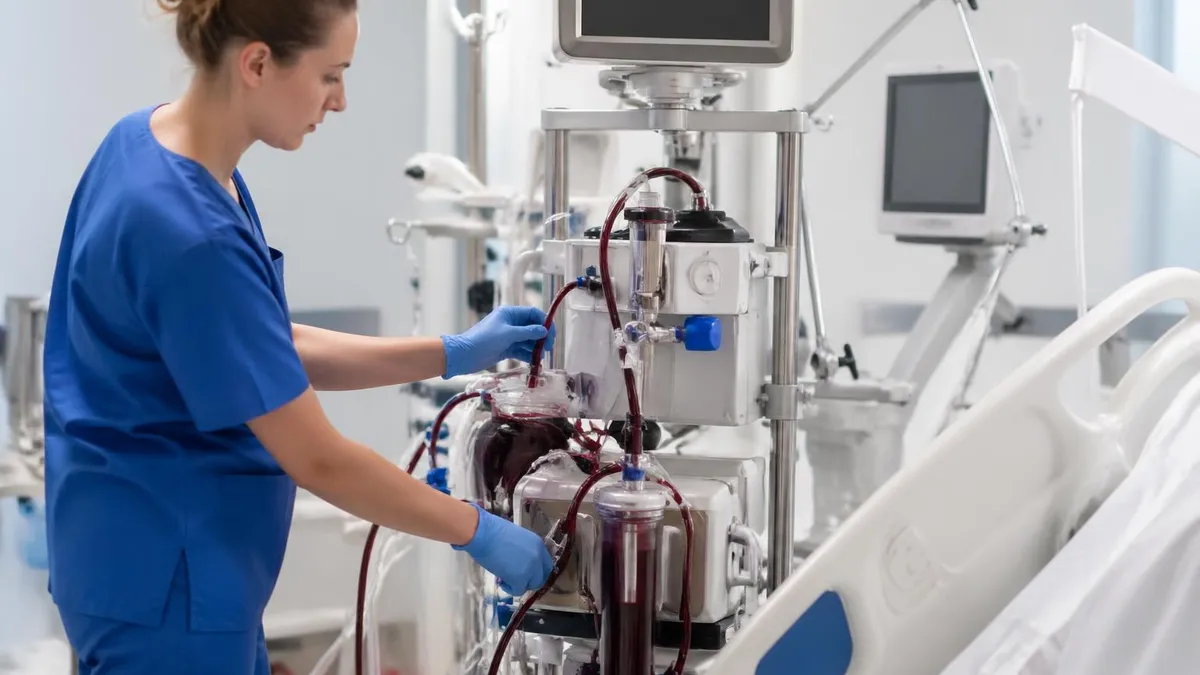
ECMO: How Extracorporeal Membrane Oxygenation Works and Who Needs It

ECMO Cost: What Extracorporeal Membrane Oxygenation Really Costs in the US
About the Author

Educational Psychologist & Academic Test Preparation Expert
Columbia University Teachers CollegeDr. Lisa Patel holds a Doctorate in Education from Columbia University Teachers College and has spent 17 years researching standardized test design and academic assessment. She has developed preparation programs for SAT, ACT, GRE, LSAT, UCAT, and numerous professional licensing exams, helping students of all backgrounds achieve their target scores.
Join the Discussion
Connect with other students preparing for this exam. Share tips, ask questions, and get advice from people who have been there.
View discussion (8 replies)