
DVSA Theory Test Practice: Complete UK Driving Theory Guide 2026
DVSA theory test practice guide covering multiple choice questions, 🟢 hazard perception, scoring, booking process, and effective preparation strategies.
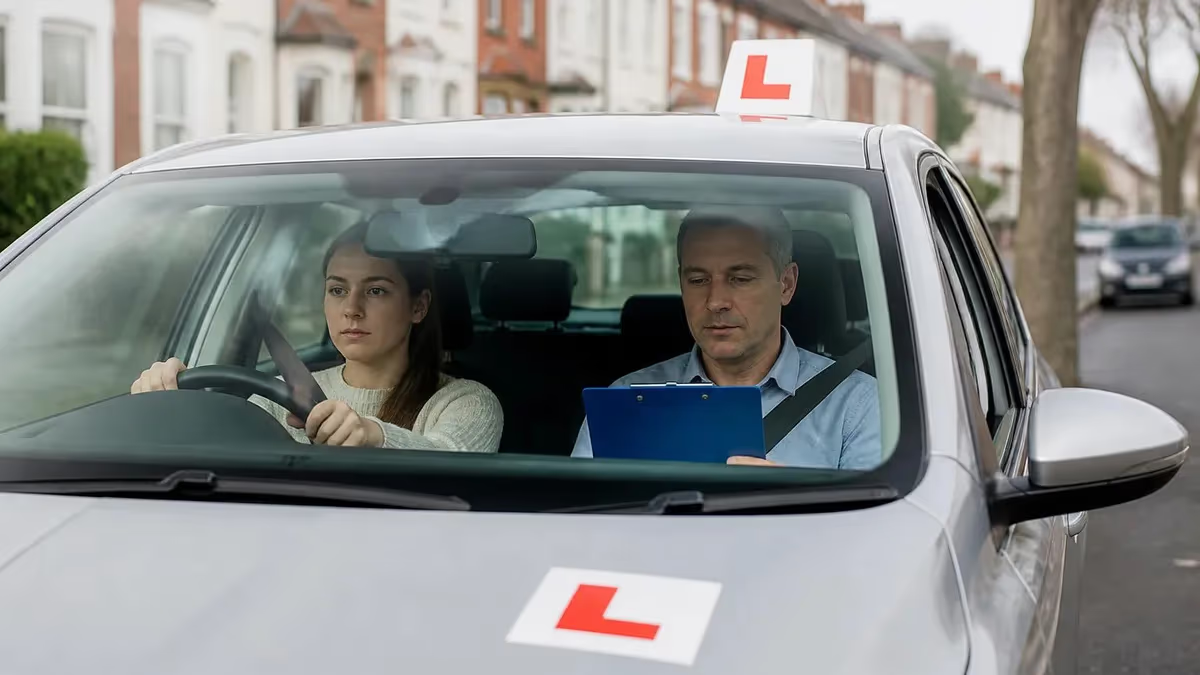
What the DVSA Theory Test Actually Tests
The DVSA (Driver and Vehicle Standards Agency) theory test is the UK driving theory examination that learner drivers must pass before booking their practical driving test. The theory test combines a multiple choice section testing knowledge of the Highway Code and driving theory plus a hazard perception section testing ability to identify developing hazards in video clips. Passing both sections is required to receive a theory test pass certificate, which remains valid for 2 years from the test date.
The DVSA designed the theory test to ensure learner drivers understand traffic laws, safe driving practices, vehicle handling, and hazard awareness before taking control of vehicles independently. UK road safety has improved substantially since theory testing became mandatory in 1996. The combined theoretical knowledge plus practical hazard perception produces better-prepared new drivers compared to the practical-test-only system that preceded the current framework. Theory test pass rates have remained relatively stable at roughly 50 percent over recent years, indicating the test maintains appropriate difficulty that requires genuine preparation rather than producing automatic passes. Our DVSA category page covers related theory topics.
The multiple choice section tests theoretical knowledge across fourteen topic areas including alertness, attitude, safety and your vehicle, safety margins, hazard awareness, vulnerable road users, other types of vehicle, vehicle handling, motorway rules, rules of the road, road and traffic signs, documents, accidents, and vehicle loading.
Each question presents four possible answers, and candidates select one or more correct responses depending on the question wording. The system flags questions for review so candidates can return and reconsider before the section ends. Reading each question twice prevents simple misinterpretation that wastes prepared knowledge. The fourteen subject areas mirror the Highway Code structure, making structured revision straightforward.
Most candidates allocate around ninety seconds per question on initial pass, leaving roughly fifteen minutes for review at the end. Skipping difficult items and circling back proves more effective than burning time on a single uncertain answer. The pass mark of forty-three out of fifty equates to eighty-six percent, leaving little room for guesswork on poorly understood topics. Practice tests reveal which subject areas need additional revision before the official examination date arrives. Recording weak areas after each mock test creates a focused revision list that closes knowledge gaps quickly.
Successful candidates report that combining Highway Code reading with daily mock tests produces the most reliable results across all four test categories. Building a study routine of forty-five focused minutes each evening over three weeks beats sporadic weekend cramming for both retention and exam-day confidence.
DVSA: upcoming dates and official changes
- Updated Oct 19, 2026: Eligibility (Car practical driving test) is now Theory pass usually required; 185 days' residency in England, Wales or Scotland (previously Theory pass usually required; 185 days' GB residency).
- Updated Oct 19, 2026: Time limit (Independent driving) is now 20 to 35 minutes (previously 20 to 35 minutes).
- Updated Oct 19, 2026: Eligibility is now Age 17+ (16 with higher-rate PIP mobility); provisional licence required (previously Age 17+ (16 with higher-rate PIP mobility), provisional licence required).
Facts verified Oct 20, 2026 against Driver and Vehicle Standards Agency (DVSA), GOV.UK. Dates that have passed are removed automatically.
- The hazard perception part of the UK driving theory test consists of 14 video clips. (Driver and Vehicle Standards Agency (DVSA), GOV.UK)
- The UK driving theory test multiple-choice part has 50 questions. (Driver and Vehicle Standards Agency (DVSA), GOV.UK)
- The UK car practical driving test involves driving for around 35 minutes. (Driver and Vehicle Standards Agency (DVSA), GOV.UK)
- The independent driving part of the UK car practical test lasts 20 to 35 minutes. (Driver and Vehicle Standards Agency (DVSA), GOV.UK)
- The pass mark for the hazard perception part of the UK driving theory test is 44 out of 75. (Driver and Vehicle Standards Agency (DVSA), GOV.UK)
- The pass mark for the multiple-choice part of the UK driving theory test is 43 out of 50. (Driver and Vehicle Standards Agency (DVSA), GOV.UK)
- The UK car practical driving test costs £62 on weekdays. (Driver and Vehicle Standards Agency (DVSA), GOV.UK)
- The UK car theory test costs £23. (Driver and Vehicle Standards Agency (DVSA), GOV.UK)
- After failing the UK driving theory test you must wait at least 3 working days before taking it again. (Driver and Vehicle Standards Agency (DVSA), GOV.UK)
Facts verified Oct 20, 2026 against Driver and Vehicle Standards Agency (DVSA), GOV.UK. Dates that have passed are removed automatically.
DVSA Exam at a Glance
| Item | Detail | Official source |
|---|---|---|
| Number of questions (Hazard perception) | 14 video clips | Driver and Vehicle Standards Agency (DVSA), GOV.UK |
| Number of questions (Multiple-choice questions) | 50 multiple-choice questions | Driver and Vehicle Standards Agency (DVSA), GOV.UK |
| Time limit (Car practical driving test) | Around 35 minutes of driving | Driver and Vehicle Standards Agency (DVSA), GOV.UK |
| Time limit (Independent driving) | 20 to 35 minutes | Driver and Vehicle Standards Agency (DVSA), GOV.UK |
| Time limit (Multiple-choice questions) | 57 minutes | Driver and Vehicle Standards Agency (DVSA), GOV.UK |
| Passing score (Hazard perception) | 44 out of 75 | Driver and Vehicle Standards Agency (DVSA), GOV.UK |
| Passing score (Multiple-choice questions) | 43 out of 50 | Driver and Vehicle Standards Agency (DVSA), GOV.UK |
| Exam fee (Car practical driving test (weekday)) | £62 on weekdays | Driver and Vehicle Standards Agency (DVSA), GOV.UK |
| Exam fee (Car theory test) | £23 | Driver and Vehicle Standards Agency (DVSA), GOV.UK |
| Retake policy | Wait at least 3 working days | Driver and Vehicle Standards Agency (DVSA), GOV.UK |
| Validity | 2 years | Driver and Vehicle Standards Agency (DVSA), GOV.UK |
| Eligibility | Age 17+ (16 with higher-rate PIP mobility); provisional licence required | Driver and Vehicle Standards Agency (DVSA), GOV.UK |
| Eligibility (Car practical driving test) | Theory pass usually required; 185 days' residency in England, Wales or Scotland | Driver and Vehicle Standards Agency (DVSA), GOV.UK |
| Score release | At the test centre, same day | Driver and Vehicle Standards Agency (DVSA), GOV.UK |
| Registration opens | Online booking 6am–11:40pm | Driver and Vehicle Standards Agency (DVSA), GOV.UK |
| Testing window (Car practical driving test) | Released 24 weeks ahead, 6am every Monday | Driver and Vehicle Standards Agency (DVSA), GOV.UK |
Facts verified Oct 20, 2026 against Driver and Vehicle Standards Agency (DVSA), GOV.UK. Dates that have passed are removed automatically.
DVSA Theory Test Quick Take
DVSA theory test combines multiple choice (50 questions, 43 to pass) plus hazard perception (14 video clips). Passing both required for theory test pass certificate valid 2 years. Test fee 23 pounds per attempt. Pass rates roughly 50 percent.
The DVSA theory test must be passed before applying for a practical driving test, and certificates remain valid for two years from the date of issue. Candidates who fail must wait at least three working days before retaking, and there is no limit on attempts beyond the requirement to pay the full fee each time.
Multiple Choice Section
The multiple choice section presents 50 questions covering 14 main topic areas. Topic areas include alertness, attitude, safety and your vehicle, safety margins, hazard awareness, vulnerable road users, other types of vehicle, vehicle handling, motorway rules, rules of the road, road and traffic signs, documents, accidents, and vehicle loading. Questions appear on screen with multiple choice answer options. You have 57 minutes to complete the 50 questions. Some questions are case study format presenting a scenario followed by multiple questions about that situation.
The multiple choice section requires 43 correct answers out of 50 (86 percent) to pass. The relatively high passing threshold reflects the importance of comprehensive theoretical knowledge for safe driving. Strong preparation through the official Highway Code combined with practice questions produces strong outcomes for most candidates. Casual preparation typically produces failures because the comprehensive coverage requires genuine study rather than guessing based on general driving common sense. The official DVSA practice materials use questions identical to those appearing on actual tests, which makes them particularly valuable for preparation. Our DVSA resources support practice test preparation.
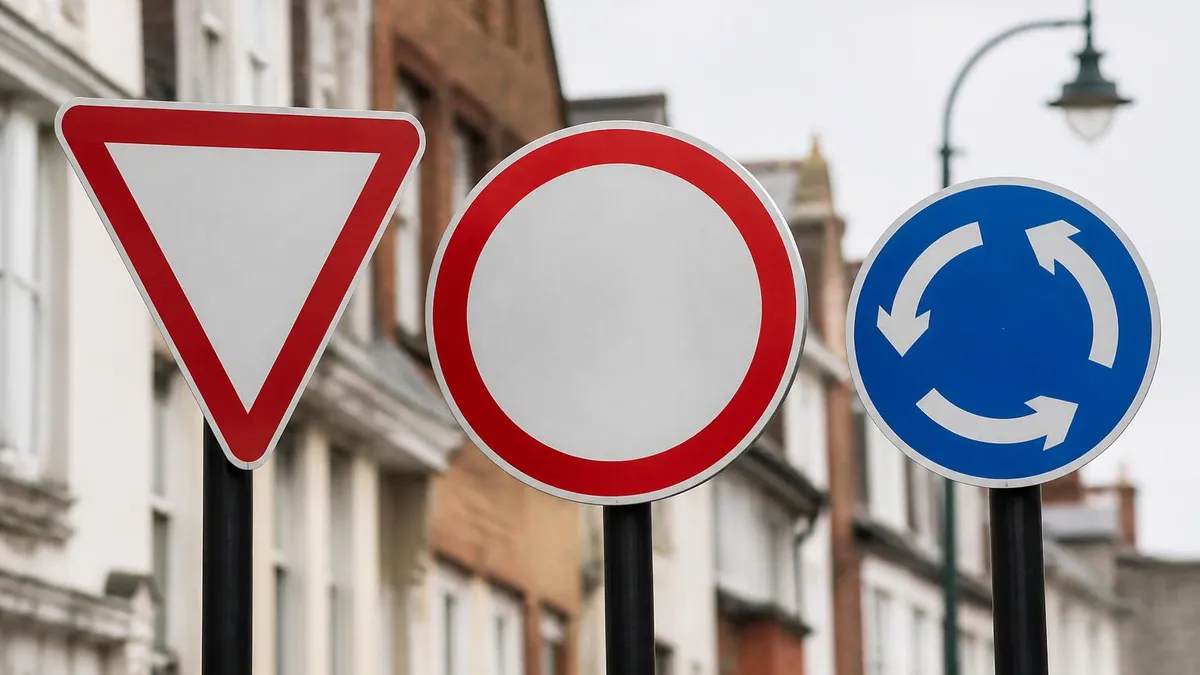
Multiple Choice Section Components
50 multiple choice questions covering 14 main topic areas from Highway Code and Driving Theory Book content. Additional preparation in this area dramatically improves both confidence and final score.
57 minutes for all 50 questions. Average pace of roughly 68 seconds per question with time for review. Additional preparation in this area dramatically improves both confidence and final score.
43 correct out of 50 (86 percent). Higher threshold than many other driving tests internationally. Additional preparation in this area dramatically improves both confidence and final score.
Some questions appear as case study format with scenario followed by multiple related questions about that situation. Additional preparation in this area dramatically improves both confidence and final score.
Hazard Perception Section
The hazard perception section tests ability to identify developing hazards through 14 video clips of real driving situations. Each clip runs approximately 1 minute showing first-person perspective driving through varied road conditions. Candidates click the mouse or tap the screen when they spot developing hazards. The earlier you spot hazards, the more points you score. 13 clips contain one developing hazard each. One clip contains two developing hazards. Maximum score per hazard is 5 points, so maximum possible score is 75 points (5 points times 15 total hazards).
Pass requires 44 points out of 75 (59 percent). The hazard perception threshold is lower than multiple choice because the section tests practical hazard recognition skill rather than memorized knowledge. Building hazard perception requires practice through DVSA-approved hazard perception clips that mirror actual test format. Generic driving videos without specific developing hazard timing do not produce comparable practice. The DVSA publishes official hazard perception practice clips that match actual test format reliably. The investment in official practice materials produces better outcomes than relying on generic resources that may not match testing patterns. Our DVSA practice resources cover hazard perception preparation.
The hazard perception section uses fourteen video clips, each approximately one minute long, filmed from a driver perspective on real UK roads. Thirteen clips contain one developing hazard worth up to five points, while one clip contains two developing hazards. The earlier a candidate clicks after a hazard begins developing, the more points awarded. Clicking too early or in a clear pattern triggers an anti-cheat warning and zero points for that clip. The maximum possible score is seventy-five points, with forty-four required to pass. Practising the timing window separates passes from near-misses for most learners.
A developing hazard is something requiring the driver to take action — change speed, change direction, or both. Static features such as parked cars, road signs, or pedestrians on pavements do not count as developing hazards unless they begin moving toward the road. Examiners look for clicks placed within the scoring window, which opens when the hazard first becomes apparent and closes when reasonable response time has elapsed. Three measured clicks per clip — one early scan, one as the hazard develops, and one confirmation — produces consistent scores without triggering the cheat detector.
Hazard Perception Scoring
Earliest reasonable detection of developing hazard. Indicates strong hazard awareness with proactive recognition before the hazard becomes immediate threat. Most experienced drivers naturally score at this level through years of driving experience.
Candidates should treat each section as independently failable since failing either part means retaking the entire test and paying the full fee again.
Booking Your Theory Test
Theory test booking happens through the official UK government website at gov.uk. Booking requires a provisional driving license number, debit or credit card for the 23 pound test fee, and contact email for confirmation. Multiple test centers operate across the UK with appointment availability varying by location and time of year. Popular test centers in London, Manchester, Birmingham, and similar major cities sometimes book 4-8 weeks ahead during busy periods. Smaller centers often have appointments within 1-2 weeks.
Test fees of 23 pounds remained stable for years before recent fee adjustments. The relatively modest fee makes the theory test accessible across diverse income levels. Failed attempts require new bookings and new fees, so preparation discipline produces both better outcomes and lower total costs across the testing process. Some candidates take 2-3 attempts before passing, which can accumulate to 50-70 pounds in test fees. Strong first-attempt preparation typically reduces total costs substantially compared to multiple-attempt approaches that some unprepared candidates use. Our DVSA category covers booking and preparation topics.
Booking the DVSA theory test happens through the official gov.uk website at gov.uk/book-theory-test, where candidates select a date, time, and centre from available slots. The standard fee is twenty-three pounds for cars and motorcycles, twenty-six pounds for lorries and buses, and other rates for specialist categories.
Payment uses debit or credit card at booking, and a confirmation email arrives within minutes containing the booking reference number required on test day. Booking three to four weeks ahead secures preferred slots, while last-minute cancellations occasionally open earlier dates. Setting a calendar reminder for booking day prevents missed deadlines that push the test back by weeks.
Theory tests can be rescheduled or cancelled up to three working days before the test date without losing the fee, though late changes forfeit the payment entirely. Candidates needing reasonable adjustments for dyslexia, hearing impairment, or other conditions should request these during booking rather than on the day. Test centres are located in every major UK city and most market towns, with the closest centre to most postcodes being within a thirty-minute drive. Arriving thirty minutes early allows time for identification checks and a calm settling period before the test begins.
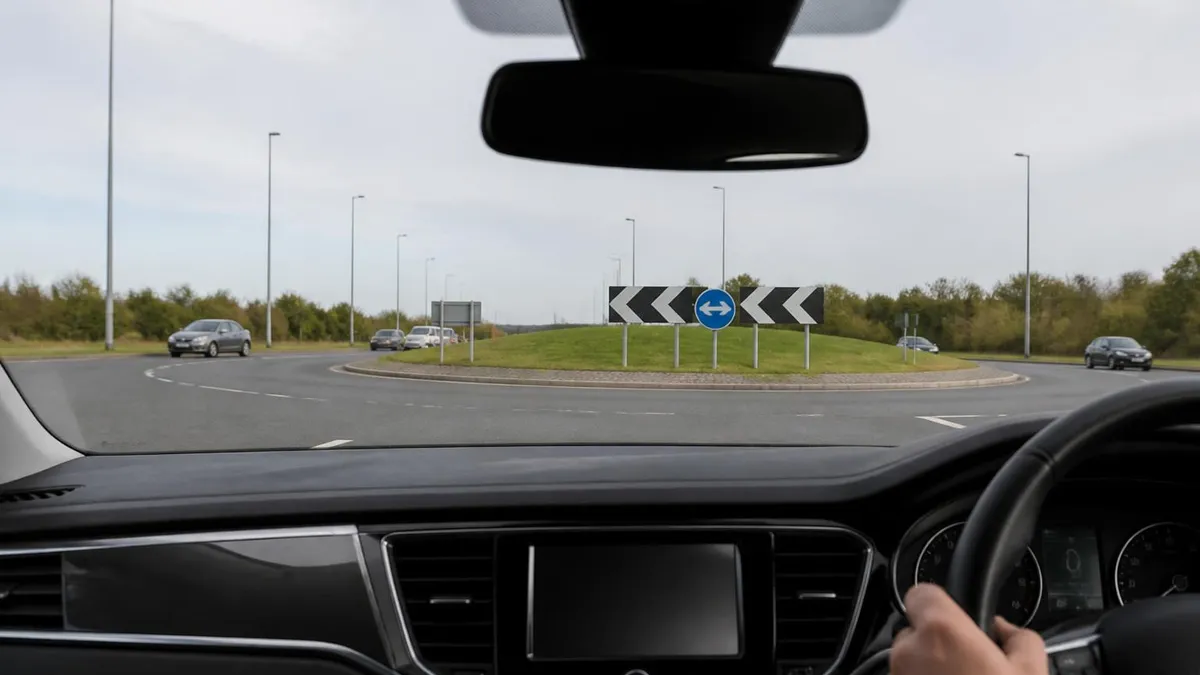
UK learner drivers must pass the theory test before booking their practical driving test. The theory test pass certificate remains valid for 2 years from the test date. If you do not pass the practical test within 2 years of passing theory, you must retake theory. Plan testing timing carefully to avoid theory expiration before practical pass.
Forgetting valid photocard driving licence or provisional licence on test day means automatic refusal of entry and loss of the test fee. Test centres do not accept paper licences alone, expired licences, or photocopies under any circumstances.
Effective Preparation Strategy
Strong preparation combines the official Highway Code, the Driving Theory Test Book, and practice questions covering both multiple choice and hazard perception sections. The Highway Code is freely available online and serves as the primary reference for traffic law and safe driving content. The Driving Theory Test Book contains additional content beyond the Highway Code specifically aligned with theory test coverage. Together the two resources provide comprehensive content coverage that produces strong test outcomes when studied thoroughly.
Practice tests serve a different purpose than reference reading. Practice questions familiarize candidates with question format, identify weak content areas, and build test-taking confidence. The DVSA publishes official practice resources at modest cost. Third-party providers offer free and paid practice question banks at various quality levels.
Some popular apps and websites for DVSA practice include Driving Theory Test, Theory Test Pro, and various YouTube channels with practice question walkthroughs. Strong preparation combines reading the official references with regular practice question work across multiple weeks. Spaced study across 2-4 weeks produces better retention than concentrated cramming sessions. Our practice test resources support preparation.
DVSA Theory Test Preparation Checklist
- ✓Obtain provisional UK driving license
- ✓Read the official Highway Code thoroughly
- ✓Study the Driving Theory Test Book systematically
- ✓Practice multiple choice questions across all 14 topic areas
- ✓Practice hazard perception clips through official DVSA materials
- ✓Book theory test through gov.uk when consistently scoring 90 percent+ on practice
- ✓Arrive 15 minutes early at test center with required identification
- ✓Plan practical test booking after theory pass to avoid 2-year expiration
- ✓Bring valid photocard licence and booking confirmation email printed or on phone
- ✓Arrive at the test centre at least thirty minutes early for identification checks
Test Day Logistics
Theory test day requires proper preparation. Bring your provisional driving license as primary identification. The license must be valid and not expired. Arrive at the test center 15 minutes before your appointment time. Personal items including phones must be stored in lockers during testing. The test center provides scratch paper if needed. Wear comfortable clothing appropriate for the typically air-conditioned test environment. Eat a reasonable meal before testing to support cognitive performance across the test duration.
The testing process begins with check-in procedures, identity verification, and brief orientation. Test administration uses computer-based testing with on-screen questions and timer display. The multiple choice section happens first followed by a brief break before the hazard perception section. Total test time including breaks runs approximately 1 hour 45 minutes. Results appear immediately after test completion. Pass results produce certification immediately. Failed results indicate which sections need improvement for retake preparation. The transparent immediate results help candidates plan their next steps efficiently rather than waiting for delayed score reporting that some other testing systems use.
What Happens After Passing
Theory test pass produces a pass certificate valid for 2 years. The certificate is required to book the practical driving test. Most learners book practical test slots immediately or within several weeks of theory pass. Practical test waiting times vary substantially across UK regions. Some areas have 4-8 week waits while others have 3-6 month waits during busy periods. Plan timing carefully because letting the 2-year theory validity expire requires retaking theory before practical can occur.
The combined theory plus practical test process represents substantial investment in learner driver preparation. Most learners take 1-3 attempts at theory and 1-2 attempts at practical before earning full driving licenses. Total test fees plus driving lesson costs typically run 800-2,000 pounds depending on lesson hours required and test attempts needed.
The investment supports safer driving outcomes than less rigorous licensing approaches some other countries use. UK road safety statistics consistently rank among the strongest in the world, partly reflecting the thorough driver training and testing approach that DVSA administers across the country. Our DVSA resources support broader learner driver topics.
Common Theory Test Mistakes
The most common mistake is inadequate Highway Code study. Many learners spend extensive time on practice questions without ever reading the Highway Code thoroughly. The Highway Code provides foundational knowledge that practice questions test. Skipping the Highway Code produces weak test performance because practice question explanations cannot fully substitute for the systematic content the Highway Code provides. Strong preparation always includes systematic Highway Code reading alongside practice question work.
Another common mistake is rushing hazard perception practice. Some learners try to develop hazard perception skills through casual viewing of driving videos rather than focused practice on DVSA-format clips. The actual test uses specific developing hazard patterns that generic driving videos do not consistently demonstrate. Official DVSA hazard perception practice materials and quality third-party clips that mirror DVSA format produce better hazard perception skill development. Practice 30-50 hazard perception clips before testing to build consistent detection patterns. The investment in proper hazard practice produces substantially better outcomes than casual approaches. Our DVSA category covers hazard perception in detail.

DVSA Theory Test Numbers
Three Theory Test Topic Categories
Highway Code, road signs, traffic laws, motorway rules. Foundational knowledge for all driving in the UK. Additional preparation in this area dramatically improves both confidence and final score.
Vehicle handling, safety margins, vehicle loading, documents. Practical knowledge for safe vehicle operation. Additional preparation in this area dramatically improves both confidence and final score.
Vulnerable road users, accidents, hazard perception. Skills for anticipating and responding to driving hazards. Additional preparation in this area dramatically improves both confidence and final score.
Special Considerations
Some learners face specific challenges affecting theory test preparation. Dyslexia and other learning differences sometimes affect test-taking even when underlying driving knowledge is strong. DVSA offers accommodations including extra time and audio narration through advance application. Disability accommodations also exist for various physical and sensory conditions affecting standard testing. Contact DVSA in advance to arrange specific accommodations rather than expecting them to be available at the appointment without prior arrangement.
Non-English-speaking learners can take the theory test with voiceover narration in various languages. The voiceover option supports candidates who read English with difficulty but understand spoken language well. Some specific languages may not be available depending on testing center capabilities. The voiceover accommodation has been controversial because some argue that strong English reading ability is necessary for safe driving in the UK. The accommodation remains available for now, supporting access for learners who would otherwise struggle with English-only testing despite adequate driving knowledge.
Pros and Cons of DVSA Theory Test
- +Comprehensive testing supports safer driving outcomes
- +Reasonable 23 pound fee makes test accessible
- +Pass certificate valid 2 years supports practical test planning
- +Free Highway Code provides foundational study resource
- +Multiple practice resources support diverse preparation styles
- + —
- −High 86 percent multiple choice threshold requires thorough preparation
- −Hazard perception practice requires specific DVSA-format materials
- −Failed attempts require new test fees that accumulate substantially
- −Pass certificate expires after 2 years requiring retest if practical not passed
- −Booking wait times can be substantial during busy periods at popular centers
- − —
DVSA Questions and Answers
Sources & references
Prepared by the Practice Test Geeks editorial team using AI-assisted drafting; exam facts are checked against the official sources below. Editorial policy
- gov.uk — Time limit · verified Oct 2026
- gov.uk — Eligibility, registration, test dates · verified Oct 2026
- gov.uk — Passing score, retake policy, score release · verified Oct 2026
- gov.uk — Exam format · verified Oct 2026
- gov.uk — Exam format, time limit · verified Oct 2026
- gov.uk — Fees · verified Oct 2026
- gov.uk — Eligibility · verified Oct 2026