
How to Give CPR to Animals: A Complete Guide to Pet and Bird Resuscitation
Learn how to give a bird CPR and resuscitate dogs, cats, and exotic pets. Step-by-step animal CPR guide with compression rates and rescue breathing. 🗨️
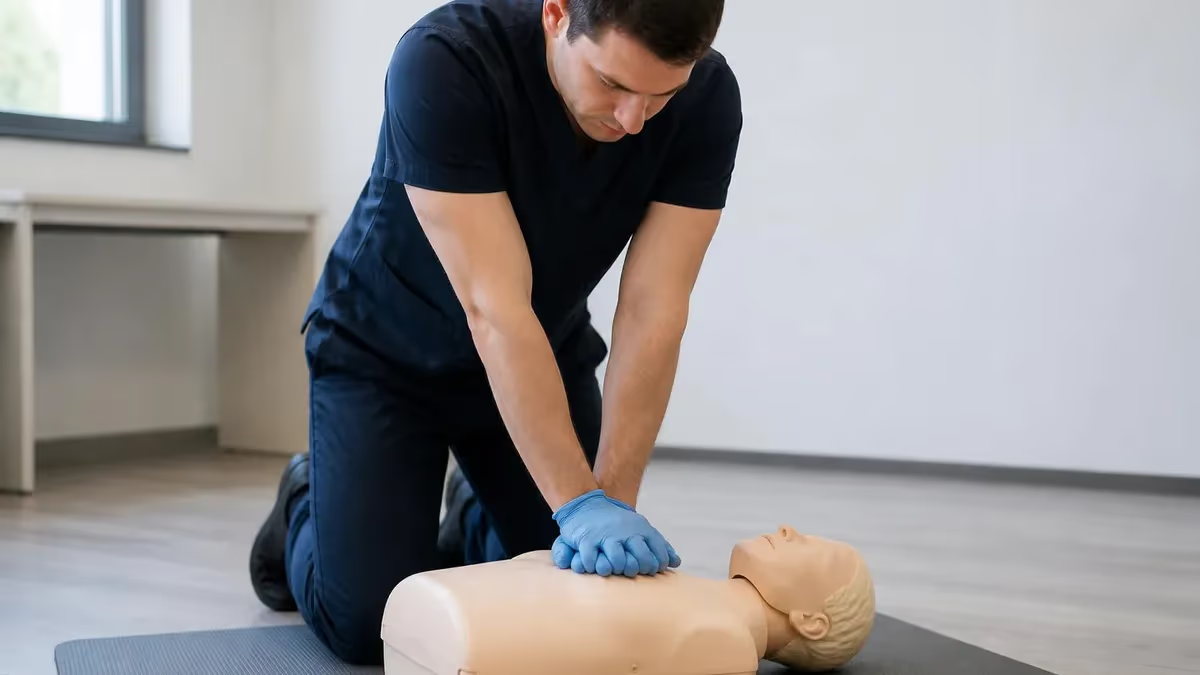
Knowing how to give a bird CPR — or any animal CPR — can mean the difference between life and death when your pet collapses, drowns, chokes, or stops breathing. While the acls algorithm was designed for human cardiac arrest, the underlying principles of circulation, airway management, and rescue breathing translate remarkably well to companion animals. Veterinarians have adapted these protocols into the RECOVER (Reassessment Campaign on Veterinary Resuscitation) guidelines, which form the gold standard for cardiopulmonary resuscitation in dogs, cats, rabbits, ferrets, and even small birds like parakeets and cockatiels.
Animal CPR differs from human CPR primarily in compression location, depth, and rate based on body size. A Chihuahua requires fingertip compressions at 100 to 120 per minute, while a Great Dane needs full hand-over-hand pressure similar to adult human CPR. Birds present the greatest challenge because their hollow bones, delicate keel structure, and unique respiratory anatomy demand featherweight pressure and an entirely different breathing technique using closed-beak insufflation rather than mouth-to-snout ventilation.
The most common scenarios requiring pet resuscitation include drowning in backyard pools, electrocution from chewed cords, anaphylactic reactions to bee stings, choking on small toys or food, smoke inhalation from house fires, severe trauma from car accidents, and complications from anesthesia. According to the American Veterinary Medical Association, only about six percent of pets that receive CPR survive to hospital discharge — but that number jumps significantly when bystander resuscitation begins within the first minute of cardiac arrest.
Before you touch the animal, ensure your own safety. A frightened or hypoxic pet may bite reflexively even when unconscious. Check for danger sources like exposed wires, swimming pools, or aggressive companion animals nearby. Then perform a primary assessment: tap the animal firmly, call its name, and look for chest movement, gum color, and pulse at the femoral artery (inner thigh) for dogs and cats, or by gently pressing the chest wall for birds.
Time matters enormously. Brain damage begins within four minutes of oxygen deprivation, and irreversible injury occurs around six to ten minutes. This guide walks you through species-specific compression depths, rescue breathing techniques, the modified two-minute cycle, and exactly when to stop CPR and rush to the emergency veterinarian. We'll also cover prevention, post-resuscitation care, and how to assemble a basic pet emergency kit so you're never caught unprepared.
Whether you're a pet parent, a wildlife rehabilitator, an animal shelter volunteer, or simply someone who found an injured creature on the roadside, the techniques below could save a life. The information mirrors what veterinary professionals teach in continuing education modules and what organizations like the national cpr foundation reference when discussing extended applications of resuscitation science beyond human patients.
One important caveat upfront: animal CPR is a bridge to professional care, not a substitute for it. Even if you achieve return of spontaneous circulation (ROSC), the underlying cause — toxin, trauma, cardiac disease, or metabolic crisis — still needs urgent veterinary diagnosis. Call your emergency vet while performing CPR if possible, or have someone else drive while you continue compressions in transit.
Animal CPR by the Numbers

Animal CPR Step-by-Step Timeline
Safety & Assessment
Open the Airway
Begin Compressions
Deliver Rescue Breaths
Reassess Every 2 Minutes
Transport to Veterinarian
Compression depth and hand placement vary dramatically across species, and getting this wrong can either fail to circulate blood or cause catastrophic rib and organ damage. For medium and large dogs over 22 pounds, place the animal in right lateral recumbency and compress the widest part of the chest with two hands stacked, locked elbows, and your shoulders directly over your hands — almost identical to adult human technique. Push down one-third to one-half the chest width, which translates to roughly two to four inches depending on breed.
For small dogs, cats, and puppies under 22 pounds, switch to a one-handed technique. Wrap your dominant hand around the chest with the thumb on one side and fingers on the other, directly over the heart (just behind the elbow). Squeeze rhythmically at 100 to 120 compressions per minute. The rate matches the same beat used for infant cpr in humans — songs like "Stayin' Alive" or "Baby Shark" provide a useful tempo guide. Allow complete recoil between compressions so the heart refills with blood.
Cats deserve special mention because their chest walls are highly compliant and easy to over-compress. Use the wraparound thumb-and-finger technique with moderate pressure. Excessive force fractures ribs, punctures lungs, and worsens the prognosis. Aim for a depth of about one inch on an average ten-pound cat. Brachycephalic cats like Persians and exotics need extra airway attention because their flat faces predispose them to upper airway obstruction.
Birds require an entirely different approach. The heart sits beneath the keel bone (sternum) and is sandwiched between two large pectoral muscles. For parrots, cockatiels, and similar-sized birds, place the bird on its back and use one or two fingers to compress the keel downward at 40 to 100 compressions per minute depending on body size. Smaller birds need faster rates. The depth is just a few millimeters — think gentle taps, not thrusts. Excessive pressure crushes air sacs and ruptures the liver.
For reptiles, CPR is exceptionally challenging because their slow metabolism and unique cardiovascular anatomy mean traditional compressions are less effective. However, gentle pressure on the heart region (located behind the front limbs in lizards, between the front limbs in turtles) at 10 to 20 compressions per minute can sometimes restore circulation. Rabbits and ferrets use techniques similar to small dogs and cats, with the wraparound thumb-and-finger method working well for these prey species.
One concept worth borrowing from human resuscitation is the importance of high-quality compressions over interruptions. Just as instructors emphasize during pals certification courses, every pause to check pulse or switch rescuers reduces coronary perfusion pressure to zero and forces you to start rebuilding it. Keep compression interruptions under ten seconds, switch rescuers every two minutes to prevent fatigue, and avoid leaning on the chest between compressions so it can fully recoil.
Hand position errors are the most common technical mistake. Compressing too far forward (over the throat) or too far back (over the abdomen) wastes effort and damages organs. The correct landmark for dogs and cats is the widest point of the chest, directly over the heart. For deep-chested breeds like Greyhounds and Doberman Pinschers, compress over the sternum instead because the heart sits lower. For barrel-chested breeds like English Bulldogs, lay them on their back and compress straight down on the sternum.
CPR Practice Test Questions
Prepare for the CPR Cardiopulmonary Resuscitation Practice exam with our free practice test modules. Each quiz covers key topics to help you pass on your first try.
CPR Basic CPR
CPR Exam Questions covering Basic CPR. Master CPR Test concepts for certification prep.
CPR and First Aid
Free CPR Practice Test featuring and First Aid. Improve your CPR Exam score with mock test prep.
CPR (Cardiopulmonary Resuscitation) Adult ...
CPR Mock Exam on (Cardiopulmonary Resuscitation) Adult CPR and AED Usage. CPR Study Guide questions to pass on your first try.
CPR (Cardiopulmonary Resuscitation) Airway...
CPR Test Prep for (Cardiopulmonary Resuscitation) Airway Obstruction and Choking. Practice CPR Quiz questions and boost your score.
CPR (Cardiopulmonary Resuscitation) Cardio...
CPR Questions and Answers on (Cardiopulmonary Resuscitation) Cardiopulmonary Emergency Recognition. Free CPR practice for exam readiness.
CPR (Cardiopulmonary Resuscitation) Child ...
CPR Mock Test covering (Cardiopulmonary Resuscitation) Child and Infant CPR. Online CPR Test practice with instant feedback.
CPR (Cardiopulmonary Resuscitation) High-P...
Free CPR Quiz on (Cardiopulmonary Resuscitation) High-Performance Team Dynamics. CPR Exam prep questions with detailed explanations.
CPR (Cardiopulmonary Resuscitation) Legal ...
CPR Practice Questions for (Cardiopulmonary Resuscitation) Legal and Ethical Considerations. Build confidence for your CPR certification exam.
CPR for Specific Populations
CPR Test Online for for Specific Populations. Free practice with instant results and feedback.
CPR Airway & Breathing Management
CPR Exam Questions covering Airway & Breathing Management. Master CPR Test concepts for certification prep.
CPR Assessment & Recognition of Cardiac Ar...
Free CPR Practice Test featuring Assessment & Recognition of Cardiac Arrest. Improve your CPR Exam score with mock test prep.
CPR Chest Compressions & Defibrillation
CPR Mock Exam on Chest Compressions & Defibrillation. CPR Study Guide questions to pass on your first try.
CPR Post-Resuscitation Care & Recovery
CPR Test Prep for Post-Resuscitation Care & Recovery. Practice CPR Quiz questions and boost your score.
Species-Specific Techniques and Respiratory Rate
For dogs, the technique scales with body size. Lay the dog on its right side on a firm, flat surface — the floor works better than a soft couch. Place your hands at the widest part of the chest for round-chested breeds, or over the sternum for deep-chested breeds like Greyhounds. Compress at 100-120 per minute to a depth of one-third to one-half the chest width, allowing full recoil.
Give two rescue breaths after every 30 compressions. Close the mouth, extend the neck, and breathe firmly into the nose until you see the chest rise. Each breath should last one second. Watch out for gastric distension — if the abdomen inflates instead of the chest, you're blowing too hard or the airway is obstructed. The respiratory rate target during recovery breathing is 10 breaths per minute for medium and large dogs.

Should You Attempt Animal CPR? Pros and Cons
- +Provides any chance of survival when cardiac arrest occurs at home
- +Buys critical time during transport to the emergency veterinarian
- +Can prevent permanent brain damage if started within four minutes
- +Same fundamental skills used in human CPR transfer directly
- +Strengthens the human-animal bond through preparation and care
- +Most pet owners can learn proper technique in a single afternoon
- +Specialized RECOVER certification courses are available online and in-person
- −Untrained rescuers can fracture ribs or puncture lungs with excessive force
- −Bite injuries from reflexive responses occur in 4-8% of cases
- −Overall survival to hospital discharge remains low at around 6%
- −Birds and exotic pets require species-specific training most owners lack
- −CPR cannot reverse the underlying cause — toxin, trauma, or disease
- −Emotional toll on the rescuer can be significant regardless of outcome
Pre-CPR Assessment Checklist for Animals
- ✓Ensure the scene is safe from electrical, traffic, or environmental hazards
- ✓Approach the animal calmly and call its name to test responsiveness
- ✓Tap or gently shake to confirm unresponsiveness — no more than 5 seconds
- ✓Open the airway by extending the neck and pulling the tongue forward
- ✓Look, listen, and feel for breathing for no longer than 10 seconds
- ✓Check femoral pulse on inner thigh for dogs and cats
- ✓Assess gum color — pale, blue, or gray indicates poor oxygenation
- ✓Position the animal in right lateral recumbency on a firm surface
- ✓Call the emergency veterinarian or have someone else make the call
- ✓Begin compressions immediately if no pulse or breathing is detected
Compression-to-breath ratio stays consistent
Whether you're resuscitating a Yorkshire Terrier, a Maine Coon cat, or a cockatiel, the rhythm is the same: 30 chest compressions followed by 2 rescue breaths, repeated continuously. Only the depth, force, and breath volume change by species. This consistency makes the skill transferable and easier to remember under pressure.
Rescue breathing for animals follows the same physiological principles as human ventilation but with critical adjustments for anatomy. For dogs and cats, the technique is called mouth-to-snout resuscitation. Close the animal's mouth firmly with one hand, extend the neck to straighten the airway, place your mouth over the entire nose (not just one nostril), and exhale steadily until you see the chest rise. Each breath should take about one second. Two breaths follow every 30 compressions, mirroring human BLS.
Volume matters more than force. Blowing too hard causes barotrauma — alveolar rupture, pneumothorax, and gastric insufflation that pushes against the diaphragm and impairs further ventilation. For a 50-pound dog, the tidal volume should be roughly 500 mL, similar to a normal human exhale. For a 10-pound cat, it's only about 100 mL — a small puff. Calibrate by watching the chest: visible rise means adequate volume, dramatic abdominal expansion means too much.
For birds, never blow with full force. Avian respiratory systems include nine air sacs that extend into hollow bones, creating a unidirectional airflow unlike mammalian tidal breathing. Use tiny puffs through the beak, watching for the slightest body movement. The respiratory rate target is much higher: 40-60 breaths per minute for small birds, scaling down to 15-20 for large parrots. Over-inflation kills more rescued birds than under-inflation.
Reptiles and amphibians present unique challenges because their oxygen demands are lower, their hearts can survive longer ischemic periods, and their respiratory rates are much slower (sometimes one breath per minute at rest). For these patients, gentle positive-pressure ventilation through the glottis using a small syringe or carefully exhaled breath at 5-10 per minute can support oxygenation. Always seek immediate exotic veterinary care because reptile CPR success often depends on warming and species-specific drug interventions.
Life support after spontaneous circulation returns is just as important as the resuscitation itself. Post-cardiac arrest syndrome causes brain swelling, kidney dysfunction, and arrhythmias that can re-arrest the animal within hours. Once you have ROSC, transport immediately while monitoring breathing and pulse every minute. Keep the airway open, prevent aspiration by positioning the head slightly lower than the body, and maintain body temperature with a blanket or your own body heat (hypothermia is common after arrest).
Two-person CPR is significantly more effective than solo efforts when available. One person handles compressions while the other manages the airway and delivers breaths. Switch roles every two minutes to combat fatigue, which degrades compression quality within just 60-90 seconds in untrained rescuers. If you're alone, prioritize compressions over perfect ventilation — hands-only CPR still circulates the residual oxygen in the lungs for several minutes.
Documentation helps the receiving veterinarian. If possible, note the time of collapse, the time CPR began, what you witnessed (seizure, vomiting, choking, electrocution), any drugs or toxins the pet might have accessed, and how many cycles you completed before transport. This timeline is invaluable for guiding advanced resuscitation drugs like epinephrine, atropine, and lidocaine — medications only veterinary professionals can safely administer.

Chest compressions on a conscious, healthy pet can fracture ribs, bruise the heart, and cause severe pain. Practice only on stuffed animals, CPR mannequins, or veterinary training models. Never use a live pet to rehearse technique. If you want hands-on training, enroll in a RECOVER-certified course or a Red Cross Pet First Aid class with proper manikins.
Prevention beats resuscitation every time, and many cardiac arrests in pets are preventable with basic household awareness. Toxin ingestion accounts for a huge percentage of emergencies — xylitol in sugar-free gum and peanut butter causes fatal hypoglycemia in dogs within 30 minutes; chocolate, grapes, raisins, onions, garlic, and macadamia nuts cause severe organ damage; lily plants are lethal to cats from a single leaf nibble. Lock these items away as carefully as you would prescription medications, and keep the ASPCA Animal Poison Control number (888-426-4435) saved in your phone.
Electrocution from chewed cords is the leading cause of cardiac arrest in puppies under one year old. Use cord covers, bitter-apple spray, and supervised play to prevent this. Pool drowning kills thousands of dogs and cats annually — install ramps, teach swimming, and never leave pets unattended near water even if they "know how to swim." Heatstroke in cars or yards without shade is another major killer; never leave pets in vehicles even with windows cracked, and provide constant fresh water on hot days.
For birds, the most common preventable emergencies are non-stick cookware fumes (PTFE/Teflon poisoning kills within minutes), scented candles, aerosol sprays, secondhand smoke, ceiling fan injuries, and escape through open windows. Position bird cages away from kitchens, never use non-stick pans when birds are in the home, and clip flight feathers if escape is a risk. Maintain stable temperatures — small birds can die of hypothermia in drafty rooms or hyperthermia in direct sunlight.
Assemble a pet first aid kit before you need it. Essential items include sterile gauze, vet wrap, hydrogen peroxide (3% for inducing vomiting only when directed by a vet), saline solution, a digital thermometer, blunt-tipped scissors, tweezers, a muzzle (even friendly pets bite when in pain), a pet first aid manual, your veterinarian's phone number, the nearest 24-hour emergency hospital address, and a sturdy carrier or blanket for transport. For multi-pet households, include separate kits for dogs, cats, and exotic species.
Learn to take vital signs on your healthy pet so you know what's normal. Normal canine heart rate ranges from 60-140 bpm depending on size (smaller dogs are faster). Normal feline heart rate is 140-220 bpm. Bird heart rates range from 200-600 bpm depending on species. Take respiratory rate by counting chest movements for 15 seconds and multiplying by four. Healthy gum color is pink and moist with a capillary refill time under two seconds when pressed.
Consider formal training. The American Red Cross offers a Pet First Aid app and in-person classes covering CPR, choking, bleeding control, and shock management. Veterinary technicians can take advanced RECOVER certification, and some human cpr phone repair shops surprisingly host community pet first aid days (yes, despite the name — "cpr cell phone repair" is a chain that sometimes partners with local rescues for awareness events). Wildlife rehabilitators and bird rescue volunteers should pursue specialized avian first aid training through organizations like the Association of Avian Veterinarians.
Finally, know your pet's baseline. Familiarity with normal behavior, energy level, appetite, gum color, and breathing patterns helps you recognize trouble fast. Subtle signs like increased respiratory effort, exercise intolerance, fainting episodes, or sudden weakness can indicate underlying heart disease that predisposes to arrest. Annual veterinary exams with cardiac auscultation and bloodwork catch many conditions before they become emergencies. Pet insurance can ease the financial burden of emergency care, which often runs into thousands of dollars.
Practical scenarios help cement these skills. Imagine your Labrador collapses after eating a chocolate bar at a Halloween party. Within seconds: clear the room, lay him on his right side, check for breathing and femoral pulse, and begin 30 compressions if absent. Have a family member call the emergency vet and ASPCA Poison Control simultaneously. Continue cycles of 30:2 while someone drives. Bring the chocolate wrapper so the vet can calculate theobromine dose. Hands-only CPR is acceptable if you're alone and can't manage breaths effectively.
Another common scenario: a cockatiel falls from its perch and lies motionless on the cage floor. First, secure other pets and any heat sources. Gently pick up the bird with a towel to prevent reflexive biting. Check for breathing and heartbeat against your palm. If absent, place the bird on its back, deliver tiny compressions over the keel at 60-100 per minute with one finger, and puff air into the beak every 30 compressions. Transport in a warm, dark container — stress alone can kill a fragile bird, so quiet handling matters.
Drowning rescues require an extra step. After pulling a pet from water, hold it upside down by the hind legs (small dogs and cats) or angle the head downward (large dogs) for 10-15 seconds to drain water from the airway. Do not waste long minutes attempting this — get to compressions and breaths quickly. Hypothermia from cold water actually offers some neuroprotection, so don't give up on a cold, drowned pet too soon. Wrap in a warm blanket and continue CPR during transport.
Choking emergencies use modified Heimlich techniques. For small dogs and cats, hold the animal with its back against your chest and deliver firm abdominal thrusts just below the rib cage. For large dogs, position them upright with their back against your legs and thrust upward and inward at the soft abdomen. Look in the mouth between attempts — only sweep out a foreign object if you can clearly see and grasp it. Blind finger sweeps push objects deeper.
Anaphylactic reactions to bee stings, vaccines, or food allergens can cause respiratory and cardiac collapse within minutes. Symptoms include sudden facial swelling, hives, vomiting, weakness, and pale gums. If your pet has known allergies, ask your vet about prescription EpiPen-style injectors and learn the dose. CPR may be needed if collapse occurs before the medication takes effect. Always seek immediate veterinary care even if symptoms improve, because biphasic reactions can return hours later.
For elderly pets with known heart disease, discuss a resuscitation plan with your veterinarian in advance. Some owners choose DNR (do not resuscitate) orders for terminal patients to prevent prolonged suffering. Others want maximum intervention. Knowing your wishes ahead of time prevents agonizing decisions during a crisis. Keep these instructions written and accessible to pet sitters, dog walkers, and emergency contacts.
Remember that emotional preparation matters too. Performing CPR on a beloved pet is intensely stressful, and many owners freeze in panic. Mental rehearsal — actually picturing yourself going through the steps — improves response time dramatically. Veterinary professionals practice CPR drills regularly for exactly this reason. The same psychological principles taught in human emergency response apply equally when the patient has fur, feathers, or scales.
CPR Questions and Answers
CPR Card Lookup: How to Verify, Replace, and Access Your CPR Certification in 2026
Adult CPR: Complete Step-by-Step Guide to Hands-Only and Standard CPR in 2026

CPR - Cardiopulmonary Resuscitation: Complete Study Guide 2026
Inappropriate CPR Songs: What Not to Play, Why It Matters, and Better Beat-Per-Minute Alternatives
AHA CPR Recertification: How to Recertify CPR Online with the American Heart Association in 2026
About the Author

Registered Nurse & Healthcare Educator
Johns Hopkins University School of NursingDr. Sarah Mitchell is a board-certified registered nurse with over 15 years of clinical and academic experience. She completed her PhD in Nursing Science at Johns Hopkins University and has taught NCLEX preparation and clinical skills courses for nursing students across the United States. Her research focuses on evidence-based exam preparation strategies for healthcare certification candidates.
Join the Discussion
Connect with other students preparing for this exam. Share tips, ask questions, and get advice from people who have been there.
View discussion (5 replies)