
CPR Certification Near Me — Complete Guide (2026)
CPR certification near me: find AHA, Red Cross & hospital classes in Atlanta, Austin, Tampa, Phoenix, Dallas + more. Costs, free options, what to avoid. 💯
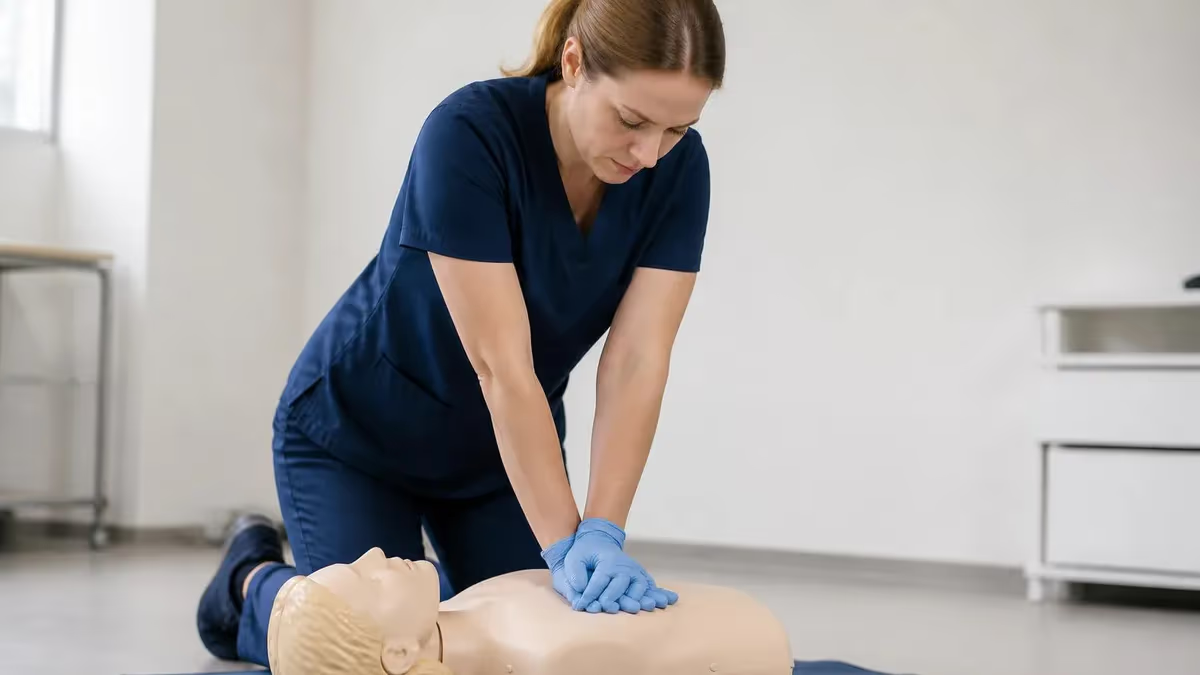
CPR Certification Near Me — How to Find a Legit Class
Short answer: the closest valid CPR class is probably at a hospital, fire station, or community college within 10 miles of you. The trick is knowing where to look — and how to tell a real American Heart Association (AHA) or American Red Cross course from one of the dozens of scammy online-only sites that print fake cards. Practice with the free CPR practice test on PracticeTestGeeks (7 questions with answer explanations).
Here's the thing: a CPR card only counts if it's issued by a recognized training organization with a real instructor signature and a Training Center number. Anything else — even if it looks official — will get rejected at your employer's HR check. That's the rule. No exceptions.
This guide walks you through six concrete ways to find a class within driving distance, what each costs, which city has the best options, and a checklist to verify any provider before you pay.
6 Ways to Find CPR Classes Close to Home
You don't need a paid directory. Every legit provider runs a free location-based search tool. Try these in order — start with the AHA finder, then move down if nothing's available within your radius.
1. AHA Class Finder. Go to heart.org/findacourse and enter your ZIP. The map shows in-person Heartsaver, BLS, and ACLS classes within whatever radius you set. Filter by course type, language, and date. This is the gold standard — anyone listed here is an authorized AHA Training Center. It's the same search hospital HR departments use.
2. Red Cross Locator. redcross.org/take-a-class works the same way. Red Cross issues digital certificates that hospitals and most employers accept. Their classes often run on weekends, which beats AHA in some markets.
3. Local Hospitals. Most large hospitals run community CPR classes — sometimes free, sometimes $25–40. Call the patient education line and ask. Hospitals are the most reliable in-person option because the instructors are usually full-time nurses or paramedics who teach the same curriculum to their staff.
4. Community Colleges. Search your local community college's continuing education catalog for "CPR" or "BLS." Most run rolling Saturday classes for $50–75 with the card included. Great option if you also want a Heartsaver First Aid combo.
5. Fire Departments. Many city fire departments run free quarterly community classes — Hands-Only CPR or full Heartsaver. Check your fire department's public events page or call non-emergency dispatch. Free. Walk-in. Card issued same day in most cases.
6. Workplace HR. If your employer requires CPR (healthcare, daycare, fitness, hospitality), HR almost always covers the cost. Ask before you pay out of pocket. Some employers also let family members tag along to in-house sessions.
Quick tip on the AHA finder: zoom out the map. The default radius is 10 miles, which misses good options in the next town over. Bump it to 25 or 50 miles and you'll often spot a Saturday class at a community college you didn't know existed. Some of the best Heartsaver instructors teach at smaller community-college campuses because the pay is steady and the groups are small.
You can continue preparing with the free cpr practice test, which includes answer explanations for every question.
Free CPR Study Tools
Interactive CPR resources on PracticeTestGeeks, free to start:
- CPR Airway Management and Rescue Breathing 1 — 7 questions with answer explanations
- CPR flashcards — review key terms and concepts card by card
- CPR study guide — topic-by-topic overview of what the exam covers
- CPR cheat sheet — one-page printable summary for last-minute review
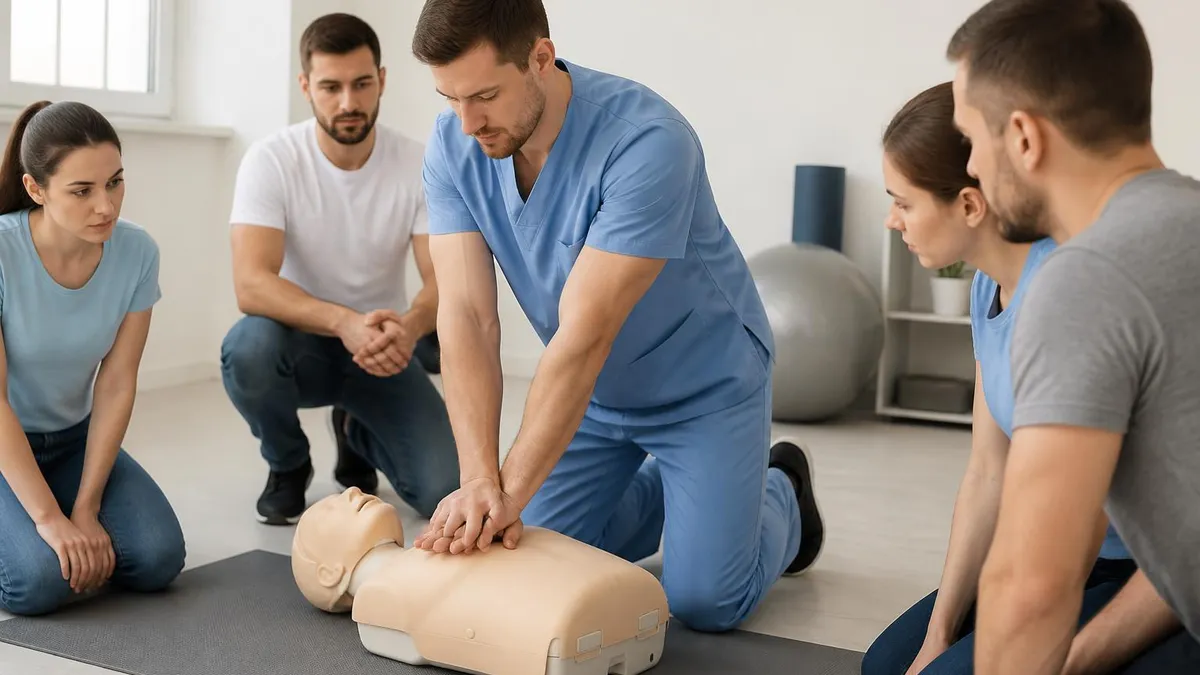
Class Finder Comparison
- Website: heart.org/findacourse
- Best For: Healthcare BLS, ACLS, PALS
- Typical Cost: $60–90 (BLS)
- Card Type: AHA eCard
- Website: redcross.org/take-a-class
- Best For: General public, workplace
- Typical Cost: $70–110
- Card Type: Digital certificate
- How to Find: Call patient education line
- Best For: Community classes
- Typical Cost: Free–$40
- Card Type: AHA (most hospitals)
- How to Find: Local FD events page
- Best For: Hands-Only CPR
- Typical Cost: Free
- Card Type: Certificate of completion
How to Verify a CPR Provider Before You Pay
Every year, thousands of people pay $20 online, print a card, and find out at orientation that it's worthless. Don't be one of them. Here's exactly what a real CPR certification card has — and what to ask any provider before booking.
An AHA card has four things: the AHA logo, the course name (Heartsaver CPR/AED, BLS, ACLS, etc.), an instructor's signature, and a Training Center ID number. If you can find that Training Center number on aha.org's TC search, it's real. If you can't, it's a fake — period.
Red Cross digital certificates work a little differently. They have a unique verification code you can check at redcross.org/take-a-class/digital-certificate. Employers run this code to confirm authenticity. No code, no certification.
Watch for the words "in-person skills check" in the course description. The AHA and Red Cross require hands-on practice on a manikin for any card-issuing course at Heartsaver level or higher. A class that's 100% online with no skills test is not real BLS or Heartsaver. It might be a knowledge refresher — fine for personal review — but it cannot legally certify you for a workplace requirement.
Ask one more question before paying: "Will the card be mailed or emailed within 20 business days?" The AHA mandates this turnaround. If the provider hedges or says "download it now," that's a fake site. Real cards take time because the Training Center has to log your class with AHA's national database first. Patience here protects you. For more on this, see our complete CPR training walkthrough and the American Heart Association CPR guide.
Provider Verification Checklist
- ✓AHA Training Center number visible on the card (verify at aha.org TC search)
- ✓Instructor name and signature on the certificate
- ✓Course title matches what you need (Heartsaver vs BLS vs ACLS)
- ✓In-person skills check required (hands-on manikin practice)
- ✓Card mailed or emailed within 20 business days
- ✓Class meets minimum hours (Heartsaver 2–3hr, BLS 3–4hr, ACLS 12–16hr)
- ✓Provider listed on heart.org/findacourse OR redcross.org locator
- ✓Refund policy clearly stated for cancellations
What CPR Certification Actually Costs in 2026
Prices vary more than people think — same course, same city, $30 to $150 depending on who's teaching. Here's the honest breakdown.
Heartsaver CPR/AED ($30–50). This is the entry-level public course. Two to three hours. Covers adult CPR, AED use, and choking. Card valid two years. Required for daycare workers, personal trainers, lifeguards, and most non-clinical workplace roles. The cheapest real Heartsaver class in the country runs about $25 at some fire department community programs. The most expensive maxes out around $75 at name-brand training centers in coastal cities.
BLS for Healthcare Providers ($60–90). Required for nurses, EMTs, dental hygienists, and clinical students. Three to four hours. Covers everything Heartsaver does, plus two-rescuer CPR, infant CPR, bag-valve-mask ventilation, and team dynamics. AHA BLS cards run $70 average. Skip the online-blended option if your employer requires "traditional BLS" — some hospitals don't accept blended cards.
ACLS / PALS ($190–300). Advanced Cardiac Life Support and Pediatric Advanced Life Support are for ICU nurses, ER staff, paramedics, and physicians. Two-day courses, includes pharmacology and rhythm interpretation. Renewals run $150–200 and take one day. If you already have current BLS, an ACLS Update course is cheaper than an Initial.
Discounts to know: some hospitals waive the fee for employees and contractors. Many community colleges fold CPR into a wider certification (CNA, EMT, lifeguard) at no extra cost. Group rates kick in at 6+ people — useful for office teams.
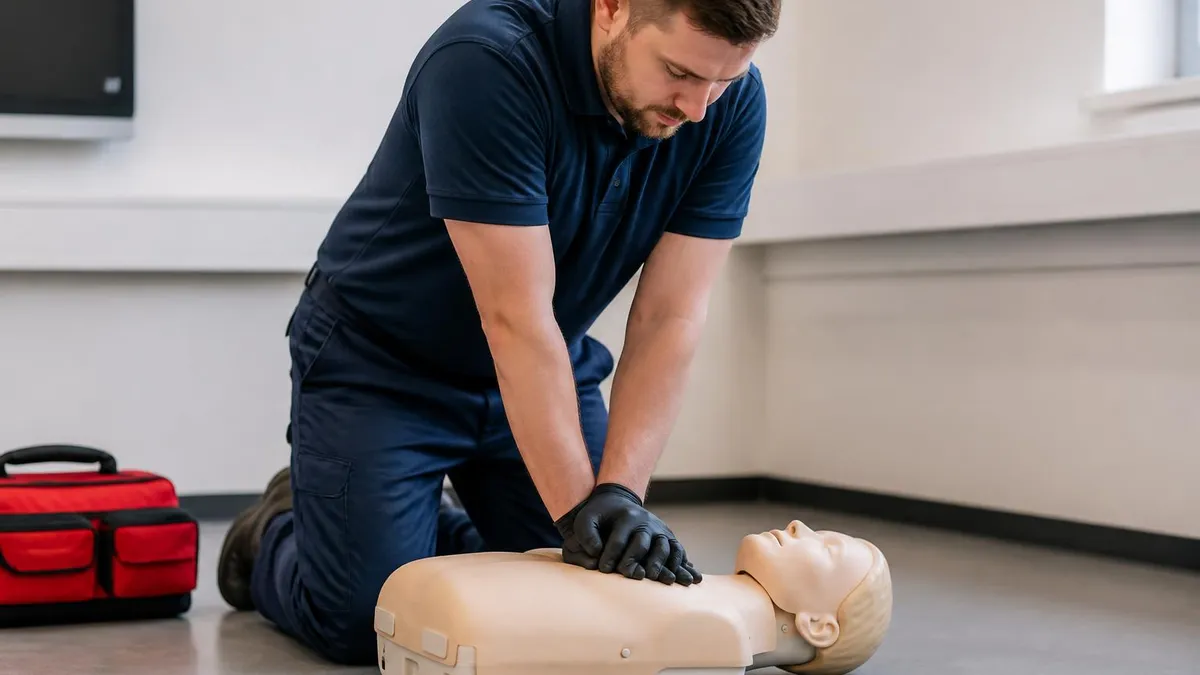
CPR Course Pricing Breakdown
Free CPR Training Options That Actually Exist
Free CPR training is real — but with one catch. Most free programs teach Hands-Only CPR, which is excellent training but doesn't issue a workplace certification card. If you just want to learn CPR to help your family or neighbors, free is great. If you need a card for a job, expect to pay.
Fire departments run the best free programs. Departments in Atlanta, Phoenix, Austin, Dallas, Tampa, and most other major US cities offer quarterly Hands-Only sessions, no registration, walk-in welcome. The American Heart Association funds many of these through the Heart Walk program. Sessions run about 30 minutes — chest compressions only, no rescue breaths, no manikin certification.
The AHA also offers a free 1-minute CPR video and free downloadable Hands-Only training materials at cpr.heart.org. Use these to refresh between certifications or to teach kids at home.
Workplace-paid is the other "free" route. If your job requires CPR — fitness, childcare, healthcare, hospitality — the employer almost always pays. Ask HR before you book on your own. Some employers will also pay for family members to attend in-house classes when there's space. Worth asking. For more options, see our CPR certification online guide.
Free vs Paid CPR Options
Fire department Hands-Only CPR, AHA video tutorials, library workshops, and community health fairs. Great for personal preparedness. Limitation: No card issued. Cannot satisfy any workplace certification requirement.
CPR Certification in Major US Cities — Where to Look
The right class for you depends partly on where you live. Healthcare-heavy cities have more BLS options; smaller markets lean toward Red Cross and community college Heartsaver. Here's a city-by-city rundown of where locals book classes.
Atlanta, GA
Atlanta CPR Group and Atlanta CPR & First Aid both run weekend Heartsaver and BLS classes near Buckhead and Midtown — average wait under two weeks. Children's Healthcare of Atlanta hosts AHA BLS for community healthcare workers on Wednesdays at the Egleston campus. Grady Hospital runs free community CPR through their Injury Prevention program.
Austin, TX
The AHA Travis County office maintains a current class schedule at heart.org/austin. ATX CPR and CPR Austin both have walk-in Saturdays downtown — Heartsaver $45, BLS $75. UT Austin's School of Nursing runs BLS for students and the public twice a month.
Tampa, FL
Tampa General Hospital's education center runs the highest-volume AHA program in central Florida — Heartsaver, BLS, ACLS, PALS, all on rolling schedules. USF Health is the other go-to for healthcare students. CPR Tampa Bay covers the suburbs from Brandon to St Pete.
Salt Lake City / Utah
Intermountain Healthcare's education center at LDS Hospital runs the busiest CPR program in Utah — BLS three days a week, ACLS monthly. University of Utah Health is the second option for healthcare professionals. Smaller communities along the Wasatch Front (Provo, Ogden, Logan) have Red Cross weekend classes.
Baton Rouge, LA
LSU Health is the main healthcare provider program. Our Lady of the Lake Hospital runs community Heartsaver. CPR Baton Rouge handles non-clinical bookings — workplace groups, daycares, gyms. Pennington Biomedical Research Center runs an occasional public BLS class twice a year — register through the campus continuing education office. Worth checking if hospital schedules are full.
Common pattern across all these cities: the major hospital is your most reliable AHA option, the local Red Cross chapter is your fallback, and a community college fills the budget gap. Skip third-party "CPR centers" with no physical address — those are usually fronts for the same fake online operations covered later in this guide.
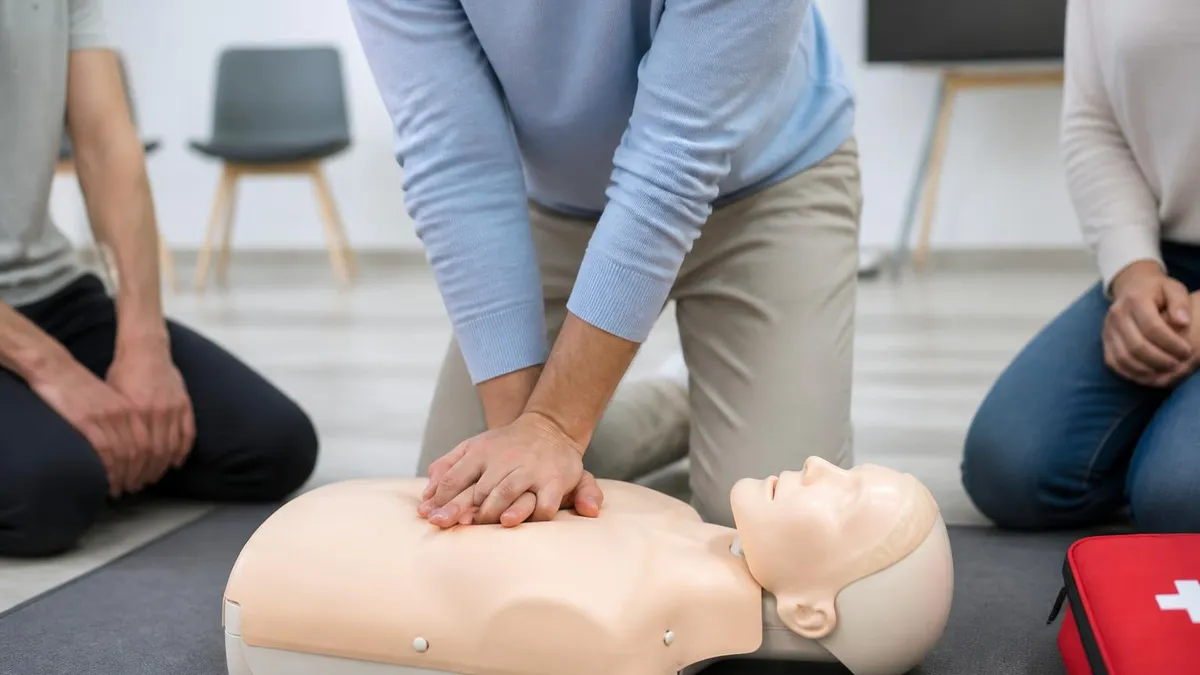
CPR by the Numbers (2026)
More Cities: Charlotte to Phoenix
Charlotte, NC
Atrium Health (formerly Carolinas HealthCare) runs the largest AHA Training Center in the Carolinas — BLS, ACLS, PALS, Heartsaver. Novant Health Presbyterian is the second option. CPR Charlotte handles community and corporate bookings; weekend classes start around $50.
Charlottesville, VA
UVA Health is the main provider — BLS three times a week, ACLS monthly. Sentara Martha Jefferson runs Heartsaver community classes. Piedmont Virginia Community College offers low-cost CPR through its workforce program.
Cleveland, OH
Cleveland Clinic's education center runs hundreds of BLS and ACLS sessions a month — open to the public as well as staff. MetroHealth and University Hospitals both run AHA programs. CPR Cleveland Heights handles workplace groups in the eastern suburbs.
Dallas, TX
Methodist Health System runs BLS and Heartsaver across all DFW campuses. Parkland Health (the county hospital) runs free community CPR through its Community Outreach program — registration required. UT Southwestern hosts BLS and ACLS for clinical staff and students.
Jacksonville, FL
UF Health Jacksonville runs the largest AHA program in northeast Florida. Mayo Clinic Jacksonville also offers BLS and ACLS. CPR Jacksonville books weekend Heartsaver at the Town Center for $45.
Kansas City, MO
Saint Luke's Health System and KU Med (University of Kansas Medical Center) are the dominant AHA Training Centers — both sides of the state line. Children's Mercy hosts PALS. CPR Kansas City handles non-clinical groups.
Phoenix, AZ
Banner Health runs more CPR classes than anyone else in Arizona — Heartsaver, BLS, ACLS, PALS at multiple campuses including Banner University Medical Center. HonorHealth is the runner-up. CPR Phoenix and Arizona CPR both run weekend Heartsaver for the public.
Raleigh, NC
Duke Health (Durham/Raleigh) and UNC REX Healthcare are the two main AHA Training Centers. WakeMed runs community Heartsaver. NC State and Wake Tech Community College offer BLS for students. If you need a renewal, see our CPR renewal page.
How to Pick Between Two Local Options
If your search returns three or four valid classes nearby, narrow them like this. First, match the course type exactly to what your employer requires — Heartsaver and BLS are not interchangeable, and the wrong card means a retake. Second, check whether the card type is AHA or Red Cross; some hospital systems only accept AHA. Third, look at the cancellation policy. Real Training Centers have a 48-hour cancellation window; sketchy operators charge full price for no-shows even with a doctor's note.
One last tip: read recent Google reviews specifically for the instructor's name. CPR classes live and die by the instructor. A great instructor turns a four-hour BLS into a fast, engaging session you'll actually remember during an emergency. A bad one makes it feel like a DMV waiting room. Reviews tell you which is which before you book.
In-Person vs Blended (Online + Skills Check)
- +In-person: complete in one sitting — class + skills check + card same day
- +In-person: instructor catches technique errors immediately
- +In-person: easier to ask questions about real workplace scenarios
- +In-person: card mailed within 20 business days, no extra step
- +Blended: cheaper ($40 vs $70 for Heartsaver) in some markets
- +Blended: schedule flexibility — finish coursework anytime
- −In-person: harder to find weekend slots in small markets
- −In-person: full class can run 4 hours including breaks
- −Blended: requires separate skills check appointment — two visits
- −Blended: some hospitals don't accept blended BLS for clinical staff
- −Blended: online portion easy to rush — less practice time
- −Blended: limited to AHA — Red Cross has phased out most blended options
Pros and Cons at a Glance
| Pros | Cons |
|---|---|
| In-person: complete in one sitting — class + skills check + card same day | In-person: harder to find weekend slots in small markets |
| In-person: instructor catches technique errors immediately | Blended: requires separate skills check appointment — two visits |
| In-person: easier to ask questions about real workplace scenarios | Blended: some hospitals don't accept blended BLS for clinical staff |
| Blended: schedule flexibility — finish coursework anytime | Blended: online portion easy to rush — less practice time |
What to Expect on Class Day
Arrive 15 Minutes Early
Watch the AHA Video Modules
Practice on Manikins
Skills Test (Pass/Fail)
Written Multiple-Choice Test
Card Issued (Email or Mail)
Course Duration — How Long Each CPR Class Takes
People underestimate this. A "two-hour" Heartsaver class often runs three with breaks and the skills test. Plan accordingly — show up late and the instructor may turn you away because the AHA mandates minimum class time.
Heartsaver CPR/AED: 2–3 hours. Two if the instructor is fast and the class is small; closer to three with a full group. Add 30 minutes if you're combining with Heartsaver First Aid.
BLS for Healthcare Providers: 3–4 hours initial, 2–3 hours renewal. The renewal is faster because you skip the lecture material and go straight to skills and the written test.
ACLS Initial: 12–16 hours over two days. Includes ECG rhythm interpretation, pharmacology, and team scenarios. Pre-course study materials usually mailed 2 weeks before class.
ACLS Renewal: 5–8 hours, one day. You'll need current BLS to register.
PALS: Same as ACLS — 12–16 hours initial, 5–8 renewal. Pediatric-focused.
What to Avoid: Fake "AHA" Online-Only Sites
Type "CPR certification near me" into Google and the first three ads are almost always sites that look official but aren't. They use phrases like "AHA-recognized," "AHA-compliant," or "meets AHA guidelines" — none of which mean what they sound like. Only "American Heart Association Training Center" actually means authorized.
The tell: if the site says you can finish the entire course online with no in-person skills check and get an instant printable card, it's a fake. Real AHA cards require a skills test on a manikin. Period. Same goes for Red Cross — their BLS and Heartsaver courses always include a hands-on component.
Common fake-site names rotate quickly, but warning signs stay the same: instant download, no instructor name, no Training Center number, lifetime certification (real cards expire in two years), and prices under $20. If your employer is reasonable, they'll reject these and you'll have to retake the real course anyway. Save yourself the $20 and the time. Need help deciding which course you actually need? See what does CPR stand for and Red Cross CPR certification for the basics.
One more red flag worth knowing about: any site that lets you skip directly to a final test without watching the training videos. Real AHA and Red Cross courses time-gate the videos — you cannot fast-forward past the chest compression demonstration or the AED walkthrough. If a site lets you breeze through in 10 minutes, walk away. The credential is worthless and the training was useless. Your employer's HR department has seen these fake cards hundreds of times and will spot them in seconds.
Bottom line on finding a real class near you: open heart.org/findacourse first, set the radius to 25 miles, sort by next available date. If nothing shows up within a month, try the Red Cross locator second. If both are empty, call the closest hospital's patient education line — they almost always have a community class even if it's not advertised online. Three searches, ten minutes total. That's the whole process.
The 30-second answer: Search heart.org/findacourse or redcross.org/take-a-class with your ZIP, sort by date, book in-person. Expect to pay $30–50 for Heartsaver, $60–90 for BLS. Always confirm the Training Center number on the card before leaving class. If you need free training and don't need a card, check your local fire department's events page for Hands-Only CPR sessions.
CPR Questions and Answers
Related CPR Resources
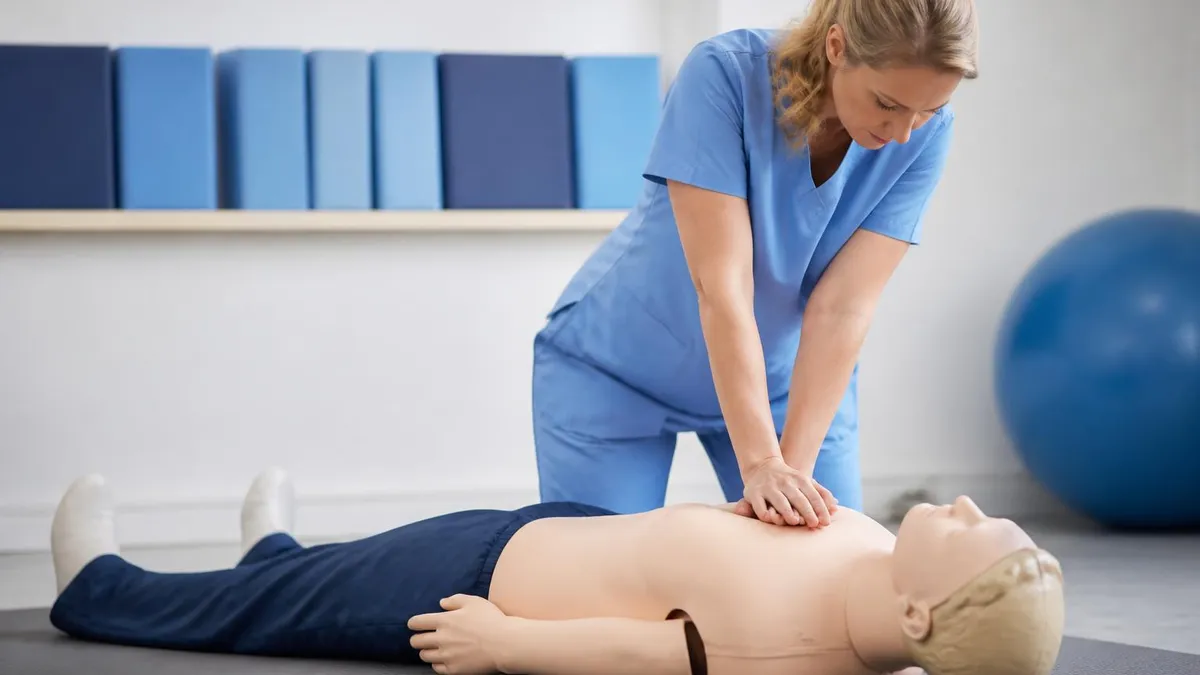
CPR Training: Classes, Certification, Online Courses, and Cost
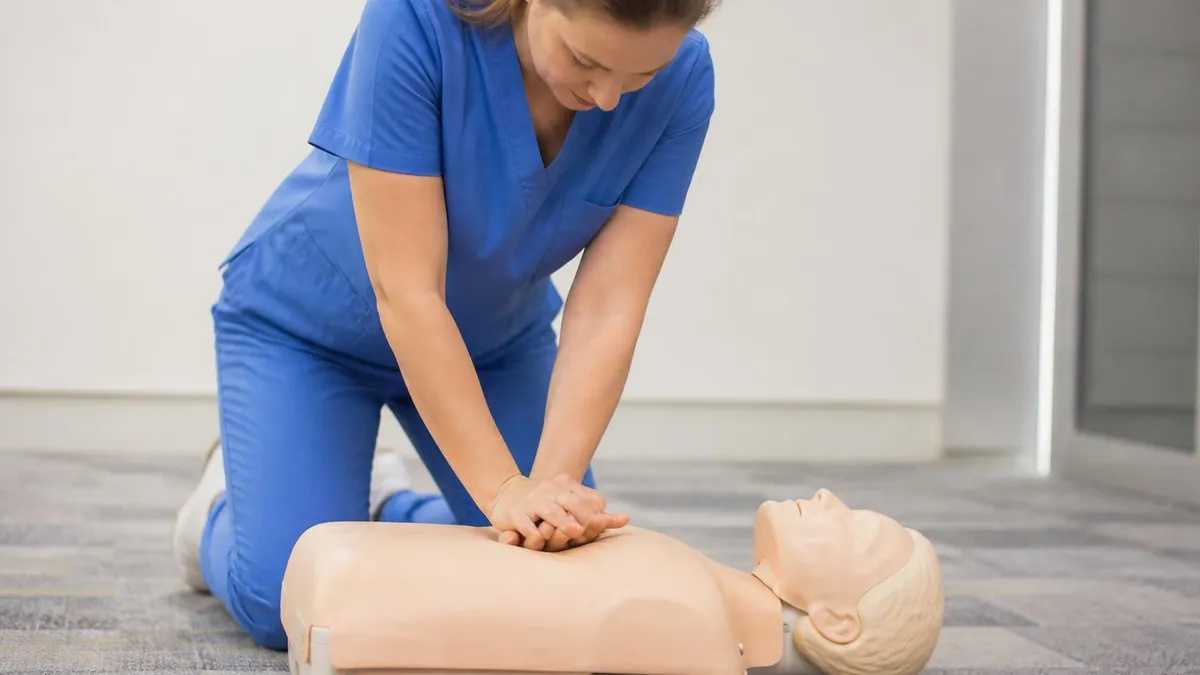
American Heart Association CPR Certification: Courses, Costs, and What to Expect
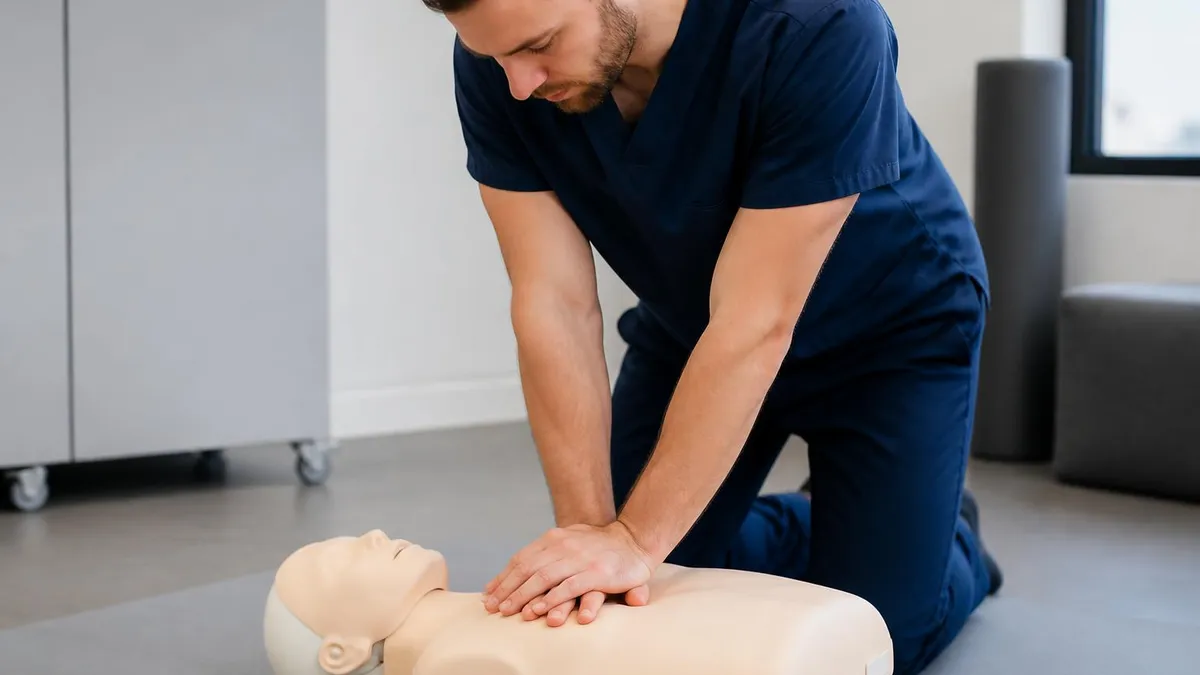
CPR Certification Online: How to Get Certified Fast in 2026
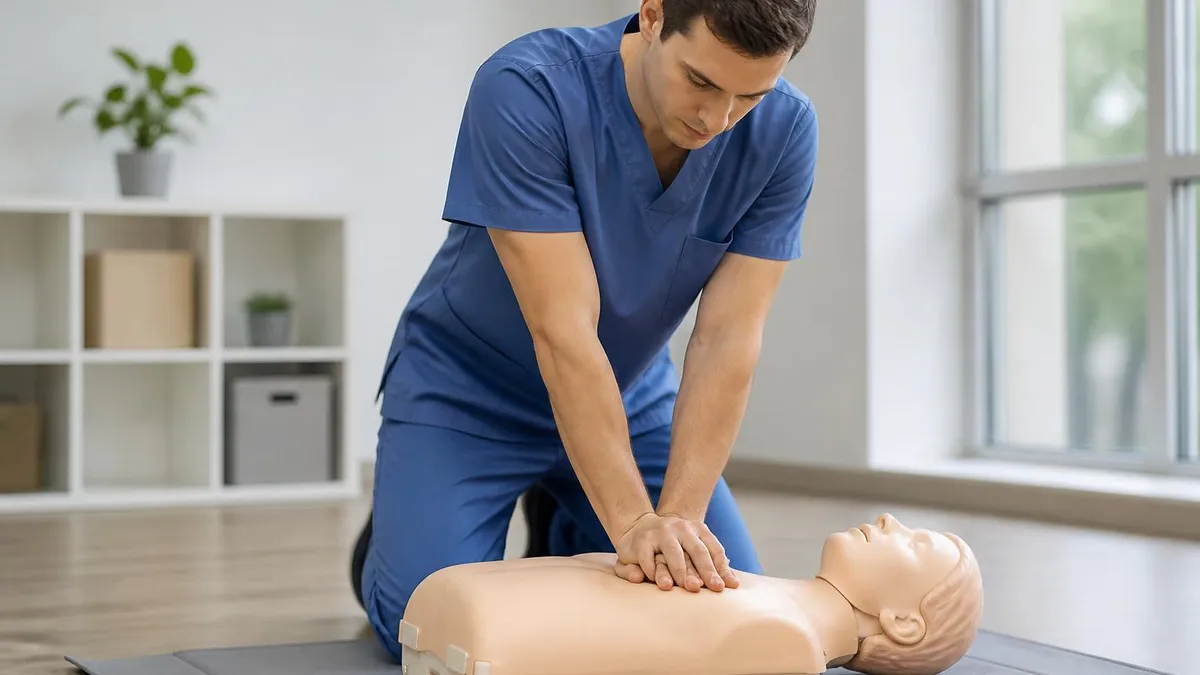
Red Cross CPR Certification: Cost, Classes & How to Get Certified
CPR Renewal Online: AHA, Red Cross and Blended Options
How this page was made: written with AI tools and published by Nathan Beja, founder of Practice Test Geeks, who is responsible for its content. Exam facts are checked against the official sources listed below. Not reviewed by a subject-matter expert. Editorial policy
Sources & references
Exam facts on this page (fees, format, dates, passing scores) are checked against these official sources; the date is our last check. Editorial policy
- shopcpr.heart.org — Test delivery · verified Oct 2026
- redcross.org — Test delivery, passing score, score validity · verified Oct 2026
- cpr.heart.org — Score validity · verified Oct 2026