
CNA in Utah: Certification, Registry, Training & Jobs Guide 2026
Pass your free cna practice test exam. Practice questions with detailed answer explanations for the 2026 exam. Start scoring higher today.

Utah's CNA workforce keeps growing — and if you're considering this career path, you've picked a state with real demand. Hospitals in Salt Lake City, urgent care clinics in Provo, and long-term care facilities across the Wasatch Front all need certified nursing assistants. The pay isn't bad either, especially once you've got a year or two under your belt.
One question that comes up constantly: how to transfer utah cna to idaho cna. It's a practical concern for anyone living near the border — and the process isn't as complicated as people assume. You'll need to verify your standing on the utah cna registry, submit an interstate endorsement application, and wait for Idaho's board to confirm your credentials. Most transfers clear in four to six weeks if your paperwork is clean.
This guide covers everything from initial certification steps to job markets in specific cities. Whether you're just starting out, relocating from another state, or looking to boost your earning potential — the information below will save you hours of searching. We've broken it down into sections so you can jump straight to what matters.
Utah requires 120 hours of approved training before you can sit for the state competency exam. That's split between classroom instruction and supervised clinical hours. Pass both the written and skills portions, and you're on the registry. Simple enough in theory — the execution takes real commitment.
The job market here favors CNAs right now. Facilities are short-staffed, which means better pay, signing bonuses at some locations, and more flexibility in scheduling. If you've been on the fence about getting certified, this is a good time to move forward.
CNA: upcoming dates and official changes
- Aug 1, 2026: Connecticut nurse aide exam pricing changed effective August 1, 2026 (bundled $125, written or oral $48, clinical skills $77).[3]
- Under federal rules, the CNA competency evaluation lets the aide choose between a written and an oral examination and also requires a skills demonstration.[1]
- A federally approved CNA training program must consist of no less than 75 clock hours, including at least 16 hours of supervised practical training.[2]
All verified CNA facts and sources
Numbers in brackets link to the official sources listed under Sources & last verified. Dates that have passed are removed automatically.
The utah cna registry is maintained by the Utah Nursing Assistant Registry through the Department of Health and Human Services. Every working CNA in the state must appear on this registry — no exceptions. Employers check it before extending job offers, and it's the first thing they verify during onboarding. Your listing includes certification status, any disciplinary actions, and expiration dates.
Getting your cna license utah requires passing the state competency exam after completing an approved training program. The exam has two parts: a written knowledge test and a clinical skills demonstration. You'll perform tasks like measuring vital signs, transferring patients, and demonstrating proper infection control techniques in front of an evaluator. Most candidates pass on their first attempt if they've put in the study time.
Finding quality training doesn't have to drain your savings. Several utah cna training centers offer affordable or even free programs — community colleges, vocational schools, and some healthcare facilities run state-approved courses throughout the year. Salt Lake Community College and Davis Technical College are two popular choices. Some nursing homes will train you for free in exchange for a work commitment after certification.
Your registry listing needs renewal every two years. You must have worked at least eight hours of paid nursing-related services during that period — and you can't have any substantiated findings of abuse, neglect, or misappropriation on your record. Miss the renewal window and you'll need to retake the competency exam. Don't let that deadline sneak up on you.
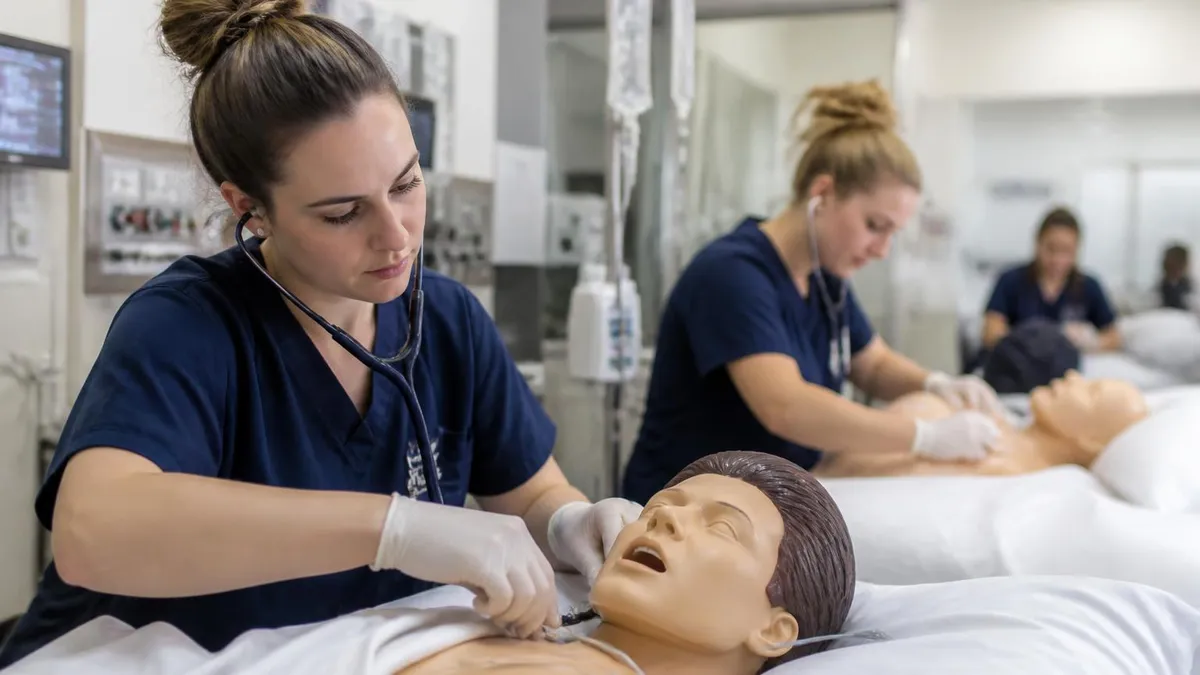
Earning your cna certification utah opens doors across the healthcare industry — but the path looks different depending on where you start. If you're a high school student, some districts offer CNA training through career and technical education programs. Adults switching careers can enroll in accelerated programs that compress the 120 hours into as few as four weeks. Either way, you'll need to be at least 16 years old and pass a background check.
The best utah cna training centers combine classroom theory with hands-on clinical rotations at real healthcare facilities. You're not just reading about patient care — you're doing it, under supervision, with actual patients. That clinical experience is what separates candidates who pass the skills exam on the first try from those who don't. Programs at Bridgerland Technical College, Mountainland Technical College, and several private schools in the Ogden area all have strong pass rates.
If you're already certified in another state, Utah accepts reciprocity applications. You'll submit proof of your current certification, pass a background check, and get added to the Utah registry — usually within three to four weeks. No need to retake the exam unless your certification has lapsed for more than two years.
Job hunting while still in training? Smart move. Many facilities hire CNA students as nurse aides in training, letting you earn while you learn. cna jobs salt lake city utah are especially plentiful at hospitals like Intermountain Health and University of Utah Health. Start looking early — positions fill fast during spring and fall graduation cycles.
CNA Training Pathways in Utah
Salt Lake Community College, Snow College, and Utah Valley University offer CNA programs ranging from 8 to 16 weeks. Tuition runs $800–$1,500 depending on the institution. Financial aid and Pell Grants apply at most locations. Class sizes are typically 15–20 students, which means more one-on-one time during clinical rotations. Evening and weekend schedules are available at most campuses.
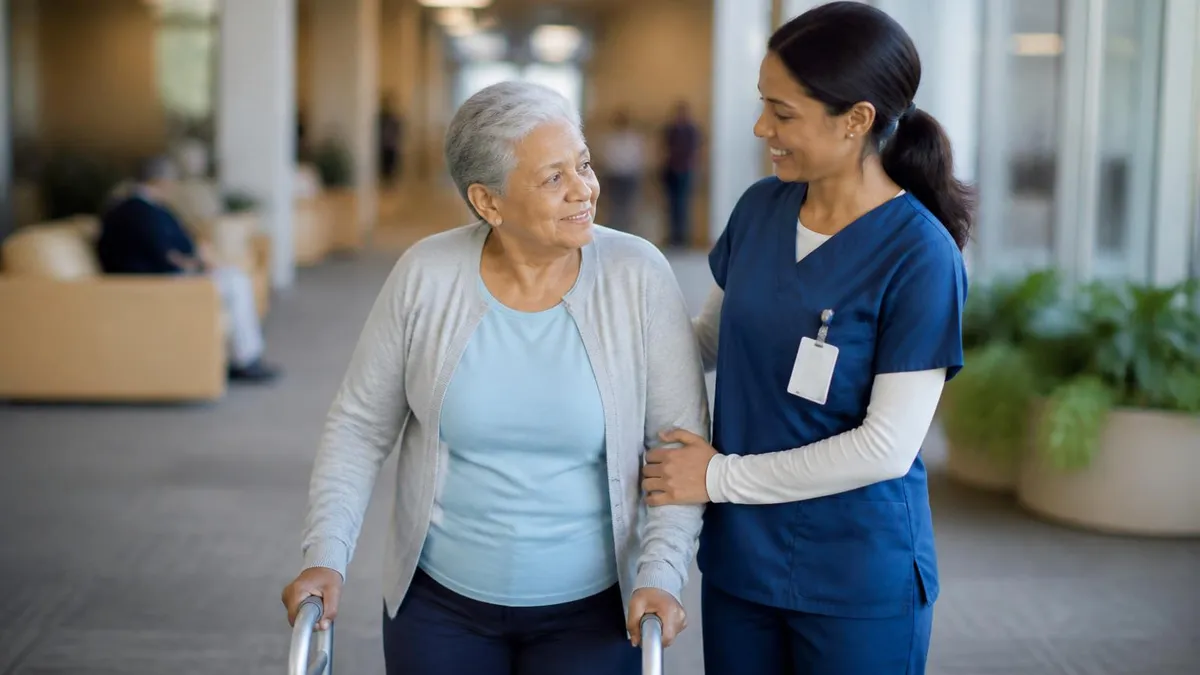
Working as a utah certified nursing assistant means you're part of the frontline care team. You'll assist patients with activities of daily living — bathing, dressing, eating, mobility. But the role goes beyond physical tasks. You're often the staff member who spends the most time with patients, which means you notice changes in condition that nurses and doctors might miss during brief check-ins.
The utah cna career path has clear advancement options. Many CNAs use the role as a stepping stone toward becoming an LPN or RN. Utah's nursing schools give preference to applicants with CNA experience, and some programs even waive prerequisite courses for certified nursing assistants. That's a real advantage if nursing school is your long-term goal.
Scope of practice in Utah is well-defined. CNAs can take vital signs, assist with range-of-motion exercises, collect specimens, and document patient observations. What you can't do: administer medications, perform sterile procedures, or make clinical judgments about patient care. Those boundaries exist for patient safety — and violating them puts your certification at risk.
Night shifts and weekend rotations are common, especially in your first year. Most facilities operate 24/7, and new hires typically get the less desirable shifts. Stick with it. Seniority brings better schedules, and experienced CNAs with strong attendance records have real use when negotiating hours. That first year is the hardest — after that, the job gets more manageable.
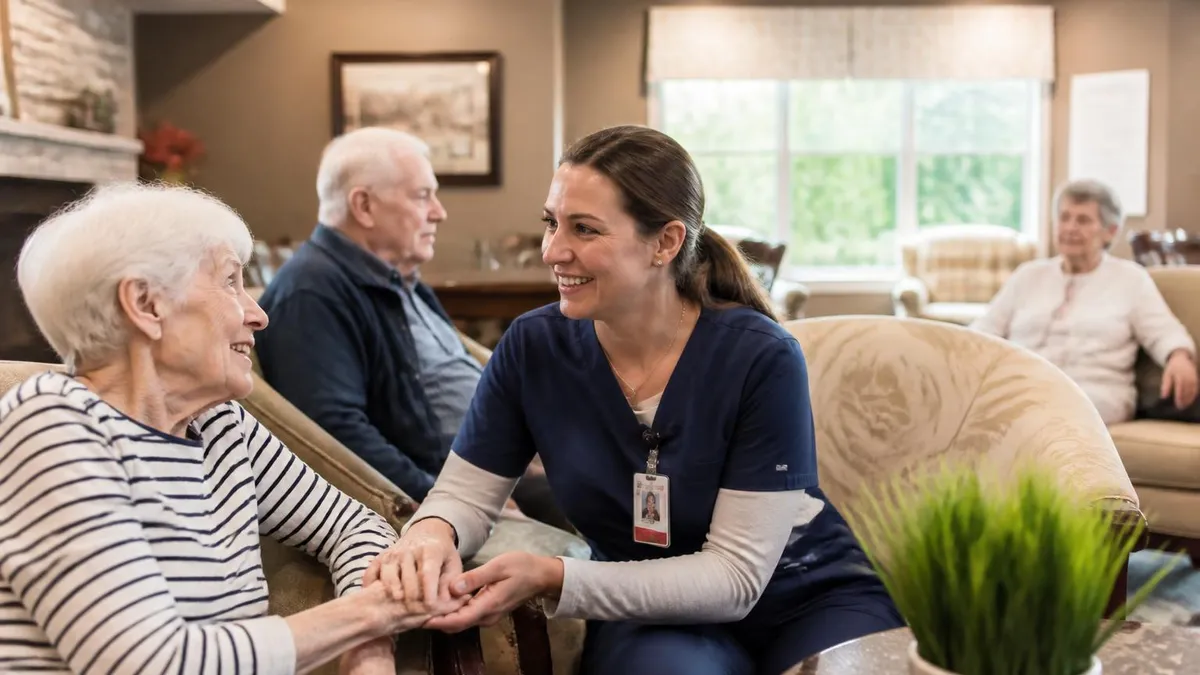
The job market for CNAs varies significantly by city. Cna jobs salt lake city utah dominate the listings — no surprise given that the metro area holds about 40% of the state's population. Intermountain Medical Center, University of Utah Hospital, and dozens of long-term care facilities in the Salt Lake Valley post openings regularly. Starting pay in Salt Lake City runs $15–$18 per hour, with experienced CNAs earning $20 or more.
Head north and you'll find cna jobs logan utah concentrated around Logan Regional Hospital and Cache Valley's assisted living facilities. Logan's cost of living is lower than Salt Lake City, which means your CNA paycheck stretches further — even if the hourly rate is a dollar or two less. Utah State University's proximity also creates demand for CNAs in campus-adjacent health clinics.
St. George and the southern Utah corridor are growing fast. Retirement communities and rehabilitation centers in Washington County need CNAs year-round, and the warm climate attracts healthcare workers who want to escape northern Utah winters. Pay rates in St. George have climbed to match Salt Lake City levels over the past two years as competition for workers intensified.
Rural areas like Vernal, Price, and Richfield face the most acute shortages. Facilities in these communities often offer housing stipends, higher base pay, and relocation bonuses to attract CNAs. If you're flexible on location, rural Utah can be financially rewarding — and the experience you gain in smaller facilities tends to be broader than what you'd get at a large urban hospital.
Pros and Cons of Being a CNA in Utah
- +Strong job market with openings statewide — facilities are actively recruiting
- +Multiple free and low-cost training programs through technical colleges and employers
- +Clear career advancement pathway to LPN and RN roles
- +Utah CNA certification transfers easily to neighboring states like Idaho and Nevada
- +Competitive pay increases over the past three years due to staffing shortages
- +Flexible scheduling options including per diem, part-time, and travel CNA positions
- −Starting pay of $14–$16/hour can be tight in higher-cost areas like Salt Lake City
- −Night shifts and weekend rotations are common for new CNAs
- −Physical demands — lifting, standing for 8–12 hour shifts — cause burnout
- −Emotional toll of working with seriously ill or end-of-life patients
- −Registry renewal requires documented paid work hours every two years
- −Scope of practice limits what you can do — some tasks require RN delegation
Looking for cna jobs utah? Start with the major healthcare systems. Intermountain Health is the state's largest employer of CNAs, with positions across 25+ hospitals and over 200 clinics. University of Utah Health, MountainStar Healthcare, and Steward Health Care also hire heavily. These systems offer benefits packages — health insurance, tuition reimbursement, retirement plans — that smaller facilities often can't match.
Before applying, verify your certification status through the utah cna license lookup portal. Employers will check this during hiring, and any discrepancies between your application and registry records create red flags. The lookup tool is free and public — you can search by name or certification number at the Utah Department of Health website. Takes about 30 seconds.
Staffing agencies are another viable path, especially if you want schedule flexibility. Companies like AMN Healthcare, Aya Healthcare, and local agencies like Millcreek Staffing place CNAs in short-term assignments across Utah. Per diem rates run $18–$25 per hour — higher than permanent positions — but you don't get benefits. Travel CNA assignments within Utah can pay even more, with housing stipends for assignments outside your home area.
Indeed, ZipRecruiter, and the Utah Department of Workforce Services job board are the three most productive places to search online. Set up alerts for your target cities. Don't overlook facility websites either — many hospitals post positions internally before listing them on job boards. Walking into a facility with a printed resume still works at smaller nursing homes and assisted living centers. Old school, but effective.
Utah CNA Certification Checklist
- ✓Research and select a state-approved CNA training program in your area
- ✓Verify you meet the minimum age requirement of 16 years old
- ✓Complete the criminal background check through Utah's Bureau of Criminal Identification
- ✓Enroll in and complete the full 120-hour training program (80 classroom + 40 clinical)
- ✓Submit your competency exam application through the approved testing provider
- ✓Pass the written knowledge portion of the state exam
- ✓Pass the clinical skills demonstration with an evaluator
- ✓Apply for placement on the Utah Nursing Assistant Registry
- ✓Receive your CNA certification confirmation and registry number
- ✓Set a calendar reminder for your two-year renewal deadline
If you're searching for cna jobs in utah, location matters — but so does the type of facility. Hospitals pay the best but demand the most. Long-term care facilities offer more predictable schedules. Home health agencies give you autonomy but less team support. Each setting has trade-offs, and your preference will likely change as your career evolves.
For those just getting started, cna classes utah are available in every major population center. Salt Lake City has the most options, but you'll find state-approved programs in Provo, Ogden, Logan, St. George, and Cedar City too. Online didactic components have become more common since 2020 — several programs now let you complete classroom hours remotely, with only clinical rotations done in person. That hybrid format works well for people juggling jobs or family obligations.
Cost shouldn't stop you. The Workforce Innovation and Opportunity Act (WIOA) covers CNA training costs for qualifying individuals through local workforce development centers. Pell Grants apply at community colleges. And as mentioned earlier, employer-sponsored programs eliminate tuition entirely. Between grants, scholarships, and free employer programs, most people can get certified for under $500 out of pocket — sometimes nothing at all.
The exam itself costs about $100 for both portions. If you fail one section, you can retake just that part for a reduced fee. Utah gives you three attempts within two years of completing your training. After that, you'd need to repeat the training program. Most candidates pass within their first two tries — the skills portion trips people up more often than the written test.
Cna jobs in logan utah deserve special attention if you're in northern Utah. Cache Valley has a tight-knit healthcare community — Logan Regional Hospital, Sunshine Terrace Foundation, and several home health agencies are the main employers. The advantage of working in Logan: lower competition for positions compared to Salt Lake City, strong community connections with patients, and a cost of living that makes a CNA salary genuinely comfortable.
The broader cna utah job market is shifting toward specialization. Facilities want CNAs with skills in dementia care, wound care, or rehabilitation — and they'll pay premiums for those competencies. After your initial certification, look into specialty training through the American Red Cross or your employer's in-service education program. These extras don't cost much but can boost your hourly rate by $1–$3.
Travel CNA work within Utah is growing. Assignments last 4–13 weeks and pay $20–$28 per hour plus housing stipends. You'll typically work at facilities facing critical staffing shortages, which means the pace is intense — but the pay compensates. Agencies like FlexCare Medical Staffing and Cross Country Healthcare handle placement and logistics. It's worth trying at least one travel assignment to see if the lifestyle suits you.
Networking matters more than most CNAs realize. Join the Utah chapter of the National Network of Career Nursing Assistants. Attend job fairs hosted by Intermountain Health and the University of Utah. Connect with classmates from your training program — they'll hear about openings before they hit job boards. In healthcare, who you know often determines how fast you advance.
Utah conducts criminal background checks for all CNA applicants. Certain convictions — including drug-related felonies, abuse, neglect, and violent crimes — can permanently disqualify you from certification. If you have a criminal history, contact the Utah Department of Health before enrolling in a training program to determine whether you're eligible. Don't spend money on training only to discover you can't get certified.
Interested in cna certification utah online options? Utah allows the didactic (classroom) portion of training to be completed online through approved programs, but clinical hours must still be done in person at an approved facility. Ucertify, CNA Plus Academy, and some community college programs offer hybrid formats. Typically you'll spend 80 hours on online coursework — anatomy, medical terminology, infection control, patient rights — then complete 40 hours of supervised clinical rotations at a partnered facility near you.
Let's talk about cna pay utah honestly. The statewide average is around $16.50 per hour, which translates to roughly $34,500 annually for full-time work. That's below the national CNA average of $17.80, but Utah's lower cost of living — particularly outside Salt Lake City — offsets the difference. Overtime, shift differentials (nights pay $1–$3 extra per hour), and weekend premiums can push your effective rate well above the base. Some facilities offer quarterly bonuses tied to attendance and performance metrics.
Benefits vary wildly between employers. Large hospital systems like Intermountain offer comprehensive packages: medical, dental, vision, 401(k) matching, and tuition reimbursement of up to $5,250 per year. Smaller nursing homes might offer health insurance but skip the rest. Per diem and agency CNAs get higher hourly rates but zero benefits. Factor total compensation — not just the hourly number — when comparing offers.
Advancement is where the real money is. CNAs who complete LPN programs see immediate jumps to $22–$28 per hour. RN programs take longer but push earnings above $35 per hour. Utah's nursing schools actively recruit from the CNA workforce, and many programs offer accelerated tracks for certified nursing assistants. Your CNA experience counts — it's not just a stepping stone, it's a foundation that makes you a stronger nurse.
You can continue preparing with the cna courses near me, which includes answer explanations for every question.
You can continue preparing with the cna verification, which includes answer explanations for every question.
You can continue preparing with the cna course, which includes answer explanations for every question.
CNA Practice Test Questions
Prepare for the CNA - Certified Nursing Assistant exam with our free practice test modules. Each quiz covers key topics to help you pass on your first try.
CNA Activities of Daily Living
CNA Exam Questions covering Activities of Daily Living. Master CNA Test concepts for certification prep.
CNA Aging Process
Free CNA Practice Test featuring Aging Process. Improve your CNA Exam score with mock test prep.
CNA Anatomy and Physiology Basics
CNA Mock Exam on Anatomy and Physiology Basics. CNA Study Guide questions to pass on your first try.
CNA Assisting with Daily Living
CNA Test Prep for Assisting with Daily Living. Practice CNA Quiz questions and boost your score.
CNA Assisting with Range of Motion Exercises
CNA Questions and Answers on Assisting with Range of Motion Exercises. Free CNA practice for exam readiness.
CNA Basic Human Anatomy and Age-Related Ch...
CNA Mock Test covering Basic Human Anatomy and Age-Related Changes. Online CNA Test practice with instant feedback.
CNA Basic Nursing Skills
Free CNA Quiz on Basic Nursing Skills. CNA Exam prep questions with detailed explanations.
CNA Basic Nursing Skills 10
CNA Practice Questions for Basic Nursing Skills 10. Build confidence for your CNA certification exam.
CNA Basic Nursing Skills 11
CNA Test Online for Basic Nursing Skills 11. Free practice with instant results and feedback.
CNA Basic Nursing Skills 1
CNA Study Material on Basic Nursing Skills 1. Prepare effectively with real exam-style questions.
CNA Basic Nursing Skills 12
Free CNA Test covering Basic Nursing Skills 12. Practice and track your CNA exam readiness.
CNA Basic Nursing Skills 13
CNA Exam Questions covering Basic Nursing Skills 13. Master CNA Test concepts for certification prep.
CNA Basic Nursing Skills 14
Free CNA Practice Test featuring Basic Nursing Skills 14. Improve your CNA Exam score with mock test prep.
CNA Basic Nursing Skills 15
CNA Mock Exam on Basic Nursing Skills 15. CNA Study Guide questions to pass on your first try.
CNA Basic Nursing Skills 16
CNA Test Prep for Basic Nursing Skills 16. Practice CNA Quiz questions and boost your score.
CNA Basic Nursing Skills 17
CNA Questions and Answers on Basic Nursing Skills 17. Free CNA practice for exam readiness.
CNA Basic Nursing Skills 18
CNA Mock Test covering Basic Nursing Skills 18. Online CNA Test practice with instant feedback.
CNA Basic Nursing Skills 19
Free CNA Quiz on Basic Nursing Skills 19. CNA Exam prep questions with detailed explanations.
CNA Basic Nursing Skills 20
CNA Practice Questions for Basic Nursing Skills 20. Build confidence for your CNA certification exam.
CNA Basic Nursing Skills 21
CNA Test Online for Basic Nursing Skills 21. Free practice with instant results and feedback.
CNA Basic Nursing Skills 2
CNA Study Material on Basic Nursing Skills 2. Prepare effectively with real exam-style questions.
CNA Basic Nursing Skills 3
Free CNA Test covering Basic Nursing Skills 3. Practice and track your CNA exam readiness.
CNA Basic Nursing Skills 4
CNA Exam Questions covering Basic Nursing Skills 4. Master CNA Test concepts for certification prep.
CNA Basic Nursing Skills 5
Free CNA Practice Test featuring Basic Nursing Skills 5. Improve your CNA Exam score with mock test prep.
CNA Basic Nursing Skills 6
CNA Mock Exam on Basic Nursing Skills 6. CNA Study Guide questions to pass on your first try.
CNA Basic Nursing Skills 7
CNA Test Prep for Basic Nursing Skills 7. Practice CNA Quiz questions and boost your score.
CNA Basic Nursing Skills 8
CNA Questions and Answers on Basic Nursing Skills 8. Free CNA practice for exam readiness.
CNA Basic Nursing Skills 9
CNA Mock Test covering Basic Nursing Skills 9. Online CNA Test practice with instant feedback.
CNA Basic Restorative Services
Free CNA Quiz on Basic Restorative Services. CNA Exam prep questions with detailed explanations.
CNA Basic Restorative Services 1
CNA Practice Questions for Basic Restorative Services 1. Build confidence for your CNA certification exam.
CNA Bathing and Dressing
CNA Test Online for Bathing and Dressing. Free practice with instant results and feedback.
CNA Body Mechanics
CNA Study Material on Body Mechanics. Prepare effectively with real exam-style questions.
CNA Career Advancement and Opportunities
Free CNA Test covering Career Advancement and Opportunities. Practice and track your CNA exam readiness.
CNA Career Opportunities and Benefits
CNA Exam Questions covering Career Opportunities and Benefits. Master CNA Test concepts for certification prep.
CNA Care for Residents with Cognitive Impa...
Free CNA Practice Test featuring Care for Residents with Cognitive Impairment. Improve your CNA Exam score with mock test prep.
CNA Care of Cognitively Impaired Residents
CNA Mock Exam on Care of Cognitively Impaired Residents. CNA Study Guide questions to pass on your first try.
CNA Care of Cognitively Impaired Residents 1
CNA Test Prep for Care of Cognitively Impaired Residents 1. Practice CNA Quiz questions and boost your score.
CNA Care Of Cognitively Impaired Residents 4
CNA Questions and Answers on Care Of Cognitively Impaired Residents 4. Free CNA practice for exam readiness.
CNA Common Medical Terms and Abbreviations
CNA Mock Test covering Common Medical Terms and Abbreviations. Online CNA Test practice with instant feedback.
CNA Communication and Interpersonal Skills
Free CNA Quiz on Communication and Interpersonal Skills. CNA Exam prep questions with detailed explanations.
CNA Communication and Interpersonal Skills 1
CNA Practice Questions for Communication and Interpersonal Skills 1. Build confidence for your CNA certification exam.
CNA Communication And Interpersonal Skills 4
CNA Test Online for Communication And Interpersonal Skills 4. Free practice with instant results and feedback.
CNA Eligibility and Qualifications
CNA Study Material on Eligibility and Qualifications. Prepare effectively with real exam-style questions.
CNA Emergency Procedure
Free CNA Test covering Emergency Procedure. Practice and track your CNA exam readiness.
CNA Ethics and Professionalism
CNA Exam Questions covering Ethics and Professionalism. Master CNA Test concepts for certification prep.
CNA Exam Structure and Content
Free CNA Practice Test featuring Exam Structure and Content. Improve your CNA Exam score with mock test prep.
CNA Feeding and Hydration
CNA Mock Exam on Feeding and Hydration. CNA Study Guide questions to pass on your first try.
CNA Infection Control
CNA Test Prep for Infection Control. Practice CNA Quiz questions and boost your score.
CNA Infection Control and Safety
CNA Questions and Answers on Infection Control and Safety. Free CNA practice for exam readiness.
CNA Isolation Precautions
CNA Mock Test covering Isolation Precautions. Online CNA Test practice with instant feedback.
CNA Legal & Ethical Behaviours
Free CNA Quiz on Legal & Ethical Behaviours. CNA Exam prep questions with detailed explanations.
CNA Legal & Ethical Behaviours 1
CNA Practice Questions for Legal & Ethical Behaviours 1. Build confidence for your CNA certification exam.
CNA Legal & Ethical Behaviours 4
CNA Test Online for Legal & Ethical Behaviours 4. Free practice with instant results and feedback.
CNA Mental Health and Social Services Needs
CNA Study Material on Mental Health and Social Services Needs. Prepare effectively with real exam-style questions.
CNA Mental Health and Social Services Needs 1
Free CNA Test covering Mental Health and Social Services Needs 1. Practice and track your CNA exam readiness.
CNA Mental Health And Social Services Needs 4
CNA Exam Questions covering Mental Health And Social Services Needs 4. Master CNA Test concepts for certification prep.
CNA Nutrition and Hydration Management
Free CNA Practice Test featuring Nutrition and Hydration Management. Improve your CNA Exam score with mock test prep.
CNA Patient Care Procedure
CNA Mock Exam on Patient Care Procedure. CNA Study Guide questions to pass on your first try.
CNA Personal Care Skills
CNA Test Prep for Personal Care Skills. Practice CNA Quiz questions and boost your score.
CNA Personal Care Skills 1
CNA Questions and Answers on Personal Care Skills 1. Free CNA practice for exam readiness.
CNA Personal Care Skills 4
CNA Mock Test covering Personal Care Skills 4. Online CNA Test practice with instant feedback.
CNA Personal Care Skills 5
Free CNA Quiz on Personal Care Skills 5. CNA Exam prep questions with detailed explanations.
CNA Personal Hygiene and Grooming
CNA Practice Questions for Personal Hygiene and Grooming. Build confidence for your CNA certification exam.
CNA Practice Test - Basic Nursing Skills #2
CNA Test Online for Practice Test - Basic Nursing Skills #2. Free practice with instant results and feedback.
CNA Practice Test - Basic Nursing Skills #2 1
CNA Study Material on Practice Test - Basic Nursing Skills #2 1. Prepare effectively with real exam-style questions.
CNA Preventing Patient Falls and Injuries
Free CNA Test covering Preventing Patient Falls and Injuries. Practice and track your CNA exam readiness.
CNA Promoting Resident Independence and Ch...
CNA Exam Questions covering Promoting Resident Independence and Choice. Master CNA Test concepts for certification prep.
CNA Proper Hand Hygiene and PPE Usage
Free CNA Practice Test featuring Proper Hand Hygiene and PPE Usage. Improve your CNA Exam score with mock test prep.
CNA Resident Rights and Communication
CNA Mock Exam on Resident Rights and Communication. CNA Study Guide questions to pass on your first try.
CNA Resident’s Rights
CNA Test Prep for Resident’s Rights. Practice CNA Quiz questions and boost your score.
CNA Resident's Rights 1
CNA Questions and Answers on Resident's Rights 1. Free CNA practice for exam readiness.
CNA Resident's Rights 4
CNA Mock Test covering Resident's Rights 4. Online CNA Test practice with instant feedback.
CNA Roles and Responsibilities
Free CNA Quiz on Roles and Responsibilities. CNA Exam prep questions with detailed explanations.
CNA Safety and Emergency Procedures
CNA Practice Questions for Safety and Emergency Procedures. Build confidence for your CNA certification exam.
CNA Safety and Emergency Procedures 1
CNA Test Online for Safety and Emergency Procedures 1. Free practice with instant results and feedback.
CNA Safety And Emergency Procedures 4
CNA Study Material on Safety And Emergency Procedures 4. Prepare effectively with real exam-style questions.
CNA Safety and Infection Control
Free CNA Test covering Safety and Infection Control. Practice and track your CNA exam readiness.
CNA Scope of Practice
CNA Exam Questions covering Scope of Practice. Master CNA Test concepts for certification prep.
CNA Skills and Competencies
Free CNA Practice Test featuring Skills and Competencies. Improve your CNA Exam score with mock test prep.
CNA Supporting Rehabilitation Activities
CNA Mock Exam on Supporting Rehabilitation Activities. CNA Study Guide questions to pass on your first try.
CNA The Nurse Aide's Role and Responsibili...
CNA Test Prep for The Nurse Aide's Role and Responsibilities. Practice CNA Quiz questions and boost your score.
CNA Time Management and Prioritization
CNA Questions and Answers on Time Management and Prioritization. Free CNA practice for exam readiness.
CNA Toileting and Elimination
CNA Mock Test covering Toileting and Elimination. Online CNA Test practice with instant feedback.
CNA Using Adaptive Devices
CNA Practice Questions for Using Adaptive Devices. Build confidence for your CNA certification exam.
Cna jobs ogden utah are concentrated along the Wasatch Front corridor. McKay-Dee Hospital, Ogden Regional Medical Center, and several skilled nursing facilities in Weber County hire CNAs year-round. Ogden's pay rates sit between Salt Lake City and Logan — typically $15–$17 per hour for entry-level positions. The drive to Salt Lake City is under an hour, so some Ogden-based CNAs commute south for higher-paying hospital positions while keeping their lower cost of living.
When evaluating cna programs in utah, look beyond just the pass rate. Ask about clinical site placements — are students placed at hospitals, nursing homes, or both? Check whether the program offers job placement assistance after graduation. Read reviews from recent graduates. And verify that the program is approved by the Utah Department of Health — unapproved programs can't qualify you for the state exam, which means your time and money are wasted.
The best programs maintain relationships with local employers and funnel graduates directly into positions. Davis Technical College, for example, has partnerships with multiple Davis County healthcare facilities. Graduates often have job offers before they even take the competency exam. That kind of pipeline is worth more than saving a few hundred dollars on a cheaper but less connected program.
Utah's healthcare landscape is growing fast. The state's population increased 18% between 2010 and 2020, and projections show continued growth through 2030. More people means more healthcare demand, which means more CNA positions. Whether you're starting your career or making a mid-life change, the timing is right. The training is short, the demand is real, and the work matters — you'll be helping people during some of the most vulnerable moments of their lives.
CNA Questions and Answers
Sources & last verified
- Centers for Medicare & Medicaid Services (federal nurse aide competency rules, 42 CFR 483); each state's nurse aide regi — delivery (official source). “Allow an aide to choose between a written and an oral examination;” Verified Oct 19, 2026.
- Centers for Medicare & Medicaid Services (federal nurse aide competency rules, 42 CFR 483); each state's nurse aide regi — eligibility (official source). “Consist of no less than 75 clock hours of training;” Verified Oct 19, 2026.
- prometric.com — other (official source). “Effective August 1, 2026, the following exam pricing will be implemented:” Verified Oct 19, 2026.
How we verify: editorial & fact-checking policy. Report an error: contact us.
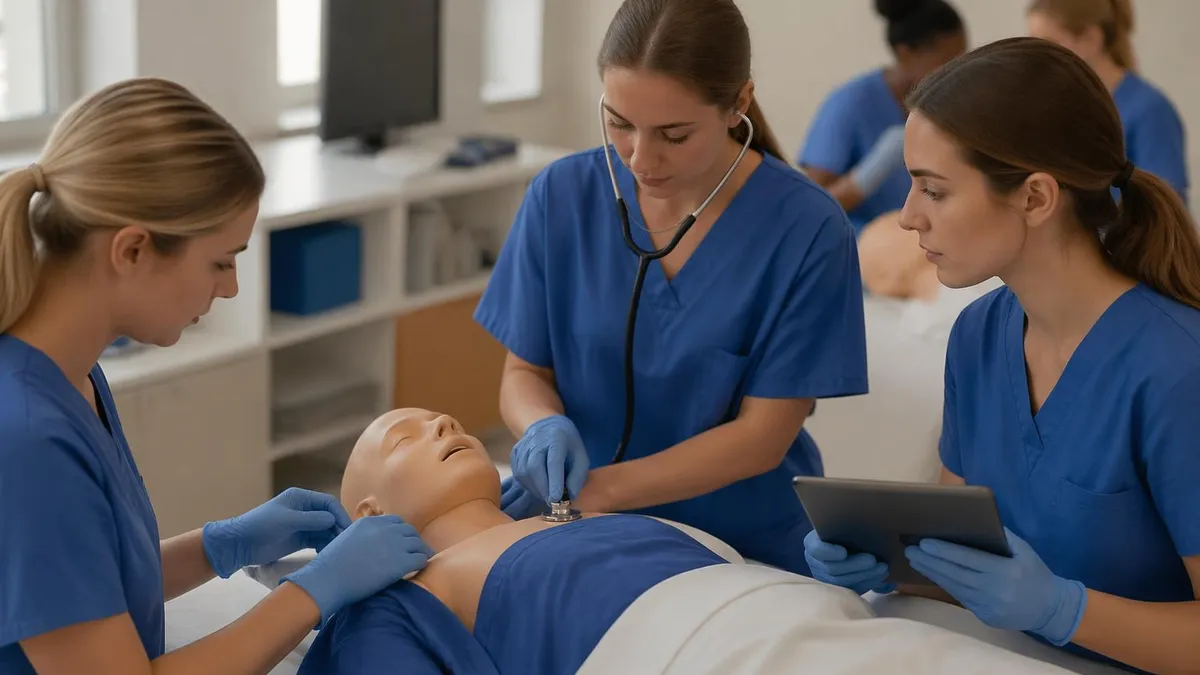
Restorative CNA: Duties, Training, Salary & How to Get Started

CNA Hospital Jobs Near Me: How to Find, Apply & Get Hired in 2026

Goodwill CNA Program: Free Classes, Costs, and How to Enroll

Hospice CNA: Duties, Salary, Per Diem Work & How to Get Started

4-Week CNA Program: Online Options, State Programs & How to Enroll
How this page was made: written with AI tools. Exam facts are checked against the official sources listed below. Not reviewed by a subject-matter expert. Editorial policy
Sources & references
Exam facts on this page (fees, format, dates, passing scores) are checked against these official sources; the date is our last check. Editorial policy
- floridasnursing.gov — Eligibility, exam format · verified Oct 2026
- law.cornell.edu — Eligibility · verified Oct 2026
- law.cornell.edu — Test delivery · verified Oct 2026
- prometric.com — Exam information · verified Oct 2026