
CNA Exam Prep — Free Questions & Answers (2026 September)
Pass the CNA skills exam on your first attempt. 🟢 Free practice questions covering all clinical skills, written test prep, and state-specific
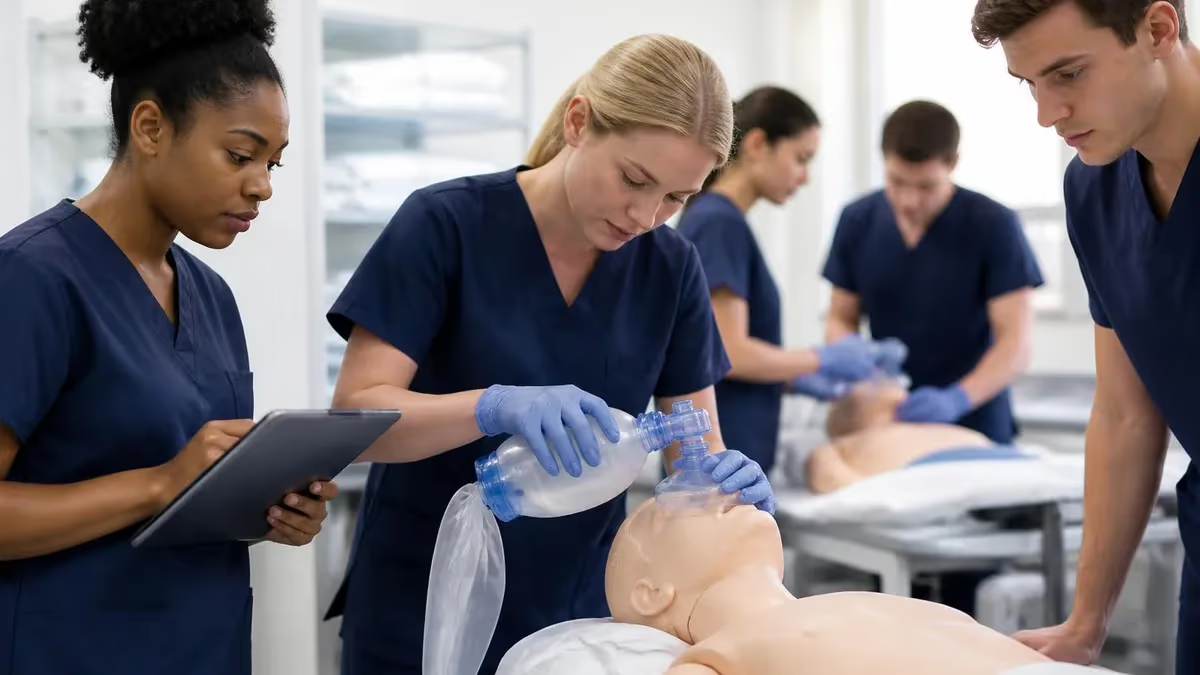
CNA Exam Overview
The Certified Nursing Assistant (CNA) certification exam consists of two parts: a written (knowledge) exam and a clinical skills evaluation. Both parts must be passed to earn your CNA certification.
The exam is administered by state-approved testing organizations such as Prometric, Credentia (NNAAP), or Headmaster, depending on your state. The format and specific requirements vary slightly by state, but the core content is standardized by the National Nurse Aide Assessment Program (NNAAP).
Exam Components
- Written/Oral Exam: 60-100 multiple-choice questions testing your knowledge of nursing fundamentals, patient care, safety, and communication
- Clinical Skills Exam: You'll perform 3-5 randomly selected nursing skills on a standardized patient while being observed by an evaluator

Key Fact: The CNA skills exam is where most candidates struggle. You must perform each skill correctly within the time limit while following proper procedure, including hand hygiene, patient identification, privacy, and communication.
CNA Skills Exam — What to Expect
The clinical skills portion of the CNA exam tests your ability to perform nursing procedures correctly and safely. Here are the most commonly tested skills:
For a fuller set of questions on this topic, see our cna courses near me resource.
For a fuller set of questions on this topic, see our cna lookup resource.
For a fuller set of questions on this topic, see our cna license verification resource.
Most Frequently Tested CNA Skills
- Hand hygiene — Required before and after EVERY skill (automatic fail if missed)
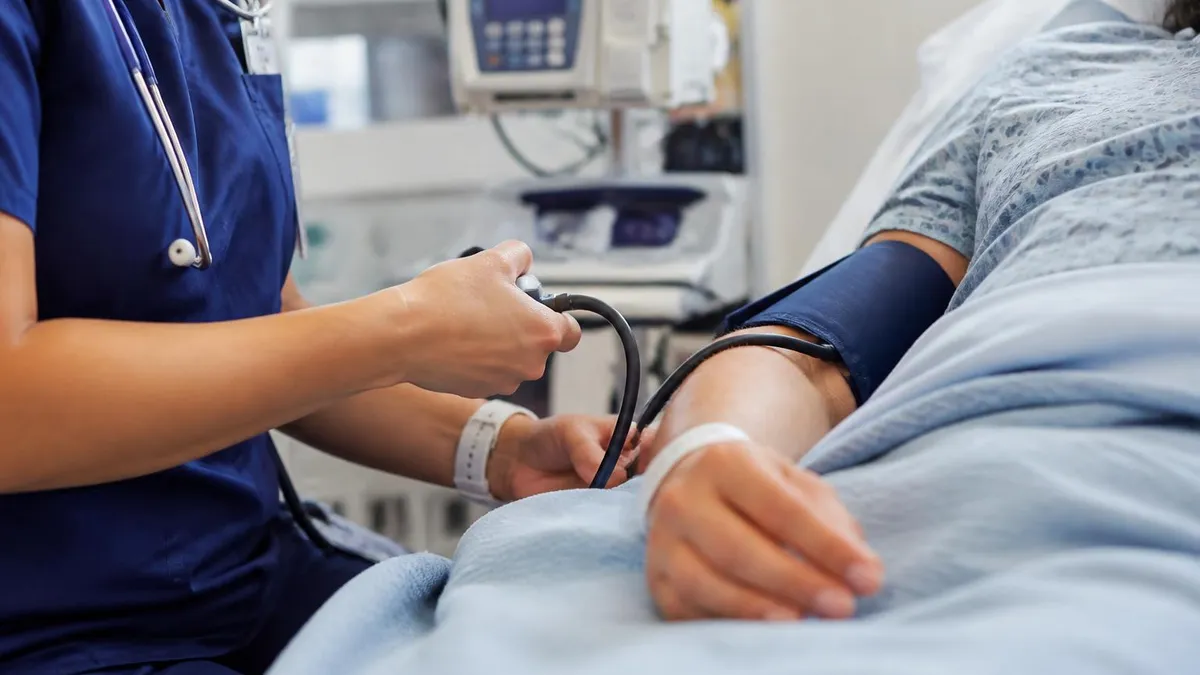
- Measuring vital signs — Blood pressure, pulse, respirations, temperature
- Positioning and turning — Moving patients in bed safely
- Perineal care — Cleaning the genital/perineal area
- Mouth care — Oral hygiene for conscious and unconscious patients
- Ambulation with gait belt — Walking patients safely
- Range of motion exercises — Upper and lower extremity ROM
- Bed making — Occupied and unoccupied beds
- Dressing and undressing — Assisting with clothing on affected side
- Feeding a patient — Proper positioning and technique
Common Reasons for Failing the Skills Exam
- Forgetting to wash hands before and after the skill
- Not identifying the patient (checking name band)
- Failing to provide privacy (pulling curtain/closing door)
- Not explaining the procedure to the patient before starting
- Incorrect body mechanics during transfers or positioning
- Not raising side rails or lowering the bed when finished
CNA Skills Quick Review
When must you perform hand hygiene?
Before AND after every patient contact, before and after gloving, after touching contaminated surfaces, before eating, after using the restroom.
Normal adult vital sign ranges?
BP: <120/80, Pulse: 60-100, Resp: 12-20, Temp: 97.8-99.1°F oral. Report any values outside these ranges.
Key steps for EVERY CNA skill?
1) Wash hands 2) Identify patient 3) Explain procedure 4) Provide privacy 5) Perform skill 6) Ensure safety 7) Wash hands 8) Report/record.
What is the #1 automatic fail on the skills exam?
Failing to wash hands before and after the skill. Hand hygiene is the foundation of infection control and is checked on every single skill.
CNA Written Exam Guide
The written portion tests your knowledge across these core domains:
Major Content Areas
- Physical Care Skills (64%) — Activities of daily living (22%), basic nursing skills including infection control, safety, emergencies and vital signs (35%), restorative and self-care skills (7%)
- Psychosocial Care Skills (10%) — Emotional and mental-health needs, cultural and spiritual needs
- Role of the Nurse Aide (26%) — Communication, resident rights, legal and ethical behavior, member of the health care team
- Source: NNAAP content outline effective April 2024 (Credentia). Prometric and Headmaster states publish their own outlines.

- ✓Complete your state-approved CNA training program
- ✓Review all clinical skills with hands-on practice
- ✓Take at least 3 full-length CNA practice tests
- ✓Memorize vital sign normal ranges
- ✓Practice hand hygiene procedure until it's automatic
- ✓Review body mechanics for lifting and transfers
- ✓Study infection control and standard precautions
- ✓Know patient rights and abuse reporting procedures
- ✓Practice timing — skills must be completed within the time limit
- ✓Get a good night's sleep before exam day
CNA Exam Study Tips
- Practice skills with a partner — Have someone observe you performing each skill and give feedback
- Talk through each step — During the skills exam, explain what you're doing to the patient (this shows the evaluator you know the procedure)
- Focus on hand hygiene — Wash hands before and after EVERY skill, no exceptions
- Use practice tests — Complete at least 500 practice questions before the written exam
- Study rationales — Don't just memorize answers; understand WHY each answer is correct
- Time yourself — Practice each skill within the time limit (usually 5-10 minutes per skill)
- +Practice tests are the most effective study tool for the written exam
- +Hands-on skills practice with feedback improves performance
- +Study groups help with accountability and knowledge sharing
- +Video tutorials demonstrate proper technique visually
- −Reading textbooks alone without practice is insufficient
- −Skipping hand hygiene practice leads to automatic failure
- −Last-minute cramming increases anxiety without improving scores
- −Only studying the written exam while neglecting skills practice


About the Author

Registered Nurse & Healthcare Educator
Johns Hopkins University School of NursingDr. Sarah Mitchell is a board-certified registered nurse with over 15 years of clinical and academic experience. She completed her PhD in Nursing Science at Johns Hopkins University and has taught NCLEX preparation and clinical skills courses for nursing students across the United States. Her research focuses on evidence-based exam preparation strategies for healthcare certification candidates.
Join the Discussion
Connect with other students preparing for this exam. Share tips, ask questions, and get advice from people who have been there.
View discussion (8 replies)