
BLS vs First Aid: Understanding What Sets These Certifications Apart
Is BLS the same as first aid? Learn key differences in certification, training scope, and which credential your healthcare career requires. 🎯
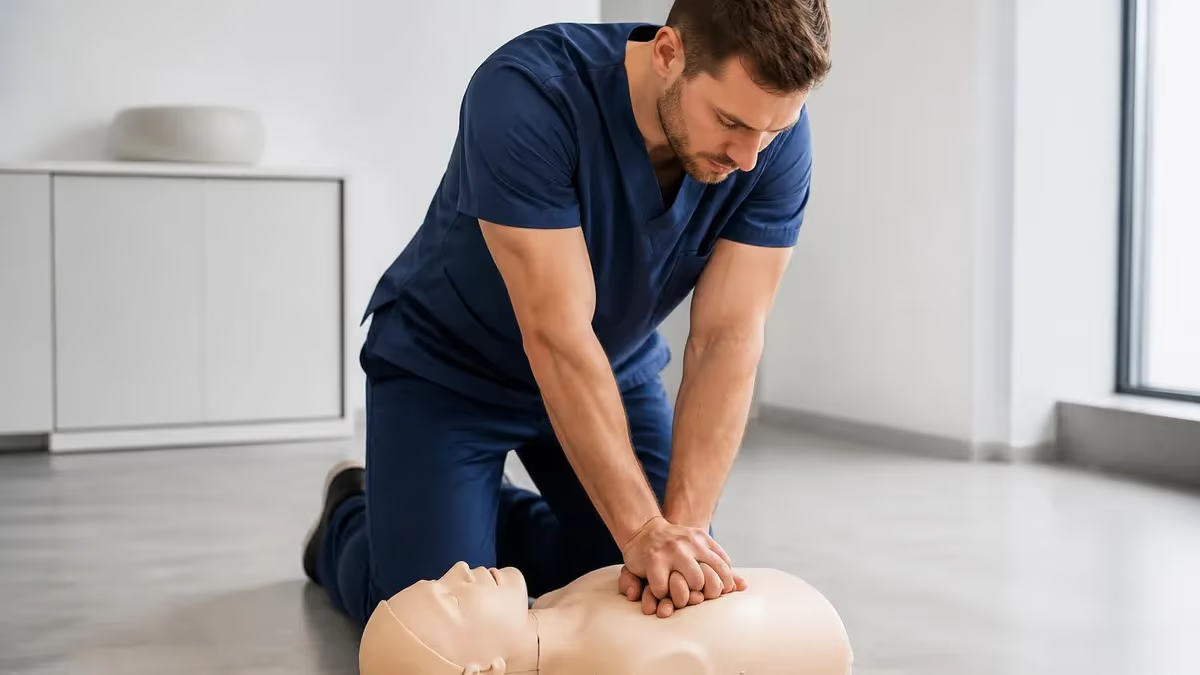
One of the most common questions from people entering the healthcare field or learning emergency response skills is whether BLS is the same as first aid. The short answer is no—these are two distinct certifications with different scopes, training content, and intended audiences. Understanding what separates Basic Life Support from standard first aid training is essential for anyone deciding which certification they need, especially if they are pursuing a career in healthcare, emergency medical services, or any clinical setting that mandates specific life-support credentials.
What is a BLS certification, exactly? BLS stands for Basic Life Support, a specialized training program that teaches participants how to recognize and respond to life-threatening emergencies such as cardiac arrest, respiratory failure, and choking in patients of all ages. BLS courses focus heavily on high-quality chest compressions, rescue breathing, the use of automated external defibrillators, and coordinated team-based resuscitation techniques. The American Heart Association and the American Red Cross are the two primary organizations offering accredited BLS certification programs across the United States.
First aid certification, by contrast, covers a much broader range of non-life-threatening injuries and illnesses. Standard first aid courses teach skills like wound care, burn treatment, splinting fractures, recognizing signs of stroke, managing allergic reactions, and addressing heat-related emergencies. While first aid training may include a brief overview of CPR techniques, it does not provide the same depth of resuscitation training found in BLS courses. First aid is designed primarily for the general public, while BLS specifically targets healthcare professionals and first responders.
The distinction between these two certifications matters significantly when it comes to employment requirements. Most hospitals, clinics, dental offices, and emergency medical services require their staff to hold current BLS certification—not just first aid. Employers in healthcare settings need assurance that their team members can perform advanced resuscitation techniques and work effectively within a code team during cardiac emergencies. A first aid certificate alone will not satisfy this professional requirement, which is why understanding the difference between these credentials is absolutely critical.
Many people also wonder whether is basic life support the same as cpr. While BLS includes CPR as a core component, it goes well beyond basic cardiopulmonary resuscitation. BLS training incorporates multi-rescuer scenarios, advanced airway management techniques, bag-valve-mask ventilation, and the specific algorithms outlined in current AHA guidelines. Standard CPR certification teaches single-rescuer adult CPR and may touch on AED use, but it does not cover the team dynamics or detailed clinical protocols included in comprehensive BLS provider coursework.
The training delivery methods for BLS and first aid also differ considerably in structure and duration. BLS certification can be obtained through in-person classroom courses or blended learning programs that combine online modules with hands-on skills sessions. First aid certification is available through similar formats but typically requires less time to complete overall. A standard first aid course might take four to eight hours, while a full BLS provider course generally requires approximately four and a half hours of intensive hands-on training, demonstration, and final assessment.
Throughout this article, we will break down every meaningful difference between BLS and first aid certification, including training content, target audiences, career applications, costs, renewal timelines, and which credential you actually need for your specific situation. Whether you are a nursing student preparing for clinical rotations, a medical assistant entering the workforce, or a concerned parent who wants lifesaving skills, understanding these distinctions will help you invest your time and money wisely in the right certification program.
BLS vs First Aid by the Numbers
Key Differences Between BLS and First Aid Certification
BLS focuses exclusively on life-threatening cardiac and respiratory emergencies, including high-quality CPR, AED operation, and team-based resuscitation. First aid covers a wide range of non-critical injuries and illnesses such as wound care, burns, fractures, and environmental emergencies.
BLS is designed for healthcare professionals, nursing students, paramedics, and first responders who work in clinical environments. First aid targets the general public, workplace safety officers, teachers, coaches, and community volunteers who may encounter everyday emergencies.
Healthcare employers universally require BLS certification for clinical positions. First aid certification is valued in non-clinical roles but cannot substitute for BLS in hospitals, clinics, dental offices, or emergency medical services where advanced resuscitation skills are mandated.
BLS requires passing both a written cognitive exam and hands-on psychomotor skills testing on manikins. First aid exams are typically written-only assessments that focus on knowledge recognition and appropriate response protocols without rigorous physical skill demonstrations.
BLS certification expires every two years and requires updated coursework plus in-person skills verification. First aid certification lasts two to three years and often requires only an online refresher course without mandatory hands-on retesting components.
Understanding what does BLS stand for is the first step toward appreciating why this certification carries so much weight in healthcare settings. Basic Life Support encompasses the foundational emergency response skills that every healthcare provider must master before treating patients. BLS courses are carefully designed around the AHA Chain of Survival, which outlines the critical steps needed to maximize a patient's chance of surviving cardiac arrest: early recognition, early CPR, early defibrillation, early advanced cardiovascular care, and integrated post-cardiac arrest care protocols.
The basic life support exam American Heart Association administers is a rigorous assessment of both cognitive knowledge and psychomotor skills. Written exam portions typically contain twenty-five multiple-choice questions covering topics such as compression-to-ventilation ratios, rescue breathing rates, AED protocols, and choking management for adults, children, and infants. Skills testing requires candidates to demonstrate high-quality CPR on training manikins, proper AED pad placement, effective bag-valve-mask ventilation, and seamless team-based resuscitation performance. Candidates must pass both components to earn certification.
The aha basic life support exam reflects the most current resuscitation science published in the latest AHA guidelines. These guidelines are updated approximately every five years based on extensive review of international cardiac arrest research, and the most recent update introduced important changes to compression depth recommendations, ventilation timing, and naloxone administration for suspected opioid overdoses. BLS instructors are required to teach these updated protocols precisely, ensuring that every certified provider delivers patient care according to the most current evidence-based standards.
Basic life support for healthcare providers is specifically structured to address the unique demands of clinical environments. Unlike community CPR courses that focus on bystander response scenarios, healthcare provider BLS teaches participants how to function effectively within a resuscitation team, communicate clearly during high-stress emergencies, and transition seamlessly between roles such as compressor, ventilator, and team leader. This team-oriented approach is critical in hospital settings where multiple providers must collaborate to achieve return of spontaneous circulation during cardiac arrest events.
First aid certification, while genuinely valuable, does not prepare individuals for this level of emergency response. First aid courses emphasize stabilization and comfort measures for injuries that are generally not immediately life-threatening. A first aid provider learns to control bleeding with direct pressure and tourniquets, immobilize suspected spinal injuries, recognize the signs of diabetic emergencies, and provide basic supportive care until emergency medical services arrive. These skills are incredibly important but serve a fundamentally different purpose than the advanced resuscitation techniques taught during how long does basic life support certification last renewal programs.
The cost and time investment for each certification also reflects their different scopes and clinical expectations. BLS provider courses typically cost between sixty and ninety dollars through the AHA or American Red Cross, while first aid courses range from thirty to sixty dollars depending on the provider, location, and format selected. Some organizations offer combination packages that bundle CPR, first aid, and AED training into a single comprehensive course, which can be a cost-effective option for individuals who need multiple credentials for their workplace or career requirements.
Renewal requirements present another key difference between BLS and first aid certifications. BLS certification from the AHA is valid for two years, after which providers must complete a basic life support renewal class to maintain their active credentials. First aid certification typically lasts two to three years depending on the certifying organization. Healthcare employers carefully track certification expiration dates and frequently require employees to renew their BLS credentials well before the actual expiration date to avoid any gaps in coverage that could affect patient safety or regulatory compliance.

BLS Practice Test Questions
Prepare for the BLS - Basic Life Support exam with our free practice test modules. Each quiz covers key topics to help you pass on your first try.
BLS High-Quality CPR & Provider Skills
BLS Exam Questions covering BLS High-Quality CPR & Provider Skills. Master BLS Test concepts for certification prep.
BLS Special Situations & Scenarios
Free BLS Practice Test featuring BLS Special Situations & Scenarios. Improve your BLS Exam score with mock test prep.
BLS Adult, Child & Infant Resuscitation
BLS Mock Exam on Adult, Child & Infant Resuscitation. BLS Study Guide questions to pass on your first try.
BLS Airway Management & Ventilation
BLS Test Prep for Airway Management & Ventilation. Practice BLS Quiz questions and boost your score.
BLS Automated External Defibrillator (AED)...
BLS Questions and Answers on Automated External Defibrillator (AED) Use. Free BLS practice for exam readiness.
BLS Certification: Cardiac Arrest
BLS Mock Test covering Certification: Cardiac Arrest. Online BLS Test practice with instant feedback.
BLS Certification: Choking
Free BLS Quiz on Certification: Choking. BLS Exam prep questions with detailed explanations.
BLS Certification: Respiratory Arrest
BLS Practice Questions for Certification: Respiratory Arrest. Build confidence for your BLS certification exam.
BLS Chain of Survival
BLS Test Online for Chain of Survival. Free practice with instant results and feedback.
BLS CPR Techniques & Procedures
BLS Study Material on CPR Techniques & Procedures. Prepare effectively with real exam-style questions.
BLS Legal & Ethical Considerations
Free BLS Test covering Legal & Ethical Considerations. Practice and track your BLS exam readiness.
BLS Post-Resuscitation Care
BLS Exam Questions covering Post-Resuscitation Care. Master BLS Test concepts for certification prep.
Is BLS and CPR the Same? Comparing Training Pathways
The BLS provider pathway is designed exclusively for healthcare professionals and clinical students who need advanced resuscitation training. Courses follow AHA or Red Cross curricula covering adult, child, and infant CPR with emphasis on team dynamics, bag-valve-mask ventilation, and multi-rescuer coordination. Participants learn to function within a structured code team, rotating through roles such as compressor, airway manager, and team leader during realistic scenario-based training exercises.
BLS provider certification requires passing both a twenty-five-question written exam and a comprehensive hands-on skills evaluation. Skills testing includes demonstrating high-quality compressions on adult and infant manikins, proper AED application, and effective relief of foreign body airway obstruction. The entire certification process typically takes four to five hours for initial courses, and the credential remains valid for two years before requiring renewal through updated coursework and skills reverification sessions.
BLS vs First Aid: Weighing the Advantages and Limitations
- +BLS certification is universally required for all clinical healthcare positions and nursing programs
- +BLS teaches advanced team-based resuscitation skills including bag-valve-mask ventilation and multi-rescuer CPR
- +BLS training follows the latest AHA guidelines and evidence-based resuscitation science
- +BLS certification demonstrates a higher level of emergency competency to employers and licensing boards
- +BLS skills apply directly to the most critical life-threatening emergencies including cardiac arrest
- +BLS courses include comprehensive hands-on practice with real-time CPR feedback technology
- −BLS does not cover non-life-threatening injuries like wounds, burns, fractures, or environmental emergencies
- −BLS certification is more expensive than first aid, typically costing sixty to ninety dollars per course
- −BLS requires in-person skills testing for both initial certification and renewal
- −BLS courses have a narrower focus that may not address everyday emergencies most people encounter
- −BLS certification expires every two years, requiring more frequent renewal than first aid credentials
- −BLS training assumes a healthcare context and may feel overly clinical for non-medical professionals

BLS Certification Preparation Checklist
- ✓Confirm whether your employer or school requires AHA or Red Cross BLS certification specifically.
- ✓Purchase and read the official BLS Provider Manual or Participant Handbook before your course date.
- ✓Review the adult, child, and infant CPR algorithms including compression-to-ventilation ratios.
- ✓Practice chest compressions on a manikin focusing on correct depth, rate, and full recoil.
- ✓Memorize AED operation steps and proper pad placement for adults, children, and infants.
- ✓Study foreign body airway obstruction management for conscious and unconscious patients of all ages.
- ✓Review bag-valve-mask ventilation technique and two-rescuer coordination protocols.
- ✓Complete any required online pre-course modules before attending the in-person skills session.
- ✓Wear comfortable clothing that allows you to kneel on the floor for extended practice periods.
- ✓Bring valid photo identification and any registration confirmation to your certification course.
BLS Is Not Interchangeable with First Aid
Healthcare employers, nursing schools, and medical licensing boards require BLS provider certification—not first aid and not community-level CPR. If your career involves direct patient care, only a BLS provider card from the AHA or American Red Cross will satisfy your credentialing requirements. Submitting a first aid or Heartsaver CPR certificate in place of BLS certification will result in your application being rejected or your clinical privileges being suspended until you obtain the correct credential.
When comparing BLS and first aid from a career advancement perspective, the differences become even more significant and practically consequential. Healthcare hiring managers consistently rank BLS certification as a non-negotiable prerequisite for all clinical positions. Nurses, paramedics, respiratory therapists, dental hygienists, physical therapists, and medical assistants all require active BLS certification before they can begin any form of direct patient care. First aid certification, while a valuable addition to any resume, is not a substitute for BLS in any licensed or certified healthcare role.
The scope of practice authorized by each certification is fundamentally different in both depth and clinical expectations. BLS-certified providers are trained and expected to initiate resuscitation efforts immediately, deliver chest compressions at the precise rate of one hundred to one hundred twenty compressions per minute, provide ventilations using advanced airway devices, and operate an AED confidently without hesitation. First aid providers are trained to assess situations, provide appropriate comfort care, and activate emergency medical services. The significant gap between these two scopes clearly reflects the critical difference in clinical responsibility.
Educational pathways in healthcare almost universally require BLS certification as a baseline competency before students enter clinical settings. Nursing programs, medical schools, dental schools, and allied health programs all mandate that students obtain BLS provider certification before beginning their clinical rotations. This requirement ensures that every student entering a patient care environment possesses the foundational skills to respond immediately and effectively to a cardiac emergency. First aid certification is rarely required by educational institutions for clinical placement, further underscoring the distinct professional importance of the BLS credential.
Some professionals find genuine value in holding both BLS and first aid certifications simultaneously to broaden their emergency response capabilities. Emergency medical technicians, school nurses, camp counselors working in remote areas, and athletic trainers often benefit from the combined skill set. BLS provides critical cardiac arrest response training, while first aid fills knowledge gaps around wound management, environmental emergencies, musculoskeletal injuries, and medical conditions like seizures and anaphylaxis. Together, these certifications create a comprehensive emergency response foundation covering both life-threatening and non-life-threatening situations effectively.
The training environment for each certification reflects its intended audience and clinical application. BLS courses frequently take place in hospital training centers, community colleges, or fire stations where participants practice on high-fidelity manikins equipped with real-time feedback devices that measure compression depth, rate, and chest recoil accuracy. First aid courses are often conducted in community centers, corporate offices, or schools with more basic training equipment. The greater investment in simulation technology for BLS training reflects the substantially higher clinical stakes associated with cardiac arrest response.
Recertification processes also differ in their complexity and ongoing requirements. BLS renewal typically involves completing updated online learning modules followed by an in-person skills verification session where providers must demonstrate continued proficiency in all core BLS competencies. The red cross basic life support course offers both full initial certification and streamlined renewal pathways designed specifically for experienced providers who need to update their credentials efficiently. First aid renewal is generally simpler, often requiring only an online refresher without mandatory hands-on skills testing.
Understanding these career-level distinctions helps professionals make informed decisions about which certifications to pursue and actively maintain throughout their careers. If your career path involves any form of direct patient care or clinical work in a hospital, clinic, or prehospital setting, BLS certification is not optional—it is a foundational requirement that employers, licensing boards, and educational institutions universally mandate. First aid certification complements BLS effectively but absolutely cannot replace it in any clinical context where advanced resuscitation skills may be required.
Before enrolling in any BLS or first aid course, confirm the exact certification your employer or school requires. Some healthcare facilities accept only AHA BLS Provider certification, while others recognize American Red Cross BLS as well. Submitting the wrong type of certification can delay your hiring process, prevent you from starting clinical rotations, or result in temporary suspension of your patient care privileges until the correct credential is obtained.
Choosing between BLS and first aid certification depends entirely on your professional goals, workplace requirements, and the level of emergency response preparedness you want to achieve. If you work in a healthcare setting or plan to enter one in the near future, BLS certification is the clear choice and will almost certainly be required by your employer before you can begin patient care duties. If you are a teacher, office manager, parent, or community volunteer, first aid certification provides practical everyday skills without requiring the clinical depth of BLS training.
The american red cross basic life support program and the AHA BLS provider course are the two most widely recognized BLS certifications in the United States. Both programs cover essentially the same core content and are accepted by the vast majority of healthcare employers, although some institutions may express a preference for one organization over the other. Before enrolling in any BLS course, always check with your employer or educational program to confirm which specific certification organization they require or prefer for their credentialing process.
For individuals who need both sets of skills, many training providers offer combination courses that cover BLS, first aid, and AED training in a single comprehensive session. These bundled programs typically take six to eight hours to complete and provide separate certification cards for each component upon successful completion. While combination courses offer scheduling convenience, they may not provide the same depth of BLS training as a standalone BLS provider course. Healthcare professionals should strongly consider taking a dedicated BLS course to ensure maximum proficiency in resuscitation skills.
Cost considerations naturally play a role in certification decisions as well. BLS certification through the AHA typically costs between sixty and ninety dollars, while American Red Cross BLS courses range from seventy to one hundred dollars depending on location and delivery format. First aid certification is generally less expensive, ranging from twenty-five to sixty dollars per course. Many employers reimburse certification costs for required credentials, so always check with your human resources department before paying out of pocket for any emergency response training program or renewal course.
Online learning options have expanded significantly for both BLS and first aid certifications in recent years. Blended BLS courses allow participants to complete cognitive learning modules online at their own pace before attending a shorter in-person skills session for hands-on practice and evaluation. This format substantially reduces total classroom time while still ensuring hands-on competency verification. First aid certification is available as a fully online course through some providers, although hands-on first aid courses typically provide better long-term skill retention and confidence.
Workplace requirements increasingly demand that employees maintain multiple emergency response certifications simultaneously to meet regulatory standards. Healthcare facilities may require BLS, Advanced Cardiovascular Life Support, and Pediatric Advanced Life Support credentials depending on the specific clinical area and patient population. Non-healthcare workplaces regulated by OSHA may require designated employees to hold first aid and CPR certification. Understanding where basic trauma life support fits within this broader credentialing landscape helps professionals build a comprehensive training portfolio that satisfies all applicable requirements.
Regardless of which certification you pursue first, the most important step is simply taking action and getting trained. Cardiac arrest claims over three hundred fifty thousand lives outside hospitals each year in the United States, and injuries requiring first aid response occur millions of times daily in homes, workplaces, and public spaces. Every person who holds an active emergency response certification—whether BLS, first aid, or both—represents a potential lifesaver in their community, workplace, and home environment. Start your training journey today and build the skills that could save a life.
Preparing effectively for your BLS or first aid certification exam requires a strategic approach that combines knowledge acquisition with dedicated practical skill development. Start by obtaining the official course materials from your certifying organization—either the AHA BLS Provider Manual or the American Red Cross BLS Participant Handbook. Read through the entire manual before attending your scheduled course, paying special attention to the resuscitation algorithms, compression rates, ventilation ratios, and special situation protocols. Arriving at your training session with solid foundational knowledge allows you to focus exclusively on perfecting hands-on techniques.
Practice your psychomotor skills whenever possible before your certification course to build confidence and muscle memory. If you have access to a CPR training manikin, practice delivering high-quality chest compressions at the correct depth of at least two inches for adults and at a rate between one hundred and one hundred twenty compressions per minute. Focus specifically on allowing full chest recoil between compressions, as incomplete recoil significantly reduces cardiac output and compromises the overall effectiveness of CPR. Many public libraries and community organizations loan CPR training manikins free of charge.
Understanding the specific exam format helps reduce test anxiety and improve your chances of passing on the first attempt. The AHA BLS written exam consists of twenty-five multiple-choice questions, and you need a score of at least eighty-four percent to pass successfully. Questions cover adult, child, and infant resuscitation protocols, team dynamics, AED operation, and special circumstances such as drowning, suspected opioid overdose, and resuscitation of pregnant patients. Review the practice tests available through official AHA and Red Cross resources to familiarize yourself thoroughly with the question style and content focus areas.
Skills testing during BLS certification requires demonstrating competency across several critical emergency scenarios. You will perform single-rescuer and multi-rescuer CPR on adult, child, and infant manikins, demonstrate proper AED usage with correct pad placement, perform bag-valve-mask ventilation with a partner, and manage foreign body airway obstruction in both conscious and unconscious patients. Each skill station has specific performance criteria that must be met, including correct hand placement, adequate compression depth, proper ventilation volume, and appropriate timing between interventions.
For first aid certification, preparation focuses more on recognition and response protocols than on physical technique performance. Study the signs and symptoms of common medical emergencies including heart attack, stroke, diabetic emergencies, severe allergic reactions, and seizures. Learn the proper techniques for controlling external bleeding with direct pressure and tourniquets, applying bandages and splints, treating burns of various severity levels, and managing heat-related and cold-related emergencies. First aid exams emphasize your decision-making and prioritization abilities, testing your capacity to assess situations quickly and respond appropriately.
Time management during your certification course significantly impacts your overall success and learning experience. Arrive early, dress comfortably in clothes that allow you to kneel on the floor for extended practice periods, and bring any required materials such as a pocket face mask or valid photo identification. Stay fully engaged during lectures and instructor demonstrations, ask questions when concepts are unclear, and volunteer to practice skills first whenever the instructor offers opportunities. Active participation reinforces learning and helps instructors identify and correct technique issues before final evaluation.
Finally, remember that passing your certification exam is just the beginning of your emergency response education and professional development. CPR skills deteriorate rapidly without regular practice, with research studies showing significant quality decline within three to six months after initial training. Consider scheduling regular practice sessions with colleagues, using mobile CPR feedback apps to maintain technique quality, and participating in community emergency response exercises to keep your skills sharp between certification renewal cycles. The ultimate goal is not merely passing an exam but developing the lasting confidence and competence to save lives when every second matters.
BLS Questions and Answers
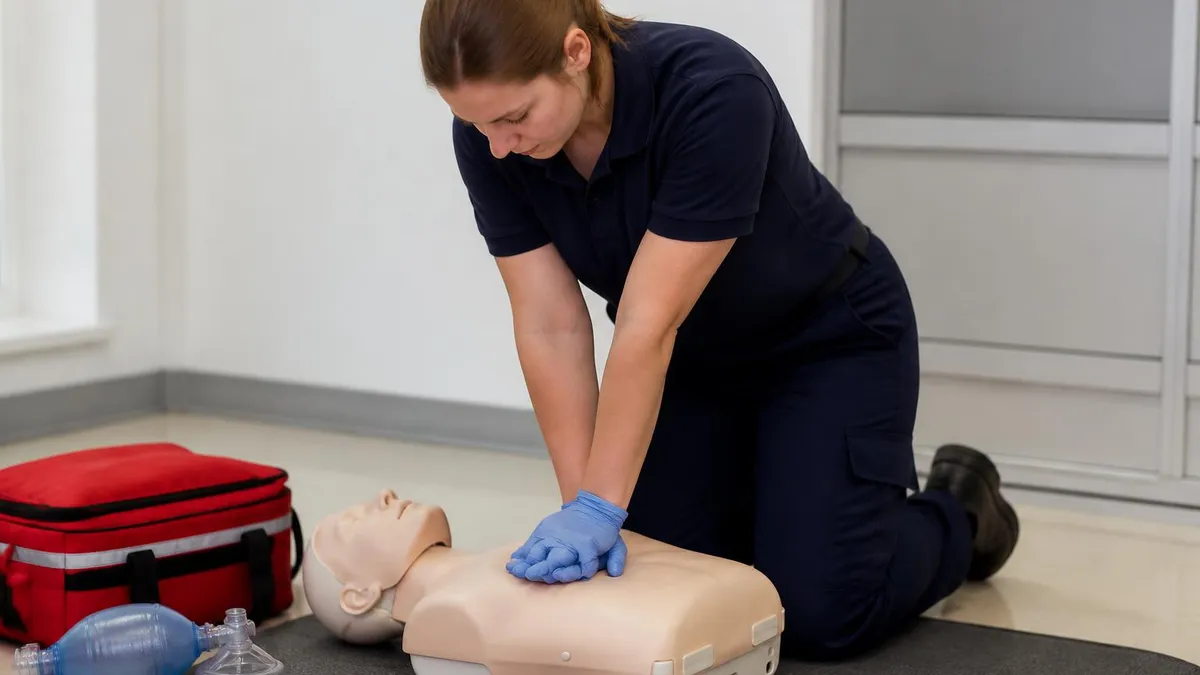
Pediatric BLS Algorithm: Complete 2026 Guide for Healthcare Providers
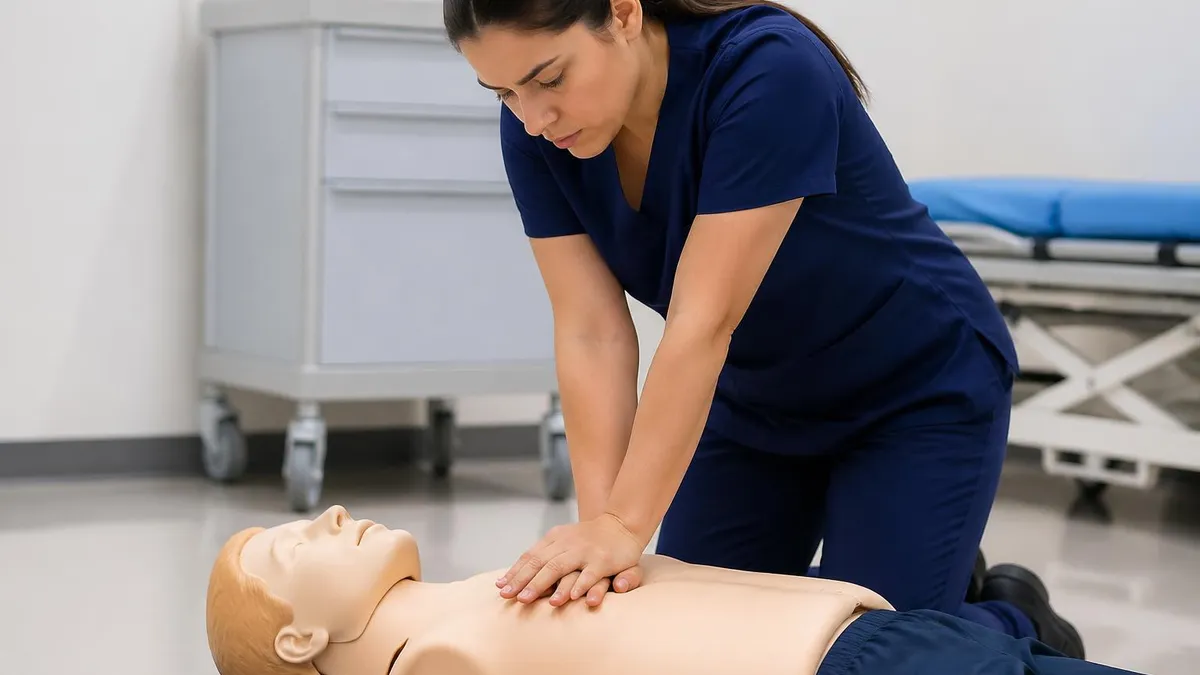
American Heart Association BLS: Certification, Renewal, Cost & What to Expect
Online BLS Renewal: Complete 2026 Guide to Recertifying Your Basic Life Support Card
Are CPR and BLS the Same? Complete 2026 Guide to Differences, Certification & Training
How to Renew BLS Certification: Complete 2026 Guide to Recertifying Your Card
About the Author

Registered Nurse & Healthcare Educator
Johns Hopkins University School of NursingDr. Sarah Mitchell is a board-certified registered nurse with over 15 years of clinical and academic experience. She completed her PhD in Nursing Science at Johns Hopkins University and has taught NCLEX preparation and clinical skills courses for nursing students across the United States. Her research focuses on evidence-based exam preparation strategies for healthcare certification candidates.
Join the Discussion
Connect with other students preparing for this exam. Share tips, ask questions, and get advice from people who have been there.
View discussion (8 replies)