
Online Bartending Course: Complete Training Guide for Certification Success
Everything you need to know about online bartending courses — 📝 curriculum, costs, certification prep, and how to land your first bartending job in 2026 September.

An online bartending course is one of the fastest and most cost-effective ways to break into the hospitality industry in 2026. Unlike traditional classroom-only programs that require you to commute to a physical school, online courses let you master cocktail theory, bar operations, and responsible alcohol service from anywhere with an internet connection. With the US bartending workforce projected to remain strong across restaurants, hotels, and event venues, investing in a structured online program gives you a competitive edge before you ever step behind a bar.
Choosing the right online bartending course can feel overwhelming because dozens of providers compete for your enrollment dollars. Some programs focus exclusively on TIPS or ServSafe certification — the alcohol-service compliance credentials most states and employers require — while others offer broad bartending education that covers everything from classic cocktail recipes to bar inventory management and liquor cost control. Understanding what each program actually delivers, how long it takes, and what credentials it earns you is the first step toward making a smart investment in your bartending career.
Most accredited online bartending programs run between 8 and 40 hours of instruction. The shorter programs, typically priced between $20 and $75, concentrate on responsible beverage service (RBS) and the legal side of alcohol sales. Longer, more comprehensive courses that cover mixology, bar setup, upselling techniques, and customer service can range from $100 to $500 or more. Some community colleges even offer hybrid online-plus-lab programs that cost $600 to $1,200 but award transferable credits, which matters if you are pursuing a hospitality management degree alongside your bartending training.
The curriculum inside a quality online bartending course usually breaks into several distinct modules. Early lessons introduce bar terminology, tool identification, and the hierarchy of a professional bar program. Mid-course content digs into spirits categories — whiskey, rum, gin, vodka, tequila, and brandy — alongside beer service, wine basics, and non-alcoholic beverages. Later modules cover cocktail construction techniques such as shaking, stirring, muddling, and layering, plus standardized recipes for the 50 to 100 drinks every working bartender is expected to know without hesitation during a busy Friday night shift.
Responsible alcohol service training is the most legally significant component of any bartending program, and it is the area most closely tied to certification exams. Programs aligned with the TIPS (Training for Intervention ProcedureS) framework, the National Restaurant Association's ServSafe Alcohol credential, or state-specific RBS certifications like California's ABC-approved Responsible Beverage Service Training teach you how to check identification, recognize signs of intoxication, refuse service lawfully, and document incidents to protect yourself and your employer from liability.
In many jurisdictions, holding one of these certifications is not optional — it is a legal requirement for anyone who pours or sells alcohol commercially.
Bar inventory and cost control is another topic that separates entry-level bartenders from professionals employers want to promote. Online courses that include financial modules teach you how to calculate pour costs, conduct weekly variance counts, identify theft or waste, and price cocktails for profitability. Understanding these numbers makes you valuable to bar managers and positions you for shift-lead or head-bartender roles far sooner than colleagues who only focused on recipes. Practice tests covering inventory math and bar law are excellent tools for reinforcing this knowledge before you sit for any certification exam.
Completing an online bartending course is a meaningful achievement, but it is only the starting point of a professional bartending career. Pairing your certificate with real-world experience — even unpaid practice at home or volunteer work at community events — dramatically strengthens your resume. Many graduates use their course completion as leverage to land entry-level positions as barbacks or service bartenders, building the speed and muscle memory that no online video can fully replicate. The combination of theoretical knowledge from your course and hands-on practice time is what ultimately transforms a student into a confident, hireable bartender.
Online Bartending Courses by the Numbers

How to Choose the Right Online Bartending Program
Not all online programs satisfy your state's legal RBS requirement. Confirm the course is approved by your state's alcohol beverage control board before enrolling — an unapproved certificate may leave you out of compliance and ineligible for certain positions.
Compare syllabi carefully. A strong program covers spirits knowledge, cocktail techniques, responsible service, bar math, and customer interaction — not just recipe lists. Shallow courses skip inventory, upselling, and legal modules that employers actually test during interviews.
Look for instructors who are certified sommeliers, TIPS trainers, or working bar professionals with verifiable industry backgrounds. User-generated course platforms sometimes feature unqualified instructors whose content contains factual errors about spirits, regulations, or technique.
The best programs include practice quizzes, flashcard sets, and mock exams aligned to the certification you are targeting. Access to graded practice tests — especially for bar law and cost-control topics — significantly improves first-attempt pass rates.
Ask specifically whether the completion certificate is recognized by the National Restaurant Association, a state liquor authority, or a major hospitality employer. Industry-recognized credentials open more doors than generic completion badges from platforms with no hospitality accreditation.
Understanding exactly what a quality online bartending course covers — module by module — helps you evaluate programs objectively and know what to study most intensively for certification exams. The strongest programs open with a foundational bar setup module that walks students through the anatomy of a professional bar: the well, the backbar, speed rails, drain mats, ice bins, and the specific placement logic that keeps a bartender efficient during high-volume service. Students who skip this foundational work often struggle with the practical speed and organization that bar managers test during working interviews.
The spirits education module is typically the largest section of any comprehensive bartending course, and for good reason — a professional bartender is expected to speak knowledgeably about every major category of distilled spirits.
This means understanding how bourbon differs from Tennessee whiskey and Irish whiskey, why aged rums taste different from agricole rums, the production distinction between London Dry gin and contemporary American gin, and why reposado tequila commands a higher price point than blanco. Examiners and employers alike ask spirits questions constantly, so students who invest serious study time here see the biggest returns during interviews and on certification tests.
Cocktail construction technique is where many online students feel they are missing out compared to in-person school graduates. While it is true that physical practice builds muscle memory that video cannot replace, a well-designed online module teaches the underlying logic of every technique — why you shake a Margarita but stir a Manhattan, how dilution affects cocktail temperature and flavor, why a proper two-count pour produces a consistent 1.5-ounce measure, and how to adjust a recipe when a customer requests a drink drier, sweeter, or stronger.
Learning the logic means you can apply techniques correctly on your first day behind a bar, even without having practiced them hundreds of times.
The responsible beverage service module deserves more study time than many students give it, especially if you plan to work in a state that administers its own RBS exam. This section covers the physiological effects of alcohol at various blood-alcohol concentrations, how body weight, food consumption, and medication interact with alcohol metabolism, how to recognize the behavioral and physical signs that a customer is approaching or exceeding legal intoxication, and the correct verbal scripts for refusing service without creating a confrontation.
These are not abstract scenarios — they are situations every bartender encounters regularly, and mishandling them exposes both you and your employer to serious legal liability.
Bar mathematics is a module that surprises many students with its complexity. Calculating the pour cost of a cocktail requires you to know the price paid per bottle, the number of standard pours that bottle yields, the recipe's total spirit volume, and the percentage of revenue that cost represents.
A well-run bar typically targets a liquor cost between 18% and 24%. Understanding variance — the difference between theoretical and actual inventory — tells a manager whether waste, theft, or over-pouring is cutting into profitability. Students who master bar math during their online course arrive on the job able to have intelligent conversations with managers about operational efficiency, a skill set that accelerates promotion dramatically.
Many online courses include a dedicated section on bar law and liquor regulations that covers federal frameworks, state Dram Shop laws, third-party liability, and the administrative penalties that follow license violations. Dram Shop laws, which exist in some form in the majority of US states, create civil and sometimes criminal liability for bartenders and establishments that serve visibly intoxicated customers who later cause injury or death.
Understanding these laws is not just a test topic — it is essential professional knowledge that protects your livelihood. Practice tests specifically covering bar law help cement this material before you encounter it in a live exam or a real workplace incident.
Finally, the strongest online bartending courses include a customer service and salesmanship module that teaches suggestive selling, upselling, menu navigation, and the interpersonal skills that generate loyal regulars and strong tips. Bartenders who consistently upsell premium spirits, recommend food pairings, and remember a regular's usual order earn significantly more in gratuities than those who simply take orders and pour drinks.
This module often feels optional to students focused purely on certification, but employers consistently rank communication skills and sales ability among the top qualities they look for when hiring, making this section among the most practically valuable in any comprehensive program.
Online vs. In-Person vs. Hybrid Bartending Courses
Online bartending courses offer unmatched scheduling flexibility, allowing students to complete coursework at their own pace around existing jobs, family obligations, or school. The best platforms provide mobile-optimized video lessons, interactive quizzes, and downloadable study guides so you can study during a commute or a lunch break. Cost is typically 60 to 80 percent lower than in-person programs, and state-approved online RBS certifications are fully valid for employment and licensing purposes across the jurisdictions that recognize them.
The main limitation of online-only training is the absence of hands-on practice with actual bottles, tools, and glassware. Students who enroll in online courses are strongly encouraged to purchase a basic practice set — jigger, shaker, bar spoon, and mixing glass — and follow along physically with each technique video. This self-directed practice, combined with the theoretical depth of a good online curriculum, produces graduates who can hit the ground running far more quickly than students who skip the at-home practice component entirely.

Pros and Cons of Online Bartending Courses
- +Complete coursework on your own schedule without commuting to a school
- +Costs 60–80% less than comparable in-person programs on average
- +State-approved online RBS certifications are legally valid in most jurisdictions
- +Access to high-quality instructors regardless of your geographic location
- +Self-paced learning allows you to spend extra time on difficult topics like bar math
- +Many programs offer lifetime access to course materials for ongoing reference
- −No supervised hands-on practice with real tools, bottles, and glassware
- −Building pouring speed and muscle memory requires dedicated self-directed practice at home
- −Some employers still prefer candidates from in-person schools with established reputations
- −Quality varies enormously — low-cost platforms host both excellent and very poor courses
- −Limited peer interaction and networking compared to classroom-based training environments
- −Not all online programs satisfy state-specific RBS or licensing requirements
Online Bartending Course Certification Prep Checklist
- ✓Confirm your chosen course is approved by your state's alcohol beverage control authority before enrolling.
- ✓Set a weekly study schedule of at least 5 to 8 hours to complete your course within 2 to 4 weeks.
- ✓Purchase a basic practice kit — shaker, jigger, bar spoon, and mixing glass — to drill techniques at home.
- ✓Complete every practice quiz in the course before attempting the final certification exam.
- ✓Memorize the legal BAC limits and intoxication signs covered in the responsible beverage service module.
- ✓Study Dram Shop liability laws for your specific state, not just the federal overview.
- ✓Take at least two full-length bar law and liquor regulations practice tests under timed conditions.
- ✓Review bar math formulas for pour cost, yield per bottle, and inventory variance calculations.
- ✓Practice identifying the top 50 classic cocktail recipes without referencing your notes.
- ✓Apply for your state's required bartending permit or food handler card immediately after course completion.
Bar Law Questions Appear on Nearly Every Certification Exam
Across all major bartending certification exams — including TIPS, ServSafe Alcohol, and state-specific RBS tests — questions about Dram Shop liability, valid ID acceptance, and the legal definition of intoxication consistently account for 25 to 35 percent of total exam content. Students who treat bar law as a secondary topic and focus only on recipes and technique routinely fail their first attempt. Prioritize the legal and compliance modules of your online course and take dedicated bar law practice tests until you score above 85 percent consistently before sitting for your exam.
Understanding the full cost picture of an online bartending course helps you budget realistically and avoid being surprised by fees that are not included in the advertised tuition. The course enrollment fee itself is only the beginning. Most state-mandated RBS or responsible alcohol service certifications charge a separate exam fee ranging from $15 to $40, paid directly to the testing provider or state agency at the time you sit for the exam. Some programs bundle this fee into their tuition; many do not, so read the fine print carefully before assuming your enrollment covers everything.
Beyond the course and exam fees, most aspiring bartenders need to budget for a state-issued bartending license or food handler's card if their jurisdiction requires one. Depending on the state, these permits cost between $10 and $100 and may require a background check, a separate application fee, or both.
A handful of states — including Nevada, which requires a Health Card, and California, which requires state-approved RBS certification by 2024 law — have specific credentialing requirements that carry their own fees and renewal schedules. Researching your state's exact requirements before enrolling in any program ensures you invest in credentials that actually fulfill local legal obligations.
Equipment is another line item students often forget to budget when enrolling in an online program. A functional home practice kit typically costs between $30 and $80 for a quality stainless steel shaker set, a jigger, a hawthorne strainer, a bar spoon, and a mixing glass. More comprehensive kits that include a muddler, channel knife, wine key, and speed pourers run $80 to $150. These tools are not optional luxuries — they are essential for building the physical technique and pour consistency that certification programs assume you are developing alongside the theoretical coursework.
Study materials beyond what the course provides can also add to your total investment. Many students find that supplemental flashcard decks for cocktail recipes, spirits categories, and bar law terms significantly accelerate their retention. Several publishers offer printed bartending reference books for $15 to $30 that serve as excellent review tools alongside video-based online courses. Free practice tests available on platforms like PracticeTestGeeks let you assess your readiness for bar law and inventory exams without spending additional money, making them an extremely cost-effective supplement to any paid course.
Renewal costs are a reality that new bartenders rarely anticipate but encounter quickly. Most RBS certifications expire after two to three years and require a renewal course — typically shorter and cheaper than the initial program, but not free. TIPS certification, for example, requires renewal every three years at a cost of roughly $20 to $40 per renewal. Some employers pay for renewal training as a business expense; others expect employees to cover it. Factoring renewal costs into your long-term career budget helps you avoid lapses in certification status that could temporarily disqualify you from employment.
Scholarship and assistance programs exist for aspiring bartenders in several states, though they are not widely advertised. Workforce development boards in many metropolitan areas fund training programs for unemployed or underemployed workers in the hospitality sector, sometimes covering course tuition and exam fees entirely for qualifying applicants. Restaurant associations in states like Texas, Florida, and Illinois occasionally partner with training providers to offer discounted or subsidized enrollment to members' employees. Checking with your state's department of labor or local hospitality association before paying full tuition can reveal financial assistance options that make quality training accessible regardless of your current budget.
The return on investment for a quality online bartending course is genuinely compelling when you consider total earning potential. A full-time bartender in a mid-range restaurant or hotel bar earns $30,000 to $45,000 in base wages annually, but tips in high-volume venues regularly push total compensation to $50,000 to $80,000 per year in major US cities.
A $200 to $500 investment in a comprehensive online course and certification that qualifies you for these positions pays for itself within the first week of employment at most venues. Even the more expensive community college hybrid programs typically deliver a full return on investment within 30 to 60 days of landing your first bartending position.

As of July 1, 2022, California law requires all alcohol servers and their managers to complete a state-approved Responsible Beverage Service (RBS) training course and pass the state RBS exam within 60 days of hire. Only courses approved by the California Department of Alcoholic Beverage Control (ABC) satisfy this requirement — generic online bartending courses that are not on the ABC's approved list do not comply. Violations can result in fines for both the employee and the licensed establishment. Always verify California ABC approval before enrolling in any online RBS program if you plan to work in California.
After completing your online bartending course and earning your certification, the transition from student to working professional requires a focused, strategic approach to the job market. Many graduates make the mistake of applying only to high-profile cocktail bars or upscale hotel lounges, where competition is fierce and experience requirements are strict. A smarter entry strategy is to target high-volume casual dining restaurants, sports bars, banquet facilities, or catering companies — environments where managers are accustomed to training new hires and where the pace of service builds your speed and stamina rapidly in the early months of your career.
Your resume as a new bartending graduate should highlight your certification credentials prominently at the top, immediately below your contact information. List the specific certification name, the issuing organization, and the expiration date so hiring managers can verify your compliance status at a glance. Include any relevant coursework topics — responsible service, bar inventory, cocktail construction, spirits knowledge — as bullet points under your education section. If you completed at-home practice sessions, describe them honestly as self-directed bartending practice to demonstrate initiative without misrepresenting unpaid activities as professional experience.
The working interview is the standard hiring format in the bartending industry, and preparing for it specifically is essential for new graduates. Unlike a conventional sit-down interview, a working interview places you behind an actual bar to demonstrate your speed, organization, technique, and customer interaction under observation from the hiring manager.
Practice your setup routine — speed rail organization, ice bin preparation, garnish tray arrangement — until it is automatic. Know your well liquors by heart. Be able to build the ten most commonly ordered cocktails in your target market — Margarita, Old Fashioned, Mojito, Cosmopolitan, Whiskey Sour, and their variations — without hesitation or reference materials.
Networking within the local hospitality industry accelerates job placement far more reliably than online job board applications alone. Attend industry events, visit local bars as a customer during off-peak hours, introduce yourself to bartenders and bar managers professionally, and mention that you are a newly certified bartender seeking your first professional position. Many bartending jobs are filled through word of mouth before they are ever posted publicly. Building genuine relationships with working bartenders in your area creates a referral network that can connect you to openings at well-regarded establishments long before your competition ever learns the position exists.
Barback positions are an underrated entry point for online bartending course graduates who are struggling to land a direct bartending role. Working as a barback — stocking ice, washing glassware, cutting garnishes, and supporting bartenders during service — gives you daily exposure to professional bar operations, builds relationships with the bartenders most likely to recommend you for open positions, and demonstrates to management that you are reliable, hardworking, and committed to the industry. Most barbacks who show aptitude are offered bartending shifts within three to six months at venues that value promoting from within.
Continuing education is a professional habit that separates bartenders who advance quickly from those who stagnate. After landing your first position, pursue advanced certifications in wine service (WSET Level 2), craft beer (Cicerone Certified Beer Server), or premium spirits (Society of Wine Educators CSW) to expand your professional value and earning potential.
Many top-tier cocktail bars and hotel programs actively prefer candidates with multiple credentials because it signals the kind of intellectual investment in the craft that translates to better guest experiences and higher-check averages. Your initial online bartending course is the foundation — the credentials you stack on top of it define the trajectory of your career.
Finally, do not underestimate the power of social media as a professional development tool in today's bartending industry. Platforms like Instagram and TikTok have created substantial audiences for bartending content, and many talented bartenders have parlayed their online followings into brand ambassador deals, consultancy work, and industry recognition that would have been inaccessible a decade ago.
Even if you have no aspirations toward social media fame, following industry leaders and participating in online bartending communities keeps you current on emerging spirits trends, new cocktail techniques, and regulatory changes that affect your work — ongoing education that costs nothing but a few minutes of your daily attention.
Practical preparation strategies make the difference between passing your bartending certification exam on the first attempt and needing a costly, time-consuming retake. The single most effective study technique for certification success is spaced repetition — reviewing material at increasing intervals rather than cramming all content into a single marathon session the night before your exam.
Use a flashcard application or the built-in review features of your online course to schedule daily review sessions of 20 to 30 minutes starting at least two weeks before your exam date. This approach leverages how human memory consolidates information during sleep, making each successive review session more efficient than the last.
Practice tests are your most powerful diagnostic tool during exam preparation. Taking a full-length practice exam under realistic timed conditions reveals exactly which topic areas need additional study time and which areas are already solid. Most certified bartending exam candidates who score below 70 percent on their first practice test discover that bar law and liquor regulations questions — not recipe knowledge — are their weakest area. This is precisely why working through dedicated practice tests focused on legal compliance, Dram Shop liability, and ID verification procedures is so valuable in the weeks leading up to your certification exam.
Understanding the structure of your specific certification exam before exam day eliminates a major source of test anxiety. Different certifying bodies format their exams differently: TIPS Online uses scenario-based multiple-choice questions that present realistic customer service situations; ServSafe Alcohol uses a mix of factual recall and application questions; state RBS exams vary by jurisdiction.
Obtain the official candidate handbook or exam guide for your specific certification, identify the topic weightings, and allocate your study time in direct proportion to those weightings. Spending equal time on every topic regardless of its exam weight is an inefficient strategy that many unprepared candidates discover only after failing.
Group study sessions with other online bartending course students — whether organized through your program's student forum, a local hospitality industry Facebook group, or a Discord server for bartending professionals — provide accountability, diverse perspectives on difficult material, and the social element that purely solo online study lacks. Explaining a complex topic like pour cost calculation or Dram Shop liability to another student is one of the most reliable ways to identify gaps in your own understanding. If you cannot explain it clearly, you do not know it well enough to answer exam questions about it reliably under pressure.
Exam-day logistics deserve thoughtful preparation. Confirm your exam location, login credentials, or testing center address at least 48 hours before your scheduled exam. Ensure your computer meets the technical requirements for online proctored exams — stable internet connection, updated browser, working webcam and microphone — to avoid disqualifying technical failures during the exam itself. Arrive or log in at least 15 minutes early. Bring required identification documents if testing at a physical center. Plan to take the exam when you are well-rested and not rushed, ideally in the morning when cognitive performance is typically at its peak for most people.
After passing your certification exam, immediately save and print both a digital and physical copy of your certificate. Many certification organizations issue wallet-sized cards — order yours right away, because some employers require you to carry proof of certification during every shift.
Register your credential with your state's alcohol beverage control database if your jurisdiction maintains one; this allows employers to verify your status instantly without contacting the certifying body. Keep a reminder in your calendar for your certification renewal date so you never allow your credential to lapse inadvertently during a period when you are not actively job searching and might otherwise forget to track expiration timelines.
The journey from online bartending course enrollment to working professional is more achievable than many aspiring bartenders realize. The combination of a rigorous online curriculum, dedicated at-home practice, targeted certification exam preparation using quality practice tests, and a proactive approach to the job market consistently produces successful outcomes for motivated students.
Bartending remains one of the hospitality industry's most dynamic and financially rewarding career paths for people who invest seriously in their professional development — and an online bartending course is the most accessible, affordable first step toward that rewarding career for the vast majority of aspiring bar professionals in the United States today.
Bartender Bartender Questions and Answers

Bartending Kit: The Complete Tool Guide for Certification Prep

Bartender Age Requirements by State

Wisconsin Bartending License: Operator's License Guide 2026

Bartending Classes Near Me: How to Find, Compare, and Choose the Right Local Training Program in 2026

How to Become a Bartender by State: Complete Requirements Guide for All 50 States
About the Author
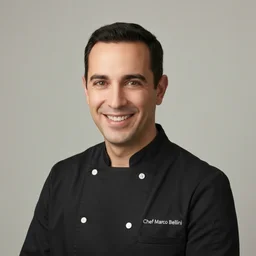
Executive Chef & Culinary Arts Certification Educator
Culinary Institute of AmericaChef Marco Bellini is a Certified Executive Chef and graduate of the Culinary Institute of America with over 20 years of professional kitchen experience in Michelin-recognized restaurants. He teaches culinary arts certification, food safety, and hospitality exam preparation, having guided thousands of culinary students through their ServSafe, ProStart, and professional chef certifications.
Join the Discussion
Connect with other students preparing for this exam. Share tips, ask questions, and get advice from people who have been there.
View discussion (7 replies)