
Online Bartending Class: The Complete Training Guide for Aspiring Bartenders in 2026 September
🗨️ Everything you need to know about online bartending class options, what they cover, costs, and how they prepare you for bartender certification in 2026 September.

An online bartending class has become one of the most accessible and cost-effective ways to break into the bartending industry in the United States. Whether you're a complete beginner looking to launch a new career behind the bar or an experienced server hoping to move into a higher-paying position, online programs offer flexible, self-paced learning that fits around your existing schedule. In 2026, dozens of accredited and industry-recognized programs are available at price points ranging from free introductory courses to comprehensive certification packages costing several hundred dollars.
The modern bartending landscape has shifted significantly over the past decade. Employers who once insisted on in-person bartending school credentials are increasingly accepting online certifications, especially when candidates also hold responsible alcohol service cards such as TIPS, ServSafe Alcohol, or state-mandated certifications like California's RBS or Illinois' BASSET. Understanding which credentials matter most for your target market — whether that's a high-volume nightclub in Las Vegas, a craft cocktail bar in Portland, or a hotel lounge in Chicago — is the first step toward choosing the right program.
Online bartending programs typically cover a wide curriculum that includes the history and production of spirits, classic and modern cocktail recipes, proper measurement and pouring techniques, glassware selection, garnish preparation, and customer service fundamentals. More advanced courses add bar management skills, inventory tracking, cost control calculations, and the specific laws that govern alcohol service in your state. This breadth of content means that a well-chosen online course can genuinely replace or supplement many traditional in-person programs.
One of the biggest advantages of studying online is the ability to revisit difficult material as many times as necessary. In a traditional classroom setting, instructors move at a fixed pace, and students who struggle with topics like pour cost percentage or recipe ratios may fall behind. Online platforms allow you to pause, rewind, and re-read until the material sticks. Many programs also include interactive quizzes after each module, giving you immediate feedback on your comprehension before moving forward to more advanced content.
Cost is another major factor driving enrollment in online programs. Traditional brick-and-mortar bartending schools in major U.S. cities often charge between $400 and $1,200 for a multi-week program. By contrast, reputable online courses can be completed for $50 to $300, and some platforms offer monthly subscription models that let you access the entire course library for a single flat fee. For career changers working with limited budgets, this difference is substantial and can make certification achievable without taking on debt.
It is important to note that online bartending classes vary widely in quality, accreditation, and industry recognition. Some programs are produced by experienced bar professionals and include video demonstrations by award-winning mixologists, while others are little more than text documents with a certificate at the end. Before enrolling, research the program's reputation by reading reviews on industry forums, checking whether the curriculum is aligned with recognized bartender certification standards, and confirming whether employers in your target city actually recognize the credential.
This guide walks you through everything you need to know about choosing, completing, and making the most of an online bartending class in 2026. From comparing the top programs and understanding what the curriculum covers, to learning how online training pairs with state-required alcohol certifications and hands-on practice, you'll finish this article with a clear, actionable roadmap for launching your bartending career on solid footing.
Online Bartending Training by the Numbers

What Online Bartending Classes Cover
In-depth study of how whiskey, vodka, rum, gin, tequila, and brandy are produced, aged, and categorized. Students learn to identify quality indicators, understand regional designations, and make informed recommendations to guests — essential knowledge tested on most bartender certification exams.
Comprehensive coverage of foundational cocktail families including sours, fizzes, highballs, martinis, old fashioneds, and tropical drinks. Programs typically include 50 to 150 recipes with proper ratios, glassware requirements, garnish techniques, and the historical context behind iconic drinks.
State-required content covering how alcohol affects the body, how to identify signs of intoxication, how to refuse service diplomatically, and the legal liability bartenders and employers face when overserving. This module directly prepares students for TIPS, ServSafe, and state-mandated certification exams.
Business-focused modules covering inventory management, pour cost calculation, ordering and receiving protocols, waste reduction strategies, and cash handling procedures. This content is especially valuable for students targeting management-track positions and aligns directly with certification exam content areas.
Overview of federal alcohol regulations and state-specific liquor laws, including licensing requirements, hours-of-sale restrictions, dram shop liability, ID verification standards, and the consequences of serving minors. Understanding these laws protects both the bartender and the establishment from costly legal exposure.
The cost of an online bartending class varies considerably depending on the provider, the depth of curriculum, and whether the program includes a nationally recognized certification upon completion. At the entry level, free courses on platforms like YouTube and Skillshare offer solid foundational content on cocktail recipes and basic technique, but these programs rarely provide any credential an employer would recognize. They are best used as a supplement to a paid program or as a low-cost way to explore the field before committing to a full course.
Mid-tier online programs typically range from $50 to $150 and represent the best value for most career-oriented students. These courses usually include video lessons, downloadable reference guides, module quizzes, and a completion certificate. Some of the most respected names in this category include programs offered through the United States Bartenders' Guild education partners, the Professional Bartending School's online division, and several regional community college continuing education departments that have moved their bartending curricula online since 2020.
Premium online programs priced between $150 and $300 generally offer more comprehensive content, live virtual sessions with working bartenders, peer community forums, and in some cases access to physical practice kits that are mailed to enrolled students. These kits typically include a cocktail shaker, jigger, bar spoon, strainer, and recipe card set — tools that allow students to practice their physical pouring and mixing skills at home rather than waiting until they land their first job. This hands-on component is a significant differentiator for programs that include it.
Responsible alcohol service certifications are an additional cost that most aspiring bartenders need to budget for separately. Programs like TIPS On Premise run approximately $35 to $45 per person and must be renewed every three years. ServSafe Alcohol costs a similar amount. Some states mandate specific state-approved programs: Texas requires TABC certification ($15–$30), Florida requires a four-hour RV-approved course, and California requires RBS certification ($18 for the exam after a free training module). These costs are modest but should be factored into your total training budget.
When comparing programs, look closely at the instructor credentials listed on the course page. Reputable programs are taught by certified sommelier educators, working bar managers with management experience at recognized establishments, or professionals who hold certifications from the Beverage Alcohol Resource (BAR) program or the Wine & Spirits Education Trust (WSET). Courses that list no instructor credentials or that feature generic stock-photo presenters are a red flag worth noting before you hand over your credit card information.
Refund policies are another important comparison point. High-quality online programs stand behind their content and offer at minimum a 30-day money-back guarantee if the material doesn't meet your expectations. Some platforms extend this to 60 days. Programs with no refund policy whatsoever — or only store credit refunds — may signal that the provider knows the content is unlikely to satisfy a critical learner. Always read the refund terms before purchasing, especially for programs priced above $100.
Financial assistance is available for some students through workforce development programs at the state level. Many state workforce agencies and American Job Centers provide vouchers or direct funding for career training programs, including hospitality and food service certifications. If cost is a significant barrier, contacting your local workforce development board before paying out of pocket could save you the entire expense of the course, making your transition into a bartending career essentially free from a training-cost standpoint.
Online vs. In-Person Bartending Training: What's Right for You?
Online bartending programs excel at delivering theoretical knowledge efficiently and affordably. Students can complete coursework at their own pace, accessing video lessons at 2 a.m. if that's when their schedule allows. The ability to replay demonstrations of complex techniques — like layering a pousse-café or executing a perfect dry shake — as many times as needed is a genuine advantage over a classroom where the instructor moves on after a single demo.
The main limitation of online-only training is the lack of physical muscle memory development. Bartending is a hands-on profession, and the smooth, confident movements that impress employers and speed up service during a busy shift only come from thousands of repetitions behind an actual bar. Students who complete online programs should actively seek opportunities to practice at home with real equipment and volunteer for bar-backing or barista shifts to build physical dexterity alongside their theoretical knowledge.

Online Bartending Class: Honest Pros and Cons
- +Significantly lower cost than in-person bartending schools, often 70–80% less expensive
- +Complete coursework on your own schedule, including nights, weekends, and during breaks at your current job
- +Ability to replay complex technique demonstrations as many times as needed for full comprehension
- +Access to instructors and programs from top bartending markets nationwide, not limited by local options
- +Many programs include downloadable study guides and recipe references you can use on the job
- +Certificates from reputable programs are increasingly accepted by employers across the United States
- −No physical practice component means students must source their own equipment and practice opportunities
- −Quality varies enormously between programs, and it can be difficult to distinguish legitimate courses from low-quality ones
- −Lack of real-time instructor feedback means technique errors can go uncorrected until spotted on the job
- −No built-in networking with classmates, instructors, or local bar industry contacts the way in-person schools provide
- −Some employers in prestige markets still prefer or require in-person school credentials for entry-level positions
- −Responsible alcohol service certifications required by most states must be obtained separately, adding cost
Pros and Cons at a Glance
| Pros | Cons |
|---|---|
| Complete coursework on your own schedule, including nights, weekends, and during breaks at your current job | No physical practice component means students must source their own equipment and practice opportunities |
| Ability to replay complex technique demonstrations as many times as needed for full comprehension | Quality varies enormously between programs, and it can be difficult to distinguish legitimate courses from low-quality ones |
| Access to instructors and programs from top bartending markets nationwide, not limited by local options | Lack of real-time instructor feedback means technique errors can go uncorrected until spotted on the job |
| Many programs include downloadable study guides and recipe references you can use on the job | No built-in networking with classmates, instructors, or local bar industry contacts the way in-person schools provide |
| Certificates from reputable programs are increasingly accepted by employers across the United States | Some employers in prestige markets still prefer or require in-person school credentials for entry-level positions |
Online Bartending Class Completion Checklist
- ✓Research at least three online programs and compare curriculum depth, instructor credentials, and student reviews before enrolling.
- ✓Confirm your target state's alcohol server training requirements and verify that your chosen program satisfies them.
- ✓Purchase a basic home bar kit including a shaker, jigger, bar spoon, strainer, and muddler to practice physical techniques.
- ✓Complete all course modules in sequence and score at least 80% on each chapter quiz before advancing.
- ✓Download and save all reference materials, recipe guides, and study documents for use during your first weeks on the job.
- ✓Obtain your state-required responsible alcohol service certification (TIPS, ServSafe Alcohol, or state-specific program) separately.
- ✓Practice 10 foundational cocktail recipes from memory, including correct ratios, glassware, and garnish, until they become automatic.
- ✓Connect with local bar industry professionals through the USBG chapter in your city or hospitality Facebook groups in your market.
- ✓Update your resume to include your online bartending certification, responsible service credential, and any hands-on practice experience.
- ✓Apply for bar-back or barista positions to build physical dexterity and professional references before pursuing full bartending roles.
Your Certificate is the Starting Line, Not the Finish Line
Employers in high-volume or upscale bar environments consistently report that they hire attitude and trainability over credentials. Your online bartending certificate signals that you are serious and self-motivated, but the candidates who land the best jobs are those who pair their certificate with documented hands-on practice, a confident knowledge of classic cocktails, and a genuine enthusiasm for the craft. Use your certificate to get in the door, then let your preparation close the deal.
Choosing the right online bartending program requires looking beyond marketing claims and diving into the specifics of what each course actually delivers. The first question to ask is whether the program includes video instruction or is primarily text-based. Video-forward courses are substantially more effective for learning bartending techniques because so much of the craft is visual — watching an experienced bartender execute a proper two-handed shake, perform a neat free pour, or build a layered shot is far more instructive than reading a written description of the same technique.
Curriculum depth is the second major evaluation criterion. A rigorous program should include at minimum 15 to 20 hours of core content covering spirits education, cocktail recipes and technique, responsible service, and bar operations. Programs that advertise completion in under five hours are almost certainly surface-level overviews rather than substantive training. Check the course outline or syllabus carefully — reputable programs publish this information publicly because they are proud of what they teach, while programs that hide their curriculum structure behind a paywall before enrollment often have something to conceal.
Instructor credentials should be prominently displayed and verifiable. Look for instructors who hold certifications from recognized bodies such as the Bar Smarts program, the Society of Wine Educators, WSET Level 2 or higher, or who have worked as head bartenders or bar managers at named establishments you can research independently. An instructor with 15 years of experience behind the bar in Chicago or New York brings authenticity and practical wisdom that generic hospitality trainers simply cannot replicate, and that difference shows up in the quality and relevance of the course content.
Community and support features distinguish good programs from great ones. The best online bartending courses include access to student forums or Discord communities where enrolled students share practice videos, ask technique questions, and receive feedback from both instructors and peers. Some programs offer monthly live Q&A sessions where students can bring real questions from their practice sessions and get personalized guidance. These interactive elements are especially valuable for beginners who have no professional bar colleagues to turn to for advice during their learning process.
Certification recognition is a practical consideration that deserves direct research rather than assumption. Before enrolling in any program, identify three or four bars or restaurants in your target market where you'd like to work and contact their management directly to ask whether they recognize the credential you're considering.
Most managers will give you a straight answer, and their responses will tell you more about the practical value of a given certificate than any marketing copy on the program's website. If a program's certificate is unknown to local hiring managers, its value in your specific market may be limited regardless of its national reputation.
Update frequency is an often-overlooked quality indicator. The bartending industry evolves continuously — cocktail trends shift, new spirits categories emerge, alcohol laws change at the state level, and responsible service standards are periodically updated by organizations like TIPS and ServSafe. Programs that were last updated in 2019 or earlier may teach outdated recipes, obsolete regulations, and technique standards that have since been refined. Look for programs that specify when the content was last reviewed and updated, and favor those with documented annual or biannual curriculum reviews.
Finally, consider the post-completion support that programs offer. Some of the best online bartending courses include resume templates tailored for bartending job applications, interview preparation guides, and in some cases job board access or employer connections specifically for program graduates. These practical career resources can meaningfully accelerate your transition from student to working bartender, particularly if you are entering the industry without prior hospitality experience and need all the positioning help you can get in a competitive job market.

An online bartending class certificate is NOT a substitute for state-mandated responsible alcohol service certification. As of 2026, at least 38 states have laws or strong employer-driven norms requiring bartenders to hold a recognized responsible service credential such as TIPS, ServSafe Alcohol, California RBS, Texas TABC, or another state-approved program. Working without this certification can expose you and your employer to significant legal liability. Always obtain your state-required credential in addition to your bartending program certificate before you begin working behind the bar.
Building real-world bar skills alongside your online coursework is not optional — it is essential for anyone who wants to compete successfully for bartending positions in today's market. Theoretical knowledge of what goes into a Negroni or how to calculate pour cost is genuinely valuable, but it only becomes meaningful to an employer when it is paired with the physical dexterity, speed, and professional composure that come from actual practice. The good news is that you don't need to work at a bar to begin developing these skills during your training period.
Setting up a home practice bar is one of the most effective investments you can make in your bartending career. You don't need an elaborate setup — a dedicated counter space, a bottle each of your practice spirits (many students use water in reusable bottles to avoid cost and waste), standard barware, and a handful of printed recipe cards is enough to begin building the muscle memory that will serve you during your first weeks on the job. Practice your pours daily, time yourself building common cocktails, and work on building consistent speed without sacrificing accuracy.
Seeking out mentorship from working bartenders is another powerful accelerant for skill development that many online students overlook. Visiting well-regarded cocktail bars during off-peak hours, introducing yourself honestly as someone training to enter the industry, and asking thoughtful questions about technique and career path often leads to surprisingly generous conversations with professionals who remember being in your position. Some of these connections develop into informal mentoring relationships, guest shifts, or direct job referrals — relationships that no online program, however well-constructed, can manufacture for you.
Volunteering at community events that serve alcohol is a low-pressure way to gain real service experience before applying for paid positions. Nonprofit fundraisers, community theater productions, charity galas, and private events frequently need volunteer bartenders and are far more willing to take a chance on a newly certified candidate than a busy commercial bar managing service to hundreds of paying customers. These volunteer experiences provide genuine line items for your resume, build your confidence in a live service environment, and often lead to paid referrals from event organizers who have seen your work firsthand.
Industry events and brand-sponsored tastings offer another avenue for professional development that complements online coursework extremely well. Major spirits brands regularly host free or low-cost educational seminars in cities across the United States, covering topics like the production of bourbon, the regional styles of mezcal, or the history of classic gin cocktails. Attending these events exposes you to industry professionals, keeps your knowledge current with what's happening in the market, and demonstrates to future employers that your interest in bartending extends beyond the minimum required to pass a certification exam.
Practice with real customers through pop-up hosting at home gatherings is a tactic that experienced bartending trainers recommend frequently. Hosting a cocktail night for friends or family where you serve as the bartender, take drink orders, manage a small inventory of spirits and mixers, and work within a realistic time constraint puts your training into a social context that isolated home practice cannot replicate.
The feedback — both verbal and in the form of watching how people actually respond to the drinks you serve — is immediate, honest, and directly applicable to professional situations you'll encounter in your first bartending position.
Pairing all of this hands-on practice with consistent study using practice exams and flashcard systems for recipe memorization will help you retain the theoretical content from your online course long after you've completed the final module.
The bartenders who stand out in their first year on the job are those who can recall recipes quickly under pressure, explain the components of a drink to a curious guest without hesitation, and handle a fast-paced service rush without becoming flustered. That combination of confident knowledge and physical readiness is built through repetition, and the earlier you begin that repetition process, the more prepared you will be when your first real shift behind the bar arrives.
Practical preparation for your bartender certification exam begins with understanding exactly what content areas will be tested and allocating your study time accordingly. Most bartender certification exams assess knowledge across four to six core domains: spirits and beverage knowledge, cocktail preparation and recipes, responsible alcohol service, bar law and liquor regulations, and bar operations including inventory and cost control. The weighting of these domains varies by certifying organization, but responsible service and liquor law content typically account for the largest share of exam questions, reflecting the industry's emphasis on liability management.
Creating a structured study schedule rather than studying randomly produces measurably better exam results. Allocate your available study time across the exam's content domains in proportion to their exam weight, dedicating extra time to areas where your practice quiz scores reveal weaknesses. If your performance on bar law and liquor regulation questions is significantly lower than your scores on spirits knowledge questions, shift your study time accordingly rather than continuing to review material you've already mastered. This targeted approach to exam preparation is more efficient and typically results in faster score improvement.
Practice exams are among the most effective preparation tools available because they expose you to the format, phrasing, and difficulty level of actual certification exam questions before test day. The questions on PracticeTestGeeks mirror the style and content of real bartender certification exams, covering everything from specific proof calculations and alcohol by volume conversions to dram shop liability scenarios and correct ID verification procedures. Taking timed practice exams under realistic conditions helps reduce test anxiety and improves your ability to manage time during the actual exam.
Flashcard systems work extremely well for memorizing the specific facts that appear on bartender certification exams — minimum serving ages, legal blood alcohol concentration limits, proof equivalents, standard pour sizes, and the names and characteristics of specific cocktail families. Digital flashcard platforms like Anki use spaced repetition algorithms that show you cards at increasing intervals as you demonstrate mastery, maximizing long-term retention while minimizing total study time. Building a comprehensive flashcard deck during your online course and reviewing it daily for two to three weeks before your exam is one of the highest-return study strategies available.
Study groups, even informal virtual ones organized through social media or bartending forums, provide an accountability structure and collaborative learning dynamic that solo studying cannot replicate. Explaining a concept to a study partner — like walking through how to calculate the pour cost percentage of a cocktail or describing the three-tier alcohol distribution system — forces you to organize your own understanding of the material in a way that passive reading never does.
When you can teach something clearly, you have truly learned it, and that depth of understanding serves you both on the certification exam and in real professional conversations with bar managers and colleagues.
The night before your exam, avoid cramming new material and instead focus on light review of the topics you feel least confident about, get a full night's sleep, and ensure you have all required identification and any registration confirmation materials organized and ready.
Exam anxiety is a real performance inhibitor, and students who arrive at test centers rested and prepared consistently outperform equally knowledgeable students who stayed up late trying to absorb last-minute information. Trust your preparation, approach the exam calmly, and remember that your weeks of structured study through your online bartending course have given you a genuine foundation to succeed.
After passing your certification exam, the work of becoming an excellent bartender is really just beginning. The certificate opens doors, but what happens once you walk through them is determined by your professionalism, your eagerness to keep learning, and your willingness to take direction from more experienced colleagues during your first months on the job.
The bartenders who build the best long-term careers are those who combine strong foundational knowledge with genuine hospitality instincts — the ability to read a room, anticipate guests' needs, and create an experience that makes people want to come back. Your online bartending class gave you the knowledge foundation. Your attitude and dedication will build the career.
Bartender Bartender Questions and Answers

Bartending Kit: The Complete Tool Guide for Certification Prep

Bartender Age Requirements by State

Bartending Classes Near Me: How to Find, Compare, and Choose the Right Local Training Program in 2026

Popular Bartender Drinks: The Complete 2026 Guide to Classic Cocktails, Modern Favorites, and Bar Menu Essentials

How to Become a Bartender by State: Complete Requirements Guide for All 50 States
About the Author
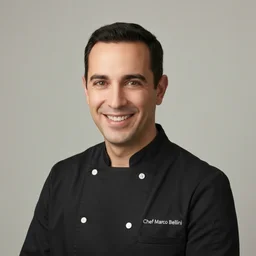
Executive Chef & Culinary Arts Certification Educator
Culinary Institute of AmericaChef Marco Bellini is a Certified Executive Chef and graduate of the Culinary Institute of America with over 20 years of professional kitchen experience in Michelin-recognized restaurants. He teaches culinary arts certification, food safety, and hospitality exam preparation, having guided thousands of culinary students through their ServSafe, ProStart, and professional chef certifications.
Join the Discussion
Connect with other students preparing for this exam. Share tips, ask questions, and get advice from people who have been there.
View discussion (7 replies)