
Popular Bartender Drinks: The Complete 2026 October Guide to Classic Cocktails, Modern Favorites, and Bar Menu Essentials
Popular bartender drinks every pro should master in 2026 October. 🏆 Recipes, ratios, history, and bar menu must-haves for cocktails that sell.
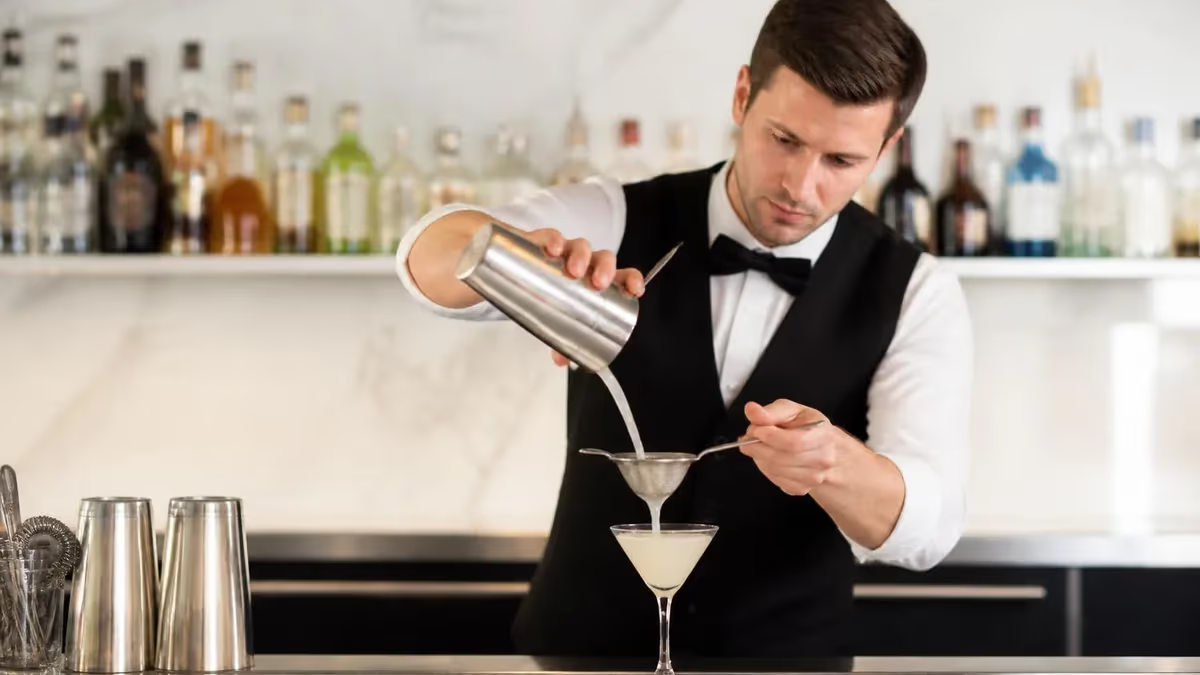
Popular bartender drink recipess are the backbone of every successful bar program, and knowing the canon cold is the single fastest way to look competent on your first shift. Whether you are pouring at a hotel lobby bar in Chicago, a beach club in Miami, or a craft cocktail lounge in Brooklyn, guests will order from the same shortlist of roughly forty drinks more than ninety percent of the time. Mastering that shortlist beats memorizing a thousand obscure recipes every single time.
The modern American drink list has shifted dramatically since 2020. Spirit-forward stirred classics like the Old Fashioned, Manhattan, and Negroni now outsell sugary frozen drinks at most full-service bars. Espresso Martinis returned with a vengeance after a viral TikTok wave and still hold a top-five slot at most urban venues. Low-ABV spritzes, mezcal cocktails, and zero-proof builds have moved from niche to mainstream, especially with Gen Z guests who drink less but spend more per pour.
This guide walks through the cocktails you absolutely must know, organized by spirit base, glassware, and method. We cover the classic six (Daiquiri, Sidecar, Whiskey Sour, Margarita, Manhattan, Old Fashioned), the modern essentials (Espresso Martini, Aperol Spritz, Paloma, Mezcal Negroni), and the menu workhorses that keep a bar profitable on a Tuesday at 9 PM. Every recipe includes the standard build, common variations, and the upsell move that turns a four-dollar tip into a ten-dollar tip.
We also unpack the business side that most bartending school graduates never learn. Pour cost percentages, garnish prep timing, batching strategies for high-volume nights, and the legal pour limits that protect both your guest and your license. A bartender who understands the math behind a cocktail menu earns thirty to forty percent more in tips than one who simply follows recipe cards, because they can recommend with confidence and read the room.
The information here applies to bartenders working anywhere in the United States, with notes on regional preferences. Texas guests order Frozen Margaritas at triple the national rate. New Orleans bars still move Sazeracs by the hundreds nightly. Pacific Northwest crowds skew toward dry gin Martinis and bourbon flights. Florida and Arizona drive piña colada and mojito volume during peak tourist months. Knowing your local market is half the battle behind the stick.
If you are preparing for state certification, this content pairs directly with the responsible service material you will see on bartender exams. Service size limits, intoxication signs, and standard drink equivalents all connect to which drinks you are mixing and how strong they actually are. A typical Long Island Iced Tea contains four standard drinks in one glass, which has serious implications for both your guest's safety and your bar's liability under state dram shop laws.
By the end of this article you will have a working command of the cocktails ordered most often at American bars in 2026, the techniques to build them quickly and consistently, and the menu intelligence to recommend confidently. Bookmark this page, practice the builds at home, and you will be three weeks ahead of every other new bartender on the floor when your first shift starts.
Popular Bartender Drinks by the Numbers
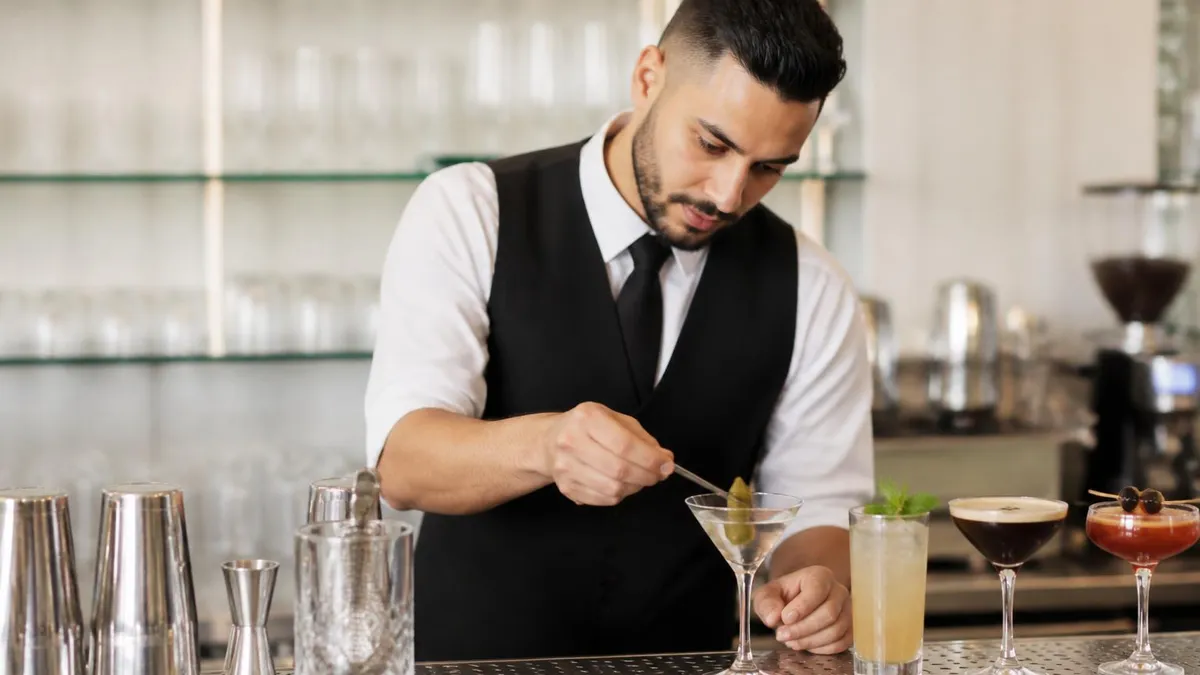
The Cocktail Categories Every Bartender Must Know
Manhattans, Old Fashioneds, Negronis, Martinis, Sazeracs. Stirred in mixing glass, strained, no citrus. Highest profit margin and fastest growing category in American bars since 2022.
Margaritas, Daiquiris, Whiskey Sours, Sidecars, Cosmopolitans. Spirit plus citrus plus sweetener, shaken hard with ice. The largest single category by volume at most full-service bars.
Mojitos, Palomas, Moscow Mules, Gin & Tonics, Tom Collins. Built in glass with ice and topped with soda or tonic. Fast to make and easy to drink, perfect summer sellers.
Piña Coladas, Mai Tais, Frozen Margaritas, Hurricanes, Daiquiris. Blended or shaken with juices and syrups. Vacation-bar staples that drive volume in resort markets year-round.
Espresso Martinis, White Russians, Brandy Alexanders, Mudslides. Rich texture, after-dinner appeal, and high check averages. Espresso Martinis alone account for ten percent of US cocktail volume.
The Classic Six is industry shorthand for the cocktails that every working bartender needs to build flawlessly without thinking. They are the Daiquiri, Sidecar, Whiskey Sour, Margarita, Manhattan, and Old Fashioned. Master these and you can ride the patterns straight into roughly two hundred other recipes, because almost every modern cocktail is a variation of one of these original templates.
The Daiquiri is two ounces of white rum, one ounce of fresh lime juice, and three quarters of an ounce of simple syrup, shaken hard with ice and double strained into a coupe. This three-part formula, called the sour template, is the most important recipe in bartending. Change the rum to tequila and lime to lime plus orange liqueur, and you have a Margarita. Change to whiskey, and you have a Whiskey Sour. Change to gin, and you have a Gimlet.
The Old Fashioned is the spirit-forward template that defines an entire family of cocktails. Two ounces of bourbon or rye, a sugar cube or quarter ounce of simple syrup, two dashes of Angostura bitters, stirred over a large ice cube and garnished with an orange peel. Manhattan is the same template but with sweet vermouth replacing the sugar. Sazerac swaps rye for rye with absinthe rinse and Peychaud's bitters. The structure repeats endlessly.
The Margarita deserves its own analysis because it is the single most-ordered cocktail in America by volume, with roughly one in every five cocktails poured at full-service bars being some form of Margarita. The standard build uses two ounces of blanco tequila, one ounce of fresh lime juice, three quarters ounce of orange liqueur (Cointreau or triple sec), shaken and served up or on the rocks with a salted rim. Frozen versions add ice and blend.
The Manhattan separates the new bartender from the seasoned one almost immediately. Two ounces of rye whiskey, one ounce of sweet vermouth, two dashes of Angostura bitters, stirred for thirty seconds over cracked ice, strained into a chilled coupe, garnished with a brandied cherry. Guests will ask for it perfect (half sweet, half dry vermouth), dry (only dry vermouth), or up versus on the rocks. Always confirm the spec before building.
The Sidecar is the brandy member of the sour family and has resurged with younger drinkers seeking refined classics. Two ounces of Cognac, one ounce of orange liqueur, three quarters ounce of fresh lemon juice, shaken hard and served up in a sugar-rimmed coupe. The Sidecar is the parent recipe for the Margarita itself; the only structural difference is the spirit base and the citrus choice.
The Whiskey Sour rounds out the classic six and remains a top ten seller across all American bar formats. Two ounces of bourbon, three quarters ounce of fresh lemon juice, three quarters ounce of simple syrup, optionally with half an egg white for a silky texture. The egg white version, called a Boston Sour, requires a dry shake first (without ice) and then a wet shake with ice to build the foam properly.
Bartender Practice Test Questions
Prepare for the Bartender Certification exam with our free practice test modules. Each quiz covers key topics to help you pass on your first try.
Bartender Certification Bar Inventory and ...
Bartender Exam Questions covering Certification Bar Inventory and Cost Control. Master Bartender Test concepts for certification prep.
Bartender Certification Bar Law and Liquor...
Free Bartender Practice Test featuring Certification Bar Law and Liquor Regulations. Improve your Bartender Exam score with mock test prep.
Bartender Certification Bar Sanitation and...
Bartender Mock Exam on Certification Bar Sanitation and Safety. Bartender Study Guide questions to pass on your first try.
Bartender Certification Bar Setup and Orga...
Bartender Test Prep for Certification Bar Setup and Organization. Practice Bartender Quiz questions and boost your score.
Bartender Certification Bar Tools and Glas...
Bartender Questions and Answers on Certification Bar Tools and Glassware. Free Bartender practice for exam readiness.
Bartender Certification Basic
Bartender Mock Test covering Certification Basic. Online Bartender Test practice with instant feedback.
Bartender Certification Cocktail Recipes a...
Free Bartender Quiz on Certification Cocktail Recipes and Techniques. Bartender Exam prep questions with detailed explanations.
Bartender Certification Customer Service a...
Bartender Practice Questions for Certification Customer Service and Sales. Build confidence for your Bartender certification exam.
Bartender Certification Customer Service S...
Bartender Test Online for Certification Customer Service Skills. Free practice with instant results and feedback.
Bartender Certification Mixology Fundamentals
Bartender Study Material on Certification Mixology Fundamentals. Prepare effectively with real exam-style questions.
Bartender Certification Responsible Alcoho...
Free Bartender Test covering Certification Responsible Alcohol Service. Practice and track your Bartender exam readiness.
Bartender Certification Spirits, Beer, and...
Bartender Exam Questions covering Certification Spirits, Beer, and Wine. Master Bartender Test concepts for certification prep.
Bartender Certification Spirits, Liqueurs,...
Free Bartender Practice Test featuring Certification Spirits, Liqueurs, and Cocktails. Improve your Bartender Exam score with mock test prep.
Bartender Responsible Alcohol Service
Bartender Mock Exam on Responsible Alcohol Service. Bartender Study Guide questions to pass on your first try.
Bartender Spirits, Liqueurs, and Cocktails
Bartender Test Prep for Spirits, Liqueurs, and Cocktails. Practice Bartender Quiz questions and boost your score.
Bartender Bar Sanitation and Safety
Bartender Questions and Answers on Bar Sanitation and Safety. Free Bartender practice for exam readiness.
Bartender Bar Setup and Organization
Bartender Mock Test covering Bar Setup and Organization. Online Bartender Test practice with instant feedback.
Bartender Bar Tools and Glassware
Free Bartender Quiz on Bar Tools and Glassware. Bartender Exam prep questions with detailed explanations.
Bartender Basic
Bartender Practice Questions for Basic. Build confidence for your Bartender certification exam.
Bartender Cocktail Recipes and Techniques
Bartender Test Online for Cocktail Recipes and Techniques. Free practice with instant results and feedback.
Bartender Customer Service and Sales
Bartender Study Material on Customer Service and Sales. Prepare effectively with real exam-style questions.
Bartender Customer Service Skills
Free Bartender Test covering Customer Service Skills. Practice and track your Bartender exam readiness.
Spirit-by-Spirit Breakdown of Best-Selling Cocktails
Vodka still leads US spirit volume despite the cocktail renaissance, and the top sellers are predictable. Vodka Soda with lime stays the volume champ at most clubs and casual bars. Moscow Mules in copper mugs remain a steady top-ten order. Espresso Martinis have become the dominant vodka cocktail at upscale venues, often outselling every other drink on the menu combined during late-night dessert service hours nationwide.
Gin has roared back since 2021, fueled by craft distilleries and the Negroni craze. Gin and Tonic is the workhorse, especially with premium gins like Hendrick's, Tanqueray Ten, and Monkey 47. The Martini, both vodka and gin, remains the test of every bartender's technique, with guests specifying olive count, dirty levels, twist versus olive, and stirred versus shaken with strong personal opinions.
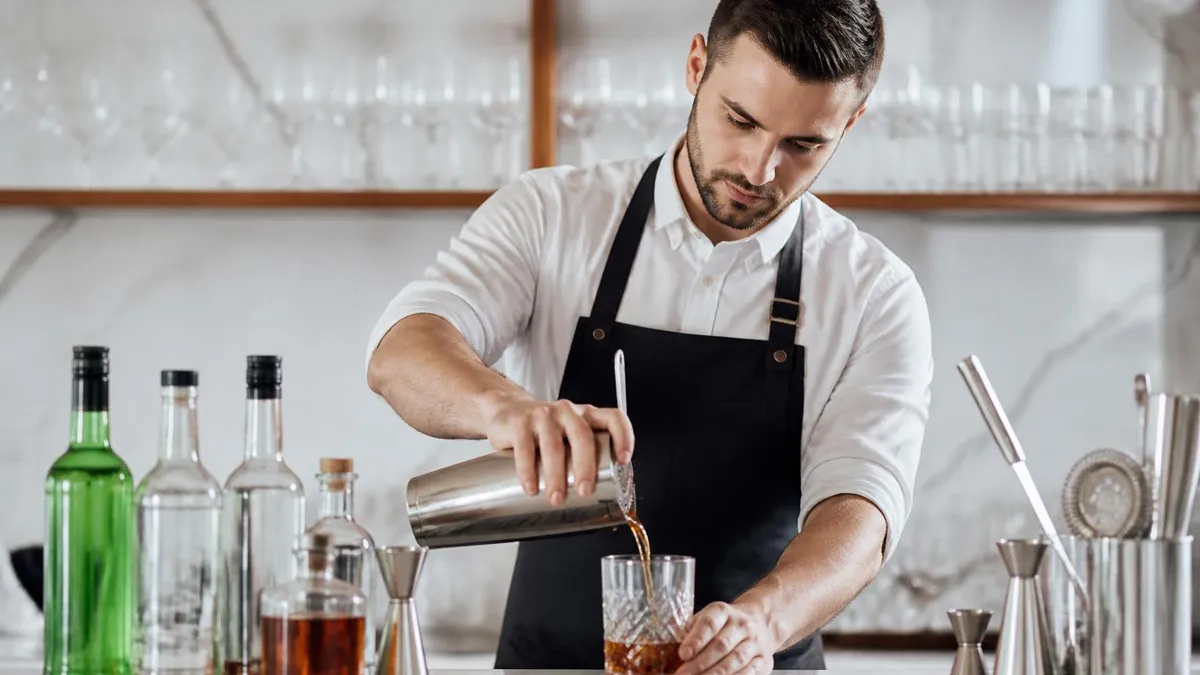
Building a Classic Cocktail Menu vs. Going Modern
- +Classic menus require less staff training and shorter onboarding cycles
- +Standardized recipes reduce variance and customer complaints across shifts
- +Guests already know what to order, which speeds service and increases throughput
- +Lower ingredient SKU count means simpler inventory and lower spoilage risk
- +Pour costs are predictable and easier to control on a weekly basis
- +Classic cocktails carry premium pricing power and high margin per pour
- −Less differentiation from competing bars in the same neighborhood
- −Younger guests increasingly seek novelty and Instagrammable presentations
- −Limited menu can underperform in tourist or destination markets
- −Smaller upsell ceiling without seasonal or signature cocktail options
- −Press coverage and social media reach favor creative modern programs
- −Bartender talent may seek venues with more creative freedom and recipe development
Pros and Cons at a Glance
| Pros | Cons |
|---|---|
| Classic menus require less staff training and shorter onboarding cycles | Less differentiation from competing bars in the same neighborhood |
| Standardized recipes reduce variance and customer complaints across shifts | Younger guests increasingly seek novelty and Instagrammable presentations |
| Guests already know what to order, which speeds service and increases throughput | Limited menu can underperform in tourist or destination markets |
| Lower ingredient SKU count means simpler inventory and lower spoilage risk | Smaller upsell ceiling without seasonal or signature cocktail options |
| Pour costs are predictable and easier to control on a weekly basis | Press coverage and social media reach favor creative modern programs |
| Classic cocktails carry premium pricing power and high margin per pour | Bartender talent may seek venues with more creative freedom and recipe development |
Daily Popular Cocktail Prep Checklist
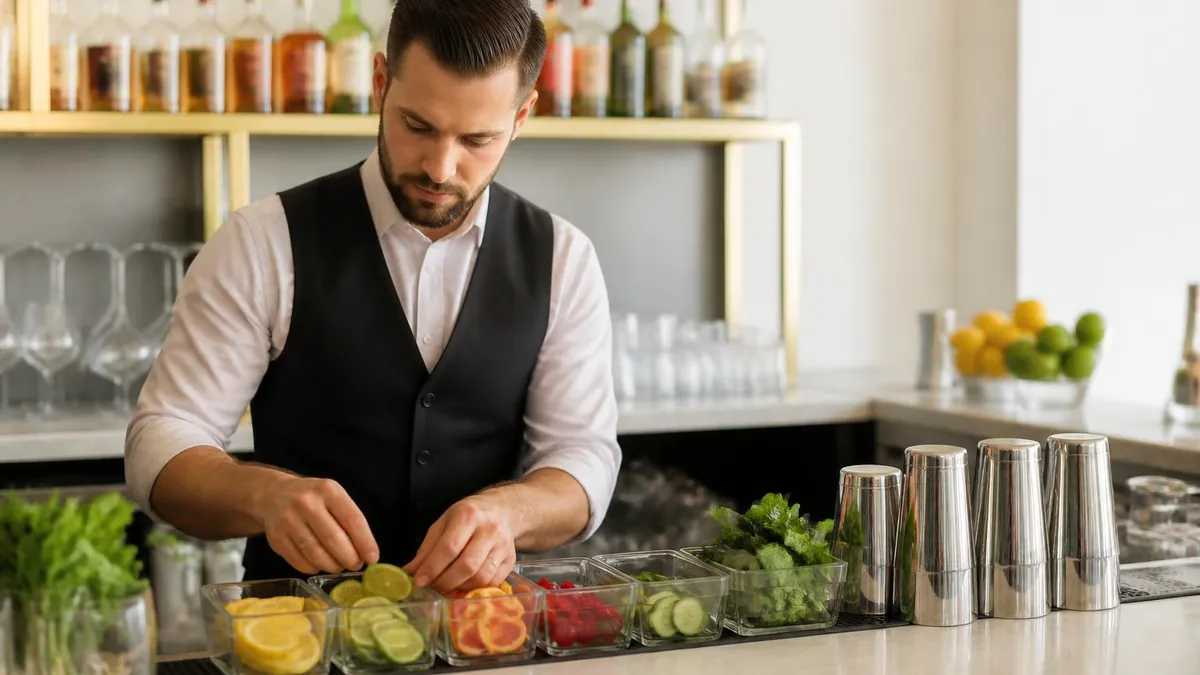
- ✓Juice fresh lemons and limes in clearly labeled, dated quart containers
- ✓Restock simple syrup, demerara syrup, and any house-made syrups to par level
- ✓Cut orange peels, lemon twists, and prep brandied cherries for spirit-forward drinks
- ✓Refill olive jars (with brine for dirty Martinis) and check pickled vegetable garnishes
- ✓Test ice quality, ensuring large-format cubes for rocks pours and crushed ice for tiki
- ✓Confirm vermouth bottles are refrigerated and rotate any open bottle over thirty days
- ✓Verify Angostura, Peychaud's, and orange bitters are full and within easy reach
- ✓Polish coupe glasses, rocks glasses, Nick and Nora glasses, and Collins glasses
- ✓Check soda gun lines and CO2 pressure, replacing any flat or off-tasting tonic
- ✓Review the daily eighty-six list and update guests immediately if signature drinks are unavailable
The 80/20 Rule of Bar Menus
At virtually every American bar, twenty percent of the cocktails on the menu generate eighty percent of the cocktail revenue. Identify those drinks in your first two shifts, perfect them, and you will move from new hire to top earner in weeks instead of months. Speed and consistency on the top sellers matter more than knowing fifty obscure recipes.
Understanding the economics behind popular bartender drinks separates a hobbyist from a professional. A standard two-ounce pour of well vodka costs the bar roughly seventy cents at typical wholesale pricing. Sold as a Vodka Soda for twelve dollars, that drink carries a pour cost of about six percent, an extraordinarily profitable item. The same well vodka in a Cosmopolitan with cranberry, lime, and orange liqueur might run fourteen percent pour cost at sixteen dollars retail.
Premium and call brands change the math significantly. A Macallan 12 Old Fashioned might cost the bar four dollars in product alone, but sells for twenty-two to twenty-eight dollars, still hitting target pour cost while delivering a vastly higher absolute profit per drink. Bartenders who confidently recommend premium upgrades earn more in tips and help the bar hit revenue targets, which is why upselling is taught alongside recipes in every serious bartending school.
Menu pricing also reflects time-to-build. A Mojito requires muddled mint, fresh lime, sugar, rum, soda, and a careful garnish, and takes roughly two minutes to build correctly. A Vodka Soda takes fifteen seconds. Smart menu engineering prices labor-intensive drinks higher to compensate for the bar real estate and bartender time consumed during peak service. Look at any well-run cocktail bar and you will see this pattern repeated consistently throughout the entire drink list.
Standard drink equivalence is critical knowledge for any bartender in the United States. One standard drink contains roughly 0.6 ounces of pure alcohol. A typical Margarita with a two-ounce tequila pour and a half-ounce orange liqueur contains about 1.5 standard drinks. A Long Island Iced Tea with five different spirits contains close to four standard drinks. Knowing these numbers helps you pace service and identify guests approaching their legal limit before they become a liability.
Batching has become essential at high-volume modern bars. Pre-batched Negronis, Boulevardiers, and Manhattans can be poured from a chilled bottle in five seconds rather than built individually, cutting service time by eighty percent during rush hours. Espresso Martinis can be batched in dairy-safe formulations using cold espresso concentrate and pre-shaken cream components, ready to shake and pour in under thirty seconds even on the busiest Friday nights at peak service.
Garnish economics matter more than new bartenders realize. A bag of mint costs the bar five dollars and yields about forty Mojitos. A single dehydrated citrus wheel costs twenty-two cents and adds two dollars of perceived value. Edible flowers, fresh herb sprigs, and specialty cherries all carry strong return on investment when used purposefully. Wasted garnishes, however, can destroy margins faster than over-pouring, especially at venues with high turnover bartending staff.
Finally, comp policies and house pours need to be understood from day one. Most bars allow bartenders to comp a small percentage of sales for service recovery, but every comp must be rung through the POS with the proper code. Buybacks (sending a guest a free drink to encourage loyalty) follow similar rules. Free pouring without ringing is the single fastest way to get fired in this industry, no matter how generous you think you are being.
Popular drinks like Long Island Iced Teas, AMFs (Adios Motherfuckers), and Zombies pack three to five standard drinks into a single glass. Many states hold bartenders personally liable under dram shop laws if intoxicated guests cause harm. Always pace service, check IDs religiously, and refuse service when impairment signs appear, regardless of how popular the drink is.
Service speed on popular cocktails directly determines your earnings. A bartender who delivers a perfect Old Fashioned in forty-five seconds and a Margarita in thirty seconds will turn three times the tables on a busy Saturday compared to a slower colleague mixing the same drinks. Speed comes from station setup, muscle memory, and ruthless prioritization of the top twenty cocktails on your menu. Recipe cards are training wheels you should outgrow within sixty days.
Upselling is the highest-use skill you can develop behind the bar. When a guest orders a Margarita, the script is simple: "Absolutely. Would you like that with our house tequila or would you prefer Casamigos or Don Julio reposado for a smoother finish?" That single sentence converts roughly forty percent of guests from a twelve-dollar drink to an eighteen-dollar drink, and your tip scales proportionally with the check total at virtually every American venue.
Reading the room is what truly improves a bartender to expert status. A group of four guests in their fifties in business attire on a Tuesday night likely wants stirred classics, not flaming shots. A bachelorette party at 11 PM on a Friday wants Cosmos, Espresso Martinis, and shareable tropical pitchers. A solo guest in workout clothes on a Sunday probably wants a Bloody Mary or a Michelada. Match your recommendations to the moment.
Communicating with the kitchen and server team multiplies your effectiveness exponentially. When the kitchen tickets a six-top with appetizers in five minutes, that table's cocktails need to land in two minutes flat. When a server tells you a guest has a nut allergy, you remember not to use orgeat in their cocktail. Bartenders who function as part of the broader service team earn more tips, get better shifts, and advance to lead positions much faster.
Knowing classical context improves your guest interactions. When someone orders an Old Fashioned, telling them it dates to 1880s Louisville and that the name comes from guests asking for cocktails the "old fashioned way" creates a memorable moment worth tipping for. Storytelling is part of the product you sell, and the best bartenders weave history, technique notes, and personal recommendations into every interaction without ever sounding rehearsed, pompous, or condescending toward the guest.
Continuing education matters in this industry. Brands constantly launch new products, new techniques emerge each year (the recent rise of clarified milk punches and fat-washed spirits being prime examples), and guest preferences evolve. Reading trade publications like Imbibe and Punch, following respected bartenders on Instagram, and attending brand-sponsored education events keep your knowledge fresh and your menu recommendations sharp. Look at this guide on bartending techniques for more depth on speed and style.
Finally, treat every shift as a chance to refine your top twenty cocktails. Time your builds. Audit your portions. Ask experienced colleagues to taste-test your Manhattans and Margaritas weekly. Bartenders who treat their craft like athletes treat training reach top tier earnings within two years. Bartenders who coast on "good enough" earn average tips for an entire career. The choice is yours and the gap compounds quickly over time.
Practical mastery of popular bartender drinks comes down to deliberate, repeated practice on the cocktails that matter most. Pick the top ten drinks at your venue, write the recipes on index cards, and build each one twenty times this week. By the end of one week of intentional practice, your build speed will drop by half and your consistency will rise dramatically. This single exercise is worth more than any week-long bartending school course you can pay for upfront.
Invest in your own tools as soon as your first paycheck clears. A quality Japanese jigger (two-sided, accurate to a quarter ounce), a weighted Boston shaker set, a Hawthorne strainer, a fine mesh strainer for double straining, a barspoon, and a Y-shaped peeler for citrus garnish work will run you under two hundred dollars total. Owning your own gear signals professionalism and ensures you never struggle with a dull mismatched house kit during a busy shift.
Build a tasting library at home, even on a budget. You do not need premium bottles to study cocktail structure. Buy one mid-range bottle each of bourbon, rye, gin, vodka, blanco tequila, white rum, sweet vermouth, dry vermouth, and Campari. Add Angostura, Peychaud's, and orange bitters. With this nine-bottle home bar you can build sixty of the most ordered cocktails in America and understand exactly how a tweak to any single ingredient changes the final product.
Network aggressively within the industry. Attend brand education sessions even when they are optional. Talk to liquor reps because they have the budget and the information to advance your knowledge faster than anyone else. Make friends with bartenders at competing venues. The bar industry is small in every city, and the bartender who knows everyone gets the best shift offers, the best training opportunities, and the best inside intelligence on upcoming venue openings hiring new staff.
Plan your career trajectory deliberately. Year one is about speed, accuracy, and learning the canon of popular bartender drinks cold. Year two is about developing a personal style, refining guest interaction, and possibly starting to specialize (tiki, classics, agave). Year three is when you should be considering lead positions, bar manager roles, or specialty venues that pay top tier hourly plus strong tips. Bartenders without a three-year plan tend to plateau early and stagnate.
Consider certification as a serious credential, not a checkbox. State bartending and responsible service certifications protect both you and your employer legally, and many top venues now require them as a baseline hiring criterion. Beyond mandatory certifications, consider voluntary credentials like the Bar Smarts program (sponsored by Pernod Ricard) or the Court of Master Sommeliers introductory course for staff working at venues with strong wine programs alongside their cocktail offerings.
Track your own metrics weekly. Total tips, average check size, sales by shift, and even individual drink build counts can be tracked in a simple spreadsheet or notes app. Bartenders who measure their performance improve it. Those who do not, drift. After ninety days you will see clear patterns: which shifts pay best, which menu items you sell most, and which interactions trigger the highest tips. That data is your career roadmap and the foundation of every promotion you will ever earn.
Sample Bartender Certification Practice Questions
Try these questions from our free Bartender Certification practice tests. The correct answer and an explanation follow each question.
A bartender is preparing two different cocktails: a shaken Margarita and a stirred Manhattan. To ensure each drink has the correct texture and clarity, which strainers should be used respectively?
- A. Julep strainer for the Margarita, Hawthorne strainer for the Manhattan
- B. Fine mesh strainer for both
- C. Hawthorne strainer for the Margarita, Julep strainer for the Manhattan
- D. No strainer is needed for a stirred drink
Answer: C. Hawthorne strainer for the Margarita, Julep strainer for the Manhattan
A Hawthorne strainer, with its tight coil, is designed to fit securely on a shaker tin and is ideal for straining shaken drinks like a Margarita, catching ice chips and fruit pulp. A Julep strainer is designed to fit into a mixing glass and is best for stirred cocktails like a Manhattan, allowing for a smooth pour while holding back large ice cubes.
A bartender is preparing a classic Negroni. Which of the following ingredient combinations is correct?
- A. Gin, Sweet Vermouth, and Campari
- B. Vodka, Dry Vermouth, and Olive Brine
- C. Whiskey, Sugar, and Angostura Bitters
- D. Rum, Lime Juice, and Simple Syrup
Answer: A. Gin, Sweet Vermouth, and Campari
A classic Negroni is made with equal parts Gin, Sweet Vermouth, and Campari. The other options represent different classic cocktails: a Martini (Vodka, Dry Vermouth, Olive Brine), an Old Fashioned (Whiskey, Sugar, Angostura Bitters), and a Daiquiri (Rum, Lime Juice, Simple Syrup).
A customer who enjoys whiskey-based cocktails asks for something classic, stirred, and served 'up'. Which of the following is the most suitable recommendation?
- A. Mojito
- B. Margarita
- C. Manhattan
- D. Moscow Mule
Answer: C. Manhattan
A Manhattan is a classic cocktail made with whiskey (typically rye or bourbon), sweet vermouth, and bitters. It is traditionally stirred and served up in a chilled coupe or cocktail glass, fitting the customer's request perfectly. A Mojito and Margarita are typically shaken and served with ice, while a Moscow Mule is built in a mug over ice.
A bartender needs to precisely measure 1.5 oz of whiskey for a classic cocktail. Which bar tool is specifically designed for this purpose?
- A. A bar spoon
- B. A jigger
- C. A Boston shaker tin
- D. A muddler
Answer: B. A jigger
A jigger is a small hourglass-shaped measuring tool used by bartenders to ensure precise and consistent amounts of spirits and other liquids in cocktails. They come in various sizes, with the 1.5 oz / 0.75 oz combination being very common.
Bartender Bartender Questions and Answers
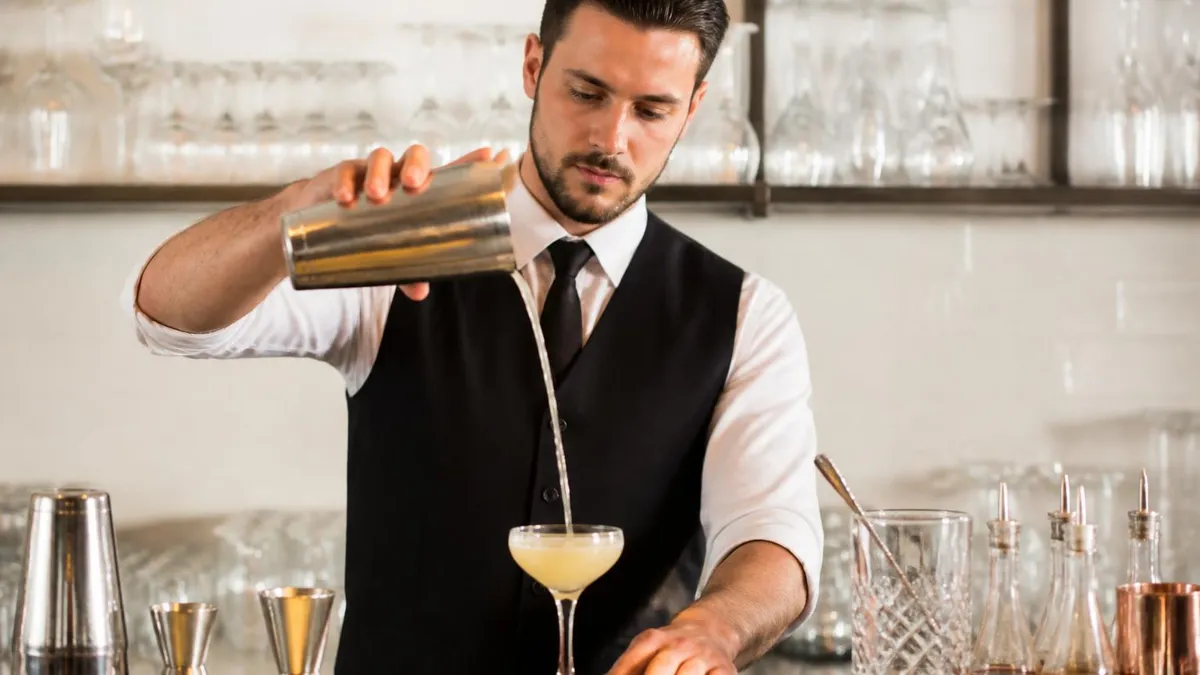
Bartender Near Me: How to Find, Vet, and Hire a Local Bartender in 2026
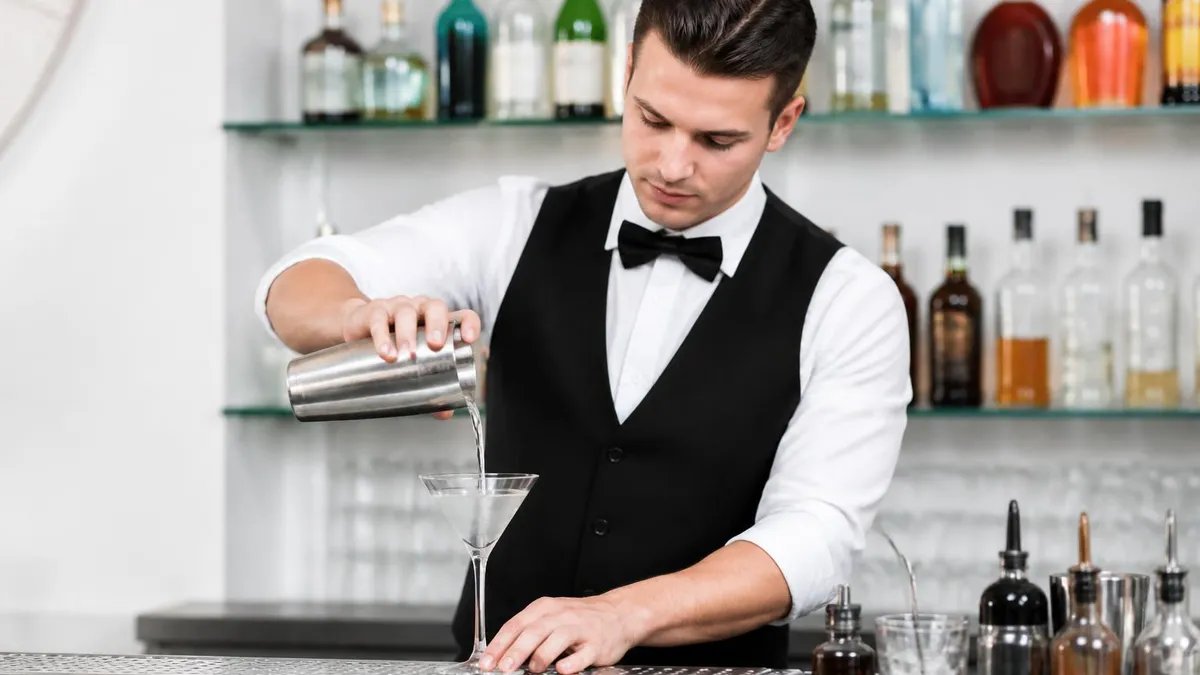
Wisconsin Bartending License: Operator's License Guide 2026
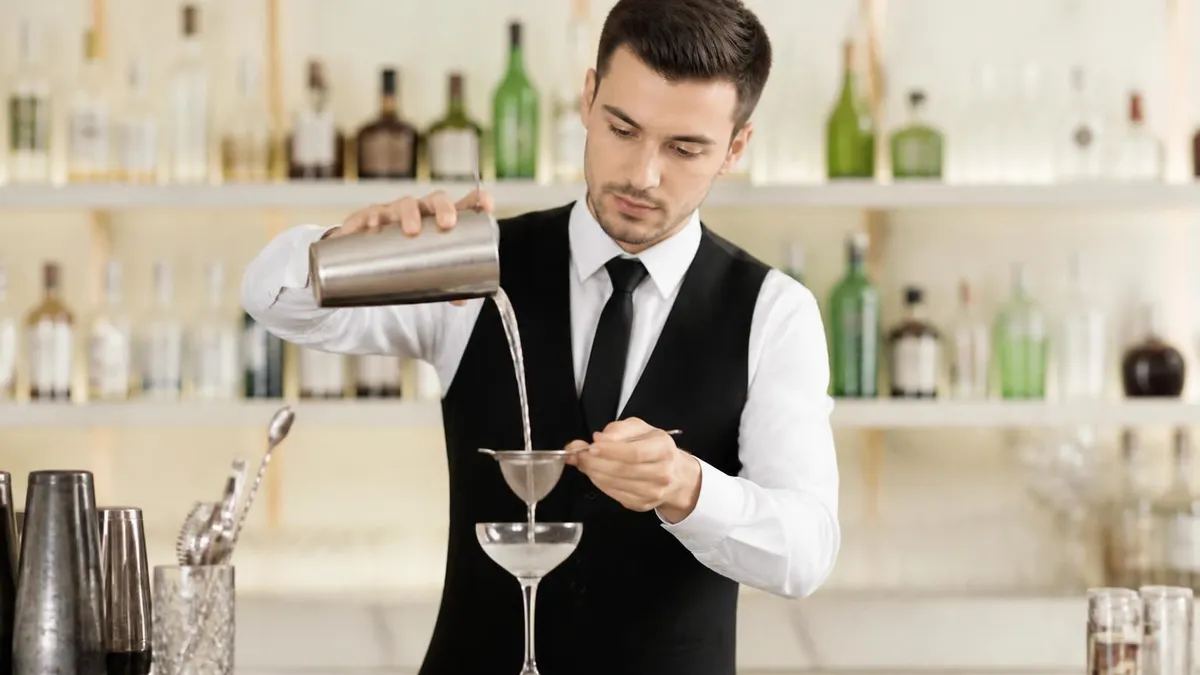
Shot Bartending Techniques: The Complete Guide to Speed, Style, and Service Behind the Bar
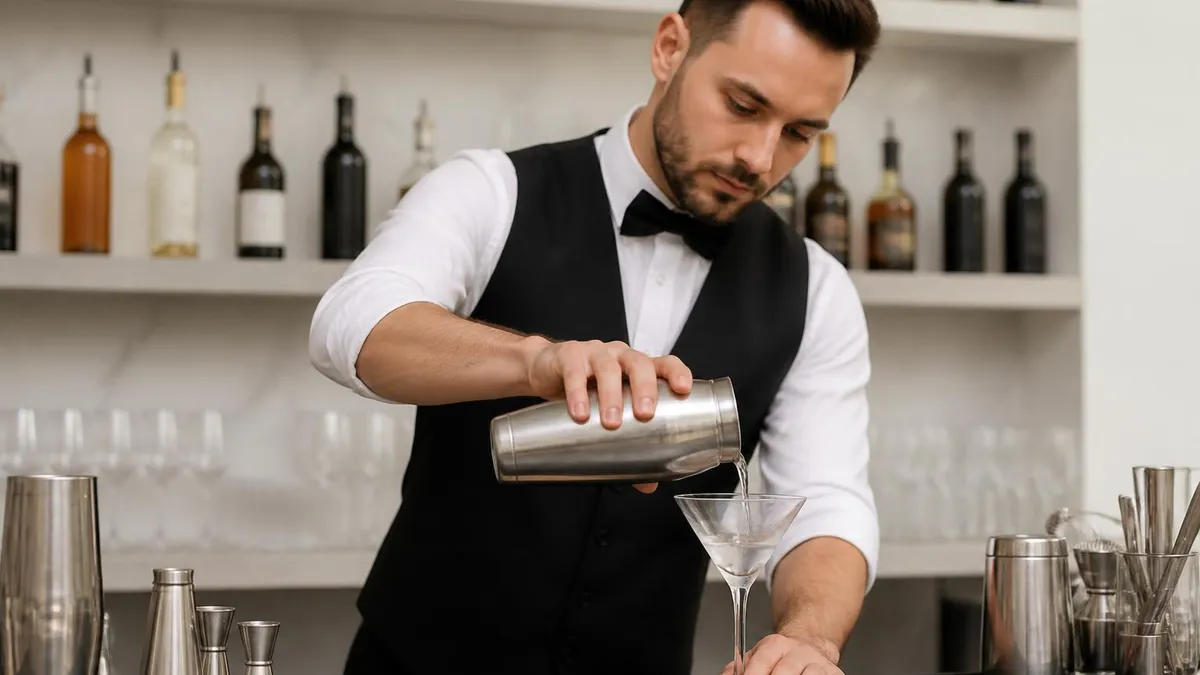
Bartender for Hire: How to Book, Pricing Guide, and What to Expect in 2026
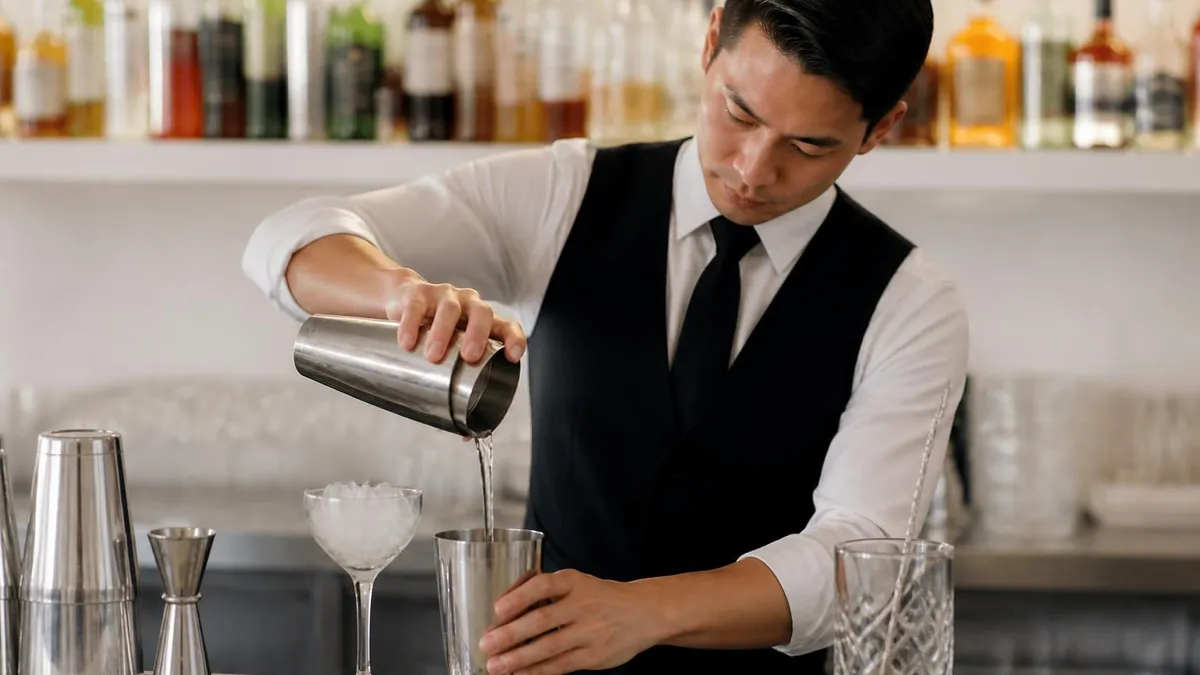
Bartending License Florida: Complete Certification & Permit Guide for 2026
About the Author
Executive Chef & Culinary Arts Certification Educator
Culinary Institute of AmericaChef Marco Bellini is a Certified Executive Chef and graduate of the Culinary Institute of America with over 20 years of professional kitchen experience in Michelin-recognized restaurants. He teaches culinary arts certification, food safety, and hospitality exam preparation, having guided thousands of culinary students through their ServSafe, ProStart, and professional chef certifications.
Join the Discussion
Connect with other students preparing for this exam. Share tips, ask questions, and get advice from people who have been there.
View discussion (7 replies)