
Bartending Class Near Me — Complete Guide (2026 September)
Find a bartending class near me: 🗨️ program types, costs $75-$700, top schools by city, alcohol server cert vs class, and free paths via barback jobs.
Bartending Class — Key Numbers
Bartending Class Near Me — Where to Start Looking
Searching for a bartending class near me usually starts with one assumption: you need formal training to get hired. You don't, actually. Most bartenders start as a barback or server and learn drinks on the job over a few months. But a class can shortcut the learning curve, and in some cities it does help you land that first gig faster.
You'll find local options in four buckets. Full bartending schools run 40–100 hour programs at $300–$700. One-day workshops compress the basics into 6–8 hours for $75–$200. Online-plus-in-person hybrids like ABCBartending.com pair video lessons with weekend hands-on sessions. And then there's free YouTube self-study — slower, no certificate, but it works if you're disciplined.
Start with Google Maps. Type "bartending school" and look at reviews — read the 1-star and 3-star reviews first, not the 5-stars. Reviews mentioning "job placement was a lie" or "they sell you a class then forget you exist" are red flags. Real schools (American Bartenders School, Pacific Coast Bartending, ABC Bartending) have decades of grads and respond to most reviews. Newer outfits often don't.
Worth knowing: your bartender certification from a school is not the same as a state-required alcohol server certificate. Schools teach mixing. The state-mandated permit (TIPS, ServSafe Alcohol, RBS in California) teaches you how to refuse service and avoid overserving. You almost always need both — but they're separate purchases.
Here's the honest answer about which class is right for you: it depends on whether you want a job in 30 days or in 6 months. Need fast hire? A weekend workshop plus an alcohol cert plus aggressive applying gets you in the door. Want better placements at high-volume venues? A full bartending school with job placement support pays off. The cheap workshop is fine for the first scenario. Don't overpay for what you don't need.
Geography matters more than most people realize. A bartending class in Wichita is different from one in Manhattan. Smaller metros usually have one or two schools; bigger metros have a dozen with wildly varying quality. If you live in a smaller town, the choice is often "the one school nearby or drive 90 minutes." In bigger cities, the choice is overwhelming — and that's where reviews and tours matter most.
Timing also matters. Most schools enroll on rolling start dates — every Monday for full-time tracks, every weekend for workshops. You don't have to wait for a "semester." If you decide today, you can usually be in class within 7–14 days. That's faster than almost any other vocational credential available right now. Compare that to nursing, real estate, or even a basic OSHA-30 course — bartending school is one of the quickest entry points into a paying job.
Most working bartenders never paid for a class. They started as a barback (cleaning, restocking ice, fetching liquor) at $10–$14/hour plus a small tip share. Within 3–6 months, the head bartender starts teaching them drinks on slow shifts. By month 8 they're behind the bar on weeknights. By month 12 they're working weekends with full tip share. Total cost: $0. The barback path is harder, slower, and physically demanding — but it's how 70%+ of bartenders actually got hired. If you have time and patience, walk into 20 bars in your city and ask if they need a barback. Someone will say yes within a week.
Program Types: Which One Fits You?
American Bartenders School, ABC Bartending, ABS NYC, Pacific Coast Bartending. 40–100 hours over 2–6 weeks. Costs $300–$700. Job placement support included. Hands-on practice with real liquor and real ice. Best for career-changers wanting structured training.
6–8 hours, usually a Saturday. Costs $75–$200. Sometimes called "weekend warrior" classes. Covers basic pours, 20–30 cocktails, bar setup. No real job placement. Best if you already work in hospitality and need a credential fast.
ABCBartending.com, BartendingPro, mixologyhub. Video lessons at home, weekend hands-on at a partner bar. Costs $200–$400. Works if you're disciplined. Verify the in-person component is at a real bar, not a hotel conference room.
Channels like Cocktail Chemistry, Steve the Bartender, Educated Barfly. Zero cost. No certificate, but you'll know more about cocktails than half the working bartenders. Pair with a $35 TIPS alcohol cert and apply to bars directly.
Start as barback at any decent bar. 3–6 months later you're learning drinks during slow shifts. By month 8–12 you're a bartender. No tuition, you earn while learning, and you get hired in the bar that trained you. The traditional path.
A few community colleges (NYC's BMCC, LA's Santa Monica College, Chicago's Kennedy-King) run hospitality programs with bartending modules. Cheap, federally aid-eligible, but slow — usually a full semester. Worth it only if pursuing a broader hospitality degree.
What You'll Actually Pay
One-Day Workshops — What's Inside
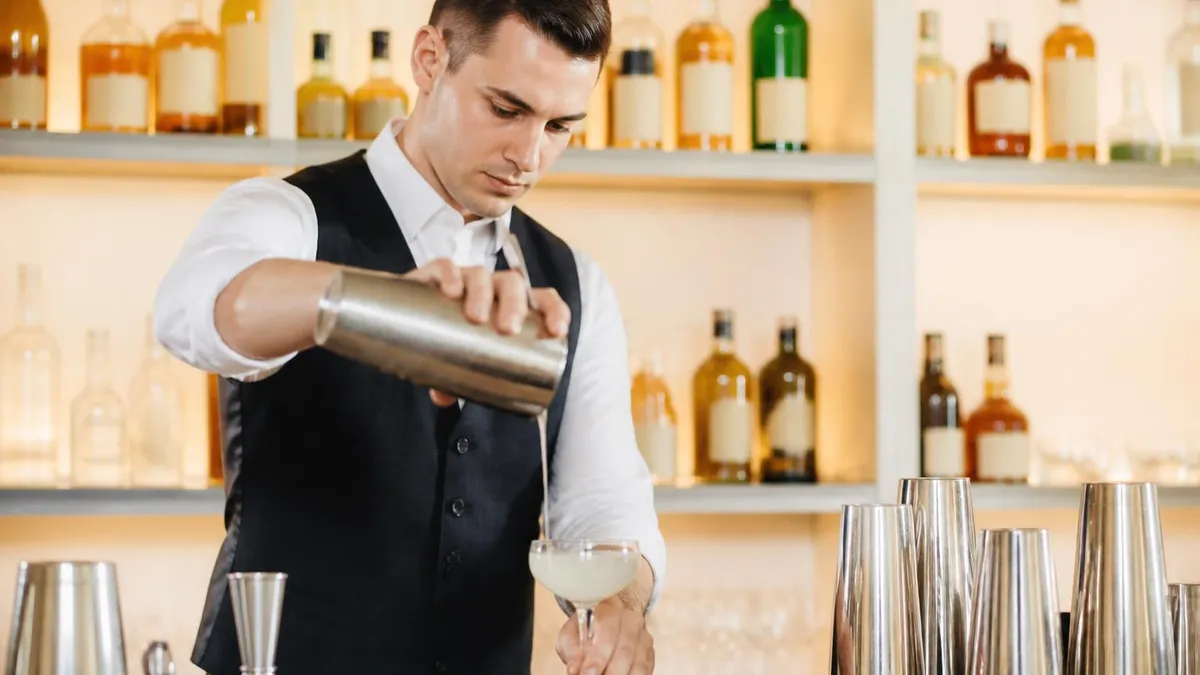
Bar setup walkthrough — speed rail, ice well, garnish tray, mixing tools. Pour test using water in real bottles — most workshops use a 4-count free pour standard. You'll spill a lot in the first hour. That's expected.
Then base drinks: gin and tonic, vodka soda, rum and coke, whiskey and ginger. The five-second classics that account for 60% of orders at most bars.
Top Bartending Schools by Major City
Not every city has the same options. Here's a rundown of well-reviewed programs in the ten largest US metros — focused on schools with strong track records and at least 10 years in business. New programs are skipped because the reviews aren't seasoned yet.
New York City
American Bartenders School NYC (West 38th Street) is the granddaddy — 40+ years training NYC bartenders. ABS Manhattan offers both 40-hour and 80-hour tracks; the 80-hour version includes wine and craft cocktails. New York Bartending School runs cheaper accelerated programs.
NYC pay starts at $20–$35/hour with tips on weekend nights. Tuition is also higher — expect $400–$700 for a full course. NYC bartending schools often arrange job placements at high-end bars in midtown, the West Village, and Brooklyn. Worth the extra cost if you want to land at a destination bar like Death & Co or Attaboy.
Los Angeles
Pacific Coast Bartending in West Los Angeles is the LA favorite — 30+ years of credibility. Boa Bartending School runs out of Hollywood with strong celebrity-bar connections. National Bartenders School has multiple Southern California locations. ABC Bartending operates in LA too.
California requires the Responsible Beverage Service (RBS) certification through the state ABC — it's $3 to take, online, separate from your bartending class. You can't legally work in CA without it. Pacific Coast and Boa both bundle RBS prep into their tuition or remind you to take it on day one.
Chicago
Bartender's Academy of Chicago in the Loop runs 40-hour programs. ABC Bartending Chicago has a Lincoln Park campus. Chicago Bartending School operates in the West Loop. Kennedy-King College's hospitality program includes bartending modules — federally aid-eligible if cost is tight.
Chicago bartending pay is solid: $18–$28/hour with tips at most neighborhood bars, higher at River North hotspots. Illinois requires BASSET (Beverage Alcohol Sellers and Servers Education and Training) certification through approved providers like ServSafe Alcohol or Learn2Serve.
Atlanta, Las Vegas, Miami
Atlanta has Atlanta Bartenders School in Buckhead (long-established) and a few smaller outfits in Sandy Springs. Pay runs $15–$25/hour with strong tip nights at Buckhead and Midtown bars. Georgia doesn't require state-level alcohol training, but many employers want you to have ServSafe Alcohol regardless.
Las Vegas is the big league for bartending. National Bartenders School Vegas (multiple locations) trains people for the casino circuit. Casino bartenders earn $30–$60/hour with tips at MGM, Caesars, and Wynn properties — but those jobs are hyper-competitive and usually require 2–3 years of high-volume experience first. Many bartending classes in Vegas exist specifically to prep people for the gaming entertainment grind.
Miami Bartending School in Doral covers the basics. ABC Bartending Miami operates in Brickell. Florida requires no state-level alcohol cert, but liquor liability insurance makes most bars require an in-house training program or ServSafe Alcohol anyway. South Beach bartenders pull strong tip averages on weekend nights.
Houston, Boston, Dallas, San Diego, Denver
Houston Bartending Academy in the Galleria area runs 40-hour programs. ABC Bartending has a Houston location. Boston Bartenders School in Quincy is the metro's main option. ABC Bartending Dallas covers the Metroplex.
SoCal Bartending School in San Diego (Pacific Beach) is the go-to. Top Hat Bartending in Denver runs out of Lower Downtown — well-reviewed and frequently used by Coors Field-area sports bars for new hires. Each of these cities follows the same general pattern: one or two established schools plus a few smaller workshops. Match your tuition budget to the school's track record before paying.
Bartending School vs Barback Path
The honest comparison most schools won't show you.
- +Structured curriculum — you learn 40–80 drinks in 2–6 weeks
- +Job placement assistance at many established schools
- +Certificate that some employers do look for
- +Hands-on practice with real liquor before your first shift
- +Networking with classmates and instructors in the industry
- +Faster to a bartending title — 4–6 weeks vs 8–12 months
- −Free — you earn $10–$14/hour while learning, not paying
- −Real-bar pace, real customers, real chaos — not workshop conditions
- −Hired in the bar that trains you — no separate job search
- −Builds physical stamina and speed naturally over months
- −Networking with actual working bartenders, not classmates
- −Slower title change — 8–12 months to move behind the bar
Pros and Cons at a Glance
| Pros | Cons |
|---|---|
| Job placement assistance at many established schools | Real-bar pace, real customers, real chaos — not workshop conditions |
| Certificate that some employers do look for | Hired in the bar that trains you — no separate job search |
| Hands-on practice with real liquor before your first shift | Builds physical stamina and speed naturally over months |
| Networking with classmates and instructors in the industry | Networking with actual working bartenders, not classmates |
Do You Even Need a Class? Honest Answer.
No, not really. Most working bartenders never paid for a formal class. They started as barbacks, servers, or bar-adjacent staff and picked up drinks on the job. A class is a shortcut, not a requirement.
Here's when a class is actually worth it. First scenario: you have zero hospitality experience and you want to land a bartending job in 30–60 days. A workshop or short school gives you enough vocabulary and basic technique to fake competence in an interview. You won't be great on your first shift, but you'll get through it.
Second scenario: you want to work at a craft cocktail bar or high-end venue where they expect classical technique on day one. A premium school like ABS NYC or Pacific Coast in LA actually prepares you for that level. Third scenario: you're switching careers and need structured learning because you can't just barback for a year financially.
Here's when a class is a waste. First, if you already work in hospitality (server, busser, host) — you already know the rhythm of a bar and can pick up drinks from coworkers in months. Second, if your goal is to work at a dive bar, sports bar, or neighborhood spot — they don't care about certificates. Third, if you're hoping the certificate will guarantee you a job. It won't. Most schools advertise placement, but "placement" usually means they'll send you a list of bars hiring. That list is freely available on Indeed.
One more honest truth: the bartending industry hires people they like. Personality, energy, attitude, and reliability matter more than your skills or your certificate. A friendly, hardworking person with zero class but six months of barback experience will outearn a class graduate with a sterile interview manner every time. Schools can't teach the people skills — they can only teach the drinks.
Where Schools Are Actually Useful
Schools shine in two specific places. Job placement at hotel chains (Marriott, Hyatt, Hilton) — these chains often work with specific schools because the schools train to corporate standards. If you want hotel banquet bartending or resort work, school is the bridge.
The second specific place: cruise lines. Royal Caribbean, Norwegian, Carnival contract with bartending schools to source new hires. A school certificate is genuinely required to get on the cruise interview list. Other than these two specific channels, most local bars will hire you based on personality and a barback trial shift — not your certificate.
The 30-Day Reality Test
Try this before paying $500 for a school. Walk into 15 bars in your city this week. Tell each manager you're looking to break in as a barback. See how many call you back within 7 days. If 3 or more do, you don't need a class — you need to pick the best of those 3 jobs and start working. If 0 do, then a school's job placement might actually be worth the tuition for you.
Most states require a state-approved alcohol server certification before you can legally serve drinks. This is separate from your bartending class. The class teaches you mixing; the alcohol cert teaches you legal compliance.
Common ones: TIPS (national, ~$40 online), ServSafe Alcohol (national, $30 online), RBS (California-required, $3 online through the state ABC), BASSET (Illinois), TABC (Texas). Check your state's alcohol-control board for required providers. Most certs are valid 2–3 years.
Cost: $10–$50. Time: 2–4 hours online. You can take it before, during, or after your bartending class. Many bars won't schedule you until it's on file.
From Enrollment to First Paycheck
Week 1
Weeks 1–4
Weeks 3–5
Weeks 4–6
Weeks 5–8
Weeks 6–12
What to Ask Before You Enroll
- ✓How many years has the school been operating? (Look for 10+)
- ✓What's the total tuition — including books, supplies, and certificate?
- ✓Is the state-required alcohol server cert included, or do I pay separately?
- ✓Will I practice with real liquor, or only with water-filled bottles?
- ✓How many drinks will I learn — 20, 40, 80, or more?
- ✓Does the school have an actual job placement office, or just a list?
- ✓What's the placement rate within 90 days of graduating?
- ✓Can I sit in on a class before paying?
- ✓Are evening or weekend sections available?
- ✓What's the refund policy if I don't finish?
Cost vs Job Outcome — The Honest Math
Starting bartender pay nationally runs $15–$30/hour including tips, depending on the venue and city. High-volume bars in NYC, LA, and Vegas can push $40–$60/hour on weekend nights. A neighborhood pub in a smaller metro might be $13–$18/hour total. The math on tuition shakes out fast either way.
A $300 one-weekend workshop pays itself back in roughly 2–3 shifts. A $700 full-school program pays itself back in 5–7 shifts. Even at premium $1,000+ schools, you're looking at 2 weeks of real-bar work to break even. This is one of the fastest payback timelines of any vocational credential — but only if you actually land a job after.
The bigger financial decision isn't the class — it's the venue. A $500 class plus a $14/hour neighborhood bar job is worse-paying than $0 class plus 12 months of barbacking at a high-tip downtown spot. Pay attention to where you land, not where you study. Some bartenders make $80,000 a year without ever taking a class. Others make $25,000 at a slow neighborhood bar despite premium training. The venue choice matters 5x more than the certificate.
Three Traps to Avoid
First trap: schools that promise "guaranteed job placement" — no school can guarantee a hire. Read the placement contract carefully. "Placement assistance" is fine. "Guaranteed placement" is marketing that means nothing legally. Second trap: workshops charging $500+ for one day of training. The market rate for a one-day workshop is $75–$200. Anything higher is overcharging. Third trap: schools requiring expensive "professional bartender toolkits" at extra cost. A real bartender kit costs $40–$80 retail. If the school is selling a $200 kit, that's a profit add-on.
Hidden Costs Beyond Tuition
Beyond the school fee: alcohol server cert ($10–$50), liquor liability insurance ($30/year if required), non-slip shoes ($60–$120), background check ($25–$50). Plan for $200–$400 in extras.
Career Paths That Start at the Bar
Bartending is a great launchpad credential. From here you can transition to bar management ($45,000–$75,000 salary), open your own mobile bartending business (mobile setups for weddings and corporate events earn $400–$2,000 per gig), become a brand ambassador for liquor companies (Diageo, Pernod, Beam Suntory all hire), move into hospitality consulting, or open your own bar after 5–8 years of operating experience. The connections you make in this industry compound — bartenders who stay in for 5+ years almost always end up with side income from brand work, private events, or consulting.
Job Markets You Might Not Have Considered
Beyond standard bars: private clubs (quieter, higher base pay), cruise lines (3–9 month contracts, $1,200–$3,000/month plus tips), corporate dining (Google, Apple, Meta hire in-house for events), wedding venues, hotel resorts in Hawaii and the Caribbean, casino properties, festival circuits (Coachella, Lollapalooza), and film catering. Explore widely once basic skills are locked.
Tip Math — What Actually Lands in Your Pocket
Hourly wage is a small slice of bartender pay. Tips are the real money. A weekend night at a busy bar pulls $200–$500 in tips for a single bartender on a 6-hour shift. Slow weeknights bring in $40–$80. Sunday brunch shifts are surprisingly strong — $150–$300 from mimosa runs.
House policy varies. Some bars pool tips across all bartenders and barbacks. Others let each bartender keep their own tips. Pooled systems pay steadier; solo-tip systems pay better if you're fast and personable. Ask which model the bar uses during the interview — it's a legitimate question and won't offend anyone reasonable.
The 30-Day Action Plan
Day 1–3: list every school within 25 miles. Read reviews critically. Day 4–7: do the 15-bar walk test (apply as a barback first to see if you even need a class). Day 8–14: tour your top two schools. Sit in on a class if possible. Day 15–21: enroll in the best option for your budget and timeline.
Day 22–30: complete your alcohol server certification online. By month two you're realistically in class. By month three you're applying for jobs with both your class certificate and your state alcohol cert in hand. That's the honest realistic timeline from "I'm thinking about it" to first shift.
Bartender Questions and Answers
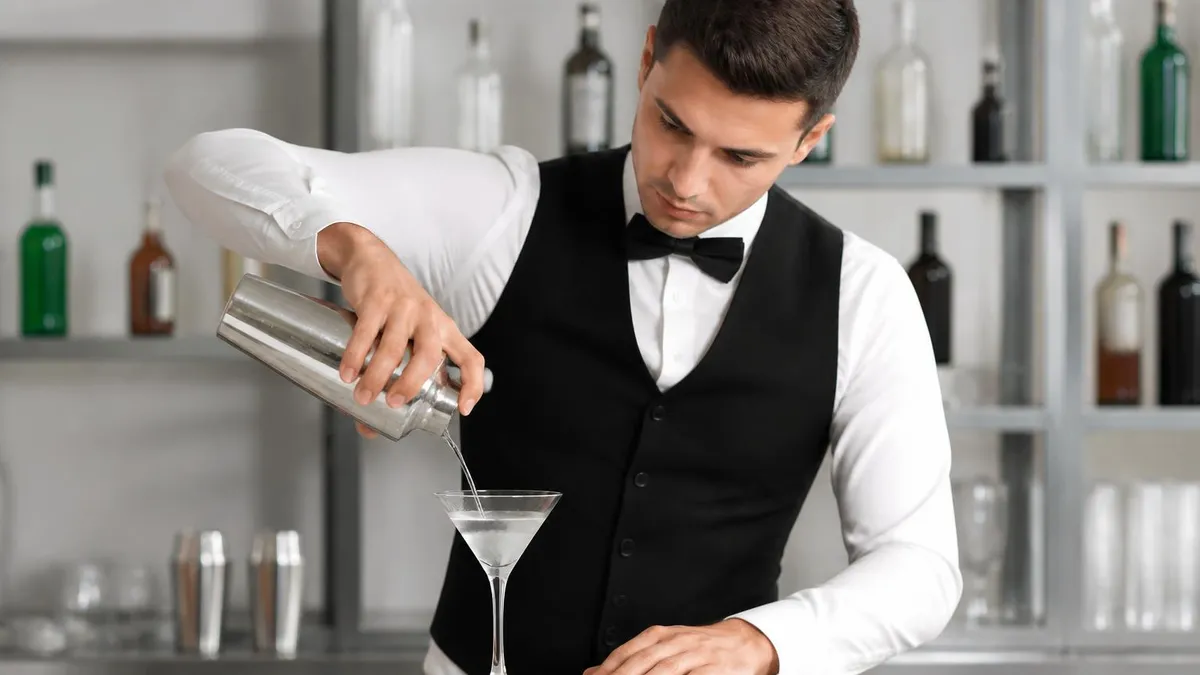
Bartending School: Costs, What You Learn and If It's Worth It
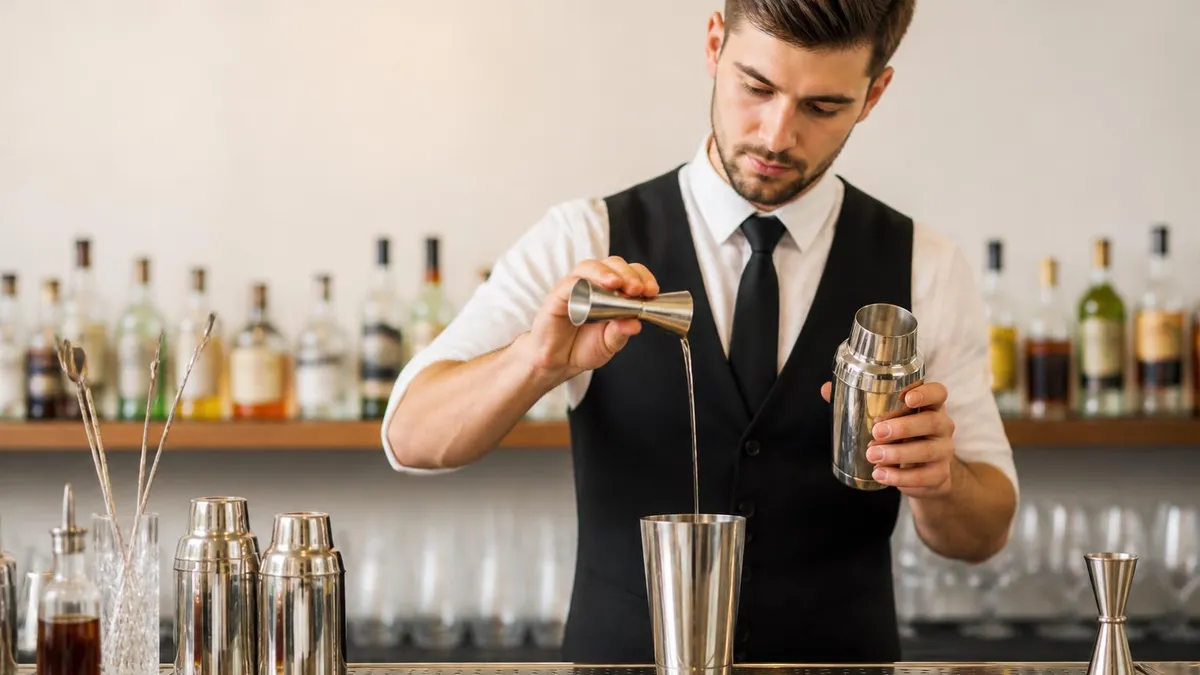
Bartending Classes: Types, Cost, Length, and What You Learn
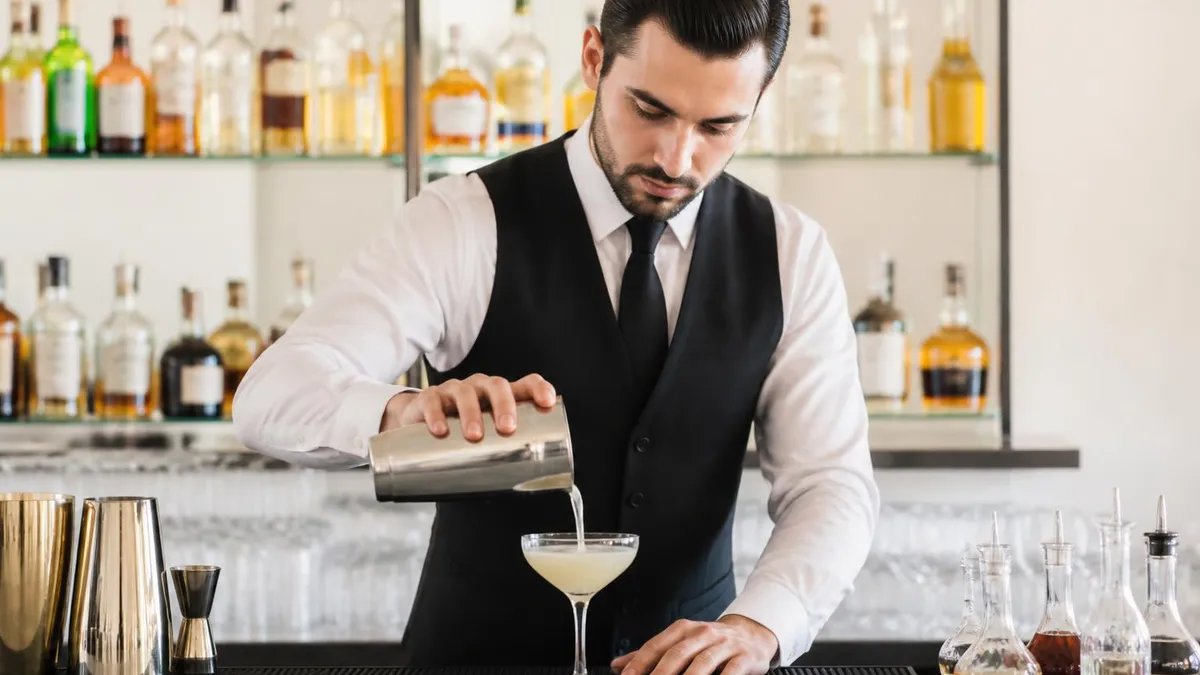
Bartender Certification: Cost, Time and How to Get Yours in 2026
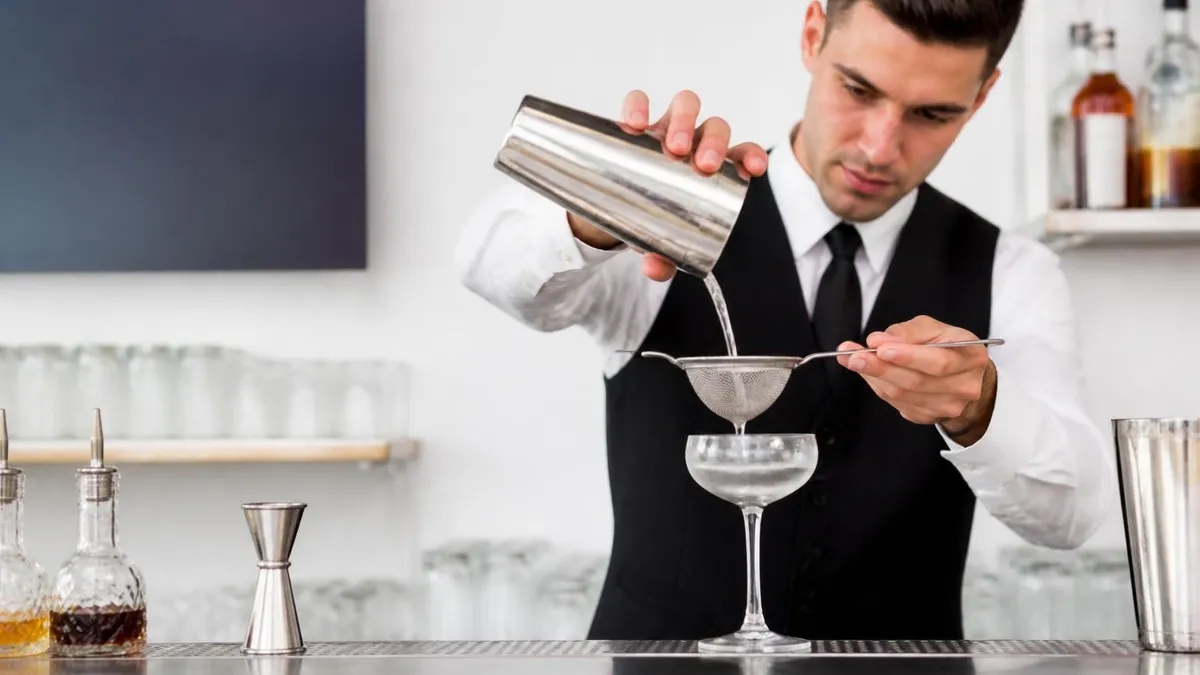
Bartender License: Requirements, Certifications & How to Get One
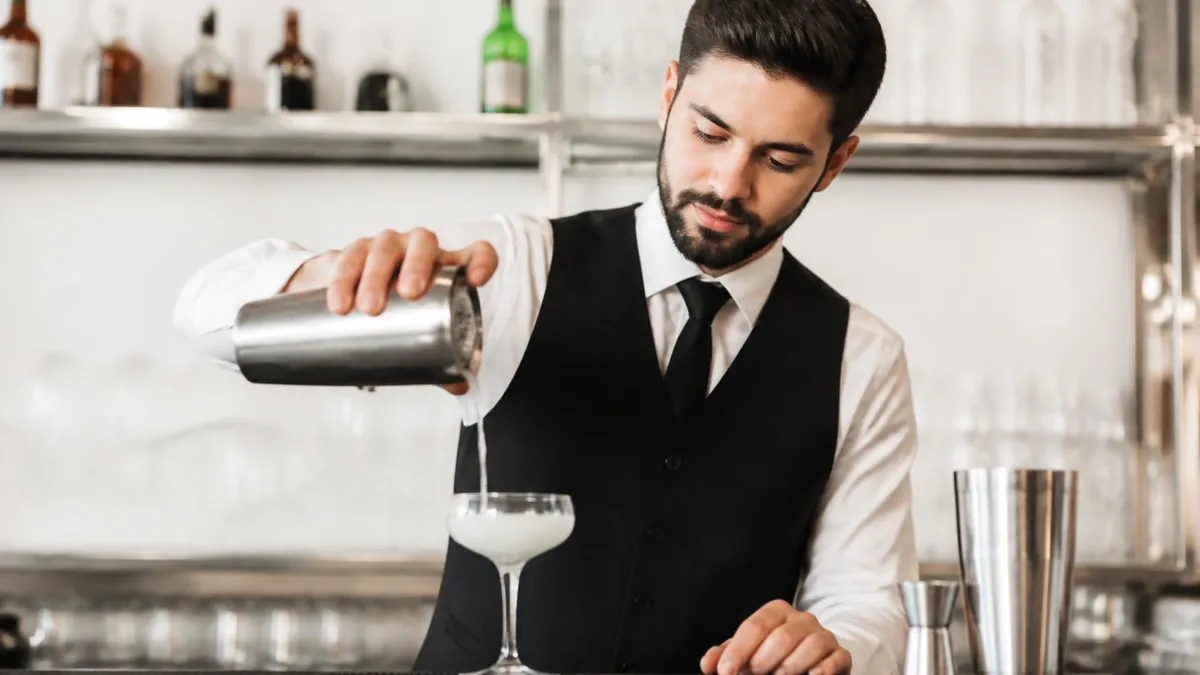
How to Become a Bartender: Steps, Skills, and Realistic Path
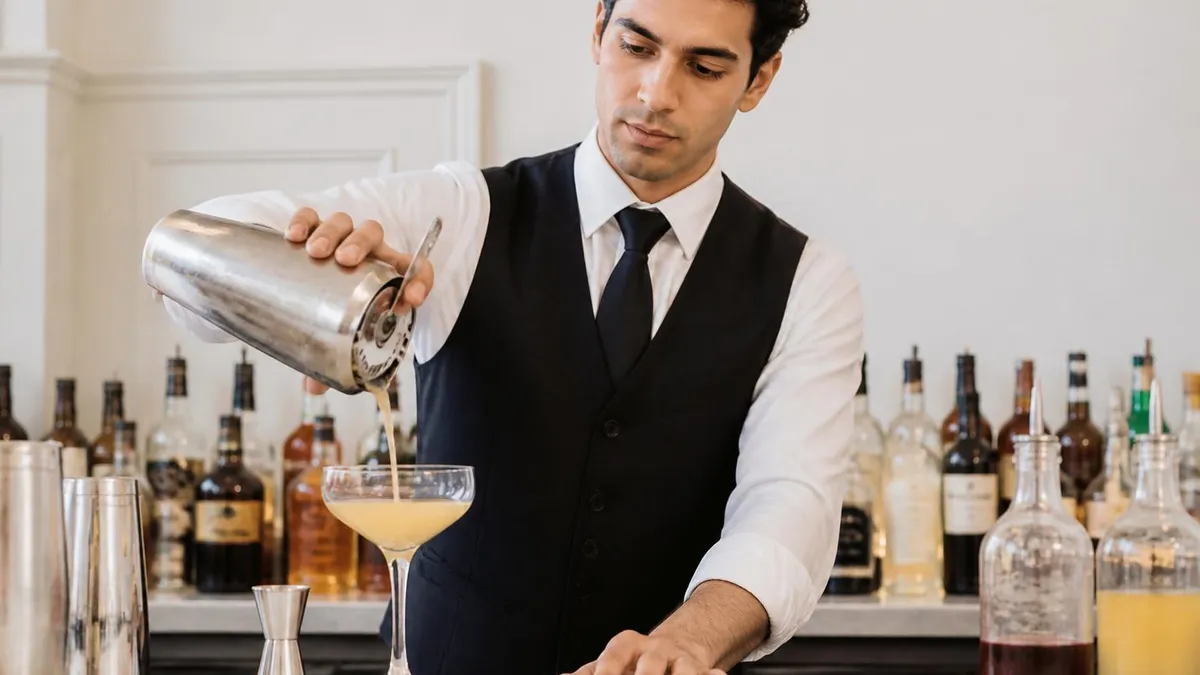
ABC Bartending School: Complete Guide to Programs, Costs, and Outcomes
About the Author
Executive Chef & Culinary Arts Certification Educator
Culinary Institute of AmericaChef Marco Bellini is a Certified Executive Chef and graduate of the Culinary Institute of America with over 20 years of professional kitchen experience in Michelin-recognized restaurants. He teaches culinary arts certification, food safety, and hospitality exam preparation, having guided thousands of culinary students through their ServSafe, ProStart, and professional chef certifications.
Join the Discussion
Connect with other students preparing for this exam. Share tips, ask questions, and get advice from people who have been there.
View discussion (7 replies)