
Online Bartending School: Complete Training Guide and Certification Requirements
💡 Learn everything about online bartending school — courses, costs, certification requirements, and how to launch your bartending career in 2026 September.

Choosing an online bartending school is one of the most practical decisions you can make when launching a career behind the bar. Whether you are a complete beginner or a working server looking to upgrade your skills, online programs offer flexible scheduling, affordable pricing, and nationally recognized credentials that physical trade schools often cannot match in terms of convenience. In 2026, the demand for trained bartenders across the United States continues to grow, with the Bureau of Labor Statistics reporting more than 700,000 bartender positions nationally.
Online bartending schools vary widely in curriculum depth, certification type, and post-course support. Some programs focus exclusively on alcohol safety and responsible-service laws, qualifying students for TIPS, ServSafe Alcohol, or state-mandated certifications. Others offer comprehensive beverage courses that cover classic cocktail technique, wine and spirits knowledge, bar math, inventory management, and customer service skills. Understanding what each program delivers helps you invest your money and time wisely from the start.
The legal landscape for bartending in the United States is fragmented by state. Roughly a dozen states require bartenders to hold a specific license before they can legally serve alcohol, while most others rely on employer-mandated or voluntary certifications. Online schools have adapted to this patchwork by offering state-specific modules alongside their core curricula. Before enrolling anywhere, confirm that your target state accepts the credential the program provides, since a certificate that satisfies Nevada employers may carry no weight in a Pennsylvania bar.
Cost is another major consideration. Quality online bartending programs range from roughly $25 for a basic responsible-service certificate to $500 or more for a comprehensive mixology and business-operations course. Many accredited alcohol-safety programs fall in the $35–$75 range and can be completed in three to eight hours. Full-spectrum programs that mirror the curriculum of a community college bartending course typically run $150–$300 and take four to twelve weeks to finish when you study part-time alongside a job.
Employers in the hospitality industry increasingly value verifiable proof of training. A certificate from a nationally recognized program signals to hiring managers that you understand liability, portioning, and safe-service protocols — concerns that directly affect a bar's liquor license. Many large hotel chains, restaurant groups, and casino operators have internal policies that require new hires to present a current alcohol-service certificate within their first 30 days, making completion of an online program a practical prerequisite rather than an optional add-on.
Studying for your bartending certification online also prepares you for the written and practical examinations that many state licensing boards administer. Programs that include practice quizzes, flashcards, and mock exams on topics like liquor regulations, bar inventory, and responsible service give you a measurable edge over candidates who rely on on-the-job experience alone. Combining structured coursework with regular self-testing through platforms like PracticeTestGeeks can dramatically improve your retention of technical material, legal definitions, and beverage-service best practices before your official exam date.
This guide walks you through everything you need to know about online bartending school in 2026 — how programs are structured, what they cost, which credentials matter most, and how to translate your online training into a real bartending job. Whether your goal is a neighborhood tavern, a high-volume nightclub, or a fine-dining restaurant, the right combination of online coursework and deliberate exam prep can get you there faster than you might expect.
Online Bartending School by the Numbers

How Online Bartending Programs Are Structured
Enrollment and Orientation
Core Knowledge Modules
Practical Technique Units
Law, Compliance, and Inventory
Final Examination and Certification
What you actually learn inside an online bartending course depends heavily on the program's scope and the certification body backing it. Responsible-service-only programs — the kind that produce TIPS, ServSafe Alcohol, or state alcohol-education certificates — concentrate almost exclusively on legal compliance.
You will study how to identify intoxicated patrons, when and how to refuse service, dram-shop laws that expose bartenders and owners to civil liability, and the physiological effects of alcohol on human behavior. These programs are designed to be completed quickly, usually in three to eight hours, and they satisfy the mandatory training requirements that many states and employers enforce.
Comprehensive mixology-focused programs go considerably deeper. A full-spectrum online bartending course typically opens with spirits education — you study the production, flavor profile, and service standards for whiskey, gin, vodka, rum, tequila, and brandy before ever building a cocktail. That foundational knowledge allows you to make confident recommendations to guests, pair drinks with food menus, and improvise recipes when a bar is out of a key ingredient. Spirits education alone can represent two to four hours of curriculum in a well-designed program.
Cocktail technique is where most students spend the majority of their online study time. You will learn the difference between shaking and stirring and why it matters for dilution and texture, proper ice usage, the mechanics of floating and layering spirits, building versus throwing drinks, and how to read and standardize a recipe for consistent pours. High-quality programs use slow-motion video to show the exact wrist position for a clean pour, the fill line for different glass types, and the correct way to muddle fruits and herbs without over-extracting bitter compounds.
Bar math and inventory management are subjects that separate serious bartending students from casual ones. Online courses that cover cost-of-goods calculations, pour-cost percentages, variance analysis, and liquor order cycles prepare you to work not just behind the bar but alongside bar managers and owners. Understanding that a standard 1.5-ounce pour from a 750 ml bottle yields approximately 16 servings, and knowing how to calculate the expected revenue from each bottle against actual sales, makes you a candidate for supervisor roles much earlier in your career than bartenders who never studied the business side.
Customer service and bar culture are often woven through the curriculum rather than siloed into a single unit. You will study how to manage high-volume rushes, read guest body language, handle complaints professionally, prevent theft, and create a welcoming environment for regulars. These soft-skill modules are sometimes overlooked in favor of technical content, but they consistently appear on certification exams and are among the first competencies that experienced bar managers assess during working interviews and trial shifts.
State and federal liquor regulations receive focused attention in quality programs because legal compliance errors can cost a bartender their certificate and cost an establishment its license. You will study minimum legal drinking age enforcement and acceptable ID types, hours-of-service restrictions that vary by state, open-container laws, rules around drink specials and happy-hour promotions, and the specific penalties that attach to violations. Many online programs include a state-by-state regulatory supplement or allow you to select your home state during enrollment so the legal content reflects your actual working environment.
Assessment throughout the course reinforces learning and prepares you for the final exam. Strong programs embed short knowledge checks after every major module, provide immediate feedback on wrong answers with explanations, and offer unlimited retakes so students can master difficult concepts before moving forward. When you supplement this built-in testing with external practice resources — including the bar inventory and liquor regulation practice tests available here on PracticeTestGeeks — you build the kind of deep retrieval practice that produces durable knowledge rather than surface-level recognition of correct answers.
Choosing the Right Certification for Your State
Approximately twelve states, including Wisconsin, Nevada, and Utah, require bartenders to hold a state-issued license or permit before legally serving alcohol. In these jurisdictions, completing an online bartending school course that is specifically approved by the state liquor control board is essential. Check your state's alcohol beverage control (ABC) website before enrolling, and confirm the program holds official approval — not just general accreditation. Approved program lists are typically published on the ABC site and updated annually, so verify the status of any program you are considering at the time of enrollment rather than relying on the school's marketing language alone.
For license-required states, the path typically involves completing an approved responsible-service course, submitting an application to the state, paying a licensing fee that usually ranges from $15 to $75, and in some cases passing a state-administered written examination. Your online program should include all the content tested on the state exam, and the best programs provide state-specific practice tests aligned to the official exam outline. Renewal timelines vary from one to three years, and most states require a refresher course before renewal rather than a full re-examination.

Online vs. In-Person Bartending School: Key Tradeoffs
- +Study at your own pace from any device without leaving home
- +Significantly lower tuition than brick-and-mortar bartending schools
- +Access to state-specific legal modules that physical schools may not offer
- +Immediate certificate delivery upon passing, with no waiting period
- +Unlimited course access allows review before renewal exams
- +Widely accepted by employers for responsible-service compliance requirements
- −No hands-on practice behind a real bar or with actual equipment
- −Lacks the networking opportunities built into in-person cohort programs
- −Practical technique is harder to internalize without a mentor watching your form
- −Some states do not accept all online programs for licensure purposes
- −Self-discipline required — no set class times to keep you on track
- −Employers hiring for high-volume venues may prefer candidates with live training
Enrollment Checklist Before You Sign Up for an Online Bartending Course
- ✓Confirm your state's licensing requirements by visiting your ABC board's official website.
- ✓Verify the program is approved or accepted by your state's liquor control authority if a license is required.
- ✓Check that the program's certificate is recognized by employers in your target market.
- ✓Read the full curriculum outline to confirm it covers both responsible service and beverage knowledge.
- ✓Compare the final exam passing score threshold and understand the retake policy before enrolling.
- ✓Review the certificate's expiration date and learn the renewal process before you complete the course.
- ✓Confirm the program includes state-specific legal content relevant to where you plan to work.
- ✓Check whether the program offers a money-back guarantee or free retakes if you fail the final exam.
- ✓Look for embedded practice quizzes and supplemental study materials beyond just video lectures.
- ✓Calculate the total time commitment and ensure it fits your current schedule before paying.
Pair Your Online Course with Regular Practice Testing
Completing an online bartending school course covers the content — but passing the exam requires active recall, not passive reading. Students who combine coursework with dedicated practice quizzes on bar inventory, cost control, and liquor regulations consistently score higher on first attempts and retain the material longer after certification. Start practice testing in week one, not the night before your exam.
The cost structure of online bartending programs reflects the enormous range of what they offer. At the low end, a responsible-service-only certificate from TIPS Online or ServSafe Alcohol costs approximately $35–$75 and requires three to five hours of study time.
These programs are specifically designed to satisfy state mandates and employer compliance requirements — they do not teach you how to make drinks, but they do provide the foundational legal and safety knowledge that every bartender must demonstrate before stepping behind a bar in most professional settings. For students who already have some bar experience and just need to formalize their credentials, a responsible-service certificate is often the most cost-effective starting point.
Mid-range online bartending programs in the $100–$250 bracket typically combine responsible-service content with a genuine mixology curriculum. You can expect 15–30 hours of video instruction spread across four to eight weeks of self-paced study. These programs are well-suited for career changers, hospitality students, and aspiring bartenders who want a thorough introduction to the craft without investing in a full trade school program. Many include downloadable recipe guides, spirits reference charts, and access to an online community of fellow students and graduates that continues to be useful after you complete the course.
Premium programs priced at $300–$500 or more are positioned as comprehensive professional development packages. They often include one-on-one coaching sessions, personalized feedback on video submissions of your technique, placement assistance, and networking access to a roster of employer partners in the hospitality industry. Some programs at this tier are backed by industry bodies or staffing agencies that actively recruit graduates, making the upfront investment potentially worthwhile if you are entering a competitive market like Las Vegas, New York, or Chicago where employer networks carry real weight.
Timeline expectations vary based on certification type and study intensity. A responsible-service certificate can realistically be earned in a single weekend. A comprehensive mixology course with weekly study of five to seven hours takes four to twelve weeks to complete. Students who treat online coursework seriously — blocking dedicated study time, completing all embedded quizzes, and supplementing with external practice materials — consistently finish faster and with better exam outcomes than students who study sporadically between other commitments.
Career outcomes from online bartending programs are positive when the student combines digital credentials with practical experience. Industry data consistently shows that certified bartenders earn higher starting wages than uncertified counterparts, with the pay gap most pronounced in licensed states where the certification carries regulatory weight. Entry-level positions in licensed states typically start at $12–$18 per hour base wage before tips, while experienced bartenders in high-volume urban venues routinely earn $50,000–$90,000 annually when tips are included. Online programs that teach bar math and cost control position graduates for lead-bartender and bar-manager roles faster than programs focused solely on cocktail recipes.
Return on investment for a typical $150–$250 online bartending program is extremely rapid compared to most vocational credentials. If completing the program helps you secure a position that earns even $5 more per hour than an uncertified role, the course cost is recovered in less than a month of full-time work. For students entering higher-volume markets, the premium associated with certification can be recouped in a single busy weekend of tip income, making the investment one of the strongest short-term ROI decisions available in the service-industry training market.
Beyond individual career economics, the hospitality industry itself benefits when more bartenders enter the workforce with verified training. Bars and restaurants that employ certified staff face lower liability exposure from alcohol-related incidents, qualify for reduced insurance premiums in some states, and build stronger reputations for responsible service in their communities. These institutional incentives reinforce a market dynamic where certification is increasingly expected rather than merely valued, creating a durable long-term reward for students who invest in online bartending education early in their careers.

Not all online bartending school programs are accepted in every state, and some programs that market themselves as nationally recognized are not actually approved by individual state liquor control boards. Always verify approval directly through your state's ABC website before enrolling. Completing an unapproved course wastes your time and money — a license application based on an unapproved program will be rejected regardless of your score on the course exam.
Translating an online bartending school certificate into an actual job requires a deliberate strategy that goes beyond simply printing your credential and submitting applications. Employers in the hospitality industry hire primarily through referrals, trial shifts, and in-person interviews that assess personality and situational judgment rather than paper qualifications alone. Your certificate opens the door — what happens in the room depends on preparation, professionalism, and your ability to demonstrate real-world competence under pressure. Understanding this dynamic from the start helps you use your online training as a launchpad rather than a destination.
Building a practical skill foundation alongside your online coursework is essential for students who have never worked behind a bar. Purchase a basic home bar kit and practice the techniques you study in your online modules — free pouring to measure, shaking and stirring form, citrus expression, and garnish preparation.
Video yourself making drinks and compare your technique to the instructional videos in your course. This kind of deliberate practice transforms theoretical knowledge into physical memory, which is exactly what employers are assessing during working interviews when they ask you to make a margarita or a Manhattan from scratch with no reference materials.
Networking within the industry significantly accelerates the job search for newly certified bartenders. Follow the social media accounts of bars and restaurants you want to work at, visit as a guest to understand their menu and culture, and introduce yourself professionally when the venue is not busy. Industry events, bartending competitions open to the public, and spirits brand education sessions are excellent venues for meeting working bartenders and managers who may know about openings before they are publicly posted. Many entry-level bar positions are filled through this informal pipeline rather than through job boards.
Your resume should feature your certification prominently, listing the program name, issuing body, and expiration date in the education or certifications section. Include any bar-adjacent experience you have, even if it is not traditional bartending — serving, hosting, catering, event work, or food production all demonstrate hospitality sensibility that managers value. If you completed your online program recently, note specific topics you covered: responsible service, bar inventory and cost control, and state liquor law compliance are all phrases that resonate with hiring managers who have dealt with liability issues stemming from under-trained staff.
Preparing for working interviews and trial shifts is where your exam preparation pays dividends in a tangible way. When a manager asks you to explain how you would handle a guest who appears intoxicated, your answer should reflect the structured decision-making framework you studied in your responsible-service module — not a vague intuition. When asked about pour costs or why a bar tracks variance, your answer should demonstrate quantitative literacy developed through studying bar inventory and cost-control content. The managers who conduct these interviews are looking for evidence that you understand the business, not just the drinks.
Long-term career development in bartending rewards continuous learning and credential stacking. After securing your first position, pursue specialization certificates in craft spirits, wine service, or beer that align with the venue's program. Many online platforms offer modular add-on courses at reduced prices for existing certificate holders.
Industry bodies like the United States Bartenders Guild (USBG) offer professional membership, education resources, and competition opportunities that build both skill and reputation over time. Bartenders who treat their craft as a professional discipline — studying continuously, accumulating credentials, and engaging with the broader industry — consistently earn more, advance faster, and enjoy greater job security than those who treat certification as a one-time event.
The investment in online bartending education pays back across an entire career, not just in the first job search. As you accumulate experience, your initial certificate becomes part of a larger professional narrative that positions you for bar management, beverage director roles, brand ambassador positions, and consulting opportunities that can significantly exceed the earning potential of a floor bartender.
Treat your online training as chapter one of a long professional story, and approach each subsequent certification, competition, and learning opportunity with the same deliberate preparation you bring to your initial exam — the compound effect of that discipline is what separates the best bartenders in any market from the rest of the field.
Practical preparation for your bartending certification exam begins with understanding exactly what the test measures. Most certification exams — whether they are state-administered licensing tests or the standardized assessments that close out comprehensive online programs — are weighted heavily toward responsible-service scenarios, legal compliance knowledge, and bar operations math. Pure cocktail-recipe recall is rarely tested in multiple-choice format because recipes are reference materials that any working bartender can look up. What examiners want to verify is that you understand the law, recognize unsafe situations, and know how to respond in ways that protect guests, the establishment, and your own license.
Create a structured study schedule that distributes your review across all major exam domains rather than concentrating on the topics you already know. Many students over-index on spirits education and cocktail technique because those subjects are enjoyable, while under-preparing for regulatory content and math-based inventory questions that actually carry the most weight on certification exams.
Block specific days for law and regulation review, separate sessions for bar math practice, and use your final week before the exam exclusively for full-length practice tests under timed conditions. This approach simulates the actual exam experience and surfaces any remaining knowledge gaps while there is still time to address them.
Bar inventory and cost-control questions appear on virtually every comprehensive bartending certification exam, yet many students underestimate how much preparation these topics require. You will need to calculate pour costs as percentages of sale price, determine bottle yields, identify inventory discrepancies, and interpret basic variance reports. Practice these calculations until they feel automatic rather than effortful — on a timed exam, spending five minutes on a single math problem eats into the time you need for scenario-based questions. Use the bar inventory practice tests on this site to build speed and accuracy before your exam date.
Liquor law questions require a different kind of preparation than either technique or math. Legal content is dense, specific, and varies enough between states that you need to be sure your study materials reflect your actual jurisdiction.
Focus on the categories of law most likely to appear on your exam: minimum drinking age and ID requirements, hours-of-service restrictions, dram-shop liability standards, policies on promotions and happy hours, and the penalties for violations. Write out key definitions in your own words rather than just reading them — the act of paraphrasing legal language forces you to genuinely understand it rather than superficially recognize it.
Time management during the exam itself is a skill that deserves deliberate practice. Most certification exams allow somewhere between 60 and 120 minutes for 50 to 100 questions, which sounds generous until you encounter a complex scenario question that requires careful reading and multi-step reasoning. Practice flagging difficult questions on your first pass through, answering the ones you know with confidence, and then returning to flagged questions with your remaining time. This strategy prevents a handful of hard questions from consuming time that could be spent locking in correct answers on the questions you know well.
Managing exam anxiety is practical advice, not motivational filler. Research consistently shows that moderate stress improves performance on knowledge-retrieval tasks, but high anxiety degrades it by narrowing working memory and impairing decision-making. Reduce anxiety by overpreparing rather than trying to manage the emotion directly — students who have completed three or four full-length practice tests before their exam date routinely report feeling calm and confident during the real thing simply because the format is familiar. The exam stops being an unknown once you have already beaten the clock on a comparable set of questions multiple times in practice.
After you pass your exam, take time to understand your certificate's ongoing requirements before you file it away. Most responsible-service certificates expire in one to three years, and renewal typically requires a shorter refresher course rather than a full re-examination.
Some states send renewal notices, but many do not, and an expired certificate can create liability issues if you serve alcohol without a current credential in a state that requires one. Mark your expiration date in a calendar reminder at least 60 days before it arrives so you have time to complete the renewal course without rushing or working with a lapsed certificate.
Bartender Bartender Questions and Answers

Bartending Kit: The Complete Tool Guide for Certification Prep

Bartender Age Requirements by State

Wisconsin Bartending License: Operator's License Guide 2026

Bartending Classes Near Me: How to Find, Compare, and Choose the Right Local Training Program in 2026

How to Become a Bartender by State: Complete Requirements Guide for All 50 States
About the Author
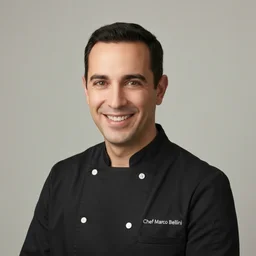
Executive Chef & Culinary Arts Certification Educator
Culinary Institute of AmericaChef Marco Bellini is a Certified Executive Chef and graduate of the Culinary Institute of America with over 20 years of professional kitchen experience in Michelin-recognized restaurants. He teaches culinary arts certification, food safety, and hospitality exam preparation, having guided thousands of culinary students through their ServSafe, ProStart, and professional chef certifications.
Join the Discussion
Connect with other students preparing for this exam. Share tips, ask questions, and get advice from people who have been there.
View discussion (7 replies)