
ServSafe Website: Your Complete Guide to Certification, Training, and Food Safety Resources
Navigate the ServSafe website with confidence. Find certification info, practice tests, and training resources. 🏆 Everything you need in one place.

The ServSafe website is the official online hub maintained by the National Restaurant Association Educational Foundation (NRAEF), and it serves as the central destination for every food service professional who needs to earn or renew a ServSafe certification. Whether you are a first-time food handler looking to complete your state-required training or an experienced kitchen manager preparing for the rigorous ServSafe Manager exam, the SerSafe website provides the courses, study materials, practice exams, and administrative tools you need to succeed in the food safety industry.
Navigating any large credentialing website can feel overwhelming, especially when you are juggling a busy work schedule and need answers quickly. The ServSafe website organizes its resources into distinct sections covering food handler programs, manager certification, alcohol training, and allergen awareness. Each section contains its own set of online courses, instructor-led class locators, and exam registration options, making it critical to understand the layout before you dive in so you spend time studying rather than clicking through menus.
One of the most common questions new users ask is what is servsafe certified and what that designation actually means for their career. In short, a ServSafe certified individual has demonstrated a working knowledge of food safety principles — including temperature control, cross-contamination prevention, personal hygiene, and pest management — through a proctored examination approved by the American National Standards Institute (ANSI) and the Conference for Food Protection (CFP). Employers across every segment of the food service industry, from fast-casual chains to fine dining restaurants and hospital cafeterias, recognize and often require this credential.
The ServSafe website also provides state-specific information, because food safety regulations vary significantly across the United States. California, Texas, Florida, Illinois, and many other states have their own laws dictating who must be certified, which exam formats are accepted, and how frequently renewals are required. The website's state requirement pages help you determine exactly which certification level applies to your job role and location, saving you from paying for a more expensive credential than your employer or local health department actually requires.
Beyond initial certification, the ServSafe website hosts resources for food service instructors and proctors who administer the certification exams in classroom settings. Instructors can register their students in bulk, order printed exam booklets, and access teaching materials such as PowerPoint slides and answer sheets. This dual focus on individual learners and institutional administrators makes the website a comprehensive ecosystem rather than a simple storefront for a single product.
Understanding how to use the ServSafe website efficiently is especially valuable if your employer has set a certification deadline tied to a health department inspection or a new-hire onboarding timeline. Knowing exactly where to purchase an exam answer sheet, how to schedule an online proctored test, and where to download your digital certificate after passing can shave days off the process. This guide walks you through every major section of the website so you can move from registration to certified status as smoothly as possible.
Finally, supplementing the official website with high-quality practice tests is one of the proven strategies for passing the ServSafe Manager exam on the first attempt. The exam consists of 90 questions, and candidates must score 75 percent or higher to pass. Free study resources, including the practice questions available right here at PracticeTestGeeks, give you the repetition and feedback you need to reinforce the food safety concepts covered on the official exam before test day arrives.
ServSafe Certification by the Numbers
What You'll Find on the ServSafe Website
Purchase and launch self-paced online courses for Food Handler, Manager, Alcohol, and Allergen programs. Integrated online proctoring lets you sit the exam without scheduling a separate testing appointment, streamlining the path from enrollment to certification.
Classroom instructors can register as approved instructors, access teaching materials, order printed exam booklets in bulk, and submit student answer sheets. A dedicated portal separates instructor workflows from individual learner accounts.
Each state page summarizes which certification levels are legally required, which exam formats are accepted by local health departments, and how frequently certificates must be renewed — critical reading before you purchase a course.
Employers and health inspectors can verify a worker's ServSafe certification status using the official lookup tool. Individuals can also confirm their own certificate details and expiration dates without contacting customer support.
The website provides live chat, phone support, and a comprehensive FAQ library. Users can reset passwords, update contact information, download digital certificates, and resolve exam technical issues through the support center.
The ServSafe certification landscape is broader than most people realize when they first visit the website. The four main program areas — Food Handler, Food Manager, Alcohol (Primary and Advanced), and Allergen — each target a different role within the food service operation and carry different exam requirements, costs, and renewal schedules. Understanding which program you need before you purchase anything prevents the frustration of completing the wrong course and needing to start over.
The ServSafe Food Handler program is designed for frontline workers such as line cooks, servers, bussers, and dishwashers who handle food but are not responsible for managing the overall safety program of a facility. The food handler course covers basic personal hygiene, temperature danger zones, safe food storage, and the prevention of foodborne illness. Most state health departments that mandate food handler training accept the ServSafe Food Handler Certificate, which is valid for three years in most jurisdictions. The online course typically takes about two hours to complete and ends with a short assessment rather than a separate proctored exam.
The ServSafe Manager certification is the flagship credential and the one most commonly required for kitchen managers, executive chefs, food and beverage directors, and catering supervisors. To earn the ServSafe Manager Certificate, a candidate must pass a 90-question proctored exam with a minimum score of 75 percent.
The exam is ANSI/CFP accredited, meaning it meets rigorous national standards for food safety knowledge assessment. Candidates can choose between a paper-based exam administered by an approved proctor in a classroom setting or an online proctored exam taken from home or the workplace. The certificate is valid for five years from the date of the exam.
For establishments that serve alcohol, the ServSafe Alcohol program offers Primary and Advanced certifications. The Primary course covers topics like checking IDs, recognizing signs of intoxication, and refusing service responsibly. The Advanced course goes deeper into liability issues, handling difficult situations, and state-specific alcohol service laws. Many states that require responsible alcohol service training accept the ServSafe Alcohol certificate, though it is always worth confirming with your state's liquor control board that the credential meets local requirements before enrolling.
The ServSafe Allergen course addresses one of the most rapidly evolving areas of food safety regulation. With food allergy incidents accounting for tens of thousands of emergency room visits each year in the United States, health departments in states like Illinois and Massachusetts have enacted laws requiring food service workers to complete allergen awareness training. The ServSafe Allergen online course covers the major food allergens recognized by the FDA, cross-contact prevention strategies, and procedures for communicating with guests about allergen concerns safely and accurately.
When you visit the ServSafe website to enroll, you will be prompted to create a free learner account before purchasing any course. Keep the login credentials you create because you will need them to access your course materials, launch the online exam, and download your certificate after passing.
The account also stores your testing history, which can be useful if an employer asks for documentation of your previous certifications or if you need to confirm your renewal deadline. For workers who have questions about the program options before enrolling, learning about servsafe manager online course formats can clarify the differences between self-paced online training and classroom-based instruction led by an approved instructor.
Pricing on the ServSafe website varies by program and format. As of 2026, the Food Handler online course and assessment bundle is typically around $15, while the Manager online course with online exam is priced around $200 for individual learners. Instructors who purchase exam materials in bulk for classroom programs often pay a lower per-student rate. The website occasionally runs promotional discounts, and some state restaurant associations offer subsidized pricing for their members, so it is worth checking both the official website and your state association's resources before paying full price.
ServSafe Practice Test and Study Resources on the Website
The ServSafe website sells the official ServSafe Manager Book, which is the primary study guide for the Manager exam. The current edition covers all exam content areas including foodborne microorganisms, personal hygiene, purchasing and receiving, storage, cooking, cooling, and HACCP principles. Purchasing the book bundle that includes an online exam code is often the most cost-effective option for individual learners preparing for the proctored Manager certification exam.
In addition to the textbook, the website provides a short free practice quiz within the learner portal after you enroll in a course. While helpful for a quick check, these official sample questions are limited in number and scope. Most successful candidates supplement the official materials with third-party practice test platforms that offer hundreds of additional questions organized by topic, helping them identify weak areas and focus their remaining study time more effectively before exam day.

Pros and Cons of Using the Official ServSafe Website
- +ANSI/CFP accredited exams accepted by health departments in all 50 states
- +Convenient online proctored exam option eliminates the need to travel to a testing center
- +Comprehensive state requirement pages help you determine exactly which certification you need
- +Digital certificates are stored in your learner account and can be re-downloaded at any time
- +Instructor and bulk purchasing options make it efficient for restaurants onboarding multiple employees
- +Free learner account creation means you can explore course options before committing to a purchase
- −Manager online course and exam bundle can cost $200 or more for individual learners
- −Official practice questions included in the portal are limited and may not fully prepare you for the exam
- −Website navigation can be confusing for first-time users trying to identify the correct certification level
- −Paper exam score processing times can exceed two weeks when answer sheets must be mailed in
- −Customer support wait times can be long during peak enrollment periods like spring and summer
- −Some state-specific local certifications are not covered and require separate research outside the website
ServSafe Manager Certification Registration Checklist
- ✓Create a free learner account on the ServSafe website using your professional email address.
- ✓Confirm your state's food safety certification requirements on the state-specific page before purchasing.
- ✓Purchase the ServSafe Manager Book (current edition) and review all seven content domains.
- ✓Buy an online exam access code or locate a nearby in-person class using the class locator tool.
- ✓Complete at least three full-length ServSafe manager practice tests and score above 80 percent consistently.
- ✓Schedule your online proctored exam appointment at least 48 hours in advance to secure your preferred time slot.
- ✓Test your webcam, microphone, and internet speed before the exam day to avoid technical disqualifications.
- ✓Prepare a quiet, well-lit, private room with a clean desk surface and no unauthorized materials visible.
- ✓Log in to your testing appointment five minutes early and complete the identity verification steps.
- ✓Download your digital certificate from your learner account three to five business days after passing.
Score 75% or Higher to Pass — That Means 68 Out of 90 Questions
Many candidates underestimate the ServSafe Manager exam because food safety seems like common sense, but the exam tests precise knowledge of FDA Food Code requirements, specific temperature thresholds, and HACCP documentation procedures. Candidates who rely solely on work experience without structured study frequently fall just short of the 75 percent passing threshold. Taking at least 200 practice questions across multiple topics is one of the most reliable predictors of first-attempt success.
The distinction between the ServSafe Food Handler and ServSafe Manager certifications is one of the most important things to understand before you invest time and money in a program. Many food service workers assume they need the Manager certification when their employer or local health department actually only requires the more accessible Food Handler certificate. Conversely, kitchen managers who enroll in the Food Handler program quickly discover it does not satisfy the person-in-charge requirements their state enforces. Taking a few minutes to clarify your role requirements before purchasing can save significant time and expense.
The ServSafe Food Handler program targets employees who work directly with food but are not designated as the person responsible for overall food safety management at a facility. This includes prep cooks, servers, counter workers, catering assistants, and similar roles.
The training covers the fundamentals: the five most common foodborne illness risk factors identified by the CDC, personal hygiene standards including handwashing technique and when to wash hands, the temperature danger zone between 41°F and 135°F, basic food storage practices, and how to prevent cross-contamination at workstations. The assessment at the end of the course is not a separate proctored exam — it is included as part of the online course and must be passed with a score of 75 percent or higher to receive the certificate.
The ServSafe Manager certification, by contrast, is a comprehensive credential recognized at the national level as meeting or exceeding ANSI/CFP accreditation standards. It is required for the designated person-in-charge during all hours of food service operation in many jurisdictions.
The exam covers eight content areas: safe food, forms of contamination, the safe food handler, the flow of food (purchasing through service), food safety management systems, safe facilities and pest management, cleaning and sanitizing, and regulations. The depth of knowledge required goes well beyond what a front-line employee needs, which is why the Manager exam requires dedicated study rather than casual familiarity with food safety principles.
For establishments that employ servsafe food handlers who need quick, verifiable proof of their completed training, the ServSafe website provides a digital certificate option that can be printed directly from the learner account or stored as a PDF on a mobile device. Health inspectors in most jurisdictions accept a printed or digital copy as proof of certification, so employees do not need to laminate or frame an original document. Many restaurant operators photograph their team members' certificates and store them in a shared drive so the documentation is always accessible during an inspection regardless of employee availability.
One frequently overlooked aspect of the ServSafe Manager certification is that the exam itself is separate from any training course you complete. You can purchase just the exam answer sheet if you have already studied independently, attended a third-party class, or previously held a ServSafe Manager certificate that expired. This exam-only purchase option is particularly valuable for experienced food service professionals who are renewing a lapsed certification and simply need to demonstrate their current knowledge without sitting through an introductory course they mastered years ago.
State-level requirements add another layer of complexity to the Manager versus Food Handler decision. California, for example, requires that all food employees — not just managers — obtain a food handler card within 30 days of hire, and the card must be from a provider accredited by the American National Standards Institute. Texas has a similar blanket requirement for food handlers.
Florida requires that food establishments have at least one certified food manager, but does not mandate food handler cards for all employees statewide, though some counties impose their own more stringent requirements. The ServSafe website's state pages are updated periodically to reflect these regulatory changes, but it is always prudent to also confirm requirements directly with your local health department.
Salary data consistently shows that holding a ServSafe Manager certification can positively influence compensation in the food service industry. Certified kitchen managers earn measurably more than non-certified peers in many markets, and the certification often serves as a prerequisite for advancement into food and beverage director roles at hotels, resorts, healthcare facilities, and corporate dining programs. For food service professionals who view certification as a career investment rather than a compliance requirement, the ServSafe Manager credential is one of the highest-return credentials available in the industry.
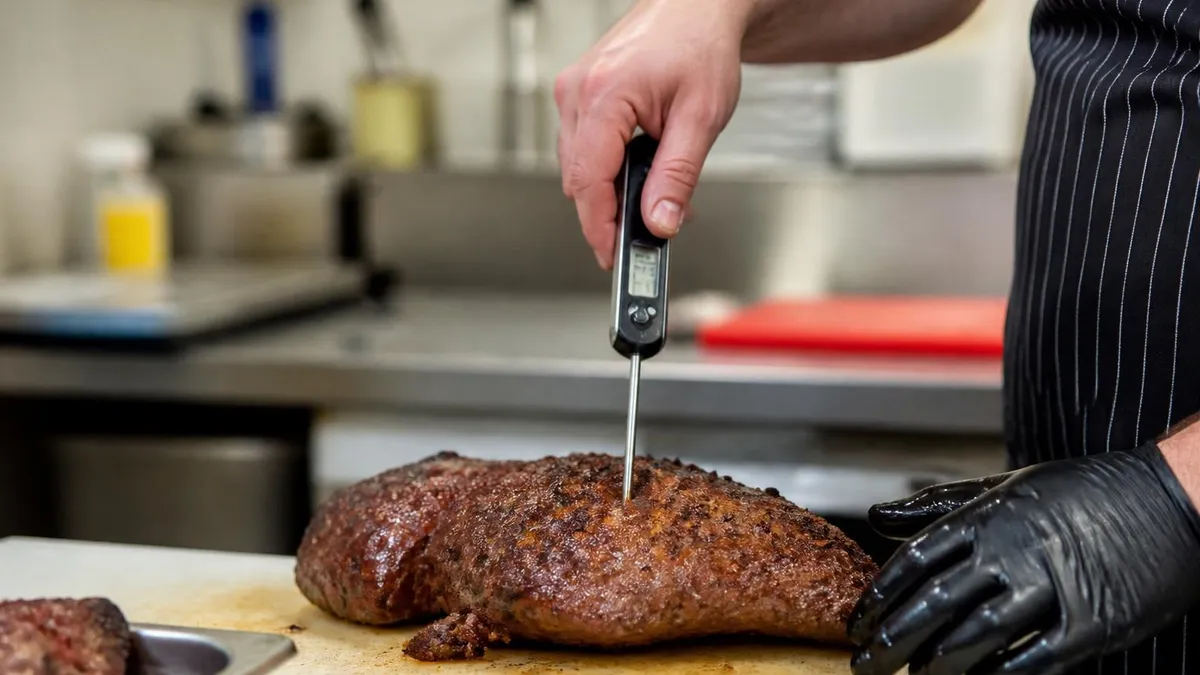
The ServSafe Manager Certificate is valid for exactly five years from the date of the exam, not from the date the certificate is printed or downloaded. If your certificate has expired, you must retake and pass the proctored exam to earn a new one — there is no grace period, and expired certificates are not accepted by health departments during inspections. Set a renewal reminder at the four-year mark to give yourself time to study and schedule the exam before your expiration date.
Renewing a ServSafe Manager certification before it expires is a straightforward process, but it requires the same proctored exam as the initial certification — there is no shortened renewal exam or online self-attestation option.
Candidates who are renewing must purchase a new exam access code or answer sheet, study the current edition of the ServSafe Manager Book to ensure they are familiar with any updates to the FDA Food Code or exam content, and sit the full 90-question exam again. A passing score of 75 percent earns a fresh five-year certificate regardless of how many times the individual has previously been certified.
The renewal process is typically easier for experienced food service professionals because they have practical, day-to-day familiarity with the concepts tested on the exam. However, the ServSafe exam is updated periodically to reflect changes to the FDA Food Code and emerging food safety science, so even veterans should review the current edition of the study materials rather than relying entirely on memory from their previous certification cycle. Topics like time/temperature control for safety (TCS) foods, the major food allergens recognized by the FDA, and HACCP documentation requirements have seen meaningful regulatory updates in recent years.
For professionals who are unsure whether their current certification is still valid or who cannot locate their original certificate, the ServSafe website's verification and lookup tool is the fastest way to check status. The tool searches the NRAEF database by name and can return the certificate number, exam date, expiration date, and issuing exam session.
If a certificate does not appear in the lookup database, the individual should contact ServSafe customer support with any documentation they have, such as a score letter or class roster confirmation, to investigate the discrepancy before assuming they need to re-certify. For those who need help resolving account or certification issues, understanding how to reach servsafe certification online free support channels can save significant time and frustration.
The ServSafe website also allows instructors and employers to purchase replacement certificates for candidates whose original certificates were lost, damaged, or never printed. The replacement certificate process typically requires submitting the individual's name, exam date, and certificate number through the website or customer support, and a new digital certificate is issued to the learner account. Physical replacement certificates are generally not available for older exam administrations, so maintaining a digital copy in a cloud storage service or email folder is strongly recommended immediately after passing the exam.
A growing number of food service employers are integrating ServSafe certification tracking into their HR and compliance software, using the ServSafe website's verification API or manual lookup tool to monitor the expiration dates of all certified employees. This proactive approach prevents the situation where a health inspector arrives and discovers that the only certified manager on duty has an expired credential, which can result in fines, required corrective actions, or even temporary closure orders. Operators who manage multiple locations often assign a compliance coordinator specifically responsible for tracking ServSafe expiration dates and scheduling renewal exams in advance.
When a food service employee changes employers, their ServSafe certification goes with them — the credential belongs to the individual, not the establishment. A new employer can verify the certification's validity through the public lookup tool on the ServSafe website without needing to contact the previous employer or the employee's original training provider. This portability makes ServSafe certification a genuinely valuable career asset that follows the professional throughout their career, not a compliance checkbox tied to a single job site or employer relationship.
Understanding the full scope of what the ServSafe website offers — from initial enrollment through certificate download, renewal, and verification — gives food service professionals a clear roadmap for navigating the certification process efficiently. Whether you are completing your first food handler course, managing a team of employees who all need certification before an upcoming health inspection, or planning the renewal of a soon-to-expire Manager certificate, the website has the tools and resources to help you accomplish your goals with minimal confusion when you know where to look.
Maximizing your chances of passing the ServSafe Manager exam on the first attempt requires more than simply reading the official study guide from cover to cover. Experienced food service trainers consistently recommend a multi-layered study approach that combines textbook reading with active recall through practice questions, spaced repetition of difficult topics, and timed simulations of the actual exam format. Candidates who practice under exam conditions — 90 questions in 2 hours, no materials — perform significantly better than those who study passively without time constraints.
One of the most effective study strategies is to work through practice questions by content domain rather than randomly. Start with the domain that contributes the most questions to the exam, which is typically the Flow of Food section covering purchasing, receiving, storage, preparation, cooking, holding, cooling, and reheating. This section alone accounts for a large proportion of the exam, and mastering the specific temperature thresholds, time limits, and procedural requirements tested in this domain can dramatically improve your overall score even before you review the other content areas.
Flashcards remain a popular supplementary tool among ServSafe candidates, particularly for memorizing the specific temperature thresholds that appear repeatedly on the exam. Key temperatures to know cold include: 41°F or lower for cold holding, 135°F or higher for hot holding, 165°F for poultry and stuffed foods, 155°F for ground beef, 145°F for whole-muscle beef and pork, 145°F for fish, and 70°F as the upper limit for the first phase of the two-stage cooling process.
The exam frequently presents scenario questions that require you to identify which food was handled incorrectly, and knowing these numbers precisely is the difference between a correct and incorrect answer.
The ServSafe website's state-specific pages are also worth revisiting during your study period because some exam questions reference regulatory concepts that vary by state interpretation. For instance, the definition of a TCS food, the acceptable methods for thawing frozen food, and the requirements for labeling and date-marking ready-to-eat foods all have specific FDA Food Code parameters that the exam tests directly. Reading through your state's relevant health code provisions alongside the ServSafe study materials helps you understand not only what the FDA recommends but also how those recommendations are enforced in practical regulatory inspections.
Group study sessions can be particularly effective for ServSafe Manager exam preparation, especially when organized through a restaurant association chapter, a community college culinary program, or a hotel or healthcare organization that is certifying multiple employees at once. Discussing scenario questions aloud, explaining why a particular answer is correct, and quizzing each other on temperature thresholds and HACCP principles all reinforce retention more effectively than silent individual study. If you cannot find a local study group, many online food safety forums and social media communities exist specifically for ServSafe candidates sharing tips, mnemonics, and practice questions.
On the day of the online proctored exam, technical preparation is just as important as content knowledge. Ensure that your computer's operating system and browser are updated to the versions specified in the proctoring platform's technical requirements, that your webcam produces a clear video feed, and that your microphone captures audio clearly.
The proctor will ask you to scan the room with your webcam before the exam begins to confirm there are no unauthorized materials. Having a clean, quiet testing environment set up the night before eliminates last-minute scrambling and allows you to start the exam with a calm, focused mindset.
After completing the online proctored exam, most candidates receive their score immediately or within a few minutes of submission. If you pass, celebrate — but immediately log in to your ServSafe learner account to confirm that your certificate is processing and to note the expiration date.
If you do not pass, review the score report carefully because it breaks down your performance by content domain, showing you exactly which areas cost you points. Use that feedback to design a targeted remediation study plan before your next attempt, focusing your limited time on the specific domains where your score fell below the benchmark rather than re-reading sections you already mastered.
ServSafe Questions and Answers

ServSafe Administrative — Complete Guide (2026)

How to Print Your ServSafe Certificate: Complete Step-by-Step Guide
ServSafe Certification Lookup: How to Verify, Find, and Renew Your Food Safety Credential in 2026

ServSafe Customer Service: How to Get Help With Certification, Testing, and Account Issues

ServSafe Florida: Complete Training Guide & Certification Requirements
About the Author

Registered Sanitarian & Food Safety Certification Expert
Cornell University College of Agriculture and Life SciencesThomas Wright is a Registered Sanitarian and HACCP-certified food safety professional with a Bachelor of Science in Food Science from Cornell University. He has 17 years of experience in food safety auditing, regulatory compliance, and foodservice management training. Thomas prepares food industry professionals for ServSafe Manager, HACCP certification, and state food handler examinations.
Join the Discussion
Connect with other students preparing for this exam. Share tips, ask questions, and get advice from people who have been there.
View discussion (7 replies)