
What Is a PCA in a Hospital? Complete Guide to Personal Care Assistant Roles, Duties, and Career Paths
What is a PCA in a hospital? Learn PCA meaning, duties, salary, and how to start your healthcare career as a Personal Care Assistant. 🎯

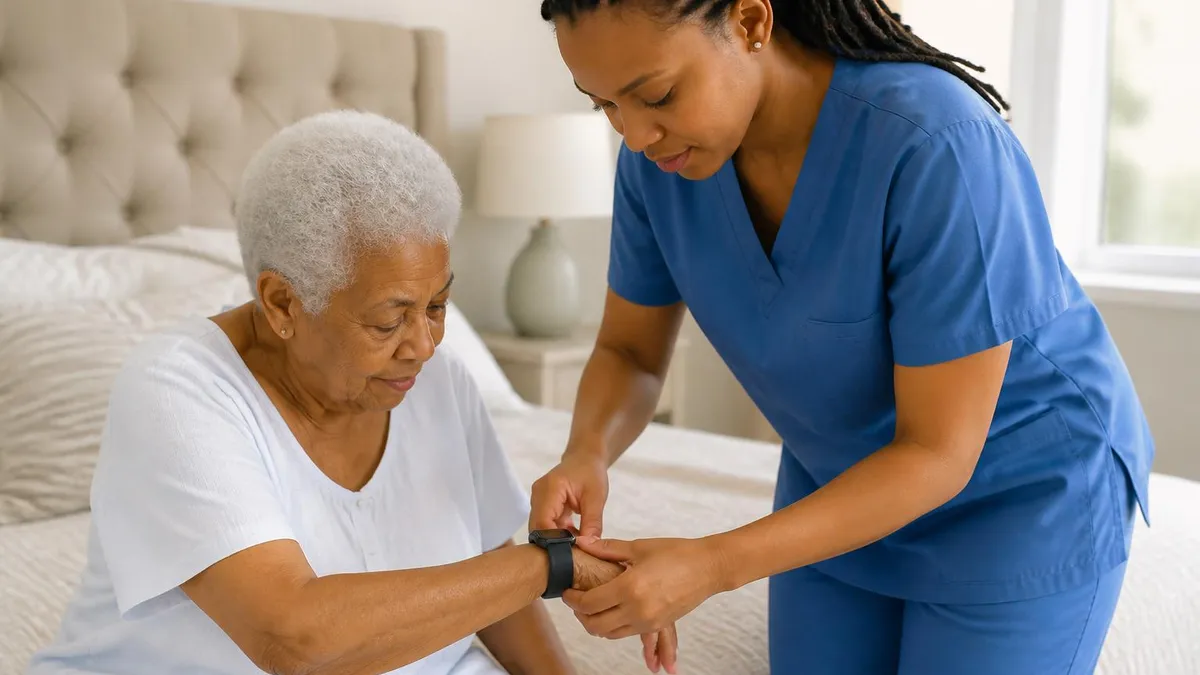
If you have searched for what is a PCA in a hospital, you are likely exploring one of the most accessible and rewarding entry points into the healthcare workforce. A PCA — Personal Care Assistant — is a frontline healthcare worker who provides direct, hands-on support to patients who need help with basic daily activities.
In a hospital setting, PCAs work alongside nurses, therapists, and physicians to ensure patients remain comfortable, clean, safe, and emotionally supported throughout their stay. Understanding what is a PCA in a hospital is the first step toward a career that genuinely changes lives every single day.
The term PCA can carry different meanings depending on context. In the skincare world, PCA skin products are widely recognized — PCA hydrating toner and other PCA skincare lines are popular among dermatology patients and beauty professionals. In automotive circles, a Porsche experience event might come to mind.
In healthcare administration, PCA medical documentation refers to patient-controlled analgesia pump settings. And in religious communities, the PCA church is a well-known Presbyterian denomination. When we use PCA meaning in the context of hospitals and home care, however, we are always referring to the Personal Care Assistant — a vital member of the patient care team.
Hospitals across the United States employ thousands of PCAs to fill critical staffing gaps that registered nurses and licensed practical nurses cannot cover alone. Because of strict regulations around nurse-to-patient ratios, hospitals depend on PCAs to handle non-clinical supportive tasks so that nurses can focus on medication administration, wound care, and clinical assessments. This division of labor is not just efficient — it is essential for delivering quality patient outcomes in fast-paced hospital environments like medical-surgical floors, rehabilitation units, and long-term acute care wards.
The PCA stats tell a compelling story about demand in this field. The U.S. Bureau of Labor Statistics projects that employment of personal care aides and similar roles will grow significantly faster than the national average over the next decade, driven by an aging Baby Boomer population and expanded access to healthcare services. Hospitals in particular are increasing their PCA headcount to manage higher patient volumes while controlling costs. For individuals who want a stable, meaningful career without requiring a four-year college degree, the PCA path offers one of the most direct routes available in modern healthcare.
Working as a PCA in a hospital is different from working in a home care or community-based setting. Hospital PCAs must adapt quickly to rapidly changing patient conditions, follow strict infection control protocols, operate in highly regulated environments, and coordinate closely with interdisciplinary care teams. They may care for dozens of patients across a shift, each with unique needs, mobility limitations, cognitive impairments, or post-surgical requirements. The pace is demanding, but the training programs are structured to prepare candidates thoroughly for these realities before they ever step onto a hospital floor.
One important distinction that often confuses new job seekers is the difference between a PCA and other entry-level healthcare roles such as a Certified Nursing Assistant (CNA) or a Home Health Aide (HHA). While there is meaningful overlap among these roles, each carries a distinct scope of practice, credentialing requirement, and typical work environment. PCAs generally operate with somewhat broader flexibility in home settings but may have slightly narrower clinical scope in hospitals compared to CNAs, who typically hold state certification. Understanding these nuances helps candidates choose the credential pathway that aligns with their goals and geographic location.
This guide will walk you through everything you need to know about what a PCA does inside a hospital — from daily duties and required skills to salary expectations, career advancement opportunities, and how to prepare for the certification process.
Whether you are a career changer, a recent high school graduate, or someone re-entering the workforce after time away, the PCA role offers a clear, structured pathway into one of the most in-demand industries in the country. Read on to build a complete picture of this vital healthcare position and decide whether it is the right fit for your goals and strengths.
PCA in a Hospital: Key Numbers

Core PCA Duties in a Hospital Setting
PCAs assist patients with bathing, dressing, grooming, toileting, and feeding. These fundamental tasks preserve patient dignity, prevent skin breakdown, and reduce hospital-acquired conditions like pressure ulcers and urinary tract infections across all hospital units.
Hospital PCAs help patients transfer safely between bed, wheelchair, and ambulation. They use gait belts, transfer boards, and mechanical lifts under nursing supervision to prevent falls — one of the most common and costly hospital complications nationwide.
Many hospital PCAs are trained to record blood pressure, pulse, temperature, respiratory rate, and oxygen saturation. They document these readings in electronic health records and immediately report abnormal values to the supervising nurse for clinical assessment.
Patients in hospitals frequently experience fear, loneliness, and anxiety. PCAs spend more direct time with patients than most clinical staff, making their reassuring presence, active listening, and compassionate communication essential to overall patient well-being and satisfaction.
PCAs keep patient rooms clean, organized, and free of fall hazards. They follow strict hand hygiene, PPE use, and isolation precautions to limit pathogen spread — critical in hospital settings where immunocompromised patients are especially vulnerable to healthcare-associated infections.
Understanding the qualifications required to work as a PCA in a hospital helps candidates plan their entry into this career strategically. Most hospital employers require at minimum a high school diploma or GED equivalent, along with successful completion of a state-approved PCA training program. These programs typically run between four and eight weeks and combine classroom instruction with supervised clinical hours. Topics covered include anatomy and physiology basics, infection control principles, patient rights, communication skills, emergency response procedures, and hands-on skills like bed baths, catheter care, and range-of-motion exercises.
For those wondering what is a PCA in healthcare more broadly, it is important to note that credentialing requirements vary significantly by state. Some states require PCAs to obtain formal certification through a state-administered competency exam, similar to the CNA certification pathway. Others allow PCAs to work with employer-specific training only. Hospital systems, in particular, tend to have more rigorous hiring standards than home care agencies — they often require candidates to demonstrate clinical competencies, pass a background check, complete drug screening, and show current CPR/First Aid certification before their first day on the floor.
The PCA meaning in a hospital context also implies a specific professional mindset and a set of soft skills that are just as important as technical training. Empathy, patience, physical stamina, attention to detail, and the ability to remain calm under pressure are qualities that hospital hiring managers look for in every PCA candidate they interview. Because PCAs interact directly with patients during their most vulnerable moments — immediately post-surgery, during acute illness, or while coping with terminal diagnoses — the emotional intelligence required for this work should never be underestimated by those entering the field.
Many hospital PCAs pursue additional certifications to strengthen their credentials and increase their earning potential. Common add-on credentials include CPR and BLS certification (typically required as a baseline), phlebotomy training, electrocardiogram (EKG) technician certification, and specialized competencies in dementia care or pediatric support. These additional qualifications not only make candidates more competitive in the job market but also open doors to specialized hospital units like cardiac floors, oncology wards, and neonatal intensive care support roles where additional technical skills are highly valued.
The background check process is a non-negotiable step for all prospective hospital PCAs. Because they work with vulnerable patient populations — including elderly patients, pediatric patients, and individuals with serious medical conditions — hospitals conduct thorough criminal history screenings through state and federal databases. Any history of abuse, neglect, financial exploitation, or certain violent offenses will typically disqualify a candidate from working in a licensed healthcare facility. Candidates should be transparent about their history and understand that some prior offenses may be evaluated on a case-by-case basis depending on the nature, timing, and circumstances involved.
Physical requirements for hospital PCA positions are substantial and should be carefully considered by prospective applicants. The role routinely involves lifting or assisting with patients who may weigh 150 to 300 pounds or more, standing for eight to twelve hours per shift, bending, pushing, and pulling heavy equipment. Many hospitals list a lifting requirement of 50 pounds or more as a minimum physical standard.
Candidates with back problems, joint limitations, or other physical conditions that restrict lifting capacity should discuss these concerns with a healthcare provider before pursuing a hospital PCA position, and should explore whether ergonomic accommodations can be arranged under applicable employment law provisions.
Training programs for aspiring hospital PCAs are widely available through community colleges, vocational schools, hospital systems themselves, and online platforms that combine digital coursework with in-person clinical practicums. Cost varies considerably — community college programs may range from $500 to $3,000 depending on program length and state, while hospital-run training programs are sometimes offered at no cost to the candidate in exchange for a commitment to work a specified number of hours within the hospital system following graduation.
Researching available funding options including Workforce Investment Opportunity Act (WIOA) grants and employer tuition reimbursement programs can substantially reduce or eliminate the out-of-pocket cost of PCA training.
PCA Medical Work Environments Compared
Hospital PCAs work in fast-paced, highly regulated environments where patient conditions can change rapidly. They typically serve on medical-surgical floors, rehabilitation units, or specialty wards, caring for multiple patients per shift under the direct supervision of registered nurses. Hospitals offer structured scheduling, consistent pay scales, comprehensive employee benefits including health insurance and retirement plans, and clear protocols for every clinical situation a PCA might encounter during their workday.
The hospital environment also provides unmatched opportunities for career advancement. PCAs who demonstrate strong performance often receive tuition reimbursement to pursue CNA certification, LPN licensure, or even nursing degrees while continuing to work. Exposure to diverse patient populations — from post-surgical recovery patients to those managing chronic conditions — builds a clinical knowledge base that translates directly into future healthcare roles and accelerates professional development far more quickly than isolated home care settings typically allow.

Pros and Cons of Working as a PCA in a Hospital
- +High job demand with strong employment security across all U.S. regions and hospital systems
- +Clear career ladder from PCA to CNA, LPN, RN, and beyond with employer-supported tuition programs
- +Comprehensive employee benefits including health insurance, paid time off, and retirement matching
- +Diverse patient experience that builds clinical knowledge applicable to advanced healthcare roles
- +Structured hospital protocols provide clear guidance for every clinical scenario a PCA might face
- +Shift flexibility including day, evening, night, and weekend options to accommodate varying schedules
- −Physically demanding work requiring prolonged standing, lifting, and repetitive movement throughout shifts
- −Emotional toll of working with seriously ill, dying, or cognitively impaired patients can cause burnout
- −Entry-level wages may not reflect the significant physical and emotional demands of the position
- −Mandatory overtime and difficult scheduling during high-census periods or staff shortages
- −Exposure to infectious diseases, bodily fluids, and hazardous materials requires constant vigilance
- −Limited clinical autonomy compared to certified nursing staff, which can be frustrating for motivated PCAs
Hospital PCA Preparation Checklist: Steps Before You Apply
- ✓Earn your high school diploma or GED if you have not already done so — this is the universal minimum requirement.
- ✓Complete a state-approved PCA or CNA training program at a community college, vocational school, or hospital-sponsored program.
- ✓Obtain current CPR and Basic Life Support (BLS) certification from the American Heart Association or Red Cross.
- ✓Pass the required state competency exam if your state mandates formal PCA or CNA certification for hospital employment.
- ✓Gather all required identification documents — Social Security card, government-issued photo ID, and vaccination records including hepatitis B and flu shots.
- ✓Complete a professional background check through your state's healthcare worker registry and be prepared to explain any prior legal history honestly.
- ✓Pass a pre-employment drug screening, which is standard practice for all hospital healthcare worker positions.
- ✓Prepare a clear, healthcare-focused resume that highlights any relevant caregiving, customer service, or clinical volunteer experience you have.
- ✓Practice your clinical skills — patient transfers, vital signs documentation, and infection control procedures — before your competency evaluation.
- ✓Research the specific hospital units you want to work in and tailor your interview answers to reflect familiarity with those patient populations.
Hospital-Sponsored PCA Training Can Be Free
Many major hospital systems offer fully employer-funded PCA training programs in exchange for a 12- to 24-month work commitment following graduation. These programs eliminate the $500–$3,000 training cost entirely, and many also pay a training stipend during the program. Searching directly on hospital career pages for 'PCA training program' or 'earn while you learn' can uncover opportunities not listed on general job boards like Indeed or LinkedIn.
Salary is one of the most common questions people ask when exploring what is a PCA in a hospital. According to data from the U.S. Bureau of Labor Statistics and major healthcare job platforms, hospital PCAs in the United States earn an average of $15 to $20 per hour, translating to approximately $31,000 to $42,000 annually for full-time workers.
However, these figures vary considerably based on geographic location, hospital size, union membership, shift differentials, and years of experience. PCAs in high-cost-of-living states like California, New York, Massachusetts, and Washington tend to earn significantly more than the national average, with some metropolitan hospital positions paying $22 to $28 per hour for experienced candidates.
Shift differentials represent a meaningful earnings boost for many hospital PCAs. Most hospital systems pay an additional $1.50 to $3.00 per hour for evening and night shifts, and weekend premiums can add another $1.00 to $2.50 per hour on top of base pay.
PCAs who are willing to work overnight shifts, weekend rotations, or on-call status can therefore meaningfully increase their annual income compared to peers who only work standard daytime weekday hours. Over the course of a year, these shift differentials can add $3,000 to $8,000 or more to total compensation, making schedule flexibility one of the most underappreciated financial tools available to hospital PCAs.
Career advancement from the PCA role is well-established and widely supported by hospital employers who have a vested interest in retaining talented frontline workers by investing in their professional growth. The most common progression path is from PCA to Certified Nursing Assistant (CNA), which typically requires passing a state-administered written and skills examination after completing additional clinical training hours. CNAs earn an average of $3 to $7 more per hour than uncertified PCAs, and the credential opens doors to hospital units with more complex patient populations including intensive care, cardiac monitoring, and surgical recovery floors.
Beyond the CNA credential, ambitious hospital PCAs often pursue Licensed Practical Nurse (LPN) or Licensed Vocational Nurse (LVN) programs, which require approximately 12 to 18 months of additional schooling and result in significantly expanded clinical scope and earning potential.
From LPN, the path to Registered Nurse (RN) — through bridge programs widely available at community colleges and online institutions — represents the most common full clinical career trajectory that begins at the PCA entry point. Many hospitals actively fund these educational transitions through tuition reimbursement programs, recognizing that growing their own clinical staff from within reduces costly external recruiting and improves retention rates across all staffing levels.
Specialized hospital PCA roles are also emerging as hospitals expand their service offerings and invest in more granular patient care differentiation. Some hospital systems now employ PCAs with specialized training in behavioral health support, memory care assistance for dementia patients, bariatric patient care, and pediatric support. These specialized roles often carry pay premiums of $1 to $4 per hour above standard PCA rates, and they provide PCAs with deeper clinical experience that further strengthens their credentials when applying for advanced nursing programs or specialized CNA certifications in those same clinical areas.
Union membership is another factor that significantly influences the PCA experience in hospital settings. In states with strong labor union traditions — including California, New York, Illinois, and Washington — many hospital PCAs are represented by unions such as SEIU (Service Employees International Union) or 1199SEIU United Healthcare Workers East.
Union contracts typically guarantee minimum wage floors, defined overtime rates, grievance procedures, seniority-based scheduling preferences, and employer-funded health benefits that non-union hospital workers may not receive. Candidates exploring hospital PCA positions in major metropolitan areas should research whether their target employer operates under a union contract before accepting an offer, as this can significantly affect total compensation and working conditions.
The long-term financial case for starting a healthcare career as a hospital PCA is strong for individuals who plan ahead and take advantage of available educational benefits. A candidate who enters a hospital as a PCA at age 22, earns a CNA credential within two years, completes an LPN program by 27, and bridges to an RN degree by 30 can realistically expect to be earning $65,000 to $90,000 per year — all while having gained eight years of direct clinical experience that many nursing school graduates lack entirely.
This staircase model of career advancement, funded substantially by employer tuition programs and built on a PCA foundation, represents one of the most financially sound pathways into professional healthcare available to candidates without a four-year college degree at entry.

PCA certification rules differ dramatically from state to state. Some states require PCAs working in hospitals to hold full CNA certification through the state nursing board, while others allow employer-specific training without a state license. Before enrolling in any training program, verify your specific state's requirements with your state Department of Health or nursing regulatory board to ensure the credential you earn will be accepted by hospital employers in your area.
Standing out as a hospital PCA requires more than meeting the minimum qualifications — it demands a proactive approach to skill development, professional relationships, and self-presentation that distinguishes exceptional candidates from the hundreds of applicants competing for the same hospital positions.
The first and most impactful thing a PCA candidate can do to stand out is to arrive at every interview with demonstrated clinical experience, even if that experience comes from volunteer work, informal caregiving for a family member, or a clinical externship attached to a training program. Hospitals prioritize candidates who have touched a patient before because the learning curve on real patient care skills is substantially shorter for those with prior hands-on exposure.
Communication skills are the single most frequently cited differentiator by hospital nurse managers when evaluating PCA candidates for hire. A PCA who can clearly and concisely report a patient's change in condition to a supervising nurse — stating the patient's name, room number, current vital signs, specific symptom, and time of onset — is worth far more to a hospital unit than one who delivers vague or incomplete information.
Practicing SBAR communication (Situation, Background, Assessment, Recommendation) before job interviews and during early employment will accelerate a new PCA's credibility with nursing staff and set the stage for rapid advancement into roles with greater responsibility and compensation.
Reliability is the most basic but most powerful professional quality a hospital PCA can demonstrate. Hospital nursing units operate on precise staffing ratios, and a PCA who calls off frequently, arrives late, or leaves early creates a ripple effect of increased workload on every other team member on the floor. New PCAs who build a reputation for showing up consistently, on time, and ready to work hard will almost always be fast-tracked for better shifts, preferred unit assignments, and promotional opportunities over colleagues with equal or greater technical skills who are inconsistent in their attendance and reliability patterns.
Seeking feedback actively and visibly is another behavior that separates high-performing hospital PCAs from average performers. After completing a patient transfer, taking vital signs, or assisting with a procedure, asking the supervising nurse whether the technique was correct signals intellectual humility and a genuine commitment to learning — qualities that clinical supervisors remember and reward when making recommendations for advancement. PCAs who approach their role as a learning environment rather than just a job consistently outperform peers who treat the role as routine, and their supervisors become advocates for their career growth within the hospital system.
Developing familiarity with the electronic health record (EHR) system used by the hospital is a practical differentiator that matters more than most new PCAs realize. Major hospital systems use platforms like Epic, Cerner, or Meditech for all patient documentation, and a PCA who can navigate these systems confidently and document vital signs accurately without errors or delays saves nursing time, reduces documentation errors, and demonstrates technological competence that is increasingly valued in modern hospital environments.
Most hospital orientations include EHR training, but PCAs who take extra time outside of orientation to practice and master documentation workflows will outpace peers who treat EHR training as a box to check rather than a skill to develop.
Building genuine relationships with nurse preceptors, charge nurses, and unit managers during the first ninety days of hospital employment is the most effective long-term career strategy available to a new PCA. These relationships determine shift assignments, performance evaluations, reference letter quality, and internal promotion recommendations.
A PCA who treats every nurse they work with as a mentor and every patient interaction as an opportunity to demonstrate the values of dignity, compassion, and professionalism will build a professional network inside the hospital that opens doors no job board ever could. Internal referrals and supervisor advocacy remain the primary pathway to advancement in most hospital systems regardless of clinical role level.
Finally, PCAs who invest in their own continuing education outside of required hospital training consistently report greater job satisfaction, faster advancement timelines, and stronger earning trajectories than those who do not. Resources like free online nursing assistant study guides, PCA practice test platforms, professional journals in gerontological and acute care nursing, and community healthcare conferences all contribute to a deepening clinical vocabulary and professional identity that reshapes how a PCA carries themselves in clinical environments.
This commitment to continuous learning is the foundation upon which every successful healthcare career — from PCA to RN and beyond — is ultimately built, regardless of the entry point or the specific clinical setting involved.
Preparing effectively for a PCA role in a hospital requires a combination of structured study, hands-on skill practice, and deliberate professional development. Candidates who approach their preparation strategically — rather than simply completing minimum training hours and hoping for the best — consistently perform better on competency evaluations, pass hiring assessments more reliably, and adapt faster during their initial weeks on a hospital floor. The habits you build during your training period will follow you into your first days on the unit, which is why preparation quality matters every bit as much as training completion.
One of the most effective preparation strategies is practicing clinical skills with real equipment rather than relying on diagrams or verbal descriptions alone. If your training program provides lab time with hospital beds, transfer belts, blood pressure cuffs, and patient mannequins, use every available minute of it.
Muscle memory for patient handling techniques — proper body mechanics during transfers, correct gait belt positioning, safe two-person lift protocols — is built through repetition, not memorization. PCAs who enter their first hospital shifts with confident physical technique reduce their injury risk substantially and earn immediate credibility from supervising nurses who can spot whether a PCA has real clinical hands from across a patient room.
Mental preparation for the emotional realities of hospital work is equally important and far less discussed in most PCA training programs. Hospital PCAs regularly witness patient suffering, decline, and death. They form connections with patients who may deteriorate or pass away suddenly. They work beside families in crisis and receive the emotional overflow that comes from being the most consistently present caregiver in a patient's daily hospital experience.
Building a personal strategy for processing these emotional experiences before you begin working — whether through peer support networks, mentorship relationships, reflective journaling, or professional counseling — will protect your mental health and extend your career longevity in ways that purely clinical training cannot.
Study tools specifically designed for PCA and CNA certification preparation can dramatically shorten the time needed to master the written knowledge required for competency exams. Practice question banks, flashcard sets organized by clinical topic, and timed mock exams that simulate real testing conditions all help candidates identify gaps in their knowledge before those gaps appear on an actual exam or, more consequentially, on a hospital floor.
Platforms that offer free PCA practice questions — organized by topic area including patient rights, infection control, safety protocols, and basic nursing skills — allow candidates to study at their own pace and target their weakest areas with focused repetition rather than reviewing content they already understand well.
Time management during hospital PCA shifts is a skill that is difficult to teach in a classroom but critical to on-the-job success. Hospital PCAs must balance competing patient needs across a six- to twelve-patient assignment, anticipate care timing around physician rounds and nursing procedures, respond to call lights within acceptable response time standards, and complete documentation accurately without falling behind on hands-on patient care.
New PCAs who struggle with time management often find that keeping a simple pocket notebook to log patient care timing and pending tasks helps them stay organized until shift prioritization becomes intuitive — typically within three to six months of consistent hospital experience on a stable unit assignment.
Practicing interview skills specific to healthcare settings gives PCA candidates a meaningful advantage in competitive hospital job markets. Common hospital PCA interview questions include behavioral scenarios such as 'Tell me about a time you dealt with a difficult person' and 'Describe a situation where you had to prioritize multiple urgent tasks simultaneously.' Preparing specific, concrete examples from caregiving, volunteer, or prior employment experience — formatted using the STAR method (Situation, Task, Action, Result) — allows candidates to deliver confident, credible responses that demonstrate real-world competence rather than vague theoretical knowledge about what a PCA should do in hypothetical situations.
Building a support network with other PCA students and early-career PCAs through professional associations, online communities, and local healthcare workforce development programs provides accountability, moral support, resource sharing, and career guidance that can make the difference between candidates who persist through training challenges and those who drop out before completing certification.
Organizations like the National Association for Home Care and Hospice (NAHC) and state-level healthcare workforce coalitions offer networking events, mentorship programs, and career development resources specifically designed for entry-level healthcare workers navigating the early stages of a clinical career. Taking advantage of these community resources from the very beginning of your PCA journey accelerates professional development and builds the relationships that sustain long healthcare careers.
PCA Questions and Answers

PCA Jobs: What They Pay, Where to Find Them, and How to Start

What Does a PCA Do? Complete Guide to Personal Care Assistant Duties and Daily Responsibilities

Personal Care Assistant Job Description: Complete Guide to PCA Duties, Skills, and Responsibilities in 2026
Difference Between PCA and HHA: Complete Career Comparison Guide for 2026

What Is a Personal Care Assistant? Complete Career Overview, Duties, Requirements, and Pathways for 2026
About the Author

Registered Nurse & Healthcare Educator
Johns Hopkins University School of NursingDr. Sarah Mitchell is a board-certified registered nurse with over 15 years of clinical and academic experience. She completed her PhD in Nursing Science at Johns Hopkins University and has taught NCLEX preparation and clinical skills courses for nursing students across the United States. Her research focuses on evidence-based exam preparation strategies for healthcare certification candidates.