
What Is a Geriatric Nursing Assistant? Complete Career Overview 2026 September
🔎 What is a geriatric nursing assistant? Learn GNA duties, certification steps, salary ranges, and how CNA classes prepare you for this rewarding career.

If you have been asking yourself what is a geriatric nursing assistant, the short answer is this: a GNA is a trained healthcare professional who delivers hands-on, day-to-day care exclusively to elderly patients, typically in nursing homes, assisted living facilities, and long-term care settings. Unlike a general CNA, the GNA role focuses specifically on the aging population, making it both a specialized credential and a deeply meaningful career path for those who feel called to serve older adults with dignity and compassion.
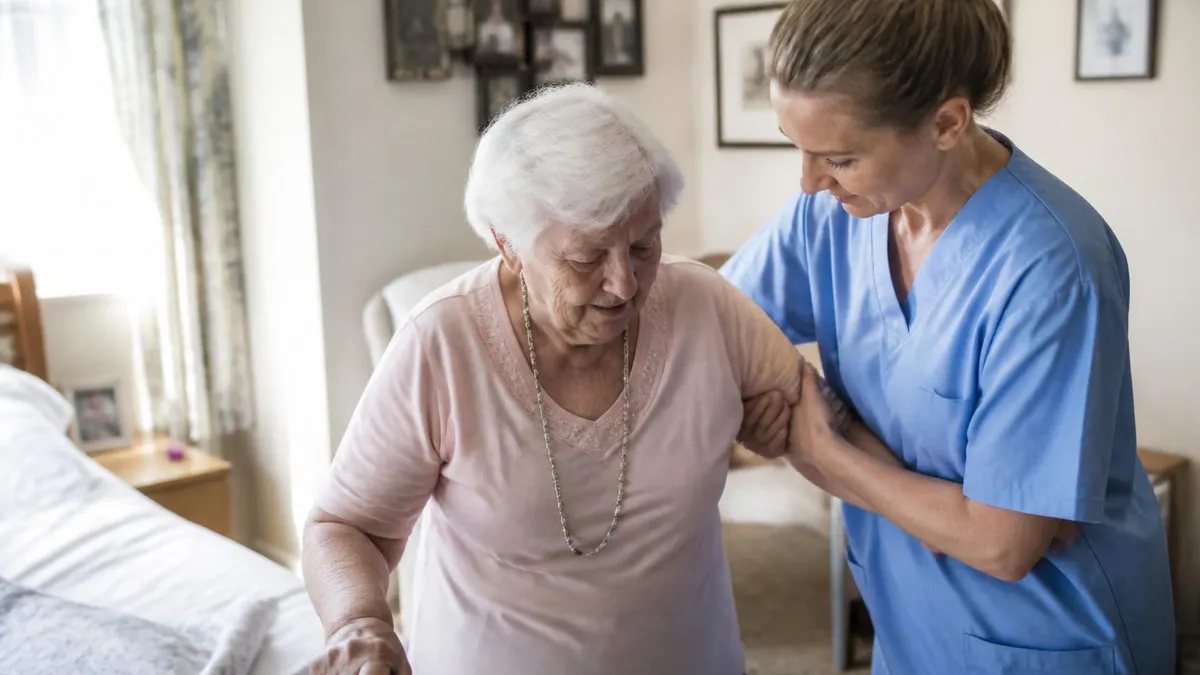
Geriatric nursing assistants perform a wide range of direct care tasks that keep elderly residents safe, comfortable, and as independent as possible. These duties include helping with bathing, grooming, dressing, feeding, and mobility — collectively known as Activities of Daily Living, or ADLs. GNAs also monitor vital signs, observe and report changes in a patient's condition to the supervising nurse, and provide the consistent human contact that is essential to the emotional well-being of residents who may have limited family interaction throughout the week.
The demand for qualified geriatric nursing assistants is growing rapidly across the United States. The U.S. Bureau of Labor Statistics projects that employment for nursing assistants will grow faster than the average for all occupations through 2032, driven primarily by the aging Baby Boomer generation. By 2030, all Baby Boomers will be older than 65, swelling the population of seniors who require skilled, compassionate long-term care. This demographic shift is already creating a significant workforce shortage in elder care, making GNA certification an exceptionally job-secure credential.
To become a GNA, candidates typically must first complete CNA classes — a state-approved nursing assistant training program that covers foundational clinical skills and healthcare theory. After earning their CNA credential, candidates pursue the additional GNA-specific coursework and competency evaluations required by their state's health department. The combined training gives GNAs a thorough clinical foundation plus specialized knowledge of geriatric conditions such as Alzheimer's disease, Parkinson's disease, osteoporosis, dementia-related behavioral challenges, and the particular safety concerns associated with caring for frail elderly patients.
GNA certification is currently a formal, regulated credential primarily in Maryland, though other states use equivalent designations or include geriatric-specific content within their standard CNA training programs. In Maryland, the GNA credential is issued by the Maryland Board of Nursing and requires completion of an approved training program, a written knowledge test, and a skills demonstration evaluated by a state-approved examiner. Candidates who pass both components are placed on the Maryland Nurse Aide Registry, making them eligible for employment in any licensed nursing facility in the state.
Compensation for GNAs is competitive within the entry-level healthcare sector. GNA salary figures vary by state, employer type, years of experience, and shift differentials, but national data consistently shows that elder care assistants earn more than many comparable entry-level roles in other industries. Facilities that operate around the clock — as most nursing homes do — often pay premium rates for evening, overnight, and weekend shifts, giving motivated GNAs meaningful opportunities to increase their take-home pay beyond the base hourly rate.
Whether you are considering a first career in healthcare, transitioning from another field, or simply want to make a difference in the lives of older Americans, the GNA credential offers a clear, achievable pathway. The sections below walk you through every aspect of the role: core duties, required training, certification costs, salary expectations, and the practical steps you need to take to launch your GNA career with confidence.
GNA Career by the Numbers
GNA Training Requirements & Steps to Certification
Enroll in a state-approved CNA training program at a community college, vocational school, or nursing facility. Programs typically run 4–12 weeks and cover 75–150 hours of classroom and clinical instruction, meeting federal OBRA-87 minimum requirements.
After CNA classes, sit for the state competency evaluation — a written knowledge test plus a hands-on skills demonstration. Passing both sections earns placement on the state Nurse Aide Registry, a mandatory prerequisite for GNA training in most states.
Enroll in a GNA bridge program approved by your state health department. In Maryland, this additional coursework covers geriatric pharmacology, dementia care, fall prevention, restorative nursing, and elder rights — typically 40–60 additional hours beyond CNA preparation.
Demonstrate GNA-specific competency through a written exam and a state-observed skills evaluation. Evaluators assess techniques such as range-of-motion exercises, ambulation assistance, and dementia communication strategies unique to geriatric patient populations.
GNA certification must be renewed periodically — every two years in Maryland. Renewal requires documented in-service training hours completed during active employment, ensuring GNAs stay current with evolving best practices in elder care and patient safety.
GNA certification is a structured credentialing process that builds directly on your CNA foundation, adding a layer of elder-specific clinical knowledge and hands-on competency. Understanding each stage of the certification pathway helps candidates plan their timeline, budget their costs, and avoid the common missteps that lead to delays. Most candidates who go through the full process — from CNA classes to GNA credential — complete everything within three to six months, depending on program scheduling and exam availability in their area.
The written knowledge exam for GNA certification tests a broad range of topics including basic anatomy and physiology as it relates to aging, common geriatric conditions and their nursing implications, patient rights and elder abuse prevention, infection control standards in long-term care facilities, and the principles of restorative nursing. Study materials provided by approved training programs are your best starting point, but supplementing with GNA practice tests is one of the most effective ways to identify knowledge gaps before exam day and build the test-taking confidence you need to perform well under pressure.
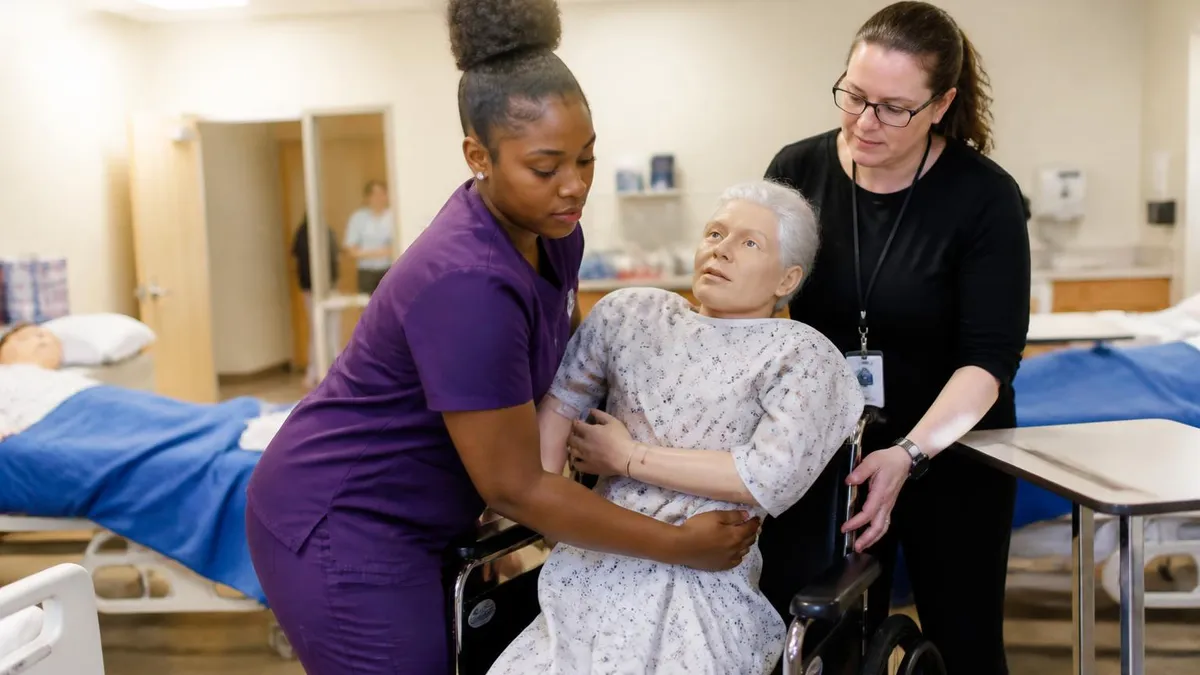
The skills evaluation portion of the GNA exam is equally important. A state-approved examiner will observe you performing a set of randomly selected clinical skills — typically five — drawn from the official skills checklist. Common tasks include proper hand-washing technique, assisting a resident to ambulate with a gait belt, positioning a resident in bed to prevent pressure injuries, measuring and recording vital signs, and performing passive range-of-motion exercises.
Each skill is graded on a pass/fail basis, and a single critical error on certain safety steps — such as failing to identify the patient before a procedure — can result in an automatic failure, so thorough practice is non-negotiable.
Understanding nursing assistant wages before you commit to training is a smart financial planning step. Most GNA training programs cost between $700 and $2,500 for the full course, and exam fees add another $50 to $150 on top of that. However, many employers — especially large nursing home chains and healthcare systems — offer tuition reimbursement, sign-on bonuses, or even free training in exchange for a 12-to-24-month employment commitment after certification. Exploring these employer-sponsored pathways can dramatically reduce your out-of-pocket costs while connecting you with a job offer before you even sit for your exams.
Candidates who do not pass the GNA exam on their first attempt are typically permitted to retake each failed section independently, rather than repeating the entire evaluation. Most states allow two to three retake attempts within a defined window before requiring additional training.
If you fail the skills component but passed the written exam, focus your retake preparation entirely on clinical skill repetition with a qualified instructor who can observe your technique and correct errors in real time. Rote memorization of steps is never enough — muscle memory built through repeated supervised practice is what separates candidates who pass from those who struggle.
Once certified, newly credentialed GNAs are typically placed on their state's Nurse Aide Registry within a few weeks. This registry is a public database that employers access to verify your credentials before making a formal job offer. Keeping your registry status active — by fulfilling the paid employment and in-service training requirements for renewal — is essential, because a lapsed certification means you cannot legally work as a GNA in a licensed nursing facility until your credential is reinstated, which can require repeating portions of the testing process.
Many GNAs use their credential as the first stepping stone toward a longer healthcare career. The clinical experience and patient care skills gained in a GNA role are directly applicable to LPN and RN bridge programs, making GNA an excellent entry point for anyone considering nursing as a long-term profession. Several community colleges and vocational schools have articulation agreements that give GNAs advanced standing or credit toward nursing programs, recognizing the significant overlap between the competencies required for both roles.
GNA vs CNA vs CMA: Understanding the Differences
A Geriatric Nursing Assistant specializes exclusively in the care of elderly patients, typically those aged 65 and older residing in skilled nursing facilities, assisted living centers, or memory care units. GNAs receive additional training beyond standard CNA classes in areas such as dementia care, fall prevention, restorative nursing, and the physiological changes associated with aging. This specialized knowledge makes GNAs particularly valuable in long-term care environments where the patient population has complex, chronic health needs requiring consistent, expert daily assistance.
GNA certification is most formally recognized in Maryland, where the Maryland Board of Nursing administers the credential and maintains the GNA registry. In other states, the equivalent geriatric care competencies may be folded into the standard CNA curriculum or offered as continuing education modules. Regardless of how the credential is structured in your state, the core skill set — compassionate eldercare, safety-focused mobility assistance, accurate observation and reporting — remains the same and is highly valued by employers who serve aging populations nationwide.
Is Becoming a GNA Right for You? Pros and Cons
- +High job security due to the rapidly growing elderly population across all 50 states
- +Short training timeline — most candidates complete CNA classes and GNA certification within six months
- +Meaningful, relationship-centered work with patients who genuinely benefit from consistent care
- +Multiple work settings available including nursing homes, assisted living, and home health agencies
- +Clear career ladder toward LPN, RN, or other allied health professions with experience credit
- +Shift differentials for evenings, nights, and weekends can significantly boost total annual compensation
- −Physically demanding work involving frequent lifting, transferring, and repositioning of residents
- −Emotional toll can be significant when caring for patients with dementia or end-of-life conditions
- −Entry-level hourly wages are modest, particularly in rural areas or smaller independent facilities
- −High patient-to-staff ratios in some facilities can create stressful, time-pressured working conditions
- −Required to work weekends, holidays, and overnight shifts as part of standard scheduling in most facilities
- −Risk of workplace injury — nursing assistants have above-average rates of musculoskeletal strain and back injuries
GNA Exam Prep Checklist — Everything You Need to Do
- ✓Enroll in a state-approved CNA training program and complete all required classroom and clinical hours.
- ✓Pass both components of the CNA competency exam — written test and skills demonstration — and verify registry placement.
- ✓Research state-specific GNA training requirements and locate an approved GNA bridge program near you.
- ✓Complete all GNA coursework including geriatric pharmacology, dementia care, and restorative nursing modules.
- ✓Practice all GNA clinical skills with a qualified instructor until you can perform each step correctly from memory.
- ✓Take at least three full-length GNA practice tests under timed conditions to build exam stamina and identify weak areas.
- ✓Review the official GNA skills checklist and memorize the critical steps for each skill that trigger automatic failure if missed.
- ✓Schedule your GNA written exam and skills evaluation at an approved testing site well in advance of your desired testing date.
- ✓Bring all required identification documents to your exam appointment and arrive at least 20 minutes early.
- ✓After passing, verify your name appears on the state Nurse Aide Registry within the expected processing window.
Employer-Sponsored Training Can Eliminate Your Upfront Costs
Many large nursing home operators and healthcare systems offer fully paid CNA and GNA training programs in exchange for a 12–24 month post-certification work commitment. Searching for these opportunities before enrolling in a private program can save you $1,000–$2,500 in tuition while guaranteeing you a job offer upon graduation. Ask local facilities directly about their earn-while-you-learn or tuition-assistance programs before paying out of pocket.
GNA salary figures vary considerably depending on the state you work in, the type of facility that employs you, your years of experience, and the specific shifts you are willing to cover. According to national wage data, the median hourly wage for nursing assistants in the United States sits around $17 to $20 per hour, which translates to approximately $35,000 to $42,000 annually for full-time workers.
GNAs who work in states with higher costs of living — California, Washington, Connecticut, New York — typically earn significantly more, while those in rural Midwestern or Southern states may earn closer to the lower end of that range.
Facility type also plays a major role in determining total compensation. Government-operated nursing facilities — those run by the Department of Veterans Affairs, state health departments, or county health systems — generally offer the highest base wages plus generous benefits packages including pension plans, comprehensive health insurance, paid leave, and tuition reimbursement programs. Private nonprofit nursing homes typically offer competitive wages and strong benefits as well, while for-profit chains tend to cluster at the median or slightly below, though they often make up for it with sign-on bonuses and referral incentives during periods of high vacancy.
Shift differentials are one of the most powerful tools GNAs have for increasing their annual income without requiring additional credentials. Most facilities pay a differential of $1.50 to $4.00 per hour above the base rate for evening shifts (typically 3 p.m. to 11 p.m.) and overnight shifts (11 p.m. to 7 a.m.). Weekend differentials — often called weekend premiums — add another $0.50 to $2.00 per hour on top of the base plus shift differential.
A full-time GNA who consistently works evening and weekend shifts can realistically earn $5,000 to $10,000 more per year than a colleague working the same base wage on straight day shifts.
Geographic mobility is a significant advantage for GNAs who are willing and able to relocate. States like California, Connecticut, Alaska, and Massachusetts consistently rank among the highest-paying states for nursing assistants, with median wages that exceed the national average by 20 to 40 percent. Checking the geriatric nursing assistant salary data for your state and neighboring states before accepting your first position is a smart move that many new GNAs overlook, especially if you live near a state border where a short commute could mean a meaningfully higher paycheck.
Benefits beyond base wages are an important component of total compensation that candidates sometimes undervalue during the job search. A position paying $17 per hour with full health insurance, a pension, 15 days of paid time off, and free GNA-to-LPN tuition support may be substantially more valuable than a position paying $20 per hour with no benefits. When comparing job offers, calculate the full cost of self-funding the equivalent benefits — health insurance premiums, retirement contributions, continuing education costs — to get an accurate picture of which offer is actually more generous in total economic terms.
Career advancement from the GNA role opens additional salary tiers that make the initial credential even more valuable as a long-term investment. GNAs who go on to become Licensed Practical Nurses (LPNs) see their median annual salary jump to approximately $55,000 to $60,000. Those who complete a registered nursing program and earn RN licensure typically earn $75,000 or more annually. Many nursing programs actively recruit experienced GNAs because their clinical background accelerates learning and reduces the adjustment period during clinical rotations, making GNAs particularly competitive nursing school applicants.
The long-term job security of the GNA career path is genuinely exceptional by any measure. The U.S. Census Bureau estimates that the number of Americans aged 65 and older will nearly double from approximately 56 million in 2020 to over 94 million by 2060.
This demographic wave will drive sustained, decade-long increases in demand for every category of elder care worker, and GNAs — as the largest direct-care workforce in nursing facilities — will be among the greatest beneficiaries of that demand surge. For anyone seeking a career that combines meaningful daily impact with long-term employment stability, the GNA credential delivers on both dimensions.
In most states, a nursing assistant who has not worked for pay in a licensed nursing facility for 24 consecutive months must retake the competency evaluation before returning to active practice. Missing your renewal deadline or failing to complete required in-service hours can result in registry removal, which legally bars you from working in licensed long-term care facilities until reinstatement is complete. Set calendar reminders well ahead of your renewal date and keep documentation of all completed in-service training hours in a personal file.
Building a successful long-term career as a GNA requires more than passing your certification exam — it demands ongoing professional development, smart workplace strategy, and a proactive approach to advancement opportunities. The most effective GNAs are those who treat their initial certification as a foundation, not a destination, and who consistently look for ways to deepen their clinical competency, strengthen their patient relationships, and position themselves for growth within the facilities and healthcare systems that employ them.
Developing genuine expertise in dementia and Alzheimer's care is one of the highest-value specializations a GNA can pursue. An estimated 6.7 million Americans currently live with Alzheimer's disease, and the majority of them will spend a portion of their illness in a memory care unit or skilled nursing facility. GNAs who complete specialized dementia care training — through programs like the Dementia Care Specialist certification or the Alzheimer's Association's online learning center — become indispensable team members in memory care units, where communication skill and behavioral management knowledge are as important as clinical technique.
Building strong working relationships with the licensed nurses you report to is another often-underrated career strategy for GNAs. Nurses rely heavily on nursing assistants for accurate, timely observation and reporting — a GNA who consistently provides clear, complete verbal and written reports about patient status changes helps nurses catch clinical deterioration early, which directly improves patient outcomes. GNAs known for reliable reporting and strong observational skills are frequently the first people supervisors think of when charge nurse mentorship opportunities, in-house training roles, or team lead positions open up.
Understanding what is a geriatric nursing assistant in terms of scope of practice boundaries is critical for legal and ethical professional safety. GNAs are authorized to perform specific tasks as defined by their state's Nurse Practice Act and facility policy — and working outside that defined scope, even with good intentions, can result in disciplinary action, loss of certification, and personal liability.
When in doubt about whether a task falls within your scope, always ask your supervising nurse before proceeding. This habit protects both you and your patients, and it demonstrates the professional judgment that distinguishes exceptional GNAs from merely adequate ones.
Pursuing continuing education beyond the minimum required for certification renewal is a strategic investment in your professional reputation and your earning potential. Many professional organizations — including the National Association of Health Care Assistants (NAHCA) and the American Health Care Association (AHCA) — offer online courses, webinars, and in-person workshops specifically designed for nursing assistants. Completing and documenting these voluntary educational activities signals to employers that you are committed to excellence, which can translate into faster promotions, preference for desirable shift assignments, and stronger letters of recommendation when you apply to nursing school.
Networking within your facility and the broader elder care community opens doors that individual effort alone cannot. Attending local long-term care conferences, joining professional association chapters, and connecting with fellow GNAs through online communities provides exposure to job openings, scholarship opportunities, peer mentorship, and the shared practical wisdom of experienced clinicians. Many GNAs report that their most impactful career opportunities — whether a tuition scholarship, a promotion, or an introduction to a nursing program recruiter — came through a professional relationship built outside of their day-to-day patient care responsibilities.
Self-care is not optional for GNAs — it is a professional survival skill. Elder care work carries genuine physical and emotional demands: heavy lifting, emotionally intense patient relationships, irregular schedules, and exposure to illness and end-of-life circumstances.
GNAs who build sustainable self-care habits — regular exercise, adequate sleep, social support outside of work, and access to employee assistance programs when needed — demonstrate significantly lower rates of burnout and turnover than those who neglect their own health while caring for others. Protecting your physical and mental health is the single most important thing you can do to ensure a long, fulfilling career in geriatric nursing care.
Preparing for your GNA certification exam is a process that rewards consistency, active recall, and realistic simulation of test conditions far more than passive reading ever will. The most successful GNA candidates are those who begin structured exam preparation at least four to six weeks before their scheduled testing date, giving themselves enough time to identify knowledge gaps, address weaknesses systematically, and build the confidence that comes from repeated successful performance under conditions that mimic the real exam environment.
Start your study plan by obtaining the official GNA candidate handbook from your state's testing authority. This document contains the exact skill areas that will be covered on the written exam, the complete list of clinical skills eligible for inclusion in the skills evaluation, and the specific critical steps within each skill that will result in automatic failure if missed.
Reading and understanding this handbook before you begin studying is essential — it tells you precisely what you will be evaluated on, allowing you to allocate your study time proportionally to the content areas that carry the most weight on your actual exam.
Practice tests are among the most powerful study tools available to GNA candidates, and the research on test-enhanced learning is clear: students who study by taking practice tests consistently outperform those who study by rereading notes or textbooks, even when total study time is equivalent.
Taking a full-length practice test at the start of your study period gives you a diagnostic baseline — a map of what you already know and where you need to focus. Retaking different practice tests weekly throughout your study period allows you to track your improvement and identify any topics that require additional review before exam day.
For the skills evaluation, there is no substitute for hands-on repetition with a qualified coach. Work through every skill on the official checklist at least five to ten times, talking through each step aloud as you perform it — this verbal-physical combination accelerates procedural memory and makes it easier to recall the correct sequence under the stress of the evaluation.
Pay special attention to infection control steps — hand washing, glove use, and equipment sanitization — because evaluators on the GNA skills exam consistently cite infection control errors as one of the most common causes of otherwise skilled candidates failing their evaluation unexpectedly.
Managing test anxiety is a practical skill that GNA candidates should develop deliberately. Mild anxiety before an exam is normal and can actually sharpen focus, but high anxiety impairs the recall ability you need to answer written questions accurately and perform clinical skills smoothly.
Evidence-based techniques for managing exam anxiety include controlled breathing exercises practiced daily in the two weeks before the exam, positive visualization of yourself successfully completing each skill step, and adequate sleep in the final 48 hours before your testing appointment. Pulling an all-nighter before the exam is counterproductive — sleep consolidates memory and supports the focused recall that exam performance demands.
On the day of your written exam, read every question carefully before selecting your answer. GNA exam questions are often written with subtle distinctions between answer choices — two options may seem nearly identical, but one will contain a detail that makes it incorrect based on the clinical scenario described.
When you are unsure of an answer, use the process of elimination: identify and discard the clearly wrong options first, then reason between the remaining choices based on principles you have studied. Never leave a question blank — an educated guess always gives you a chance of earning the point, while leaving it blank guarantees zero.
After passing your exams and receiving your GNA credential, resist the temptation to stop studying. The first 90 days on the job are a continuation of your education, and the best new GNAs approach every shift as a learning opportunity.
Ask your supervising nurses questions about clinical situations you encounter, observe experienced colleagues to learn technique refinements not covered in formal training, and document your observations carefully to build the clinical reasoning skills that will serve you throughout your entire healthcare career. The GNA credential opens the door — your commitment to continuous learning is what determines how far you walk through it.
GNA Questions and Answers




About the Author

Educational Psychologist & Academic Test Preparation Expert
Columbia University Teachers CollegeDr. Lisa Patel holds a Doctorate in Education from Columbia University Teachers College and has spent 17 years researching standardized test design and academic assessment. She has developed preparation programs for SAT, ACT, GRE, LSAT, UCAT, and numerous professional licensing exams, helping students of all backgrounds achieve their target scores.
Join the Discussion
Connect with other students preparing for this exam. Share tips, ask questions, and get advice from people who have been there.
View discussion (8 replies)