
What Is a GNA Certification? Complete Guide to Geriatric Nursing Assistant Training & Requirements
What is a GNA certification? Learn training requirements, cna classes, gna salary, and how to become a geriatric nursing assistant. 🎯
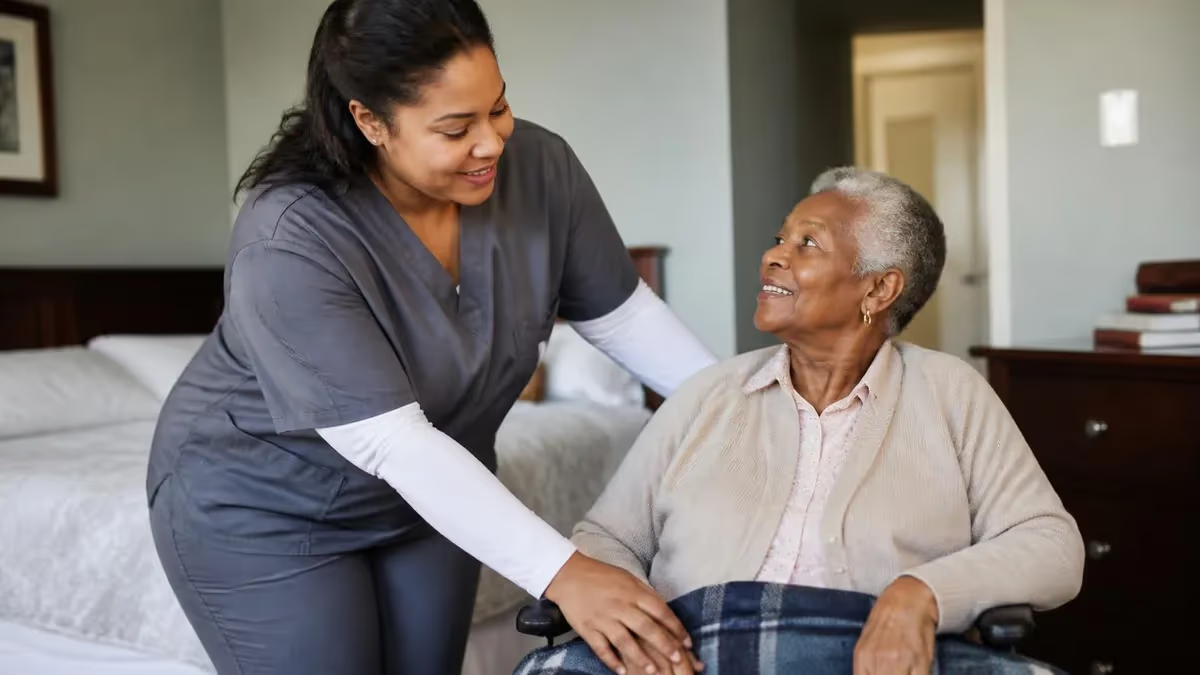
If you are exploring CNA classes and wondering what is a GNA certification, you have landed on the right guide. A Geriatric Nursing Assistant (GNA) is a specialized healthcare credential recognized primarily in Maryland that builds directly on the standard Certified Nursing Assistant (CNA) foundation. While all GNAs are CNAs, not all CNAs hold the additional geriatric endorsement — meaning GNA-certified professionals have completed extra training specifically focused on caring for elderly patients in long-term care, assisted living, and skilled nursing facilities.
The GNA certification was developed to address the unique physical, cognitive, and emotional needs of older adults. Geriatric patients often present with multiple chronic conditions, mobility limitations, memory impairment, and complex medication regimens. Standard CNA training covers broad clinical fundamentals, but the GNA endorsement deepens a candidate's competency in areas such as fall prevention, dementia care, restorative nursing, and activities of daily living — skills that are critical when working in nursing homes, rehabilitation centers, and geriatric wards.
Pursuing a what is a gna certification credential is a smart career move for anyone committed to elder care. Maryland law requires nursing assistants working in geriatric or long-term care settings to hold the GNA endorsement in addition to their CNA license. This legal distinction makes the GNA certification not just desirable but mandatory for thousands of healthcare positions across the state, particularly in facilities that receive Medicaid and Medicare reimbursement.
From an educational standpoint, GNA programs are designed to be accessible. Most training programs can be completed in four to eight weeks, and many community colleges, vocational schools, and healthcare employers offer subsidized or employer-sponsored courses. Candidates who already hold a valid CNA credential often need only to complete the GNA-specific supplemental training hours rather than starting from scratch, reducing both time and cost considerably.
The demand for qualified geriatric nursing assistants is accelerating rapidly. The U.S. Census Bureau projects that adults aged 65 and older will represent 21 percent of the total population by 2030, creating unprecedented pressure on long-term care systems. Healthcare administrators, policy analysts, and workforce planners consistently identify GNA-certified professionals as one of the most in-demand categories in the direct-care workforce — a trend that shows no sign of slowing over the coming decades.
GNA salary figures reflect this demand. According to the Bureau of Labor Statistics and Maryland-specific wage surveys, geriatric nursing assistants earn competitive compensation relative to entry-level healthcare roles, with additional pay opportunities through shift differentials, overtime, and specialty certifications. Understanding the full scope of the GNA certification — including how to earn it, what the exam covers, and how it translates into real-world career opportunities — is the purpose of this comprehensive guide.
Whether you are a brand-new healthcare student evaluating your options or an experienced CNA looking to advance your credentials, this article will walk you through every essential aspect of the GNA certification process, from initial eligibility through exam preparation, career pathways, and salary expectations. Read on to discover why the GNA designation is one of the most valuable certifications in direct patient care today.
GNA Certification by the Numbers
Key Facts at a Glance
| Item | Value | Details |
|---|---|---|
| Typical Training Length | 4–8 Weeks | for CNA-to-GNA upgrade |
| Clinical Hours Required | 100+ | including supervised lab |
| Minimum Passing Score | 75% | on GNA written exam |
GNA Certification Requirements at a Glance
You must hold a current, valid CNA certification before applying for the GNA endorsement. In Maryland, this means appearing on the state's Nurse Aide Registry with an active, unencumbered status. Expired or lapsed CNA credentials must be renewed first.
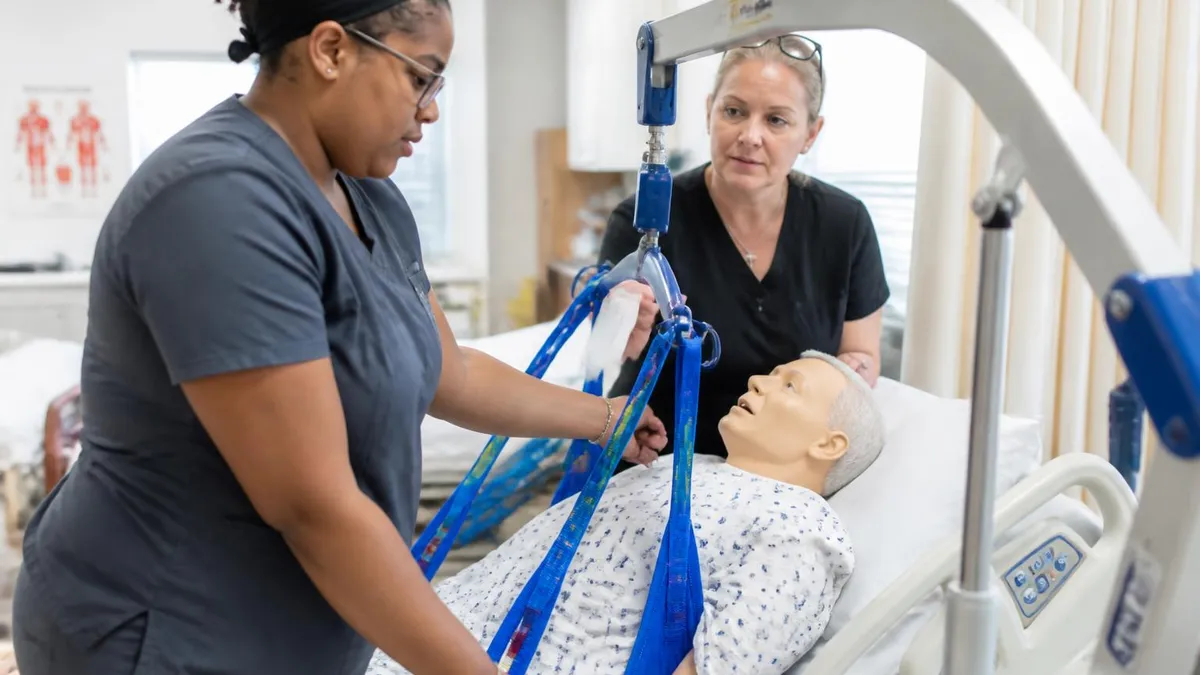
Candidates must complete a state-approved GNA training program covering geriatric-specific competencies. Programs typically include classroom instruction, skills laboratory practice, and supervised clinical hours in a long-term care or geriatric setting.
All GNA candidates must pass both a written knowledge exam and a hands-on clinical skills evaluation. The written portion tests geriatric care concepts, while the skills exam assesses the candidate's ability to perform direct care tasks safely.
Maryland requires a criminal background check for all GNA applicants. Candidates must have no disqualifying offenses on their record. Upon passing, your GNA endorsement is recorded on the Maryland Nurse Aide Registry alongside your CNA credential.
Understanding the pathway from CNA classes to GNA certification requires a clear picture of how Maryland's credentialing system works. In most states, CNA training is the terminal credential for direct-care nursing assistants. Maryland is unique in requiring an additional geriatric endorsement for CNAs who work specifically with elderly populations in regulated long-term care environments. This two-tier system ensures that professionals serving Maryland's most vulnerable residents have demonstrated competency beyond the general nursing assistant baseline.
Approved GNA training programs in Maryland vary in format and intensity, but all must meet the standards established by the Maryland Board of Nursing. Standard programs run between 85 and 120 total training hours, including both didactic classroom instruction and supervised clinical rotations. The classroom component covers topics such as aging processes, dementia and Alzheimer's disease management, fall risk assessment, pain recognition in non-verbal patients, and restorative nursing techniques. These are not abstract concepts — they are directly tied to the daily responsibilities a GNA will encounter on every shift.
The clinical component of GNA training is particularly important. Most programs require students to complete at least 40 supervised hours in an actual long-term care or skilled nursing facility, working directly with geriatric patients under the guidance of a licensed nurse. This hands-on experience is invaluable because geriatric care involves nuances that cannot be fully absorbed in a classroom: reading behavioral cues in dementia patients, adapting communication styles for hearing-impaired residents, and safely assisting individuals with limited mobility using proper body mechanics and assistive devices.
Many community colleges and vocational schools that offer CNA classes also provide GNA endorsement programs as a natural continuation of initial training. Institutions such as the Community College of Baltimore County (CCBC), Montgomery College, and Prince George's Community College have offered accredited GNA pathways. Some programs allow students to enroll in combined CNA-plus-GNA tracks, completing both credentials within a single extended program of 10 to 14 weeks rather than pursuing them sequentially.
Employer-sponsored GNA training has become increasingly common as healthcare facilities compete for qualified staff. Nursing homes, assisted living communities, and continuing care retirement communities (CCRCs) sometimes offer to cover the cost of GNA training for CNAs who commit to working for the facility for a defined period after certification. This arrangement benefits both parties: the employer secures a loyal, credentialed staff member, while the employee gains a valuable credential at no personal cost, often while continuing to receive their regular wages during training hours.
Online and hybrid GNA training options have expanded significantly in recent years. While the clinical hours must always be completed in person, the classroom and theory portions of some programs can be completed through asynchronous online modules, allowing working CNAs to study on their own schedule. This flexibility is particularly valuable for single parents, individuals with transportation barriers, or CNAs who already work full-time and cannot attend traditional daytime classes. Candidates should always verify that any online program carries state approval before enrolling.
Financial assistance for GNA training is available through multiple channels. The Maryland Department of Labor's EARN Maryland grant program has historically funded workforce training in high-demand healthcare occupations, including GNA certification. Federal Workforce Innovation and Opportunity Act (WIOA) funds administered through local American Job Centers can also help offset training costs for eligible individuals. Additionally, some healthcare unions offer tuition assistance or scholarships for members pursuing advanced nursing assistant credentials.
GNA Exam Topics: What Geriatric Nursing Assistants Must Know
The GNA written exam places heavy emphasis on the biological, psychological, and social aspects of aging. Candidates must understand how normal aging affects organ systems — including cardiovascular changes, decreased kidney function, reduced skin integrity, and slower wound healing — and how these changes alter the standard of care for elderly residents. Questions frequently test knowledge of Maslow's hierarchy applied to geriatric populations, person-centered care principles, and the legal rights of nursing home residents under federal regulations like OBRA 1987.
Beyond physiology, the exam assesses communication skills specific to working with older adults. This includes techniques for communicating with residents who have hearing loss, visual impairment, aphasia from stroke, or moderate-to-severe dementia. Candidates should be able to describe validation therapy, reality orientation, and reminiscence therapy approaches. Understanding how to document observed changes in a resident's condition accurately — and knowing when and how to report those changes to a licensed nurse — is a core competency tested throughout the exam's geriatric fundamentals section.
Is Pursuing a GNA Certification Worth It?
- +Higher earning potential compared to standard CNAs in Maryland's long-term care sector
- +Required credential for nursing assistant employment in most Maryland geriatric facilities
- +Specialized training makes you a more competitive, sought-after job candidate
- +Builds a strong foundation for future advancement to LPN, RN, or other nursing roles
- +Short training timeline — most programs complete in four to eight weeks
- +Growing job market driven by the rapid expansion of the 65-and-older population
- −GNA endorsement is primarily a Maryland-specific credential, limiting direct interstate portability
- −Additional training cost and time on top of initial CNA program investment
- −Entry-level GNA wages may feel modest relative to the physical demands of geriatric care
- −Clinical rotations require in-person attendance that may conflict with current work schedules
- −Geriatric care work can be physically and emotionally demanding, with high burnout rates
- −Must maintain both CNA and GNA credentials through renewal cycles and continuing education
GNA Certification Preparation Checklist
- ✓Verify your CNA credential is active and in good standing on the Maryland Nurse Aide Registry.
- ✓Research and select a Maryland Board of Nursing-approved GNA training program.
- ✓Apply for financial assistance through EARN Maryland, WIOA, or employer tuition reimbursement programs.
- ✓Complete all required classroom instruction hours and pass any program-required midterm assessments.
- ✓Fulfill the minimum supervised clinical hours in an approved geriatric care setting.
- ✓Submit your GNA exam application to the approved testing vendor with all required documentation.
- ✓Schedule your written examination and clinical skills evaluation at an approved testing site.
- ✓Use GNA practice tests and study guides to review all exam domains before test day.
- ✓Prepare valid government-issued photo ID and any required paperwork for exam day.
- ✓Pass both the written and skills portions of the GNA exam with the minimum required score.
- ✓Confirm your GNA endorsement has been recorded on the Maryland Nurse Aide Registry.
- ✓Begin your job search targeting Maryland nursing homes, assisted living, and geriatric care facilities.
Maryland Law Mandates the GNA Endorsement
In Maryland, nursing assistants working in long-term care and geriatric settings are legally required to hold the GNA endorsement — not just a standard CNA license. Facilities that hire CNAs without the GNA credential for geriatric positions risk regulatory penalties and jeopardized Medicare/Medicaid reimbursement. Always verify your GNA status is active on the Maryland Nurse Aide Registry before starting a new geriatric care position.
When evaluating the financial return on a GNA certification investment, the gna salary data paints an encouraging picture. According to wage surveys from the Maryland Department of Labor and national data from the Bureau of Labor Statistics, geriatric nursing assistants in Maryland earn between $34,000 and $47,000 annually, depending on employer type, geographic location within the state, years of experience, and shift differentials. The Baltimore-Towson metropolitan area tends to offer somewhat higher nursing assistant wages than rural Maryland counties, reflecting both the higher cost of living and the concentration of large healthcare systems in the region.
Comparing geriatric nursing assistant salary figures to standard CNA compensation reveals a consistent premium for the GNA endorsement. CNAs without the geriatric specialization in Maryland typically earn in the $30,000 to $38,000 range. The additional training and credentialing that the GNA requires translates, on average, into an additional $2,000 to $5,000 per year in base pay — a return that typically offsets the cost of the GNA training program within the first year of employment. For healthcare workers for whom every dollar matters, this is a meaningful economic argument in favor of pursuing the endorsement.
Beyond base salary, GNA-certified professionals often access higher-quality positions with better benefit packages. Large healthcare systems, continuing care retirement communities, and federally certified skilled nursing facilities tend to offer comprehensive benefits — including health insurance, retirement contributions, paid time off, and professional development stipends — to attract and retain certified geriatric care staff. These total compensation packages can add $8,000 to $15,000 in annual value beyond base wages, making the effective compensation for GNA-certified professionals substantially higher than the base salary figures suggest.
Geographic variation within Maryland affects geriatric nursing assistant salary in meaningful ways. Montgomery County and Prince George's County, which border Washington, D.C., consistently report some of the highest nursing assistant wages in the state, often exceeding $22 per hour for experienced GNA-certified staff. Baltimore City and Baltimore County follow closely, driven by the presence of major medical centers and large long-term care chains. Western Maryland and the Eastern Shore typically report lower wages, although the lower cost of living in those regions partially offsets the wage gap for local residents.
Career advancement opportunities also contribute significantly to the long-term earning potential of GNA-certified professionals. Many GNAs use their certification and clinical experience as a launchpad for further education and upward mobility in healthcare. Common advancement pathways include pursuing a Licensed Practical Nurse (LPN) credential through an approved nursing program, transitioning into a specialty role such as restorative aide coordinator or dementia care specialist, or moving into supervisory positions such as charge aide or unit coordinator. Each of these steps carries a corresponding increase in compensation and professional responsibility.
The long-term labor market for geriatric nursing assistants is exceptionally strong. The Administration for Community Living projects that the number of Americans aged 65 and older will nearly double between 2016 and 2060, reaching approximately 98 million. This demographic wave will require a proportional expansion of the geriatric care workforce at every level, from physicians and nurses down to the direct-care GNA staff who provide hands-on daily assistance. BLS occupational projections consistently place nursing assistants and orderlies among the fastest-growing occupations through 2032, with tens of thousands of net new positions expected nationally each year.
For individuals considering a career in healthcare who prioritize both job security and meaningful human connection, the GNA certification offers a compelling combination of relatively fast entry, strong and growing demand, competitive nursing assistant wages, and a clear pathway to advanced credentials. The work is demanding — physically, emotionally, and cognitively — but for those drawn to elder care, it is also deeply rewarding. Few healthcare roles involve the sustained, relationship-centered care that defines the daily work of a skilled geriatric nursing assistant.

Maryland does not allow candidates to apply for GNA training or examination if their CNA credential has lapsed or been revoked. If your CNA certification has expired, you must complete the CNA renewal process — including any required continuing education or retest — before you are eligible to begin GNA-specific training. Check your status on the Maryland Nurse Aide Registry at nurseaide.maryland.gov before enrolling in any GNA program to avoid delays.
One of the most common questions prospective students ask is how the GNA certification compares to a standard CNA in practical, day-to-day terms. While both credentials authorize direct patient care, the scope and setting of that care differ in important ways. CNAs work across a broad range of healthcare environments — hospitals, home health agencies, rehabilitation centers, pediatric facilities, and long-term care — whereas GNAs are specifically credentialed for geriatric and long-term care environments in Maryland. The GNA credential signals to employers, regulators, and patients alike that the holder has completed specialized training in the unique needs of aging adults.
From a regulatory standpoint, the distinction matters enormously. Maryland's Health-General Article and Code of Maryland Regulations (COMAR) Title 10 specify that nursing assistants employed in Medicare- and Medicaid-certified nursing facilities must hold the GNA endorsement. Facilities are subject to inspection and citation if they assign geriatric care duties to CNAs who lack the GNA credential. This regulatory framework creates a de facto requirement for GNA certification among the thousands of nursing assistants employed in Maryland's licensed long-term care facilities, which number over 200 statewide.
The skills emphasized in GNA training also differ from standard CNA instruction in substantive ways. GNA programs devote significant time to dementia-specific care techniques — subjects that receive only cursory coverage in basic CNA classes. Understanding how to de-escalate behavioral symptoms of dementia, use therapeutic redirection, maintain a calm and consistent care environment, and recognize delirium versus dementia requires specific training. GNAs are equipped with practical tools for managing these situations safely and humanely, which makes them more effective caregivers in memory care units and Alzheimer's special care sections.
Restorative nursing is another domain where GNA training exceeds standard CNA preparation. Restorative care focuses on maintaining or improving a resident's functional independence rather than simply performing care tasks for them. A GNA trained in restorative techniques will encourage a resident to feed themselves as much as possible rather than simply feeding them, assist with ambulation to maintain walking ability rather than defaulting to wheelchair transport, and implement prescribed range-of-motion programs rather than skipping them due to time pressure. This philosophy of promoting autonomy and function is central to quality geriatric care and is embedded throughout GNA curricula.
Documentation and communication skills receive enhanced focus in GNA training as well. Long-term care facilities operate under strict federal and state documentation requirements tied to the Minimum Data Set (MDS) assessment process and care planning obligations.
GNAs must understand how to observe and accurately document changes in a resident's condition — new skin breakdown, changes in appetite, altered mental status, reports of pain — and how to communicate these observations to the charge nurse or care coordinator promptly and clearly. Failure to document or report changes in a timely way can result in delayed treatment and regulatory citations for the facility.
For nurses and healthcare administrators evaluating staff, the GNA endorsement functions as a reliable signal of clinical readiness for geriatric-specific duties. Many Maryland nursing homes, continuing care retirement communities, and assisted living facilities have adopted GNA certification as a hiring prerequisite rather than a preference, particularly for positions in memory care units, rehabilitation wings, and high-acuity long-term care floors. As competition for qualified direct-care staff intensifies in coming years, candidates who hold both CNA and GNA credentials will consistently be prioritized over those who do not.
If you are ready to take the next step in your geriatric nursing assistant journey, structured exam preparation is your most important tool. Reviewing the domains covered on the GNA written exam, practicing clinical skills until they become second nature, and familiarizing yourself with the exam format through practice questions will dramatically improve your first-attempt pass rate and reduce test anxiety. The resources available through PracticeTestGeeks — including domain-specific practice quizzes and printable study guides — are designed specifically to help candidates succeed on the GNA certification exam on their first attempt.
Effective preparation for the GNA certification exam begins long before test day. The most successful candidates approach exam prep with a structured study plan that distributes review time across all tested domains rather than focusing exclusively on the areas that feel most familiar. Because the GNA exam draws questions from geriatric care fundamentals, ADLs, restorative nursing, communication, emergency procedures, and infection control, a well-rounded preparation strategy is essential for achieving the minimum passing score of 75 percent required by most testing vendors.
Start your preparation by obtaining a current copy of the GNA candidate handbook from the authorized testing organization in Maryland. This handbook outlines the exact content domains, question distributions, and clinical skills that will be evaluated. Many candidates are surprised to discover how heavily the exam weights restorative nursing and dementia care topics — areas that receive less emphasis in basic CNA training. Reviewing the handbook early allows you to allocate your study time proportionally and avoid over-preparing in lower-weight areas while under-preparing in high-stakes domains.
Practice testing is one of the most evidence-supported strategies for improving exam performance. Educational research consistently demonstrates that active retrieval practice — recalling information from memory through practice questions rather than passively re-reading notes — significantly strengthens long-term retention and improves exam scores. Candidates who complete 200 or more practice questions in the week before their GNA exam outperform those who rely on passive review methods alone. The free practice quizzes on PracticeTestGeeks are organized by domain, allowing you to identify specific knowledge gaps and focus your final review hours efficiently.
For the clinical skills portion of the GNA exam, physical practice is non-negotiable. Written knowledge of how to perform a bed bath, assist with a transfer, or complete a range-of-motion exercise does not translate automatically into confident, accurate skill demonstration on exam day. If possible, practice clinical skills with a partner — a classmate, colleague, or family member willing to act as a patient — in a simulated home environment.
Pay particular attention to the critical steps that evaluators are required to observe: proper hand hygiene before and after each skill, maintaining patient privacy throughout, explaining the procedure to the patient before beginning, and checking for the patient's comfort and safety at each step.
Time management during the written exam is an area where many candidates struggle unnecessarily. The GNA written exam typically allows 90 minutes for approximately 60 to 70 questions, which translates to roughly 75 to 90 seconds per question. If you encounter a difficult question, mark it and move on rather than spending several minutes deliberating — you can return to flagged questions after completing the rest of the exam.
Most test-takers find that their first instinct on a question is correct more often than the answer they arrive at after extended deliberation, so avoid second-guessing yourself unless you have a concrete reason to change your answer.
On the day of your skills evaluation, arrive at the testing center early, well-rested, and dressed appropriately for clinical work. Bring your identification documents, your GNA candidate number or authorization to test document, and any supplies specified in your candidate handbook. When the evaluator assigns your skill stations, take a moment to mentally walk through each skill's critical steps before beginning. Speak aloud as you work — narrating your actions and explanations to the simulated patient demonstrates awareness and communication competency that evaluators are required to assess.
After earning your GNA certification, plan for renewal and continuing education from day one. Maryland GNA endorsements must be renewed on the same cycle as the underlying CNA credential — typically every two years — and require documentation of a specified number of continuing education hours in nursing-assistant relevant topics. Geriatric care is a rapidly evolving field, with ongoing advances in dementia care models, fall prevention technology, and person-centered care philosophy. Staying current through continuing education not only satisfies renewal requirements but genuinely improves the quality of care you provide to your residents over the course of your career.
Sample GNA - Geriatric Nursing Assistant Practice Questions
Try these questions from our free GNA - Geriatric Nursing Assistant practice tests. The correct answer and an explanation follow each question.
A resident is on a bladder retraining program. What is a key responsibility of the Geriatric Nursing Assistant (GNA) in this program?
- A. Restricting the resident's fluid intake in the evening.
- B. Waiting for the resident to ask before offering to take them to the toilet.
- C. Following the toileting schedule consistently and recording intake and output.
- D. Deciding independently to change the toileting schedule.
Answer: C. Following the toileting schedule consistently and recording intake and output.
Consistency is crucial for success in a bladder retraining program. The GNA's role includes adhering strictly to the scheduled toileting times, encouraging fluids, and accurately documenting incontinence and voiding patterns to help the nurse evaluate the plan's effectiveness.
A nursing assistant is assisting a resident with ambulation. The resident has a cane because of weakness on their right side. On which side should the nursing assistant stand to provide the BEST support?
- A. On the resident's left side, slightly behind them.
- B. Directly behind the resident to catch them if they fall.
- C. On the resident's right side, slightly behind them.
- D. In front of the resident to guide their path.
Answer: C. On the resident's right side, slightly behind them.
To provide the most effective support and maintain balance, the nursing assistant should stand on the resident's weaker side. This positioning allows the assistant to quickly provide stability if the resident begins to lose balance on their affected side.
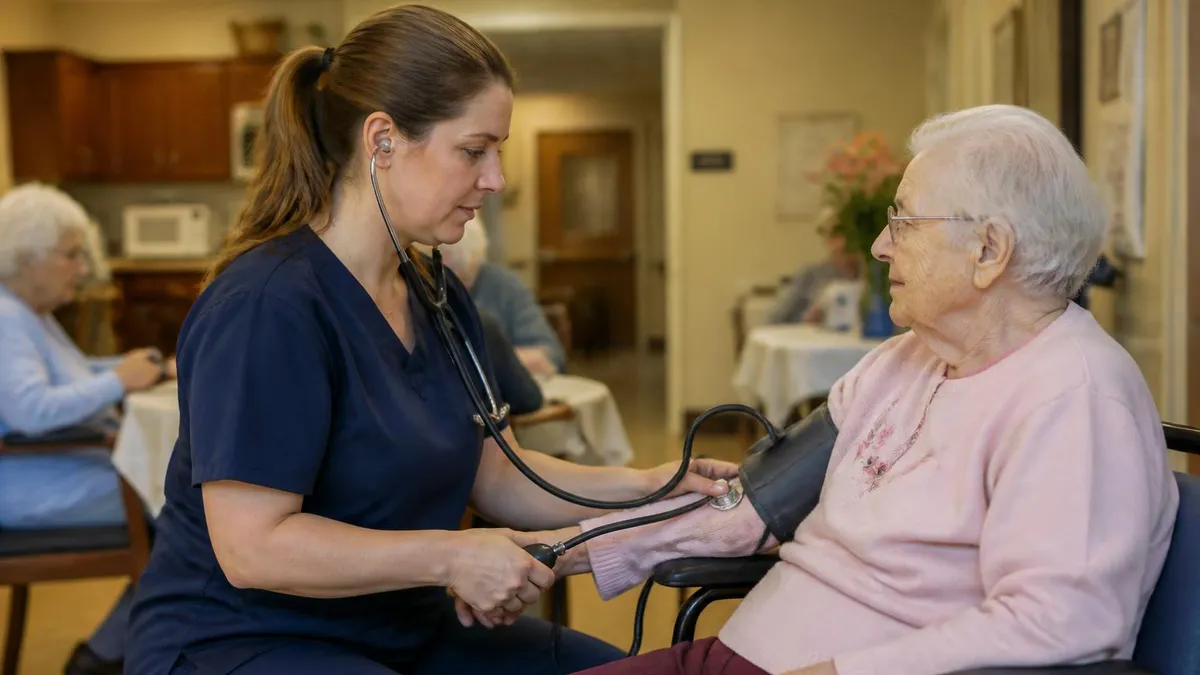
A nursing assistant is preparing to take a resident's blood pressure. What is the correct placement of the blood pressure cuff?
- A. Around the forearm, below the elbow
- B. Around the upper arm, about 1 inch above the elbow crease
- C. Around the wrist, over the pulse point
- D. Around the upper arm, above the shoulder
Answer: B. Around the upper arm, about 1 inch above the elbow crease
The blood pressure cuff should be placed around the upper arm approximately 1 inch (2–3 cm) above the antecubital crease (elbow crease) for accurate readings.
A resident begins to fall while you are assisting them with ambulation. What is the correct action for the nursing assistant to take?
- A. Quickly grab the resident's arm to pull them back up.
- B. Try to catch the resident to prevent the fall completely.
- C. Widen their stance and gently slide the resident down their leg to the floor.
- D. Step away to avoid being injured by the falling resident.
Answer: C. Widen their stance and gently slide the resident down their leg to the floor.
Attempting to stop a fall can cause serious injury to both the resident and the nursing assistant. The safest procedure is to use proper body mechanics to guide the resident gently to the floor, protecting their head and body from injury as much as possible.
Take the full GNA - Geriatric Nursing Assistant practice test
GNA Questions and Answers

GNA Practice Test PDF (Free Printable 2026)

CNA & GNA Training in Baltimore: Free Programs, Requirements & Certification Guide

GNA Salary 2026 — How Much Do Geriatric Nursing Assistants Make?

GNA Certification Requirements: Everything You Need to Earn Your GNA Certificate

How to Become a GNA: Complete Training Guide & Requirements
About the Author

Educational Psychologist & Academic Test Preparation Expert
Columbia University Teachers CollegeDr. Lisa Patel holds a Doctorate in Education from Columbia University Teachers College and has spent 17 years researching standardized test design and academic assessment. She has developed preparation programs for SAT, ACT, GRE, LSAT, UCAT, and numerous professional licensing exams, helping students of all backgrounds achieve their target scores.
Join the Discussion
Connect with other students preparing for this exam. Share tips, ask questions, and get advice from people who have been there.
View discussion (8 replies)