
HVAC Training Program: Schools, Length, Cost, and Career Path 2026 October
HVAC training program guide: 📚 school options, length, cost, online vs in-person, financial aid, certifications, and career outlook for HVAC technicians.
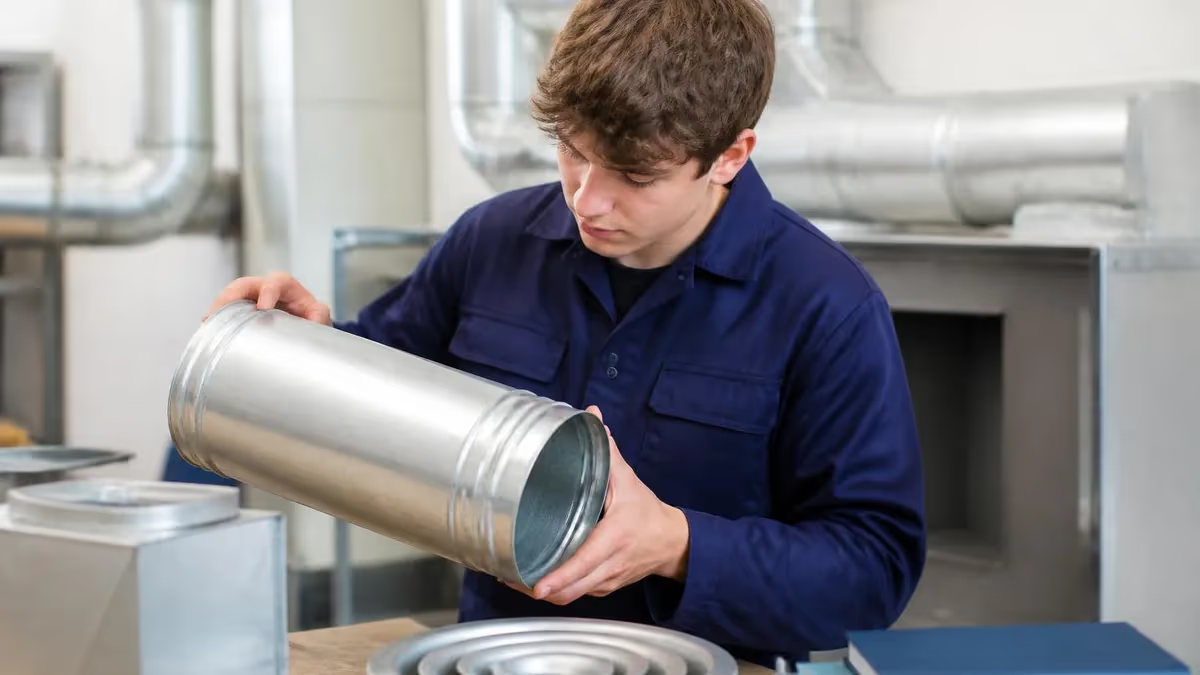
HVAC (Heating, Ventilation, and Air Conditioning) training programs prepare students for careers installing, maintaining, and repairing residential and commercial HVAC systems. Programs range from short certificate programs (3-6 months) to associate degree programs (2 years), offered by trade schools, community colleges, and through apprenticeships. Whether you're considering HVAC career, currently working in trade, or evaluating training options, understanding HVAC training landscape helps select path matching career goals, timeline, and budget.
For HVAC training specifically, several patterns matter. Programs typically 6 months (certificate) to 2 years (associate degree). Cost varies $1,500-$15,000+ depending on program type. Hands-on training essential for technical skills. EPA 608 certification typically completed during training. Specific apprenticeships available combining education with paid work. Each training element prepares for HVAC career. Quality program selection substantially affects career trajectory.
For format options specifically, several formats serve different students. In-person trade schools provide hands-on training with equipment. Community college programs offer broader education plus HVAC. Hybrid programs combine online theory with in-person lab. Apprenticeships combine paid work with training. Each format has tradeoffs. Quality format selection matches student circumstances and learning preferences. The HVAC school guide covers school selection.
This guide covers HVAC training programs comprehensively: program types, length and cost, certifications, apprenticeship options, financial aid, and how to select quality programs. Whether you're starting research or finalizing program selection, you'll find practical context here for informed career decisions about HVAC training investment.
Length: 6 months (certificate) to 2 years (degree)
Cost: $1,500-$15,000+ depending on program type
Certifications: EPA 608 typically required, NATE optional
Apprenticeship: 4-5 years combining work with training
Career outlook: Strong demand, $50,000+ median salary
For specific certificate programs specifically, short HVAC certificate programs popular path. Length typically 6-12 months. Cost typically $1,500-$10,000. Curriculum focused on HVAC-specific skills. Hands-on lab work included. EPA 608 certification preparation. Each certificate element prepares for entry-level HVAC work. Quality certificate programs produce job-ready graduates within months. Many graduates find work immediately after certificate completion. The HVAC classes guide covers class details.
For specific associate degree programs specifically, longer associate degree programs offer broader foundation. Length typically 2 years. Cost typically $3,000-$15,000. Includes general education plus HVAC. Better prepares for advancement to commercial work or supervisory roles. Each degree element supports broader career options. Quality degree programs particularly valuable for those targeting commercial HVAC or supervisory advancement requiring broader technical and management foundation.
For specific apprenticeship programs specifically, apprenticeships combine paid work with classroom training. Typical 4-5 year programs. Pay during apprenticeship. Specific union-sponsored apprenticeships through Sheet Metal Workers, Plumbers and Pipefitters. Non-union apprenticeships through HVAC contractors. Each apprenticeship provides paid earning while learning. Quality apprenticeships substantially financially attractive — earn while learning rather than paying for school. The HVAC apprenticeship guide covers apprenticeship details.
For specific curriculum content specifically, HVAC programs cover several core areas. Refrigeration cycle theory. Electrical systems for HVAC. Heating systems (furnaces, boilers, heat pumps). Cooling systems (air conditioners, refrigeration). Ventilation and air quality. EPA refrigerant handling. Specific tools and techniques. Safety protocols. Each curriculum element supports HVAC competency. Quality curriculum prepares for diverse HVAC work contexts.
For specific certifications specifically, several certifications support HVAC career. EPA 608 required for working with refrigerants (covered in most training). NATE certification voluntary but valued. HVAC Excellence certifications. State-specific licensing in some states. Specific certifications affect employment opportunities. Each certification adds professional credibility. Quality certification investment improves career advancement and earning potential. The HVAC certification guide covers certifications.

HVAC Training Pathway Options
6-12 month focused programs at trade schools. Cost $1,500-$10,000. HVAC-specific curriculum without general education. Quick career entry. Hands-on training with equipment.
Similar length to trade school but often lower cost ($1,500-$5,000). Subsidized tuition through community college. Often includes some general education. Federal financial aid eligible.
2-year community college programs. Cost $3,000-$15,000. Broader foundation including general education. Better for advancement to commercial or supervisory roles. Federal financial aid eligible.
4-5 year paid work plus classroom training. Earn while learning. Union or non-union options. Substantial career launch with established employer relationships and accumulated experience.
For specific program selection criteria specifically, several factors matter. Program accreditation by recognized accrediting bodies (HVAC Excellence, PAHRA). EPA 608 certification preparation included. Hands-on training time and equipment quality. Job placement assistance and rates. Specific instructor experience. Cost relative to alternatives. Each factor affects program quality. Quality program selection substantially improves career launch.
For specific online program considerations specifically, fully online HVAC programs limited because of hands-on requirements. Hybrid programs (online theory + in-person lab) more common. Quality online theory portions allow flexible scheduling. Lab time still required for hands-on skill development. Specific accreditation important for online programs. Each online consideration requires evaluation. Quality online programs work for self-directed learners with available local lab access.
For specific cost analysis specifically, total HVAC training cost includes more than tuition. Tuition covers basic program. Tools and equipment ($500-$2,000 for student tools). Books and materials ($200-$1,000). EPA 608 exam fees. Specific costs vary by program. Each cost element affects total investment. Quality cost analysis prevents budget surprises during program. The HVAC tools guide covers tool requirements.
For specific financial aid specifically, several financial aid options support HVAC training. Federal financial aid (FAFSA) for accredited programs. State workforce development grants. Veterans benefits including GI Bill. Specific scholarships from trade organizations. Employer tuition assistance for current workers. Each financial aid option supports affordability. Quality financial planning makes HVAC training accessible across income levels.
For specific apprenticeship versus school specifically, important comparison. Apprenticeship: paid work, accumulated experience, established employer relationship, longer timeline (4-5 years). School: faster certificate (6-12 months), pay tuition, less hands-on initial experience. Each path has tradeoffs. Quality choice based on individual circumstances — apprenticeship attractive for earning while learning but slower credentialing, school faster but more expensive without paid work.
HVAC Training Pathway Comparison
Short-format HVAC certificate:
- Length: 6-12 months typical
- Cost: $1,500-$10,000 typical
- Best for: Quick career entry, focused HVAC skills
- Job ready: Yes for entry-level positions
- Limitations: Limited general education foundation

For specific program accreditation specifically, accreditation matters substantially. HVAC Excellence accreditation specifically for HVAC programs. PAHRA (Partnership for Air-Conditioning, Heating, Refrigeration Accreditation). Regional accreditation for general institution. Specific accreditation affects financial aid eligibility, certification eligibility, employer recognition. Each accreditation provides quality assurance. Quality verification of accreditation through recognized accrediting bodies essential before substantial program investment.
For specific job placement specifically, quality programs offer job placement assistance. Industry connections with HVAC employers. Job fairs and employer recruiting events. Specific placement rates indicate program effectiveness. Internship coordination during program. Each placement element supports career launch. Quality placement assistance substantially accelerates first job after training particularly for those without established industry connections.
For specific training equipment specifically, quality programs include modern HVAC equipment for hands-on training. Various heating systems for practice. Various cooling systems for practice. Specific commercial equipment for advanced training. Diagnostic tools and equipment. Each equipment element supports skill development. Quality equipment investment by programs substantially better than programs with outdated or limited equipment forcing students to learn primarily theory rather than hands-on practice.
For specific specialty areas specifically, HVAC career has several specialty areas. Residential HVAC (homes). Commercial HVAC (businesses, larger systems). Refrigeration (commercial coolers, freezers). Specific specialty work requires additional training. Each specialty has different earning potential. Quality specialty selection through training experience helps career direction matching individual interests and earning goals.
For specific career outlook specifically, HVAC career outlook strong. Substantial demand for HVAC technicians. BLS projects 5%+ employment growth through 2032. Median salary approximately $50,000+. Specific high-demand areas with higher pay. Each outlook factor supports career opportunity. Quality understanding of career outlook validates training investment given strong long-term employment opportunities. The HVAC jobs guide covers job market details.
EPA 608 certification required to legally work with refrigerants — essential for nearly all HVAC work. Quality HVAC training programs include EPA 608 preparation and exam administration. Some programs may not include certification — verify before enrolling. Without EPA 608, HVAC employment severely limited regardless of other training. Programs claiming HVAC training without EPA 608 preparation problematic. Quality programs prepare students for and administer EPA 608 exam during training. Students completing training without EPA 608 must pursue certification separately at additional cost and effort. Verify EPA 608 inclusion before substantial program investment to ensure complete preparation for HVAC work entry.
For specific program completion challenges specifically, several factors affect program completion. Substantial physical work in training. Math requirements (HVAC involves substantial math). Specific time commitment. Family responsibilities can complicate scheduling. Each completion challenge requires planning. Quality program selection considering personal circumstances substantially improves completion likelihood. Programs offering evening/weekend schedules accommodate working students.
For specific program reputation evaluation specifically, several reputation indicators matter. Online reviews from recent graduates. Job placement rates with specific employer relationships. EPA 608 pass rates (request specific data). Years of program operation. Specific instructor backgrounds. Each reputation indicator suggests quality. Quality programs welcome detailed evaluation; problematic programs avoid scrutiny through specific data requests.
For specific application requirements specifically, common HVAC program application elements. High school diploma or GED. Basic skills assessment (sometimes required). Background check sometimes required for apprenticeships. Physical capability requirements. Specific application fees. Each requirement supports program suitability. Quality application preparation prevents enrollment delays.
For specific career advancement specifically, HVAC careers offer multiple advancement paths. Senior technician roles. Service manager positions. HVAC business ownership. Specific specialty advancement (commercial, refrigeration). Continuing education supports advancement. Each path requires additional training and experience. Quality long-term career planning identifies advancement targets early supporting preparation through specific certifications and experience accumulation.
For specific entrepreneurship specifically, many HVAC technicians eventually start own businesses. Business ownership requires business skills beyond HVAC technical knowledge. Specific licensing requirements for HVAC contractors. Substantial capital for business establishment. Each entrepreneurship element requires preparation. Quality entrepreneurship pursuit through gradual transition from employee to business owner often more sustainable than immediate startup.
HVAC Program Selection Checklist
- ✓Verify HVAC program accreditation (HVAC Excellence, PAHRA, regional)
- ✓Confirm EPA 608 certification preparation included in program
- ✓Evaluate hands-on training time and equipment quality
- ✓Compare costs across alternatives (certificate, degree, apprenticeship)
- ✓Check job placement rates and employer relationships
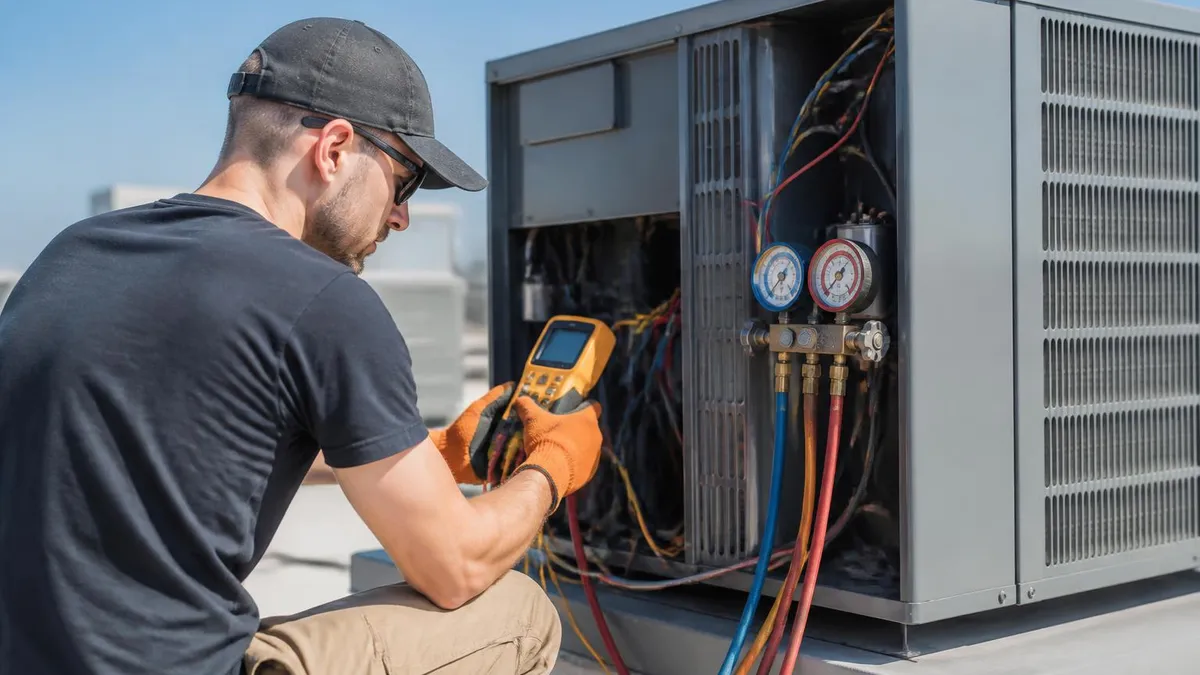
For specific union vs non-union apprenticeships specifically, both options available. Union apprenticeships through Sheet Metal Workers International, Plumbers and Pipefitters provide structured programs with strong wages and benefits. Non-union apprenticeships through HVAC contractors offer specific training matching contractor needs. Specific advantages and disadvantages. Each path has tradeoffs. Quality choice depends on local market and individual preferences regarding union membership.
For specific physical requirements specifically, HVAC work physically demanding. Climbing ladders. Working in attics, crawlspaces, on roofs. Lifting heavy equipment. Working in extreme temperatures. Specific physical capability essential. Each physical element affects job suitability. Quality honest physical capability assessment before substantial training investment prevents career path inappropriate for individual physical capabilities.
For specific math skills specifically, HVAC requires substantial math skills. Calculating loads. Sizing equipment. Refrigeration cycle calculations. Specific electrical calculations. Each math skill supports professional HVAC work. Quality math preparation through pre-program review substantially improves training success particularly for those whose math skills have rusted from inactive use since high school.
For specific specialty training opportunities specifically, advanced training opportunities throughout HVAC career. Manufacturer training on specific equipment. Specialty certifications (geothermal, heat pumps, building automation). Advanced refrigeration training. Specific other advanced training. Each training opportunity extends capability. Quality continuing professional development substantially improves career advancement and earning potential over decades.
For specific HVAC technology evolution specifically, HVAC technology evolves with new equipment and techniques. Smart thermostats and controls. Heat pump technology advances. Refrigerant transitions (lower-GWP refrigerants). Specific technology changes affect workforce skills needed. Each technology evolution requires ongoing learning. Quality technology adaptation through continuing education sustains long-term HVAC career rather than skills becoming obsolete.
For specific lab equipment importance specifically, training program lab equipment quality substantially affects skill development. Modern equipment matches current industry standards. Diverse equipment exposes students to various manufacturers and types. Functional equipment enables actual hands-on practice rather than just observation. Specific equipment investments by programs vary substantially. Each lab equipment element affects learning. Quality lab equipment substantially better than dated or limited equipment forcing primarily theoretical learning.
For specific instructor experience specifically, instructor quality matters for HVAC training. Active or recent HVAC professionals as instructors bring current industry knowledge. Diverse instructor backgrounds expose students to varied perspectives. Specific instructor teaching skills affect learning effectiveness. Instructor industry connections support job placement. Each instructor element affects program quality. Quality experienced instructors produce better student outcomes than instructors lacking recent industry experience.
For specific NATE certification specifically, NATE (North American Technician Excellence) provides voluntary certification beyond required EPA 608. Various NATE specialty exams (gas furnace, heat pump, air conditioning, etc.). NATE certification valued by quality employers. Specific NATE preparation often available through training programs. Each NATE certification adds professional credibility. Quality NATE certification investment supports career advancement and earning potential particularly for specialty work.
For specific local market considerations specifically, HVAC market varies by region. Hot climates emphasize cooling work. Cold climates emphasize heating work. Specific commercial market depends on local economy. Each market has specific demands. Quality local market awareness helps target training and career planning to specific market opportunities — generic HVAC training applicable nationally but specialty focus benefits from local market understanding.
For specific business skills specifically, HVAC career advancement often involves business skills beyond technical knowledge. Customer communication. Estimating jobs. Time management. Specific business operation skills for service work. Each business skill complements technical knowledge. Quality business skill development through formal courses or experience extends earning potential beyond pure technical work value supporting eventual business ownership for those interested.
For specific tool investment specifically, HVAC technicians need substantial tool collection. Hand tools (wrenches, screwdrivers, electrical tools). Specific HVAC tools (manifold gauges, leak detectors, recovery units). Power tools. Diagnostic equipment. Specific tool investment $1,000-$5,000+ over time. Each tool element supports specific work. Quality tool investment proportionate to work types performed substantially better than buying everything at once before knowing actual specialty direction.
For specific safety training specifically, HVAC work involves substantial safety considerations. Refrigerant handling safety. Electrical safety. Working at heights safety. Confined space safety. Specific safety protocols throughout HVAC work. Each safety element protects technician. Quality safety training during program produces career-long safety habits substantially affecting both injury prevention and longevity in HVAC career through avoidance of serious incidents that could end careers.
For specific networking opportunities specifically, training programs provide networking foundation. Classmate relationships becoming industry connections. Instructor industry contacts. Employer relationships through job fairs. Specific industry association connections. Each networking element supports career development. Quality networking through training program substantially extends opportunities beyond pure credential obtainment through access to industry contacts unavailable through pure self-study without program participation.
For specific HVAC industry trends specifically, several trends affect HVAC training and careers. Smart HVAC systems requiring control system knowledge. Lower-GWP refrigerants requiring updated handling techniques. Heat pump growth requiring specific expertise. Building automation integration. Specific other technology and regulatory trends. Each industry trend affects skill requirements. Quality awareness of industry trends helps technicians position careers for evolving market opportunities and required new skills through ongoing professional development addressing emerging HVAC industry directions throughout long-term career duration spanning many years of evolving industry conditions and changing technology landscape affecting HVAC technician work.
HVAC Training Quick Facts
Key Facts at a Glance
| Item | Value | Details |
|---|---|---|
| Typical certificate program length | 6-12 mo | |
| Typical associate degree program length | 2 years | |
| Typical apprenticeship length | 4-5 years | |
| Required certification for refrigerant work | EPA 608 |
HVAC Career Earnings Range
$35,000-$45,000 typical starting. Foundation roles building experience. Various employer types. Salary growth substantial during initial years through experience accumulation.
$50,000-$70,000 typical. 5+ years experience. More complex work and faster diagnosis. Some specialty focus typically developing. Commercial or specialty work commands higher pay.
$70,000-$100,000+ typical. Senior expertise. Complex commercial work. Sometimes supervisory responsibilities. Advanced certifications. Top earners often specialty work or business owners.
$80,000-$150,000+ typical. Service manager roles overseeing technicians. Business ownership potential substantial earnings. Requires business skills beyond technical HVAC.
HVAC Career Considerations
- +Strong job demand and career outlook
- +Reasonable salary ($50,000+ median)
- +Multiple training pathways suit various circumstances
- +Apprenticeship enables earning while learning
- +Career advancement opportunities including business ownership
- −Physical demands including extreme conditions, lifting
- −Substantial math and technical skill requirements
- −Initial training investment ($1,500-$15,000+) or apprenticeship duration
- −On-call work common for residential service
- −Continuing education needed throughout career
Sample HVAC Practice Questions
Try these questions from our free HVAC practice tests. The correct answer and an explanation follow each question.
What role does collaboration play in thermodynamics for HVAC professionals?
- A. It slows down work unnecessarily
- B. It enhances outcomes through diverse perspectives and shared expertise
- C. It is only needed in emergencies
- D. It reduces individual accountability
Answer: B. It enhances outcomes through diverse perspectives and shared expertise
Collaboration leverages diverse perspectives and combined expertise to achieve better outcomes than any individual could alone.
What does 'sensible heat' refer to in HVAC load calculations?
- A. Heat associated with moisture in the air
- B. Heat that causes a change in temperature without a change in state
- C. Latent heat stored in refrigerant
- D. Heat generated by occupants
Answer: B. Heat that causes a change in temperature without a change in state
Sensible heat causes a measurable temperature change and is calculated using the formula Q = 1.1 × CFM × ΔT for air systems.
In HVAC design, 'face velocity' refers to:
- A. The speed of the blower wheel
- B. Airflow velocity across the face area of a coil or filter
- C. Duct velocity at the system outlet
- D. Return air speed at the grille face
Answer: B. Airflow velocity across the face area of a coil or filter
Face velocity is the air speed across the frontal area of a cooling coil, heating coil, or filter, measured in feet per minute (FPM).
What does the term 'ventilation effectiveness' describe in HVAC design?
- A. The ratio of supply air to return air
- B. How efficiently outdoor air reaches the breathing zone
- C. The efficiency of the air handler fan
- D. The percentage of recirculated air in the system
Answer: B. How efficiently outdoor air reaches the breathing zone
Ventilation effectiveness (Ev) measures how well the outdoor air delivered to a space actually reaches the occupants' breathing zone.
HVAC Questions and Answers
About the Author

NATE Certified HVAC Technician & Licensing Exam Trainer
Universal Technical InstituteMike Johnson is a NATE-certified HVAC technician and EPA 608 universal-certified refrigerant handler with a Bachelor of Science in HVAC/R Technology. He has 19 years of commercial and residential HVAC installation and service experience and specializes in preparing technicians for NATE certification, EPA 608, A2L refrigerant safety, and state HVAC contractor licensing examinations.