
Commercial HVAC Maintenance: Programs, Schedules, and Realistic Costs
Commercial HVAC maintenance guide: ⏳ preventive maintenance programs, scheduling, costs, contractor selection, and managing complex commercial systems.
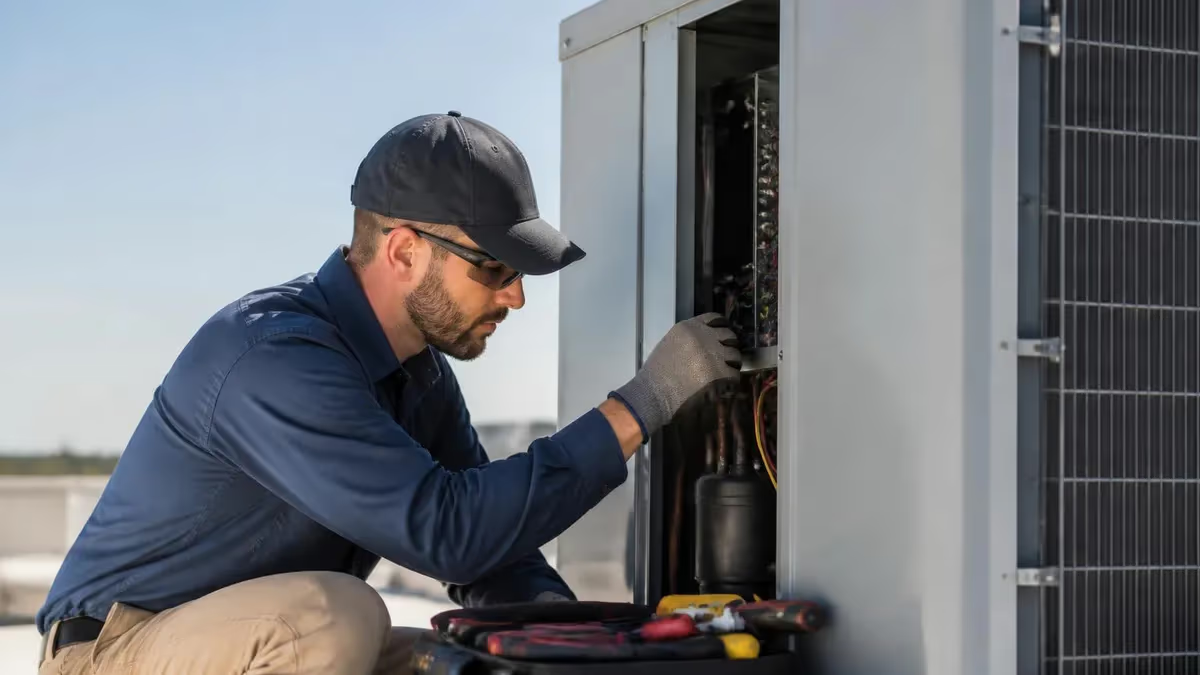
Commercial HVAC maintenance encompasses ongoing care for heating, ventilation, and air conditioning systems serving offices, retail stores, restaurants, manufacturing facilities, and various other hvac rtu 3d cad york. Commercial systems differ substantially from residential — larger capacity equipment, often rooftop units (RTUs), more complex controls, multiple zones, more sophisticated requirements. Quality maintenance substantially affects equipment lifespan, energy efficiency, indoor air quality, occupant comfort, and total cost of ownership. Whether managing single-location small business or substantial commercial portfolio, commercial HVAC maintenance management substantially affects operations.
For maintenance program types specifically, several approaches serve different commercial situations. Comprehensive maintenance contracts: contractor handles all preventive maintenance plus repairs for monthly/annual fee. Preventive-only contracts: contractor performs scheduled preventive maintenance; repairs charged separately. Per-incident pay-as-you-go: no contract, services as needed. In-house maintenance: building owner employs technicians directly. Each approach has tradeoffs in cost predictability, total cost, and control. Match approach to facility size, budget priorities, and risk tolerance.
For typical maintenance schedules specifically, several frequencies appear. Quarterly preventive maintenance for most commercial systems. Monthly filter changes (sometimes more frequent for high-load environments). Semi-annual coil cleaning typical. Annual major maintenance addressing belts, electrical, controls. Specific schedules vary by system type and operational intensity. Quality maintenance programs follow systematic schedules rather than ad-hoc service. The schedule discipline substantially affects equipment performance and life.
This guide covers commercial HVAC maintenance comprehensively: maintenance program options, typical schedules and costs, contractor selection criteria, in-house vs contracted approaches, and how to optimize maintenance for specific facility needs. Whether managing existing commercial HVAC or planning maintenance approach, you'll find practical guidance here.
Program types: Comprehensive contract, preventive-only, per-incident, in-house
Schedule frequency: Quarterly typical for most commercial systems
Cost range: $0.50-$2.00+ per square foot annually
Filter changes: Monthly typical for most commercial environments
Major service: Annual comprehensive inspection
For specific commercial system types specifically, several patterns matter. Rooftop units (RTUs) common for retail and small commercial — accessible from above, contained equipment. Split systems with separate condensers and air handlers. Variable refrigerant flow (VRF) systems for sophisticated commercial applications. Chiller systems for large commercial buildings. Boiler systems for heating-dominated buildings. Each system type has specific maintenance requirements. Larger and more complex systems require more sophisticated maintenance.
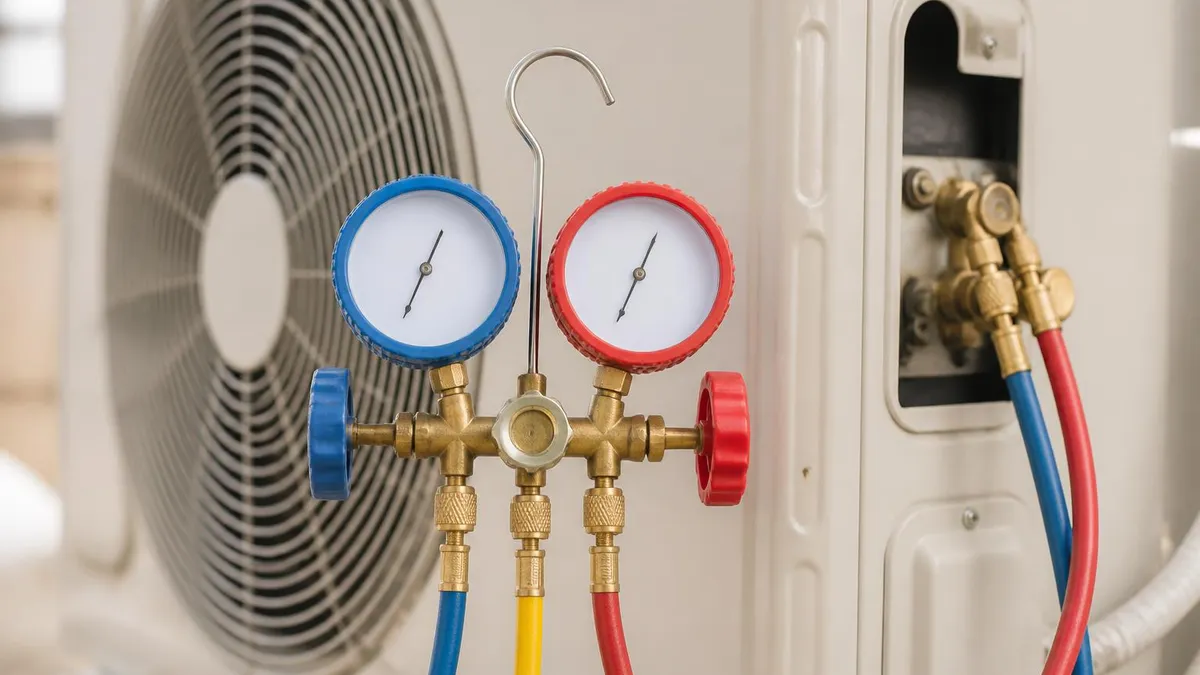
For specific maintenance tasks specifically, regular preventive maintenance includes various activities. Filter inspection and replacement. Coil cleaning (evaporator and condenser). Belt inspection and replacement. Electrical connection inspection. Refrigerant level checking. Drain pan inspection and clearing. Thermostat calibration. Control system testing. Each task addresses specific failure modes. Comprehensive maintenance addresses all categories systematically rather than just easy items. The HVAC system resources cover broader HVAC topics.
For specific maintenance contracts specifically, several contract structures exist. Full-service contracts cover all maintenance and repair labor and parts for monthly fee. Limited-service contracts cover specific scheduled maintenance only. Some contracts include emergency response with response time guarantees. Specific terms vary substantially. Read contracts carefully understanding what's included and what's separately charged. Quality contracts produce predictable cost; vague contracts often produce unexpected charges.
For specific costs specifically, commercial HVAC maintenance costs vary by facility characteristics. Small commercial (under 5,000 sq ft): $1,500-$5,000 annually typical. Medium commercial (5,000-50,000 sq ft): $5,000-$25,000 annually. Large commercial (50,000+ sq ft): $25,000-$100,000+ annually. Industrial facilities with substantial HVAC needs: substantially more. Specific factors affecting costs: equipment type, system age, climate severity, operational intensity, contractor pricing. Match maintenance investment to facility characteristics.
For specific energy efficiency impact specifically, well-maintained equipment operates more efficiently. Dirty coils reduce heat transfer requiring more energy. Worn belts increase motor energy. Refrigerant issues reduce cooling capacity. Failed sensors produce inefficient operation. Each maintenance issue affects energy costs substantially. Studies show 10-30% energy savings possible through quality maintenance vs neglected systems. The energy savings often exceed maintenance costs producing positive ROI.
Commercial HVAC Maintenance Programs
Contractor handles all preventive maintenance plus repairs. Monthly or annual fee provides predictable cost. Includes parts and labor for most issues. Major repairs sometimes excluded or have caps. Best for: facilities wanting cost predictability and minimal management. Most expensive monthly cost but covers most situations.
Contractor performs scheduled preventive maintenance per agreement. Repairs and emergencies charged separately. Lower monthly cost than comprehensive. Cost variability when issues arise. Best for: facilities preferring lower base cost accepting cost variability. Common middle-ground approach balancing cost and risk.
No ongoing contract; services as needed. Lowest monthly cost (zero baseline). Highest cost variability. Risk of expensive emergency situations. Best for: very small facilities with simple equipment, organizations comfortable with cost variability. Most flexible but potentially expensive when issues arise.
Building owner employs HVAC technicians directly. Best for: very large facilities or portfolios. Substantial fixed cost (technician salaries, training, equipment). Greater control over maintenance quality and scheduling. Smaller facilities rarely justify in-house given fixed costs. Larger operations often combine in-house basic maintenance with contracted complex repairs.
For specific contractor selection specifically, several factors matter substantially. Manufacturer training and authorization for specific brands. Years of experience with similar facility types. Insurance and bonding documentation. References from similar facilities. Specific equipment and parts inventory. Response time commitments for emergencies. Each factor affects service quality. Quality contractors invest in training, equipment, and processes producing better service than cost-cutting competitors. The HVAC certification resources cover related certification.
For specific contractor evaluation specifically, several practices help. Get multiple quotes from established contractors. Verify business standing through state licensing and Better Business Bureau. Check references with similar facilities. Visit contractor's facility if possible. Test customer service through pre-contract interactions. Each evaluation element reveals contractor quality. Quality contractors welcome detailed evaluation; problematic contractors avoid scrutiny.
For specific small business considerations specifically, smaller commercial facilities often face specific challenges. Equipment maintenance cost relative to revenue more substantial than for larger businesses. Single equipment failure substantially affects operations. Limited internal expertise. Each challenge affects maintenance approach. Small businesses often benefit from comprehensive contracts removing equipment management burden. The investment in reliable HVAC supports business operations beyond just facility comfort.
For specific large facility considerations specifically, larger facilities have different patterns. Multiple equipment units requiring coordinated maintenance. Sophisticated controls requiring specialized expertise. Energy management systems integrating with HVAC. Compliance considerations (OSHA, indoor air quality regulations). Each large facility consideration affects maintenance approach. Larger facilities often combine in-house basic maintenance with contracted specialized work.
For specific specialty environments specifically, certain facilities have unique HVAC requirements. Healthcare facilities have strict indoor air quality requirements. Manufacturing facilities have process-related HVAC needs. Data centers have cooling-critical requirements. Cleanrooms have specialized environment control. Each specialty has specific maintenance considerations. Specialty facilities benefit from contractors with specific nurse p. The HVAC news resources cover industry developments.
Maintenance Approach by Facility Type
Under 10,000 sq ft commercial:
- Best approach: Comprehensive maintenance contract
- Typical cost: $2,000-$8,000 annually
- Equipment: Often rooftop units (RTUs) — relatively standard
- Schedule: Quarterly preventive maintenance typical
- Considerations: Cost predictability matters; comprehensive contract removes management burden

For specific compliance considerations specifically, commercial HVAC operations have various regulatory dimensions. ASHRAE standards for indoor air quality. State and local building codes affecting HVAC operations. EPA refrigerant handling requirements. OSHA workplace safety affecting HVAC technicians. Specific industry regulations (healthcare, food service, etc.). Each compliance area has specific requirements. Quality maintenance programs address compliance throughout operations. Compliance failures can produce fines, business interruption, or facility closure.
For specific refrigerant management specifically, EPA Section 608 requires certified technicians for refrigerant handling. Specific recordkeeping required for refrigerant inventory. Phaseout of various refrigerants ongoing affecting equipment. New refrigerant requirements continue evolving. Each refrigerant consideration affects maintenance approach. Quality contractors handle refrigerant compliance; non-certified work creates legal liability for facility owners. The HVAC tools resources cover related equipment.
For specific indoor air quality specifically, HVAC maintenance directly affects building air quality. Filter quality and replacement frequency affects particulate filtration. Coil cleanliness affects microbial growth. Drain pan management affects mold prevention. Outside air ventilation affects CO2 and contaminant levels. Each maintenance element affects occupant health and productivity. Quality maintenance produces better indoor environments supporting occupant wellness and productivity.
For specific energy management integration specifically, modern commercial HVAC integrates with building automation. Smart thermostats supporting occupancy-based control. Building management systems coordinating multiple systems. Energy monitoring identifying inefficiencies. Each integration extends HVAC capability. Quality maintenance includes attention to control system functioning beyond just mechanical equipment. The HVAC news resources cover industry developments.
For specific extreme weather considerations specifically, commercial HVAC operations face seasonal challenges. Heat waves stress cooling systems. Cold snaps stress heating. Specific maintenance preparation before peak demand seasons. Pre-summer cooling system inspection. Pre-winter heating system inspection. Each preparation reduces seasonal failures. Quality maintenance schedules include seasonal preparation rather than just routine maintenance.
Some facility managers defer HVAC maintenance during cost pressure. Deferred maintenance produces predictable consequences: equipment failure during peak demand, reduced energy efficiency increasing operating costs, indoor air quality degradation affecting occupants, shorter equipment life requiring earlier replacement. The cost of deferred maintenance substantially exceeds maintenance savings. Quality maintenance programs produce positive ROI through energy savings, repair avoidance, and equipment longevity. Don't defer maintenance even during budget pressure — the consequences typically exceed temporary savings within months.
For specific equipment lifecycle planning specifically, commercial HVAC equipment has typical lifespan. Rooftop units typically 15-20 years. Air handlers and central equipment 20-25 years. Chillers 20-30 years. Boilers 20-30 years. Specific lifespan varies by maintenance quality. Quality maintenance extends life; poor maintenance shortens it substantially. Plan equipment replacement timing based on lifecycle stage. Aging equipment may produce diminishing maintenance returns warranting replacement.
For specific commercial real estate considerations specifically, HVAC maintenance affects tenant relations and lease economics. Class A buildings typically have higher HVAC standards. Tenant improvement allowances sometimes include HVAC. Operating expense pass-through affects tenant relations. Each consideration affects how HVAC maintenance fits property management. Quality property management includes systematic HVAC maintenance attention beyond just facility comfort.
For specific retrocommissioning specifically, periodic HVAC system optimization beyond routine maintenance produces additional efficiency. Identifying calibration drift in controls. Verifying optimal operating parameters. Specific equipment performance testing. Each retrocommissioning element optimizes performance beyond routine maintenance. Specific retrocommissioning every 3-5 years produces typical 10-15% efficiency improvements. The investment substantial but produces ongoing operational savings.
For specific seasonal preparation specifically, comprehensive seasonal preparation beyond just routine maintenance helps. Spring preparation for cooling season including refrigerant verification, condenser cleaning, controls testing. Fall preparation for heating season including burner inspection, heat exchanger verification, controls testing. Each seasonal preparation reduces season-specific failures. Quality maintenance programs include seasonal preparation as part of comprehensive approach.
For specific emergency preparation specifically, despite quality maintenance, emergencies sometimes occur. Maintaining contractor relationships supporting quick response. Documentation enabling rapid technician response. Backup systems for critical operations. Each emergency preparation element supports quick recovery. Quality emergency preparation reduces business impact when issues arise.
Commercial HVAC Maintenance Best Practices
- ✓Establish quarterly preventive maintenance minimum
- ✓Maintain monthly filter change schedule
- ✓Document all maintenance and repairs systematically
- ✓Verify EPA Section 608 certification for refrigerant work
- ✓Plan equipment lifecycle with replacement timing
For specific facility manager role specifically, building managers coordinate HVAC maintenance alongside other building systems. Communication with maintenance contractors. Coordination with tenants when service required. Documentation of maintenance and repairs. Budget management for ongoing costs. Each role element supports systematic maintenance. Quality facility management substantially improves HVAC outcomes through coordinated approach.
For specific budget planning specifically, comprehensive HVAC budget includes multiple categories. Routine maintenance contract or scheduled work. hvac emergency repair mc lean reserves. Filter and supply costs. Energy cost monitoring. Equipment replacement planning. Each category requires planning. Quality budgets allocate appropriate resources to all categories rather than just immediate operating costs.
For specific tenant communications specifically, commercial properties with tenants need clear communication about HVAC matters. Service interruption notifications. Comfort complaint handling. Maintenance scheduling minimizing tenant disruption. Energy management coordination. Each communication element affects tenant satisfaction. Quality tenant communication supports retention beyond just facility management.
For specific specialty equipment specifically, certain commercial environments use specialty equipment. Variable speed drives improving efficiency. Economizers using outside air for cooling. Heat recovery systems using exhaust heat for incoming air. Specific zoning systems supporting different areas. Each specialty equipment has specific maintenance requirements. Match maintenance contractor expertise to specialty equipment in your facility.
For specific incentive programs specifically, various utility and government programs incentivize energy-energy efficient hvac. Equipment replacement rebates from utilities. Tax incentives for high-efficiency systems. Grants for various efficiency improvements. Each incentive reduces effective cost of efficiency upgrades. Researching applicable incentives before equipment decisions reduces costs substantially.
For specific climate-specific considerations specifically, regional climate affects HVAC operation patterns. Hot humid climates produce specific cooling-related issues. Cold climates stress heating systems substantially. Marine climates have specific corrosion concerns. Each climate produces specific maintenance considerations. Quality maintenance programs adapt to specific regional climate rather than applying generic schedules.
For specific operational hours considerations specifically, 24/7 operations differ from typical 9-5 operations. Industrial operations with around-the-clock production stress HVAC continuously. Hospitality with extended hours has different patterns. Office buildings with primarily weekday daytime use have different patterns. Each operational pattern affects HVAC stress and maintenance needs. Match maintenance schedules to specific operational reality.
For specific cost reduction strategies specifically, several approaches reduce maintenance costs. Multi-year contracts often reduce annual cost vs annual contracts. Bundling maintenance with energy management reduces vendor overhead. Volume discounts for portfolio operations. Negotiation around specific contract terms. Each strategy potentially reduces costs while maintaining quality. Aggressive cost cutting that compromises maintenance quality typically backfires through equipment problems.
For specific quality assurance specifically, several practices ensure maintenance quality. Documented maintenance procedures. Photo documentation of work performed. Specific tool and equipment use records. Customer signoffs after maintenance completion. Spot-checks of completed work. Each practice supports quality verification. Quality maintenance programs include verification rather than just trust-based approach.
For specific contract length considerations specifically, several patterns matter. One-year contracts maximize flexibility for changing approaches. Multi-year contracts (3-5 years) typically reduce annual costs but lock in vendor relationship. Each length has tradeoffs. Match contract length to vendor confidence and operational stability. Quality vendors often offer multi-year discounts; uncertain vendor relationships warrant shorter commitments.
Commercial HVAC Maintenance Costs by Size
For specific HVAC technology evolution specifically, commercial HVAC continues evolving. Variable refrigerant flow (VRF) systems gaining adoption. Heat recovery technology improving. Smart controls advancing. Each technology development affects maintenance approaches. Quality contractors stay current with technology evolution; technology adoption affects equipment selection and ongoing maintenance.
For specific sustainability considerations specifically, ESG (Environmental, Social, Governance) reporting increasingly affects commercial real estate. HVAC efficiency directly affects building energy footprint. Refrigerant choices affect environmental impact. Maintenance practices affect equipment longevity reducing replacement waste. Each sustainability dimension matters increasingly. Quality maintenance supports sustainability goals beyond just operational performance.
For specific predictive maintenance specifically, modern sensor technology supports prediction beyond schedule-based maintenance. Vibration sensors detect bearing wear before failure. Thermal imaging identifies hotspots indicating issues. Fluid analysis identifies oil degradation. Each predictive approach catches issues earlier than schedule-based maintenance. The investment in predictive technology supports more efficient maintenance.
For specific reporting requirements specifically, comprehensive maintenance programs include systematic reporting. Monthly summary of maintenance activities. Quarterly performance metrics. Annual review of overall program effectiveness. Equipment-specific tracking. Each report supports both operational management and budget planning. Quality reporting transforms maintenance from operational chore to strategic business function.
For specific commissioning specifically, new commercial buildings often undergo formal commissioning verifying systems operate as designed. Specific HVAC commissioning verifies design intent achievement. Documentation of as-built systems. Testing across operating conditions. Training building staff. Each commissioning element supports successful operation handoff. Quality commissioning produces better long-term operational outcomes.
For specific portfolio operations specifically, multiple-facility operators face specific challenges. Coordinating maintenance across geographic distance. Standardizing approaches across facilities. Managing multiple vendor relationships. Tracking performance across portfolio. Each portfolio challenge benefits from systematic management. Larger portfolios often justify dedicated facility management staff.
Commercial HVAC Maintenance Quick Facts
Commercial Maintenance Program Investment
- +Substantial energy savings typically exceeding maintenance costs
- +Equipment lifespan extended substantially through quality maintenance
- +Better indoor air quality supporting occupant productivity
- +Reduced emergency repair costs through prevention
- +Compliance with ASHRAE and other applicable standards
- −Substantial ongoing cost ($0.50-$2+/sq ft annually)
- −Quality varies enormously among contractors
- −Maintenance contract terms can be complex with hidden exclusions
- −Internal coordination required even with contracted maintenance
- −Best contractor for facility may change as needs evolve
Pros and Cons at a Glance
| Pros | Cons |
|---|---|
| Substantial energy savings typically exceeding maintenance costs | Quality varies enormously among contractors |
| Equipment lifespan extended substantially through quality maintenance | Maintenance contract terms can be complex with hidden exclusions |
| Better indoor air quality supporting occupant productivity | Internal coordination required even with contracted maintenance |
| Reduced emergency repair costs through prevention | Best contractor for facility may change as needs evolve |
Sample HVAC Practice Questions
Try these questions from our free HVAC practice tests. The correct answer and an explanation follow each question.
What is the primary difference between a two-pipe and a four-pipe fan coil heat pump system in commercial applications?
- A. Two-pipe systems use refrigerant while four-pipe systems use water
- B. Two-pipe systems provide either heating or cooling at one time; four-pipe systems can provide both simultaneously to different zones
- C. Two-pipe systems are only used for cooling; four-pipe systems are only used for heating
- D. Two-pipe systems require a reversing valve; four-pipe systems do not
Answer: B. Two-pipe systems provide either heating or cooling at one time; four-pipe systems can provide both simultaneously to different zones
Four-pipe systems have separate supply and return lines for both hot and chilled water, allowing simultaneous heating and cooling in different zones, while two-pipe systems switch seasonally.
What does 'integrated part load value (IPLV)' measure for commercial chillers?
- A. Maximum chiller capacity at design conditions
- B. Weighted average efficiency across multiple part-load operating points, reflecting real-world performance better than full-load ratings
- C. The chiller's minimum operable capacity percentage
- D. Annual energy cost at full-load conditions
Answer: B. Weighted average efficiency across multiple part-load operating points, reflecting real-world performance better than full-load ratings
IPLV weights chiller efficiency at 100%, 75%, 50%, and 25% load to reflect actual seasonal performance, since chillers rarely operate at full design load.
What does 'IPLV' (Integrated Part Load Value) measure for commercial chiller performance?
- A. Maximum chiller efficiency at full load
- B. A weighted average efficiency across multiple part-load conditions that better represents real-world chiller operation
- C. The chiller's efficiency when integrated with a cooling tower
- D. The total efficiency over the equipment's full installed life
Answer: B. A weighted average efficiency across multiple part-load conditions that better represents real-world chiller operation
IPLV weights chiller efficiency at four operating conditions (100%, 75%, 50%, 25% load) to represent typical building operation, since chillers rarely operate at full design load.
Under EPA 608, what is the maximum allowable annual leak rate for a commercial refrigeration system containing more than 50 pounds of refrigerant?
- A. 10%
- B. 20%
- C. 35%
- D. 50%
Answer: C. 35%
EPA 608 sets a 35% annual leak rate threshold for commercial refrigeration systems holding more than 50 pounds of refrigerant before mandatory repair is required.
HVAC Questions and Answers
About the Author

NATE Certified HVAC Technician & Licensing Exam Trainer
Universal Technical InstituteMike Johnson is a NATE-certified HVAC technician and EPA 608 universal-certified refrigerant handler with a Bachelor of Science in HVAC/R Technology. He has 19 years of commercial and residential HVAC installation and service experience and specializes in preparing technicians for NATE certification, EPA 608, A2L refrigerant safety, and state HVAC contractor licensing examinations.