
Residential HVAC: Systems, Selection, and Maintenance Basics 2026 September
💯 Residential HVAC systems explained: central AC, heat pumps, furnaces, ductless mini-splits, sizing, efficiency ratings, and maintenance basics.
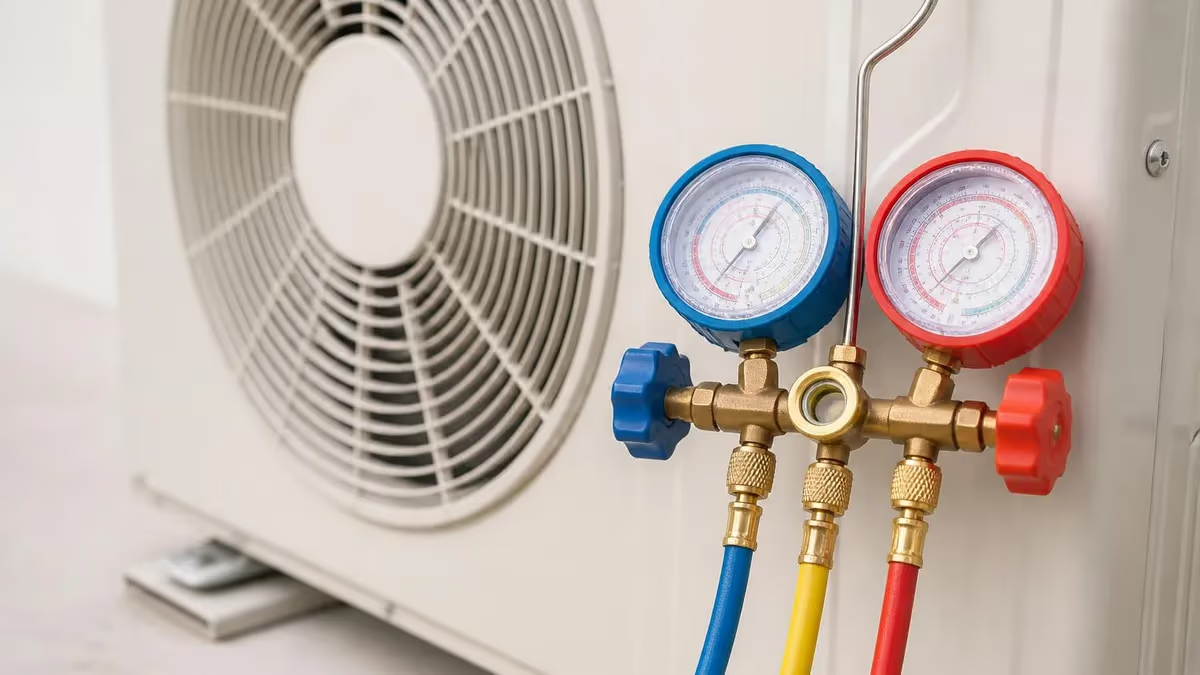
Residential HVAC systems provide heating, cooling, ventilation, and humidity control for homes across various climates and home configurations. The major system types include central air conditioning paired with gas or electric furnace, heat pumps providing both heating and cooling through single system, ductless mini-split systems serving individual rooms or zones, hydronic (boiler-based) heating with separate cooling, and various combinations adapting to specific home needs. Choosing appropriate residential HVAC affects comfort, energy costs, and home value substantially over decades. Understanding system options and key factors helps homeowners make informed decisions when installing new systems or replacing existing equipment.
Equipment selection involves multiple considerations beyond just basic system type. Capacity sizing matched to home heating and cooling loads (calculated through Manual J load calculation rather than rules of thumb). Efficiency ratings affecting long-term operating costs. Brand reliability and warranty terms. Compatibility with existing ductwork or whether new ductwork needs installation. Indoor air quality features like enhanced filtration, humidity control, fresh air ventilation. Compatibility with smart thermostats and home automation. Local climate considerations affecting system suitability. Each consideration matters somewhat independently and combined affect total system performance and cost over equipment lifetime typically 15-20 years.
Residential HVAC Quick Facts
Major system types: Central AC + furnace, heat pump (air-source or geothermal), ductless mini-split, hydronic heating. Sizing: Manual J calculation required for proper sizing — never rule of thumb. Efficiency ratings: SEER2 for cooling (14+ minimum 2026), AFUE for furnaces (80% minimum, 90%+ for high-efficiency), HSPF2 for heat pumps. Typical cost: $4,000-$15,000+ for complete systems. Lifespan: 15-20 years typical with maintenance. Energy share: 30-50% of typical home energy use.
Central air conditioning paired with gas or electric furnace remains the most common residential HVAC configuration in much of the United States. The system uses dedicated cooling equipment (split system with outdoor condenser plus indoor evaporator coil in furnace plenum) for cooling and gas furnace for heating.
Heating fuel choices include natural gas (most common where available), propane (rural areas without natural gas), oil (declining but still common in Northeast), or electric resistance heat (less efficient than alternatives in most climates). The configuration uses common ductwork distributing both heated and cooled air throughout the home. Most homes built in last 50 years have this basic configuration with various equipment generations replacing previous units over time.

Residential HVAC System Types
Most common US residential. Split AC with outdoor condenser plus furnace for heating. Shared ductwork distribution.
Single system providing both heating and cooling. Heating efficiency drops in extreme cold. Increasingly popular as electrification grows.
Ground-source system using earth's stable temperature. Higher upfront cost but excellent efficiency. Long payback period.
Individual indoor units (one per room/zone) with shared outdoor condenser. No ductwork required. Excellent for additions/conversions.
Hot water heating through radiators or radiant floors. Efficient comfortable heat. Separate AC required if cooling needed.
All equipment in single outdoor unit (rooftop or ground level). Common in mobile homes and some commercial-like residential.
Heat pumps have grown substantially in popularity as electrification trends and improved cold-climate technology expand their suitability. Air-source heat pumps move heat from outside air into the home for heating, then reverse for cooling in summer. Modern cold-climate heat pumps maintain effectiveness down to very cold temperatures (0°F and below) that previously required backup heating.
Heat pump electricity use for heating is dramatically more efficient than electric resistance heat (3-4x more efficient typically). Combined with solar panels or clean grid electricity, heat pumps support household decarbonization. Heat pumps cost more upfront than basic gas furnace + AC combinations but operating costs in moderate climates often produce favorable lifetime economics, particularly with utility incentives and federal tax credits expanding availability.
Ductless mini-split systems suit specific applications particularly well. Home additions where extending existing ductwork is impractical. Older homes without existing ductwork (common in Northeast and other regions historically heated with hydronic or window units). Rooms that don't get adequate conditioning from central system (often rooms above garages or with poor insulation). Multi-zone homes where occupants want different temperatures in different areas.
Studios, garage apartments, or accessory units where central system extension would be expensive. Each application benefits from ductless's flexibility — individual zones can be set and operated independently, providing comfort and efficiency improvements that central systems can't match without zoning systems substantially complicating installation.
Hydronic heating systems use heated water distributed through radiators, baseboards, or radiant floor systems. Common in older Northeast homes and increasingly in new construction valuing radiant comfort. Boilers heat water using natural gas, oil, propane, or electricity. Distribution can be radiators (older systems), baseboard convectors (mid-20th century systems), or radiant floor systems (luxury new construction). Hydronic provides exceptionally comfortable heating without forced-air drafts or noise.
Cooling requires separate system since hot water systems can't provide cooling. Many homeowners with existing hydronic heating add ductless mini-split AC rather than installing complete new ductwork for central AC, combining the comfort of hydronic heat with cooling capability through the cooling-only mini-split installation.
HVAC sizing principles: Manual J load calculation by ACCA-certified contractor determines appropriate equipment capacity. Never use rules of thumb (square footage formulas) which often produce dramatically incorrect results. Oversized equipment short-cycles producing comfort and humidity problems plus reduced lifespan. Undersized equipment runs continuously and may not maintain comfortable conditions in extreme weather. Quality contractor performs Manual J factoring home insulation, windows, orientation, occupancy, and various other factors producing accurate capacity recommendations supporting proper equipment selection.
Sizing through Manual J load calculation matters enormously for residential HVAC outcomes. Manual J systematically calculates heating and cooling loads based on home characteristics including square footage, ceiling heights, insulation levels, window quantities and qualities, orientation, occupancy patterns, and various other factors. Quality calculations produce capacity recommendations that match actual home needs.
Rules of thumb (often used by lower-quality contractors) typically oversize equipment substantially, producing equipment that short-cycles, fails to dehumidify properly, costs more than needed, and may have shorter lifespan due to short-cycling stress. Insist on Manual J calculation before equipment selection — quality contractors perform this routinely while questionable contractors avoid the work.
Efficiency rating decisions involve tradeoffs between upfront cost and operating cost. Higher-efficiency equipment costs more to purchase and install but operates more efficiently reducing energy bills. Payback period varies by climate (longer cooling/heating seasons produce faster payback), energy prices (higher prices accelerate payback), equipment cost difference (small premium for major efficiency gain pays back quickly; large premium for marginal gain may not pay back), and various other factors.
Calculate likely savings versus premium before paying for highest efficiency option. Federal tax credits (up to $2,000 for heat pumps in 2026) and utility rebates can substantially improve high-efficiency economics. Many homeowners find moderate efficiency upgrade (16-18 SEER2 vs 14 SEER2 minimum) provides best balance.
Indoor air quality features add to system selection considerations. Enhanced filtration through MERV 13+ filters captures more allergens and pollutants but increases static pressure requiring system capable of handling. UV lights in air handlers can reduce microbial growth on cooling coils. ERV/HRV (Energy Recovery Ventilator / Heat Recovery Ventilator) systems provide controlled fresh air exchange supporting air quality without energy penalty of opening windows.
Whole-home dehumidifiers handle humidity control beyond what AC alone provides in humid climates. Whole-home humidifiers add humidity in dry winter conditions. Each feature addresses specific air quality concern; matching features to specific home needs and household preferences supports best outcomes.
Don't accept HVAC quotes without Manual J load calculation — proper sizing is foundational to system success. Don't choose contractor based purely on price — quality differences substantially affect long-term outcomes. Don't skip getting multiple bids — typical 30-50% variation across qualified contractors. Don't ignore warranty terms — major variations in parts/labor coverage, registration requirements, transferability. Watch for high-pressure sales tactics — quality contractors don't pressure immediate decisions on major equipment investments.
Contractor selection significantly affects HVAC outcomes beyond equipment selection. Quality contractors provide accurate Manual J calculations, offer multiple options at different price points explaining tradeoffs, perform quality installation including proper ductwork sealing and equipment commissioning, register equipment for warranty, and stand behind their work with responsive warranty service.
Mediocre contractors provide rule-of-thumb sizing producing inappropriate equipment, install with shortcuts compromising long-term performance, may not register warranties properly, and provide minimal post-installation support. The cost difference between quality and mediocre contractors is often modest compared to long-term cost of poor installation. Get multiple bids from established contractors with verified credentials and customer reviews supporting selection of quality contractor.
Quality installation matters as much as quality equipment. Equipment performance depends on proper installation including correct refrigerant charge, proper airflow through coils, well-sealed ductwork, appropriate thermostat installation, and various other commissioning details. Installation defects can reduce equipment efficiency by 30% or more compared to manufacturer specifications. Common installation problems include improper refrigerant charge (over- or under-charge), inadequate ductwork sealing, oversized equipment, poor thermostat placement, and inadequate condensate drainage. Quality contractors verify installation through performance testing including airflow measurement, temperature differential verification, and various other commissioning checks supporting equipment delivering rated performance.
Warranty terms vary substantially across manufacturers and equipment lines. Standard warranties typically include parts coverage for 5-10 years. Premium equipment lines often offer 10-12 year parts warranties. Compressor warranties (most expensive component) typically extend longer than other parts. Heat exchanger warranties may extend to 20 years or lifetime. Labor coverage typically requires separate purchase or contractor program. Registration through manufacturer website usually required within 60-90 days of installation to activate full warranty coverage — many homeowners miss this step losing extended warranty benefits. Verify your installer registers warranty or do it yourself promptly after installation.
Selecting Residential HVAC System
- ✓Insist on Manual J load calculation before equipment selection
- ✓Get 3+ bids from qualified contractors
- ✓Verify contractor licensing, insurance, and credentials
- ✓Compare equipment quality and warranty terms
- ✓Consider efficiency level appropriate for your climate and operating cost goals
- ✓Address ductwork condition during system replacement
- ✓Verify federal tax credits and utility rebates applicable
- ✓Plan for proper installation including commissioning verification
Federal tax credits substantially affect HVAC economics in 2026. The Inflation Reduction Act includes various energy efficiency tax credits for residential equipment. Heat pumps qualify for credits up to $2,000 in 2026. High-efficiency furnaces and central AC qualify for credits up to $600. Geothermal heat pumps qualify for substantial credits (30% of installation cost, no upper limit through 2032). Energy efficiency home improvement credits cover various other related improvements.
State and local incentives may add to federal benefits. Utility rebates for high-efficiency equipment installation often add several hundred to thousands of dollars in savings. The combined incentive landscape can substantially reduce net HVAC investment particularly when choosing high-efficiency electrification options.
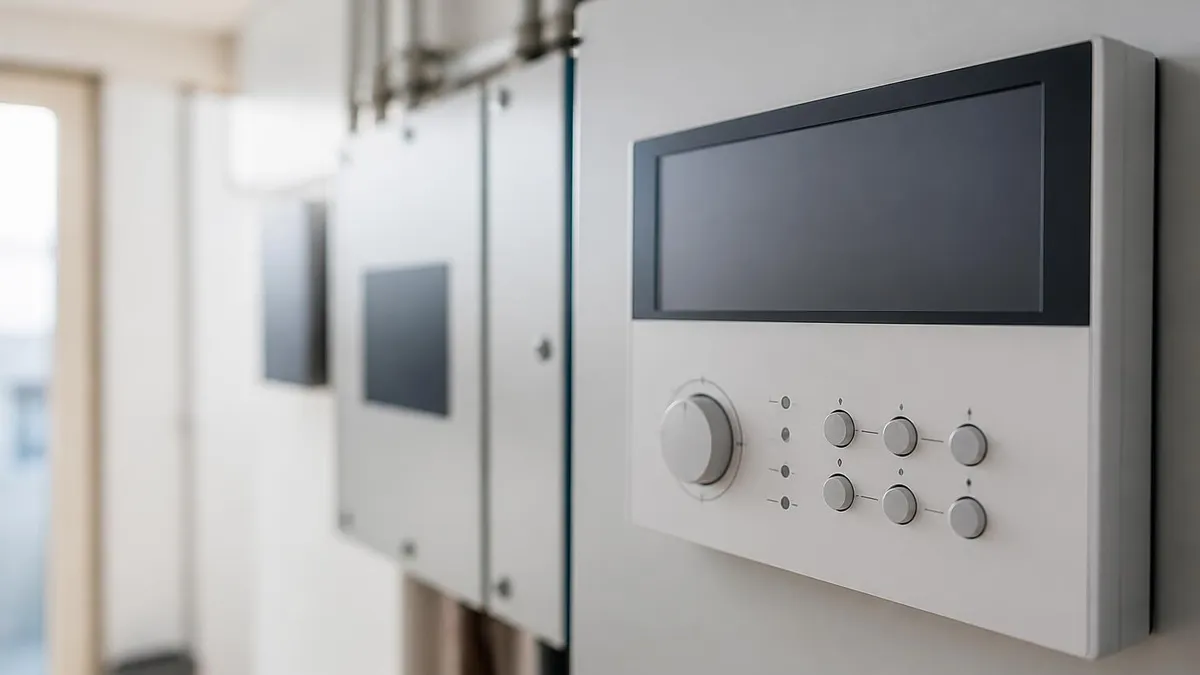
Smart thermostats and home automation enhance modern HVAC systems. Programmable scheduling reduces energy use during unoccupied periods. Learning thermostats (Nest, Ecobee) automatically optimize based on usage patterns. Remote control through smartphone apps supports comfort management while away. Integration with home automation platforms (Alexa, Google Home, HomeKit) supports voice control and integration with other smart home features. Many utilities offer free or discounted smart thermostats supporting demand response programs. Proper installation by HVAC contractor ensures smart thermostat compatibility with existing equipment — some specialty equipment requires specific thermostat features that not all smart thermostats provide.
Maintenance considerations for residential HVAC support equipment longevity and operational efficiency. Annual professional maintenance covering filter changes, coil cleaning, electrical inspection, refrigerant verification, combustion safety check (gas equipment), and various other tasks. Filter changes monthly to quarterly between professional visits. Outdoor condenser cleaning periodically (clearing leaves and debris from coil). Indoor humidity monitoring particularly important in humid climates and for indoor air quality. Each maintenance element supports equipment performance. Many homeowners maintain service contracts with HVAC contractors providing scheduled maintenance plus repair discounts and priority service for emergencies. The investment supports both equipment longevity and predictable cost management.
For new construction, HVAC selection involves coordinating with overall home design from early planning stages. Building envelope quality (insulation, air sealing, window quality) affects HVAC sizing and selection significantly. Duct routing through conditioned spaces rather than attics and crawlspaces improves both efficiency and longevity. Mechanical room sizing supports proper equipment access for service. Each design decision affects HVAC outcomes for the home's lifetime. Coordination between builder, HVAC contractor, and architect produces better results than treating HVAC as afterthought during construction. New homes increasingly include heat pumps and high-efficiency equipment as standard, supporting electrification trends and energy code requirements.
For HVAC replacement on existing homes, several considerations differ from new construction. Existing ductwork may have problems (leaks, undersizing, inappropriate routing) that contractor should evaluate. Equipment location may have constraints from existing infrastructure. Electrical service may need upgrading for modern equipment. Refrigerant transitions affect replacement decisions (R-22 systems particularly require replacement consideration since refrigerant cost is prohibitive). Each existing home replacement involves working within constraints from original construction. Quality contractors evaluate complete system rather than just replacing equipment in same location, identifying ductwork or other issues warranting attention during replacement project for best long-term outcomes.
For people considering whether to repair or replace older HVAC equipment, several factors guide decision. Equipment age relative to typical lifespan (replace approaching end of life). Repair cost relative to replacement cost (replace when major repairs approach 50% of replacement value). Refrigerant transitions making R-22 repairs prohibitively expensive. Operating efficiency far below modern alternatives (energy savings can pay for replacement). Recurring problems suggesting overall deterioration. Capital planning supporting timing of replacement rather than emergency replacement during equipment failure. Quality contractor honest assessment supports good decision-making rather than pressure to either repair or replace based on contractor self-interest.

Residential HVAC Quick Stats
Choosing System Type by Situation
Same configuration typically simplest and most cost-effective. Consider heat pump if existing furnace also failing.
Heat pump increasingly standard. High-efficiency equipment supported by tax credits. Plan ductwork carefully.
Ductless mini-split typically most practical. Avoids extensive ductwork installation in finished home.
Ductless mini-split for addition or extension of existing ductwork depending on layout.
Ductless mini-split system serves multiple zones without requiring ductwork installation.
Heat pump heating + cooling. Possibly geothermal for highest efficiency in suitable areas.
Climate considerations affect HVAC system selection substantially. Hot humid climates (Southeast US) emphasize cooling capacity and humidity control — central AC with proper sizing or heat pumps work well, with attention to dehumidification capability. Hot dry climates (Southwest US) need cooling capacity but can use evaporative cooling in some areas as supplement or alternative.
Mixed climates (much of US) need both heating and cooling capability — traditional AC + furnace common, with heat pumps gaining share. Cold climates (Northeast, Midwest, Mountain) historically required separate heating system with cooling secondary, but modern cold-climate heat pumps increasingly serve as primary heat. Each climate matches certain system types better than others.
Energy bill management through HVAC choices involves both equipment selection and operational practices. High-efficiency equipment reduces energy use compared to minimum-efficiency equivalents. Programmable thermostats reduce use during unoccupied periods. Sealed ductwork reduces conditioned air losses. Proper insulation reduces heating and cooling load. Window upgrades reduce solar gain in summer and heat loss in winter.
Each measure contributes somewhat independently to total energy use. Comprehensive home energy assessment identifies cost-effective improvements specific to your home — sometimes envelope improvements (insulation, air sealing) provide better return than equipment upgrades. Quality energy auditor through utility program or independent provider supports informed decision-making about combined improvements.
Looking forward at residential HVAC trends, several developments shape the field. Continued heat pump adoption as cold-climate technology improves and electrification incentives expand. Refrigerant transitions to lower-global-warming-potential alternatives (R-32, R-454B replacing R-410A in coming years). Smart home integration becoming standard rather than premium feature. Indoor air quality features increasingly important to consumers post-COVID. Sustainability and emissions considerations driving electrification preferences.
Each trend continues affecting equipment selection, installation practices, and homeowner decision-making over coming years across residential HVAC industry. Homeowners making HVAC decisions today should consider these trends affecting equipment over the 15-20 year service life rather than evaluating only current conditions, since technology and incentive landscape will continue evolving across equipment lifetime affecting both operating economics and potential future equipment value over many years of residential HVAC system ownership across diverse home types and climate regions throughout the broader American United States today.
Residential HVAC Investment Considerations
- +Modern equipment substantially more efficient than older units
- +Heat pumps support household electrification goals
- +Federal tax credits and utility rebates reduce net costs
- +Quality systems provide 15-20 years comfortable service
- +Smart thermostats add convenience and energy savings
- +Multiple system types accommodate diverse home configurations
- −Substantial upfront investment ($4,000-$15,000+)
- −Quality contractor selection matters substantially for outcomes
- −Sizing errors produce comfort and efficiency problems for equipment lifetime
- −Refrigerant transitions affect repair vs replace decisions
- −Ductwork problems often need addressing alongside equipment replacement
- −Climate compatibility affects which systems work well
Pros and Cons at a Glance
| Pros | Cons |
|---|---|
| Modern equipment substantially more efficient than older units | Quality contractor selection matters substantially for outcomes |
| Heat pumps support household electrification goals | Sizing errors produce comfort and efficiency problems for equipment lifetime |
| Federal tax credits and utility rebates reduce net costs | Refrigerant transitions affect repair vs replace decisions |
| Smart thermostats add convenience and energy savings | Ductwork problems often need addressing alongside equipment replacement |
| Multiple system types accommodate diverse home configurations | Climate compatibility affects which systems work well |
HVAC Questions and Answers
About the Author

NATE Certified HVAC Technician & Licensing Exam Trainer
Universal Technical InstituteMike Johnson is a NATE-certified HVAC technician and EPA 608 universal-certified refrigerant handler with a Bachelor of Science in HVAC/R Technology. He has 19 years of commercial and residential HVAC installation and service experience and specializes in preparing technicians for NATE certification, EPA 608, A2L refrigerant safety, and state HVAC contractor licensing examinations.