
HVAC Heating: The Complete Guide to Furnaces, Heat Pumps, Boilers, and Modern Home Heating Systems
HVAC heating explained: compare furnaces, heat pumps, boilers, and ductless systems. Learn costs, efficiency ratings, sizing, and maintenance tips. 🟢
Understanding hvac heating is one of the most practical investments a homeowner, building manager, or aspiring technician can make. Heating systems account for roughly 42 percent of the average American utility bill, and the choices you make about equipment, fuel type, sizing, and maintenance directly determine whether you stay warm, save money, and live comfortably through winter. Whether you live in a mild coastal climate or a sub-zero northern state, the fundamentals of how heat is generated and distributed remain the same, even as the technology evolves rapidly.
Modern HVAC heating spans a surprisingly wide range of equipment. You will find conventional gas furnaces in nearly half of American homes, electric heat pumps in milder climates, hydronic boilers in older Northeast properties, hvac equipment parts-splits in additions and renovations, and increasingly sophisticated hybrid dual-fuel systems that switch automatically between electricity and gas based on outdoor temperature. Each technology has its sweet spot, and choosing the wrong type for your climate or home layout is one of the most expensive mistakes you can make.
The good news is that the principles behind heating are not mysterious. Heat always moves from hot to cold, fuel is converted into thermal energy at a measurable efficiency rate, and that warmth is distributed through air, water, or radiant surfaces. Once you understand these three building blocks, you can evaluate any system, troubleshoot many common problems, and have informed conversations with contractors. You will also be better equipped to spot inflated quotes, unnecessary upsells, and undersized or oversized recommendations.
This guide walks through every major category of residential and light-commercial heating equipment, breaks down installation and operating costs, explains efficiency ratings like AFUE and HSPF, and provides a practical maintenance schedule. We also cover sizing calculations, common breakdowns, ductwork considerations, and how heating integrates with cooling in a true year-round HVAC system. If you are exploring sizing in detail, the HVAC Duct Calculator is a useful companion resource for the distribution side of the equation.
For students preparing for trade exams, this article also doubles as a study reference. The terminology used here matches what you will encounter on EPA 608, NATE, and state journeyman licensing tests. Where appropriate, we flag concepts that show up frequently on certification exams, so you can use this guide both as a homeowner reference and as a foundation for your professional credentials. Practice questions at the end will reinforce the most testable material.
By the end of this guide you should be able to identify the heating system in your home or a customer's home, estimate its age and likely remaining lifespan, calculate roughly what a replacement should cost, understand what efficiency improvements actually pay back, and know which maintenance tasks make the biggest difference. Heating is not glamorous, but few things affect daily comfort, monthly cash flow, and home value as much as a properly chosen and maintained system.
Let's start with the fundamentals that govern every heating technology, then build up to the practical decisions you will face when something breaks or when it is time to replace an aging unit. Along the way we will use real numbers, real product examples, and the kind of plain-language explanations that contractors wish more customers understood before the first service call.
HVAC Heating by the Numbers
Main Types of HVAC Heating Systems
The most common residential heating system in the United States. Burns natural gas or propane to heat air, which is then distributed through ductwork by a blower fan. Available in efficiency ranges from 80 to 98 AFUE.
Uses refrigerant to transfer heat from outdoor air or ground into the home. Provides both heating and cooling in a single unit. Ideal for mild climates, increasingly viable in cold regions thanks to cold-climate inverter technology.
Heats water and circulates it through radiators, baseboards, or radiant floor loops. Common in older Northeast homes and high-end renovations. Offers exceptionally even, quiet heat without forced air or duct losses.
Wall-mounted indoor units paired with an outdoor compressor. Perfect for additions, garages, and homes without ductwork. Zoned control delivers excellent efficiency and individual room temperature management.
Includes baseboard heaters, electric furnaces, and space heaters. Inexpensive to install but expensive to operate. Often used as backup heat or in small apartments where installing fuel lines is impractical.
Every HVAC heating system, no matter how complex it looks, accomplishes the same basic task: it moves thermal energy from a source into your living space. Understanding the source-and-distribution model makes the entire industry far less intimidating. In a gas furnace the source is combustion, in a heat pump it is the outdoor air, in a boiler it is hot water, and in electric resistance heat it is current flowing through a high-resistance element. The distribution method, whether forced air, water, or radiant, simply determines how that thermal energy reaches you.
A gas furnace begins its cycle when the thermostat calls for heat. The control board energizes the inducer motor, which clears the heat exchanger of any leftover combustion gases. The igniter, usually a hot surface igniter or spark electrode, glows or sparks, and the gas valve opens to release a metered amount of fuel. Once the flame sensor confirms successful ignition, the main blower starts after a brief delay, pushing warm air through the supply ducts and pulling cool return air back across the heat exchanger.
Heat pumps operate on the same vapor-compression cycle as your refrigerator, only running in reverse during winter. A refrigerant, typically R-410A or newer R-32 or R-454B, absorbs heat from outdoor air even at surprisingly low temperatures. That refrigerant is compressed to a higher temperature and pressure, then flows through the indoor coil where it releases heat to the air being circulated through your home. Modern variable-speed inverter heat pumps maintain useful capacity down to about negative 13 degrees Fahrenheit.
Boilers heat water rather than air, and that difference produces a fundamentally different comfort experience. The boiler fires up, raises water temperature to a setpoint between 140 and 180 degrees, and a circulator pump pushes that water through closed-loop piping to radiators, baseboards, or under-floor tubing. Because water carries far more heat per cubic foot than air, hydronic systems deliver gentle, even warmth without the drafts and dust circulation of forced-air systems. They are also extremely quiet during operation.
Distribution matters as much as generation. A high-efficiency 98 AFUE furnace connected to leaky, undersized, or poorly routed ducts can perform worse in real-world conditions than a basic 80 AFUE unit with tight, properly sized ductwork. Studies repeatedly show that typical residential hvac duct design lose 20 to 30 percent of heated air through gaps, disconnected joints, and poor insulation in unconditioned spaces. Investing in duct sealing often returns more comfort and savings than upgrading the heating unit itself. For complete details on duct components, see HVAC Duct Supplies.
Controls have evolved dramatically over the past decade. A 1990s furnace might have had a simple two-wire thermostat and single-stage operation, while today's equipment integrates with smart thermostats, communicating controls, modulating gas valves, and variable-speed ECM blowers. Two-stage and modulating systems run longer at lower output, which improves comfort, reduces noise, and dehumidifies more effectively during shoulder seasons. The trade-off is higher upfront cost and more electronic components that can eventually fail.
Safety devices are quietly working in the background of every modern system. Flame rollout switches, high-limit switches, hvac pressure switches, condensate overflow sensors, and flue gas temperature monitors all protect against fires, carbon monoxide leaks, and equipment damage. Many of the most frustrating no-heat calls turn out to be a tripped safety responding correctly to a real problem, such as a blocked flue or dirty flame sensor. Never bypass a safety; always diagnose the root cause.
HVAC Practice Test Questions
Prepare for the HVAC - Heating Ventilation and Air Conditioning exam with our free practice test modules. Each quiz covers key topics to help you pass on your first try.
HVAC Air Conditioning
HVAC Exam Questions covering Air Conditioning. Master HVAC Test concepts for certification prep.
HVAC Code Compliance
Free HVAC Practice Test featuring Code Compliance. Improve your HVAC Exam score with mock test prep.
HVAC Electrical Controls
HVAC Test Prep for Electrical Controls. Practice HVAC Quiz questions and boost your score.
HVAC Energy Efficiency
HVAC Questions and Answers on Energy Efficiency. Free HVAC practice for exam readiness.
HVAC Heating Systems
HVAC Mock Test covering Heating Systems. Online HVAC Test practice with instant feedback.
HVAC Load Calculations
Free HVAC Quiz on HVAC Load Calculations. HVAC Exam prep questions with detailed explanations.
HVAC Tools and Equipment
HVAC Practice Questions for HVAC Tools and Equipment. Build confidence for your HVAC certification exam.
HVAC Refrigeration
HVAC Test Online for Refrigeration. Free practice with instant results and feedback.
HVAC Safety Practices
HVAC Study Material on Safety Practices. Prepare effectively with real exam-style questions.
HVAC System Design
Free HVAC Test covering System Design. Practice and track your HVAC exam readiness.
HVAC Thermodynamics
HVAC Exam Questions covering Thermodynamics. Master HVAC Test concepts for certification prep.
Comparing HVAC Heating Technologies
Gas furnaces remain the heating workhorse of North American homes, particularly anywhere natural gas is affordable and abundant. Standard 80 AFUE units are reliable, inexpensive, and still meet code in many jurisdictions, while condensing 90-plus AFUE models extract additional heat from flue gases by condensing water vapor into liquid form. Expect 15 to 20 years of service life from a well-installed, well-maintained gas furnace, with combustion chambers and inducer motors being the most common late-life failure points.
Oil and propane furnaces follow the same operational logic but use liquid fuels stored on-site. They are common in rural areas without gas service. Oil systems require annual nozzle cleaning, filter changes, and chimney inspection, while propane systems benefit from sealed combustion designs that prevent backdraft. Electric furnaces exist but are typically reserved for areas where electricity is cheap relative to fuel, or as the air handler component of a heat pump system providing supplemental backup heat strips during deep cold.
Furnace vs Heat Pump: Which Is Better for Your Home?
- +Heat pumps deliver up to 300 percent efficiency by moving rather than generating heat
- +Single unit provides both heating and cooling, simplifying installation and service
- +Federal tax credits and utility rebates dramatically reduce purchase price
- +Lower carbon footprint, especially as electric grids continue decarbonizing
- +Quieter operation than combustion furnaces, with no flue or gas piping required
- +Excellent fit for mild-climate homes and well-insulated new construction
- +Variable-speed operation maintains tighter temperature control and humidity
- −Performance and economics decline below 20 degrees in older models
- −Higher upfront cost than a comparable gas furnace installation
- −Electricity rates can erode operating-cost advantage in some regions
- −Requires backup heat strips or dual-fuel setup in cold climates
- −Outdoor unit may struggle with heavy snow, ice, or coastal salt exposure
- −More complex electronics increase potential repair complexity and cost
- −Defrost cycles can briefly blow cool air, surprising homeowners new to heat pumps
Pros and Cons at a Glance
| Pros | Cons |
|---|---|
| Single unit provides both heating and cooling, simplifying installation and service | Higher upfront cost than a comparable gas furnace installation |
| Federal tax credits and utility rebates dramatically reduce purchase price | Electricity rates can erode operating-cost advantage in some regions |
| Lower carbon footprint, especially as electric grids continue decarbonizing | Requires backup heat strips or dual-fuel setup in cold climates |
| Quieter operation than combustion furnaces, with no flue or gas piping required | Outdoor unit may struggle with heavy snow, ice, or coastal salt exposure |
| Excellent fit for mild-climate homes and well-insulated new construction | More complex electronics increase potential repair complexity and cost |
| Variable-speed operation maintains tighter temperature control and humidity | Defrost cycles can briefly blow cool air, surprising homeowners new to heat pumps |
Annual HVAC Heating Maintenance Checklist
- ✓Replace air filter every 1 to 3 months during the heating season
- ✓Inspect and clean the flame sensor with fine emery cloth or steel wool
- ✓Vacuum the burners and check flame appearance for steady blue color
- ✓Test the inducer motor, blower motor, and capacitor for proper amperage draw
- ✓Check static pressure across the air handler with a manometer
- ✓Verify carbon monoxide levels in the flue and around the heat exchanger
- ✓Clean the condensate drain on condensing furnaces and check for blockages
- ✓Inspect ductwork for disconnected joints, damaged insulation, and excessive dust
- ✓Calibrate the thermostat and confirm proper heat anticipator or cycle settings
- ✓Lubricate motor bearings if equipped with oil ports, and tighten electrical terminals
Most no-heat calls trace back to one $15 part
Industry service data consistently shows that a dirty or failing flame sensor is the single most common cause of intermittent furnace lockouts. The sensor builds a thin layer of oxidation each season that prevents it from detecting the flame, and the safety system shuts off gas as designed. A two-minute cleaning with emery cloth often restores reliable operation. Add this to every annual tune-up.
Cost is usually the deciding factor when homeowners face heating decisions, and unfortunately it is also where the most confusion exists. Quotes for the same equipment can vary by thousands of dollars between contractors, and the cheapest bid is rarely the best value. To make sense of pricing, separate the conversation into three parts: equipment cost, installation labor, and ongoing operating expense. Each varies independently and affects long-term ownership economics in different ways.
For a typical 2,000 square foot home, expect to pay between 3,800 and 7,500 dollars for a complete gas furnace replacement, including permits, removal of the old unit, basic duct connection adjustments, and standard warranty. High-efficiency 95-plus AFUE condensing models, two-stage operation, and ECM variable-speed blowers push that range toward 6,000 to 9,000 dollars. Heat pump installations typically run 5,500 to 12,000 dollars, while ductless mini-split systems range from 4,000 to 9,000 dollars depending on the number of zones.
Boilers occupy the upper end of the cost spectrum. A straightforward cast iron boiler replacement might come in around 7,000 dollars, but a modulating-condensing boiler with multiple zones, indirect water heater, and proper near-boiler piping easily reaches 12,000 to 18,000 dollars. The complexity of hydronic systems means labor accounts for a much larger share of total cost than with forced-air installations. Always insist on detailed line-item quotes and verify the contractor's experience with the specific equipment brand and technology.
Operating cost depends on fuel price, equipment efficiency, climate, and home envelope quality. As a rough rule, a 100,000 BTU per hour furnace operating at 95 AFUE in a cold climate might consume 80 to 120 therms of natural gas per month during peak winter. At national average gas prices, that translates to roughly 100 to 175 dollars per month. The same home heated by a high-efficiency heat pump might use 600 to 1,000 kilowatt-hours monthly, costing 90 to 175 dollars depending on local electricity rates.
Lifespan expectations have shifted in recent years, generally in a less favorable direction. Older atmospheric furnaces routinely lasted 25 to 30 years, but modern high-efficiency equipment averages 15 to 20 years before major component failure makes replacement more sensible than repair. Heat pumps typically last 12 to 15 years, boilers 20 to 30 years, and ductless mini-splits 15 to 20 years. Regular maintenance can extend these ranges by 30 percent or more, while neglect can cut them in half.
When estimating remaining life, look at three indicators: age, rising repair frequency, and efficiency degradation. The widely cited rule is that if a repair costs more than half the price of replacement and the unit is past 75 percent of its expected lifespan, replacement usually wins. A 17 year old furnace needing a 1,500 dollar heat exchanger is rarely worth repairing, while a 7 year old unit with the same problem almost always is. Choosing a qualified installer matters as much as choosing equipment, which is why hvac contractors is worth real research time.
Financing has changed the math too. Many utility companies and manufacturers now offer 0 percent financing for 12 to 60 months on qualifying equipment. Combined with federal tax credits up to 2,000 dollars for heat pumps under the Inflation Reduction Act, plus state and local incentives that can add another 1,000 to 8,000 dollars in some markets, the effective cost of high-efficiency upgrades has dropped substantially. Always check the DSIRE database and your utility website before signing any contract to ensure you capture every available rebate.
Every home with combustion heating equipment must have working CO detectors on every level and within 10 feet of sleeping areas. Cracked heat exchangers, blocked flues, and backdrafting appliances can produce lethal carbon monoxide levels with no warning smell or sound. Test detectors monthly and replace them every 7 to 10 years per manufacturer guidance. Never run gas appliances during a power outage without proper venting.
Troubleshooting an HVAC heating system follows a predictable diagnostic logic, and many homeowner-fixable issues can be resolved before calling a professional. Start with the obvious: is the thermostat set to heat, are batteries fresh, is the breaker tripped, is the gas valve open, and is the air filter clean? These four checks resolve a surprisingly large percentage of no-heat calls. The next layer involves visible inspection at the equipment itself, where blinking diagnostic LEDs on the control board often point directly to the root cause.
Furnaces use flash codes to communicate fault conditions. A typical sequence might be three short flashes indicating an open pressure switch, four flashes indicating an open high-limit, or seven flashes indicating gas valve failure. Most manufacturers print the code legend on the inside of the burner compartment door. If you can identify the code before the technician arrives, you save diagnostic time and often money. Take a video of the flashing LED if the code is intermittent.
Heat pumps in heating mode have their own quirks. Brief periods of cool air during defrost cycles are normal and last 5 to 15 minutes. Ice buildup on the outdoor coil that does not clear within an hour, however, indicates a defrost control failure, low refrigerant charge, or stuck reversing valve. Frost on the indoor coil during heating mode is unusual and typically signals reduced indoor airflow from a dirty filter, blocked return, or failing blower motor. Address airflow problems immediately to prevent compressor damage.
Boiler troubleshooting starts with water pressure, which should read between 12 and 18 psi on the gauge for residential systems. Low pressure prevents proper circulation and can cause boiler short-cycling or no-heat conditions. Frequent automatic refill water consumption suggests a leak somewhere in the system, possibly a slow drip at a baseboard fitting or pinhole in copper piping. Listen for gurgling sounds in radiators, which indicate trapped air that should be bled using the radiator vent key.
Strange noises deserve attention because they often precede major failures. A loud bang at startup, called a delayed ignition, means gas accumulated before ignition and indicates burner problems, dirty pilot, or marginal gas pressure. Squealing usually points to a worn blower belt or failing motor bearings. Rumbling from a boiler can indicate scale buildup or kettling, where mineral deposits cause localized boiling. Grinding noises from any motor demand immediate attention to prevent catastrophic failure.
Knowing when to stop DIY troubleshooting matters more than knowing when to start. Anything involving gas connections, refrigerant lines, heat exchanger replacement, or flue venting requires licensed professional work, both for safety and to maintain insurance coverage. Most jurisdictions require permits for major heating work, and unpermitted installations can void homeowner insurance claims after a fire or carbon monoxide event. If you are in a major metro and need help fast, you can find vetted local pros via guides like HVAC Repair Philadelphia.
Document everything when you do call a professional. Note the model and serial number from the equipment data plate, the symptoms and when they started, any flash codes you observed, and any recent changes to the home such as new appliances or remodeling. This information dramatically speeds diagnosis and reduces the diagnostic fee. Reputable technicians appreciate informed customers, and a 10 minute conversation up front often saves an hour of billable troubleshooting time.
Practical preparation for any heating-related project, whether installation, repair, or certification exam, comes down to a handful of habits that separate professionals from amateurs. The first is documentation: take photographs before you disconnect anything, label wires, sketch refrigerant line routing, and keep a binder with manuals, warranties, and service records. This single habit prevents more rework, returned trips, and missed warranty claims than any other.
The second habit is measurement over assumption. Never guess at static pressure, gas pressure, supply temperature, return temperature, refrigerant subcool, or amperage when you can measure them. A 60 dollar manometer, a 100 dollar combustion analyzer, and a quality clamp meter pay for themselves in the first season of use by exposing problems that visual inspection would miss. Trade exam questions overwhelmingly favor candidates who understand which instrument to use for which measurement and what the acceptable ranges look like.
For homeowners, the equivalent habit is knowing your equipment intimately. Walk to your furnace or air handler today and write down the manufacturer, model number, serial number, BTU input and output, AFUE or HSPF rating, age, and last service date. Snap photos of the data plate, control board, and any visible labels. Store this information in a phone note or home maintenance app. When something goes wrong at 11 pm on a January Saturday, this information is the difference between a quick fix and a long, expensive ordeal.
Energy auditing is another practical edge. Many utility companies offer free or low-cost home energy audits that include blower door testing, infrared imaging, and combustion safety checks. These audits routinely uncover air leaks, undersized hvac duct sizing calculator, and insulation gaps that no heating upgrade can compensate for. Sealing leaks and adding attic insulation often delivers higher comfort gains and lower bills than replacing the heating equipment itself. Always address the envelope before sizing new equipment.
If you are studying for an HVAC certification, focus your prep time on three highest-yield areas: refrigeration cycle fundamentals, electrical theory and motor controls, and code compliance under the International Mechanical Code and International Fuel Gas Code. These topics dominate state journeyman exams and EPA 608 certification. Practice questions are essential because the exam style tests application rather than memorization. Reading a textbook cover to cover is far less effective than working through 200 practice questions with detailed explanations.
Build a relationship with one trusted HVAC contractor before you need them. Schedule an annual tune-up in early fall, ask questions during the visit, and assess their professionalism, cleanliness, and willingness to explain. The technician who shows up calmly with shoe covers, hands you a written report, and patiently answers questions is the one to call at 11 pm when the heat goes out. Discovering this relationship during a crisis usually means paying premium emergency rates to whoever can come fastest.
Finally, plan replacement before failure. Heating systems rarely fail on a 75 degree day in May. They fail during the first cold snap when every reputable contractor is booked solid and emergency replacements get installed quickly rather than carefully. If your system is 15 years or older, get replacement quotes during summer when equipment is in stock, rebates are available, and installers can take time to do the job right. Proactive replacement saves money, time, and the misery of a no-heat household.
Sample HVAC Practice Questions
Try these questions from our free HVAC practice tests. The correct answer and an explanation follow each question.
A heat pump is operating in heating mode and the outdoor coil is heavily frosted. What is the MOST likely effect on system performance?
- A. Increased heating capacity due to insulation effect
- B. Reduced airflow across the outdoor coil, decreasing efficiency and capacity
- C. Higher suction pressure leading to better compressor performance
- D. No effect because frost only impacts cooling mode
Answer: B. Reduced airflow across the outdoor coil, decreasing efficiency and capacity
Heavy frost blocks airflow across the outdoor coil, reducing heat transfer and dropping suction pressure, which decreases both capacity and efficiency.
What type of heat pump system is BEST suited for a home without ductwork?
- A. Packaged terminal heat pump
- B. Mini-split ductless heat pump
- C. Water-source heat pump
- D. Dual-fuel heat pump
Answer: B. Mini-split ductless heat pump
Mini-split ductless heat pumps deliver conditioned air directly to individual zones without requiring ductwork, making them ideal for homes without existing ducts.
What is the ignition system called that replaced the standing pilot light in modern gas furnaces?
- A. Thermocouple ignition
- B. Hot surface ignitor (HSI)
- C. Glow plug ignition
- D. Piezo ignition
Answer: B. Hot surface ignitor (HSI)
Hot surface ignitors (HSI) replaced standing pilots in modern furnaces, using an electrically heated silicon nitride or silicon carbide element to ignite the burner.
What is the purpose of an 'accumulator' in a heat pump system?
- A. To accumulate refrigerant charge for high-demand conditions; located at the condenser outlet
- B. A vessel in the suction line before the compressor that traps any liquid refrigerant, allowing only vapor to enter the compressor and preventing liquid slugging
- C. To store refrigerant during pump-down procedures; located in the liquid line
- D. To maintain system pressure during off cycles; located at the high-pressure service port
Answer: B. A vessel in the suction line before the compressor that traps any liquid refrigerant, allowing only vapor to enter the compressor and preventing liquid slugging
The accumulator is a suction line vessel that separates liquid refrigerant from vapor, allowing only refrigerant vapor into the compressor—protecting against liquid slugging damage, especially critical during defrost cycle transitions.
HVAC Questions and Answers
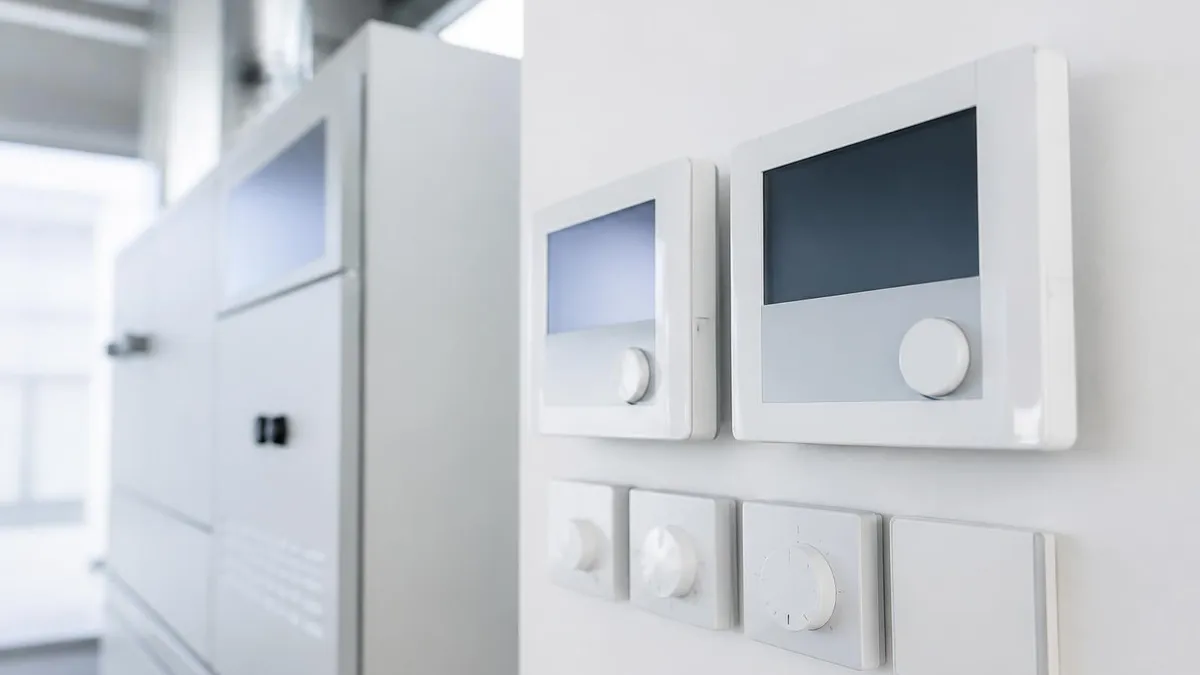
HVAC Duct Supplies: The Complete Buyer's Guide to Ductwork Components, Sizing, and Installation Materials
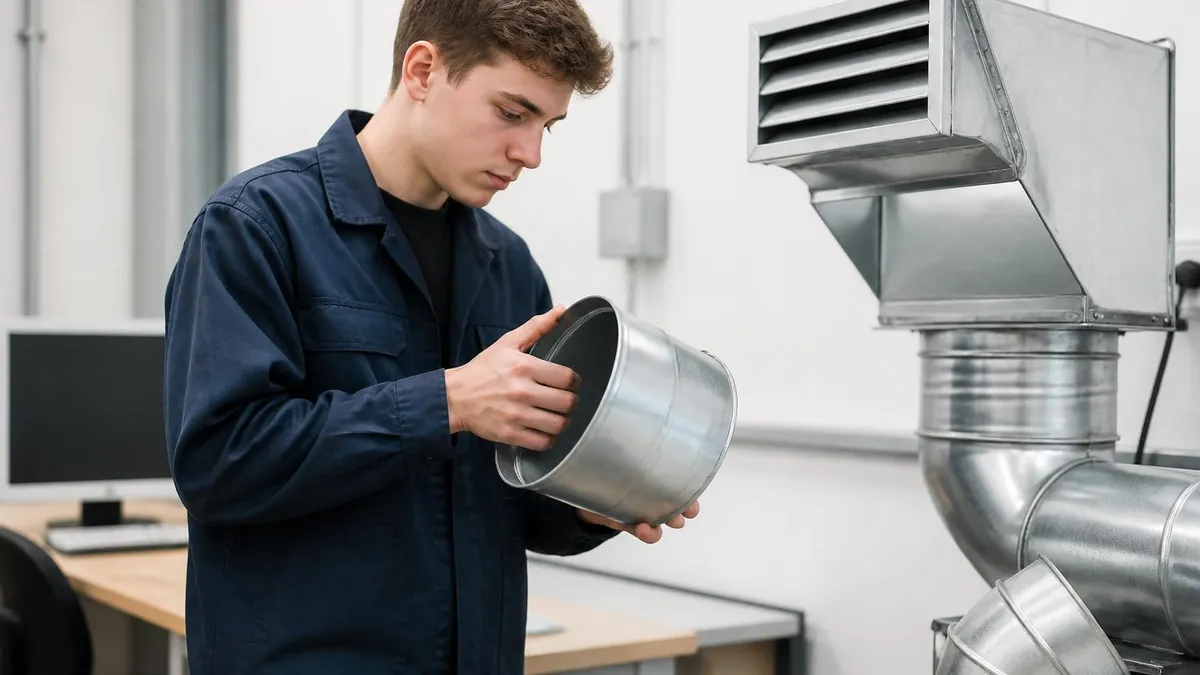
HVAC Duct Calculator: The Complete Guide to Sizing Ductwork for Airflow, Static Pressure, and System Efficiency
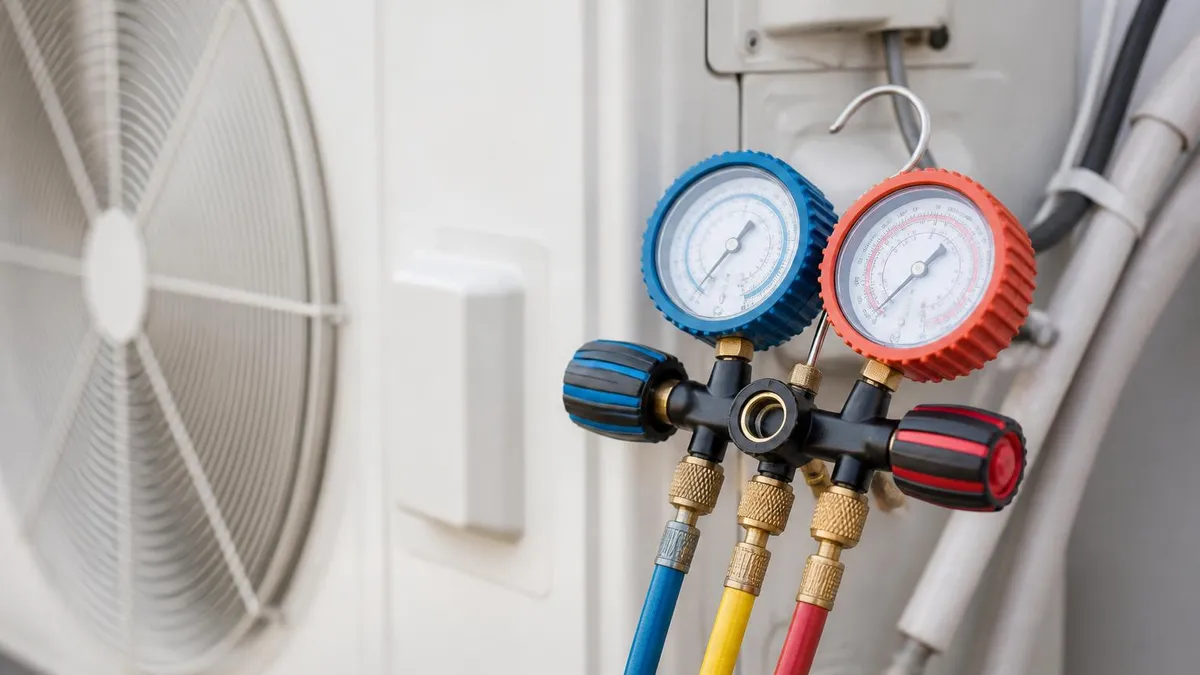
Certified HVAC Contractors: How to Find, Vet, and Hire the Right Professional for Your Home or Business
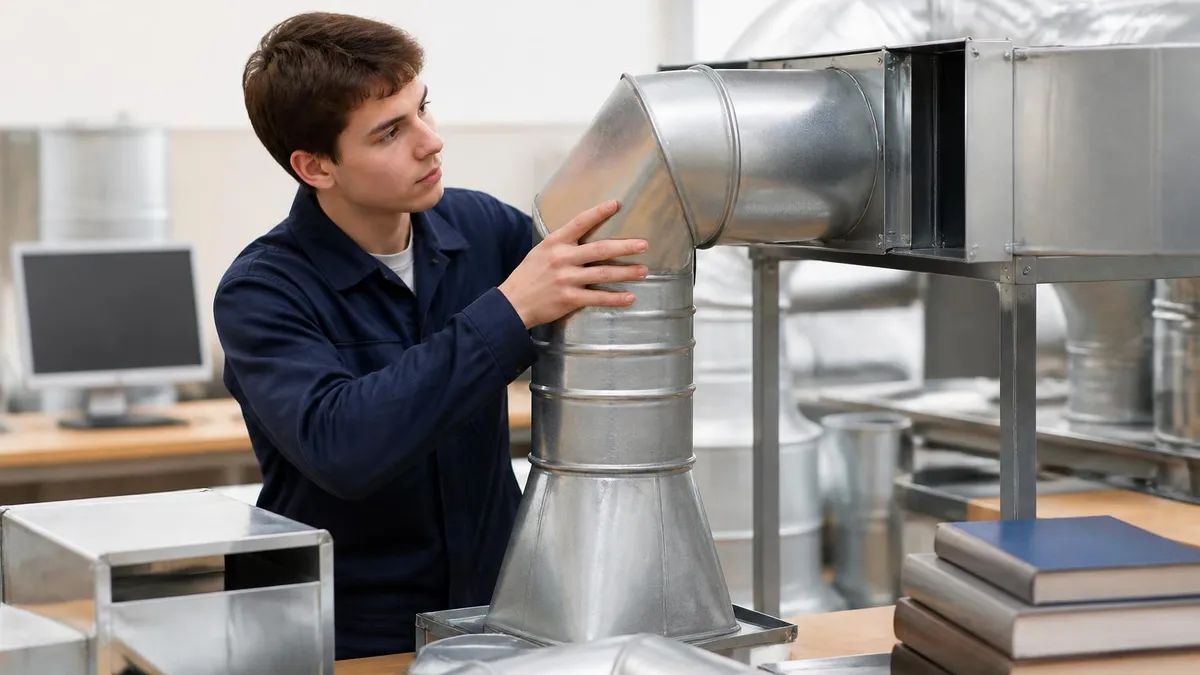
HVAC Repair Philadelphia: The Complete Homeowner's Guide to Finding, Hiring, and Working With Local Heating and Cooling Pros
Best HVAC Repair in Bandon, OR: Local Services Near Me Guide
About the Author

NATE Certified HVAC Technician & Licensing Exam Trainer
Universal Technical InstituteMike Johnson is a NATE-certified HVAC technician and EPA 608 universal-certified refrigerant handler with a Bachelor of Science in HVAC/R Technology. He has 19 years of commercial and residential HVAC installation and service experience and specializes in preparing technicians for NATE certification, EPA 608, A2L refrigerant safety, and state HVAC contractor licensing examinations.