
HVAC Pressure Switch: The Complete Guide to How They Work, Troubleshooting Failures, and Replacing Faulty Units
HVAC pressure switch guide: ✅ how it works, common failure signs, testing with a multimeter, and step-by-step replacement for furnaces and AC units.
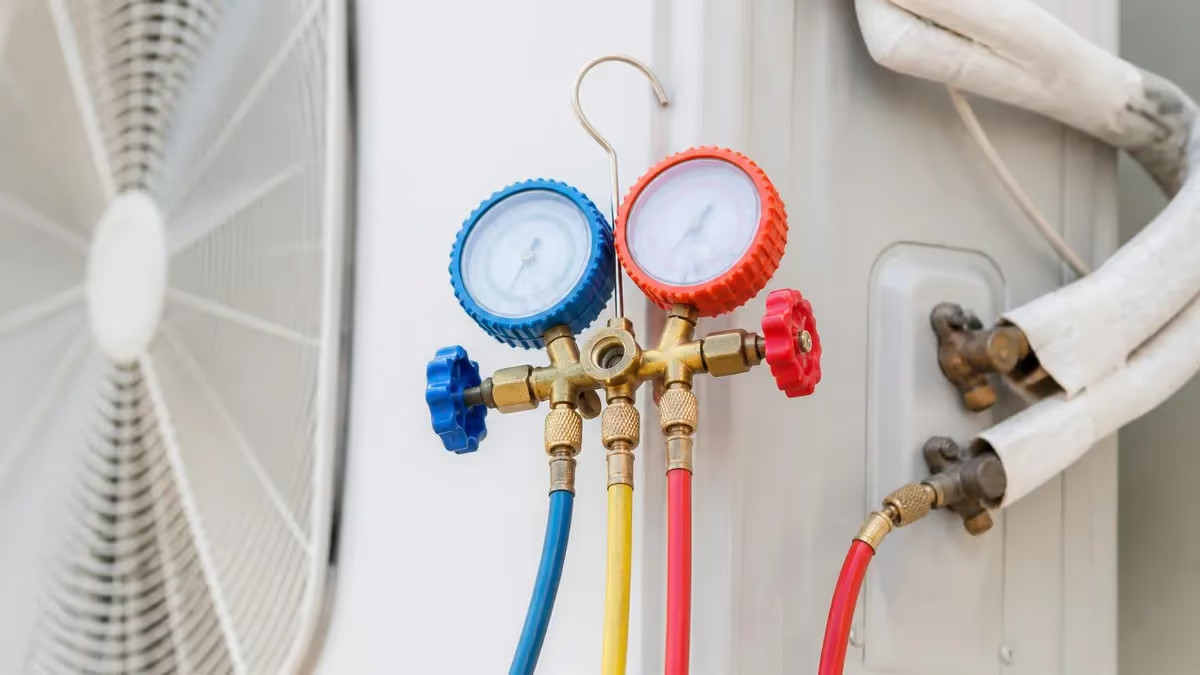
The HVAC pressure switch is one of the smallest yet most safety-critical components inside your hvac repair portland, or air conditioner. It is a normally-open electrical safety device that closes only when the inducer motor pulls a proper draft, confirming that combustion gases can vent safely through the flue. When the switch fails or detects a problem, your furnace will lock out, your inducer will run continuously without ignition, and you will see error codes like three flashes or four flashes on the control board diagnostic LED.
Most homeowners encounter pressure switch problems during the first cold snap of the season, when debris, condensate, or insect nests have accumulated in the vent system over the summer months. A clogged condensate drain, a cracked hose, a frozen flue terminal, or a failing inducer motor can all prevent the switch from closing. Because the switch is a code-required safety device, the control board will refuse to energize the gas valve until it sees continuity across the switch contacts.
Understanding how a pressure switch operates, what causes it to trip, and how to diagnose the root cause can save you a $250 service call and several days of no heat. In this complete guide, we walk through the science behind negative pressure sensing, the differences between single-stage and two-stage switches, hands-on testing with a manometer and multimeter, and the exact replacement procedure approved by manufacturers like Carrier, Lennox, Trane, Goodman, and Rheem.
We will also cover the modern variations found in high-efficiency 90%+ AFUE condensing furnaces, where you may see two or even three switches plumbed in series to monitor both the inducer draft and the condensate trap level. These systems are more sensitive to blockages because they extract additional heat from the combustion gases, leaving cooler, wetter exhaust that easily clogs PVC vent runs.
If you are evaluating your overall system before tackling this repair, our broader HVAC Solutions: The Complete Guide to Heating, Cooling, and Indoor Air Quality Systems for Homes and Buildings walks through how each component, including safeties like the pressure switch, fits into the whole-home comfort chain. That context helps you decide whether to repair the switch, replace the inducer motor, or upgrade the appliance entirely.
Pressure switches are inexpensive parts, typically running between $20 and $90 depending on the brand and configuration, but a misdiagnosed switch is the single most common warranty callback in residential HVAC. Technicians replace the switch only to find that the real culprit was a partially blocked vent, a slipped silicone hose, a sagging condensate line, or a slow inducer wheel. We will help you avoid that mistake by teaching you to verify the failure before swapping parts.
By the end of this guide you will be able to read the spec stamped on the side of your switch, interpret water-column inches of negative pressure, identify the orange, white, or amber color codes used by major manufacturers, and confidently know when to call a licensed professional versus when to handle the fix yourself. Let's get started.
HVAC Pressure Switch by the Numbers
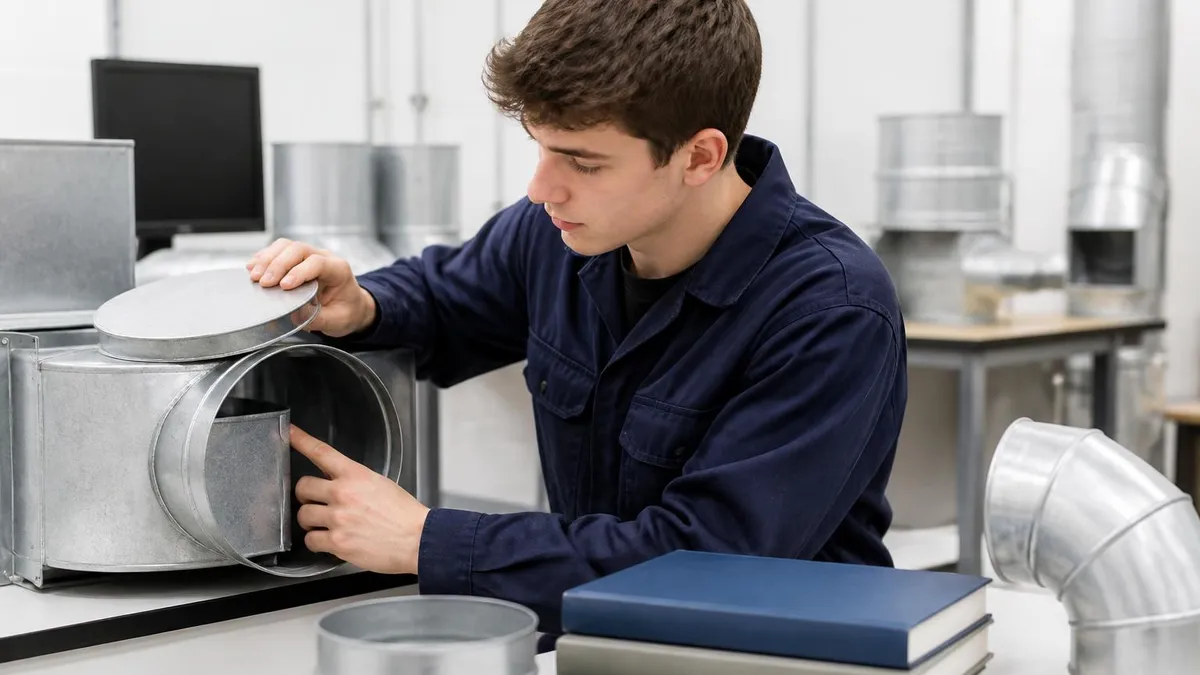
How an HVAC Pressure Switch Works
The switch measures vacuum created by the inducer motor through a small silicone or rubber hose. When draft is sufficient, a diaphragm flexes and closes electrical contacts, proving safe venting before the gas valve can open.
Inside the plastic housing, a rubber diaphragm pushes against a calibrated spring. The spring tension determines the trip set point, which is stamped on the switch label in inches of water column (W.C.) or pascals.
Single-stage furnaces use one switch. Two-stage and modulating units use multiple switches wired in series, each calibrated to a different draft level for low-fire and high-fire operation modes.
At rest, contacts are open and circuit is broken. The inducer must run first to create draft, then the switch closes, the control board sees continuity, and only then does ignition sequence begin.
On 90%+ AFUE condensing furnaces, an additional switch monitors the condensate trap. If the drain backs up, water blocks the vent path and the switch trips, preventing dangerous flue gas spillage.
Recognizing a failing pressure switch starts with understanding the typical symptoms. The most common complaint is a furnace that starts up, runs the inducer motor for 30 to 90 seconds, then shuts down without ever lighting the burners. You may hear the inducer cycle on and off repeatedly as the control board attempts ignition three times before locking out for an hour. The diagnostic LED will usually flash a fault code; on most brands, three flashes indicates a pressure switch stuck open, while two flashes can indicate a switch stuck closed at startup.
Another telltale sign is intermittent heating. The furnace works fine in mild weather but trips repeatedly when outside temperatures drop. This usually points to a marginal switch, a weak inducer, or a partially obstructed vent. Cold air increases air density, which can push the switch closer to its trip threshold. Homeowners sometimes describe this as a furnace that quits at 2 a.m. but works fine when the technician arrives at 10 a.m.
A more subtle symptom is short cycling on the heat call. If the switch contacts are pitted or corroded, they may make and break intermittently during a burn cycle, causing the gas valve to drop out mid-fire. The flame sensor then loses its signal, and the board faults out. Owners often misdiagnose this as a flame sensor problem because cleaning the sensor seems to help temporarily, but the underlying issue is the safety switch chattering.
Water dripping from the inducer housing is another red flag on high-efficiency systems. When the secondary heat exchanger develops a pinhole leak or the condensate trap overflows, water can splash onto the pressure switch hose, plugging it with surface tension. The switch sees zero draft and refuses to close. You'll often find amber or rust-colored residue on the bottom of the inducer assembly when this occurs.
Listen carefully during startup. A healthy inducer pulls strong, steady draft and you may hear a faint click as the switch closes within five seconds of the motor reaching speed. If you hear the click but the burners still don't fire, the switch may be closing but the contacts have failed internally. If you never hear the click, either the draft is insufficient or the switch diaphragm is leaking.
Pay attention to your HVAC Vents: The Complete Homeowner's Guide to Types, Sizing, Placement, and Airflow Optimization because exterior vent terminations are the most common cause of pressure switch problems. Spider webs, wasp nests, ice buildup, snow drifts, lint from dryer vents nearby, and even dead leaves can all reduce flue draft enough to keep the switch from closing. Always inspect the termination outside before condemning the switch itself.
Finally, watch for soot or carbon buildup around the inducer wheel. A dirty inducer can't move enough air to satisfy the switch. This is more common in furnaces installed near woodstoves, in mechanical rooms with dusty air, or in homes with pets that shed heavily. Cleaning the inducer wheel often restores proper draft without needing to touch the switch at all.
HVAC Practice Test Questions
Prepare for the HVAC - Heating Ventilation and Air Conditioning exam with our free practice test modules. Each quiz covers key topics to help you pass on your first try.
HVAC Air Conditioning
HVAC Exam Questions covering Air Conditioning. Master HVAC Test concepts for certification prep.
HVAC Code Compliance
Free HVAC Practice Test featuring Code Compliance. Improve your HVAC Exam score with mock test prep.
HVAC Electrical Controls
HVAC Test Prep for Electrical Controls. Practice HVAC Quiz questions and boost your score.
HVAC Energy Efficiency
HVAC Questions and Answers on Energy Efficiency. Free HVAC practice for exam readiness.
HVAC Heating Systems
HVAC Mock Test covering Heating Systems. Online HVAC Test practice with instant feedback.
HVAC Load Calculations
Free HVAC Quiz on HVAC Load Calculations. HVAC Exam prep questions with detailed explanations.
HVAC Tools and Equipment
HVAC Practice Questions for HVAC Tools and Equipment. Build confidence for your HVAC certification exam.
HVAC Refrigeration
HVAC Test Online for Refrigeration. Free practice with instant results and feedback.
HVAC Safety Practices
HVAC Study Material on Safety Practices. Prepare effectively with real exam-style questions.
HVAC System Design
Free HVAC Test covering System Design. Practice and track your HVAC exam readiness.
HVAC Thermodynamics
HVAC Exam Questions covering Thermodynamics. Master HVAC Test concepts for certification prep.
Testing Your HVAC Pressure Switch
Power down the furnace at the disconnect switch and the breaker. Remove the two wires from the pressure switch terminals, noting their position. Set your multimeter to continuity mode or the lowest ohms setting. With the inducer off, you should read open circuit (OL) between the two switch terminals because the switch is normally open.
Now have a helper turn the furnace on while you hold the meter probes on the terminals. Within five to ten seconds of the inducer reaching full speed, the meter should read near zero ohms or beep, indicating the switch has closed. If it never closes or closes intermittently, you have either insufficient draft or a failed switch that requires replacement.
DIY Replacement vs Professional Service
- +Part cost is low, typically $20 to $90 at any HVAC supply house
- +Job takes 15 to 30 minutes once the correct part is in hand
- +Most switches require only two screws and two electrical connections
- +No refrigerant handling or EPA certification needed for this repair
- +You learn the system and gain confidence for future maintenance
- +Eliminates a $150 to $300 service call for a simple part swap
- +Same-day fix versus waiting two or three days for a technician
- −Misdiagnosis wastes money if the inducer or venting is the real problem
- −Wrong part number can permanently damage the control board on startup
- −Gas appliance work voids some manufacturer warranties without licensed install
- −Combustion analysis after repair is recommended but requires special tools
- −Carbon monoxide risk exists if vent issues are not properly addressed
- −Local code may require permits and inspection for gas appliance repairs
- −No professional liability coverage if something goes wrong later
Pros and Cons at a Glance
| Pros | Cons |
|---|---|
| Most switches require only two screws and two electrical connections | Misdiagnosis wastes money if the inducer or venting is the real problem |
| No refrigerant handling or EPA certification needed for this repair | Wrong part number can permanently damage the control board on startup |
| You learn the system and gain confidence for future maintenance | Gas appliance work voids some manufacturer warranties without licensed install |
| Same-day fix versus waiting two or three days for a technician | Combustion analysis after repair is recommended but requires special tools |
HVAC Pressure Switch Replacement Checklist
- ✓Turn off power at the disconnect switch and the breaker before any work
- ✓Take a clear photo of the existing wiring and hose routing for reference
- ✓Verify the part number on the switch matches the new replacement exactly
- ✓Confirm trip point in inches of water column (stamped on the switch label)
- ✓Inspect the silicone hose for cracks and replace if hardened or brittle
- ✓Clean the pressure tap port on the inducer housing with compressed air
- ✓Mount the new switch in the same orientation as the original (port down)
- ✓Reconnect the silicone hose with a snug, leak-free fit at both ends
- ✓Reconnect the two electrical leads to the correct terminals on the switch
- ✓Restore power and verify the inducer pulls proper draft on startup
- ✓Confirm the switch closes within 10 seconds and burners ignite cleanly
- ✓Monitor the system through at least three full heat cycles before leaving
Never bypass or jumper a pressure switch — even briefly for testing
Bypassing the switch with a jumper wire forces the gas valve to open without proof of safe venting. This can dump carbon monoxide directly into your living space within minutes. Technicians may briefly test continuity, but jumping the switch to keep the furnace running is illegal, dangerous, and a code violation. If the switch won't close, find the real cause.
When a pressure switch refuses to close, the switch itself is the culprit only about 40% of the time. The remaining 60% of cases trace back to upstream issues that you must rule out before swapping parts. Vent blockages top the list, followed by inducer motor problems, condensate drainage failures, and improper installation. Spending 10 minutes investigating these areas saves you from buying parts you don't need and prevents repeat callbacks later in the season.
Vent blockages on high-efficiency PVC systems are notoriously sneaky. The flue terminates as a small white pipe through the sidewall, often less than two feet above grade. Snow accumulation, ice formation from melting and refreezing, leaves, mulch, plastic bags blown by wind, and even birds nesting inside have all been documented causes. Inspect both the intake and exhaust pipes from outside, and use a flashlight to peer up the pipe for obstructions.
Inducer motor problems can mimic switch failures perfectly. As the motor bearings wear, the wheel slows below specification. Even a 10% reduction in RPM can drop draft from -0.65 to -0.40 in. W.C., putting it below the switch trip point. Listen for grinding, squealing, or wobbling noises. Spin the wheel by hand with power off; it should turn freely with no resistance and no end-play in the shaft.
Condensate drainage is the other major culprit on 90%+ AFUE furnaces. Each hour of operation produces about half a gallon of acidic water that must drain through a trap and into a floor drain or condensate pump. If the trap dries out, flue gas leaks through. If the trap clogs with biological growth, water backs up into the secondary heat exchanger and blocks the vent path. An annual flush with white vinegar prevents both problems.
Improper installation issues include vent runs that are too long, too many elbows, undersized pipe diameter, or insufficient slope back toward the furnace. Each manufacturer publishes a vent table showing maximum equivalent length based on pipe size and elbow count. Exceeding these limits will cause chronic pressure switch problems that no amount of part swapping can solve. Compare your installation against the spec in the installation manual.
Altitude is another factor that catches installers off guard. At elevations above 2,000 feet, air is less dense, so the same inducer produces less vacuum. Manufacturers publish high-altitude switch kits with lower trip points to compensate. If your furnace was installed at sea level and you've moved or the original installer didn't account for elevation, the switch may need to be derated.
Finally, consider whether the appliance is properly matched to the home's ductwork. Excessive return-side static pressure can affect combustion blower performance on some sealed-combustion designs. Reviewing the HVAC Duct Calculator: The Complete Guide to Sizing Ductwork for Airflow, Static Pressure, and System Efficiency can help you identify whether your distribution system is contributing to chronic safety switch trips on a furnace that otherwise tests fine.

A failed pressure switch is your furnace telling you that venting is unsafe. Never disable, jumper, or ignore a switch that won't close. Install a working CO alarm with a digital readout on every level of your home and test the batteries monthly. If you smell sulfur or your CO alarm sounds, shut off the furnace immediately and ventilate before calling a licensed HVAC contractor.
Preventive maintenance keeps your pressure switch and the safeties around it operating reliably for the life of the furnace. The single most valuable habit is an annual fall tune-up performed before the first hard freeze. During this visit, a technician will inspect the inducer wheel, clean the pressure tap port, verify hose integrity, measure actual draft with a manometer, and confirm the switch trips at the correct point. This 60-minute service catches problems before they leave you cold at midnight.
Between professional visits, homeowners can do plenty themselves. Check the outdoor vent terminations monthly during heating season, especially after storms. Clear snow, ice, and debris with a soft brush; never chip ice off PVC with a screwdriver. Walk around the unit and listen for unusual sounds during a heat call. A new whine, rattle, or pulsing sound often signals an inducer problem before the switch starts tripping.
Replace your air filter on schedule, even though it might seem unrelated. A clogged filter increases static pressure across the blower, which on some designs can affect the combustion blower indirectly through shared cabinet pressures. Filters should be changed every 30 to 90 days depending on type, household pets, and indoor activity levels. Mark the install date on the filter frame with a permanent marker.
Flush the condensate drain twice per year on high-efficiency systems. Pour one cup of white vinegar or a manufacturer-approved cleaner into the trap or cleanout port, let it sit for 30 minutes, then flush with warm water. This prevents biofilm from forming inside the trap and PVC drain line. Skipping this step is the leading cause of mid-winter pressure switch failures on condensing furnaces.
If your home is in a region with heavy insect activity, install screened intake terminations. Some manufacturers offer factory screens; aftermarket options are available too. Wasps and yellow jackets love the warmth and shelter of inactive vent pipes in summer. They build nests that go undetected until the first cold snap, when suddenly the furnace won't run. Screens stop this entirely.
Document everything. Keep a folder with the furnace make, model, serial number, installation date, all repair invoices, and photos of the inside of the cabinet. When a pressure switch problem arises, you'll be able to order the correct part on the first try and tell a technician exactly what's been done before. Use a label maker to put the airflow direction, filter size, and capacitor ratings inside the door.
For aging systems, consider whether ongoing repairs make sense. A pressure switch on a 22-year-old furnace might be the third or fourth repair in two seasons. At that point, replacement becomes the smarter financial decision. Reviewing options through certified Certified HVAC Contractors: How to Find, Vet, and Hire the Right Professional for Your Home or Business ensures you get accurate load calculations and a system properly sized for your home rather than just a swap of the existing equipment.
When you're ready to actually replace the switch, having the right tools and parts ahead of time makes the job smooth. You'll need a nut driver set (typically 1/4 inch and 5/16 inch), a Phillips screwdriver, a digital multimeter, a flashlight, and ideally a digital manometer for post-repair verification. Have a small parts cup ready to hold screws so you don't drop them inside the cabinet near the burners.
Order the exact OEM part whenever possible. Universal pressure switches exist but can cause subtle issues with calibration and connector fit. Take the existing switch with you to the supply house, or photograph the label clearly showing the part number, trip point in W.C., voltage rating, and color code. Common brands include Tridelta, Honeywell, MPL, and Cherry; OEM packaging will reference the furnace manufacturer's part number too.
When installing, pay attention to orientation. Most switches must be mounted with the hose port pointing down to prevent condensate from pooling inside the diaphragm chamber. Installing the switch sideways or upside down can cause it to fail within a single heating season. The manufacturer marks the correct orientation with an arrow or the word UP near the mounting bracket.
After replacement, run the furnace through several complete cycles and watch the diagnostic LED for codes. A successful repair should show no fault codes, steady inducer operation, prompt ignition within 30 seconds of the inducer starting, and clean shutdown when the thermostat is satisfied. If you have a manometer, verify draft is within manufacturer specification with the new switch in place.
Don't forget to address the root cause if the switch failed prematurely. If you found a clogged condensate trap, flush it. If you found a kinked hose, replace it with the correct length. If you found a slow inducer, decide whether to replace the inducer now or monitor it. Treating only the symptom guarantees the new switch will fail just as quickly as the old one did, often within weeks.
Document the repair with photos and notes. Write the date and part number on a label inside the furnace cabinet so the next technician (or your future self) knows what was done. This habit, combined with regular filter changes and seasonal vent inspections, will keep hvac seo marketing system safe and reliable for years to come. Pressure switches aren't glamorous, but they're the silent guardians of every gas-fired HVAC system.
If you're in a coastal region with salt air exposure or live somewhere with hard well water and lots of minerals, expect switch contacts to corrode faster. Plan on inspecting the switch every two years rather than every five. Coastal homes from Oregon to Maine routinely see accelerated component wear, and local guides like Best HVAC Repair in Bandon, OR: Local Services Near Me Guide can help you find technicians familiar with those regional challenges.
Sample HVAC Practice Questions
Try these questions from our free HVAC practice tests. The correct answer and an explanation follow each question.
Which pressure is considered 'critical pressure' in a refrigerant's pressure-temperature relationship?
- A. The maximum pressure a recovery cylinder can hold
- B. The pressure at the refrigerant's critical point, above which liquid and vapor cannot coexist
- C. The pressure at which a refrigerant becomes toxic
- D. The maximum operating pressure of a compressor
Answer: B. The pressure at the refrigerant's critical point, above which liquid and vapor cannot coexist
Critical pressure is the pressure at a refrigerant's critical point—above this pressure, the refrigerant exists as a supercritical fluid and the distinction between liquid and vapor phases disappears.
A normally-closed (NC) low-pressure switch in a refrigeration system opens when suction pressure drops too low. This action typically:
- A. Energizes a warning light only
- B. De-energizes the compressor contactor coil, stopping the compressor
- C. Switches the system to heating mode
- D. Opens the liquid line solenoid to add refrigerant
Answer: B. De-energizes the compressor contactor coil, stopping the compressor
When the NC low-pressure switch opens due to low suction pressure, it breaks the control circuit to the contactor coil, de-energizing the contactor and stopping the compressor.
A duct system tested at 1.0 inch WC positive pressure is classified under SMACNA as what pressure class?
- A. 1-inch WC (low pressure)
- B. 2-inch WC (medium pressure)
- C. 3-inch WC (high pressure)
- D. 0.5-inch WC (very low pressure)
Answer: A. 1-inch WC (low pressure)
SMACNA classifies duct systems tested at 1.0 inch WC as the 1-inch pressure class, requiring specific gauge and reinforcement standards.
What is a 'standing seam' and when is it used in HVAC sheet metal work?
- A. A seam that extends vertically above the surface; used for roofing on HVAC equipment enclosures
- B. A longitudinal seam type where both edges are bent into standing flanges that are folded together; used for heavy gauge ductwork, outdoor casings, and higher-pressure applications
- C. A seam that resists standing water infiltration; used for floor-level ductwork
- D. A seam produced without machinery, standing seam is a hand-fabricated joint
Answer: B. A longitudinal seam type where both edges are bent into standing flanges that are folded together; used for heavy gauge ductwork, outdoor casings, and higher-pressure applications
Standing seams are formed by bending both sheet metal edges into standing flanges (perpendicular to the sheet surface) that are then folded or locked together, providing strength and rigidity.
HVAC Questions and Answers
HVAC Solutions: The Complete Guide to Heating, Cooling, and Indoor Air Quality Systems for Homes and Buildings

HVAC Vents: The Complete Homeowner's Guide to Types, Sizing, Placement, and Airflow Optimization
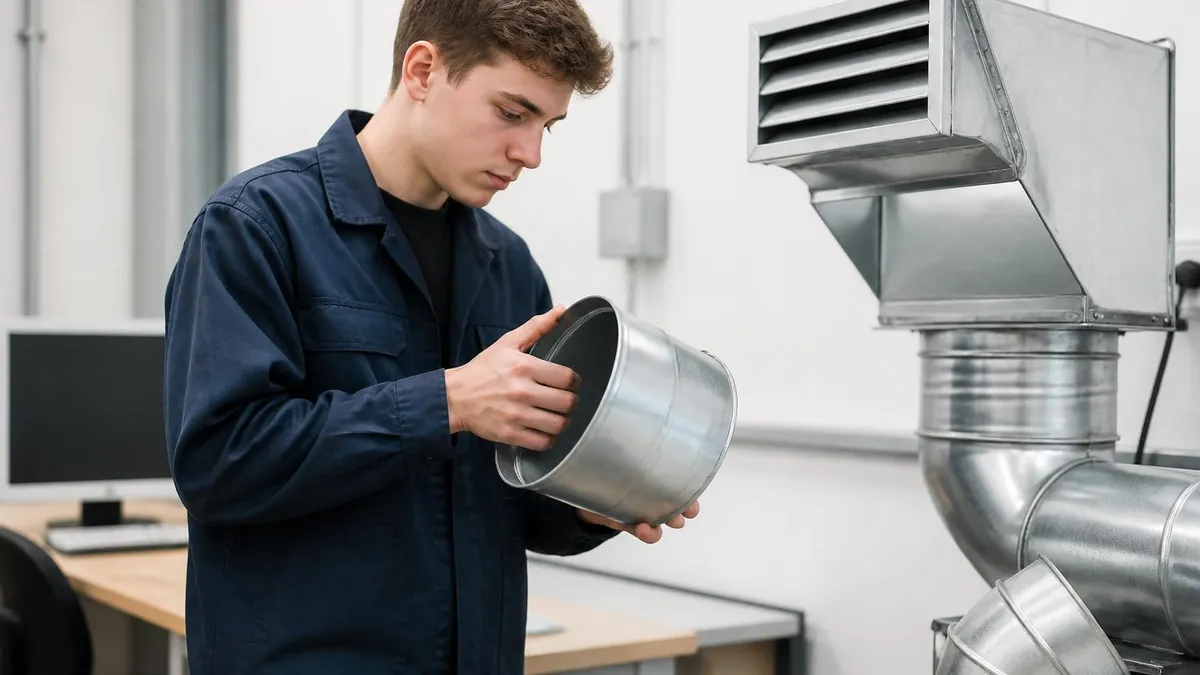
HVAC Duct Calculator: The Complete Guide to Sizing Ductwork for Airflow, Static Pressure, and System Efficiency
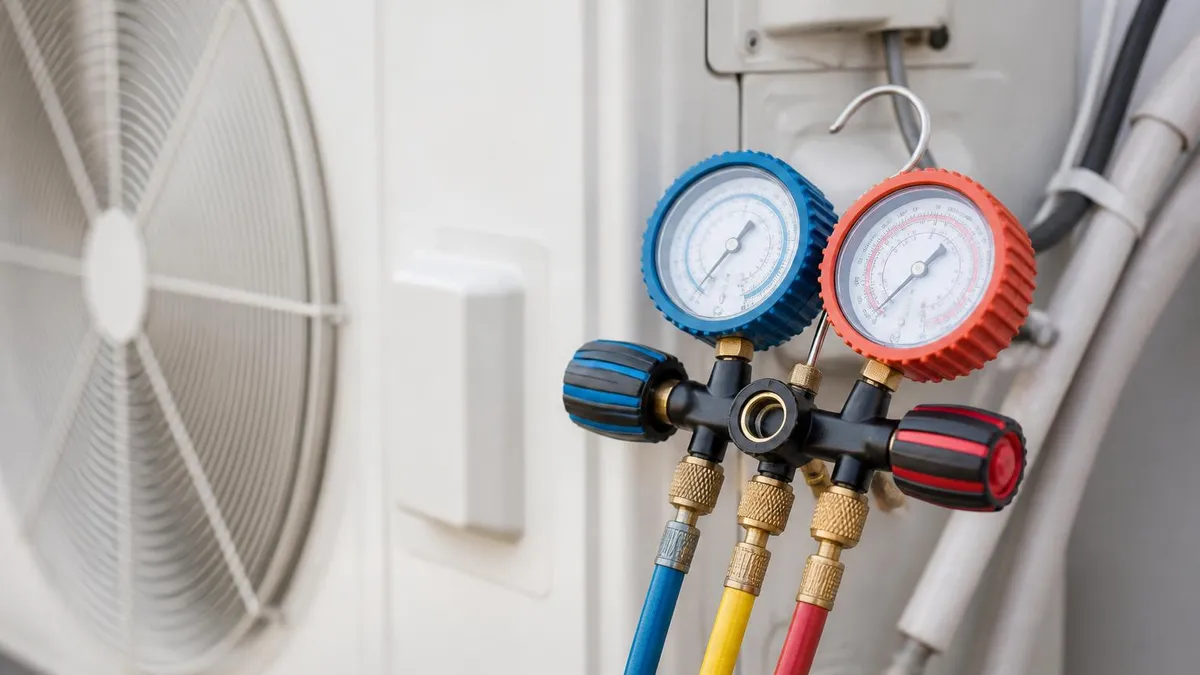
Certified HVAC Contractors: How to Find, Vet, and Hire the Right Professional for Your Home or Business
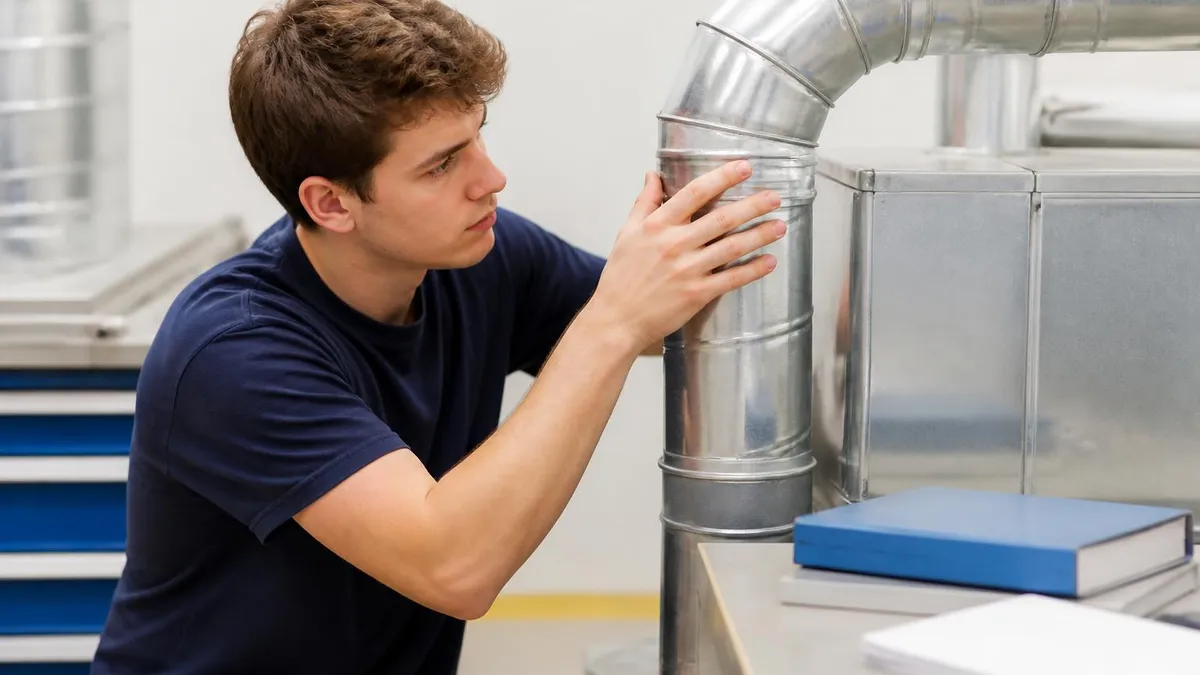
Best HVAC Repair in Bandon, OR: Local Services Near Me Guide
About the Author

NATE Certified HVAC Technician & Licensing Exam Trainer
Universal Technical InstituteMike Johnson is a NATE-certified HVAC technician and EPA 608 universal-certified refrigerant handler with a Bachelor of Science in HVAC/R Technology. He has 19 years of commercial and residential HVAC installation and service experience and specializes in preparing technicians for NATE certification, EPA 608, A2L refrigerant safety, and state HVAC contractor licensing examinations.