
PCA Meaning: What Is a Personal Care Assistant? 2026 September
💡 Pass your PCA Meaning: What Is a Personal Care exam on the first attempt. Practice questions with detailed answer explanations, hints, and instant scoring.
PCA Meaning: What Does PCA Stand For?
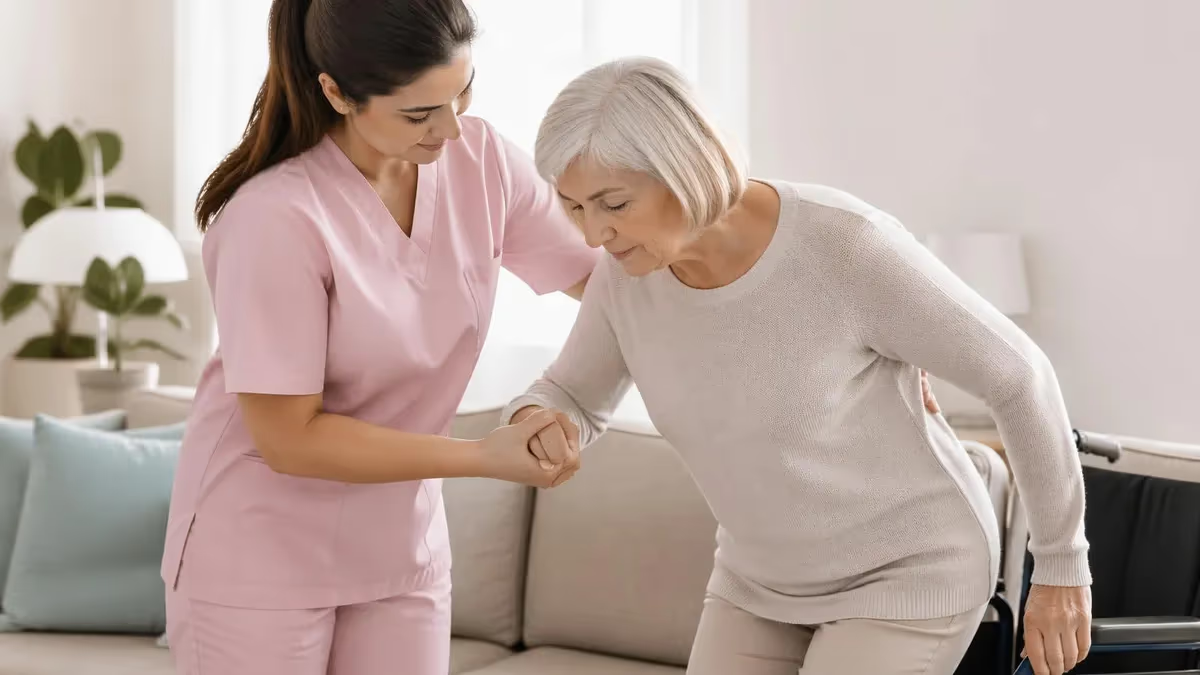
PCA stands for Personal Care Assistant — a direct-care worker who helps individuals with disabilities, chronic illnesses, or age-related limitations perform daily living activities. PCAs are sometimes called personal care aides (PCAs), home care aides, or in-home support workers depending on the state and employer.
The PCA role is one of the fastest-growing healthcare positions in the United States. The Bureau of Labor Statistics projects 21% job growth through 2031, driven by an aging population and the national shift toward home- and community-based care. As of 2026, there are more than 3.6 million PCAs and home health aides working across the country.
PCAs differ from medical professionals: they do not administer medications (except in some supervised settings), perform wound care, or provide skilled nursing services. Their focus is on personal assistance, safety, and quality of life.
PCA Duties and Responsibilities
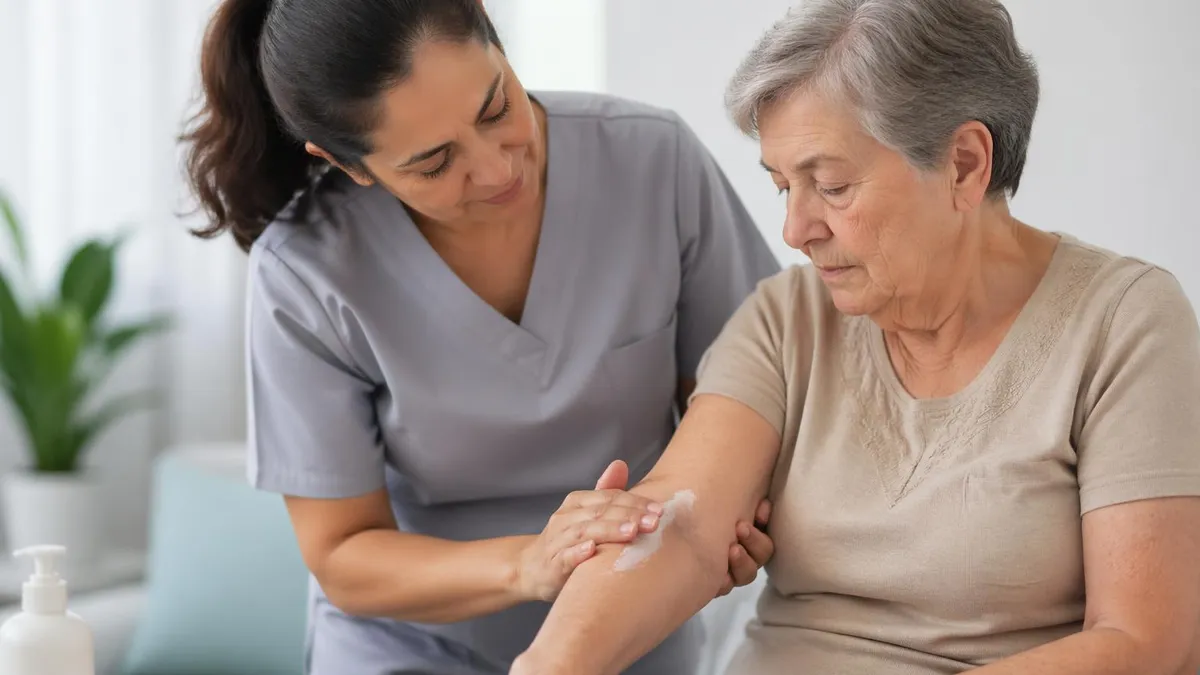
A personal care assistant's day-to-day responsibilities depend on the client's individual care plan. Most PCAs provide a combination of personal care, household support, and companionship. Core duties include:
- Personal hygiene assistance — bathing, grooming, dressing, oral care, and toileting
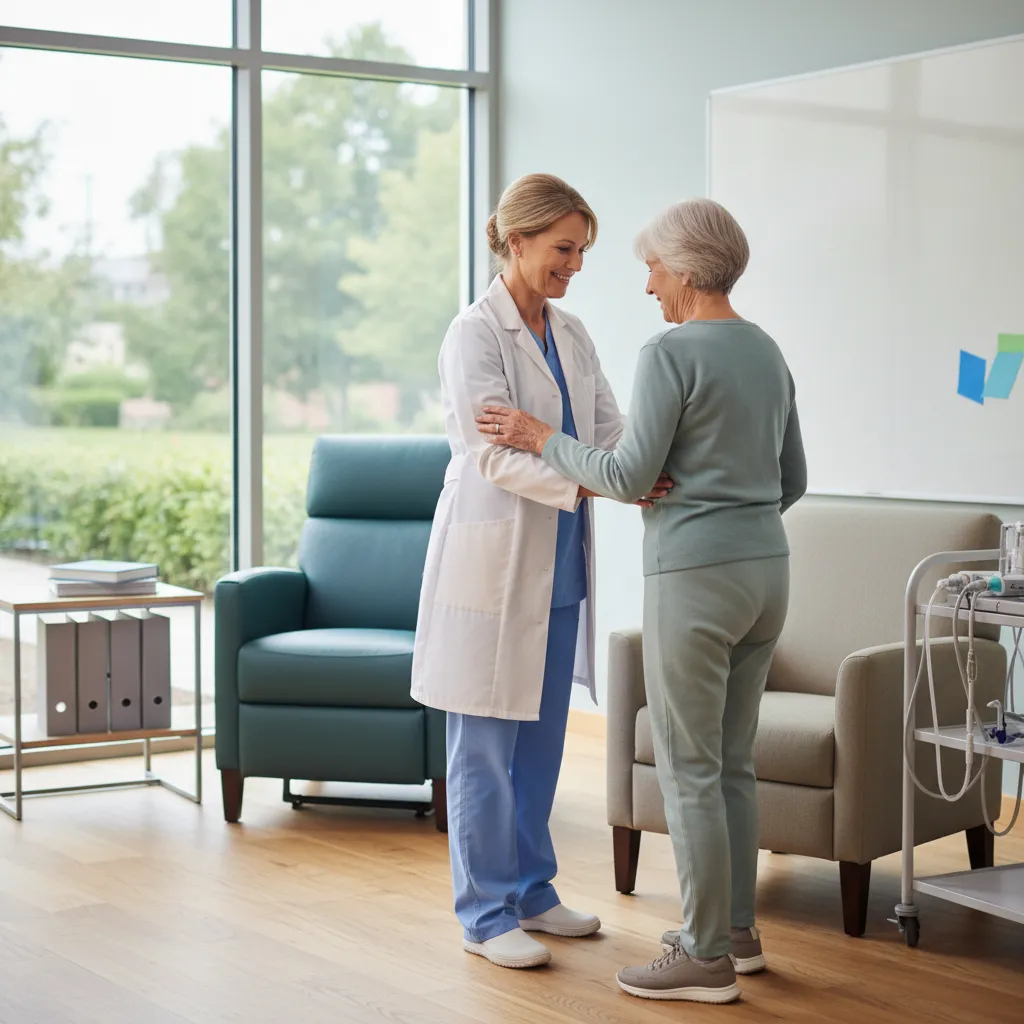
- Mobility support — helping clients transfer from bed to wheelchair, walking with assistance, and fall prevention
- Meal preparation — cooking, feeding assistance, and monitoring nutritional needs per care plan
- Light housekeeping — laundry, dishes, vacuuming, and maintaining a clean, safe living environment
- Medication reminders — reminding clients when to take prescribed medications (not administering)
- Transportation — accompanying clients to medical appointments, errands, and social activities
- Companionship — providing social interaction, reading, games, and emotional support
- Health monitoring — observing and reporting changes in the client's physical or mental condition to supervisors or family members
Some PCAs work with specialized populations such as adults with developmental disabilities, veterans, or pediatric clients with complex needs. In these settings, duties may be expanded under direct supervision of a registered nurse or therapist.
PCA vs HHA vs CNA: Key Differences
Many people confuse PCAs with Home Health Aides (HHAs) and Certified Nursing Assistants (CNAs). While all three roles involve direct patient care, there are important distinctions in scope, training, and setting.
PCA Key Concepts
What is the passing score for the PCA exam?
Most PCA exams require 70-75% to pass. Check the official exam guide for exact requirements.
How long is the PCA exam?
The PCA exam typically allows 2-3 hours. Time management is critical for success.
How should I prepare for the PCA exam?
Start with a diagnostic test, create a 4-8 week study plan, and take at least 3 full practice exams.
What topics does the PCA exam cover?
The PCA exam covers multiple domains. Review the official content outline for the complete list.
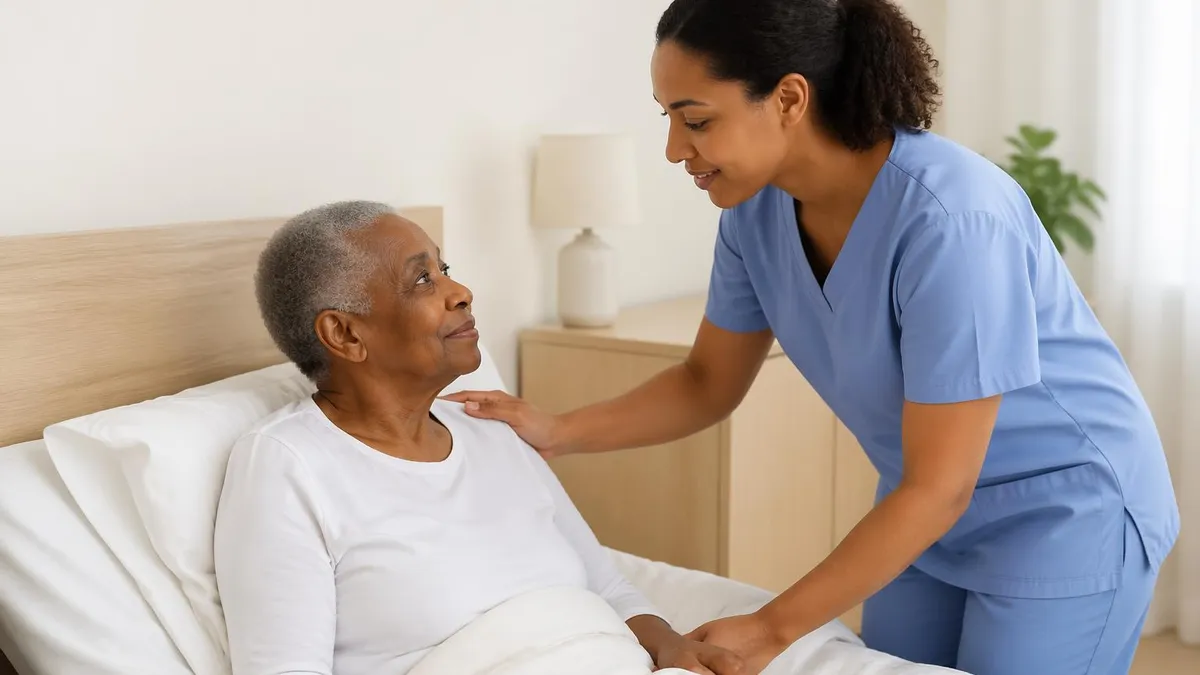
Personal Care Assistant (PCA): The entry-level role. PCAs help with activities of daily living (ADLs) but generally do not provide medical care. Training requirements vary from zero to 75+ hours depending on the state and whether the client is privately funded or on Medicaid.
Home Health Aide (HHA): A step above PCA in clinical scope. HHAs must complete at least 75 hours of federally mandated training to work with Medicare- or Medicaid-certified agencies. They can check vital signs and perform limited health-related tasks under nurse supervision.
Certified Nursing Assistant (CNA): The most advanced of the three. CNAs complete a state-approved training program (typically 75–150 hours), pass a two-part competency exam, and are listed on the state nurse aide registry. They work in nursing homes, hospitals, and assisted living facilities, performing clinical tasks under RN supervision.
If you are deciding which path to pursue, consider your long-term goals. PCA → HHA → CNA is a common progression that builds skills while you work and earn.
PCA Overview
Several states allow PCAs to begin work with no prior formal training, particularly when clients are privately funding their own care. In these states, the hiring agency or client family provides on-the-job orientation. States in this category include Texas, Florida, and Georgia for private-pay arrangements. However, Medicaid-funded PCAs in most states must meet minimum training standards set by the state Medicaid agency.
- On-the-job training only
- No state certification required
- Client or agency provides orientation
- Background check still required
PCA Training Requirements and How to Get Certified
Because PCA regulation is primarily at the state level, requirements vary significantly. Here is a general roadmap to becoming a personal care assistant in 2026:
- Check your state's requirements — Visit your state Medicaid agency website or contact the Department of Health to confirm current training hour requirements for PCAs.
- Complete a training program — Many community colleges, vocational schools, and home care agencies offer PCA training programs. Look for programs approved by your state Medicaid agency if you plan to work with Medicaid clients. Courses typically cover personal hygiene, transfers and positioning, infection control, documentation, and client rights.
- Pass a competency evaluation — Some states require a written test, a skills demonstration, or both. The evaluation is usually administered by your training program or employer.
- Clear a background check — All states require PCAs to pass a criminal background check. Most employers check the state nurse aide abuse registry as well.
- Apply for work — You can work for a home care agency, a Medicaid-funded home- and community-based waiver program, an adult day service, or directly for private clients. Many states also allow self-direction, where the client acts as the employer and hires a PCA of their choice (often a family member).
Continuing education is encouraged for career growth. Many PCAs advance by completing the HHA training program or enrolling in CNA certification — both recognized pathways toward nursing or therapy careers.
PCA Salary 2026: What Do Personal Care Assistants Earn?
PCA compensation varies by state, employer type, and experience. According to the Bureau of Labor Statistics (2025), the median annual wage for personal care aides was $29,430, which works out to approximately $14.15 per hour. However, salaries can range from $22,000 to $42,000+ depending on location.
Highest-paying states for PCAs (2025 BLS data):
- Alaska — $37,280/year average
- Massachusetts — $36,100/year average
- Washington — $35,950/year average
- California — $34,400/year average
- New York — $33,800/year average
PCAs who specialize in higher-need populations (pediatric complex care, clients with traumatic brain injury, or behavioral support) often command premium rates — sometimes $18–$25/hour through waiver programs. Overtime is common in this field, and many states have enacted minimum wage laws specifically for home care workers.
Benefits vary widely: agency employees may receive health insurance, paid time off, and mileage reimbursement, while independent/self-directed PCAs may be responsible for their own benefits. Medicaid-funded PCAs in states with strong labor protections (California, New York, Illinois) often belong to unions that negotiate wages and benefits collectively.
PCA Practice Test Questions
Prepare for the PCA - Personal Care Assistant exam with our free practice test modules. Each quiz covers key topics to help you pass on your first try.
PCA Duties and Responsibilities
Free PCA Practice Test featuring Duties and Responsibilities. Improve your PCA Exam score with mock test prep.
PCA Qualifications
PCA Mock Exam on Qualifications. PCA Study Guide questions to pass on your first try.
PCA Working Conditions
PCA Test Prep for Working Conditions. Practice PCA Quiz questions and boost your score.
PCA Assisting with Daily Living Activities
PCA Questions and Answers on Assisting with Daily Living Activities. Free PCA practice for exam readiness.
PCA Basic Nursing Skills
PCA Mock Test covering Basic Nursing Skills. Online PCA Test practice with instant feedback.
PCA Basic Patient Care Skills
Free PCA Quiz on Basic Patient Care Skills. PCA Exam prep questions with detailed explanations.
PCA Communication and Interpersonal Skills
PCA Practice Questions for Communication and Interpersonal Skills. Build confidence for your PCA certification exam.
PCA Ethical and Legal Responsibilities
PCA Test Online for Ethical and Legal Responsibilities. Free practice with instant results and feedback.
PCA Health and Safety Procedures
PCA Study Material on Health and Safety Procedures. Prepare effectively with real exam-style questions.
PCA Health & Safety Protocols
Free PCA Test covering Health & Safety Protocols. Practice and track your PCA exam readiness.
PCA Infection Control
PCA Exam Questions covering Infection Control. Master PCA Test concepts for certification prep.
PCA Mental Health & Emotional Support
Free PCA Practice Test featuring Mental Health & Emotional Support. Improve your PCA Exam score with mock test prep.
PCA Nutrition & Hydration
PCA Mock Exam on Nutrition & Hydration. PCA Study Guide questions to pass on your first try.
PCA Patient Mobility & Transfers
PCA Test Prep for Patient Mobility & Transfers. Practice PCA Quiz questions and boost your score.
PCA Exam Prep: How to Study and Pass
If your state or employer requires a competency evaluation, preparation is key. PCA exams typically cover the following topic areas:
- Activities of daily living (ADLs) — bathing, grooming, dressing, eating, toileting, transferring
- Safety and emergency procedures — fire safety, fall prevention, recognizing medical emergencies
- Infection control — hand washing, standard precautions, PPE use
- Client rights and confidentiality — dignity, HIPAA basics, reporting abuse or neglect
- Communication and documentation — reporting observations, writing care notes
- Body mechanics — safe lifting and transfer techniques to prevent injury
The most effective study strategy combines reading your training materials with timed practice tests. Practice tests help you identify weak areas, build test-taking stamina, and simulate the actual exam format. At PracticeTestGeeks, our free PCA practice tests are organized by topic so you can focus your study time efficiently.
PCA Checklist
- ✓Complete your state-required training hours
- ✓Pass the competency skills evaluation
- ✓Clear a criminal background check
- ✓Obtain CPR/First Aid certification (required by most employers)
- ✓Get a TB test or chest X-ray (required by most agencies)
- ✓Gather required documents: ID, Social Security card, immunization records
- ✓Create a resume highlighting caregiving experience (paid or unpaid)
- ✓Apply to home care agencies, Medicaid waiver programs, or directly to clients
- ✓Practice PCA exam questions to build confidence
PCA Career Growth and Advancement
One of the most appealing aspects of the PCA role is that it opens doors to a wide range of healthcare careers. Many nurses, therapists, and healthcare managers began as personal care assistants, gaining firsthand experience with patient care before pursuing advanced education. Here is how a typical PCA career path might look:
- PCA → HHA: Complete 75 hours of state-approved training to become a Home Health Aide. This expands your scope of practice and qualifies you for Medicare- and Medicaid-certified agency positions with slightly higher pay.
- PCA/HHA → CNA: Enroll in a state-approved CNA program (typically 4–12 weeks). Pass the two-part competency exam to earn CNA certification. CNAs can work in hospitals, nursing homes, rehab centers, and assisted living facilities — with higher wages and more structured shifts.
- CNA → LPN: Licensed Practical Nursing programs accept CNAs who want to advance. LPN programs typically take 12–18 months and qualify graduates for broader clinical responsibilities and significantly higher pay.
- Specialized PCA roles: PCAs with experience in behavioral health, pediatric care, or traumatic brain injury often transition to behavioral health technician (BHT), direct support professional (DSP), or community health worker roles — each with defined career ladders and certification pathways.
Beyond clinical advancement, experienced PCAs often move into supervisory or care coordinator roles within home care agencies. Some start their own licensed home care businesses after gaining experience and meeting their state's business licensing requirements. The PCA role is not a dead end — it is a launchpad for anyone committed to a career in healthcare and human services.
If you are preparing for your first PCA job or studying for a competency evaluation, consistent practice with PCA exam questions is one of the most effective strategies available. Our practice tests mirror the format and content areas of real PCA evaluations, helping you build confidence before the actual assessment.
PCA Pros and Cons
- +PCA has a defined, publicly available content blueprint — candidates know exactly what to prepare for
- +Multiple preparation pathways (self-study, courses, coaching) accommodate different learning styles and schedules
- +A growing ecosystem of study resources means candidates at any budget level can access quality preparation materials
- +Clear score reporting allows candidates to identify specific strengths and weaknesses for targeted remediation
- +Professional recognition associated with strong performance provides tangible career and academic benefits
- −The scope of tested content requires substantial preparation time that competes with existing professional or academic commitments
- −No single resource covers the full content scope — candidates typically need multiple study tools for comprehensive preparation
- −Test anxiety and exam-day performance variability mean preparation effort does not always translate linearly to scores
- −Registration, preparation, and potential retake costs accumulate into a significant financial investment
- −Content and format can change between exam versions, making older preparation materials less reliable
PCA Questions and Answers

About the Author

Registered Nurse & Healthcare Educator
Johns Hopkins University School of NursingDr. Sarah Mitchell is a board-certified registered nurse with over 15 years of clinical and academic experience. She completed her PhD in Nursing Science at Johns Hopkins University and has taught NCLEX preparation and clinical skills courses for nursing students across the United States. Her research focuses on evidence-based exam preparation strategies for healthcare certification candidates.