
How Long Do MRI Scans Take? Complete Timing Guide by Body Part 2026 August
How long do MRI scans take? Complete guide to MRI procedure length by body part, scan type, and prep time. Typical scans run 15-90 minutes. 📚
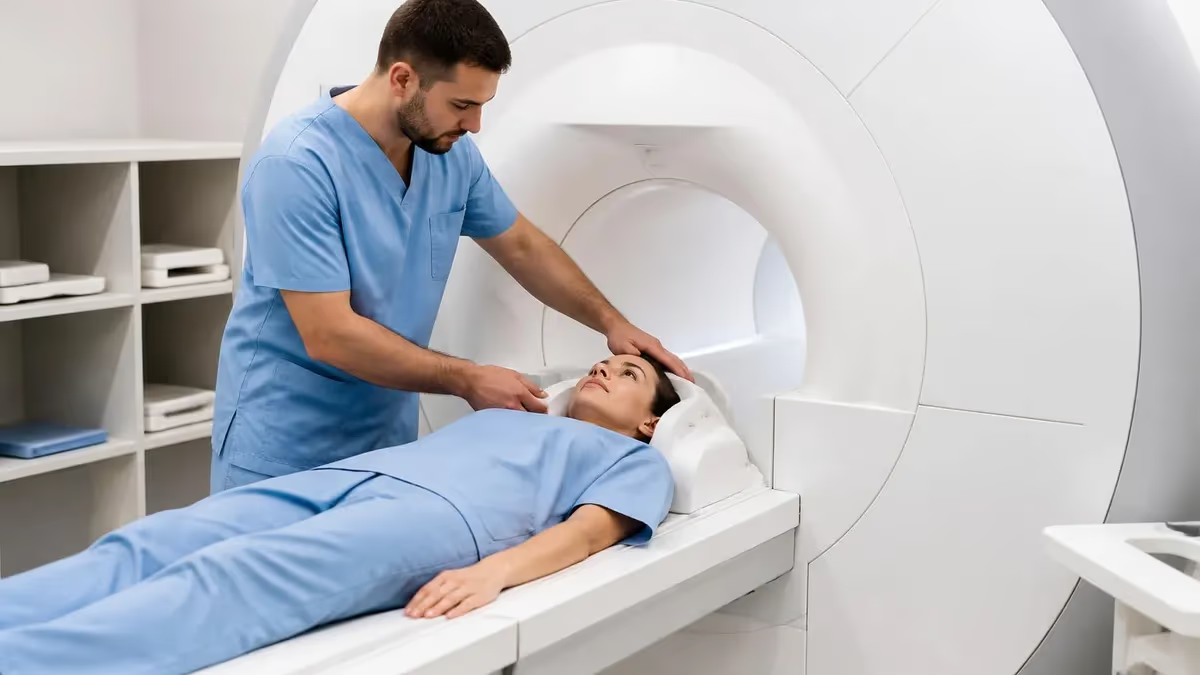
If you are scheduled for imaging and wondering how long do MRI scans take, the honest answer depends on which body part is being scanned, whether contrast is needed, and how cooperative your body is during the exam. Most routine MRI procedures run between 15 and 90 minutes from the moment you slide into the bore until the technologist tells you to sit up. A simple knee scan might wrap in 20 minutes, while a multi-sequence brain study with contrast can stretch past an hour, and a cardiac MRI sometimes hits 90 minutes.
Total time at the imaging center, however, is almost always longer than the scan itself. You will arrive 15 to 30 minutes early to complete safety screening, change into a gown, remove all metal, and possibly have an IV placed for gadolinium contrast. After the scan you may wait briefly while the radiologist confirms image quality before you leave. Budget roughly twice the published scan time when planning your day, especially for facilities that run tight back-to-back schedules.
The MRI machine itself does not work like a CT scanner that whirs through in 30 seconds. Each image series, called a sequence, takes anywhere from 1 to 8 minutes to acquire. Radiologists typically order between 4 and 12 sequences per body part, and every sequence requires you to hold extremely still. Movement forces the technologist to repeat the sequence, which is why a scheduled 30-minute exam sometimes runs 45 minutes when a patient cannot stay motionless.
Different magnet strengths also change timing. A modern 3 Tesla scanner produces images faster than an older 1.5T machine because its stronger field generates more signal in less time. New techniques like compressed sensing, parallel imaging, and AI-accelerated reconstruction have cut some sequences in half over the past five years. If speed matters to you, ask the scheduler whether the facility uses a 3T scanner with current acceleration software.
Patient factors matter too. Claustrophobic patients who need light sedation add 30 minutes for medication onset and recovery. Children under eight often require general anesthesia, which can push a 25-minute scan into a 2-hour appointment. Patients with metal implants may need additional safety verification, and those who cannot lie flat due to pain or breathing problems sometimes need positioning breaks that extend the procedure.
Contrast agents add another timing variable. If your radiologist orders a study with gadolinium, the technologist will typically run pre-contrast sequences first, inject the contrast, then run post-contrast sequences. This adds roughly 10 to 20 minutes depending on protocol. Functional studies like MR angiography, perfusion imaging, or spectroscopy add even more time because they capture dynamic data over several minutes rather than single snapshot images.
This guide breaks down realistic timing for every common MRI procedure, explains what slows scans down, and shows you how to prepare so your appointment runs as efficiently as possible. Whether you are facing a quick wrist scan or a complex multi-region whole-body study, you will know exactly what to expect.
MRI Procedure Length by the Numbers
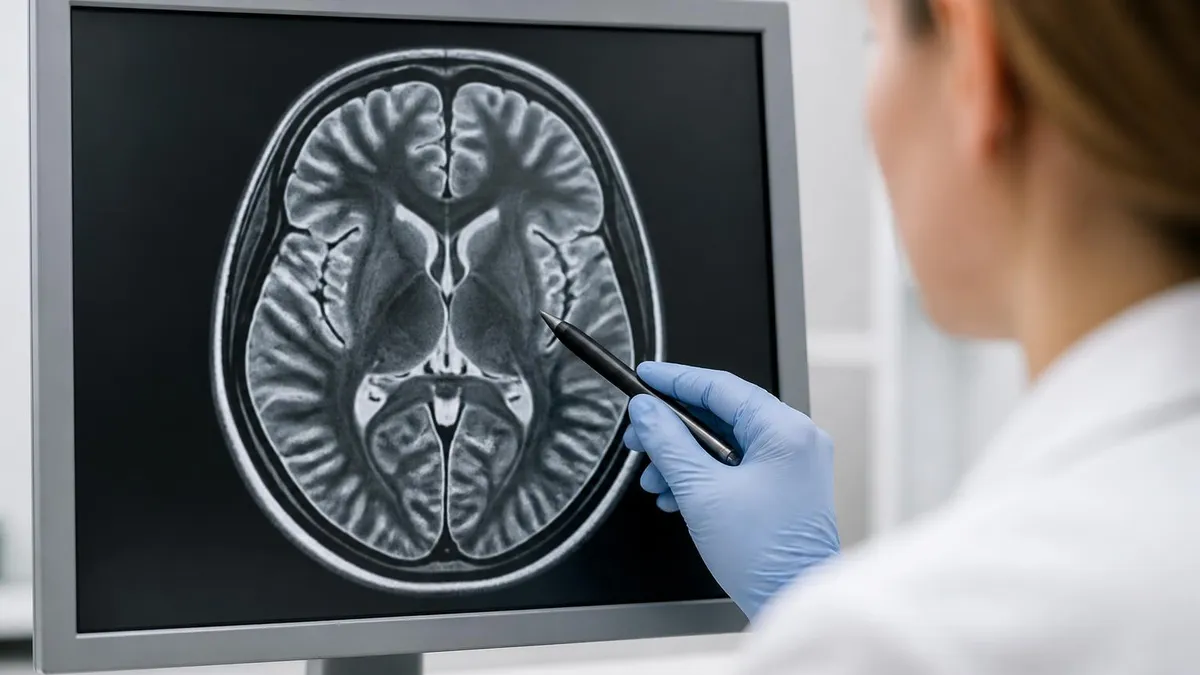
MRI Procedure Length by Body Part
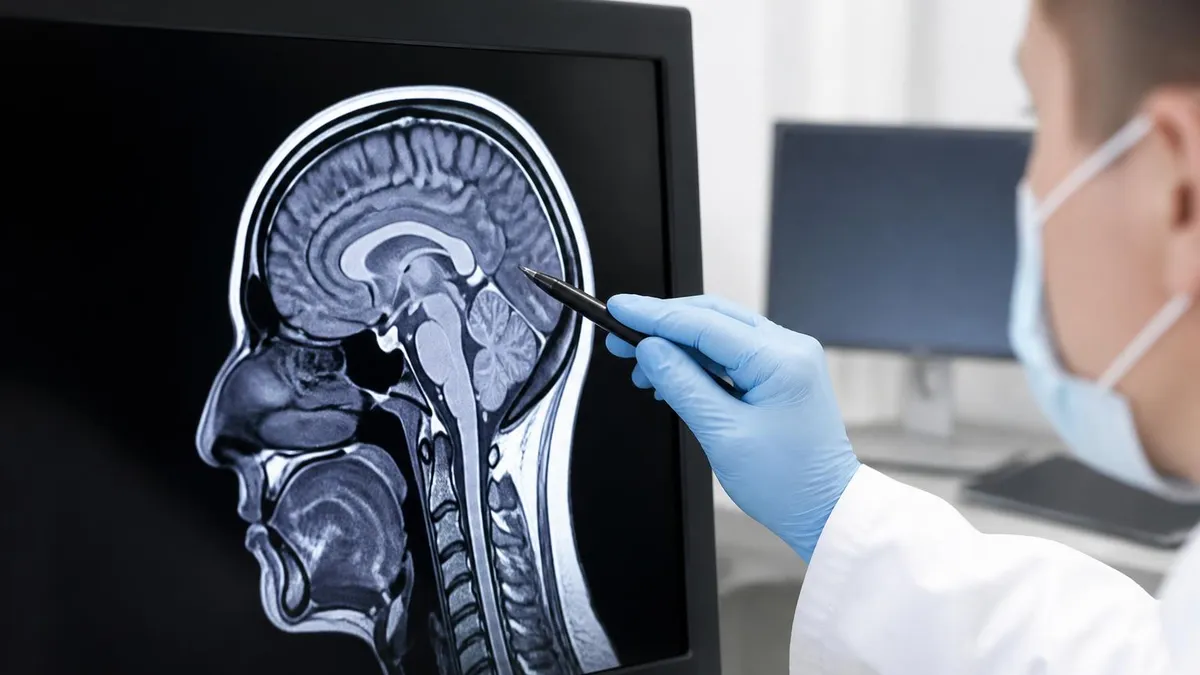
Head and Brain MRI
Spine MRI
Joint and Extremity MRI
Abdomen and Pelvis MRI
Cardiac and Vascular MRI
Breast and Whole Body
Knowing how long do MRI scans take starts with understanding everything that happens before you even enter the magnet room. The pre-scan workflow at most imaging centers follows a predictable rhythm that adds 20 to 40 minutes to your visit, and skipping or rushing any step compromises image quality or safety. Arriving prepared can shave significant time off this front-end process.
Registration and paperwork come first. Even with online pre-registration, expect 5 to 10 minutes confirming insurance, signing consent forms, and reviewing the order with the front desk. Some facilities collect copays at this point, and any discrepancy between the ordering physician's request and your insurance authorization can stall the process. Bring a photo ID, insurance card, and the written order if your doctor's office did not fax it directly.
The MRI safety screening questionnaire is the most important pre-scan step. You will answer 30 to 50 questions about implants, surgical history, pregnancy, kidney function, allergies, and any metal exposure from previous jobs or injuries. Patients with pacemakers, cochlear implants, aneurysm clips, or shrapnel may require additional research to confirm MRI compatibility, which can take 15 minutes to several days depending on documentation.
Changing rooms add another 5 to 10 minutes. You must remove all metal including jewelry, watches, hairpins, underwire bras, and clothing with metal zippers or snaps. Most facilities provide a gown and lockers, but some allow you to wear metal-free workout clothes if you ask in advance. Hearing aids, dentures with metal, and even certain tattoo inks need to be discussed before you enter the magnet room.
If contrast is ordered, a nurse or technologist will place an IV catheter, usually in your arm or hand. This adds 5 to 10 minutes, plus a quick check of your kidney function via recent bloodwork. Patients with reduced kidney function may need an alternative contrast agent or additional consent for nephrogenic systemic fibrosis risk discussion. The IV stays in throughout the scan and is removed afterward.
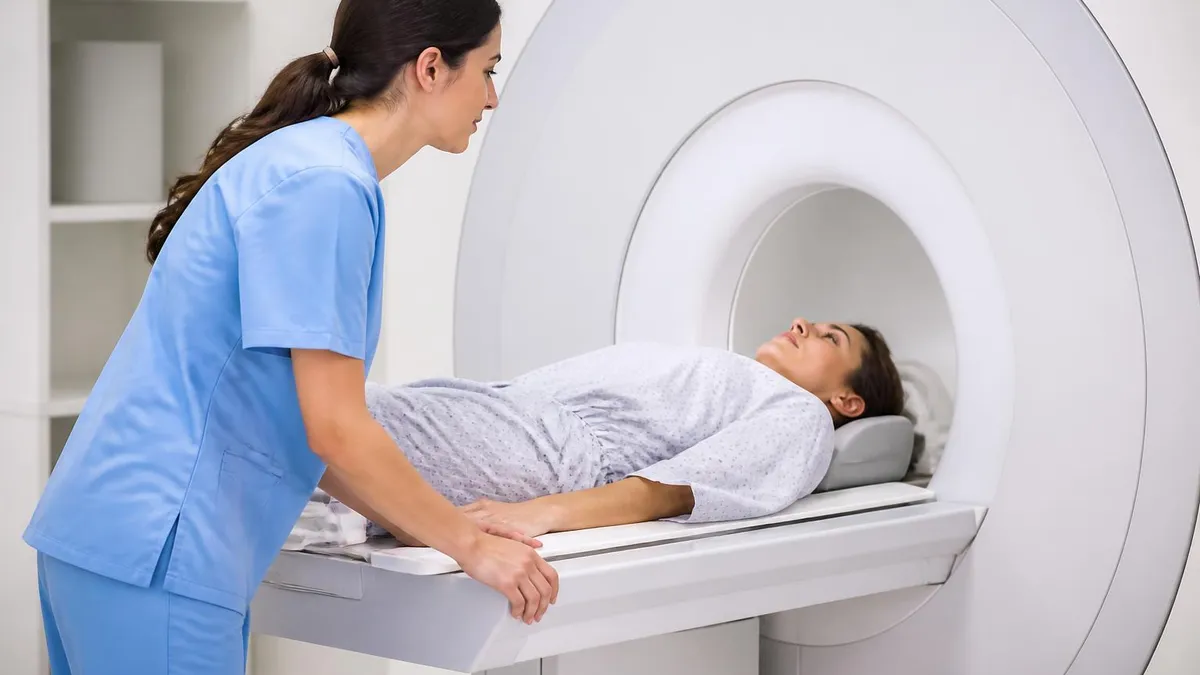
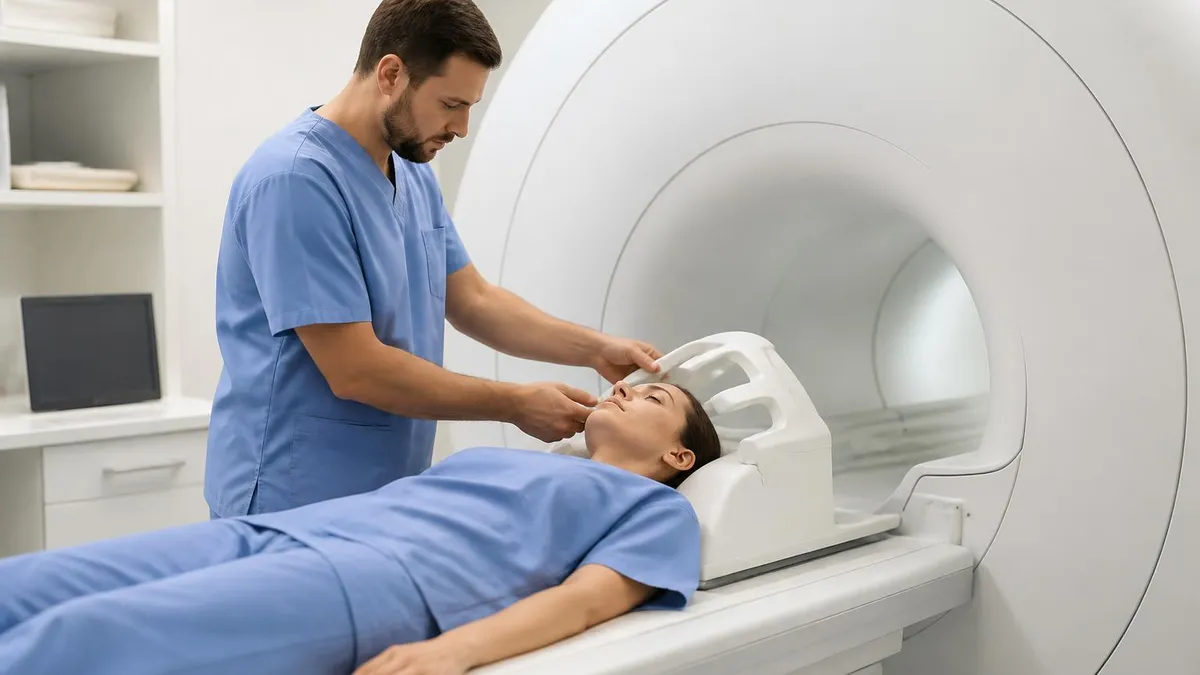
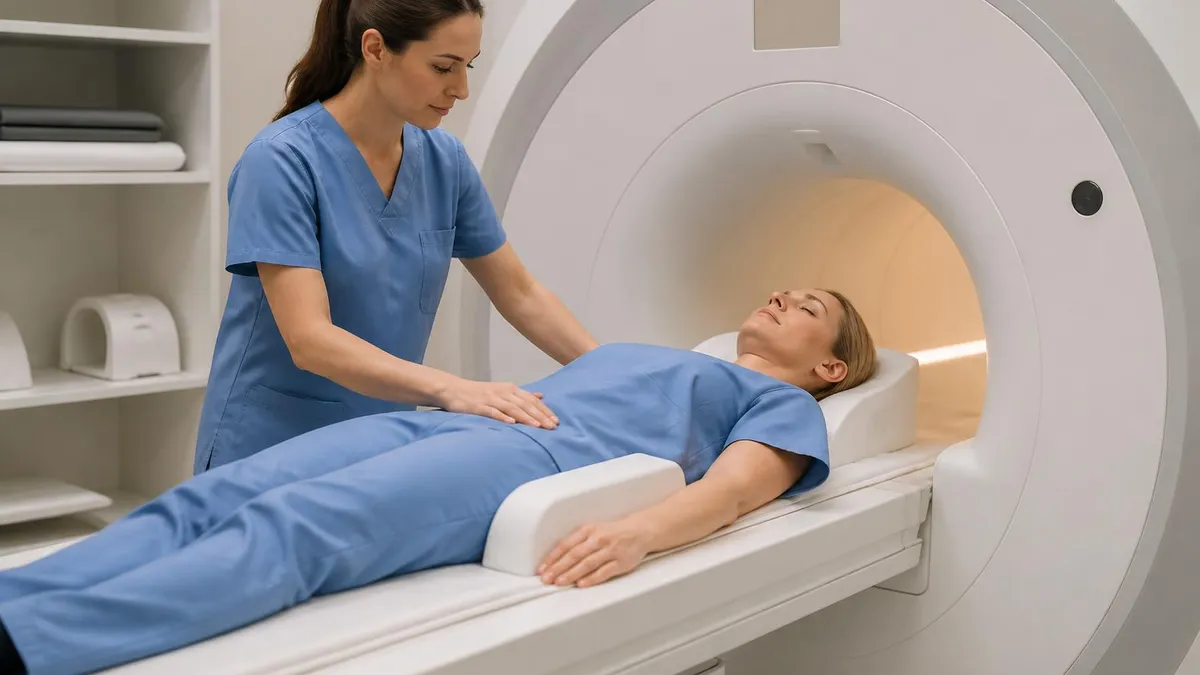
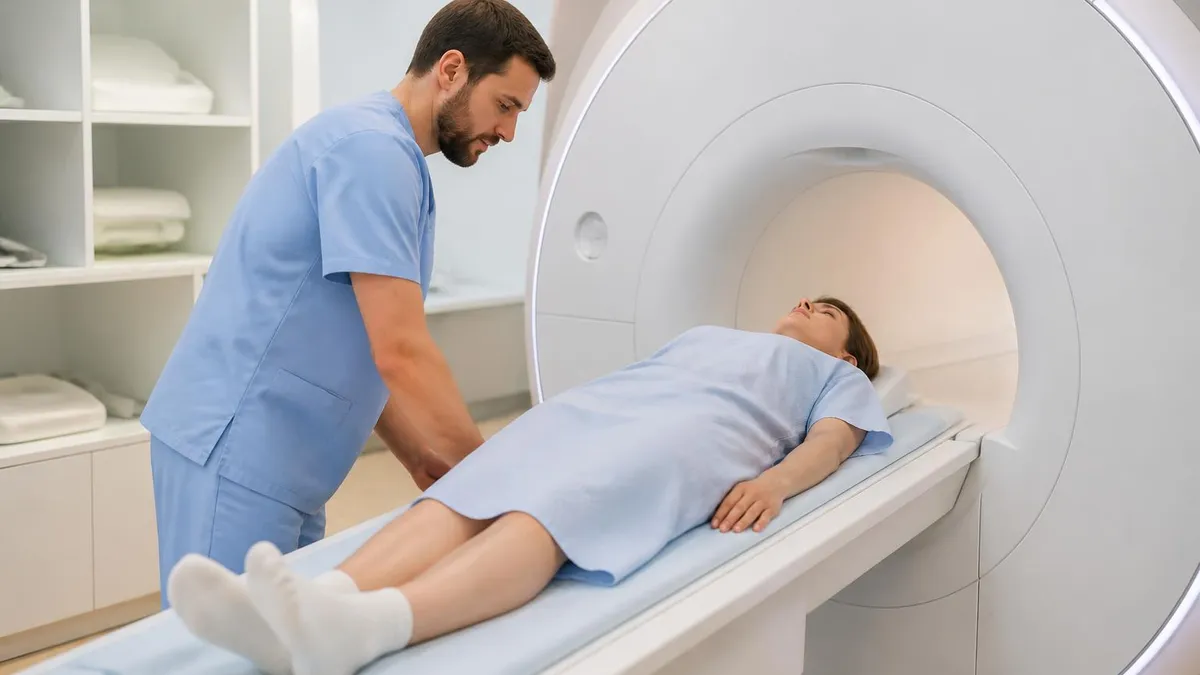
Finally, the technologist will explain the exam, position you on the table, and place coils over the body part being imaged. Coils are receiver antennas that capture signal from your tissue. Proper positioning takes 3 to 8 minutes because alignment directly affects image quality. Once you are centered in the bore, the scanner runs a quick localizer sequence to confirm coverage before the diagnostic sequences begin.
For patients curious about how MRI compares to other imaging, learning about what MRI can detect helps explain why some exams take longer than others. More complex diagnostic questions require more sequences, and more sequences mean more time. Understanding this connection between clinical question and protocol length helps you plan realistically.
MRI Practice Test Questions
Prepare for the MRI - Magnetic Resonance Imaging exam with our free practice test modules. Each quiz covers key topics to help you pass on your first try.
MRI Knowledge
MRI Exam Questions covering Knowledge. Master MRI Test concepts for certification prep.
MRI Physics
Free MRI Practice Test featuring Physics. Improve your MRI Exam score with mock test prep.
MRI Anatomy and Pathology
MRI Test Prep for MRI Anatomy and Pathology. Practice MRI Quiz questions and boost your score.
MRI Anatomy and Positioning
MRI Questions and Answers on MRI Anatomy and Positioning. Free MRI practice for exam readiness.
MRI Contrast Agents
Free MRI Quiz on MRI Contrast Agents. MRI Exam prep questions with detailed explanations.
MRI Patient Care and Positioning
MRI Practice Questions for MRI Patient Care and Positioning. Build confidence for your MRI certification exam.
With vs Without Contrast: How Long MRI Scans Take
Non-contrast MRI exams are the fastest option and work well for many musculoskeletal, spine, and brain indications. A typical non-contrast study runs 20 to 40 minutes depending on body part and number of sequences ordered. Because there is no IV placement, no waiting for injection timing, and no post-contrast sequences, the workflow stays simple.
Common non-contrast indications include knee meniscus tears, lumbar disc herniations, stroke evaluation with diffusion weighted imaging, and routine joint pain workups. If your physician specifically wrote MRI without contrast on the order, do not request contrast yourself because additional sequences add time and gadolinium exposure that may not be clinically necessary for your diagnosis.
Pros and Cons of Longer Versus Shorter MRI Protocols
- +Longer multi-sequence protocols catch subtle pathology that fast scans miss
- +Contrast-enhanced studies provide critical information about tumors, infection, and inflammation
- +More sequences mean radiologists can confirm findings across multiple imaging contrasts
- +Comprehensive protocols often eliminate the need for repeat scans or additional imaging
- +Modern accelerated sequences let facilities add coverage without adding much time
- +Detailed scans support more confident diagnoses and better treatment planning
- −Patients with claustrophobia struggle to tolerate scans lasting over 45 minutes
- −Movement during long scans forces repeat sequences and extends total time
- −Contrast adds cost, IV placement, and rare risk of allergic reaction
- −Longer appointments require more time off work and child care arrangements
- −Pediatric patients often need sedation for any scan longer than 20 minutes
- −Scheduling delays cascade when one patient's complex protocol runs over the slot
How to Prepare So Your MRI Scan Takes Less Time
- ✓Complete online pre-registration and insurance verification at least 24 hours in advance
- ✓Arrive 20 to 30 minutes before your scheduled scan time
- ✓Wear loose metal-free clothing or be ready to change into a gown
- ✓Remove all jewelry, watches, hairpins, and piercings before leaving home
- ✓Bring a list of any implants, surgical hardware, or metal exposure history
- ✓Eat a light meal unless your protocol requires fasting for abdominal imaging
- ✓Use the restroom right before entering the magnet room
- ✓Take prescribed anti-anxiety medication on schedule if you have claustrophobia
- ✓Bring earplugs or ask about music headphones to make holding still easier
- ✓Practice slow breathing techniques the day before to help with breath-holds
Movement is the single biggest cause of unexpectedly long scans
Every time a patient moves during a sequence, the technologist must repeat that entire sequence, adding 2 to 8 minutes per repeat. Patients who shift positions repeatedly can turn a scheduled 30-minute scan into a 50-minute ordeal. Focused breathing, closed eyes, and earplugs dramatically improve stillness and keep your appointment on schedule.
Several factors can dramatically extend how long your MRI takes, and most of them are predictable if you understand them in advance. The single biggest variable is patient cooperation, but equipment, protocol complexity, and clinical urgency all play roles in determining whether your scan finishes in 20 minutes or stretches to over an hour. Knowing these factors helps you advocate for yourself and set realistic expectations.
Patient movement tops the list of time-killers. MRI is exquisitely sensitive to motion, and even small shifts blur the images enough that the technologist must repeat the sequence. A cough, a sneeze, swallowing too hard, or shifting your shoulders can ruin two to eight minutes of imaging. This is why the technologist repeatedly reminds you to hold still, and why padding and immobilization devices are used aggressively for body parts that are hard to keep stationary.
Claustrophobia and anxiety add time at multiple points. Patients who panic during the scan may need to come out for reassurance, restart sequences, or take oral anti-anxiety medication that requires 30 to 60 minutes to take effect. Severe claustrophobia sometimes requires switching to a wide bore MRI machine or even an open scanner, which means rescheduling at a different facility. Discussing anxiety with your doctor before the appointment lets you arrange premedication or sedation in advance.
Protocol complexity matters enormously. A radiologist who orders MR spectroscopy, diffusion tensor imaging, functional MRI, or dynamic contrast enhanced sequences adds significant time per study. Cardiac MRI with cine imaging, perfusion, and viability assessment routinely runs 75 to 90 minutes. Multi-station whole body MRI for myeloma or melanoma surveillance can take over an hour because the scanner must image multiple body regions and combine them into a single dataset.
Equipment generation makes a real difference. A 1.5T scanner from 15 years ago acquires images more slowly than a current generation 3T with multi-channel coils and AI reconstruction. Older machines may also have less efficient cooling that requires brief pauses between sequences. If your facility offers both options and clinical indication permits, the newer 3T scanner usually finishes the same study 20 to 30 percent faster.
Body habitus affects timing too. Larger patients sometimes require larger fields of view and additional averaging to maintain image quality, which slows the scan. Patients who cannot lie flat due to back pain, breathing difficulty, or musculoskeletal limitations may need to come out for breaks. Pregnant patients in the second or third trimester often need lateral positioning that complicates coil placement and adds setup time.
Finally, technical issues happen. The scanner may need to recalibrate, a coil may need to be repositioned, or the radiologist on call may request additional sequences after reviewing the initial images. These additions are usually clinically valuable because they answer the specific question your doctor asked, but they can add 10 to 20 minutes to your appointment without warning. Patience pays off when extra imaging prevents a repeat visit.
Many imaging centers schedule MRI slots tight to maximize throughput, leaving little buffer if your scan runs long. If you have a hard appointment after your MRI, tell the scheduler your timing constraints and book the first slot of the day when delays have not yet accumulated. Friday afternoons often run furthest behind schedule.
Several legitimate strategies can shorten your time at the imaging center without compromising diagnostic quality. The goal is not to rush the radiologist or skip safety steps, but to eliminate avoidable delays, choose protocols wisely, and reduce the friction that turns a 30-minute scan into a two-hour visit. These tips work whether you are scheduling a routine knee MRI or a complex cardiac study.
Choose the right facility for your scan. Hospital outpatient imaging centers often run slower than dedicated freestanding MRI clinics because hospitals juggle inpatient emergencies that interrupt outpatient schedules. Freestanding centers also tend to have newer equipment and tighter workflows. Ask your insurance company which in-network facilities can perform your specific study, then compare wait times, equipment generation, and patient reviews before booking.
Schedule strategically. The first appointment of the day rarely runs late because no prior delays have accumulated. Avoid the post-lunch slot when staff returns from breaks slightly behind schedule. Avoid scheduling immediately after a known long protocol like cardiac or whole body MRI if you are sensitive to wait times. Some facilities offer evening or weekend appointments with shorter wait lists and faster throughput.
Communicate any concerns before the appointment. If you know you have claustrophobia, ask about premedication or sedation options in advance. If you have implants, gather documentation about the device model and MRI compatibility before you arrive. Reviewing full body MRI protocols with the scheduler ahead of time helps the facility allocate the right slot length for your specific clinical question.
Practice stillness at home. The most powerful skill for shortening MRI time is the ability to lie completely still for 5 to 8 minutes at a stretch. Practice on your couch with eyes closed, focusing on slow nasal breathing. Some patients find that mentally counting backwards, reciting a song, or visualizing a peaceful scene helps them stay relaxed. Earplugs and music headphones provided by most facilities make this much easier.
Stay hydrated but not overly full. Drink water during the day before your scan, but avoid large quantities right before the appointment because needing to use the restroom mid-scan forces protocol interruption. For abdominal mri cpt code requiring fasting, follow instructions precisely because residual food can degrade image quality and require additional sequences. For contrast studies, good hydration also helps your kidneys clear the gadolinium more efficiently afterward.
Bring distraction tools. Many modern scanners offer in-bore video goggles, music streaming, and mirror systems that let you see out of the magnet. Ask in advance what your facility offers, then pick something engaging. Boredom amplifies anxiety, and anxiety leads to movement. A favorite playlist or audiobook can transform a 45-minute scan from torture into tolerable downtime, especially when you have control over the volume and content.
Plan your recovery time honestly. Even a routine scan leaves some patients feeling tired, mildly disoriented, or chilled from lying still in a cold room. Arrange a ride home if you received any sedation. Block 30 minutes after your scheduled scan end time before any important meeting or appointment. Treating MRI as the major event of your morning rather than squeezing it between other commitments protects you from cascading stress if the scan runs long.
Once your MRI is complete, the question shifts from how long does the scan take to how long until you get results. The scanning portion ends when the technologist walks in, removes the coil, and helps you off the table, but the diagnostic journey continues behind the scenes. Understanding this post-scan timeline helps you set realistic expectations and follow up appropriately with your ordering physician.
Most outpatient MRI scans are interpreted within 24 to 48 hours of acquisition. Radiologists work through a queue of studies prioritized by clinical urgency, with stat reads typically completed within an hour and routine outpatient scans read by the end of the next business day. Your images are uploaded to the picture archiving system immediately after the scan, then the radiologist pulls them up alongside any prior imaging for comparison before dictating the report.
The written report goes to your ordering physician through the electronic medical record or fax. Many practices wait until the doctor has personally reviewed the report before contacting you, which can add 1 to 5 business days to the total turnaround. Patient portals like MyChart often release imaging reports automatically after a short delay, letting you see results before your follow-up appointment. Reading these reports yourself can be confusing because radiology language is highly technical.
For complex findings, your physician may request a phone consultation with the radiologist or a multidisciplinary team review. This is common for cancer staging, complicated orthopedic injuries, or unexpected incidental findings. Reviewing common MRI findings helps you understand what the radiologist is looking for in different body parts and why certain incidental discoveries lead to additional workup or surveillance imaging recommendations.
If you need a CD or USB drive with your images for a specialist appointment, request it before leaving the imaging center. Most facilities can burn the disc the same day, while others mail it within 5 to 7 business days. Patient portals increasingly offer direct DICOM download, eliminating the need for physical media. Bringing your own imaging to consultations saves your specialist from having to wait for outside records to arrive.
Repeat or follow-up imaging deserves planning. If your radiologist recommends a six-month follow-up MRI to monitor a stable finding, schedule that appointment promptly while you remember the timing. Insurance pre-authorization for repeat scans can take 5 to 10 business days, so requesting authorization several weeks before the actual scan date prevents last-minute cancellations. Keep a personal file of dates, body parts, contrast use, and key findings to streamline future appointments.
Finally, remember that the time invested in a thorough MRI almost always pays off in diagnostic accuracy. A 45-minute scan that answers your physician's question definitively is far more valuable than a quick scan that produces ambiguous images requiring repeat imaging. Trust the protocol your radiologist designed, ask questions if you do not understand why certain sequences are needed, and treat the appointment as a critical step toward the right diagnosis and treatment plan.
MRI Questions and Answers
About the Author

Medical Laboratory Scientist & Clinical Certification Expert
Johns Hopkins UniversityDr. Sandra Kim holds a PhD in Clinical Laboratory Science from Johns Hopkins University and is certified as a Medical Technologist (MT) and Medical Laboratory Scientist (MLS) through ASCP. With 16 years of clinical laboratory experience spanning hematology, microbiology, and molecular diagnostics, she prepares candidates for ASCP board exams, MLT, MLS, and specialist certification tests.
Join the Discussion
Connect with other students preparing for this exam. Share tips, ask questions, and get advice from people who have been there.
View discussion (8 replies)