
Wide Bore MRI 2026 October
Wide bore MRI scanner has 70 to 75 centimeter opening for claustrophobic or larger patients. Compare wide bore versus traditional MRI options. 💯
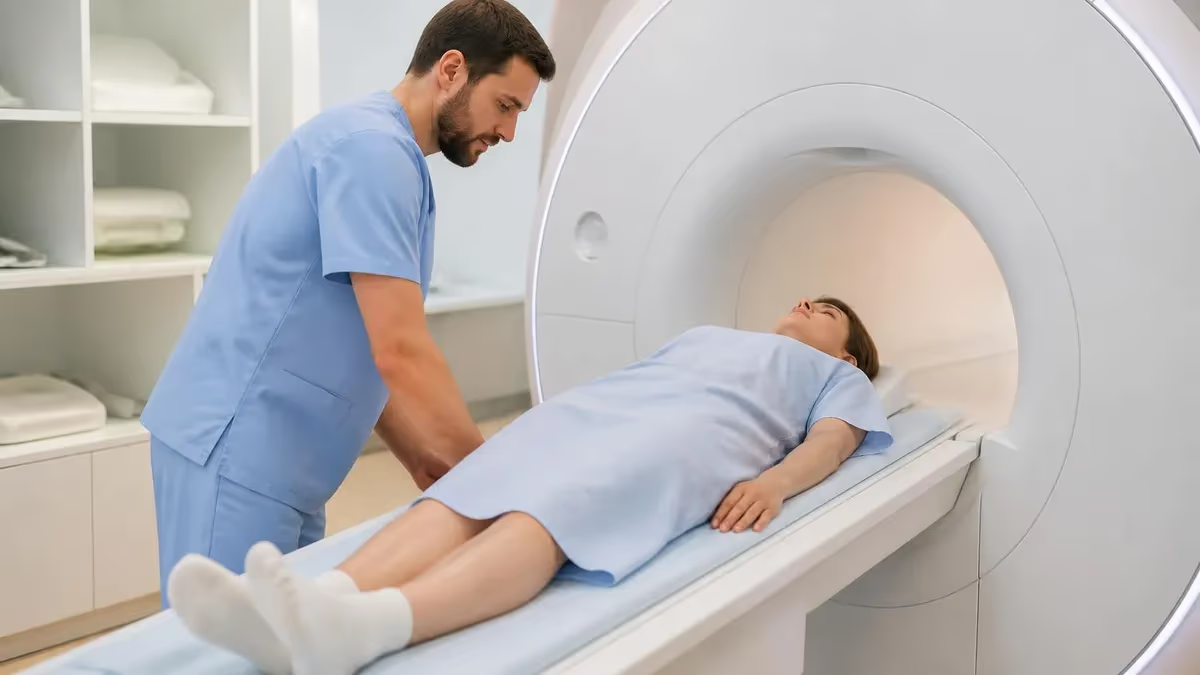
Wide bore MRI scanners feature larger openings than traditional MRI scanners providing more space for patients during scanning. Traditional MRI scanners have approximately 60 centimeter bore diameter that some patients find confining particularly those with claustrophobia, larger body sizes, or anxiety about enclosed spaces. Wide bore MRI scanners offer 70 to 75 centimeter bore diameter providing approximately 25 percent more space for patients during scanning. The larger opening accommodates more patient body types and supports more comfortable scanning experience for many patients who might otherwise struggle with conventional MRI.
Understanding wide bore MRI helps patients make informed decisions about scanning options. Many imaging centers offer both traditional and wide bore MRI options though specific availability varies across facilities. Discussing options with healthcare providers and imaging centers supports informed choices matching specific patient needs. The wide bore option benefits many patients who would otherwise require sedation, anesthesia, or alternative imaging approaches due to discomfort with traditional MRI scanners. Discussing wide bore availability during scheduling supports better scanning experience matching individual patient circumstances and preferences.
This guide explains wide bore MRI scanners, how they differ from traditional MRI, advantages and limitations, specific patient situations benefiting from wide bore options, scanning experience differences, image quality considerations, scheduling considerations, costs, and various other factors affecting wide bore MRI decisions. Whether you have claustrophobia, larger body size, or simply prefer more comfortable scanning environment, understanding wide bore MRI helps you make informed decisions about imaging options supporting both diagnostic quality and patient comfort during what can otherwise be uncomfortable medical procedure.
Wide Bore MRI Key Statistics
Traditional MRI scanners use closed cylindrical design with approximately 60 centimeter bore diameter. The patient lies on a movable table that slides into the bore for scanning. The relatively narrow opening combined with the long tunnel length produces enclosed feeling that some patients find distressing. The strong magnetic field requires specific scanner geometry maintaining magnetic field uniformity for quality imaging. The traditional design has produced excellent imaging for decades though the patient experience challenges affect some patients substantially.
Wide bore MRI scanners use similar closed cylindrical design with larger bore diameter typically 70 to 75 centimeters. The larger opening provides more space around the patient producing less confined feeling during scanning. The wider design accommodates larger patient body sizes and provides more space for claustrophobic patients to tolerate scanning. Modern wide bore scanners maintain similar image quality to traditional scanners while providing more comfortable patient experience. The technology has improved substantially over recent years supporting both diagnostic quality and patient comfort during scanning.
Image quality differences between traditional and wide bore MRI scanners have decreased substantially with modern technology. Earlier wide bore scanners had some image quality compromises due to magnetic field uniformity challenges with larger bore design. Modern wide bore scanners use advanced gradient and shimming technology maintaining similar image quality to traditional scanners. Most diagnostic applications work equally well on either scanner type. Some specialty applications including specific research scans may still favor traditional scanners though clinical applications typically work well on either system.
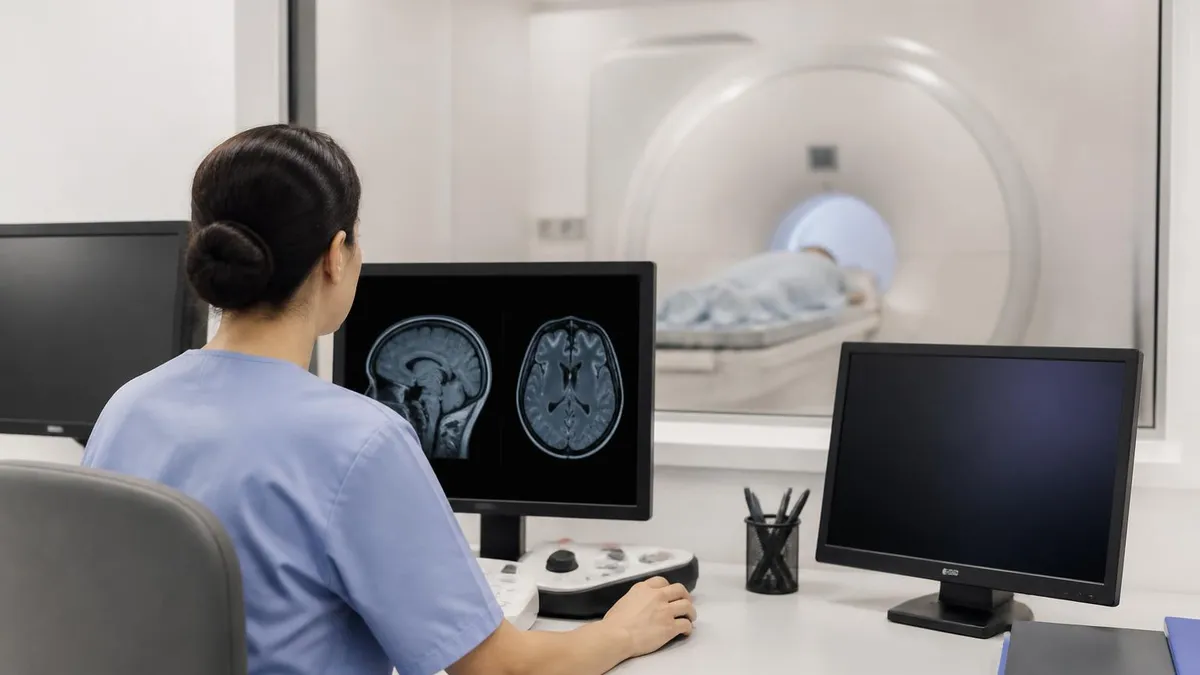
Wide bore MRI is different from open MRI scanner technology. Open MRI scanners have completely open design without enclosed bore using two separate magnet sections with the patient between them. Open MRI provides best claustrophobia accommodation though has lower magnetic field strength typically 0.3 to 0.7 Tesla producing lower image quality than closed scanners. Wide bore MRI maintains the closed cylindrical design with larger opening providing better claustrophobia accommodation than traditional MRI while maintaining diagnostic image quality of closed scanners. Both options serve specific patient needs depending on individual circumstances and diagnostic requirements affecting choice between options.
Claustrophobia represents the most common reason patients prefer wide bore MRI over traditional scanners. The fear of enclosed spaces affects approximately 10 percent of MRI patients to varying degrees producing anxiety, panic, or inability to complete scanning. Severe claustrophobia may prevent traditional MRI scanning entirely requiring sedation, anesthesia, or alternative imaging approaches. Wide bore MRI substantially reduces claustrophobia symptoms for many patients providing tolerable scanning experience without medications. The larger opening produces less enclosed feeling supporting better patient cooperation during scanning. Many patients who could not complete traditional MRI successfully complete wide bore MRI without difficulty.
Larger body size represents another common reason for wide bore MRI preference. Traditional MRI scanners accommodate patients up to approximately 350 pounds though larger patients may not fit comfortably or at all. Wide bore scanners typically accommodate patients up to 550 pounds though specific weight limits vary across scanner models. The larger bore diameter provides more space for larger body widths supporting scanning for patients who do not fit in traditional scanners. The accommodation extends MRI access to more patients supporting diagnostic care for various conditions across different body sizes.
Anxiety and panic disorders affect MRI experience for some patients beyond just specific claustrophobia. Generalized anxiety, panic disorder, post-traumatic stress disorder, and various other conditions may produce difficulty tolerating traditional MRI environment. The more confined feeling, scanner noise, and inability to move during scanning may trigger anxiety responses preventing scan completion. Wide bore MRI reduces anxiety-triggering aspects through more spacious environment supporting better scan tolerance. Many patients with anxiety conditions successfully complete wide bore MRI without medication intervention required for traditional scanners.
Specific Patient Groups Benefiting From Wide Bore MRI
Approximately 10 percent of MRI patients experience claustrophobia ranging from mild discomfort to severe panic. Wide bore design with 70 to 75 centimeter diameter substantially reduces enclosed feeling supporting better tolerance during scanning without sedation.
Patients above 350 pounds may not fit traditional MRI scanners while wide bore scanners accommodate up to 550 pounds. Specific weight and body width limits vary across scanner models affecting individual patient suitability for wide bore options.
Children may benefit from wide bore MRI through reduced anxiety about enclosed spaces. The larger opening supports parent presence in some situations providing emotional support during scanning. Many pediatric MRI departments offer wide bore options specifically for children.
Wide bore scanners support easier patient transfer onto scanning table and provide more space accommodating mobility devices, supports, and positioning needs for elderly patients or those with mobility limitations affecting traditional MRI access.
Patients with anxiety, panic disorders, PTSD, or other psychological conditions affecting MRI tolerance benefit from wide bore design. The reduced enclosed feeling decreases anxiety triggers supporting better scan tolerance without medication intervention.
Cardiac MRI patients with heart conditions may experience increased anxiety in traditional MRI. Wide bore options provide more comfortable cardiac MRI experience supporting better cooperation during specialized cardiac imaging protocols.
Image quality considerations remain important factor in wide bore versus traditional MRI decisions. Modern wide bore scanners produce excellent image quality for most diagnostic applications matching traditional scanner quality. Magnetic field uniformity, gradient strength, and coil technology have improved supporting comparable imaging on either scanner type. The choice between wide bore and traditional MRI rarely involves substantial image quality compromise for routine clinical applications. Specific specialty applications including specific neurological imaging, cardiac functional imaging, and research applications may favor traditional scanners though most clinical scans work well on either system.
Scanning time considerations may differ slightly between traditional and wide bore MRI for some applications. Some scanning protocols require slightly longer acquisition times on wide bore scanners due to gradient and field uniformity considerations though differences are usually minimal. Most clinical scans complete in similar timeframes on either scanner type. The patient comfort advantages of wide bore scanners often more than compensate for any minor time differences supporting better overall scanning experience. Discussing specific protocol timing with imaging center supports informed scheduling matching available time and clinical needs.
Cost considerations vary across facilities and insurance situations. Wide bore MRI typically costs similar amount to traditional MRI though specific facility pricing varies. Insurance coverage for wide bore MRI matches traditional MRI in most cases though some insurance plans may require specific authorization for wide bore options. Some imaging centers offer wide bore as standard option without premium pricing while other facilities may charge slightly more. Discussing costs and insurance coverage during scheduling supports informed financial decisions matching specific situations and coverage requirements.
Wide Bore MRI Experience Aspects
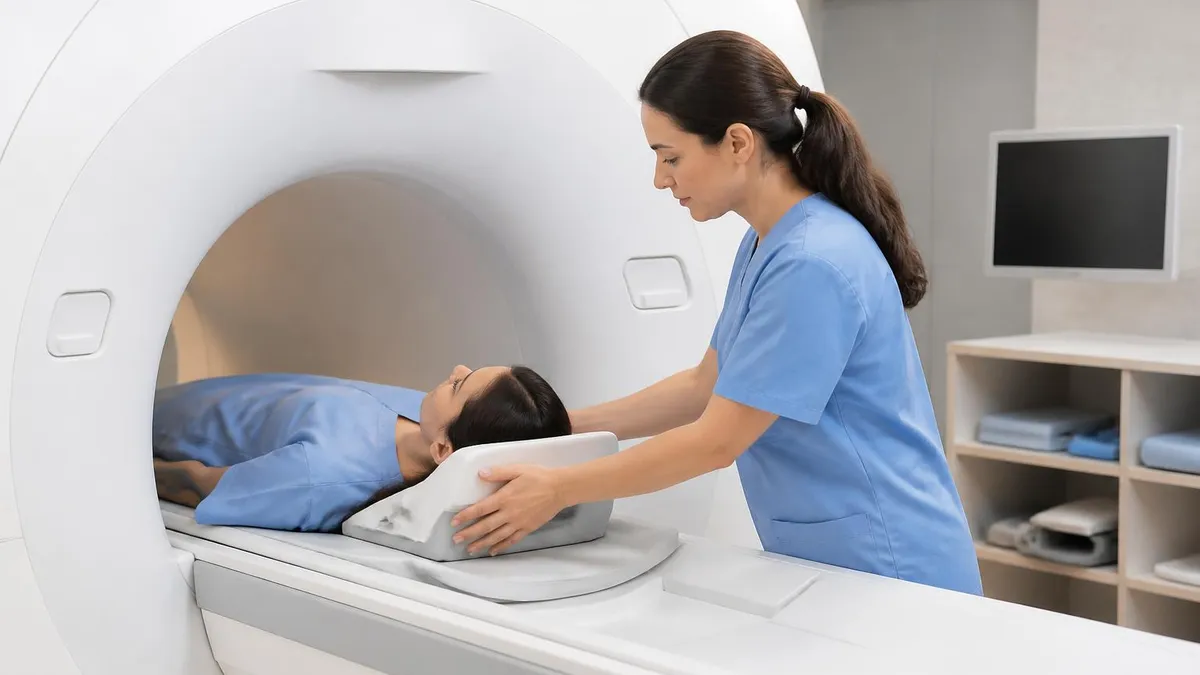
Patient positioning on wide bore MRI scanner follows similar process to traditional MRI. Patient lies on movable table that slides into the bore for scanning. The larger bore diameter provides more space around the patient supporting more comfortable positioning. Body region being scanned affects exact positioning details though general approach remains similar across scanner types. The technologist positions patient comfortably and adjusts coils for specific scanning needs supporting both image quality and patient comfort during scanning duration.
Magnetic field strength options for wide bore MRI scanners match traditional MRI options. The 1.5 Tesla wide bore scanners provide excellent imaging for most clinical applications matching 1.5 Tesla traditional scanner quality. The 3 Tesla wide bore scanners provide higher resolution and signal-to-noise ratio supporting more detailed imaging for neurological, musculoskeletal, and specialized applications. The 3 Tesla wide bore option combines higher field strength with patient comfort accommodations supporting both diagnostic excellence and patient experience. Discussing specific scan needs with imaging center supports informed scanner selection matching clinical requirements.
Contrast administration during wide bore MRI follows same procedures as traditional MRI. Gadolinium-based contrast agents may be administered through intravenous catheter when needed for specific imaging questions. The contrast administration timing relative to scanning matches traditional MRI protocols. Allergy considerations, kidney function requirements, and other safety considerations apply equally to wide bore and traditional MRI. The wide bore design does not affect contrast safety profile or imaging quality with contrast administration supporting same diagnostic capabilities as traditional MRI scanners.
Specialty applications work well on wide bore MRI scanners for most clinical needs. Neurological imaging including brain MRI, spine MRI, and various neurological applications produce excellent results on wide bore scanners. Musculoskeletal imaging including joint, bone, and soft tissue applications work well on wide bore scanners. Abdominal and pelvic imaging produces excellent results. Cardiac MRI works well on wide bore scanners particularly modern systems with cardiac-specific accommodations. Most clinical specialty applications have transitioned successfully to wide bore platforms supporting both diagnostic quality and patient comfort.
Wide bore MRI does not eliminate all considerations affecting traditional MRI. The same safety requirements apply including metal exclusions, pacemaker considerations, pregnancy considerations, and various other safety factors. The larger bore does not change magnetic field safety requirements. Pregnant patients, patients with specific implants, and patients with other contraindications may still need alternative imaging approaches. Discussing MRI safety with healthcare providers supports informed decisions about scanning approach regardless of wide bore versus traditional MRI considerations. The wide bore advantage applies to comfort and accommodation not to safety considerations affecting MRI scanning eligibility.
Pediatric wide bore MRI offers specific advantages for children requiring imaging. Children often experience more anxiety about MRI than adults due to unfamiliarity with medical procedures and difficulty understanding scanning purpose. The larger bore reduces enclosed feeling supporting better child cooperation during scanning. Some pediatric MRI departments offer wide bore as standard option recognizing the special needs of pediatric patients.
Parent presence during scanning may be more feasible with wide bore design in some situations supporting emotional support during child scanning. Various other pediatric accommodations including child life specialists, audio entertainment, and visual distractions combine with wide bore design supporting comprehensive pediatric MRI experience.
Bariatric patient considerations affect MRI access for larger patients. Body mass index above specific thresholds may exceed traditional MRI capabilities both in terms of bore diameter and table weight capacity. Wide bore scanners accommodate larger body widths supporting scanning for patients who do not fit traditional scanners. Specific scanner weight capacity ranges from 550 pounds typical for wide bore to 660 pounds for specific bariatric-optimized scanners. Body width measurements may affect specific scanner suitability beyond just weight considerations. Discussing body measurements with imaging center supports informed scheduling matching scanner capabilities.
Emergency MRI considerations may favor wide bore options for some situations. Acute medical situations requiring MRI may involve patients with limited tolerance for scanning environment due to medical co affecting cooperation. The wide bore reduces additional anxiety supporting better scan completion in challenging clinical situations. Some emergency departments specifically prefer wide bore MRI for emergency cases recognizing the patient benefit. Hospital infrastructure increasingly includes wide bore options recognizing the patient care advantages across various clinical situations affecting MRI access and tolerance.

Wide Bore MRI Suitability Checklist
- ✓Identify reasons for considering wide bore MRI including claustrophobia, body size, anxiety, or other concerns
- ✓Confirm wide bore MRI availability at preferred imaging centers in your area
- ✓Verify wide bore scanner field strength matches diagnostic needs whether 1.5T or 3T
- ✓Check insurance coverage for wide bore MRI and any authorization requirements
- ✓Discuss specific clinical imaging needs with referring provider for scanner type considerations
- ✓Verify scanner weight capacity if larger body size affects scanner selection
- ✓Review wide bore MRI scheduling availability for timely diagnostic care
- ✓Confirm same MRI safety screening requirements apply to wide bore options
- ✓Plan transportation for wide bore MRI same as traditional MRI considerations
- ✓Bring any prior imaging studies for comparison with current wide bore MRI results
Wide bore MRI availability varies across imaging facilities and geographic regions. Urban areas typically have multiple wide bore MRI options across hospitals and imaging centers. Rural areas may have fewer wide bore options requiring patients to travel for wide bore scanning. Some facilities offer only traditional MRI while others have transitioned entirely to wide bore platforms. Many facilities have mixed scanner inventory offering both options based on patient needs and clinical considerations. Discussing wide bore availability during scheduling supports informed location decisions if wide bore is important for specific patient situations.
Scheduling considerations may differ slightly for wide bore MRI in some facilities. High demand for wide bore options at facilities with limited wide bore capacity may produce longer scheduling waits compared to traditional MRI. Some facilities prioritize wide bore scheduling for patients with specific clinical needs while offering traditional MRI for routine scanning. The scheduling considerations vary substantially across facilities affecting timing decisions for specific patient situations. Discussing scheduling options during initial contact supports informed timing decisions matching urgent clinical needs versus elective scanning circumstances.
Patient preparation for wide bore MRI follows same protocols as traditional MRI. The wide bore option does not change preparation requirements including metal removal, screening forms, fasting requirements for contrast scans, and various other preparation aspects. Patients still need same comprehensive preparation regardless of scanner type. The wide bore advantage applies to scanning experience not to preparation requirements. Following all standard preparation protocols supports successful wide bore MRI matching the standard MRI preparation approach across scanner types.
Wide Bore MRI Pros and Cons
- + —
- + —
- + —
- + —
- + —
- + —
- + —
- + —
- − —
- − —
- − —
- − —
- − —
- − —
Decision making between wide bore MRI and alternatives benefits from individual circumstance consideration. Patients with mild claustrophobia may successfully tolerate traditional MRI with appropriate preparation including breathing exercises, eye masks, and music distraction. Wide bore MRI offers helpful accommodation for mild to moderate claustrophobia. Severe claustrophobia may require either sedation with traditional MRI or open MRI consideration depending on diagnostic needs. The decision involves balancing diagnostic quality requirements with patient comfort needs supporting both clinical care and patient experience. Discussing options with healthcare providers and imaging centers supports informed decisions matching specific patient circumstances.
Body size considerations affect wide bore decision making. Patients within traditional MRI weight and body width limits may choose either scanner type based on other factors. Patients exceeding traditional MRI limits may require wide bore as the only viable option for MRI scanning. Some patients exceed even wide bore limits requiring specialized bariatric MRI options or alternative imaging approaches including CT scanning. Discussing body measurements during scheduling supports informed scanner selection matching individual patient capabilities and available scanner options.
Quality of life considerations affect MRI decisions for some patients. Patients requiring multiple MRI scans over time for chronic conditions, cancer surveillance, or various other ongoing needs may benefit substantially from comfortable scanning experience supporting long-term care compliance. The wide bore advantage compounds over multiple scans supporting better long-term care experience. Patients with single emergency MRI may have less compelling wide bore preference though comfort still matters for individual experience. The cumulative comfort advantage supports wide bore preference for many chronic care situations affecting ongoing patient care needs.
MRI Questions and Answers
Future trends in MRI technology continue improving patient experience across both wide bore and traditional scanner platforms. Quieter scanning technology reduces noise burden during scanning supporting better patient comfort. Faster scanning protocols reduce time inside scanner reducing tolerance challenges. Enhanced patient communication and entertainment systems support better experience during scanning. Improved coil technology and shorter scanner designs reduce overall feeling of enclosure. The combination of technological improvements with wide bore design supports continuing improvement in MRI patient experience across various scanner platforms and clinical applications affecting patient care experience.
Patient education resources support informed MRI decisions about scanner options. Imaging centers, radiologists, healthcare providers, patient advocacy organizations, and various other sources provide information helping patients understand MRI options. The information supports better decision making matching individual patient circumstances and preferences. Asking specific questions during scheduling and consultation builds understanding supporting informed choices about scanner type, preparation approach, and other aspects affecting scanning experience. The investment in education supports better patient experience and clinical outcomes through informed participation in care decisions.
The wide bore MRI option represents important advance in MRI technology supporting better patient experience without sacrificing diagnostic quality. The larger bore diameter accommodates more patients comfortably reducing need for sedation, anesthesia, and alternative imaging approaches. Continuing technology improvements support both image quality and patient comfort across MRI platforms. Discussing wide bore options with healthcare providers and imaging centers supports informed scanning decisions matching individual needs and preferences. The investment in choosing appropriate MRI option supports better diagnostic care experience producing quality imaging information for clinical decision making affecting your medical care across various health situations requiring MRI scanning.
About the Author

Medical Laboratory Scientist & Clinical Certification Expert
Johns Hopkins UniversityDr. Sandra Kim holds a PhD in Clinical Laboratory Science from Johns Hopkins University and is certified as a Medical Technologist (MT) and Medical Laboratory Scientist (MLS) through ASCP. With 16 years of clinical laboratory experience spanning hematology, microbiology, and molecular diagnostics, she prepares candidates for ASCP board exams, MLT, MLS, and specialist certification tests.
Join the Discussion
Connect with other students preparing for this exam. Share tips, ask questions, and get advice from people who have been there.
View discussion (8 replies)