
MRI Facility Locations: Complete Guide to Finding US MRI Centers in Salt Lake and Beyond
US MRI Salt Lake and nationwide facility locations guide — find hospital, outpatient, and mobile MRI centers, pricing, and what to expect. ✍🏼
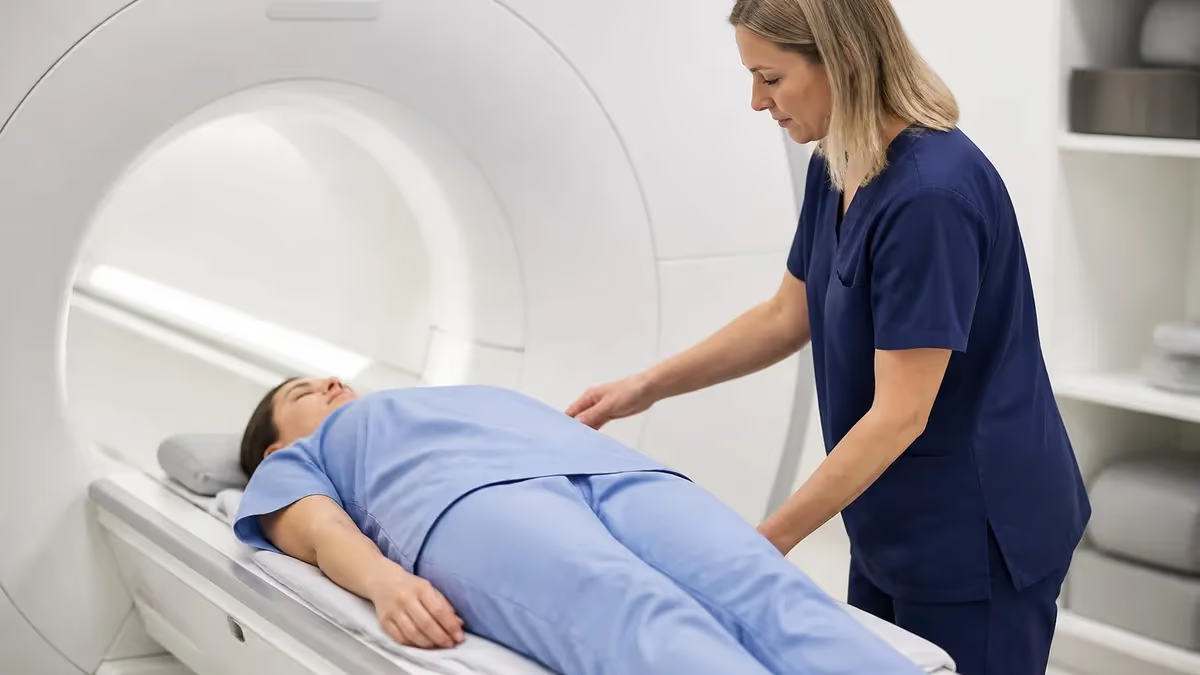
The us mri salt lake corridor, along with thousands of other imaging hubs across the country, forms one of the most extensive diagnostic networks in modern medicine. From large academic medical centers in Boston and Houston to community hospitals in rural Montana and dedicated outpatient suites in suburban strip malls, MRI facility locations have multiplied dramatically over the past two decades. Patients seeking high-field imaging today often have a dozen or more options within a 30-mile radius, each with different scanner strengths, scheduling windows, and price points worth comparing carefully.
Understanding where MRI services are offered — and how each setting differs — helps patients choose facilities that match their clinical needs and budget. A teaching hospital may operate a 3.0 Tesla wide-bore scanner suited for advanced neuroimaging, while a freestanding outpatient center half a mile away might run a 1.5T magnet ideal for routine joint studies at one-third the cost. The right location depends on your referring physician's protocol, your insurance network, and any claustrophobia or implant concerns you bring to the appointment.
Salt Lake City alone hosts more than two dozen MRI sites, ranging from University of Utah Health's research-grade scanners to RAYUS Radiology and Steward Health Care outpatient suites scattered through the valley. These locations collectively perform tens of thousands of scans yearly, supporting orthopedic surgeons, neurologists, oncologists, and primary care physicians across the Wasatch Front. Similar density exists in metropolitan markets like Phoenix, Denver, Atlanta, and the Tampa Bay region, where competition drives both quality improvements and price transparency among providers.
This guide walks through the major categories of MRI facility locations available in the United States, what distinguishes each setting, how pricing varies, and how to evaluate any location you're considering. We'll cover hospital-based imaging departments, freestanding outpatient centers, mobile MRI units that visit smaller communities on rotating schedules, and the growing network of physician-owned pictures of mri machines embedded within orthopedic and neurology practices. Each model has trade-offs in convenience, cost, and clinical capability.
For patients researching options, the choice often comes down to three practical factors: how quickly an appointment is available, whether your insurance covers the facility in-network, and whether the scanner technology matches the body part and pathology being investigated. A high-resolution shoulder MRI for suspected labral tear, for instance, benefits from a 3T magnet with a dedicated shoulder coil — equipment not universally available at every storefront location. Knowing what to ask before booking saves time and frustration.
Beyond the major metropolitan markets, MRI access has expanded into smaller cities through hospital outreach programs and mobile imaging fleets. Communities of 20,000 to 50,000 residents typically have at least one fixed MRI site, often within a regional medical center, while mobile units serve smaller towns on weekly or monthly schedules. This distribution has narrowed the urban-rural gap considerably, though mri results wait times and scanner options remain more limited outside major metros. Understanding this geography helps set realistic expectations.
By the end of this guide, you'll know how to identify and compare MRI facility locations in your area, what questions to ask schedulers, how to interpret pricing quotes, and which scanner characteristics matter most for common imaging indications. Whether you're a patient navigating a first scan, a referring clinician guiding patients toward appropriate sites, or a student studying imaging operations, the information here aims to make a complex landscape easier to navigate confidently.
MRI Facility Locations by the Numbers
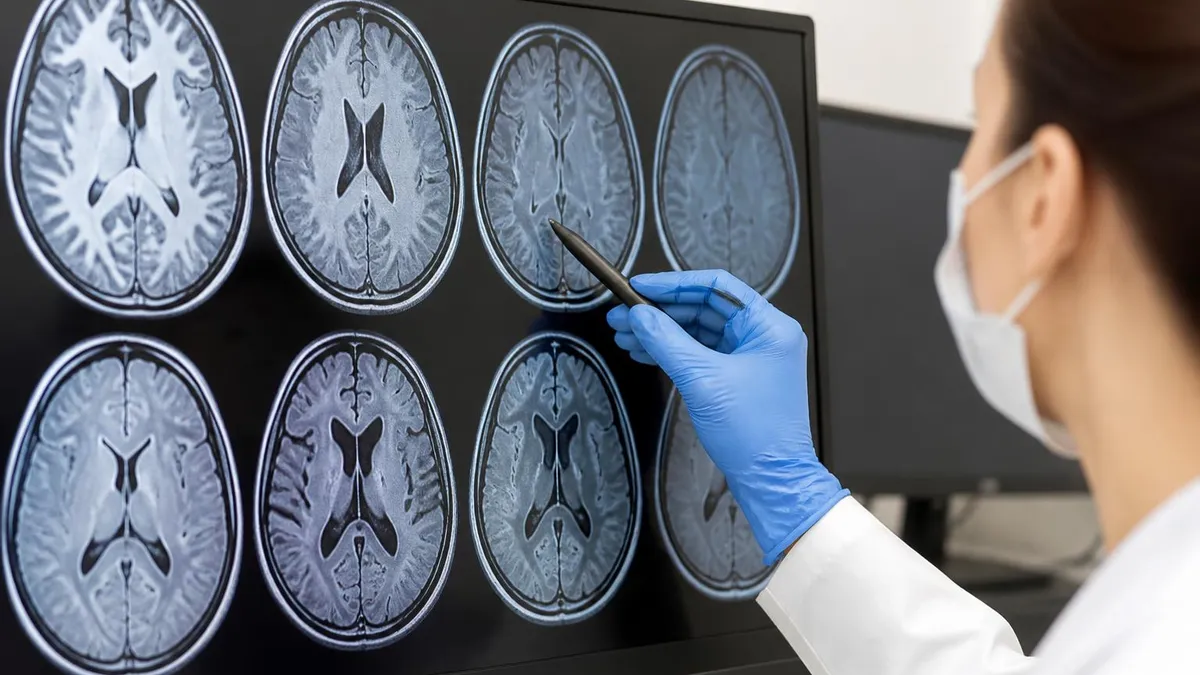
Types of MRI Facility Locations
Located within or attached to acute-care hospitals. Offer advanced scanners, on-site radiologists, and full subspecialty coverage. Best for complex cases, inpatients, and emergencies but typically priced highest.
Freestanding facilities focused exclusively on diagnostic imaging. Faster scheduling, lower cash prices, and convenient locations. Common chains include RAYUS, SimonMed, and Akumin operating nationwide.
MRI scanners embedded inside orthopedic, neurology, or spine practices. Convenient for established patients of the practice. Often use 1.5T extremity or open-bore scanners suited to specialty needs.
Trailer-mounted scanners that rotate among rural hospitals and clinics. Provide access in smaller markets where fixed installations are not economical. Quality matches fixed units for routine imaging.
University-affiliated facilities with research-grade 3T and 7T scanners. Offer cutting-edge sequences, fellowship-trained subspecialty radiologists, and access to clinical trials for advanced imaging needs.
The Salt Lake City metropolitan area illustrates how dense modern MRI networks have become. Within the city itself, University of Utah Health operates multiple scanners at its main hospital campus and the Huntsman Cancer Institute, with additional units at the South Jordan Health Center and Farmington Health Center. Intermountain Healthcare anchors a parallel network across the LDS Hospital, Intermountain Medical Center in Murray, and a string of community sites stretching from Layton to Saratoga Springs. Each of these facilities books thousands of scans annually for patients across northern Utah.
Layered onto the hospital systems is a robust outpatient market. RAYUS Radiology operates several Salt Lake locations offering both 1.5T and 3T scanning, often with same-week scheduling and transparent cash pricing. Steward Health Care, MountainStar Healthcare, and smaller independent groups round out the options. For patients with high-deductible insurance plans, comparing prices across these outpatient centers commonly reveals savings of $500 to $1,500 on a single scan compared to hospital-based pricing for the identical study.
Beyond Salt Lake, the geography of US MRI facility locations follows population density with some interesting exceptions. Major metros — New York, Los Angeles, Chicago, Houston, Dallas-Fort Worth, Phoenix, Atlanta, Miami, Boston — host hundreds of scanners each. Mid-sized cities like Nashville, Charlotte, Austin, Portland, and Indianapolis typically operate 40 to 80 fixed MRI installations across their metropolitan statistical areas. Smaller markets of 100,000 to 250,000 residents usually have between five and 15 sites, sufficient for routine imaging demand within a reasonable drive.
Rural access has improved significantly since the early 2000s thanks to mobile MRI providers like Shared Medical Services, Insight Health, and DMS Health. These companies operate fleets of semi-trailer-mounted scanners that visit critical access hospitals on rotating weekly schedules. A small county hospital that performed perhaps two dozen MRIs per year now hosts a mobile unit one or two days a week, eliminating the 90-minute drive patients previously needed to make. The same imaging quality you'd find at fixed sites is now delivered curbside.
Veteran Affairs medical centers, military treatment facilities, and Indian Health Service hospitals add another layer of MRI capacity, particularly in markets like San Antonio, Norfolk, San Diego, and the Four Corners region. These facilities primarily serve their enrolled populations but contribute meaningfully to the national imaging footprint. Many also participate in academic affiliations that share scanner time for research projects, training, and overflow scheduling during high-demand periods. To understand the equipment behind these facilities, the MRI Equipment guide provides a deeper technical look at scanners, coils, and components.
Beyond pure geography, certain regions have developed concentrations of specialty MRI capability. The Houston Medical Center hosts more 3T scanners per square mile than almost anywhere else in the country. Boston's Longwood Medical Area, Rochester Minnesota around the Mayo Clinic, and Baltimore around Johns Hopkins represent similar clusters of advanced imaging expertise. Patients facing complex diagnostic questions sometimes travel to these regional hubs for specialized cardiac, neurological, or musculoskeletal protocols not widely available elsewhere.
Knowing the lay of the land in your specific region helps set realistic expectations about wait times, scanner technology, and pricing. A first phone call to your insurance plan's nurse line or your physician's referral coordinator usually surfaces the in-network options within a reasonable distance, including any restrictions on which facilities they prefer. Online tools from FAIR Health Consumer and Turquoise Health also let patients compare facility prices side-by-side before scheduling, a meaningful improvement over the opaque pricing landscape of just a few years ago.
MRI Practice Test Questions
Prepare for the MRI - Magnetic Resonance Imaging exam with our free practice test modules. Each quiz covers key topics to help you pass on your first try.
MRI Knowledge
MRI Exam Questions covering Knowledge. Master MRI Test concepts for certification prep.
MRI Physics
Free MRI Practice Test featuring Physics. Improve your MRI Exam score with mock test prep.
MRI Anatomy and Pathology
MRI Test Prep for MRI Anatomy and Pathology. Practice MRI Quiz questions and boost your score.
MRI Anatomy and Positioning
MRI Questions and Answers on MRI Anatomy and Positioning. Free MRI practice for exam readiness.
MRI Contrast Agents
Free MRI Quiz on MRI Contrast Agents. MRI Exam prep questions with detailed explanations.
MRI Patient Care and Positioning
MRI Practice Questions for MRI Patient Care and Positioning. Build confidence for your MRI certification exam.
Choosing Among MRI Facility Locations
Hospital-based MRI facilities offer the highest level of clinical support, including immediate access to anesthesia, intensive care, and subspecialty radiologists fellowship-trained in neuroradiology, musculoskeletal imaging, or body imaging. They handle inpatients, post-operative patients, and complex cases requiring contrast monitoring or sedation. Scanner technology is usually top-tier, with 3T magnets and the latest software upgrades available.
The trade-off is cost and scheduling. Hospital MRIs commonly run two to four times higher than outpatient equivalents because of hospital overhead and facility fees billed separately from professional radiologist fees. Wait times can also stretch one to three weeks for non-urgent outpatient slots since inpatient and emergency cases take priority. For routine studies in stable patients, hospital settings may be overkill.
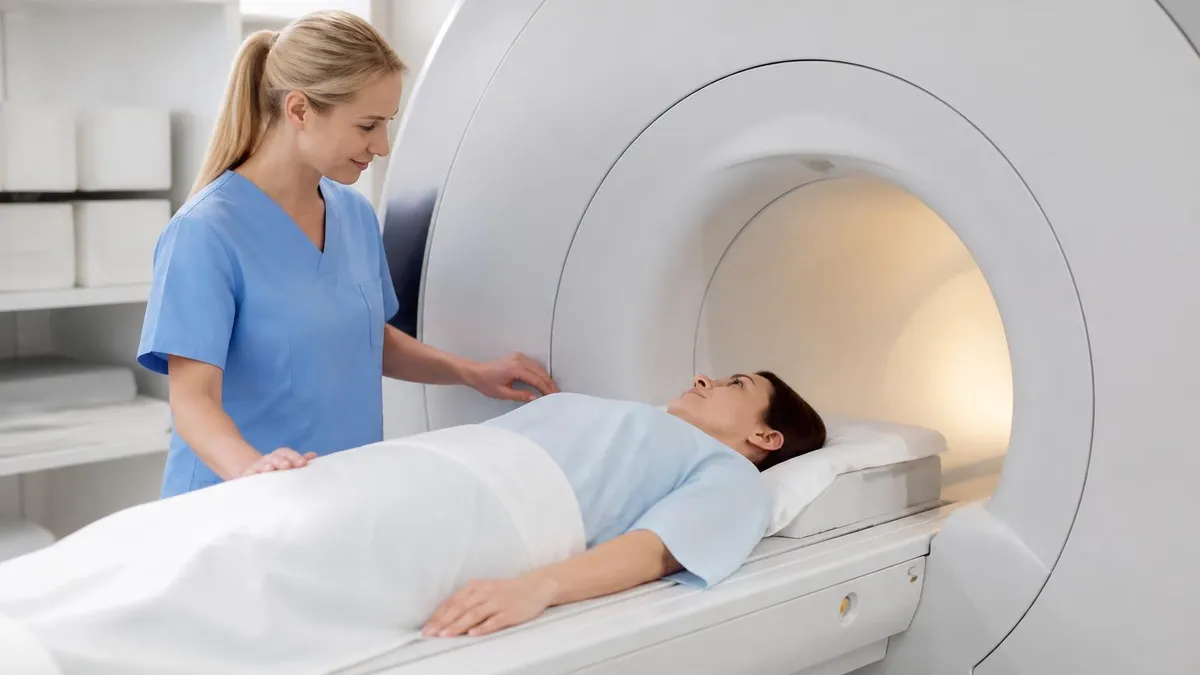
Hospital vs Outpatient MRI Locations
- +Outpatient centers typically cost 50–75% less than hospital MRIs
- +Faster scheduling, often within a few days at outpatient sites
- +Free or validated parking at most freestanding facilities
- +Transparent cash pricing increasingly available online
- +Dedicated diagnostic environment without hospital chaos
- +Evening and weekend hours common at outpatient locations
- +Subspecialty radiologists still read studies remotely
- −Outpatient centers may lack sedation or anesthesia services
- −Limited capacity for contrast reactions or medical emergencies
- −Fewer ultra-high-field 3T or 7T scanners outside hospitals
- −Complex protocols may only be offered at academic centers
- −Insurance networks may steer patients to specific facilities
- −Mobile MRI units offer limited days per week in rural areas
Booking Checklist for Any US MRI Salt Lake or National Facility
- ✓Confirm the facility is in-network with your specific insurance plan
- ✓Ask whether the scanner is 1.5T or 3T and whether it's wide-bore
- ✓Verify whether contrast (gadolinium) is needed for your study
- ✓Request a cash-pay quote if your deductible has not been met
- ✓Ask how soon images and report are sent to your referring physician
- ✓Confirm any implants, devices, or surgical history are MRI-safe
- ✓Check parking, building access, and arrival time requirements
- ✓Ask about pre-scan fasting or medication-hold instructions
- ✓Inquire whether sedation is available if you have claustrophobia
- ✓Save the facility's phone number for any pre-scan questions
Identical scans, very different prices
A lumbar spine MRI without contrast can cost $450 at a Salt Lake outpatient center and $2,800 at a hospital across the street — same protocol, same image quality, same radiologist group reading the study. Always shop before scheduling, especially if you're paying out of pocket or have a high-deductible plan.
Pricing for MRI in the United States varies more dramatically than almost any other medical service. The same lumbar spine MRI without contrast might cost $400 at one Salt Lake City outpatient center and $3,000 at the hospital across the street. The variation stems from a complicated mix of hospital chargemaster pricing, facility fees, insurance contract rates, and regional market dynamics. Patients who shop before scheduling routinely save hundreds to thousands of dollars, especially when paying cash or working toward an unmet deductible.
Insurance coverage rules are the first variable to understand. Most commercial plans require prior authorization for MRI, particularly for non-urgent musculoskeletal and spinal imaging, with criteria reviewed by a third-party radiology benefits manager. Once authorized, the scan must be performed at an in-network facility to avoid surprise out-of-network billing. Some plans go further and use site-of-service rules that limit coverage to designated outpatient centers unless medically necessary at a hospital, a trend that has expanded considerably.
Medicare pricing follows national fee schedules with regional adjustments. A Medicare patient at any US facility pays the same Medicare-approved amount minus their Part B deductible and 20% coinsurance, often covered by a Medigap policy. Medicare Advantage plans, however, layer their own network restrictions and prior authorization requirements on top of traditional Medicare rules. Veterans using VA coverage typically receive scans at VA facilities or through the Veterans Community Care Program with limited out-of-pocket cost.
For cash-pay patients without insurance — or those whose plans don't cover the specific indication — direct negotiation with imaging centers is increasingly common. Many outpatient facilities offer self-pay rates 60% to 80% below their gross charges, particularly for elective imaging scheduled in advance. Asking the simple question "What's your cash price for this study?" before scheduling can yield substantial savings. Sites like FAIR Health Consumer and Turquoise Health publish reference prices to help calibrate expectations regionally.
Hospital pricing transparency rules now require US hospitals to publish negotiated rates and cash prices online, though the data is often buried in difficult-to-parse spreadsheets. Third-party tools that aggregate this data have improved access dramatically over the past three years. Patients seeking a specific procedure code — such as 72148 for lumbar MRI without contrast — can now compare rates across multiple facilities within a region before booking, a level of transparency that didn't exist in the imaging market historically.
Health Savings Accounts (HSAs) and Flexible Spending Accounts (FSAs) cover MRI costs, including coinsurance, deductibles, and any cash-pay amounts. Patients with these accounts can effectively pay for MRI with pre-tax dollars, saving 22% to 37% depending on their tax bracket. Some employers' high-deductible plans also offer health reimbursement arrangements that further offset imaging costs. Knowing your account balances and contribution limits before scheduling helps optimize the financial outcome of a planned scan.
Ultimately, the cheapest facility isn't always the right choice. A truly bargain-priced scan at an underequipped site may yield non-diagnostic images that require repeat imaging elsewhere, doubling both cost and radiation-free wait time. The sweet spot is a high-quality outpatient center with current 1.5T or 3T technology, fellowship-trained radiologists reading the studies, and transparent pricing in line with regional norms. That combination delivers the best diagnostic value for the typical patient navigating modern American MRI markets.
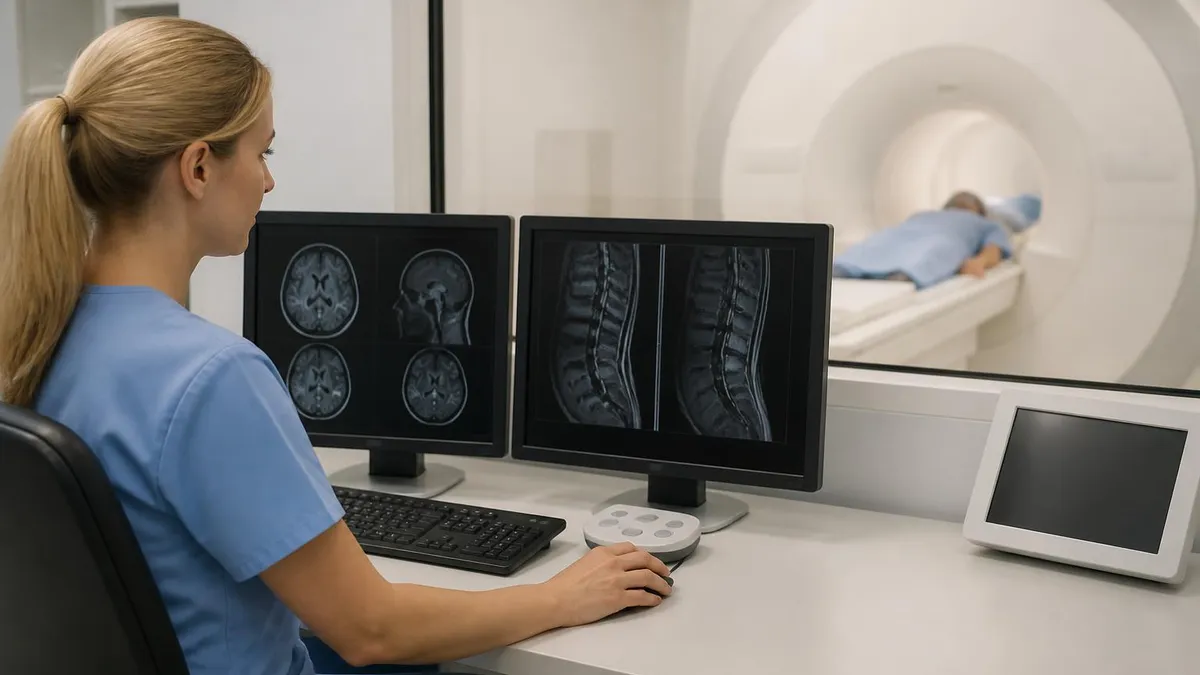
Always disclose any pacemakers, cochlear implants, aneurysm clips, stents, surgical hardware, tattoos, or embedded shrapnel when scheduling. Facilities will request implant cards or device documentation in advance. Failing to disclose can lead to canceled appointments at minimum and serious patient harm in worst cases.
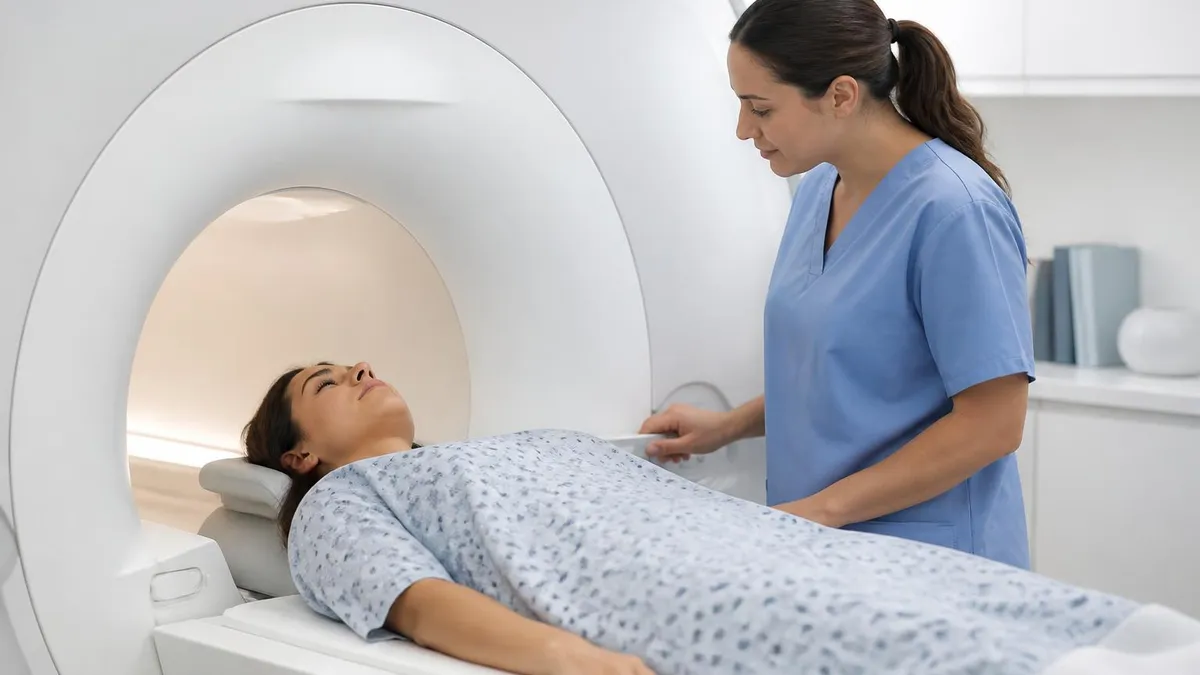
What you experience at any given MRI facility depends partly on the setting but follows a broadly similar pattern. After arrival and check-in, you'll complete a safety screening form covering implants, prior surgeries, allergies, and pregnancy status. A technologist reviews the form, confirms the body region being imaged, and changes you into scrub-like gowns or scan-safe clothing. All metal — including jewelry, hair clips, dental retainers, and pocket items — must be removed and stored in a locker before entering the magnet room.
Once on the table, the technologist positions you and places the appropriate radiofrequency coil over the body part being imaged. A knee study uses a small knee coil; a brain study slides a head coil into place around your head. The table moves into the bore, and the scan begins. You'll hear repetitive loud knocking and humming sounds caused by the gradient coils switching. Earplugs and headphones are provided, often with your choice of music to make the experience more pleasant. Some facilities also offer video glasses.
Scan times vary by indication. A focused brain MRI without contrast takes roughly 25 to 35 minutes, while a multi-sequence shoulder protocol with arthrography may stretch to an hour. Studies requiring contrast include an additional 10 to 15 minutes for IV placement, contrast injection, and post-contrast sequences. The technologist monitors you throughout via intercom and camera, and you'll have a hand-held call button to summon help if needed. Throughout the scan, holding still is the single most important contribution you make to image quality.
After the scan, most patients leave immediately and return to normal activities. Contrast studies require brief observation for any reaction, though gadolinium reactions are uncommon. Images are typically transmitted to the reading radiologist within hours, and reports are usually available to your referring physician within one to two business days. Many facilities now also push reports and images directly to patient portals, allowing you to view results before your follow-up appointment. The MRI with and without contrast guide explores when gadolinium is used and what to expect.
Differences across facility types show up in the details. Hospital-based scans may involve longer registration, additional pre-scan vitals, and tighter coordination with inpatient care teams if you're already admitted. Outpatient centers prioritize throughput, with streamlined check-in and rapid table turnover between patients. Mobile units add the experience of climbing a short set of steps into the trailer-mounted coach, where space is more compact but the scan experience itself is comparable. Each model is engineered to deliver clinically equivalent results within its scope.
Comfort accommodations have improved significantly across all settings. Wide-bore scanners with 70 cm openings ease claustrophobia for many patients who previously couldn't tolerate older 60 cm magnets. Open MRI systems remain available for severely claustrophobic patients or larger body habitus, though their lower field strength sometimes compromises image quality. Sedation, anti-anxiety medication, and even general anesthesia are options at hospital-based facilities for patients who can't otherwise complete a scan, while many outpatient centers offer oral lorazepam or similar mild premedication.
Communication after the scan is where facility quality often shines or disappoints. Top-performing centers send the report to your referring physician promptly, follow up on any technical issues, and offer accessible patient services for questions about results or billing. Reading reviews on Google, Yelp, and Healthgrades before choosing a facility surfaces these service-quality differences. Combined with the clinical and pricing factors discussed earlier, patient experience completes the picture of what makes a particular MRI facility location the right choice for any given scan.
Putting all of this into practice starts with a focused conversation with your referring physician. Ask whether the order specifies a particular field strength, coil, or sequence — neurologists ordering MS protocols, for instance, often want 3T scanners with specific sequences not run at every facility. If no specific equipment is required, your physician's office can usually share a list of preferred imaging partners they trust based on report quality and turnaround. This list is the practical starting point for your facility comparison.
Next, call two or three candidate facilities and ask the same questions of each: scheduling availability, in-network status with your insurance, cash price for the specific CPT code, scanner field strength and bore size, and turnaround time for the radiology report. Take notes. Within three short phone calls, you'll usually have enough information to make a confident decision based on the combination of cost, convenience, and clinical fit. The whole process rarely takes more than 20 minutes and routinely saves hundreds of dollars.
For patients with insurance, getting prior authorization sorted before your appointment is essential. Imaging facilities can often handle this for you with a few days of lead time, but verifying authorization yourself through your insurance portal prevents surprises. If your insurance denies the request, your physician can usually submit additional clinical information or peer-to-peer review to overturn the decision. Don't let an initial denial discourage you — appeal rates favor patients when documentation supports medical necessity, particularly for orthopedic and neurological indications.
The day of the scan, arrive 15 to 30 minutes early to handle paperwork and changing without rushing. Wear comfortable clothing free of metal — many facilities allow you to remain in your own clothes if they meet this criterion, which speeds throughput. Bring your insurance card, photo ID, any implant cards, and a list of prior imaging studies if your physician has requested comparison. If you're nervous, ask the facility about pre-scan anti-anxiety options well in advance; same-day requests are rarely accommodated.
Once the scan is complete, follow up proactively. Ask the technologist when the report should reach your physician and confirm the route — fax, EMR push, or patient portal. If results haven't arrived within the promised window, call your physician's office to check. Self-advocacy here matters because reports occasionally fall through cracks between systems. Many patients also request a CD or USB drive of their images at the time of scan, which makes second opinions or surgical consultations elsewhere significantly easier to coordinate.
For patients who anticipate needing repeated imaging — those with chronic conditions, post-surgical follow-up, or oncology surveillance — building a relationship with a single trusted facility pays dividends. Staff get to know your history, scans can be compared on the same scanner for consistency, and scheduling tends to become more flexible. Many large outpatient networks also offer loyalty pricing or bundled-pricing arrangements for patients with multiple scheduled studies. Ask whether such arrangements exist if you're a frequent imaging user.
Finally, remember that the MRI facility landscape continues to evolve. Artificial intelligence-driven mri stir sequenceening, abbreviated cancer screening protocols, and new contrast agents are reshaping what's available and at what cost. Five years from now, the typical 45-minute scan may take 15 minutes, lowering prices and broadening access further. Staying loosely aware of these trends — and re-evaluating your local options every couple of years — keeps you positioned to access the best combination of quality, convenience, and value the modern US MRI market has to offer.
MRI Questions and Answers
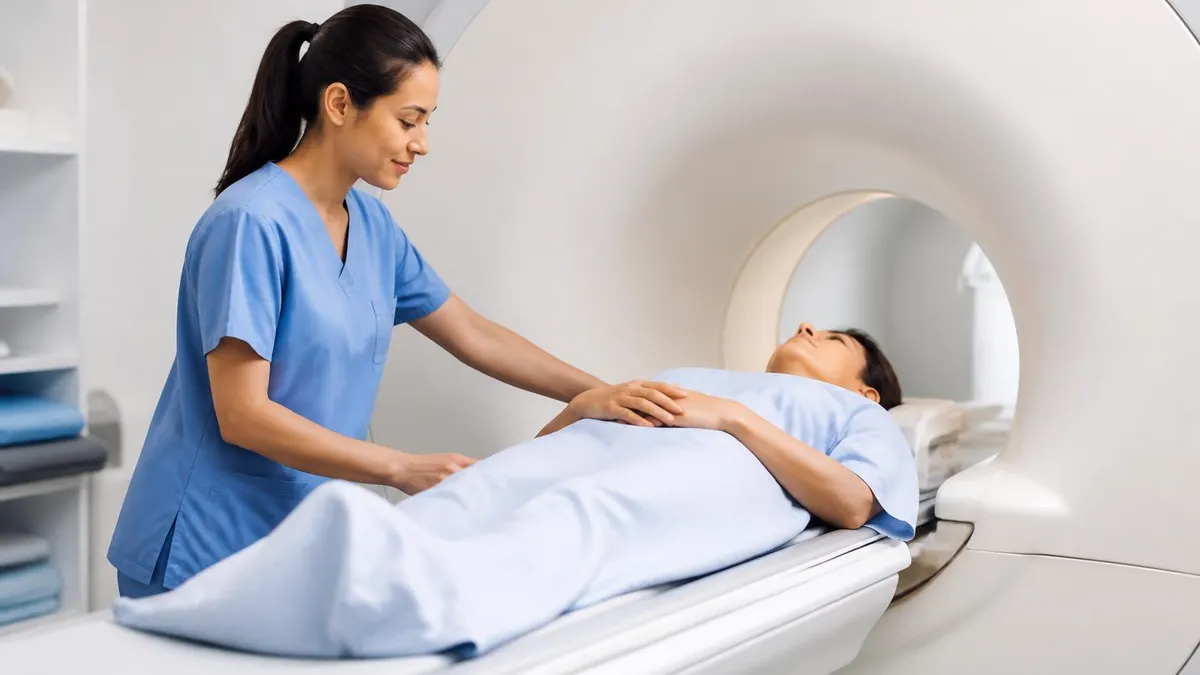
The History of MRI: From Discovery to Modern Medicine
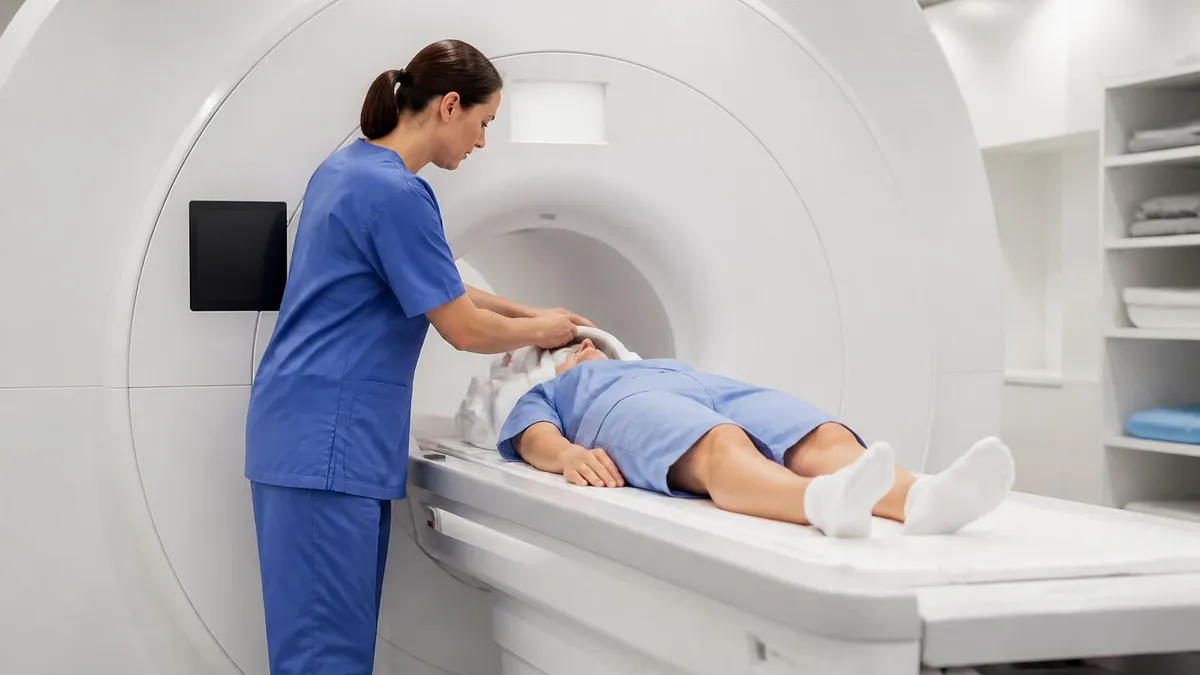
MRI With and Without Contrast: How It Works, What to Expect
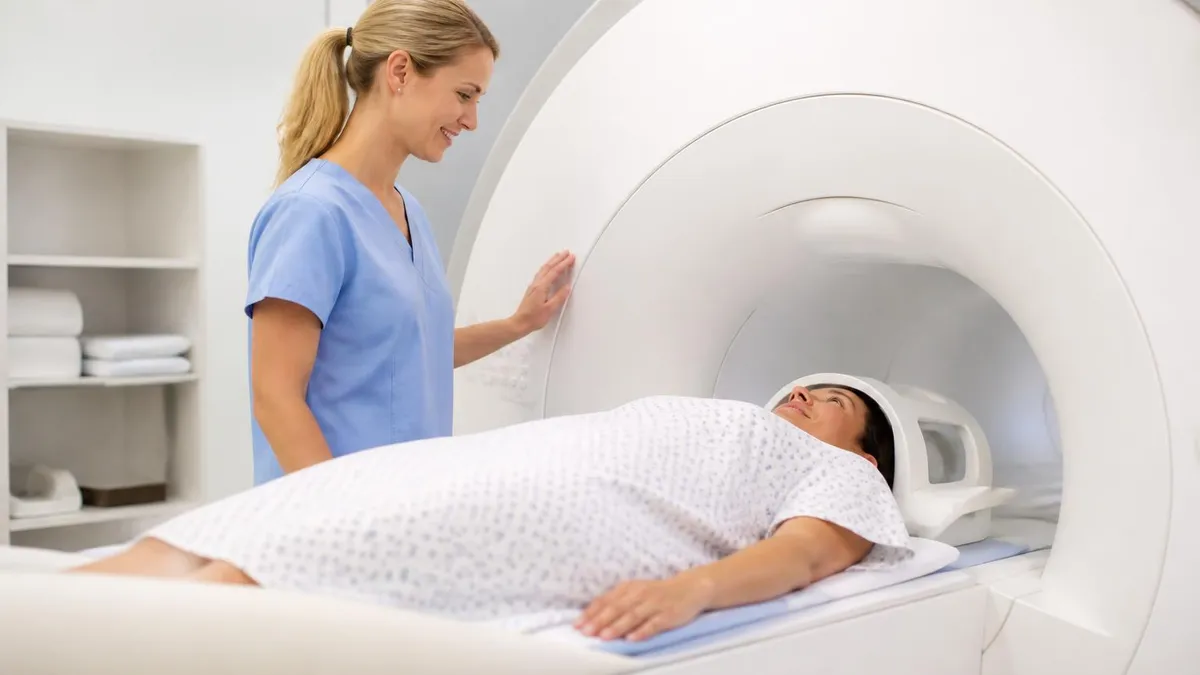
MRI Medical Abbreviation: What MRI Stands For and Why It Matters
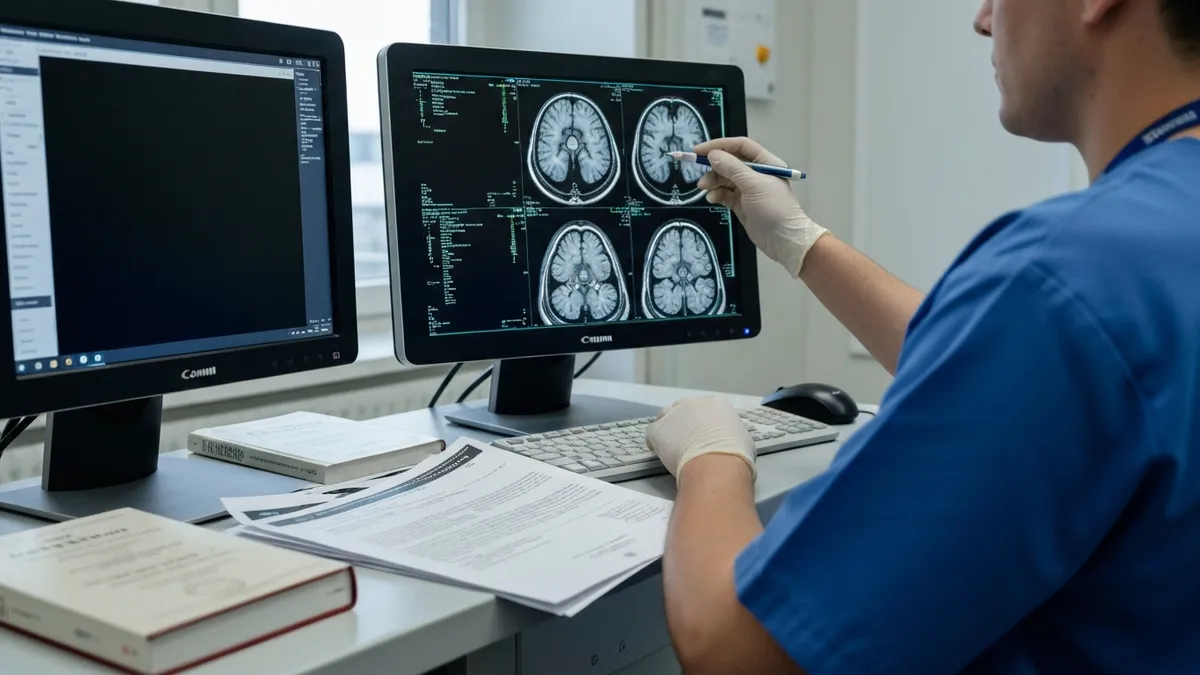
MRI Imaging Centers: Complete Guide to Independent Outpatient MRI Facilities
MRI Equipment: A Complete Guide to Scanners, Coils, and Components
About the Author

Medical Laboratory Scientist & Clinical Certification Expert
Johns Hopkins UniversityDr. Sandra Kim holds a PhD in Clinical Laboratory Science from Johns Hopkins University and is certified as a Medical Technologist (MT) and Medical Laboratory Scientist (MLS) through ASCP. With 16 years of clinical laboratory experience spanning hematology, microbiology, and molecular diagnostics, she prepares candidates for ASCP board exams, MLT, MLS, and specialist certification tests.
Join the Discussion
Connect with other students preparing for this exam. Share tips, ask questions, and get advice from people who have been there.
View discussion (8 replies)