
MRI STIR Sequence: A Complete Guide to Short Tau Inversion Recovery Imaging
MRI STIR sequence explained: 🧠 how short tau inversion recovery suppresses fat, detects edema, and what TI, TR, and TE values to use for clinical imaging.
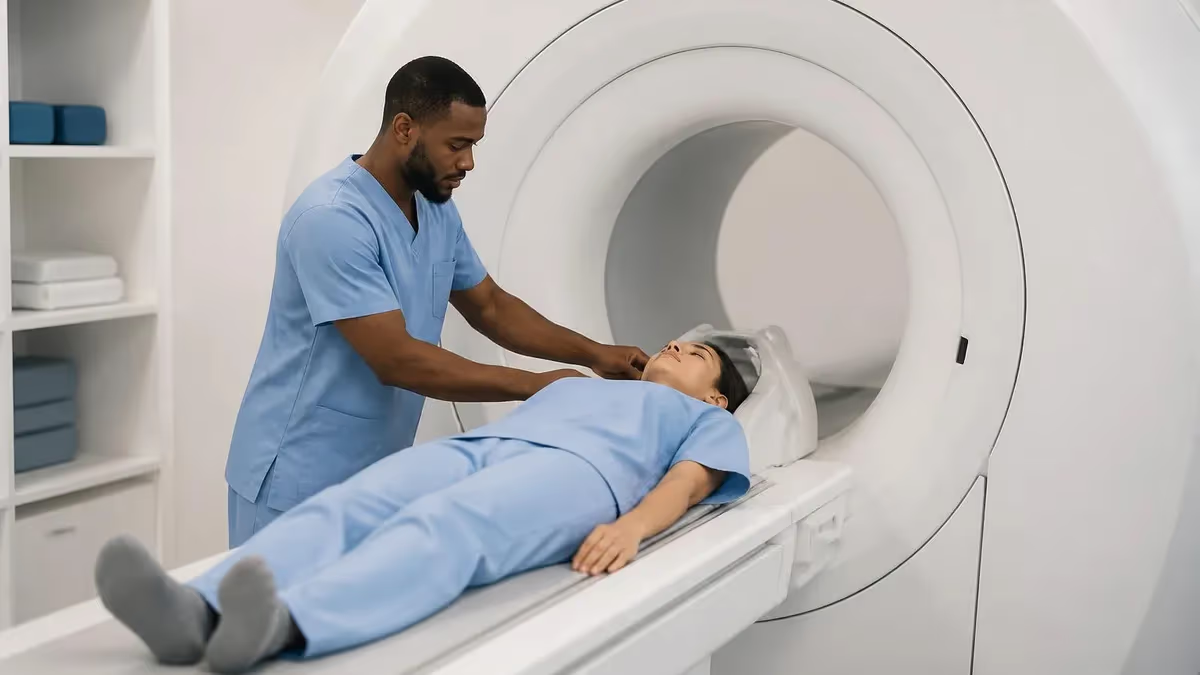
The MRI STIR sequence, short for Short Tau Inversion Recovery, is one of the most clinically valuable pulse sequences in modern magnetic resonance imaging. By combining an inversion recovery preparation pulse with a precisely tuned inversion time, the mri stir sequence suppresses signal from fat while dramatically enhancing fluid-sensitive contrast. The result is a striking image where bone marrow edema, soft tissue swelling, occult fractures, and inflammation appear as bright white findings against a dark background. Radiologists rely on it daily for musculoskeletal, spinal, and whole-body imaging.
Unlike chemical fat saturation techniques such as SPAIR or FatSat, STIR uses the longitudinal relaxation properties of fat tissue rather than its chemical shift. This makes STIR remarkably strong against magnetic field inhomogeneity, particularly at the periphery of the field of view or near metallic hardware. Technologists working on 1.5T systems often prefer STIR for exams involving the shoulder, ankle, and cervical spine, where field uniformity issues can compromise frequency-selective fat suppression methods.
The history of STIR dates back to the mid-1980s when Bydder and Young first demonstrated that an inversion time of approximately 140 milliseconds at 0.15T could null fat signal. As field strengths increased, technologists adapted the inversion time accordingly. At 1.5T the standard TI sits between 150 and 170 milliseconds, while 3T scanners require approximately 200 to 230 milliseconds to account for the longer T1 relaxation of fat at higher field strengths. Understanding these parameters is essential for diagnostic image quality.
One of the most important clinical applications of STIR lies in detecting bone marrow pathology that is invisible on conventional T1 or T2 sequences. Stress fractures, bone bruises, transient osteoporosis, and early osteomyelitis all produce marrow edema long before structural changes appear on radiographs or CT. The STIR sequence reveals these subtle changes as focal or diffuse hyperintensity, often guiding clinicians toward earlier diagnosis and treatment. Orthopedic surgeons and sports medicine physicians depend heavily on STIR findings.
Beyond musculoskeletal imaging, STIR plays a central role in spinal MRI for detecting cord edema, ligamentous injury, and vertebral compression fractures. In whole-body MRI protocols, STIR helps screen for metastatic disease, multiple myeloma lesions, and lymphoma involvement. The sequence is also increasingly used in cardiac MRI for myocardial edema assessment and in neuroimaging for evaluating optic neuritis. Each application requires subtle adjustments to inversion time, repetition time, and echo time parameters.
For MRI technologists, mastering STIR means understanding both its strengths and its limitations. The sequence has inherently lower signal-to-noise ratio than T2 with fat saturation, requires longer acquisition times due to the inversion pulse, and cannot be used reliably after gadolinium administration because contrast-enhanced tissue may share T1 properties with fat. This guide explores the physics, parameters, clinical indications, and troubleshooting strategies that every MRI professional needs to deliver consistent, diagnostic STIR images on every patient.
Whether you are preparing for ARRT MRI registry exams, optimizing protocols at your imaging center, or simply trying to understand why your radiologist always orders STIR for back pain workups, this comprehensive resource walks through every clinically relevant aspect of short tau inversion recovery imaging. We will cover pulse sequence diagrams, parameter selection, artifact recognition, and the practical decision-making that separates competent technologists from exceptional ones.
MRI STIR Sequence by the Numbers
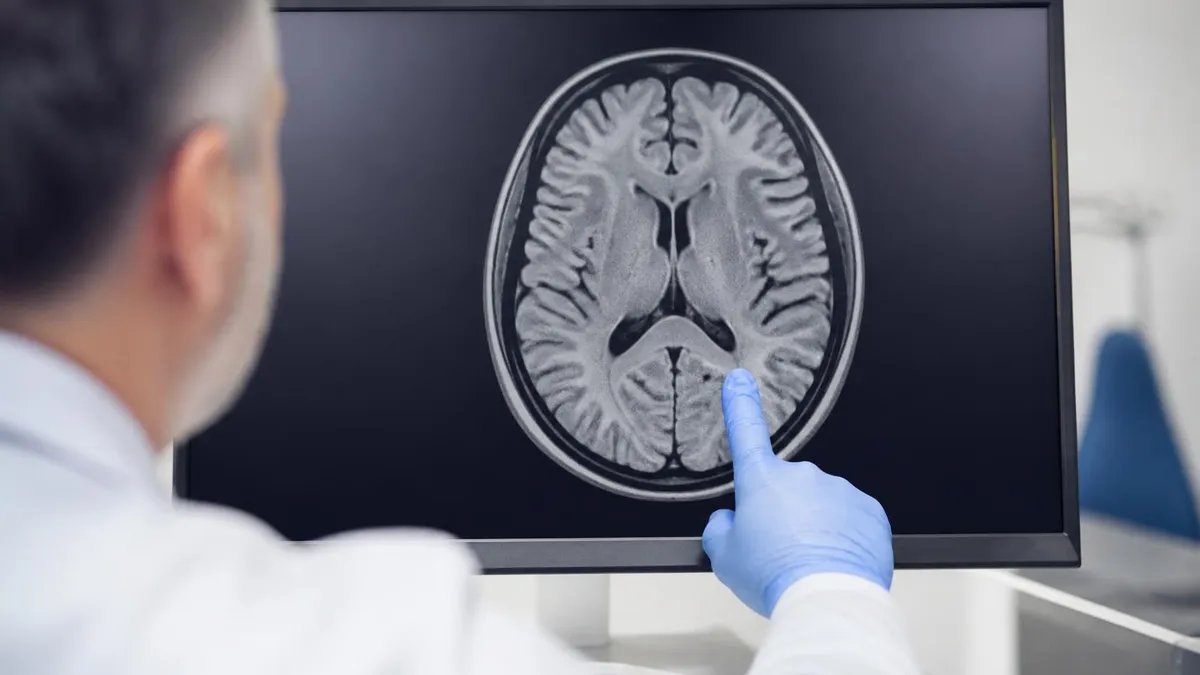
STIR Pulse Sequence Structure
The sequence begins with a non-selective 180-degree radiofrequency pulse that flips all longitudinal magnetization, including fat and water protons, into the negative direction along the z-axis.
After the inversion pulse, the system waits for a specific time called TI. This delay is chosen so that fat magnetization crosses through zero at the moment of the 90-degree excitation pulse.
When fat signal is at the null point, a 90-degree pulse tips the remaining magnetization into the transverse plane. Water protons, with longer T1, still have substantial signal available for imaging.
Modern STIR uses fast spin echo readouts with echo train lengths of 8 to 16, dramatically reducing scan time while maintaining T2 weighting through the effective echo time selection.
The cycle repeats with TR values typically between 3,000 and 6,000 milliseconds. Longer TR allows fuller longitudinal recovery between inversion pulses, improving signal-to-noise ratio across all tissues.
The physics underlying the mri stir sequence rest on a clever exploitation of the T1 relaxation curve. When a 180-degree inversion pulse flips longitudinal magnetization from +Mz to -Mz, every tissue begins recovering back toward equilibrium at a rate determined by its T1 relaxation time. Fat has an exceptionally short T1, approximately 250 to 280 milliseconds at 1.5T, while water-based tissues like muscle, brain, and edema range from 800 to over 3,000 milliseconds. This dramatic T1 difference is the foundation of STIR contrast.
As recovery proceeds, fat magnetization races through zero on its way back to positive values. The inversion time, abbreviated TI, is set precisely at the moment when fat crosses the null line. Mathematically, the null point occurs at TI equal to T1 multiplied by the natural logarithm of 2, which equals approximately 0.693 times the T1 of fat. At 1.5T this yields a TI of roughly 170 milliseconds, although clinical protocols often use values between 150 and 165 to balance fat suppression with overall image quality.
What makes STIR fundamentally different from chemical fat saturation is that it relies on T1 properties rather than the 3.5 parts-per-million chemical shift between fat and water resonance frequencies. This means STIR works equally well in regions of poor magnetic field homogeneity, near metal implants, at the edges of the field of view, and in patients with large body habitus where shimming becomes challenging. Technologists imaging shoulders, brachial plexus, and post-surgical spines particularly appreciate this robustness.
However, the T1-based mechanism creates an important clinical caveat. Any tissue with a T1 similar to fat will also be nulled by STIR. This includes proteinaceous fluid, methemoglobin in subacute hemorrhage, melanin-containing lesions, and most critically, tissues enhanced by gadolinium contrast. Administering gadolinium shortens tissue T1 dramatically, often bringing enhancing pathology into the same T1 range as fat. This is why STIR sequences are typically acquired before contrast injection, with post-contrast imaging performed using T1-weighted sequences with chemical fat saturation instead.
The signal-to-noise ratio of STIR is inherently lower than comparable T2-weighted sequences with chemical fat saturation. Two factors contribute to this limitation. First, the inversion preparation reduces overall available magnetization since water protons have only partially recovered when the 90-degree excitation is applied. Second, the long TR required for proper T1 recovery limits the number of slices that can be acquired per unit time. Technologists often compensate by using higher receiver bandwidths, parallel imaging, and optimized coil selection.
For radiologists, interpreting STIR images requires understanding that the high signal intensity from edema and fluid is exquisitely sensitive but not specific. A bright STIR finding in bone marrow could represent an acute fracture, contusion, infection, neoplasm, or red marrow reconversion. Correlation with T1-weighted images, clinical history, and sometimes follow-up imaging is essential. This combination of STIR with T1 forms the backbone of musculoskeletal MRI protocols across the world, providing complementary information that no single sequence can match. For more on imaging fundamentals, see our overview of the history of MRI and how pulse sequences evolved.
Modern variations of STIR continue to expand its utility. Three-dimensional STIR with isotropic voxels allows multiplanar reformatting from a single acquisition. T1-weighted STIR variants like TIRM and IR-FSPGR provide tissue contrast useful in specific neurological applications. Black-blood STIR techniques are emerging for cardiac and vessel wall imaging. Each represents a refinement of the same elegant principle: time the inversion pulse correctly, and fat disappears while pathology shines.
MRI Practice Test Questions
Prepare for the MRI - Magnetic Resonance Imaging exam with our free practice test modules. Each quiz covers key topics to help you pass on your first try.
MRI Knowledge
MRI Exam Questions covering Knowledge. Master MRI Test concepts for certification prep.
MRI Physics
Free MRI Practice Test featuring Physics. Improve your MRI Exam score with mock test prep.
MRI Anatomy and Pathology
MRI Test Prep for MRI Anatomy and Pathology. Practice MRI Quiz questions and boost your score.
MRI Anatomy and Positioning
MRI Questions and Answers on MRI Anatomy and Positioning. Free MRI practice for exam readiness.
MRI Contrast Agents
Free MRI Quiz on MRI Contrast Agents. MRI Exam prep questions with detailed explanations.
MRI Patient Care and Positioning
MRI Practice Questions for MRI Patient Care and Positioning. Build confidence for your MRI certification exam.
Clinical Applications of MRI STIR
STIR is the workhorse sequence for musculoskeletal imaging. It detects bone marrow edema from stress fractures, contusions, transient osteoporosis, and avascular necrosis long before changes appear on radiographs. Soft tissue findings include muscle strains, tendon tears, ganglion cysts, and bursitis, all of which appear as focal bright signal against suppressed surrounding fat.
Sports medicine relies heavily on STIR for evaluating occult fractures of the scaphoid, navicular, and femoral neck. Inflammatory arthropathies like rheumatoid arthritis and sacroiliitis show characteristic marrow edema patterns on STIR before erosions develop. Tumor staging protocols include STIR to identify marrow involvement and soft tissue extension that might be missed on T1 imaging alone.

Should You Use STIR or T2 Fat Saturation?
- +Strong fat suppression even in poor magnetic field homogeneity
- +Works reliably near metal implants and surgical hardware
- +No dependence on chemical shift or shimming quality
- +Equally effective at the periphery of large field of view exams
- +Excellent sensitivity for bone marrow edema detection
- +Simple to implement and consistent across vendor platforms
- +Ideal for spine, shoulder, and brachial plexus imaging
- −Inherently lower signal-to-noise ratio than T2 fat sat
- −Longer scan times due to inversion preparation
- −Cannot be used reliably after gadolinium administration
- −May null other short T1 tissues like proteinaceous fluid
- −Less specific because many pathologies produce bright signal
- −Requires precise TI calibration for each field strength
Pros and Cons at a Glance
| Pros | Cons |
|---|---|
| Strong fat suppression even in poor magnetic field homogeneity | Longer scan times due to inversion preparation |
| Works reliably near metal implants and surgical hardware | Cannot be used reliably after gadolinium administration |
| No dependence on chemical shift or shimming quality | Less specific because many pathologies produce bright signal |
| Equally effective at the periphery of large field of view exams | Requires precise TI calibration for each field strength |
STIR Parameter Optimization Checklist
- ✓Verify TI is set to 150-170 ms for 1.5T scanners and 200-230 ms for 3T systems
- ✓Use TR values between 3,000 and 6,000 ms for adequate longitudinal recovery
- ✓Select effective TE in the 30-60 ms range for proper T2 weighting
- ✓Apply echo train length of 8-16 for fast spin echo STIR acquisitions
- ✓Use receiver bandwidth of 200-250 Hz per pixel to balance SNR and chemical shift
- ✓Choose slice thickness of 3-4 mm for joints and 4-5 mm for spine imaging
- ✓Acquire STIR before any gadolinium contrast administration
- ✓Position the patient with the anatomy at isocenter for best field homogeneity
- ✓Verify fat null on a test slice before completing the full acquisition
- ✓Apply spatial saturation bands to suppress flow artifacts from vessels
Never administer gadolinium before STIR
Gadolinium contrast shortens the T1 of enhancing tissues, often bringing them into the same range as fat. If STIR is acquired after contrast, both fat and enhancing pathology will be nulled simultaneously, completely defeating the purpose of the sequence. Always schedule STIR before contrast injection in your protocol.
Despite its robustness, the STIR sequence is susceptible to several characteristic artifacts that every technologist must recognize. The most common problem is incomplete fat suppression, which appears as residual bright signal in subcutaneous fat or bone marrow. The cause is usually an incorrect inversion time, often because the technologist used a 1.5T protocol on a 3T scanner without adjusting parameters. Always verify that TI matches the field strength and check vendor recommendations for system-specific tuning.
Motion artifacts are particularly problematic in STIR because of the long acquisition time. Respiratory motion in spine and abdominal STIR imaging creates ghosting along the phase-encoding direction. Solutions include using respiratory triggering, applying saturation bands over moving structures, switching the phase-encoding direction to project ghosts away from the region of interest, and selecting BLADE or PROPELLER readout techniques when available on the scanner platform.
Flow artifacts from arterial and venous blood frequently appear as bright signal mimicking pathology. The cerebrospinal fluid pulsation in the spinal canal can create wraparound and ghosting artifacts that obscure cord pathology. Saturation bands placed above and below the imaging volume help suppress inflowing blood signal. Gradient moment nulling, sometimes called flow compensation, reduces signal from slowly flowing fluids and improves overall image quality in spine STIR sequences considerably.
Magic angle artifact does not occur in STIR the way it does in short echo time sequences, but a related phenomenon can affect tendons. When tendons curve through orientations near 55 degrees relative to the main magnetic field, their T2 properties shift slightly. Combined with the inherently lower signal of STIR, this can make normal tendons appear hyperintense and mimic tendinopathy. Correlation with sagittal and axial planes plus T1-weighted images helps avoid false positive interpretations.
Truncation artifacts, also called Gibbs ringing, appear as parallel bright and dark lines near sharp signal interfaces such as the spinal cord or articular cartilage. These artifacts result from limited spatial frequency sampling and become more prominent at lower matrix sizes. Increasing the phase matrix or applying Hanning filters during reconstruction can reduce truncation. Modern scanners offer dedicated anti-ringing algorithms that effectively eliminate this artifact without significantly impacting scan time or spatial resolution.
Chemical shift artifacts behave differently in STIR than in conventional sequences. Because fat is already suppressed, the typical bright and dark bands at fat-water interfaces in the frequency-encoding direction are largely eliminated. However, incomplete suppression can still produce subtle shifts, especially in areas where fat appears bright due to TI mismatch. This sometimes provides a diagnostic clue that the sequence parameters need adjustment for the specific patient or anatomy being imaged.
Finally, dielectric effects at 3T can cause central signal loss in STIR images of larger patients. The combination of standing wave phenomena and B1 inhomogeneity reduces signal in the center of the body. Multi-transmit technology, sometimes called parallel transmit or pTx, helps mitigate this problem on modern 3T systems. Technologists working at 3T should be familiar with their scanner's dielectric pad placement protocols and use them appropriately for abdominal and pelvic STIR acquisitions to maintain consistent diagnostic image quality.

Subacute hemorrhage containing methemoglobin has a very short T1 similar to fat. STIR will null this signal, potentially hiding clinically important bleeding. Always correlate STIR findings with T1-weighted images, where methemoglobin appears bright and easily identifiable, before concluding that pathology is absent.
Comparing STIR to T2-weighted imaging with chemical fat saturation reveals important differences that guide protocol design. T2 FatSat uses a frequency-selective preparation pulse that excites only fat protons at their specific resonance frequency, then dephases that signal before image acquisition. The result is fat suppression based on chemical shift rather than T1 relaxation. T2 FatSat generally produces higher signal-to-noise ratio than STIR and allows faster acquisition times, making it attractive for time-constrained protocols. For broader context, our overview of knee MRI images shows how both sequences work together in practice.
However, T2 FatSat depends critically on magnetic field uniformity. Any local field perturbations, whether from patient anatomy, metal implants, susceptibility differences at air-tissue interfaces, or imperfect shimming, will shift fat resonance away from the suppression frequency. The result is incomplete fat suppression that can range from subtle artifacts to complete sequence failure. This vulnerability makes T2 FatSat less reliable for shoulders, ankles, post-surgical regions, and any anatomy near the magnet bore periphery.
STIR sidesteps these problems entirely because its fat suppression mechanism is independent of resonance frequency. As long as the inversion time is set correctly for the field strength, fat will be suppressed regardless of local field variations. This robustness explains why STIR remains the preferred fat-suppression technique for thoracic spine mri cpt brachial plexus evaluation, shoulder MRI, and any examination involving metallic hardware. Many institutions standardize on STIR for these applications to ensure consistent diagnostic quality across all patients.
Modern hybrid techniques like SPAIR (Spectral Adiabatic Inversion Recovery) attempt to combine the benefits of both approaches. SPAIR uses an adiabatic inversion pulse selective for fat frequency, providing the homogeneity advantages of inversion recovery with the speed and SNR benefits of chemical selection. Other variations include SPIR, Dixon-based methods, and IDEAL imaging. Each has specific advantages, but STIR remains the most universally available and reliable option across vendor platforms.
The choice between sequences often depends on the clinical question. For bone marrow edema detection, STIR has slight sensitivity advantages because it suppresses both water and fat components of marrow more uniformly. For soft tissue characterization where higher resolution and SNR are critical, T2 FatSat may be preferable. Most musculoskeletal protocols include both sequences to use complementary strengths, particularly in joint imaging where bone, cartilage, ligaments, and fluid all require optimal visualization.
Post-contrast imaging illustrates another critical difference. STIR cannot follow gadolinium administration because enhancing tissues acquire T1 values similar to fat. T1-weighted imaging with chemical fat saturation becomes the sequence of choice for post-contrast evaluation, as the contrast mechanism is independent of fat suppression. Protocols typically begin with STIR sequences before contrast, then transition to T1 FatSat post-contrast to maintain both fat suppression and tissue enhancement visibility.
Quantitative comparisons in clinical research show that STIR detects approximately 95-98% of bone marrow lesions identified on T2 FatSat, with comparable specificity. For vertebral compression fracture characterization, STIR is essentially diagnostic when combined with T1-weighted imaging. The slight loss of sensitivity is more than offset by reliability across challenging anatomy. This is why STIR remains a required sequence in nearly every spine and musculoskeletal MRI protocol worldwide, regardless of vendor or field strength.
For MRI technologists working with the STIR sequence daily, several practical tips can dramatically improve image quality and workflow efficiency. First, always verify your scanner's TI value before starting each exam. Some systems automatically adjust TI based on field strength, but others use a single default that may not be optimal. A quick test acquisition with one or two slices can confirm proper fat suppression before committing to a full multi-slice acquisition that might need to be repeated.
Coil selection matters more than many technologists realize for STIR imaging. The inherently lower SNR of inversion recovery sequences amplifies the impact of suboptimal coil positioning. For spine STIR, ensure the spine array elements are activated correctly and positioned to maximize coverage of the anatomy of interest. For extremity imaging, dedicated joint coils with multiple receive channels provide substantially better STIR image quality than general-purpose surface coils.
Patient positioning and shimming deserve careful attention even though STIR is less sensitive to field inhomogeneity than chemical fat saturation. Place the anatomy of interest as close to isocenter as physically possible. Use auto-shim algorithms appropriate for the body region and consider manual shim adjustments for challenging cases. Although STIR will produce reasonable fat suppression even with imperfect shimming, better field homogeneity improves overall image quality and reduces other artifacts.
Sequence timing optimization can significantly reduce scan time without sacrificing diagnostic quality. Modern fast spin echo STIR with parallel imaging acceleration factors of 2 to 3 can complete a sagittal lumbar spine acquisition in under two minutes. Multi-band or simultaneous multi-slice techniques further reduce acquisition time on capable systems. Balance acceleration against SNR loss, particularly in larger patients where signal is already at a premium.
When troubleshooting incomplete fat suppression on STIR images, work through a systematic checklist. Verify field strength and TI matching. Check that the patient is properly centered. Confirm shim quality through the scanner's shim display. Look for metallic objects that might disrupt the field. Consider whether the patient has any condition affecting fat T1, such as severe malnutrition or unusual body composition. If the problem persists, contact your vendor service team about hardware calibration.
Documentation and communication with radiologists improve diagnostic outcomes. Note any technical limitations on STIR images, such as motion that occurred during acquisition or known metal artifacts. If you suspect a borderline case where TI may not have been optimal, flag the study for the radiologist's attention. Building strong working relationships with your interpreting physicians creates feedback loops that continuously improve protocol quality across your institution and patient population over time.
Finally, continue your professional education actively. The MRI field evolves rapidly, with new pulse sequences, reconstruction algorithms, and clinical applications emerging constantly. Subscribe to journals like Radiology and Magnetic Resonance in Medicine. Attend annual society meetings such as ISMRM or RSNA. Take advantage of vendor application training. Practice ARRT-style registry questions regularly even after passing your exam to maintain a strong physics foundation. The technologists who deliver the best STIR images are those who never stop learning and refining their craft.
Sample MRI - Magnetic Resonance Imaging Practice Questions
Try these questions from our free MRI - Magnetic Resonance Imaging practice tests. The correct answer and an explanation follow each question.
During inversion recovery, the null point (TI) for fat suppression (STIR) is set to:
- A. TI = T1(fat) × ln(2)
- B. TI = T2(fat) × 0.693
- C. TI = TR / 2
- D. TI = TE × T1(fat)
Answer: A. TI = T1(fat) × ln(2)
The null point occurs when the recovering longitudinal magnetization of fat passes through zero, which is at TI ≈ T1(fat) × ln(2) ≈ 0.693 × T1(fat).
Which inversion recovery technique is used to suppress fat signal in musculoskeletal MRI?
- A. FLAIR
- B. STIR (Short TI Inversion Recovery)
- C. MPRAGE
- D. VIBE
Answer: B. STIR (Short TI Inversion Recovery)
STIR uses a short inversion time timed to null the longitudinal magnetization of fat, suppressing fat signal uniformly regardless of field inhomogeneity.
In a spin echo (SE) sequence, increasing the repetition time (TR) while keeping TE short primarily results in:
- A. Increased T2 weighting
- B. Increased T1 weighting
- C. Decreased T1 weighting (more proton density/T2-like contrast)
- D. Increased SNR only with no contrast change
Answer: C. Decreased T1 weighting (more proton density/T2-like contrast)
A long TR allows full T1 recovery of all tissues, reducing T1 contrast differences; combined with short TE, this produces proton density weighting.
Which sequence parameter directly controls the slice thickness in a 2D spin-echo acquisition?
- A. Bandwidth of the readout gradient
- B. Bandwidth of the RF pulse divided by the slice-select gradient amplitude
- C. TE duration
- D. TR duration
Answer: B. Bandwidth of the RF pulse divided by the slice-select gradient amplitude
Slice thickness = RF pulse bandwidth ÷ slice-select gradient amplitude; thicker slices can be produced by widening the RF bandwidth or reducing the gradient strength.
Take the full MRI - Magnetic Resonance Imaging practice test
MRI Questions and Answers
MRI Medical Abbreviation: What MRI Stands For and Why It Matters
The History of MRI: From Discovery to Modern Medicine
Knee MRI Images: A Complete Guide to Reading, Understanding, and Interpreting Knee Scans
Noise of MRI Machine: Why MRI Scanners Are So Loud and What to Expect
MRI Alternatives: When CT, Ultrasound, X-Ray, and PET Make More Sense Than an MRI
About the Author

Medical Laboratory Scientist & Clinical Certification Expert
Johns Hopkins UniversityDr. Sandra Kim holds a PhD in Clinical Laboratory Science from Johns Hopkins University and is certified as a Medical Technologist (MT) and Medical Laboratory Scientist (MLS) through ASCP. With 16 years of clinical laboratory experience spanning hematology, microbiology, and molecular diagnostics, she prepares candidates for ASCP board exams, MLT, MLS, and specialist certification tests.
Join the Discussion
Connect with other students preparing for this exam. Share tips, ask questions, and get advice from people who have been there.
View discussion (8 replies)