
How Long Do Cardiac MRI Results Take? A Complete Guide to MRI Result Wait Times
Learn how long cardiac MRI results take, from 24 hours to 7 days. Understand reporting timelines, follow-up steps, and tips for managing the wait. 📝
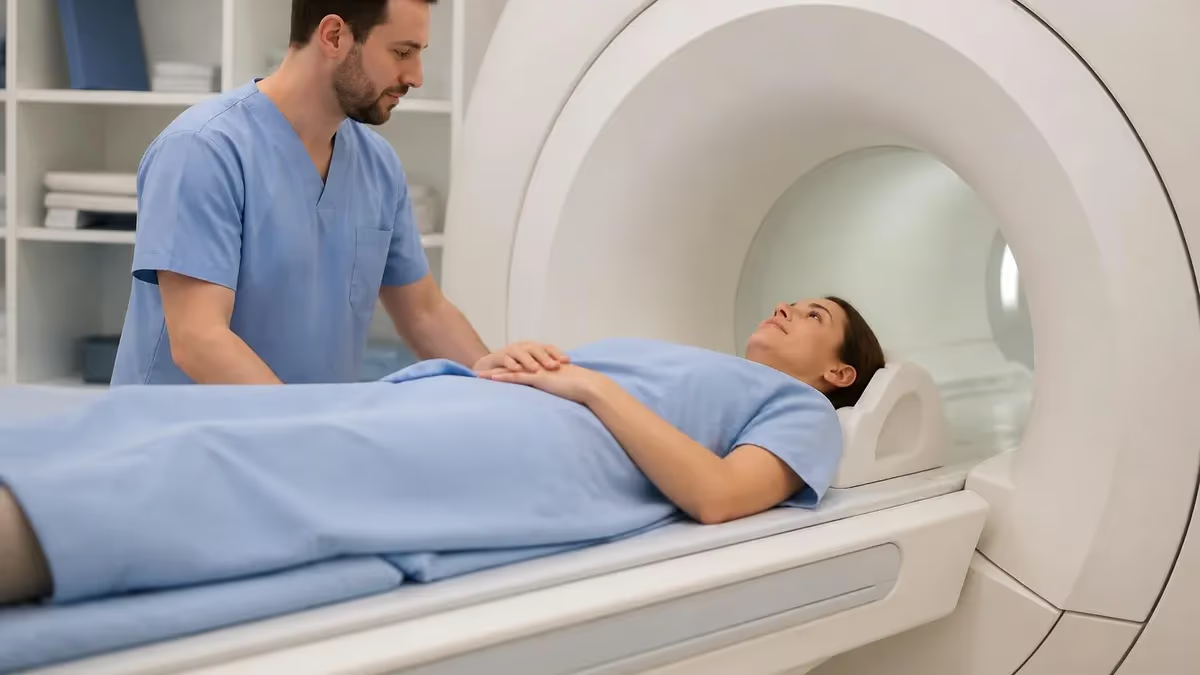
How long do cardiac MRI results take is one of the most common questions patients ask after undergoing this advanced imaging procedure. The answer depends on several factors including the complexity of the scan, the radiologist's workload, and the protocols at your specific imaging facility. In most cases, preliminary results are available within twenty-four to forty-eight hours, but final reports may take anywhere from three to seven business days to reach your referring physician for review and discussion.
Cardiac MRI is a specialized imaging technique that produces detailed images of the heart's structure, function, and blood flow patterns. Unlike standard MRI scans of joints or the spine, cardiac MRI requires a radiologist with specific expertise in cardiovascular imaging to interpret the results accurately. This subspecialty requirement can add time to the reporting process because not every radiology practice has a dedicated cardiac imaging specialist available around the clock to review these complex studies promptly.
The waiting period for MRI results can feel stressful, especially when patients are awaiting news about a potential cardiac condition. Understanding the typical timeline and the factors that influence turnaround can help manage expectations and reduce anxiety during the waiting period. Most healthcare facilities have established workflows designed to prioritize urgent findings while processing routine results within standard turnaround windows that balance thoroughness with timely patient communication and clinical needs.
Several variables affect how quickly your cardiac MRI results will be ready for review by your physician. Emergency department scans typically receive the fastest turnaround, often within one to two hours, because they are flagged as urgent. Outpatient cardiac MRI scans ordered for routine evaluation of heart conditions usually follow standard processing timelines that range from two to five business days depending on the facility's radiology department staffing levels, case volume, and imaging complexity.
The interpretation process for cardiac MRI is more involved than many patients realize. A radiologist must review hundreds of individual images, assess cardiac chamber sizes, evaluate wall motion abnormalities, measure ejection fraction, identify any areas of scarring or inflammation, and correlate findings with the patient's clinical history. This comprehensive analysis ensures accurate reporting but naturally requires more time than interpreting a straightforward X-ray or a basic ultrasound examination of a single body region.
In this comprehensive guide, we will break down the complete timeline for receiving cardiac MRI results, explain what happens behind the scenes during the interpretation process, and provide practical tips for following up with your healthcare provider. Whether you are a patient waiting for results, a radiology technologist preparing patients for what to expect, or a healthcare professional seeking to understand reporting workflows, this article covers everything about cardiac MRI result turnaround times in detail.
Knowing what to expect after your cardiac MRI can make a significant difference in your overall experience. Patients who understand the typical wait times and the reasons behind them report lower anxiety levels and greater satisfaction with their care. We will also address common concerns about delayed results, when to contact your doctor for updates, and what critical findings might prompt an immediate phone call from your healthcare team before the official written report is finalized and delivered.
Cardiac MRI Result Wait Times by the Numbers
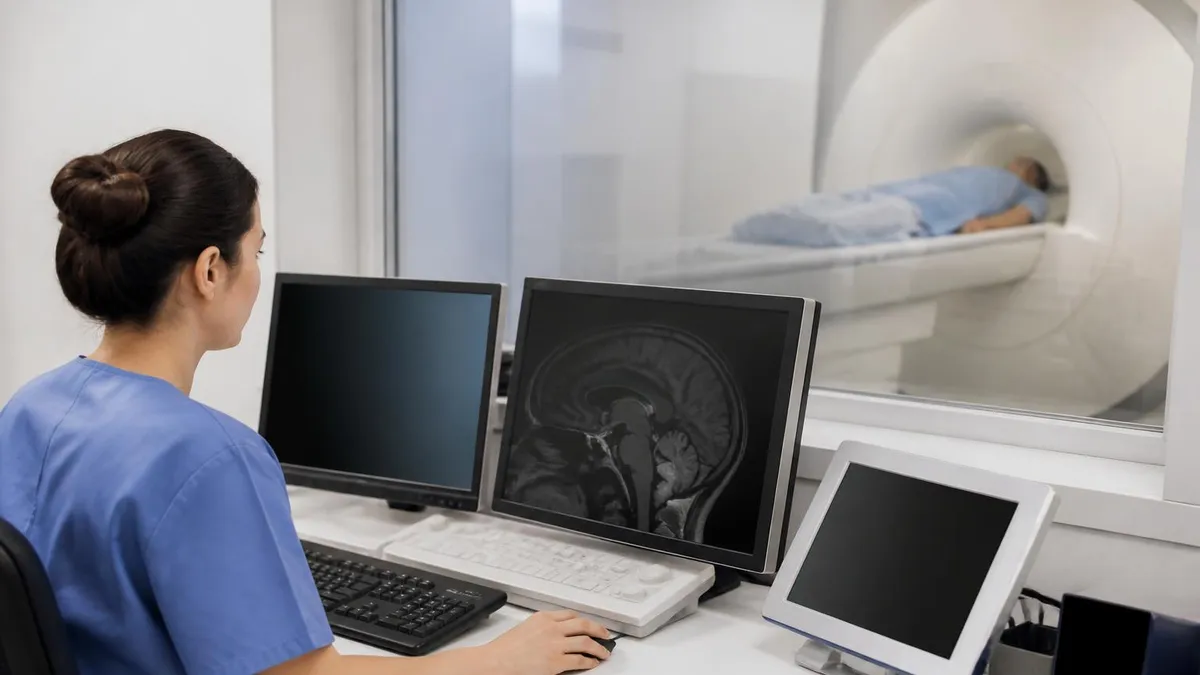
From Scan to Final Report: The Cardiac MRI Results Timeline
Scan Completion and Image Transfer
Radiologist Queue Assignment
Detailed Image Interpretation
Report Dictation and Editing
Report Finalization and Physician Review
Results Communication to Patient
The journey from completed cardiac MRI scan to finalized report involves multiple steps that each contribute to the overall turnaround time. Once the MRI technologist completes the imaging session and confirms that all necessary sequences have been acquired with adequate quality, the raw image data is transferred to a Picture Archiving and Communication System known as PACS. This digital transfer usually happens automatically within minutes of the scan's completion, making the images immediately available to the interpreting radiologist.
After the images reach PACS, a radiologist specializing in cardiac imaging reviews the study in its entirety. This specialist examines each sequence methodically, starting with anatomical scout images and progressing through cine sequences that show the heart in motion, perfusion images that reveal blood flow patterns, and late gadolinium enhancement sequences that highlight areas of scarring or fibrosis. For a complex cardiac MRI study, this initial review alone can take thirty to sixty minutes of concentrated analysis by an experienced physician.
The radiologist then dictates a detailed report that includes measurements of cardiac chamber dimensions, wall thickness, and ventricular function parameters such as ejection fraction and stroke volume. Many facilities use voice recognition software to speed up the dictation process, but the report still requires careful editing and thorough review before it can be signed and officially released. Some practices require a second attending radiologist to review complex cases, which adds another layer of quality assurance but extends the reporting timeline further.
Facility-specific factors play a major role in determining result turnaround times for cardiac MRI studies. Academic medical centers and large hospital systems often have dedicated cardiac MRI reading rooms staffed by fellowship-trained cardiovascular radiologists who can process studies throughout the day. Smaller community hospitals or outpatient imaging centers may send their cardiac MRI studies to external teleradiology groups for interpretation, adding transit time and potential queue delays that can push results back by an additional one to three business days.
The day of the week and time of day when your scan is performed also influence how quickly you receive results. Scans completed on Friday afternoons or before holidays may not be interpreted until the following business day or even later. Some facilities batch their cardiac MRI readings, meaning a radiologist reviews several cardiac studies during a dedicated reading session rather than interpreting each one immediately after completion, which can create predictable but sometimes longer wait periods for patients.
Patient complexity is another important variable that directly affects reporting timelines. A straightforward cardiac MRI performed to evaluate left ventricular function in an otherwise healthy patient will typically be reported faster than a study obtained to assess a complex congenital heart defect or to characterize a cardiac mass. In complicated cases, the radiologist may need to consult with the referring cardiologist, review prior imaging studies, or research rare conditions before completing the final report with full confidence.
Insurance pre-authorization requirements and administrative processes can also indirectly affect the perceived wait time for results. While these factors do not slow down the actual image interpretation process, they can create delays in scheduling follow-up appointments where results are discussed with patients. Understanding that the time between your scan and your follow-up visit may be longer than the actual reporting time helps set appropriate expectations, as appointment availability with your cardiologist adds another variable to the overall equation.
MRI Practice Test Questions
Prepare for the MRI - Magnetic Resonance Imaging exam with our free practice test modules. Each quiz covers key topics to help you pass on your first try.
MRI Knowledge
MRI Exam Questions covering Knowledge. Master MRI Test concepts for certification prep.
MRI Physics
Free MRI Practice Test featuring Physics. Improve your MRI Exam score with mock test prep.
MRI Anatomy and Pathology
MRI Test Prep for MRI Anatomy and Pathology. Practice MRI Quiz questions and boost your score.
MRI Anatomy and Positioning
MRI Questions and Answers on MRI Anatomy and Positioning. Free MRI practice for exam readiness.
MRI Contrast Agents
Free MRI Quiz on MRI Contrast Agents. MRI Exam prep questions with detailed explanations.
MRI Patient Care and Positioning
MRI Practice Questions for MRI Patient Care and Positioning. Build confidence for your MRI certification exam.
Cardiac MRI Result Wait Times by Clinical Setting
Emergency department cardiac MRI results receive the highest priority in the radiology reading queue. When a patient presents with acute chest pain, suspected myocarditis, or aortic pathology, the interpreting radiologist is typically paged immediately upon scan completion. Preliminary results are communicated verbally to the emergency physician within one to two hours, with a finalized written report following within four to six hours of the scan.
Critical findings identified during emergency cardiac MRI interpretation trigger mandatory direct communication protocols. The radiologist must personally call the treating physician to report life-threatening conditions such as acute aortic dissection, cardiac tamponade, or large intracardiac thrombus. This immediate verbal communication ensures that emergency interventions can begin without waiting for the written report to be finalized, signed, and transmitted through electronic medical record systems.
Same-Day Results vs. Standard Turnaround: What to Consider
- +Immediate clinical decision-making for urgent cardiac conditions
- +Reduced patient anxiety from shorter waiting periods
- +Faster initiation of treatment when abnormalities are detected
- +Better coordination of care in hospital-based settings
- +Decreased likelihood of patients missing follow-up appointments
- +Improved patient satisfaction scores and healthcare experience
- −Rushed interpretation may increase the risk of diagnostic errors
- −Same-day reading requires expensive on-site subspecialist staffing
- −Complex cases benefit from additional review time and consultation
- −Faster turnaround often comes with higher out-of-pocket costs
- −Preliminary verbal results may differ from finalized written reports
- −Batched reading sessions allow better radiologist focus and accuracy
Pros and Cons at a Glance
| Pros | Cons |
|---|---|
| Immediate clinical decision-making for urgent cardiac conditions | Rushed interpretation may increase the risk of diagnostic errors |
| Reduced patient anxiety from shorter waiting periods | Same-day reading requires expensive on-site subspecialist staffing |
| Faster initiation of treatment when abnormalities are detected | Complex cases benefit from additional review time and consultation |
| Better coordination of care in hospital-based settings | Faster turnaround often comes with higher out-of-pocket costs |
| Decreased likelihood of patients missing follow-up appointments | Preliminary verbal results may differ from finalized written reports |
| Improved patient satisfaction scores and healthcare experience | Batched reading sessions allow better radiologist focus and accuracy |
Checklist for Following Up on Cardiac MRI Results
- ✓Ask your physician's office about expected result turnaround time before leaving the imaging center.
- ✓Confirm the preferred method of result communication with your referring doctor's office.
- ✓Register for your healthcare facility's patient portal to access reports electronically.
- ✓Set a calendar reminder to follow up if results are not received within one week.
- ✓Write down questions you want to ask your physician about the findings in advance.
- ✓Request a copy of the actual MRI images on disc or through digital sharing platforms.
- ✓Verify that your referring physician has received the finalized report from radiology.
- ✓Schedule a follow-up appointment with your cardiologist to discuss results in detail.
- ✓Bring a family member or friend to your results appointment for emotional support and note-taking.
- ✓Keep a personal health file with all cardiac imaging reports organized chronologically for future reference.
Life-Threatening Findings Are Reported Immediately
If your cardiac MRI reveals a critical condition such as acute aortic dissection, cardiac tamponade, or a large intracardiac mass, the radiologist is required by established communication protocols to contact your referring physician directly by telephone — regardless of the time of day. The absence of an urgent phone call after your scan is generally a reassuring sign that no immediately dangerous findings were identified on your imaging study.
Once your cardiac MRI results are finalized and sent to your referring physician, the next step is understanding what the report actually says about your heart. Cardiac MRI reports follow a standardized format that includes patient demographics, clinical indications for the study, technical details about the imaging protocol used, and detailed findings organized by cardiac structure and function. The report concludes with an impression section that summarizes the most clinically significant findings and provides the radiologist's overall diagnostic assessment.
Key measurements in a cardiac MRI report include left ventricular ejection fraction, which is the percentage of blood pumped out of the heart's main pumping chamber with each beat. A normal ejection fraction typically ranges from fifty-five to seventy percent in healthy adults. The report also includes measurements of right ventricular function, chamber volumes indexed to body surface area, and wall thickness measurements that can reveal conditions such as hypertrophic cardiomyopathy or dilated cardiomyopathy requiring specific treatment strategies and ongoing monitoring.
Late gadolinium enhancement findings are among the most important aspects of a cardiac MRI report for many patients. This technique reveals areas of myocardial scarring or fibrosis by showing where gadolinium contrast agent accumulates in damaged tissue. The pattern of enhancement can help differentiate between various cardiac conditions. For example, subendocardial enhancement typically indicates prior heart attack damage, while mid-wall enhancement may suggest non-ischemic cardiomyopathy, and epicardial enhancement can point toward myocarditis or other inflammatory conditions.
T1 and T2 mapping values are increasingly included in cardiac MRI reports as quantitative biomarkers of myocardial tissue health. Improved T1 values may indicate diffuse fibrosis, edema, or amyloid infiltration, while improved T2 values suggest acute inflammation or active edema. These parametric maps provide objective numerical data that can be tracked over time to assess disease progression or response to treatment, making cardiac MRI a uniquely valuable longitudinal monitoring tool for patients with chronic cardiac conditions and ongoing management needs.
Patients should be aware that cardiac MRI reports are written primarily for physicians and may contain technical terminology that is difficult to understand without specific medical training. Terms like akinesis, dyskinesis, and hypokinesis describe abnormal wall motion patterns, while dyssynchrony refers to uncoordinated contraction of different parts of the heart. If you receive a copy of your report through a patient portal before seeing your doctor, it is important to discuss the findings with your cardiologist rather than attempting to interpret them independently.
Critical findings on cardiac MRI are handled differently from routine results at most healthcare facilities. If the radiologist identifies a life-threatening condition such as acute aortic dissection, large pericardial effusion with signs of cardiac tamponade, or a large intracardiac mass that could cause stroke, they are required to contact the referring physician directly by telephone. This critical results communication protocol ensures that emergency findings are acted upon immediately rather than waiting for the standard electronic report delivery through normal channels.
The advent of artificial intelligence in radiology is beginning to influence cardiac MRI reporting timelines in meaningful ways. AI algorithms can now automatically calculate ejection fraction, segment cardiac chambers, and flag potential abnormalities for the radiologist's attention during interpretation. While AI does not replace the radiologist's expert clinical interpretation, it can significantly reduce the time spent on routine measurements, potentially shortening overall turnaround times by fifteen to twenty-five percent at facilities that have adopted these advanced computational tools into their workflow.
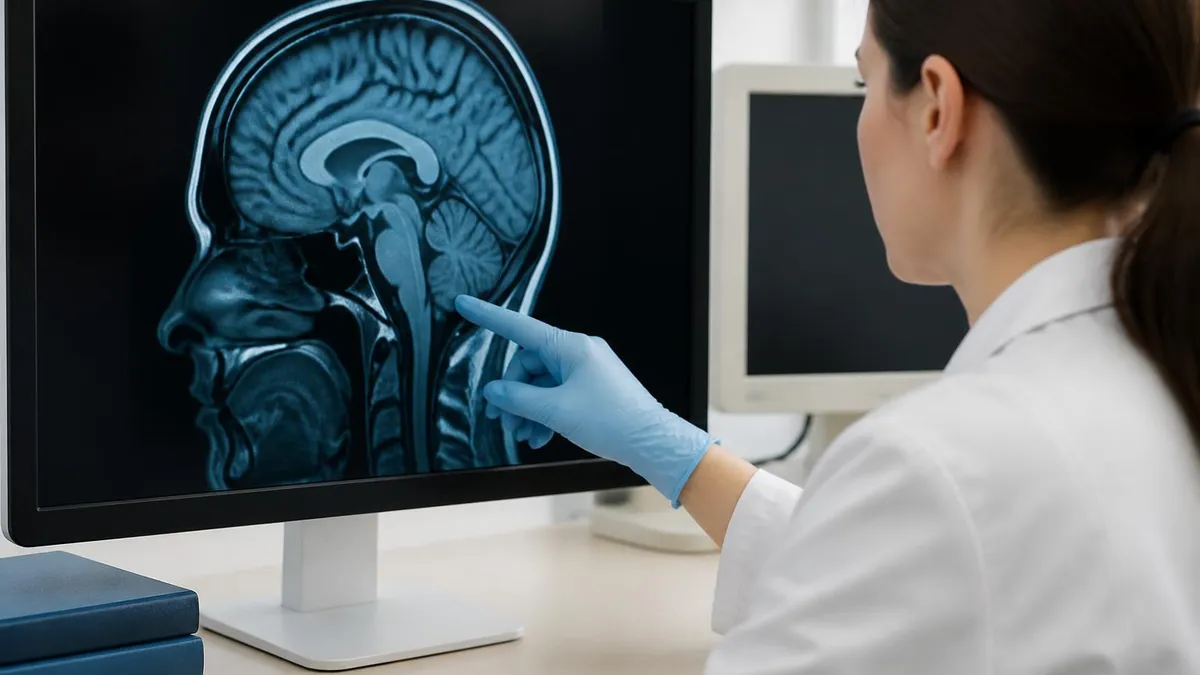
Under the 21st Century Cures Act, most healthcare facilities are now required to release test results — including cardiac MRI reports — to patient portals promptly, often before your physician has reviewed them. You may see your report online before your doctor contacts you. While this promotes transparency, avoid self-diagnosing from unfamiliar medical terminology. Always discuss findings with your cardiologist for proper context and clinical interpretation.
Following up on your cardiac MRI results requires proactive communication with your healthcare team and a clear understanding of the process. Most physicians prefer to discuss results during an in-person or telehealth appointment rather than delivering complex cardiac findings over the phone. When you schedule your cardiac MRI, ask your referring physician's office about their typical timeline for reviewing and communicating results. Many offices will schedule a follow-up appointment in advance, usually one to two weeks after the scan, to ensure timely review.
Patient portals have fundamentally changed the way many people access their medical results and cardiac imaging reports. Under the twenty-first Century Cures Act, most healthcare facilities are required to release test results to patient portals promptly, often before a physician has had a chance to review and discuss them with the patient. This means you may see your cardiac MRI report online before your doctor contacts you. While portal access promotes transparency, it can also cause unnecessary anxiety when patients encounter unfamiliar medical terminology without context.
If you have not received your cardiac MRI results within one week of your scan, it is entirely appropriate to contact your referring physician's office to inquire about the status. Start by calling the office and asking whether the report has been received from the radiology department and reviewed by your physician. If the report has not yet been completed, the physician's office can contact the radiology department to request an expedited interpretation. Being politely persistent ensures that your results do not fall through administrative cracks in busy medical practices.
In situations where cardiac MRI results reveal abnormalities that require additional evaluation, your cardiologist may order follow-up tests. These might include echocardiography for dynamic assessment of valve function, cardiac catheterization for invasive evaluation of coronary arteries, electrophysiology studies for arrhythmia assessment, or repeat cardiac MRI at a future date to monitor disease progression. Understanding that additional testing may be recommended helps patients prepare mentally and logistically for what might come next after receiving results.
Second opinions on cardiac MRI results are sometimes warranted, particularly for complex or ambiguous findings that could affect treatment decisions. Major academic medical centers often offer remote second-opinion services where a subspecialist cardiac radiologist reviews your images and provides an independent interpretation. This can be especially valuable for rare conditions, borderline measurements, or situations where surgical or interventional treatment decisions depend heavily on the accuracy of imaging findings. Your referring physician can help this by sending images electronically.
Keeping a personal health record that includes your cardiac MRI results can be invaluable for ongoing cardiac care management. Request copies of both the written report and the actual images on a compact disc or through digital sharing platforms available at most imaging centers. Having your prior studies available for comparison when you undergo future cardiac imaging is essential for tracking changes over time. Many patients find it helpful to maintain a dedicated folder or digital file with all cardiac test results organized in chronological order.
For patients undergoing serial cardiac MRI examinations over months or years, understanding how results compare over time is particularly important for treatment planning. Your cardiologist will look for trends in ejection fraction, chamber dimensions, and fibrosis patterns across multiple studies. Improvements may indicate successful treatment response, while worsening measurements could prompt medication adjustments or additional interventions. Tracking these trends helps your medical team make informed decisions about your cardiac care plan and ensures that meaningful changes are detected promptly.
Managing the anxiety of waiting for cardiac MRI results is a common challenge that many patients face regardless of their specific clinical situation. One of the most effective strategies is to establish clear communication expectations with your healthcare team before the scan takes place. Ask your physician or their office staff specifically when you should expect to hear about your results and what method of communication they will use, whether telephone, patient portal message, or in-person appointment discussion.
Staying occupied with normal daily activities during the waiting period is another practical approach that genuinely helps manage stress effectively. While it is natural to think about potential results, dwelling on worst-case scenarios is counterproductive and can negatively impact your mental and physical health during an already challenging time. Engage in light physical activity as permitted by your physician, maintain your regular social schedule, and consider mindfulness techniques or relaxation exercises if you find yourself experiencing persistent worry about your cardiac MRI findings.
Understanding the difference between urgent and routine result communication can help put your mind at ease during the waiting period after your scan. If your cardiac MRI reveals a critical or life-threatening finding, the radiologist is required by established protocols to contact your referring physician immediately, regardless of the time of day. Your physician would then contact you directly to discuss urgent next steps. The fact that you have not received an emergency phone call is generally a reassuring sign about your results.
Preparing questions in advance for your results discussion appointment can help you make the most of your limited time with your cardiologist. Write down specific questions about what the results mean for your overall cardiac health, whether any lifestyle modifications are recommended, what medications might need to be adjusted based on the findings, and when follow-up imaging should be scheduled. Having a written list ensures that you address all of your concerns rather than forgetting important questions during what can be an emotionally charged conversation.
If you are a radiology technologist or healthcare professional involved in the cardiac MRI workflow, understanding result turnaround expectations helps you better prepare patients and set realistic timelines. Educating patients about the reporting process before they leave the imaging facility can significantly reduce callback volume and overall patient anxiety during the waiting period. Consider providing patients with a printed handout that outlines expected wait times, explains how results will be communicated, and lists the contact number for questions.
Technology continues to improve the cardiac MRI reporting workflow in meaningful and measurable ways across healthcare institutions. Structured reporting templates help radiologists produce consistent and comprehensive reports more efficiently. Cloud-based image sharing platforms allow subspecialist readers to access studies remotely without delays associated with physical media transfer. Automated notification systems can alert referring physicians the moment a report is signed, reducing the lag between report completion and clinical review that historically caused significant delays in patient communication.
Ultimately, the wait for cardiac MRI results is a temporary period that serves an important clinical purpose. The time invested in careful, thorough interpretation by a qualified cardiac imaging specialist ensures that your results are accurate, complete, and clinically meaningful for treatment decisions. Rushing the reporting process could lead to errors or missed findings that have serious implications for patient care and outcomes. Trusting the process while staying engaged with your healthcare team represents the best approach to navigating the cardiac MRI results waiting period successfully.
Sample MRI - Magnetic Resonance Imaging Practice Questions
Try these questions from our free MRI - Magnetic Resonance Imaging practice tests. The correct answer and an explanation follow each question.
What is the maximum number of times a candidate may attempt the ARRT MRI registry examination?
- A. 3 times total
- B. 6 times total
- C. Unlimited attempts
- D. 5 times within 5 years
Answer: B. 6 times total
ARRT limits candidates to 6 total examination attempts for any given credential.
The term 'T1 mapping' in cardiac MRI using gadolinium is used to quantify which clinically important tissue property?
- A. Myocardial perfusion rate
- B. Extracellular volume fraction (ECV) as a marker of fibrosis
- C. Ejection fraction
- D. Coronary artery stenosis grade
Answer: B. Extracellular volume fraction (ECV) as a marker of fibrosis
Pre- and post-contrast T1 mapping allows calculation of the extracellular volume (ECV), which is an established quantitative biomarker of diffuse myocardial fibrosis.
EPI (echo planar imaging) sequences are particularly prone to which artifact caused by off-resonance spins accumulating phase during the long readout?
- A. Truncation artifact
- B. Chemical shift (N/2 ghost or Nyquist ghost) and geometric distortion
- C. Magic angle artifact
- D. Susceptibility artifact only in GRE
Answer: B. Chemical shift (N/2 ghost or Nyquist ghost) and geometric distortion
EPI's long readout makes it sensitive to field inhomogeneity, causing geometric distortion along the phase-encode direction and N/2 ghosting from alternating echo phase inconsistencies.
A technologist who holds an RT(MR)(ARRT) credential and allows it to lapse must complete which process to reinstate it?
- A. Retake the full MRI registry examination
- B. Apply for reinstatement and fulfill CE requirements
- C. Resubmit all original application materials and retake the exam
- D. Complete only a practical competency evaluation
Answer: B. Apply for reinstatement and fulfill CE requirements
ARRT allows lapsed credential holders to reinstate by applying for reinstatement and meeting outstanding CE obligations.
Take the full MRI - Magnetic Resonance Imaging practice test
MRI Questions and Answers
MRI Medical Abbreviation: What MRI Stands For and Why It Matters

The History of MRI: From Discovery to Modern Medicine
Knee MRI Images: A Complete Guide to Reading, Understanding, and Interpreting Knee Scans
Noise of MRI Machine: Why MRI Scanners Are So Loud and What to Expect
MRI Alternatives: When CT, Ultrasound, X-Ray, and PET Make More Sense Than an MRI
About the Author

Medical Laboratory Scientist & Clinical Certification Expert
Johns Hopkins UniversityDr. Sandra Kim holds a PhD in Clinical Laboratory Science from Johns Hopkins University and is certified as a Medical Technologist (MT) and Medical Laboratory Scientist (MLS) through ASCP. With 16 years of clinical laboratory experience spanning hematology, microbiology, and molecular diagnostics, she prepares candidates for ASCP board exams, MLT, MLS, and specialist certification tests.
Join the Discussion
Connect with other students preparing for this exam. Share tips, ask questions, and get advice from people who have been there.
View discussion (8 replies)