
HVAC vs Electrician Salary: Who Makes More and Why It Matters for Your Career
Who makes more HVAC or electrician? Compare salaries, training time, job outlook, and earning potential to pick the right trade career in 2026 September. 🔎
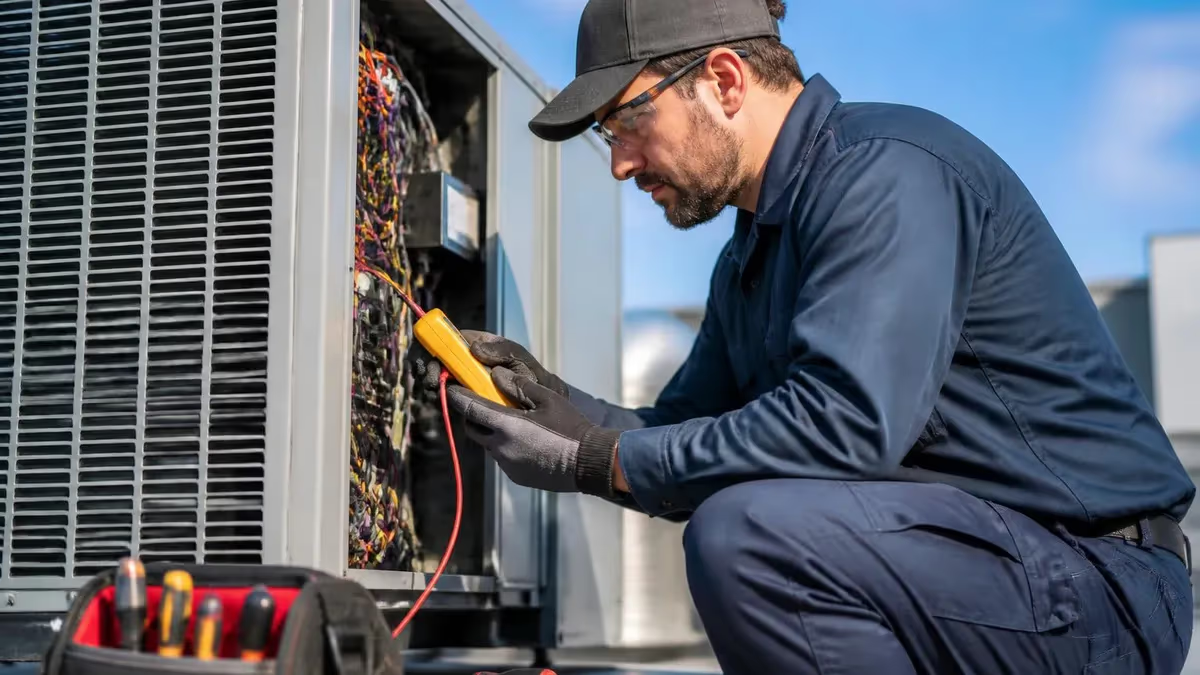
If you are weighing two of the most stable hands-on trades in America, the question of who makes more hvac vs electrician comes up almost immediately. On paper, electricians edge out HVAC technicians in median annual pay, but the gap is narrower than most career websites suggest, and the comparison shifts dramatically once you factor in overtime, service calls, refrigerant certifications, and union membership. The honest answer is that both trades produce strong middle-class incomes, but the path to top earnings differs.
According to the U.S. Bureau of Labor Statistics, electricians earned a median annual wage of around $61,590 in the most recent reporting year, while HVAC mechanics and installers earned closer to $57,300. That gap of roughly $4,000 sounds meaningful, but it disappears or reverses when you compare commercial HVAC service technicians to residential electricians, or when you compare licensed HVAC contractors to wage electricians. Geography, specialty, and self-employment matter as much as the trade itself.
This guide walks through the real numbers in both careers, including starting apprentice wages, journeyman pay, top-percentile earnings, regional variations, and the income ceiling for technicians who eventually start their own businesses. We will also look at training time, licensing costs, work environment, physical demands, and long-term job outlook so you can choose with confidence rather than chasing a single salary headline.
One important caveat: salary surveys lump together residential, commercial, industrial, and specialty work. A high-voltage industrial electrician at a chemical plant might earn $110,000, while a residential service electrician installing receptacles might earn $52,000. The same range exists in HVAC, where a commercial chiller technician with refrigeration certifications can clear $95,000, while a window-unit installer might earn $42,000. Trade matters, but specialty matters more.
The trade you pick should also match your personality and physical preferences. Electricians spend more time pulling wire, terminating panels, and reading prints. HVAC techs spend more time crawling in attics, brazing copper, recovering refrigerant, and troubleshooting controls in extreme temperatures. Both jobs involve confined spaces, ladders, and dirty conditions, but the day-to-day rhythm is different enough that some people thrive in one and struggle in the other.
Demand is another factor pushing both trades upward. The transition to heat pumps, the rise of solar plus battery storage, the buildout of EV charging infrastructure, and the aging skilled trades workforce mean both jobs will see strong hiring through 2034. Electricians benefit slightly more from electrification trends, but HVAC techs benefit from hvac regulationss and decarbonization retrofits. Neither field is shrinking.
By the end of this guide you will have a clear answer to who makes more hvac or electrician for your specific situation, plus a realistic plan for maximizing earnings in whichever trade you pick. Read on for the salary breakdowns, regional data, and career path comparisons that career counselors rarely explain in this much detail.
HVAC vs Electrician Pay by the Numbers
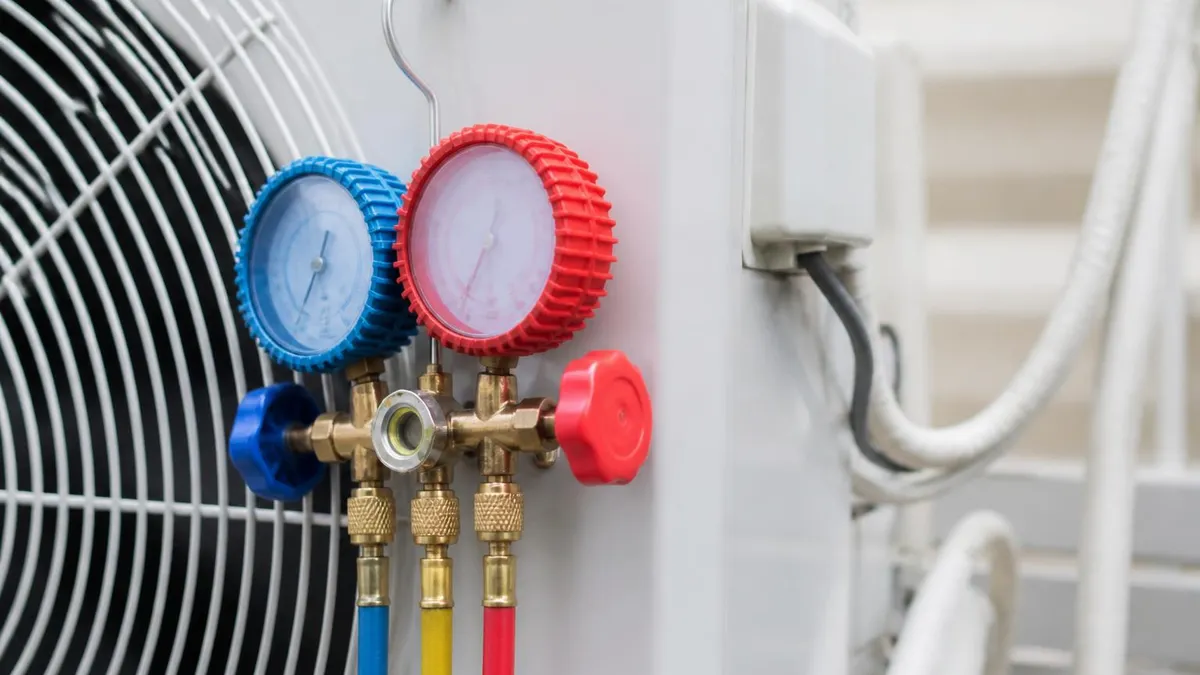
Salary Breakdown by Career Stage
Both HVAC and electrical apprentices typically start at 40-50% of journeyman wage, which works out to $16-$22 per hour or roughly $33,000-$45,000 annually depending on region and union status.
By year three, apprentices in both trades reach 65-75% of journeyman wage, putting them at $22-$30 per hour. Electricians often see slightly faster wage progression in union locals.
Newly licensed journeymen earn $28-$38 per hour in most metro areas, or $58,000-$79,000 yearly. Commercial electricians and commercial HVAC techs land at the higher end of this range.
After 5-10 years, master electricians and senior HVAC service techs with refrigeration or controls expertise earn $42-$58 per hour, plus overtime that often adds $15,000-$25,000 annually.
Self-employed HVAC contractors frequently out-earn self-employed electricians because service calls, equipment markup, and maintenance contracts produce higher gross revenue per technician.
When you stack HVAC and electrician earnings side by side, three patterns emerge consistently across federal data, private salary surveys, and contractor association reports. First, electricians have a higher national median wage. Second, HVAC technicians close the gap rapidly with overtime, on-call pay, and seasonal demand. Third, business owners in HVAC frequently out-earn business owners in electrical because the average HVAC ticket is larger and recurring maintenance contracts produce predictable revenue.
Looking at the most recent BLS Occupational Employment Statistics, the median electrician earns roughly $4,000 more per year than the median HVAC tech. The 90th percentile electrician hits about $104,000, while the 90th percentile HVAC tech reaches about $97,000. Those numbers, however, exclude self-employment income, which is where many tradespeople actually make their money. Independent commercial hvac contractors near me commonly clear $150,000 to $250,000 as owner-operators.
Hourly pay also tells a slightly different story than annual salary. The average electrician earns about $29.60 per hour while the average HVAC tech earns about $27.55 per hour. But HVAC techs work more billable overtime hours on average because hvac size calculator fail in heat waves, furnaces fail in cold snaps, and refrigerant emergencies do not wait for business hours. Time-and-a-half on weekends and holidays is the rule, not the exception.
Specialty matters enormously. A residential service electrician changing breakers might earn $26 per hour, while a high-voltage industrial electrician maintaining substations earns $52 per hour. Similarly, a window-unit installer might earn $24 per hour while a commercial refrigeration tech servicing supermarket racks earns $48 per hour. If you pick a high-demand specialty within either trade, you can double the median wage of someone working general residential work.
Geography adds another 30-50% swing. Electricians in Hawaii, Illinois, New York, and California earn 25-40% more than electricians in Arkansas, Mississippi, or West Virginia. HVAC techs see even wider regional spreads because hot southern markets and freezing northern markets both create heavy seasonal demand. Massachusetts HVAC techs average $72,000 while Florida HVAC techs average $48,000, despite Florida having more cooling work, because of cost-of-living-adjusted wage structures.
Union membership is the other multiplier. Union electricians in IBEW Local 3 New York, Local 134 Chicago, or Local 11 Los Angeles often earn $55-$72 per hour in total compensation, including pension and health benefits. Union HVAC techs in the Sheet Metal Workers International Association or UA pipefitters locals earn comparable packages. Non-union techs in right-to-work states typically earn 25-40% less in total compensation even at similar hourly wages.
One overlooked detail: HVAC technicians often receive higher tool and truck allowances because they carry recovery machines, vacuum pumps, and combustion analyzers. Electricians typically supply their own hand tools but use company-provided benders and tuggers. This affects net take-home pay meaningfully — an HVAC tech with a company van and fuel card may have $4,000-$6,000 more in functional pay than an electrician with a similar gross wage.
HVAC Practice Test Questions
Prepare for the HVAC - Heating Ventilation and Air Conditioning exam with our free practice test modules. Each quiz covers key topics to help you pass on your first try.
HVAC Air Conditioning
HVAC Exam Questions covering Air Conditioning. Master HVAC Test concepts for certification prep.
HVAC Code Compliance
Free HVAC Practice Test featuring Code Compliance. Improve your HVAC Exam score with mock test prep.
HVAC Electrical Controls
HVAC Test Prep for Electrical Controls. Practice HVAC Quiz questions and boost your score.
HVAC Energy Efficiency
HVAC Questions and Answers on Energy Efficiency. Free HVAC practice for exam readiness.
HVAC Heating Systems
HVAC Mock Test covering Heating Systems. Online HVAC Test practice with instant feedback.
HVAC Load Calculations
Free HVAC Quiz on HVAC Load Calculations. HVAC Exam prep questions with detailed explanations.
HVAC Tools and Equipment
HVAC Practice Questions for HVAC Tools and Equipment. Build confidence for your HVAC certification exam.
HVAC Refrigeration
HVAC Test Online for Refrigeration. Free practice with instant results and feedback.
HVAC Safety Practices
HVAC Study Material on Safety Practices. Prepare effectively with real exam-style questions.
HVAC System Design
Free HVAC Test covering System Design. Practice and track your HVAC exam readiness.
HVAC Thermodynamics
HVAC Exam Questions covering Thermodynamics. Master HVAC Test concepts for certification prep.
Training, Apprenticeships, and Licensing Paths
HVAC technicians typically enter the trade through a 6-month to 2-year trade school program followed by a 3-5 year apprenticeship, or through a direct 4-5 year union apprenticeship. EPA 608 certification is required before handling refrigerants, and NATE certification dramatically increases earning potential. Many states also require a state-issued HVAC license for service work over a certain dollar value.
The total out-of-pocket cost runs $1,500 to $15,000 depending on whether you choose a community college, private trade school, or paid union apprenticeship. Union apprentices earn while they learn and graduate debt-free. Total time from zero experience to fully licensed journeyman is typically 4-5 years, identical to the electrical timeline.

Which Trade Pays Better Long Term?
- +Electricians have a higher national median wage by roughly $4,000 per year
- +Electrical work is less physically punishing in extreme weather
- +NEC code knowledge transfers to solar, EV charging, and low-voltage work
- +Union electrical locals often offer the strongest pension packages
- +Electrical inspections rarely involve refrigerant handling liabilities
- +Demand for EV charging installation is growing 20%+ annually
- −HVAC service calls produce more overtime and emergency premium pay
- −Self-employed HVAC contractors typically out-earn solo electricians
- −HVAC maintenance contracts produce recurring revenue electrical lacks
- −Refrigerant certifications create higher barriers to entry for competitors
- −HVAC techs receive larger tool and truck allowances on average
- −Commercial HVAC service techs in hot climates earn premium wages year-round
Career Decision Checklist for HVAC vs Electrician
- ✓Research median wages in your specific metro area using BLS state data
- ✓Talk to at least three working HVAC techs and three working electricians
- ✓Visit a residential job site and a commercial job site for each trade
- ✓Check whether your state requires a separate HVAC contractor license
- ✓Compare union and non-union apprenticeship pay scales in your region
- ✓Verify EPA 608 testing locations if leaning toward HVAC
- ✓Review NEC code book pricing and study materials if leaning toward electrical
- ✓Consider physical tolerance for attics, crawlspaces, and rooftop work
- ✓Estimate the total cost of tools you must buy in your first two years
- ✓Map out a realistic 10-year earnings projection including specialty paths
Specialty beats trade choice every time
The honest answer to who makes more HVAC or electrician is not a single number — it is a specialty. A commercial refrigeration tech with controls experience will out-earn a residential electrician by $20,000 per year. A high-voltage industrial electrician will out-earn a residential HVAC installer by $30,000. Pick a high-demand specialty within whichever trade fits your personality, and your pay will exceed the median by 40% or more.
Regional pay differences in both trades are larger than most career guides admit. The Bureau of Labor Statistics publishes state-level wage data, but even within states the variation between metro and rural areas is significant. An electrician in San Francisco earns about $42 per hour on average, while an electrician in Bakersfield earns about $28. An HVAC tech in Boston earns about $36 per hour while an HVAC tech in Worcester earns about $28. Cost of living explains some of this, but local union strength and commercial construction demand explain more.
The top-paying states for electricians, in order, are typically Hawaii, New York, Illinois, Alaska, and California. The top-paying states for HVAC technicians are Alaska, Hawaii, District of Columbia, Massachusetts, and Connecticut. The overlap is not coincidence — these states share strong union representation, expensive housing markets that justify higher wages, and significant commercial construction pipelines. They also tend to enforce licensing more strictly, which restricts supply.
Within HVAC, the highest-paying specialties are commercial refrigeration, industrial process cooling, large chiller service, building automation controls, and clean-room HVAC for pharmaceutical and semiconductor facilities. A senior building automation tech with Tridium Niagara and Distech experience can earn $110,000-$140,000. A clean-room HVAC specialist in semiconductor markets like Phoenix or Austin can earn $130,000+. These specialties pay because the consequences of failure are catastrophic.
Within electrical work, the highest-paying specialties are industrial high-voltage, substation maintenance, instrumentation and controls, fire alarm system design, and renewable energy interconnection. Linemen for major utilities frequently earn $130,000-$180,000 with overtime, though storm work and travel are part of the package. Industrial electricians at chemical plants, refineries, and data centers routinely clear $115,000 with shift differentials. These specialties also pay because of risk and complexity.
Self-employment changes the math dramatically. The average self-employed HVAC contractor with one truck grosses about $350,000-$450,000 annually and nets $90,000-$140,000 after expenses. The same solo electrician grosses about $250,000-$320,000 and nets $75,000-$110,000. HVAC contractors out-earn electrical contractors at small scale because average ticket sizes are higher — a furnace replacement is $7,000 while a service call rewire might be $1,200. If you eventually want to run your own business, HVAC has a structural edge.
Areas with extreme climate produce premium pay for HVAC work specifically. hvac services phoenix service techs in July work 70+ hour weeks at time-and-a-half, frequently clearing $2,800-$3,500 per week during peak season. Minnesota HVAC techs during January blizzards see similar overtime spikes. Electricians have steadier year-round work but rarely capture the seasonal overtime surge that HVAC techs do twice a year in dual-climate regions.
If you live in or are willing to move to a Pacific Northwest market like Portland or Seattle, both trades pay well above the national median because of strong union locals, expensive housing, and a booming commercial construction sector. Tech campus expansion, data center construction, and the rapid adoption of heat pumps under state decarbonization mandates have pushed both wages and demand sharply upward in the region.

Many online career sites scrape job board data and report inflated salaries that include sign-on bonuses, overtime, and benefits as if they were base wages. Always verify wages against BLS Occupational Employment and Wage Statistics for your specific metro area, and ask working tradespeople about real take-home pay before making a 5-year training commitment to either career path.
Maximizing earnings in either trade requires deliberate career planning beyond just showing up to work. The technicians who out-earn their peers by 30-50% are not necessarily smarter or harder working — they are more strategic about specialty selection, certification stacking, geographic mobility, and the eventual transition to self-employment. The good news is these strategies apply equally to HVAC and electrical careers, and you can start executing them in your first apprenticeship year.
The single highest-ROI move in HVAC is adding commercial refrigeration to your skill set. EPA Type II and Type III certifications, plus hands-on experience with rack systems, walk-in coolers, and ice machines, can move you from $28 per hour residential work to $42 per hour commercial service almost overnight. Supermarket refrigeration contractors are perpetually understaffed and pay premium wages for techs who can troubleshoot parallel rack systems and electronic expansion valves.
In electrical work, the equivalent high-ROI move is industrial controls and instrumentation. PLC programming with Allen-Bradley or Siemens platforms, motor control wiring, and variable frequency drive troubleshooting can shift you from $30 per hour residential to $48 per hour industrial. Data center construction has created sustained six-figure demand for electricians who understand UPS systems, switchgear, and emergency power. Once you can read a one-line diagram fluently, your wage potential roughly doubles.
Certification stacking pays in both trades. An HVAC tech with EPA 608 Universal, NATE Service, NATE Installation, R-410A safety, and building automation certifications can name their price in most metro markets. An electrician with journeyman license, NICET fire alarm Level 2, NABCEP solar PV, and OSHA 30 can do the same. Each additional credential adds $2-$5 per hour in negotiating power and qualifies you for jobs that lower-credentialed competitors cannot bid on at all.
Geographic mobility multiplies earnings. If you live in a low-wage market and are willing to relocate, you can frequently double your income by moving to a high-cost metro. The catch is that cost of living absorbs some of the gain, so the practical strategy is to work two to five years in a high-wage market, save aggressively, and then either stay or relocate to a lower-cost area to buy property. Many tradespeople use this approach to retire 10-15 years earlier than office workers earning similar gross wages.
The self-employment ladder is the ultimate earnings multiplier in both trades. Year one as a solo operator typically nets the same or slightly less than your previous wage job. Year three usually nets 50-80% more. Year five with one or two helpers can net $150,000-$250,000. The key is keeping overhead low, building recurring maintenance revenue, and avoiding the trap of growing too fast. Most successful trade business owners stay at 2-5 trucks for years before considering further expansion.
Finally, do not overlook adjacent hvac solutions like indoor air quality, energy auditing, and home performance contracting. These services carry 40-60% gross margins, far higher than equipment replacement, and they create relationships that convert into repeat HVAC work. Similarly, electricians who add EV charger installation, whole-home surge protection, and smart home integration capture higher margins than those who only do panel changes and circuit additions. The most successful tradespeople in 2026 sell expertise, not just labor hours.
If you have read this far, you already know the salary question is more nuanced than a single dollar figure. The practical question is how to translate that understanding into a winning career plan over the next 5-10 years. Whether you pick HVAC or electrical, the technicians who pull ahead are the ones who treat their career like a business, invest in continuous learning, and pick the right specialty at the right time. Here is the playbook successful tradespeople actually follow.
Start by treating your apprenticeship as paid graduate school. Show up early, ask questions about the why behind every task, and take detailed notes on the systems you work on. The apprentices who become high earners by year ten are the ones who built deep system knowledge in years one through four, not the ones who just collected paychecks. This habit costs nothing and pays exponentially because it compounds across every job site you visit.
Buy your code book and study it on your own time. Whether it is the NEC for electrical or the IMC, IFGC, and IECC for HVAC, the technicians who pass licensing exams on the first try and confidently quote code on job sites command higher wages. Read 15 minutes per day, mark up your code book with highlighters, and join online study groups in your area. hvac repair portland shops, like quality contractors in any city, pay top dollar for techs who can cite code chapter and verse during inspections.
Track your finances from day one. Most tradespeople blow their early career income on trucks, boats, and lifestyle inflation. The ones who build wealth max out their Roth IRA, contribute to their union or company 401k up to the match, and live on roughly 70% of their take-home pay. By age 35, the disciplined saver has $200,000 invested, while the spender has a $60,000 truck payment. This single habit matters more than which trade you picked.
Build your professional network actively. Join your local trade association chapter, attend supplier training events, and stay in touch with classmates from your apprenticeship program. About 60% of high-paying jobs in both trades are filled through referrals, never posted publicly. The technicians who get invited to bid on the best projects are the ones who maintained relationships across companies, suppliers, inspectors, and former coworkers.
Plan your specialty path by year three. By the time you are a third-year apprentice, you should have a clear idea of which specialty you want to pursue after journeyman licensure. Talk to senior techs about which specialties are growing in your region, which pay best, and which have the lowest burnout rates. Then start volunteering for jobs and training opportunities in that specialty. By year seven, you will be the go-to specialist in your area and commanding premium wages.
Finally, consider your exit strategy from day one. Most tradespeople work until their bodies give out around age 55-62, then face a difficult transition. The ones who plan ahead either move into estimating, project management, training, or business ownership in their late 40s. Whichever trade you choose, build skills that translate into a desk role or owner role before your knees and back force the decision. Your future self will thank you.
HVAC Questions and Answers

HVAC Companies Portland: The Complete Guide to Finding, Vetting, and Hiring the Best Heating and Cooling Contractors in the Rose City
HVAC Repair Portland: The Complete 2026 Homeowner's Guide to Furnace, AC, and Heat Pump Service in the Rose City

Commercial HVAC Contractors Near Me: How to Find, Vet, and Hire the Right Local Pro for Your Building

HVAC Tune Up Service: The Complete Guide to Professional HVAC Maintenance and Why It Pays for Itself
HVAC Solutions: The Complete Guide to Heating, Cooling, and Indoor Air Quality Systems for Homes and Buildings
About the Author

NATE Certified HVAC Technician & Licensing Exam Trainer
Universal Technical InstituteMike Johnson is a NATE-certified HVAC technician and EPA 608 universal-certified refrigerant handler with a Bachelor of Science in HVAC/R Technology. He has 19 years of commercial and residential HVAC installation and service experience and specializes in preparing technicians for NATE certification, EPA 608, A2L refrigerant safety, and state HVAC contractor licensing examinations.