
HVAC Companies Portland: The Complete Guide to Finding, Vetting, and Hiring the Best Heating and Cooling Contractors in the Rose City
HVAC companies Portland guide: how to find, vet, and hire the best heating and cooling contractors. Pricing, licensing, reviews, and red flags explained. ✍🏼

Choosing among the many HVAC companies Portland homeowners rely on can feel overwhelming, especially when furnace failures hit during a January cold snap or a heat dome sends summer temperatures past 110°F. Portland's unique climate, with its damp winters and increasingly hot, dry summers, places specific demands on heating, cooling, and ventilation systems that not every contractor is equipped to handle. Knowing what to look for separates a smooth installation from a years-long headache of callbacks and inflated utility bills.
The Portland metro area is home to more than 400 licensed HVAC contractors serving Multnomah, Washington, Clackamas, and surrounding counties. Some are large regional outfits with fleets of vans and 24/7 dispatch, while others are family-owned shops that have served neighborhoods like Sellwood, Beaverton, or Hillsboro for three generations. Each model has trade-offs in price, response time, warranty depth, and the level of personal attention you can expect during a complex install.
Oregon requires HVAC contractors to hold a Construction Contractors Board (CCB) license, carry liability insurance, and employ technicians with appropriate Limited Energy or Limited Maintenance Specialty certifications when working on electrical components. Reputable companies also maintain EPA Section 608 certification for refrigerant handling and NATE-certified technicians for combustion safety. If you want a deeper look at the full range of HVAC Solutions available for Pacific Northwest homes, that complete guide pairs nicely with this contractor-focused breakdown.
Pricing in Portland runs higher than the national average because of labor costs, permit fees, and the increasing prevalence of heat pump installations driven by Energy Trust of Oregon incentives. A full system replacement typically lands between $8,500 and $22,000 depending on equipment tier, ductwork condition, and whether the home needs electrical service upgrades. Service calls range from $89 to $189 just to get a technician on site, with diagnostic fees often credited back if you proceed with repair.
This guide walks through every step of selecting the right contractor for your home or small business. You will learn how to verify licensing in 30 seconds, what questions separate professionals from order-takers, which red flags should end the conversation immediately, and how to use Portland-specific rebate programs to offset thousands of dollars in upfront cost. By the end, you'll have a repeatable framework for hiring with confidence.
We've also included a side-by-side look at the differences between big-box installers, mid-size local companies, and one-person operations so you can match the right vendor to the right job. Not every project needs a 50-truck fleet, and not every emergency can wait for a single owner-operator who's booked three weeks out. The trick is reading the situation correctly before you start dialing.
Finally, this guide includes practical scripts for the initial phone call, the in-home estimate, and the post-installation walk-through. These aren't legal documents — they're the conversational moves that protect homeowners from upsells, missed permits, and warranty voids. Read through the whole thing once, then bookmark the checklist section for when you're actually ready to start calling.
Portland HVAC Market by the Numbers
What Makes Portland HVAC Different
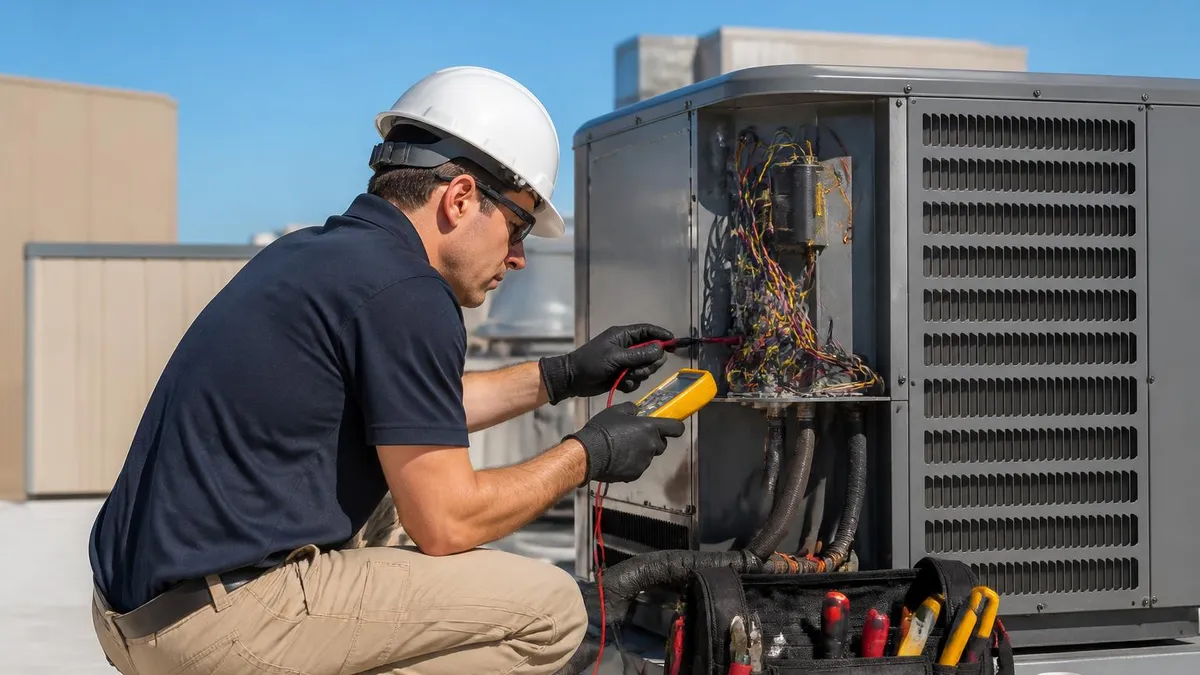
Portland leads the Pacific Northwest in heat pump adoption thanks to mild winters, expensive natural gas, and aggressive utility rebates. Most reputable companies now default-recommend heat pumps over gas furnaces for new installs.
Older Portland bungalows and Craftsmans often lack ductwork, driving high demand for ductless mini-split installations. Specialized installers are common and pricing varies widely between providers.
The City of Portland and Multnomah County require mechanical permits for nearly all HVAC work. Skilled contractors handle this process; cheap operators often skip it, leaving homeowners exposed at resale.
Manual J load calculations matter more in Portland than in temperate California or arid Phoenix because of humidity, shoulder-season swings, and the rising frequency of extreme heat events.
Energy Trust of Oregon partners with Trade Ally Contractors who unlock the largest rebates. Choosing a non-Trade Ally can cost you $1,000 to $3,000 in missed incentives.
Vetting an HVAC contractor in Portland starts with a one-minute search on the Oregon Construction Contractors Board website. Enter the company name or license number into the CCB Search tool to confirm active status, bond amount, insurance coverage, and any complaints or disciplinary actions on file. Companies operating without an active CCB license cannot legally pull permits, and any work they perform may invalidate your homeowner's insurance if a fire or water damage event later occurs.
Next, verify Trade Ally Contractor status with Energy Trust of Oregon. Trade Allies have passed installation quality audits and are authorized to submit rebate paperwork on your behalf, which dramatically simplifies the process of capturing $1,000 to $3,000 in incentives on a typical heat pump project. Energy Trust maintains a public, searchable list updated monthly, and any contractor pitching you a heat pump should be able to confirm Trade Ally status without hesitation.
Third-party review platforms deserve scrutiny rather than blind trust. Google reviews, BBB ratings, and Yelp scores are useful, but read the actual text of three- and four-star reviews — those are where real complaints surface. Look for patterns: missed appointments, surprise upcharges, communication breakdowns, or warranty pushback. A company with 200 reviews averaging 4.8 stars but 15% of negative comments mentioning the same callback issue is telling you something important about their service culture.
Ask every prospective contractor for proof of a Manual J load calculation before they quote equipment. This is the industry-standard heat loss and gain analysis that determines correct system sizing for your specific home. Oversized systems short-cycle, wear out faster, and fail to dehumidify properly; undersized systems run constantly and never reach setpoint on extreme days. Any installer who quotes equipment based on "rule of thumb" or square footage alone is guessing — and you'll pay for that guess in comfort and energy bills.
Request a written, itemized estimate that includes equipment model numbers, AHRI matched-system certificate, labor cost, permit fee, refrigerant line set length, electrical work scope, and warranty terms. Beware of estimates that bundle everything into a single round number, because that pricing structure makes it impossible to compare apples-to-apples between contractors and gives the company maximum flexibility to substitute lower-tier equipment after the contract is signed.
The third reference call matters most. Ask references how the company handled problems, not just whether the installation went smoothly. Every contractor has happy customers when nothing goes wrong; the real test is what happens when a control board fails three months later or the system underperforms during a heat wave. Reading our guide to Certified HVAC Contractors gives you a deeper national framework that applies equally well to vetting Portland-specific shops.
Finally, trust your gut on the in-home estimate visit. A professional technician asks about your comfort priorities, examines existing ductwork and the electrical panel, takes measurements in multiple rooms, and walks you through options without pressure. A salesperson who pulls out a tablet, runs through a slick pitch deck, and pressures you to sign tonight for a "today-only discount" is following a high-pressure script that consistently produces buyer's remorse.
HVAC Practice Test Questions
Prepare for the HVAC - Heating Ventilation and Air Conditioning exam with our free practice test modules. Each quiz covers key topics to help you pass on your first try.
HVAC Air Conditioning
HVAC Exam Questions covering Air Conditioning. Master HVAC Test concepts for certification prep.
HVAC Code Compliance
Free HVAC Practice Test featuring Code Compliance. Improve your HVAC Exam score with mock test prep.
HVAC Electrical Controls
HVAC Test Prep for Electrical Controls. Practice HVAC Quiz questions and boost your score.
HVAC Energy Efficiency
HVAC Questions and Answers on Energy Efficiency. Free HVAC practice for exam readiness.
HVAC Heating Systems
HVAC Mock Test covering Heating Systems. Online HVAC Test practice with instant feedback.
HVAC Load Calculations
Free HVAC Quiz on HVAC Load Calculations. HVAC Exam prep questions with detailed explanations.
HVAC Tools and Equipment
HVAC Practice Questions for HVAC Tools and Equipment. Build confidence for your HVAC certification exam.
HVAC Refrigeration
HVAC Test Online for Refrigeration. Free practice with instant results and feedback.
HVAC Safety Practices
HVAC Study Material on Safety Practices. Prepare effectively with real exam-style questions.
HVAC System Design
Free HVAC Test covering System Design. Practice and track your HVAC exam readiness.
HVAC Thermodynamics
HVAC Exam Questions covering Thermodynamics. Master HVAC Test concepts for certification prep.
Types of HVAC Companies in Portland
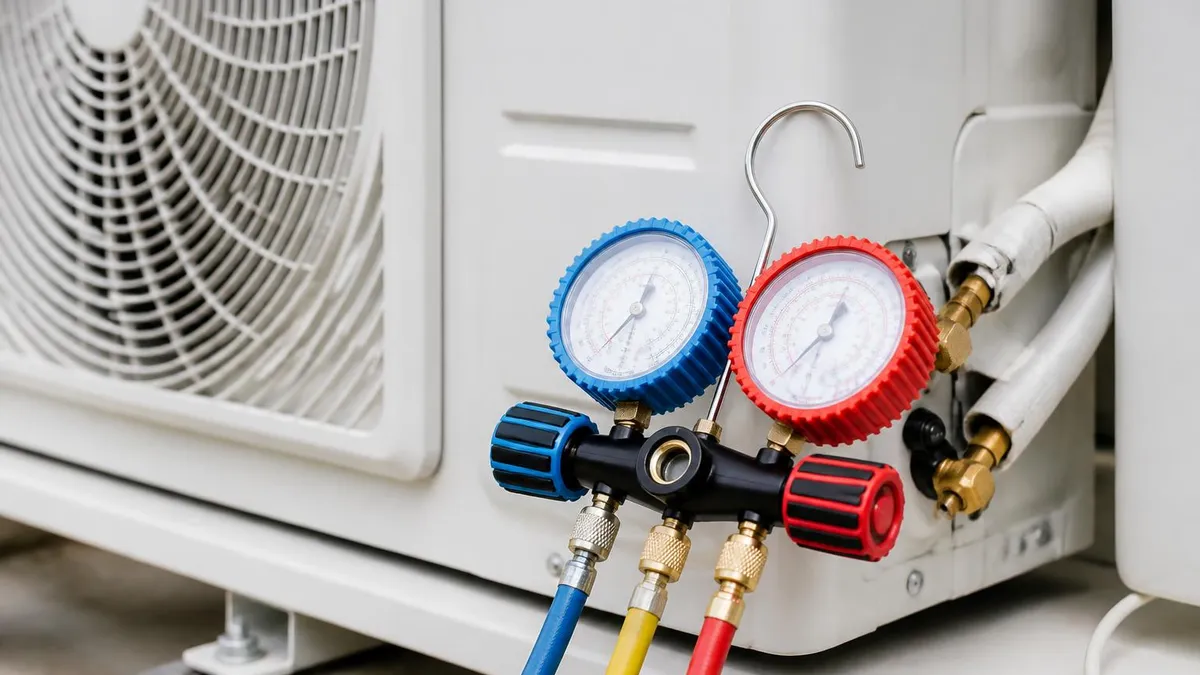
Large regional HVAC companies operate fleets of 20 to 100+ service trucks across the Portland metro area and often into Salem, Vancouver, and the Columbia Gorge. They offer 24/7 dispatch, financing through national lenders like Synchrony or Wells Fargo, multi-year labor warranties, and dedicated maintenance plan programs. Examples include companies tied to franchises like One Hour Heating or independent powerhouses with decades of local roots.
The trade-off is higher pricing — sometimes 15 to 30% above mid-size competitors — and a more aggressive sales process. Technicians often work on commission, which incentivizes upselling. If you value fast response, deep parts inventory, and the financial stability to honor a 10-year warranty, the premium can be worth it. For a routine replacement on a tight budget, you may do better elsewhere.
Big Brand vs. Local Independent: Which Wins?
- +Local independents typically charge 15-25% less for comparable equipment and labor
- +Owner involvement during installation leads to higher craftsmanship and accountability
- +Smaller shops often spend more time on Manual J calculations and ductwork inspections
- +Faster phone response — you usually talk to a real decision-maker, not a call center
- +Strong neighborhood reputation creates intense incentive to deliver quality work
- +Flexibility to offer custom solutions instead of strict factory-program scripts
- +Higher likelihood of being a Trade Ally Contractor with personalized rebate guidance
- −Limited after-hours emergency coverage during weekends and holidays
- −May lack financing options that big brands offer through national lenders
- −Smaller parts inventory means rare components might take days to source
- −Warranty service can stall if the owner is sick, on vacation, or retires
- −Less marketing polish can make it harder to evaluate from a website alone
- −No multi-state warranty backing if you relocate within five years
- −May not handle the largest commercial or multi-family projects efficiently
Portland HVAC Contractor Hiring Checklist
- ✓Verify active CCB license on the Oregon Construction Contractors Board website
- ✓Confirm Energy Trust of Oregon Trade Ally Contractor status for rebate eligibility
- ✓Request proof of general liability insurance with at least $1 million in coverage
- ✓Ask for current EPA Section 608 certification for any refrigerant work
- ✓Confirm NATE-certified technicians will be performing the installation
- ✓Get a written Manual J load calculation before any equipment is quoted
- ✓Require itemized estimates with model numbers, AHRI certificates, and labor breakdown
- ✓Read 20+ recent Google reviews, focusing on three- and four-star feedback
- ✓Call at least two references from projects completed in the last 12 months
- ✓Confirm permit pulling and inspection scheduling is included in the quoted price
- ✓Verify warranty terms in writing — both manufacturer and labor coverage
- ✓Walk away from any contractor pushing same-day signing or fake urgency discounts
Always Verify the Permit Was Pulled
The City of Portland's permit database is public. After your installation, search your address to confirm a mechanical permit was issued and inspected. Contractors who skip permits save themselves time and fees, but the consequences land on you: voided warranties, failed home inspections at resale, and personal liability if a fire or carbon monoxide incident traces back to unpermitted work. This 60-second check is the highest-use protective action a homeowner can take.
Portland HVAC pricing reflects the region's high labor costs, strong permit and inspection processes, and the increasing complexity of modern variable-speed heat pump equipment. A straightforward gas furnace replacement in a home with existing ductwork and good electrical infrastructure typically runs $5,500 to $9,000 installed. A heat pump upgrade with a matched air handler usually lands between $11,000 and $18,000 before rebates, and full ductless mini-split systems serving three to five zones range from $14,000 to $24,000 depending on equipment tier and installation complexity.
Energy Trust of Oregon is the single largest source of HVAC rebates in the state. Qualifying ducted heat pumps earn $1,500 to $2,400 in instant rebates when installed by a Trade Ally Contractor, with bonus amounts for high-efficiency Tier 2 equipment and homes transitioning off electric resistance or oil heat. Ductless heat pumps qualify for $800 to $1,800 per outdoor unit installed. These rebates are processed directly through the contractor and applied to your invoice, so you never pay the full sticker price.
Federal tax credits stack on top of state rebates. The Inflation Reduction Act's 25C credit covers 30% of the installed cost of qualifying heat pumps, capped at $2,000 per year. Combined with Energy Trust rebates, a $16,000 heat pump installation can effectively cost $11,500 to $12,500 after all incentives — sometimes less than a comparable gas furnace replacement. The math favors heat pumps strongly for most Portland homeowners, especially those currently on electric resistance heat or older oil systems.
Utility-specific programs add another layer. Portland General Electric offers low- and moderate-income heat pump incentives that can cover 60 to 100% of installation cost for qualifying households. Pacific Power has similar programs in its service territory. NW Natural provides smaller rebates for high-efficiency gas furnace replacement, though the company's strategic direction now also includes electrification support. Always ask your contractor which utility programs apply to your specific address and household income.
Financing is widely available but varies in quality. Top contractors offer zero-interest 12- to 18-month promotional financing through Synchrony, Greensky, or Service Finance. Longer-term loans at 6 to 9% APR are also common. PACE financing (Property Assessed Clean Energy) is available in some Oregon counties and attaches the loan to the property tax bill, which can simplify resale but adds complexity to refinancing. For most homeowners, a HELOC at credit union rates beats contractor financing on long-term loans.
Watch for hidden costs that don't appear in the headline price: electrical panel upgrades ($1,500 to $4,500), new line sets ($600 to $1,200), pad and bracket work ($200 to $600), thermostat replacement ($150 to $700 for smart models), and old equipment disposal ($150 to $400). Reputable contractors disclose these upfront after their site visit; less reputable ones spring them on you mid-project when you have no use. Detailed planning content in our HVAC Installations guide breaks down each line item.
Maintenance plan economics deserve a quick reality check. Most companies offer annual maintenance plans at $180 to $300 per year covering two visits (spring cooling, fall heating) and priority scheduling. The plans pay for themselves only if you actually use both visits and benefit from the 10 to 15% repair discounts. For homeowners with newer equipment under warranty, a single annual tune-up booked à la carte often makes more financial sense than a recurring plan.
During Portland's heat waves and ice storms, out-of-state contractors flood the market with door-to-door sales pitches and same-day install promises. Many lack Oregon CCB licensing, skip permits, and disappear when warranty issues surface. Always verify CCB status before signing — and never feel pressured to decide during a weather emergency. A 48-hour delay is far cheaper than a $20,000 unpermitted install gone wrong.
Knowing whether you need a service call, a system tune-up, or a full replacement quote dramatically affects which Portland HVAC company you should call. Service calls are the right move when a specific symptom appears suddenly: no cooling on a hot day, a furnace that won't ignite, strange noises, or short-cycling. Most Portland companies charge $89 to $189 for the initial diagnostic visit, with that fee typically credited toward repairs if you authorize work the same day. Expect $400 to $1,200 for common repairs like capacitor replacement, contactor swap, or condensate pump replacement.
Annual maintenance is the most underused service in the Portland market. A proper tune-up includes coil cleaning, refrigerant charge verification, electrical connection torquing, blower motor inspection, condensate drain clearing, and combustion analysis for gas equipment. Skipping maintenance shortens equipment life by 30 to 50% and dramatically increases the odds of a peak-season failure. Companies that perform real maintenance — not just a glance and a sticker — are worth paying $150 to $250 per visit for, especially on heat pumps where charge accuracy directly drives efficiency.
Full replacement decisions hinge on the 5,000 rule and the 50% rule. If equipment age in years multiplied by repair cost exceeds $5,000, replacement usually wins. If a single repair costs more than 50% of replacement value, replacement also wins. Beyond these formulas, deteriorating efficiency, refrigerant compatibility (R-22 systems are increasingly expensive to service), and rebate availability often tip the math. A skilled contractor walks you through this analysis honestly rather than pushing replacement reflexively.
Emergency service availability matters most in two scenarios: a furnace failure during a hard freeze and a cooling failure during extreme heat, particularly when household members are elderly, very young, or medically vulnerable. Portland has documented heat-related deaths during recent heat domes, so cooling failures during 100°F-plus stretches are genuine medical emergencies. Companies advertising true 24/7 emergency service should be able to dispatch within four hours during normal weather and same-day during weather events.
Second-opinion estimates are worth the effort on any project over $5,000. The variance between contractor quotes in Portland routinely runs 25 to 40%, not because of dramatically different scope but because of margin, sales overhead, and equipment-tier choices. Getting three quotes for a major installation and comparing line items reveals which companies are charging fair market rates and which are testing what you'll pay. The hour spent collecting second opinions usually returns $1,500 to $5,000 in savings.
Maintenance plan choices come down to risk tolerance and equipment age. Newer systems under manufacturer warranty benefit most from documentation of annual maintenance, which manufacturers increasingly require to honor warranty claims. Older systems past warranty benefit from the repair discounts and priority scheduling. If you're between systems and planning a near-term replacement, skip the plan and put the money toward the new system fund instead. Local same-day fixes often appear in resources like Best HVAC Repair Near Me.
The relationship aspect of HVAC service is undervalued. Homeowners who establish a long-term relationship with one quality contractor — annual maintenance, occasional repairs, eventual replacement — almost always pay less in total lifetime HVAC cost than homeowners who shop every transaction. The contractor learns your home, your equipment quirks, and your comfort preferences, while you get bumped to the front of the line in emergencies. That relationship is worth cultivating with the right company even if their hourly rate isn't the absolute lowest in town.
Once you've narrowed your list to two or three serious candidates, the in-home estimate becomes your most powerful evaluation tool. A professional estimator spends 60 to 90 minutes at your home, not 20. They measure each room, evaluate window orientation, check insulation in the attic, photograph the electrical panel, inspect existing ductwork from the inside when accessible, and ask detailed questions about hot rooms, cold rooms, humidity complaints, and how you use the home throughout the year.
Pay attention to whether the estimator asks about your priorities or simply quotes their default package. A skilled professional will ask whether you prioritize lowest upfront cost, lowest operating cost, quietest operation, best dehumidification, or longest expected lifespan — because the right equipment and configuration changes meaningfully based on those answers. An estimator who pulls out a flowchart and runs through equipment tiers without learning your context is selling, not consulting.
Equipment brand preferences in Portland tend to cluster around proven cold-climate performance. Mitsubishi Electric, Daikin, and Bosch lead in ductless and inverter-driven heat pumps. Carrier, Trane, Lennox, and Rheem lead in ducted residential systems. Bryant, American Standard, and Goodman serve mid-tier price points. Whatever brand a contractor recommends, ask why specifically for your application — they should be able to articulate the choice in terms of your home, not just market share or distributor relationship.
Contract review takes 30 minutes and prevents most post-installation disputes. Read every line, including the fine print on warranty exclusions, payment schedules, change order procedures, and project timeline guarantees. Pay particular attention to language about "comparable equipment substitution" which can let contractors swap in lower-tier equipment if your specified models become unavailable. Insist on written notification and your written approval for any substitution.
Permit and inspection timing affects your project schedule. Mechanical permits in Portland typically issue within three to seven business days for residential work. Inspections schedule one to five days after request. A reputable contractor builds these waiting periods into the timeline and doesn't pressure you to occupy the system before final inspection. If a contractor offers to skip the inspection "to save time," walk away immediately — that single shortcut creates years of downstream risk.
Post-installation walk-throughs separate good contractors from great ones. The lead installer should walk you through the new equipment, show you filter locations and replacement schedule, explain thermostat programming, demonstrate any smart features, point out where to find model and serial numbers for warranty registration, and answer your questions for as long as you need. If they leave a stack of manuals on the kitchen counter and drive away, you've hired the wrong company.
Warranty registration is your responsibility within the first 60 to 90 days. Most manufacturers extend the base 5-year warranty to 10 years only when the equipment is registered online. Your contractor should remind you, but the registration itself happens through the manufacturer's website using model and serial numbers from the installed equipment. Skip this step and you lose half your warranty period — an entirely preventable mistake that affects thousands of Portland homeowners every year.
HVAC Questions and Answers
HVAC Solutions: The Complete Guide to Heating, Cooling, and Indoor Air Quality Systems for Homes and Buildings
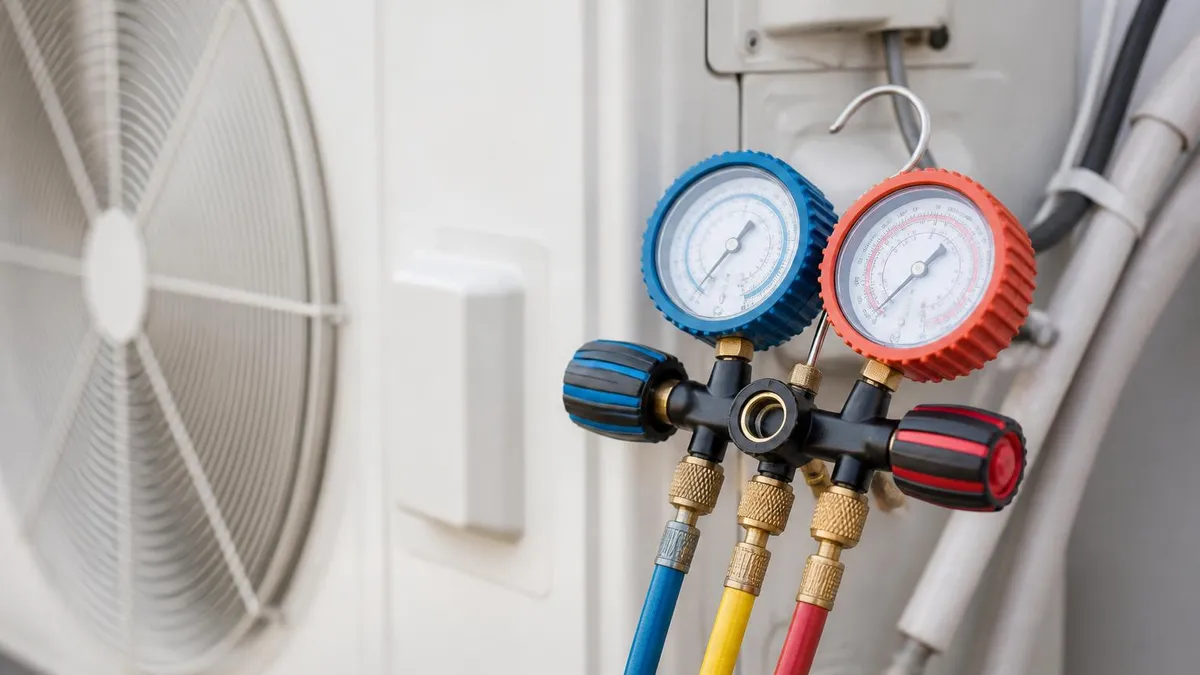
Certified HVAC Contractors: How to Find, Vet, and Hire the Right Professional for Your Home or Business

Best HVAC Repair in Bandon, OR: Local Services Near Me Guide
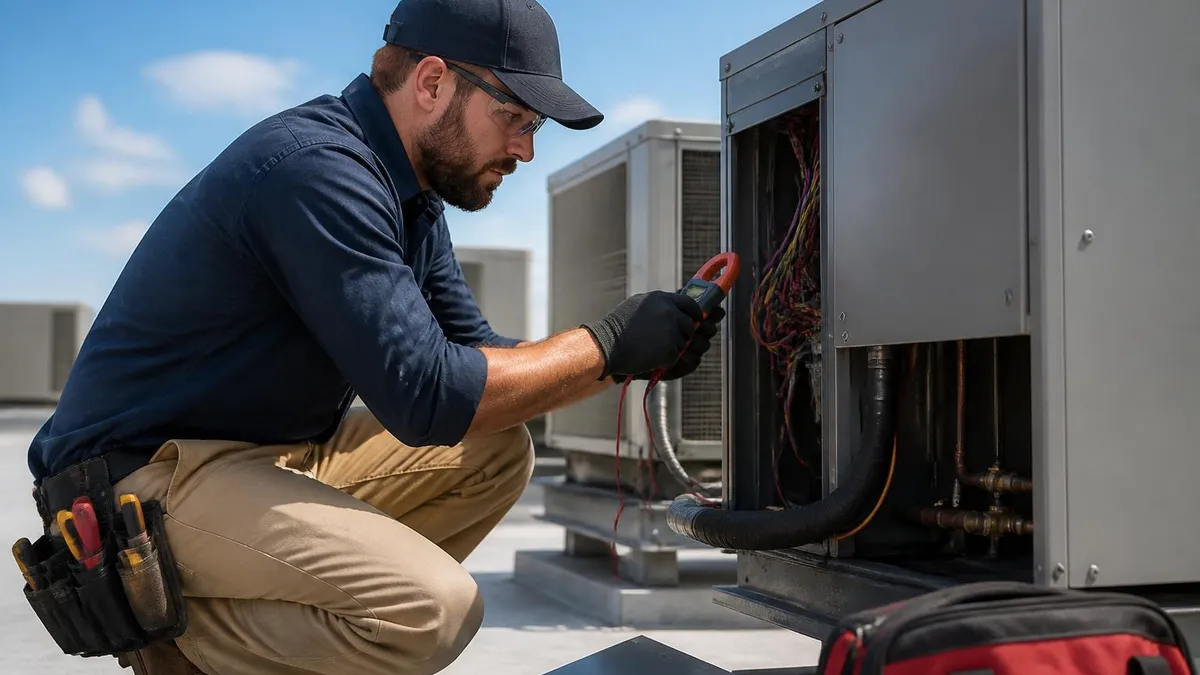
HVAC Installations: The Complete Guide to Planning, Pricing, and Getting It Right the First Time
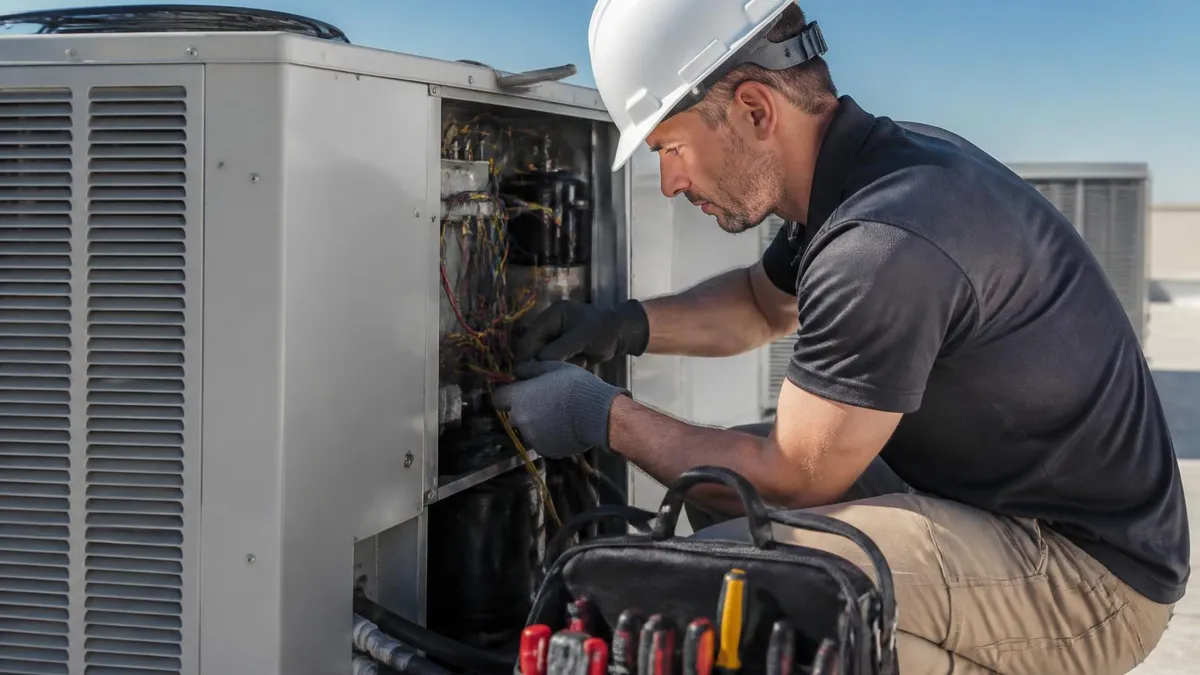
EPA Certification for HVAC: The Complete Guide to Section 608 Requirements, Exam Prep, and Career Impact
About the Author

NATE Certified HVAC Technician & Licensing Exam Trainer
Universal Technical InstituteMike Johnson is a NATE-certified HVAC technician and EPA 608 universal-certified refrigerant handler with a Bachelor of Science in HVAC/R Technology. He has 19 years of commercial and residential HVAC installation and service experience and specializes in preparing technicians for NATE certification, EPA 608, A2L refrigerant safety, and state HVAC contractor licensing examinations.