
HVAC Hourly Rate: The Complete 2026 Guide to HVAC Salary, Pay Scales, and Earning Potential in the Trades
HVAC hourly rate guide: 💯 real pay data, salary ranges by state and experience, overtime, bonuses, and how to maximize earnings as an HVAC technician.

If you are weighing a career in heating and cooling, the first question you probably want answered is simple: what is the typical hvac hourly rate, and how does that translate into a real annual income? The honest answer is that pay in this trade spans a wide range, from entry-level helpers earning around $17 per hour to seasoned commercial service technicians clearing $45 to $60 per hour with overtime, bonuses, and on-call premiums layered on top of base pay. Practice with the free HVAC practice test on PracticeTestGeeks (750+ questions with answer explanations).
The Bureau of Labor Statistics pegs the national median wage for HVAC mechanics and installers at roughly $27 per hour, or about $57,300 per year, but that single number hides enormous variation. A first-year apprentice in rural Mississippi might start at $15 hourly, while a union journeyman in San Francisco or New York City regularly bills out at $90 per hour and takes home $40 to $50 of that. Geography, certifications, union status, and specialty all move the needle.
This guide breaks down exactly how HVAC pay works in 2026. We cover hourly wages by experience level, the difference between flat-rate and hourly compensation, regional pay maps, overtime rules, how bonuses and spiffs stack on top, and the credentials that move you from $20 an hour to $40 an hour fastest. We also look at owner-operator income, commercial versus residential pay gaps, and the realistic timeline from helper to master technician.
Whether you are a high school senior comparing trades, a career changer in your thirties weighing a two-year program, or a working tech wondering if you are underpaid, the numbers below come from current BLS data, contractor association surveys, and active job postings collected in early 2026. We have rounded to keep things readable but flagged where regional swings are unusually large.
One quick note before we dig in: HVAC pay is climbing faster than the broader labor market. Labor shortages, the heat pump transition, and refrigerant changeovers are squeezing every contractor in the country, and that pressure is showing up in paychecks. Wages rose roughly 5 to 7 percent year over year in 2024 and 2025, and most regional forecasts expect another 4 to 6 percent bump through 2026. If you have been on the fence, the financial case for entering the trade has rarely been stronger.
We will also touch on the less visible parts of compensation: company trucks, tool allowances, paid certifications, health insurance, 401(k) matches, and the production-based incentives that can effectively double a technician's take-home in busy summers. Understanding the full package matters because two jobs paying the same $28 hourly rate can produce wildly different W-2 totals at year end.
By the end of this article you will know exactly where you fit on the pay scale, what to ask for in your next review, and which credentials offer the highest dollar-per-hour return on your study time. If you want hands-on practice while you read, the HVAC Solutions resource pairs nicely with the salary roadmap below.
Free HVAC Study Tools
Interactive HVAC resources on PracticeTestGeeks, free to start:
- HVAC EPA 608 Refrigerant Certification — 35 questions with instant scoring and answer explanations
- HVAC flashcards — review key terms and concepts card by card
- HVAC study guide — topic-by-topic overview of what the exam covers
- HVAC cheat sheet — one-page printable summary for last-minute review
HVAC Pay by the Numbers (2026)

HVAC Pay Scale by Experience Level
Entry-level techs earn $15–$22 per hour while learning basic install work, ductwork assembly, and tool handling. Most apprentices pull 40-hour weeks with limited overtime and gain certifications during ride-along time with journeymen.
After EPA 608 certification and a year of field time, pay jumps to $22–$30 hourly. Junior techs handle straightforward service calls, residential installs, and basic diagnostics under remote supervision from a senior lead.
Fully licensed journeymen earn $28–$40 per hour. They run service calls independently, diagnose complex faults, mentor apprentices, and often pull on-call premiums of $2–$5 per hour plus production bonuses.
Senior techs with commercial chiller, controls, or refrigeration experience earn $38–$55 hourly. Many move into lead-tech roles managing crews of three to five and earning $90,000–$130,000 annually with overtime included.
Master HVAC license holders, controls specialists, and commercial refrigeration techs top the pay scale at $45–$70 per hour. Many transition to service manager, estimator, or owner-operator roles earning $130,000–$200,000 yearly.
HVAC pay is structured very differently from a typical office job, and understanding the mechanics behind your paycheck is the single biggest factor in negotiating a better deal. There are three dominant compensation models in the industry: straight hourly, flat-rate (sometimes called performance pay), and salary plus commission. Each one rewards different behavior, and the right model for you depends on your speed, your soft skills, and the market you work in.
Straight hourly is the most common structure for apprentices, install crews, and union shops. You clock in, you clock out, you get paid for every minute on the truck, including drive time, paperwork, and warehouse stops. Overtime kicks in at time-and-a-half after 40 hours under federal law, and many contractors pay double time on Sundays and holidays. The upside is predictability; the downside is that a fast, skilled tech earns the same as a slow one on the same job.
Flat-rate or performance pay flips that equation. Instead of billing the customer by the hour, the shop quotes a fixed price for each repair from a price book, and the technician earns a percentage — typically 20 to 35 percent — of the labor portion. A tech who can complete a $400 capacitor and contactor replacement in 45 minutes effectively earns $80 to $140 for that hour of work. Top flat-rate residential techs in busy markets clear $120,000 to $180,000 per year, but income swings hard with the season.
The third model, salary plus commission, is increasingly common at established service companies. You receive a base salary equivalent to roughly $22 to $28 per hour and then earn 5 to 10 percent commission on parts, accessories, maintenance agreements, and replacement leads you generate. This structure rewards techs who genuinely solve customer problems rather than rushing the next ticket, and it smooths income across slow winter months.
On-call pay, prevailing wage, and union scale add additional layers. Most service techs rotate on-call duty one week per month, earning a flat stipend of $100 to $300 plus their regular hourly rate (often at overtime multipliers) for any callouts. Federal prevailing wage jobs under the Davis-Bacon Act can push hourly rates into the $50 to $75 range for residential techs working on military housing or government buildings. Union shops typically pay 15 to 25 percent above non-union scale in the same metro, plus full health and pension contributions worth another $15 to $25 per hour in employer cost.
Benefits matter enormously when comparing offers. A $32-per-hour job with no health insurance, no retirement match, and a personal-vehicle requirement can easily net less than a $26-per-hour job with full family health coverage, a company truck, paid certifications, and a 5 percent 401(k) match. Run the math on total compensation, not just the headline number on the offer letter.
Finally, remember that hourly rate is only one variable in your annual income. Hours worked, overtime availability, bonus structure, and ride-along billable efficiency all multiply against the base rate. A $30-per-hour tech who averages 50 billable hours weekly with quarterly bonuses earns dramatically more than a $35-per-hour tech stuck on a 36-hour install crew. Looking for a deeper breakdown of how shops structure their service operations? Our hvac contractors guide explains the business side that shapes your paycheck.
HVAC Practice Test Questions
Prepare for the HVAC - Heating Ventilation and Air Conditioning exam with our free practice test modules. Each quiz covers key topics to help you pass on your first try.
HVAC Air Conditioning
HVAC Exam Questions covering Air Conditioning. Master HVAC Test concepts for certification prep.
HVAC Code Compliance
Free HVAC Practice Test featuring Code Compliance. Improve your HVAC Exam score with mock test prep.
HVAC Electrical Controls
HVAC Test Prep for Electrical Controls. Practice HVAC Quiz questions and boost your score.
HVAC Energy Efficiency
HVAC Questions and Answers on Energy Efficiency. Free HVAC practice for exam readiness.
HVAC Heating Systems
HVAC Mock Test covering Heating Systems. Online HVAC Test practice with instant feedback.
HVAC Load Calculations
Free HVAC Quiz on HVAC Load Calculations. HVAC Exam prep questions with detailed explanations.
HVAC Tools and Equipment
HVAC Practice Questions for HVAC Tools and Equipment. Build confidence for your HVAC certification exam.
HVAC Refrigeration
HVAC Test Online for Refrigeration. Free practice with instant results and feedback.
HVAC Safety Practices
HVAC Study Material on Safety Practices. Prepare effectively with real exam-style questions.
HVAC System Design
Free HVAC Test covering System Design. Practice and track your HVAC exam readiness.
HVAC Thermodynamics
HVAC Exam Questions covering Thermodynamics. Master HVAC Test concepts for certification prep.
HVAC Hourly Rate by Region
California, Alaska, Hawaii, Washington, Massachusetts, and New York lead the country in HVAC pay. California techs average $34 to $42 per hour, with Bay Area journeymen routinely earning $48 to $55. Alaska and Hawaii pay similarly because of cost-of-living adjustments and limited labor pools, often $36 to $44 per hour for experienced service techs.
The Northeast corridor from Boston through DC consistently ranks in the top tier. Union shops in New York City, Newark, and Philadelphia pay $45 to $58 per hour to journeymen with full benefits packages worth another $25 hourly in employer contributions. These markets demand commercial and controls experience but reward it generously through prevailing wage projects and dense service routes.
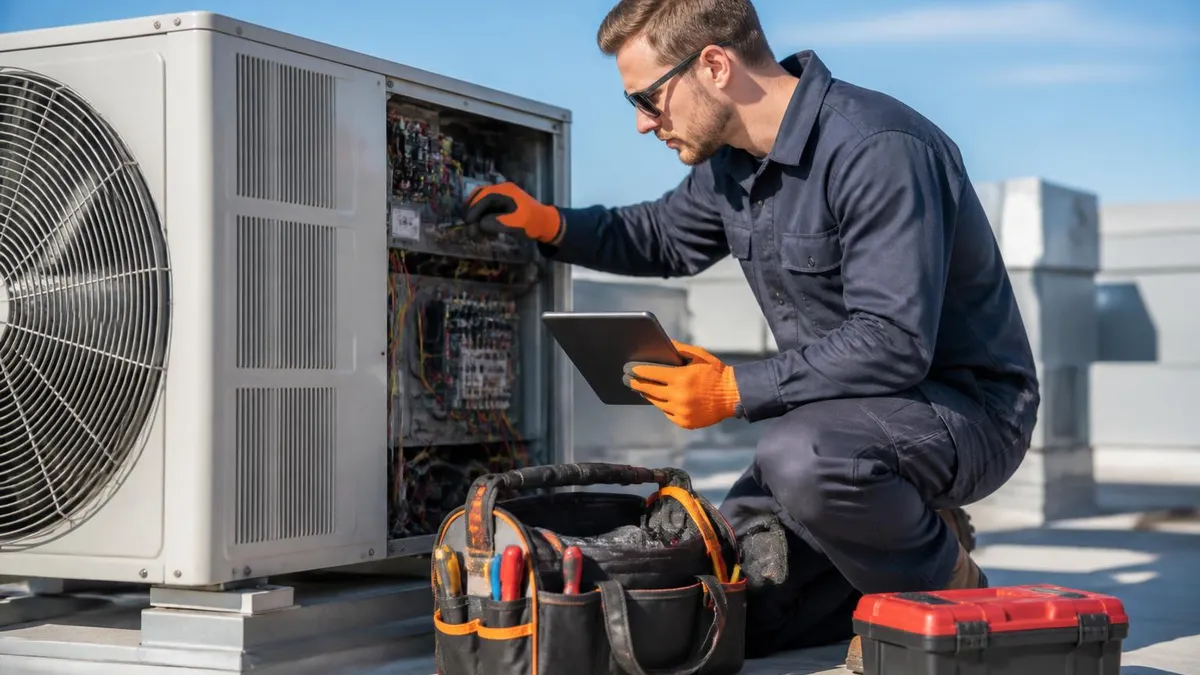
Hourly vs Flat-Rate Pay: Which Is Better for HVAC Techs?
- +Flat-rate rewards speed and skill — fast techs can effectively earn $60–$100 per hour
- +Income scales with effort, not just clock time, which attracts ambitious technicians
- +Maintenance agreement and accessory commissions add 10–20% on top of base earnings
- +Top performers regularly clear $120,000–$180,000 in residential flat-rate roles
- +Encourages techs to learn the price book and become better at customer communication
- +Slow winter weeks can be supplemented with maintenance plan sales and tune-ups
- −Income drops sharply in slow seasons — November through February can be lean
- −Pressure to upsell can damage customer trust if shops use aggressive price books
- −Drive time and warehouse stops are often unpaid or paid at reduced rates
- −Apprentices and new techs earn less than they would on straight hourly
- −Sick days and vacation hit the wallet harder with no guaranteed weekly minimum
- −Customer disputes over price can result in chargebacks against the technician
Pros and Cons at a Glance
| Pros | Cons |
|---|---|
| Income scales with effort, not just clock time, which attracts ambitious technicians | Income drops sharply in slow seasons — November through February can be lean |
| Encourages techs to learn the price book and become better at customer communication | Pressure to upsell can damage customer trust if shops use aggressive price books |
| Slow winter weeks can be supplemented with maintenance plan sales and tune-ups | Drive time and warehouse stops are often unpaid or paid at reduced rates |
How to Raise Your HVAC Hourly Rate in 12 Months
- ✓Pass the EPA Section 608 Universal certification within your first 90 days on the job
- ✓Earn NATE certification in at least one specialty (Gas Heat, Heat Pump, or AC) — worth $2–$5 hourly
- ✓Document every callback rate, install time, and customer review to build a performance case
- ✓Learn to read manufacturer service manuals and write clear diagnostic reports
- ✓Add a state journeyman or master HVAC license once eligibility requirements are met
- ✓Cross-train in commercial refrigeration or controls — the two highest-paying specialty tracks
- ✓Build proficiency with one major BMS platform (Tridium, Distech, JCI Metasys, or Honeywell)
- ✓Master superheat/subcool diagnostics, recovery procedures, and electrical troubleshooting
- ✓Track your billable-hour efficiency weekly and aim for 85%+ ratio over a quarter
- ✓Request annual performance reviews in writing with specific dollar-amount raise targets
NATE certification adds $4,000–$8,000 to annual earnings
Contractor surveys consistently show that NATE-certified technicians earn 10–15% more than non-certified peers doing the same work. The exam costs around $175, takes about 80 hours of study, and the credential is recognized by virtually every major HVAC employer in the country. If you do only one thing this year to raise your hourly rate, make it NATE.
Not all HVAC work pays the same — even within the same metro area, choosing the right specialty track can mean a $20-per-hour difference in lifetime earnings. The five highest-paying lanes in the trade right now are commercial refrigeration, building automation and controls, industrial process cooling, chiller and boiler service, and clean-room or data-center cooling. Each requires deeper electrical, mechanical, and computer literacy than basic residential service, but the pay premium is substantial and the work is more interesting.
Commercial refrigeration techs maintain walk-in coolers, freezers, ice machines, and supermarket rack systems. The work demands sharp pressure-temperature interpretation, comfort with multiple refrigerant blends (including CO2 transcritical and hydrocarbons), and on-call availability because spoiled inventory becomes a five-figure emergency fast. Pay ranges from $35 to $55 per hour, with senior supermarket techs in major chains earning $90,000 to $140,000 plus generous overtime and on-call premiums.
Building automation systems (BAS) techs program, commission, and troubleshoot the control networks that run office towers, hospitals, schools, and data centers. This work blends HVAC, low-voltage electrical, and IT skills. Techs fluent in Tridium Niagara, Distech EC-Net, or Johnson Controls Metasys regularly earn $45 to $70 per hour, and many transition into six-figure salaried roles as controls engineers or commissioning agents. The learning curve is steep — typically two to three years beyond journeyman to reach full BAS competence.
Chiller and boiler service is the classic high-end commercial specialty. Centrifugal chillers in 500-ton-and-up office buildings require manufacturer-specific training (Carrier, Trane, York, Daikin) and the ability to read electronic refrigerant cycle data. A senior chiller mechanic in Chicago, New York, or Boston often bills out at $200 per hour to the customer and takes home $50 to $65 hourly. Annual eddy-current and tube-cleaning seasons generate massive overtime, sometimes pushing W-2 totals past $180,000.
Data-center and clean-room cooling has exploded as a specialty since 2023. Hyperscale operators like Amazon, Microsoft, Meta, and Google have built out massive campuses that require 24/7 precision cooling, and the engineers and techs who keep CRAC units, in-row coolers, and rear-door heat exchangers running are paid accordingly. Roles in Northern Virginia, Phoenix, Dallas, and Columbus regularly post at $42 to $58 per hour for journeyman techs with two-plus years of mission-critical experience, plus on-call premiums and substantial bonus structures.
Industrial process cooling — think pharmaceutical plants, food processors, plastic injection molders, and brewery glycol systems — rounds out the top five. The pay is comparable to commercial refrigeration ($34 to $52 hourly), the work is typically daytime and predictable, and most contracts include strong overtime guarantees during shutdown weeks. The downside is the work tends to cluster in industrial corridors, so geography matters more than in residential service.
If you are early in your career and want to optimize lifetime earnings, the playbook is simple: get strong residential fundamentals in years one through three, then deliberately seek out a commercial apprenticeship or service-tech opening in one of these five specialty tracks. The pay premium compounds for the next 25 years.
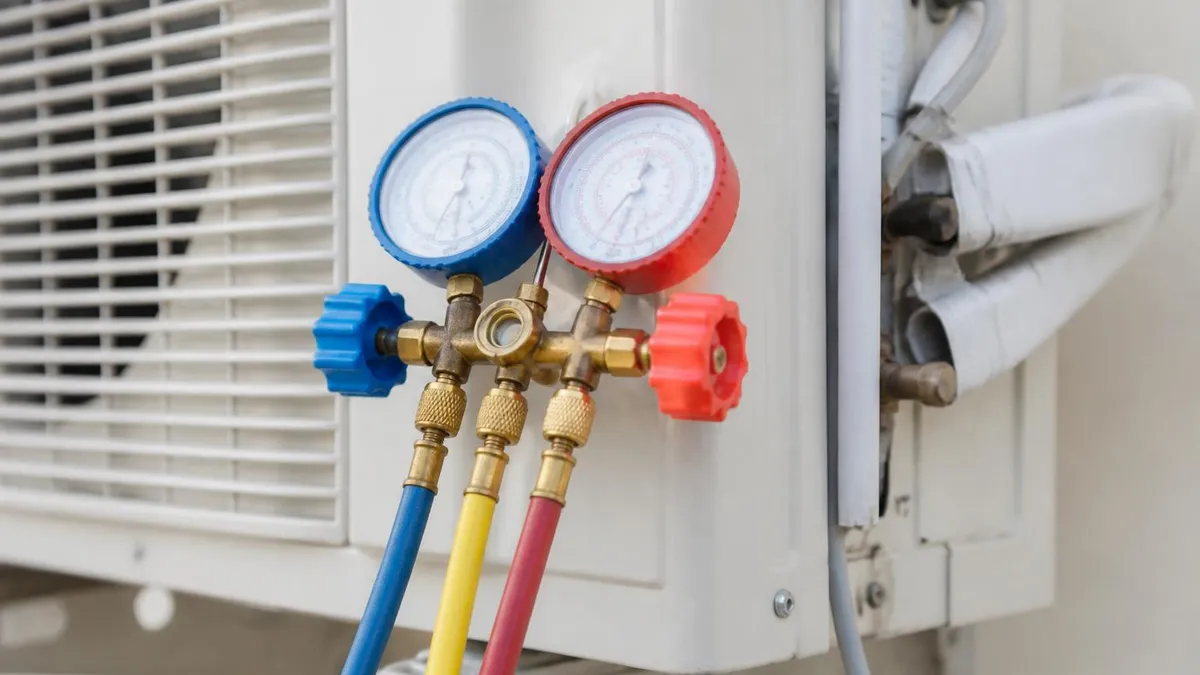
Some HVAC job ads advertise '$100,000+ earning potential' but base it on top-decile performers working 60-hour weeks. Always ask for the median W-2 of techs in your target role with 1, 3, and 5 years tenure. If the recruiter dodges the question, that is your answer. Real shops are transparent about pay ranges and bonus structures.
Negotiating your HVAC hourly rate is a skill most techs never learn formally, which is exactly why the techs who do learn it earn 15 to 25 percent more over a career. The single most important rule: never negotiate on the phone or in a parking lot conversation. Schedule a formal review meeting, bring documented performance data, and have a specific dollar target in mind. Vague requests get vague raises; concrete asks backed by numbers get concrete results.
The data you bring to a review matters more than your delivery. Track your billable-hour ratio (target 80 to 90 percent), your callback rate (target under 3 percent), your average ticket size, your maintenance-agreement sales, your customer review average, and any continuing education completed in the past year. A tech who walks into a review with a printed sheet showing 86 percent billable, 1.8 percent callbacks, and three new certifications has already won the negotiation before saying a word about money.
Timing matters too. The best windows to ask for a raise are March (just before peak cooling season starts and shops desperately need techs locked in) and October (after the busy season when revenue and margins are clearest). Avoid asking in January, when budgets are already set, or mid-July, when your manager is buried in emergency calls and lacks bandwidth for a thoughtful conversation.
If your current employer cannot or will not meet your number, the single fastest path to a meaningful raise is a competing offer. The HVAC labor market in 2026 is so tight that experienced techs receive cold calls weekly from recruiters and competing shops. Interview at two or three places per year even if you are happy — it keeps your market value sharp and gives you use. Most shops will counter a competing offer to retain a proven performer, often matching or beating the new rate.
Owner-operator income deserves a separate paragraph because many techs eventually go that route. A solo owner-operator with strong customer relationships and a paid-off van typically nets $90,000 to $140,000 after expenses. A small shop with two to four employees generating $1.5M to $3M in annual revenue can produce $150,000 to $300,000 in owner take-home if the books are run tight. The leap is real, but it requires sales skill, basic accounting, and tolerance for risk that not every tech enjoys.
Continuing education is non-negotiable if you want to keep pace with the pay curve. The refrigerant landscape is shifting (R-454B and R-32 are replacing R-410A), heat pumps are dominating new residential installs, and inverter-driven systems require diagnostic skills that didn't exist a decade ago. Spend at least 40 hours per year on manufacturer training, NATE recertification, or controls coursework. Techs who stop learning get stuck at the same hourly rate for a decade.
One last piece of strategy: build relationships outside your shop. Join your state HVACR contractor association, attend AHR Expo at least once, get active on technician forums and YouTube training channels, and learn the names of the senior service managers at the top three competitors in your market. Your next $10-per-hour raise is more likely to come from a phone call than a cold application. For more on how the broader service industry is structured, see our guide on hvac maintenance service.
Now let's get tactical. Below is the practical playbook I give to working HVAC techs who want to add $5 to $10 to their hourly rate within the next 18 months. None of these steps require a college degree or a career change — they are all incremental moves built on the foundation you already have. The compounding effect is what matters; layered together, they typically produce a $15,000 to $25,000 annual income bump within two years.
First, audit your current compensation package in detail. Write down your base hourly rate, your average weekly hours, your overtime hours, your bonus history for the past 12 months, your benefits value (estimate health insurance at $8,000 to $20,000 per year for family coverage, 401(k) match at the employer's contribution), and any tool or truck allowances. This number is your real total compensation. Most techs underestimate it by 20 to 30 percent and therefore undersell themselves in negotiations.
Second, identify the single highest-use certification you do not yet hold. For most techs that is NATE in a specialty they already work in daily. For others it is a state journeyman or master license, a manufacturer-specific controls credential, or commercial refrigeration training. Pick one, block out 80 to 120 study hours over the next quarter, and pass it. Then immediately update your résumé and LinkedIn and have a conversation with your manager about the impact on your rate.
Third, expand your tool kit and diagnostic capabilities. A $400 investment in a quality combustion analyzer, a Bluetooth-enabled manifold set, or a thermal imaging camera can make you noticeably faster and more accurate on calls. Faster, more accurate techs get assigned the highest-value tickets, build the strongest customer reviews, and become harder to replace. All three feed directly into raise conversations.
Fourth, develop one soft skill the typical tech ignores: customer communication. The techs who explain problems clearly, write thorough invoices, follow up after big jobs, and never argue with homeowners build review portfolios that justify premium pricing. Companies pay more for techs who generate five-star reviews because those reviews drive the entire marketing engine. Practice explaining a heat pump defrost cycle to your grandmother. If you can do that, you can sell yourself in a review.
Fifth, document everything. Keep a digital log of complex repairs you completed independently, callbacks you resolved, training hours, customer compliments, accessories sold, and maintenance agreements signed. When raise time comes, this log is your ammunition. When job-hunting time comes, it is your portfolio. Techs who walk into interviews with a tablet showing real work product win offers at the top of the range every single time.
Finally, plan your five-year arc deliberately. Where do you want to be at hourly rate $X? In residential, commercial, controls, refrigeration, or ownership? Reverse-engineer the credentials, experience, and relationships required to get there, and treat each year as one rung on the ladder. The techs who drift from job to job without a plan rarely break out of the median. The techs who plan deliberately routinely earn double the median by year 10.
HVAC pay rewards skill, speed, and strategy. Master all three and the hourly rate takes care of itself.
Sample HVAC Practice Questions
Try these questions from our free HVAC practice tests. The correct answer and an explanation follow each question.
Which factor does NOT directly affect the required outdoor air ventilation rate per ASHRAE 62.1 Ventilation Rate Procedure?
- A. Occupancy density (people per sq ft)
- B. Area of the space (sq ft)
- C. Ceiling height of the space
- D. Occupancy category (office, gym, etc.)
Answer: C. Ceiling height of the space
The Ventilation Rate Procedure uses occupancy density and area-based rates by category; ceiling height is not a direct input, though it influences volume and air change calculations.
What is the recommended minimum outdoor air ventilation rate per person for office spaces according to ASHRAE 62.1?
- A. 2.5 CFM per person
- B. 5 CFM per person
- C. 10 CFM per person
- D. 20 CFM per person
Answer: C. 10 CFM per person
ASHRAE 62.1 requires a minimum of approximately 17 CFM total per person for offices, but the people component alone is 5 CFM per person plus an area component.
What role does collaboration play in air conditioning for HVAC professionals?
- A. It slows down work unnecessarily
- B. It enhances outcomes through diverse perspectives and shared expertise
- C. It is only needed in emergencies
- D. It reduces individual accountability
Answer: B. It enhances outcomes through diverse perspectives and shared expertise
Collaboration leverages diverse perspectives and combined expertise to achieve better outcomes than any individual could alone.
In HVAC practice, what is the best approach to quality improvement in electrical controls?
- A. Make changes without measuring results
- B. Use data-driven methods with measurable outcomes
- C. Wait for problems to occur before acting
- D. Copy what other organizations do without analysis
Answer: B. Use data-driven methods with measurable outcomes
Data-driven quality improvement with measurable outcomes ensures that changes actually produce the intended improvements and can be verified.
HVAC Questions and Answers
HVAC Repair Portland: The Complete 2026 Homeowner's Guide to Furnace, AC, and Heat Pump Service in the Rose City

Commercial HVAC Contractors Near Me: How to Find, Vet, and Hire the Right Local Pro for Your Building
HVAC Tune Up Service: The Complete Guide to Professional HVAC Maintenance and Why It Pays for Itself
HVAC Solutions: The Complete Guide to Heating, Cooling, and Indoor Air Quality Systems for Homes and Buildings
Certified HVAC Contractors: How to Find, Vet, and Hire the Right Professional for Your Home or Business
How this page was made: written with AI tools and published by Nathan Beja, founder of Practice Test Geeks, who is responsible for its content. We have not yet matched this exam's facts to an official source, so confirm fees, dates and rules with the exam body. Not reviewed by a subject-matter expert. Editorial policy