
HVAC Service Wichita KS: The Complete 2026 October Homeowner's Guide to Heating, Cooling, and Indoor Air Quality in South-Central Kansas
HVAC Wichita KS guide: find trusted contractors, compare repair vs replace costs, schedule tune-ups, and survive Kansas heat and cold all year. ✏️
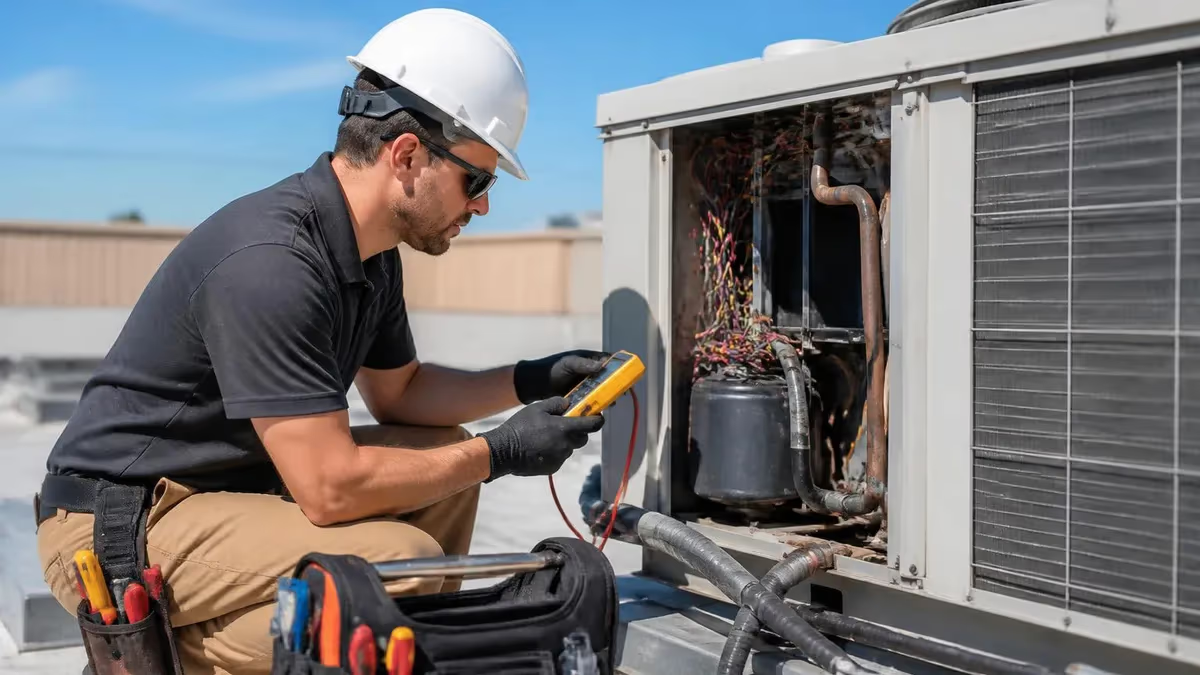
Finding reliable hvac wichita ks service is not a luxury in south-central Kansas, it is a survival skill. Wichita homes face triple-digit July afternoons, sub-zero January mornings, sudden tornado-season humidity swings, and the constant grit of prairie dust that clogs filters faster than almost anywhere in the Midwest. The equipment in your basement or closet has to perform across an annual temperature swing of 120 degrees or more, and the wrong contractor, the wrong sized unit, or a skipped tune-up can cost you thousands in repairs and energy waste over a single season.
This guide is written for Wichita homeowners, renters who pay their own utilities, and small landlords in Sedgwick, Butler, Sumner, and Harvey counties who want practical answers, not sales pitches.
We cover how to choose a licensed HVAC contractor in Wichita, what fair pricing looks like in 2026, when to repair versus replace your furnace or air conditioner, how heat pumps perform in Kansas winters, and what rebates from Evergy and federal tax credits can knock off the price of a new system. We also touch on indoor air quality, which matters more than ever after the wildfire smoke events of the last three summers.
The Wichita HVAC market is dominated by a mix of long-established family contractors that have served the area for forty or fifty years and newer franchise operations that arrived in the last decade. Both can deliver excellent work, but the variance in pricing, warranty coverage, and technician training is enormous. The same 3-ton condenser install can range from $5,400 to over $11,000 depending on who you call, and the cheapest quote is almost never the best long-term value once you factor in commissioning quality and labor warranty.
Wichita is hard on equipment for reasons that people who moved here from milder climates rarely appreciate at first. The combination of fine loess dust, cottonwood fluff in May, summer pollen, and the alkaline water that scales coils means filters and drain lines need attention three to four times a year, not the once-a-year cadence that works in coastal cities. Outdoor condensers parked on the south side of a house can hit ambient surface temperatures of 130 degrees in August, which shortens compressor life if airflow around the unit is restricted by shrubs or fencing.
Heating systems get tested just as hard. The 2021 February cold snap pushed Wichita to minus 14 degrees and left thousands of homeowners discovering that their twenty-year-old furnace had a cracked heat exchanger or a failed inducer motor at the worst possible moment. Annual fall maintenance is not optional in this climate, and any contractor who tries to sell you a tune-up without actually testing combustion, static pressure, and gas pressure is going through the motions rather than protecting your family.
We will walk through every decision you face as a Wichita homeowner managing an HVAC system, from picking the right contractor and understanding what the technician should actually do on a service call, to deciding when a 15-year-old AC has earned retirement.
You can also explore our broader resource on HVAC solutions for general background on system types before diving into Wichita-specific advice. By the end of this guide you should be able to read a quote, ask the right questions, and feel confident that the company in your driveway is treating your home the way they would treat their own.
One last note before we dive in: HVAC is a licensed trade in Kansas, and Wichita itself requires city mechanical permits for most install work and major repairs. If a contractor offers to skip the permit to save you a few hundred dollars, that is a red flag, not a favor. Permits exist because gas leaks, carbon monoxide events, and electrical fires from improper installs are real and recurring problems, and a permitted job creates a paper trail that protects your warranty and your insurance claim if something ever goes wrong.
Wichita HVAC by the Numbers
Common HVAC Systems in Wichita Homes
The dominant setup in Wichita, especially in homes built between 1960 and 2010. A natural gas furnace handles winter heat while a matched outdoor condenser and indoor coil deliver summer cooling through shared ductwork.
Increasingly popular for new construction and replacements. The heat pump handles 80 percent of annual hours, with the gas furnace kicking in only below about 35 degrees to keep operating costs predictable during cold snaps.
Best suited to newer, well-insulated homes or those without existing gas service. Modern cold-climate heat pumps maintain capacity down to 5 degrees, but sizing and backup strip heat must be calculated carefully for Kansas winters.
Common on slab-foundation ranch homes in west Wichita and Derby. The entire system sits outside on a pad or roof, simplifying service access but exposing more components to weather and reducing typical lifespan by two to three years.
Growing in popularity for additions, finished basements, garages, and older Riverside or College Hill homes that never had central ductwork. Excellent zoning and efficiency, but require more indoor wall space than ducted systems.
Choosing the right HVAC contractor in Wichita is the single biggest factor in how much you spend over the life of your system. A great contractor can make a mid-grade 14 SEER2 air conditioner last eighteen years and run efficiently the whole time. A bad contractor can make a top-tier variable-speed system die in eight years through poor sizing, sloppy refrigerant charging, and refusal to commission the equipment properly. The brand name on the cabinet matters far less than the name on the truck.
Start with licensing. Kansas does not have a statewide HVAC contractor license, but the City of Wichita and most surrounding jurisdictions require mechanical contractors to register with the local building department and carry liability insurance. Any legitimate company will list their Wichita mechanical contractor registration number on their website or hand it to you without hesitation. NATE-certified technicians (North American Technician Excellence) are a strong additional signal that the person actually turning the wrenches has passed independent skills testing.
Ask for three written quotes for any job over $1,500, and insist that each quote include the exact model numbers of every piece of equipment, the included accessories such as surge protectors and float switches, the ductwork modifications planned, the permit fee, the labor warranty length, and the manufacturer parts warranty. Quotes that are vague about scope are designed to be vague, and they almost always lead to change orders and arguments later. A good contractor produces a quote you could hand to another contractor and get a comparable bid.
Reviews matter, but read them critically. Look for patterns over the last twelve months rather than a single five-star review from 2019. Pay attention to how the company responds to negative reviews. A contractor who answers a one-star complaint with professional engagement, a clear summary of what happened, and an offer to make it right is showing you exactly how they will treat you when something goes wrong on your job. Defensive or hostile responses tell you everything you need to know.
Be wary of the high-pressure replacement pitch. If a technician shows up for a no-cool call and immediately tries to sell you a complete system replacement without first attempting a diagnosis, get a second opinion. Capacitors, contactors, blower motors, and igniters all fail regularly and are normal repairs on systems under fifteen years old. The classic Wichita scam is the technician who declares your heat exchanger cracked without actually showing you the crack with a borescope or combustion analyzer, then quotes a $12,000 furnace replacement on the spot.
For complex commercial or light-commercial work, the contractor pool narrows considerably. If you own a small office, restaurant, or retail building in Old Town or near the airport, you want a company with documented commercial experience, not a residential outfit stretching outside its lane. Our guide to commercial HVAC contractors near me walks through how the vetting process differs once you move beyond residential equipment into rooftop packaged units and VRF systems.
Finally, pay attention to how the company treats your home during the visit. Drop cloths, shoe covers, drip pans under the indoor unit during refrigerant work, and a thorough cleanup at the end are basic professionalism. Technicians who leave wire nuts on your floor, refrigerant oil on your concrete, and screws missing from access panels are showing you what their installation quality looks like behind the panel where you cannot see it.
HVAC Practice Test Questions
Prepare for the HVAC - Heating Ventilation and Air Conditioning exam with our free practice test modules. Each quiz covers key topics to help you pass on your first try.
HVAC Air Conditioning
HVAC Exam Questions covering Air Conditioning. Master HVAC Test concepts for certification prep.
HVAC Code Compliance
Free HVAC Practice Test featuring Code Compliance. Improve your HVAC Exam score with mock test prep.
HVAC Electrical Controls
HVAC Test Prep for Electrical Controls. Practice HVAC Quiz questions and boost your score.
HVAC Energy Efficiency
HVAC Questions and Answers on Energy Efficiency. Free HVAC practice for exam readiness.
HVAC Heating Systems
HVAC Mock Test covering Heating Systems. Online HVAC Test practice with instant feedback.
HVAC Load Calculations
Free HVAC Quiz on HVAC Load Calculations. HVAC Exam prep questions with detailed explanations.
HVAC Tools and Equipment
HVAC Practice Questions for HVAC Tools and Equipment. Build confidence for your HVAC certification exam.
HVAC Refrigeration
HVAC Test Online for Refrigeration. Free practice with instant results and feedback.
HVAC Safety Practices
HVAC Study Material on Safety Practices. Prepare effectively with real exam-style questions.
HVAC System Design
Free HVAC Test covering System Design. Practice and track your HVAC exam readiness.
HVAC Thermodynamics
HVAC Exam Questions covering Thermodynamics. Master HVAC Test concepts for certification prep.
Types of HVAC Service Calls in Wichita
Emergency calls are unscheduled visits when your system has stopped working entirely or is creating a safety hazard such as a suspected gas leak, carbon monoxide alarm, or refrigerant leak inside the home. In Wichita, most established companies offer 24-hour emergency service from May through September and again from November through February, with after-hours dispatch fees ranging from $95 to $185 on top of the diagnostic fee.
Realistic response times during peak heat waves can stretch to 24 or even 48 hours because demand spikes so dramatically. Priority access through a maintenance membership is the only reliable way to guarantee same-day response in July. If your power is on but your AC is dead, check your thermostat batteries, breakers, and condensate float switch before calling, since these three issues account for nearly a third of false emergency dispatches in Wichita each summer.
Hiring a Large Franchise vs Local Family HVAC Contractor in Wichita
- +Local family contractors typically have lower overhead and pass savings through in pricing
- +Long-standing Wichita companies have deep ties to local suppliers and faster parts access
- +Owner-operators are often on jobsites, ensuring consistent quality control
- +Smaller shops tend to honor labor warranties more flexibly when issues arise
- +Established locals know quirks of older Wichita housing stock like Riverside bungalows
- +Personal relationships mean your account history follows you for decades
- −Smaller shops may have limited after-hours coverage during peak demand
- −Franchise operations often have stronger financing options and zero-percent promotions
- −Larger companies typically carry more inventory for same-day repair
- −Franchises offer standardized training programs and clear technician credentialing
- −Bigger operations have dedicated comfort advisors who specialize in load calcs and design
- −National brands sometimes negotiate better manufacturer warranty terms
Pros and Cons at a Glance
| Pros | Cons |
|---|---|
| Local family contractors typically have lower overhead and pass savings through in pricing | Smaller shops may have limited after-hours coverage during peak demand |
| Long-standing Wichita companies have deep ties to local suppliers and faster parts access | Franchise operations often have stronger financing options and zero-percent promotions |
| Owner-operators are often on jobsites, ensuring consistent quality control | Larger companies typically carry more inventory for same-day repair |
| Smaller shops tend to honor labor warranties more flexibly when issues arise | Franchises offer standardized training programs and clear technician credentialing |
| Established locals know quirks of older Wichita housing stock like Riverside bungalows | Bigger operations have dedicated comfort advisors who specialize in load calcs and design |
| Personal relationships mean your account history follows you for decades | National brands sometimes negotiate better manufacturer warranty terms |
Pre-Service Checklist for Wichita Homeowners
- ✓Replace or inspect your air filter and note the size and MERV rating for the technician
- ✓Clear at least three feet of space around the outdoor condenser and trim back shrubs
- ✓Verify the thermostat has fresh batteries and is set well below or above current room temperature
- ✓Check the breaker panel for any tripped breakers labeled AC, furnace, or air handler
- ✓Locate the gas shutoff valve and the electrical disconnect for the outdoor unit
- ✓Take a clear photo of the data plate on both the indoor and outdoor units before the visit
- ✓Note specific symptoms with timestamps such as when the system shuts off or makes unusual noises
- ✓Confirm whether your equipment is still under manufacturer parts warranty with model and serial numbers
- ✓Move stored items away from the indoor unit so the technician has full access to all panels
- ✓Secure pets in a separate room since technicians will be opening exterior doors repeatedly
Schedule your spring AC tune-up in March, not May
By the time Wichita hits its first 90-degree day in early May, every reputable contractor is booked three weeks out for tune-ups and emergency calls take priority over maintenance. Booking in March costs the same, gets you a more thorough inspection from a technician who is not exhausted, and catches problems before the heat hits. The same logic applies to fall heating tune-ups, which should be scheduled in September rather than waiting for the first cold morning in November.
Understanding HVAC costs in Wichita requires separating equipment cost from installation cost from long-term operating cost, because they move independently and a low number in one category often means a high number in another. In 2026, a basic 3-ton 14.3 SEER2 single-stage air conditioner with matched coil and standard install will run $5,400 to $6,800 in the Wichita market. A mid-tier 16 SEER2 two-stage system lands between $7,200 and $9,000, and a premium variable-speed inverter system with smart thermostat integration ranges from $10,500 to $13,500.
Furnace replacement pricing in 2026 sits at roughly $3,800 to $5,200 for an 80 percent efficiency single-stage unit, $5,400 to $7,200 for a 95 percent efficiency two-stage, and $7,500 to $10,000 for a modulating variable-speed model. Bundled furnace and AC replacement, which most homeowners pursue when one component fails on equipment over twelve years old, typically runs $11,000 to $18,000 fully installed depending on tier and any ductwork modifications required to meet current code.
Heat pump installs are gaining real traction in Wichita thanks to the federal 25C tax credit, which returns up to $2,000 to the homeowner for qualifying high-efficiency heat pumps installed in their primary residence. A 3-ton cold-climate heat pump with electric backup runs roughly $9,000 to $13,500 installed, and a dual-fuel system pairing a heat pump with an existing or new gas furnace adds about $2,500 to $4,000 over a furnace-only replacement. Over a ten-year horizon, dual-fuel typically delivers the lowest total operating cost in Wichita's mixed climate.
Service call pricing in Wichita has crept up steadily since 2021. Expect a $79 to $129 diagnostic fee that may or may not be waived if you authorize the repair, plus parts and labor. Common repair price ranges in 2026 include $250 to $450 for a dual run capacitor with refrigerant top-off, $400 to $700 for a condenser fan motor, $700 to $1,400 for a blower motor module, $900 to $1,800 for an evaporator coil replacement under warranty for labor only, and $2,500 to $4,500 for a compressor replacement out of warranty.
Evergy, the Wichita electric utility, offers seasonal rebates on qualifying high-efficiency air conditioners and heat pumps through its residential energy efficiency programs. Rebates in 2026 range from $250 to $1,200 depending on equipment SEER2 rating and whether you pair the install with a smart thermostat enrolled in their demand response program. Black Hills Energy, the local gas utility serving most of the Wichita metro, occasionally offers furnace rebates of $200 to $500 for high-efficiency replacements, though program availability shifts year to year.
Financing is widely available in the Wichita HVAC market and is the default way most homeowners pay for replacement systems. Common structures include 18-month no-interest promotional financing through GoodLeap, Synchrony, or Service Finance, fixed-rate installment loans at 7 to 14 percent for 60 to 120 months, and home equity lines for larger projects. Run the math carefully, because deferred-interest promotions are unforgiving if you miss the payoff window, and dealer financing often bakes a 3 to 7 percent kicker into the equipment price to cover the lender fee.
If you are weighing the repair-versus-replace question on aging equipment, the classic rule of thumb is the 5,000 rule: multiply the age of the system by the cost of the repair, and replace if the result exceeds $5,000. A $1,200 repair on a 5-year-old unit scores 6,000 and might warrant replacement, but a $400 capacitor and contactor job on a 14-year-old unit scores only 5,600 and probably justifies the repair if the system is otherwise sound. For deeper coverage, see our HVAC tune up service guide on the role of maintenance in delaying expensive replacement decisions.
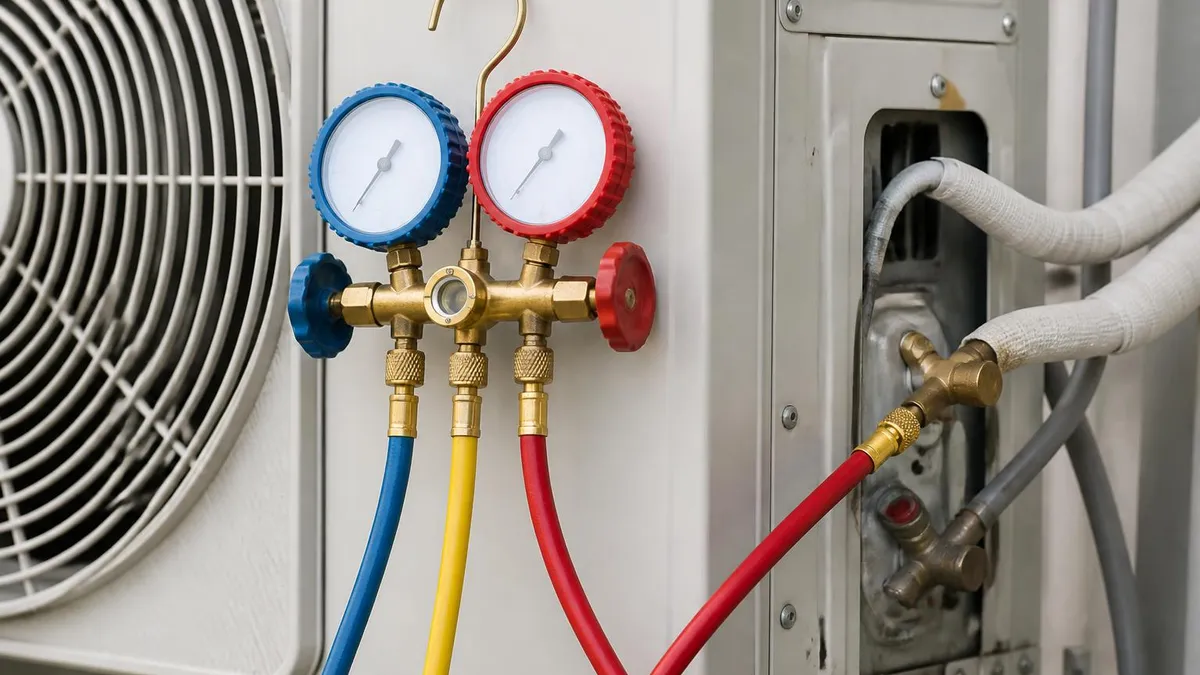
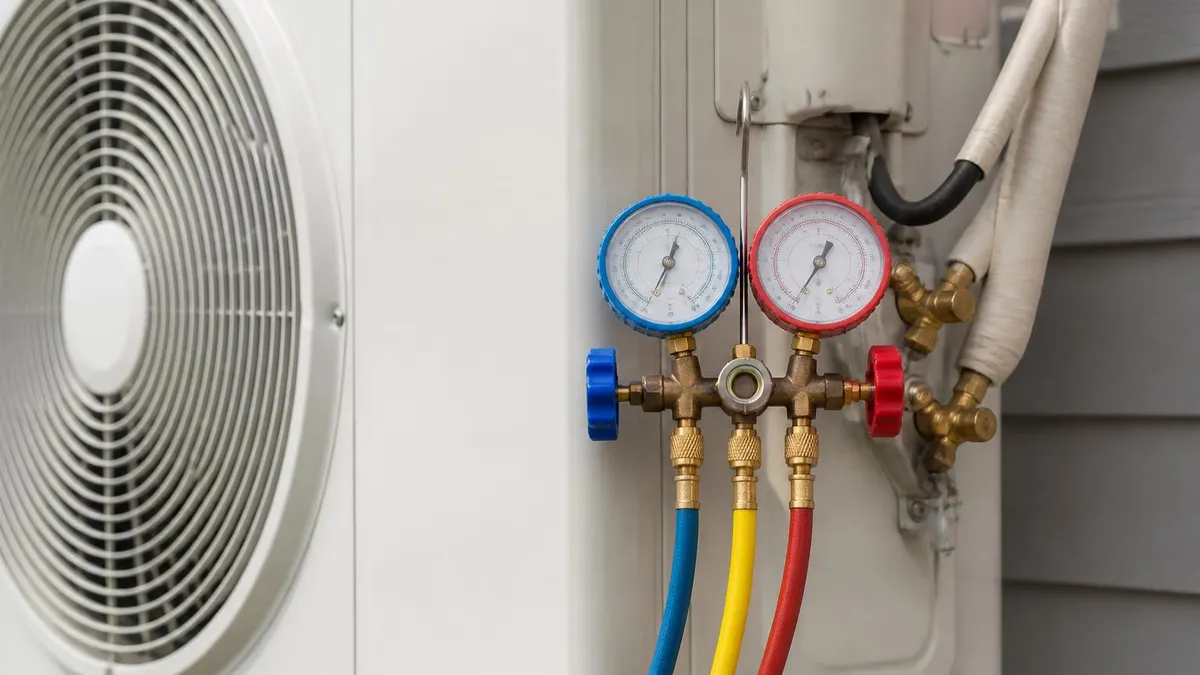
An air conditioner does not consume refrigerant the way a car consumes oil. If your system is low on refrigerant, there is a leak somewhere in the system and that leak needs to be found and repaired. Any contractor who offers to simply top off your refrigerant year after year without performing a leak search is selling you an expensive temporary fix that violates EPA Section 608 regulations and shortens your compressor's life through repeated low-charge cycling.
Wichita's climate punishes neglected HVAC systems faster than almost any other Plains city, but the same equipment treated to consistent seasonal maintenance routinely lasts five to seven years longer than industry averages. A practical homeowner maintenance routine costs almost nothing in dollars but pays back substantially in equipment life, energy bills, and avoided emergency service calls. The core principle is simple: clean equipment moving the right amount of air at the right pressure with the right subcooling hvac runs efficiently and lasts.
Filter management is the foundation. Most Wichita homes need filter changes every 30 to 60 days during cottonwood season in May and June, every 60 days during peak summer cooling, and every 60 to 90 days the rest of the year.
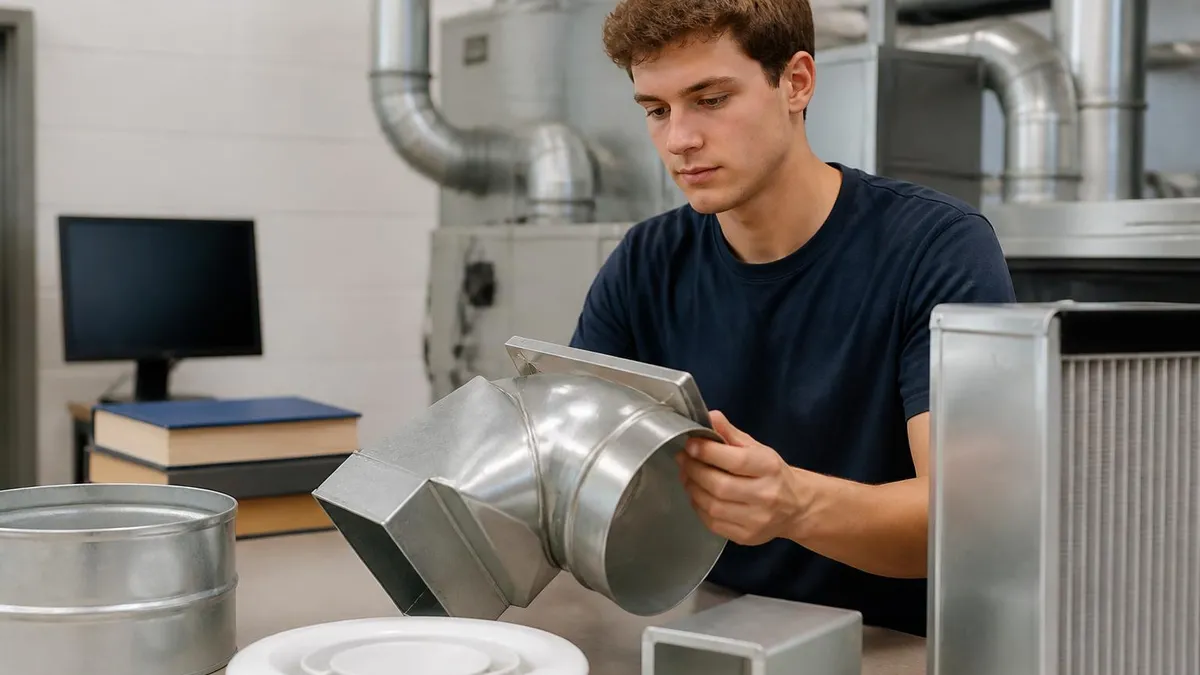
The cheapest fiberglass filters are actually fine for protecting the equipment, but a MERV 8 to MERV 11 pleated filter strikes a better balance between airflow and dust capture for most Wichita homes. Avoid MERV 13 and higher unless your system was specifically designed for the additional static pressure, because high-MERV filters in undersized hvac duct sizing calculator choke the blower and burn out motors.
Outdoor condenser care is the second pillar. Gently rinse the condenser coil with a garden hose from inside out at least twice per year, and keep at least three feet of clear space around the unit. Cottonwood fluff packed into a coil can cut cooling capacity in half within a week of bloom, and a clogged coil makes the compressor work harder, runs up your bill, and shortens equipment life. Never use a pressure washer on coil fins, since the pressure will bend them flat and require professional combing to restore airflow.
Condensate management is the silent killer of Wichita HVAC systems. The high humidity of summer thunderstorm season produces gallons of condensate per day from a typical 3-ton AC, and biological growth in the drain pan and PVC drain line is constant. Flushing the drain line with a cup of distilled white vinegar twice per summer, plus making sure your float safety switch is installed and functional, prevents the overflow events that ruin ceilings in finished basements and rot subfloors in slab-foundation homes across south Wichita.
Seasonal transitions are good moments for homeowner walkarounds. In late February, check your outdoor unit for ice or debris from winter storms, look for any signs of small animal nesting, and verify the disconnect is intact. In early October, replace your filter, set the thermostat to test the furnace before you actually need it, listen for unusual ignition sounds, and confirm that you have at least one working carbon monoxide detector on every floor of your home. CO from cracked heat exchangers kills Wichita residents every winter and the deaths are preventable.
For more detail on what a professional tune-up actually accomplishes and why DIY effort does not replace professional service, our deep-dive guide to HVAC repair Portland covers maintenance principles that apply identically to the Wichita climate despite the different geography. The fundamentals of combustion analysis, static pressure measurement, and refrigerant superheat verification require gauges and training that no homeowner should attempt without proper certification.
Finally, document everything. Keep a simple folder, paper or digital, with your installation invoice, the model and serial numbers of all equipment, every service receipt, any warranty registration confirmations, and notes about which contractor performed which work. This file is gold when you sell the home, when you file a warranty claim, when you switch contractors, or when an insurance adjuster questions equipment age after a storm or fire. Five minutes per year of recordkeeping protects thousands of dollars of equipment value.
The final piece of being a smart Wichita HVAC consumer is knowing how to evaluate the work after it is done. Whether you just paid for a $150 tune-up or a $14,000 system replacement, you have the right to a clear written summary of what was performed, what was measured, what condition the equipment is in, and what the technician recommends going forward. Vague verbal handoffs of we cleaned it up and it looks good are not acceptable, and a contractor who pushes back when you ask for written numbers is telling you something important about how they do business.
For a tune-up, your written report should include measured supply and return air temperatures with the calculated temperature split, refrigerant high-side and low-side pressures with calculated superheat and subcooling, microfarad readings on the capacitor compared against the rated value, amp draws on the compressor and condenser fan motor, static pressure measurements on the supply and return side of the air handler, and combustion analysis numbers for gas equipment including carbon monoxide parts per million. If those numbers are missing, you bought a visual inspection, not a tune-up.
For a repair, the invoice should clearly identify the failed part by name, the part number of the replacement, the warranty terms on the repair itself, and any other observations the technician made while inside the system. A good technician treats each service call as an opportunity to spot the next failure before it becomes an emergency, and they communicate those observations without trying to upsell every observation into immediate work.
For a new install, your commissioning paperwork is the most valuable document the company will ever give you. It should include the Manual J load calculation summary, all the measured performance numbers after startup, the refrigerant charge weight added or removed, the static pressure profile of the duct system, the airflow measured at each register if a balance was performed, the thermostat configuration, and clear instructions for the customer-facing controls. Snap photos of everything and store them in your cloud drive.
Learn the warning signs that something is wrong between service visits. Short cycling, where the system turns on and off every few minutes, indicates oversizing, refrigerant issues, or airflow restrictions. Unusual smells, particularly burning electrical odors or sweet chemical smells, warrant immediate shutdown and a call. Ice on the outdoor unit in summer or the indoor coil indicates low refrigerant or airflow restriction and should be addressed within a day or two rather than waiting weeks. Higher than normal utility bills with no change in usage patterns indicate degraded efficiency that almost always traces to a fixable maintenance issue.
Build a relationship with one contractor over time rather than chasing the lowest quote on every single visit. The long-term value of having a company that knows your equipment history, has your duct measurements on file, and considers you a priority customer is genuinely worth a 10 or 15 percent premium over the cheapest available option. Loyalty in this trade is reciprocal, and a contractor who has worked on your system for ten years will go further out of their way during a heat wave than one who has never seen your name before.
Wichita HVAC service does not have to be a stressful or adversarial experience. The best contractors in this city are skilled, ethical, deeply experienced with Kansas conditions, and genuinely interested in keeping your system running well for decades. Your job as a homeowner is to filter for those contractors, give them clear access to do their work, hold them accountable for documented results, and treat their team with respect. Do that, and hvac system operation and hvac size calculator will quietly handle whatever the Kansas sky throws at them year after year.
Sample HVAC Practice Questions
Try these questions from our free HVAC practice tests. The correct answer and an explanation follow each question.
In HVAC practice, what is the best approach to quality improvement in electrical controls?
- A. Make changes without measuring results
- B. Use data-driven methods with measurable outcomes
- C. Wait for problems to occur before acting
- D. Copy what other organizations do without analysis
Answer: B. Use data-driven methods with measurable outcomes
Data-driven quality improvement with measurable outcomes ensures that changes actually produce the intended improvements and can be verified.
Which type of heating system uses a series of zones with individual thermostats and zone valves controlled by a central boiler?
- A. Variable air volume (VAV) system
- B. Hydronic zoned heating system
- C. Multi-stage forced-air system
- D. Ductless mini-split heating system
Answer: B. Hydronic zoned heating system
Hydronic zoned systems pipe hot water from a boiler through multiple loops, each controlled by a zone valve that opens when the zone thermostat calls for heat.
In a multi-zone mini-split heat pump system, what happens if one indoor unit calls for heating while another calls for cooling simultaneously?
- A. The system defaults to cooling mode for all zones
- B. On a standard multi-split, the system serves the majority mode; on a heat-recovery multi-split (VRF), both can be served simultaneously
- C. The system shuts down to prevent conflicting operations
- D. The reversing valve oscillates rapidly to alternate between modes
Answer: B. On a standard multi-split, the system serves the majority mode; on a heat-recovery multi-split (VRF), both can be served simultaneously
Standard multi-split systems cannot simultaneously heat and cool, but heat-recovery VRF systems can transfer heat from zones needing cooling to zones needing heating at the same time.
Which regulation requires HVAC electrical work to follow specific wiring methods, box fill calculations, and grounding rules?
- A. ASHRAE 90.1
- B. NFPA 70 (National Electrical Code)
- C. EPA Section 608
- D. UL 1995
Answer: B. NFPA 70 (National Electrical Code)
NFPA 70 (NEC) governs all electrical installations including HVAC equipment wiring, disconnect sizing, conductor ampacity, and grounding requirements.
HVAC Questions and Answers

HVAC Companies Portland: The Complete Guide to Finding, Vetting, and Hiring the Best Heating and Cooling Contractors in the Rose City
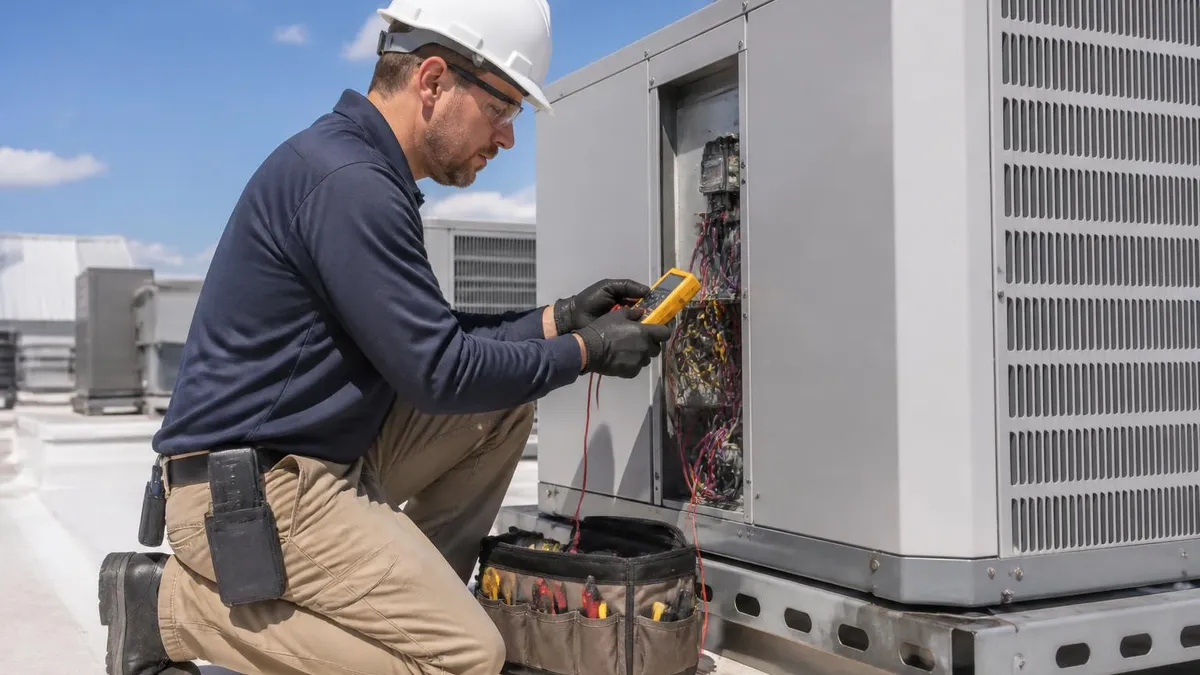
HVAC Repair Portland: The Complete 2026 Homeowner's Guide to Furnace, AC, and Heat Pump Service in the Rose City

Commercial HVAC Contractors Near Me: How to Find, Vet, and Hire the Right Local Pro for Your Building
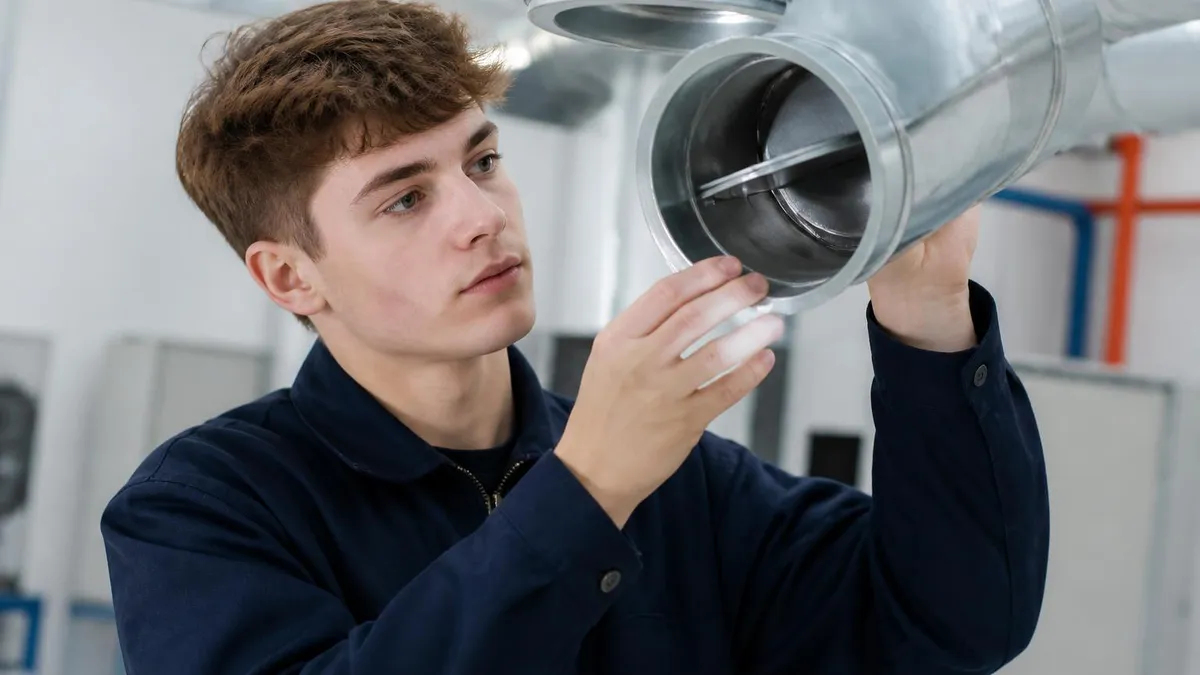
HVAC Tune Up Service: The Complete Guide to Professional HVAC Maintenance and Why It Pays for Itself
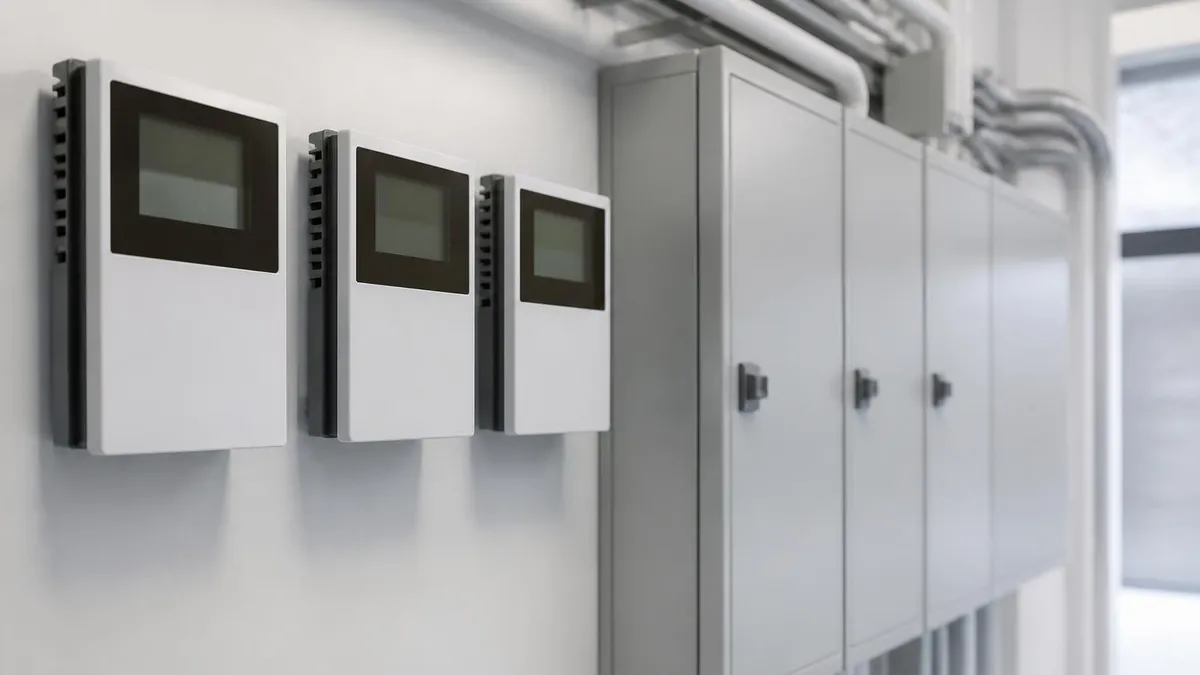
HVAC Solutions: The Complete Guide to Heating, Cooling, and Indoor Air Quality Systems for Homes and Buildings
About the Author

NATE Certified HVAC Technician & Licensing Exam Trainer
Universal Technical InstituteMike Johnson is a NATE-certified HVAC technician and EPA 608 universal-certified refrigerant handler with a Bachelor of Science in HVAC/R Technology. He has 19 years of commercial and residential HVAC installation and service experience and specializes in preparing technicians for NATE certification, EPA 608, A2L refrigerant safety, and state HVAC contractor licensing examinations.