
HVAC and Plumbing: How These Two Trades Intersect, What Technicians Need to Know, and How to Build a Career in Both
Learn how hvac and plumbing overlap, what skills technicians need, licensing requirements, and how to build a dual-trade career in 2026 September. 🆕
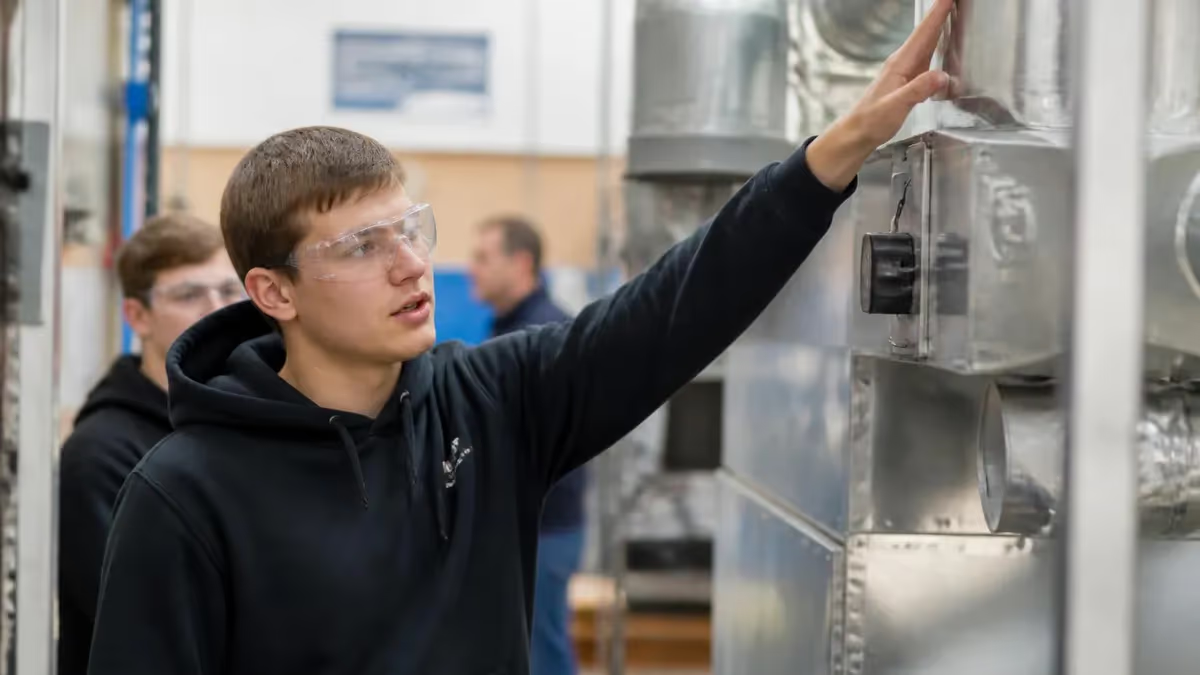
Understanding the relationship between hvac and plumbing is essential for any technician who wants to work efficiently in residential or commercial buildings. These two trades share more common ground than most homeowners realize — both involve moving fluids (air, refrigerant, water, gas) through closed systems, both require pressure calculations and leak detection, and both are governed by overlapping building codes. Technicians who understand both disciplines can diagnose problems faster, communicate better with other tradespeople, and offer more comprehensive service to their customers.
The HVAC industry in the United States employs roughly 400,000 technicians, and the plumbing sector adds another 500,000 workers. A significant portion of those professionals work on projects where the two systems interact daily — think boiler systems that heat water and distribute it through radiators, hydronic radiant floor heating, or condensate drain lines that tie directly into a building's plumbing stack. Without a basic understanding of how plumbing works, an HVAC technician can easily misdiagnose a condensate backup as a refrigerant issue, or overlook a water hammer problem that is shaking ductwork loose.
On the plumbing side, licensed plumbers who pick up HVAC fundamentals can service tankless water heaters with heat exchanger components, troubleshoot gas line sizing for high-efficiency furnaces, and understand why a recirculation pump failure can cause a boiler-based heating system to short-cycle. In states like California, Texas, and Florida, many mechanical contractors hold licenses in both trades, allowing them to bid on integrated mechanical projects that a single-trade contractor cannot touch.
Career compensation reflects this dual-trade advantage. According to the Bureau of Labor Statistics, the median annual wage for HVAC technicians in 2024 was approximately $57,300, while plumbers earned a median of $61,550. Technicians who hold active licenses in both fields — sometimes called mechanical contractors — regularly earn $75,000 to $95,000 per year in metropolitan markets, and those who move into project management or run their own shops can exceed $120,000 annually. The investment in dual licensing pays dividends quickly.
Building codes make the HVAC-plumbing connection even more concrete. The International Mechanical Code (IMC) and the International Plumbing Code (IPC) are companion documents that reference each other dozens of times. Condensate disposal, fuel-gas piping, refrigerant venting, and combustion air requirements are areas where the two codes overlap and inspectors from both disciplines may review the same installation. Technicians preparing for state licensing exams need to be fluent in both documents, not just one.
This article walks through the most important intersection points between HVAC and plumbing, explains the licensing landscape, breaks down the skills you need to work confidently across both trades, and gives you a practical study roadmap if you are preparing for a certification or licensing exam. Whether you are a new apprentice trying to understand the full scope of mechanical work or an experienced technician looking to expand your credentials, this guide provides the context and direction you need.
HVAC and Plumbing by the Numbers
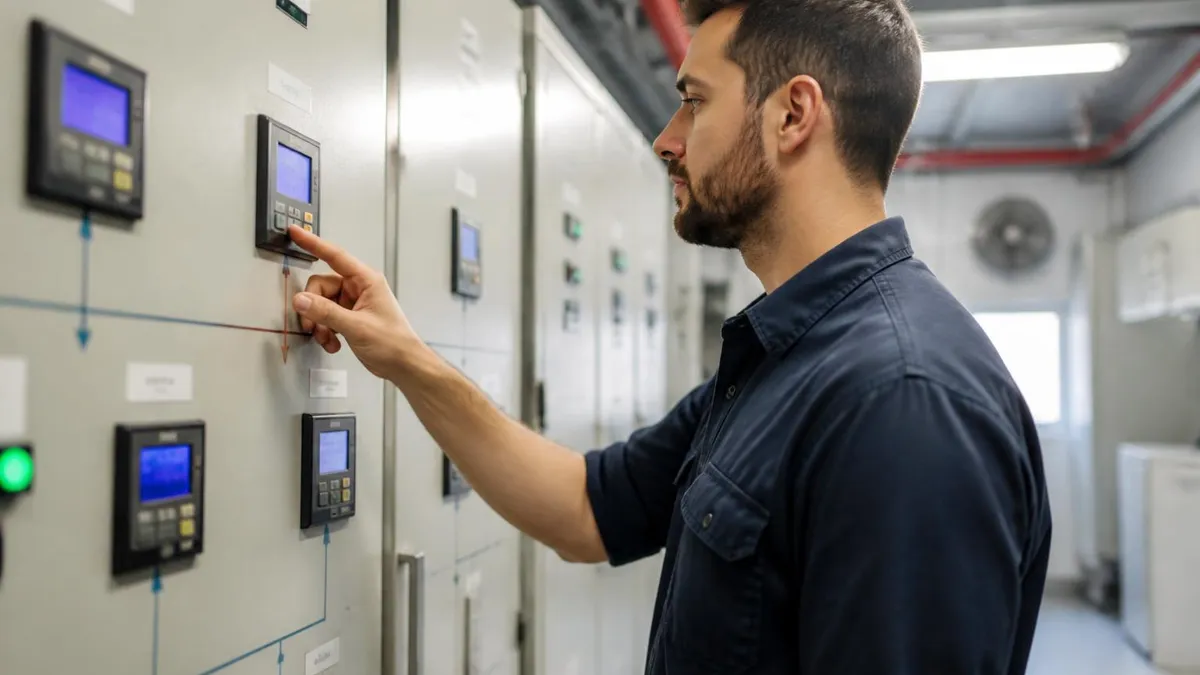
Where HVAC and Plumbing Systems Intersect
High-efficiency furnaces and air conditioners produce significant condensate water. This water must be properly routed to floor drains or plumbing stacks using correctly sloped PVC lines, trap primers, and in some cases condensate pumps — all governed by both the IMC and IPC.
Boilers, radiant floor loops, and fan coil units circulate hot water through a building's heating system. Proper pipe sizing, expansion tank selection, pressure relief valve placement, and backflow preventer installation all require both HVAC and plumbing knowledge to get right.
Natural gas and propane lines feed furnaces, boilers, and water heaters. Pipe sizing calculations, pressure testing, sediment trap placement, and shutoff valve requirements are plumbing code items that directly affect HVAC equipment performance and safety.
Water-cooled chillers, cooling towers, and geothermal heat pump systems use water loops as the heat rejection medium. Technicians must understand water treatment, flow rates, strainer maintenance, and freeze protection alongside traditional refrigerant circuit work.
Desuperheaters, heat pump water heaters, and solar thermal systems blend HVAC and plumbing at the equipment level. Diagnosing these systems requires reading both the refrigerant circuit and the domestic water circuit simultaneously.
Licensing requirements for HVAC and plumbing work vary dramatically from state to state, which creates both opportunities and compliance headaches for technicians who want to work across both trades. In most jurisdictions, HVAC and plumbing are treated as entirely separate license categories, each requiring its own examination, continuing education, and renewal cycle. However, several states issue a single mechanical contractor license that covers HVAC, plumbing, and sometimes gas fitting under one credential — making it the most efficient path for technicians who want to work across all three areas.
At the federal level, the EPA Section 608 certification is mandatory for any technician who purchases, handles, or reclaims regulated refrigerants. This is an HVAC-specific credential with no plumbing equivalent, but it is often the first certification a new technician pursues because it unlocks access to refrigerant supplies and dramatically expands the scope of HVAC work available. The EPA 608 exam covers four certification types: Type I (small appliances), Type II (high-pressure systems), Type III (low-pressure systems), and Universal (all categories). Most residential and commercial HVAC technicians pursue Universal certification.
On the plumbing side, the licensing ladder typically runs from apprentice to journeyman to master plumber, with each step requiring a combination of documented field hours and a written examination. The journeyman exam in most states covers the IPC, local amendments, drain-waste-vent (DWV) system design, water supply sizing, and fixture unit calculations. The master plumber exam adds business law, plan review, and project management content. Many states also require a separate gas fitter endorsement for work on fuel gas piping systems, which is directly relevant to HVAC technicians who install and service gas-fired equipment.
The North American Technician Excellence (NATE) certification program has become the most widely recognized voluntary credential in the HVAC industry. NATE offers specialty certifications in air conditioning, heat pumps, gas heating, oil heating, light commercial refrigeration, and other categories. Holding one or more NATE certifications signals to employers and customers that a technician has verified knowledge in a specific area and is committed to ongoing professional development. Some state licensing boards accept NATE certification hours as continuing education credit, reducing the total study burden for licensed technicians.
The Plumbing-Heating-Cooling Contractors Association (PHCC) and the Mechanical Contractors Association of America (MCAA) both offer training programs and industry certifications that recognize dual-trade competency. Membership in these organizations also provides access to code update seminars, which are critical because both the IMC and IPC are updated on a three-year cycle and states often adopt new editions with local amendments that technicians must track carefully.
Continuing education requirements add another layer of complexity. Many states mandate 8 to 16 hours of CE per renewal cycle for both HVAC and plumbing licensees. Topics typically include code updates, energy efficiency standards, safety procedures, and business practices. Technicians holding licenses in both trades effectively double their CE burden, but the overlap in subject matter — particularly around energy codes and safety — means that a single well-chosen CE course can often satisfy requirements for both licenses simultaneously in states that allow cross-credit.
For technicians preparing for state licensing exams, the single most important study resource is the current edition of the applicable code book adopted in their state. Most state HVAC licensing exams are open-book, allowing the use of the IMC and fuel gas code during the test. Knowing how to navigate these documents quickly — using the index, understanding chapter structure, and recognizing cross-references — is often more important than memorizing individual code sections. The ability to find answers efficiently under timed exam conditions is a skill that requires deliberate practice.
Key Systems Every HVAC and Plumbing Technician Should Master
Hydronic heating systems use water as the heat transfer medium, circulating it from a boiler through a network of pipes to terminal units such as baseboard radiators, fan coil units, or radiant floor loops. Technicians must understand circulator pump selection, pipe sizing using velocity and pressure drop calculations, expansion tank sizing, and the role of air eliminators and automatic fill valves in maintaining system pressure. Improper expansion tank sizing is one of the most common causes of pressure relief valve discharge in residential boiler systems.
Balancing a hydronic system requires setting flow rates through each zone so that every terminal unit receives the correct amount of heat. This involves adjusting balancing valves while monitoring differential pressure across the system, a process that combines plumbing flow measurement skills with HVAC comfort delivery knowledge. Two-pipe reverse-return systems are self-balancing by design, but direct-return systems require careful manual balancing during commissioning. Technicians who understand both the mechanical and control aspects of hydronic systems are invaluable on commercial retrofit projects.
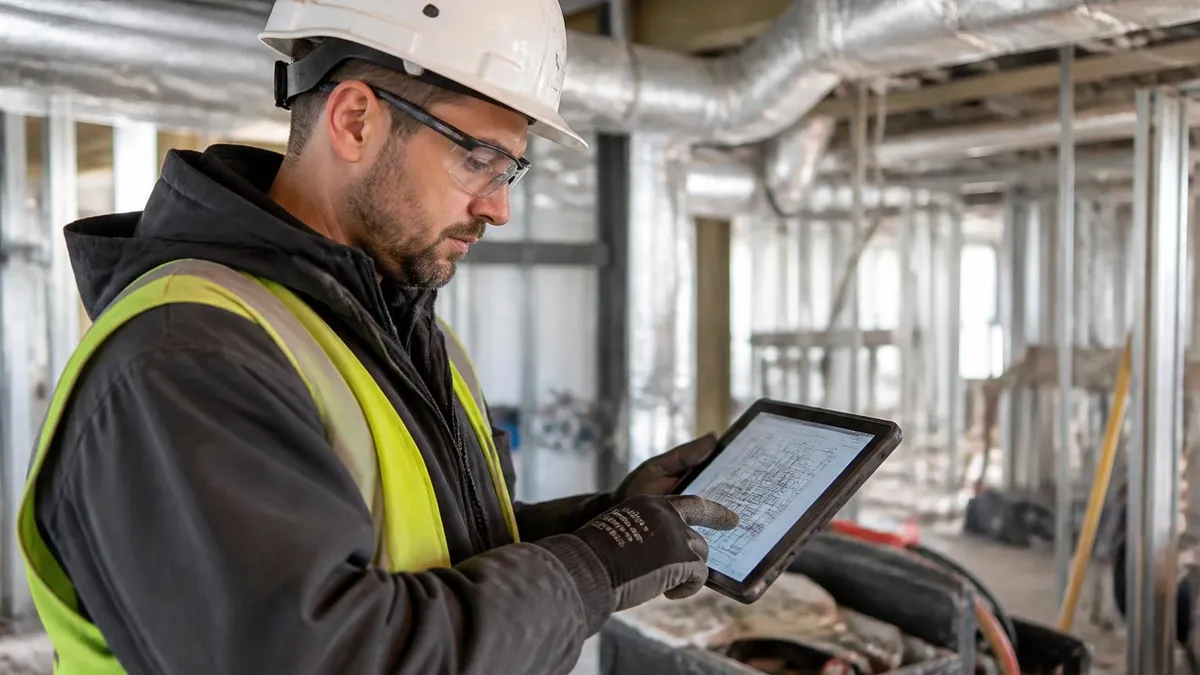
Pros and Cons of Pursuing Dual HVAC and Plumbing Credentials
- +Higher earning potential — dual-licensed technicians typically earn 20–35% more than single-trade workers in the same market
- +Broader employability across mechanical contractors, service companies, and self-employment ventures
- +Faster diagnostic ability on integrated systems like boilers, heat pump water heaters, and hydronic radiant floors
- +Ability to bid on integrated mechanical projects that single-trade contractors cannot pursue
- +Reduced subcontractor dependency, which improves project margins and scheduling flexibility for contractors
- +More comprehensive understanding of building codes, which reduces costly inspection failures and rework
- −Significant time investment — obtaining both journeyman-level credentials can take 8 to 10 years of apprenticeship and testing
- −Double the continuing education burden with separate renewal cycles, fees, and course requirements
- −Risk of shallow expertise if study time is split too thin between trades before achieving mastery in either
- −Some states do not recognize out-of-state licenses, requiring re-examination when working across state lines
- −Insurance and bonding costs increase when holding licenses in multiple trades, raising business overhead
- −Equipment and tool investment is roughly double compared to specializing in a single trade discipline
Essential Skills Checklist for HVAC and Plumbing Technicians
- ✓Calculate pipe sizing for both hydronic heating loops and domestic cold-water supply systems using code-approved methods
- ✓Properly size and install condensate drain lines, traps, and neutralizers for high-efficiency HVAC equipment
- ✓Read and interpret both the International Mechanical Code and International Plumbing Code during open-book exams
- ✓Perform a pressure test on gas piping using a calibrated gauge and document results per NFPA 54 requirements
- ✓Identify expansion tank sizing errors and correctly calculate the required tank volume for a given boiler system
- ✓Select and install backflow prevention devices for HVAC make-up water lines per local plumbing code requirements
- ✓Diagnose hydronic system air problems and correctly locate, size, and install air separators and automatic vents
- ✓Calculate heat loss for a zone and match it to the correct terminal unit output, accounting for water temperature and flow rate
- ✓Identify correct venting categories (I through IV) for gas appliances based on flue gas temperature and condensing behavior
- ✓Demonstrate proper refrigerant recovery, recycling, and reclaim procedures in compliance with EPA Section 608 regulations
The Dual-Trade Advantage Pays Off Fastest on Service Calls
Technicians who understand both HVAC and plumbing reduce average diagnostic time by 30–40% on integrated systems like boilers and heat pump water heaters, because they can evaluate the full system rather than stopping at the boundary of their trade. This efficiency translates directly into more calls completed per day and higher customer satisfaction scores — two metrics that drive compensation and repeat business.
Career paths in the combined HVAC and plumbing space are more varied than most entry-level technicians realize. The most straightforward trajectory is a dual apprenticeship through a union training program — both UA (United Association of Plumbers and Pipefitters) and IBEW have apprenticeship programs that touch on multiple mechanical disciplines. Non-union training through community college HVAC programs and trade school plumbing courses can also provide foundational knowledge, though the field hours required for licensure still must be accumulated on the job under a licensed supervisor regardless of classroom training received.
Service technician roles at mechanical contractors are the most common entry point. These positions typically involve residential and light commercial maintenance, repair, and installation work. Starting wages range from $18 to $25 per hour for apprentices and jump to $28 to $42 per hour for journeyman-level technicians in most US markets. Technicians who hold both HVAC and plumbing licenses can often negotiate higher starting wages because they reduce the contractor's need to dispatch two-person crews on jobs that cross trade lines.
Facilities maintenance is another major employer of dual-trade technicians. Hospitals, universities, manufacturing plants, and commercial real estate portfolios all require on-site mechanical technicians who can handle routine HVAC maintenance, minor plumbing repairs, and emergency response without waiting for an outside service company. These roles typically offer stable hours, full benefits, and pay scales that reward credential accumulation — a technician who adds a plumbing license to an existing HVAC credential might see an immediate pay bump of $4 to $8 per hour on a facilities salary grid.
The entrepreneurial path — starting an HVAC and plumbing service company — is the highest-ceiling option but also the most demanding. Dual-licensed contractor businesses can command premium pricing because they offer a one-call solution for mechanical work that single-trade competitors cannot match. A homeowner with a boiler problem, a condensate leak, and a pressure relief valve discharging simultaneously needs all three issues addressed by one contractor, or they face coordinating multiple service visits. The dual-trade contractor solves this in a single truck roll, justifying service rates of $150 to $250 per hour in most metro markets.
Commercial and industrial projects represent the highest-value work in the mechanical trades. Large commercial buildings, data centers, hospitals, and manufacturing facilities routinely have mechanical contracts worth hundreds of thousands or millions of dollars. Winning these contracts requires holding the appropriate contractor licenses for all work in scope, carrying substantial insurance, and demonstrating workforce capability across multiple trades. Mechanical contracting firms that employ both HVAC and plumbing journeymen can self-perform all mechanical scope, reducing reliance on subcontractors and improving both margin and schedule control.
Green building and energy efficiency work has created a growing niche for technicians who combine HVAC and plumbing expertise. Geothermal heat pump systems, solar thermal water heating, heat recovery ventilation, and demand-controlled ventilation with hydronic reheat all require deep knowledge of both trades to design, install, and commission correctly. LEED, ENERGY STAR, and Passive House projects specifically seek mechanical contractors with comprehensive credentials because the integrated nature of high-performance building systems makes single-trade specialization a liability rather than an asset on these projects.
Professional development in the dual-trade space increasingly happens online. Manufacturers like Trane, Carrier, Daikin, and Navien all offer free or low-cost training programs covering their product lines, and many of these programs award continuing education hours. Industry associations including ACCA, PHCC, and ASHRAE offer webinars, technical guides, and annual conferences that keep technicians current on code changes, equipment advances, and industry best practices. The technicians who make the most of these resources compound their knowledge advantage year over year, making themselves progressively more valuable in the labor market.
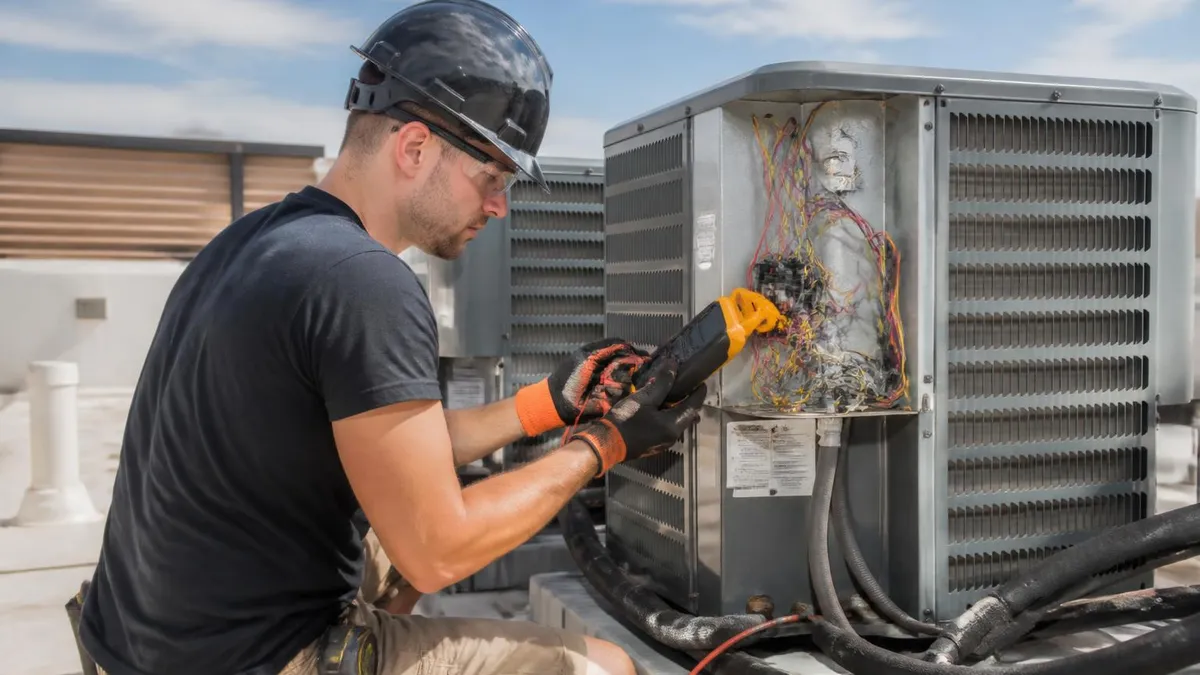
If you work in multiple states, verify each state's reciprocity rules before performing any licensed work. Many states offer limited reciprocity for HVAC or plumbing licenses but require a separate state exam for full licensure — working without the correct credential can result in fines, project shutdowns, and license revocation in your home state. Always check with the state licensing board before starting work in a new jurisdiction.
Preparing for HVAC and plumbing licensing exams requires a structured approach that balances code book familiarity with applied calculation practice. The most common mistake test-takers make is reading through the code book sequentially as if it were a textbook. Code books are reference documents organized by system type, not by difficulty or exam weighting. A smarter strategy is to obtain the exam content outline from your state licensing board, identify the specific code sections and topic areas that receive the most exam weight, and focus your study time accordingly rather than treating all content equally.
Practice tests are the single most effective study tool available to technicians preparing for licensing exams. Working through realistic exam-style questions exposes knowledge gaps much faster than passive reading, forces active recall of code provisions, and builds the timed-exam navigation skills needed to complete the test within the allotted window. Aim to complete at least 300 to 400 practice questions before your exam date, reviewing every incorrect answer against the specific code section that governs the topic. This targeted review process is more efficient than broad re-reading and produces better retention of the material that actually appears on exams.
Calculation-heavy sections of HVAC and plumbing exams — including Manual J load calculations, duct sizing, pipe sizing, and equipment selection — require practice with real numbers, not just conceptual understanding. Many test-takers know the underlying formulas but lose time on exam day because they are not fluent with the calculation process under pressure. Building calculation fluency requires working through dozens of problems with varying inputs until the setup and execution become automatic. Use the same calculation method and code table format that is permitted in your exam so that your practice mirrors the actual test conditions as closely as possible.
Study groups offer significant advantages for technicians preparing for licensing exams. Explaining a concept to a peer forces a deeper level of understanding than reading alone, and study partners often identify conceptual gaps that solo study misses. Many HVAC and plumbing training programs organize study groups in the weeks before state exam sessions, and online forums through HVAC-Talk, Plumbing Forums, and trade association websites provide virtual study communities for technicians who cannot meet in person. The collective knowledge of an active study group, particularly one that includes journeymen who have already passed the exam, is an invaluable preparation resource.
Time management during the exam itself is a critical skill that deserves deliberate practice. Most state licensing exams allocate two to four hours for 60 to 100 questions, which sounds generous until you factor in the time required to locate code provisions in an open-book test. Technicians who have not practiced navigating their code books under timed conditions frequently run out of time on the latter questions.
A practical strategy is to work through all questions you can answer confidently first, mark difficult questions for review, and then use remaining time to work through the marked questions systematically. Never leave a question blank — an unanswered question is always wrong, while a considered guess has a non-zero probability of being correct.
Equipment-specific training from manufacturers complements code study by providing the practical context that makes code provisions meaningful. When you understand why a condensing furnace requires a Category IV vent system (because the flue gas is cool and wet, causing corrosion in traditional metal venting), the code requirement is no longer arbitrary text to memorize but a logical consequence of the physics involved. This conceptual grounding dramatically improves retention and makes it easier to reason through unfamiliar exam scenarios where you cannot recall the exact code provision but can derive the correct answer from first principles.
After passing your licensing exams, the learning process accelerates rather than stops. Real-world installations present combinations of conditions that no code study program can fully anticipate — unusual building configurations, aging infrastructure that predates current code requirements, equipment combinations that create unexpected interactions, and customer situations that require creative problem-solving within code constraints.
The technicians who build the strongest reputations are those who approach every job as a learning opportunity, document unusual situations they encounter, and seek out mentors with deep experience in the specific system types they want to master. Formal credentials open doors, but applied expertise and professional reputation determine long-term career success.
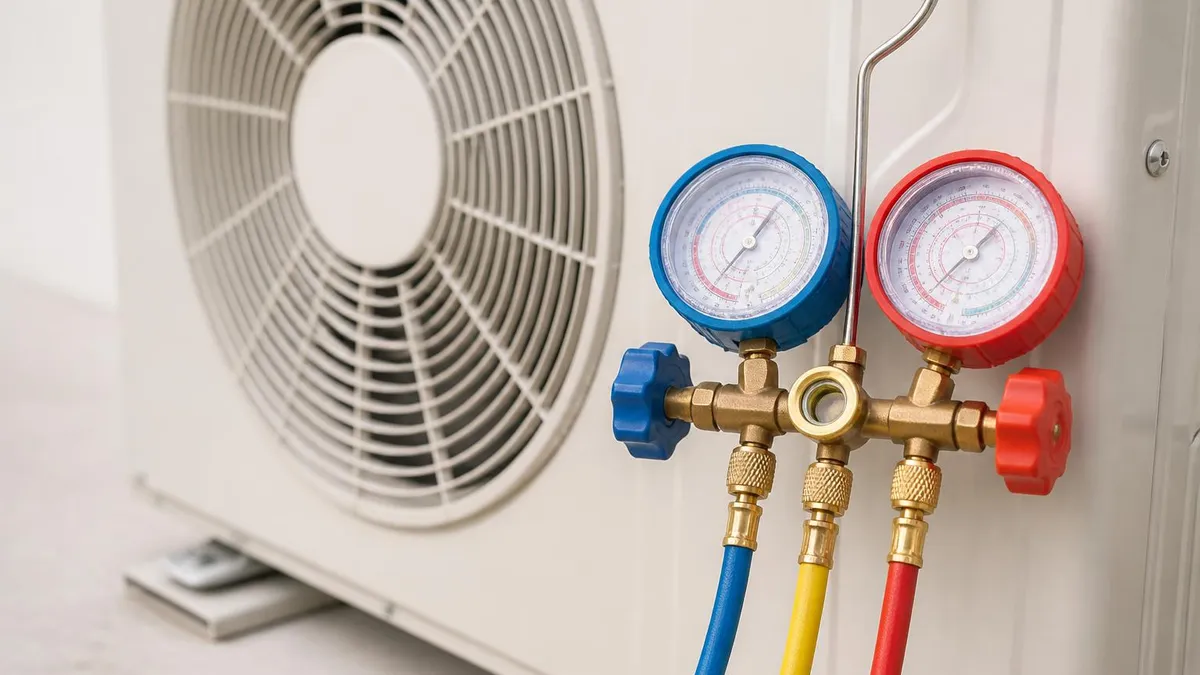
Practical field preparation for HVAC and plumbing work starts with investing in the right tools and understanding what each tool tells you about system performance. A quality digital manifold gauge set with wireless capability is the foundation of refrigerant circuit diagnostics, allowing real-time tracking of suction and discharge pressures, superheat, and subcooling without cluttering the work area with hoses.
On the plumbing side, a calibrated digital pressure gauge with a Schrader valve fitting is the essential tool for gas pressure testing and hydronic system pressure verification. Owning both and knowing how to read them fluently puts you ahead of technicians who rely on analog gauges or estimated readings.
Combustion analysis is a skill that bridges HVAC and plumbing knowledge in a uniquely valuable way. A combustion analyzer measures flue gas oxygen content, carbon dioxide concentration, carbon monoxide levels, and stack temperature to calculate combustion efficiency and identify burner problems before they become safety hazards.
Technicians who can perform and interpret a combustion analysis on a gas-fired boiler or furnace can tune the appliance for peak efficiency, document baseline performance for warranty purposes, and identify heat exchanger cracking or flue gas recirculation problems that a visual inspection would miss. This skill set commands a premium in the service market and is increasingly required by commercial building owners who track energy performance metrics.
Water quality management is an area where many HVAC technicians have a knowledge gap that directly affects system longevity. Hydronic systems, cooling towers, and geothermal loop systems are all vulnerable to scale buildup, corrosion, and microbiological growth if water chemistry is not maintained.
Understanding basic water quality parameters — pH, hardness, conductivity, inhibitor concentration, and microbial counts — allows a technician to recommend appropriate water treatment programs and identify when system flushing and chemical treatment are needed. Neglected water quality is responsible for a substantial percentage of boiler heat exchanger failures, pump seal failures, and control valve binding in commercial hydronic systems.
Refrigerant transition planning has become an increasingly important topic as the HVAC industry moves away from R-410A toward lower-GWP alternatives like R-32, R-454B, and R-466A. Several of these next-generation refrigerants have mildly flammable (A2L) safety classifications, which introduces new handling and installation requirements for service technicians. Understanding the differences in operating pressures, oil compatibility, leak detection requirements, and ventilation needs between legacy and next-generation refrigerants is essential preparation for the regulatory changes taking effect between 2025 and 2030. Technicians who get ahead of this transition will be more valuable to employers and customers during the changeover period.
Ductwork inspection and sealing is another area where HVAC and plumbing knowledge converge in unexpected ways. Condensate leaks from air handler drain pans or evaporator coils can saturate duct insulation, promoting mold growth and reducing thermal performance.
Identifying the source of moisture in a duct system — whether it is a refrigerant leak causing freeze-up, a condensate drain blockage, or a duct pressure imbalance drawing humid air from a crawl space — requires systematic diagnosis that draws on both HVAC and basic building science principles. Technicians who can trace moisture problems to their root cause rather than simply drying out the duct and moving on will build stronger customer relationships and generate fewer callbacks.
Safety training is foundational for anyone working across both HVAC and plumbing. Working with refrigerants, natural gas, electricity, and pressurized water systems in the same day creates a complex hazard profile that demands constant situational awareness. OSHA 10 or OSHA 30 certification provides a structured framework for hazard recognition and control that complements trade-specific safety training.
Many employers now require OSHA certification as a condition of employment on commercial projects, and customers increasingly ask for proof of safety training before authorizing work in occupied buildings. Investing in OSHA certification early in your career signals professionalism and reduces the risk of the serious injuries that end careers prematurely in the mechanical trades.
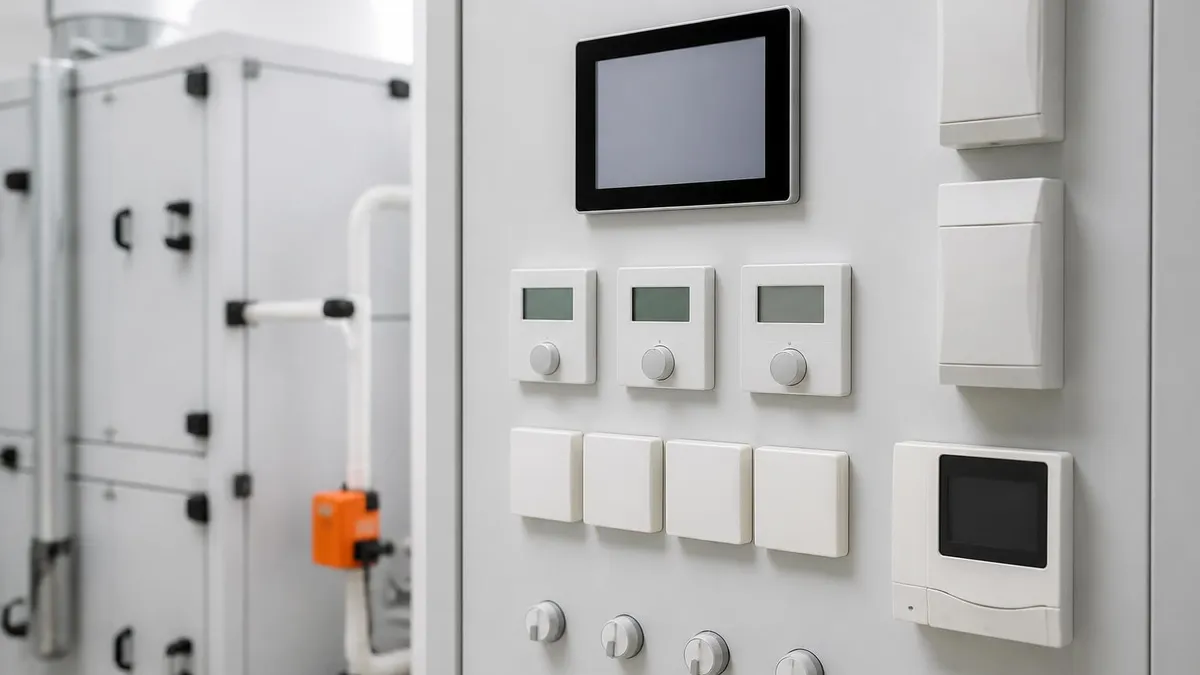
Staying current with technology is an ongoing professional responsibility in both HVAC and plumbing. Smart thermostats, wireless sensors, variable refrigerant flow systems, demand-controlled ventilation, and building automation system integration are all reshaping what customers expect from HVAC service. On the plumbing side, leak detection sensors, smart water shut-offs, and demand-controlled recirculation systems are becoming standard in new construction.
Technicians who embrace these technologies — learning to program, commission, and troubleshoot connected systems — will be in high demand as building owners invest in smart building upgrades. Those who view new technology as a threat rather than an opportunity risk being outcompeted by younger technicians who grew up in a connected world.
HVAC Questions and Answers

Ameristar HVAC: Complete Guide to Units, Reliability, Costs, and Buyer Considerations
Residential HVAC: Systems, Selection, and Maintenance Basics
HVAC Industry Trends 2026: The Complete Guide to Heat Pumps, Refrigerant Changes, Smart Controls, and Workforce Shifts Reshaping Heating and Cooling
HVAC Advertising: The Complete Playbook for Generating Leads, Booking Calls, and Growing Your Heating and Cooling Business
HVAC License: State Requirements, EPA 608 and Career Path Guide
About the Author

NATE Certified HVAC Technician & Licensing Exam Trainer
Universal Technical InstituteMike Johnson is a NATE-certified HVAC technician and EPA 608 universal-certified refrigerant handler with a Bachelor of Science in HVAC/R Technology. He has 19 years of commercial and residential HVAC installation and service experience and specializes in preparing technicians for NATE certification, EPA 608, A2L refrigerant safety, and state HVAC contractor licensing examinations.