
What Home Inspectors Check: The Complete 2026 October Guide to Every System, Safety Issue & Red Flag
What home inspectors check in every home — structure, roof, electrical, plumbing & more. Find home inspectors near me + career tips. ✅

When you search for home inspectors near me, you're taking one of the most important steps in any real estate transaction. Knowing exactly what home inspectors check — from the foundation to the ridge cap — gives buyers negotiating power, helps sellers prepare, and ensures every party walks into closing with eyes wide open. A licensed home inspector examines hundreds of components across every major system in the house, documenting deficiencies, safety hazards, and deferred maintenance items in a detailed written report that typically runs 40 to 80 pages.
The scope of a standard home inspection is defined by the American Society of Home Inspectors (ASHI) Standards of Practice and the International Association of Certified Home Inspectors (InterNACHI) Standards. Both frameworks require inspectors to evaluate structural components, exterior surfaces, roofing systems, plumbing, electrical, heating, cooling, insulation, ventilation, and interior spaces. Understanding what do home inspectors look for inside each of these categories helps buyers prioritize repair requests and helps sellers avoid surprise renegotiations at the eleventh hour.
Many first-time buyers assume a home inspection is a simple walk-through that takes 30 minutes. In reality, inspecting a typical 2,000-square-foot single-family home takes two to four hours. The inspector physically accesses every accessible area — attics, crawl spaces, basements, roof surfaces when safely reachable — and tests every operable component including outlets, switches, faucets, toilets, appliances, windows, and doors. The goal is not to find reasons to kill a deal but to give the buyer a complete, accurate picture of the property's current condition.
Home inspectors also play a growing role in new construction inspections, pre-listing inspections for sellers, and annual maintenance inspections for homeowners who want to stay ahead of costly repairs. In each scenario, the core checklist remains largely the same, though the specific items flagged will differ depending on the age, location, and construction type of the property. A 1920s craftsman bungalow presents entirely different concerns than a 2015 production home in a suburban subdivision.
For professionals exploring this field, the career path is accessible and financially rewarding. Cheap general liability for home inspectors is one of the first expenses new inspectors research as they launch their businesses, and understanding insurance requirements early can save thousands of dollars annually. The intersection of real estate knowledge, construction expertise, and client communication makes home inspection one of the more intellectually engaging trades available today.
This guide walks through every major category that licensed inspectors evaluate, explains what red flags look like in each system, and provides practical advice for buyers, sellers, and aspiring inspectors alike. Whether you're preparing for a home inspector certification exam or simply trying to understand what you'll see in your inspection report next week, the information here will give you a clear, comprehensive foundation for navigating the inspection process with confidence.
By the end of this article you'll understand why inspectors spend so much time in attics, what electrical panels inspectors flag most often, how plumbing deficiencies are ranked by severity, and what steps you can take — whether you're a buyer, seller, or inspector-in-training — to make every inspection as productive and informative as possible.
Home Inspection Industry by the Numbers

Major Systems Home Inspectors Evaluate
Inspectors examine the foundation, floor framing, wall framing, ceiling framing, and roof structure. They look for settlement cracks, wood rot, insect damage, inadequate bearing, and signs of prior undisclosed repairs or modifications.
The roof covering, flashing, gutters, downspouts, skylights, and chimneys are all evaluated. Inspectors note shingle age and condition, flashing gaps, moss or algae growth, and signs of active or past leakage.
Service entrance cables, the main panel, branch circuits, outlets, switches, and fixtures are tested. Common findings include double-tapped breakers, aluminum branch wiring, missing GFCI protection, and improper grounding or bonding.
Water supply lines, drain-waste-vent piping, fixtures, the water heater, and any visible sewer cleanouts are inspected. Inspectors check flow and drainage, water pressure, supply line material, and water heater age and condition.
Heating and cooling equipment, ductwork, filters, thermostats, and fuel supply lines are evaluated for age, condition, and proper operation. Inspectors note maintenance needs, heat exchanger concerns, and refrigerant line insulation issues.
The electrical system is consistently among the top categories for significant findings in home inspection reports. Inspectors begin at the service entrance where power arrives from the utility, then work through the main disconnect, the service panel or load center, and finally individual branch circuits throughout the home. One of the most commonly cited issues is a double-tapped breaker — two separate circuits connected to a single breaker that is rated for only one — which creates an overload risk and violates current safety standards in most jurisdictions.
Older homes built before 1970 may contain aluminum branch wiring, which was widely used during a period of high copper prices. Aluminum wiring is not inherently dangerous, but it requires aluminum-rated devices and periodic inspection of connections because the metal expands and contracts at a different rate than copper, gradually loosening terminals. Inspectors flag aluminum wiring because the remediation — either pigtailing with copper at every device or replacing the wiring — is a significant expense that buyers should factor into their offer calculations.
Plumbing inspections cover four distinct subsystems: water supply, drain-waste-vent (DWV), fuel gas lines, and the water heater. On the supply side, inspectors assess pipe material (copper, CPVC, PEX, galvanized, or polybutylene), water pressure at representative fixtures, and the presence of functional shut-off valves at fixtures and appliances. Polybutylene supply piping — a gray plastic pipe installed in many homes between 1978 and 1995 — is a significant red flag because it is prone to catastrophic failure with little warning and is generally recommended for full replacement.
On the drain side, inspectors run water at all fixtures simultaneously to test drainage flow and listen for gurgling sounds that indicate venting problems. A properly vented DWV system prevents sewer gases from entering the living space; improperly vented systems can create dangerous methane accumulation. Inspectors also check for leaks at every visible drain connection, test toilet stability and flushing function, and evaluate the condition and age of the water heater — most are rated for 8 to 12 years and inspectors note when units are approaching or beyond that threshold.
HVAC evaluation begins with a visual inspection of all accessible equipment and ends with operational testing at the thermostat. For forced-air systems, inspectors check heat exchanger condition as best they can visually (a cracked heat exchanger allows combustion gases to mix with supply air — a serious carbon monoxide hazard), evaluate ductwork for leaks or disconnections in accessible areas, and change or note the condition of air filters. Heat pump systems get additional scrutiny because they serve both heating and cooling functions, and reversing valve failures can leave homeowners without heating in winter.
Understanding home inspectors professional liability is critical for practicing inspectors, because errors and omissions in inspection reports — missed structural cracks, undisclosed moisture intrusion, overlooked electrical hazards — can result in costly claims. Most states require E&O coverage as part of the licensing process, and maintaining adequate policy limits protects inspectors from the financial consequences of good-faith mistakes made in the field.
Interior inspections cover walls, ceilings, floors, windows, doors, stairs, railings, fireplaces, and installed appliances. Inspectors look for evidence of moisture intrusion through staining, efflorescence, mold, and musty odors. They test every window for operation and locking function, check that safety glazing is present within 18 inches of floor level and in hazardous locations, and evaluate stair rise-and-run consistency along with railing height and graspability. Each of these findings is documented with photographs and narratives in the final report.
What Do Home Inspectors Look For by Region and Cost
Home inspectors in Chicago and the surrounding suburbs deal with a specific set of climate-driven concerns that inspectors in warmer regions rarely encounter. Chicago area home inspectors frequently flag inadequate attic insulation and ventilation — issues that drive ice dam formation in winter and excessive heat gain in summer. Basement moisture intrusion is epidemic in Chicago's clay-heavy soils, and inspectors routinely document evidence of hydrostatic pressure against foundation walls, efflorescence, and active seepage through cracks.
Chicago area home inspectors also pay close attention to the condition of masonry — brick facades, chimney crowns, and tuckpointing. Freeze-thaw cycling deteriorates mortar joints rapidly, and failed tuckpointing allows water to migrate behind brick veneer and into wall cavities. Inspectors in this market commonly see older electrical panels from brands like Federal Pacific and Zinsco, both of which have documented reliability issues with their breakers failing to trip under overload conditions — a significant fire safety concern that typically results in a recommendation for panel replacement.

Is a Home Inspection Career Worth Pursuing?
- +Flexible schedule — inspectors typically control their own calendars and can scale up or down based on demand
- +Strong earning potential — experienced inspectors in busy markets earn $80,000 to $120,000 or more annually
- +Low barrier to entry compared to other licensed trades — most programs complete in weeks, not years
- +High job satisfaction — helping buyers make informed decisions provides genuine, tangible value
- +Variety — no two homes are exactly alike, keeping the work intellectually engaging day after day
- +Growing demand — the US real estate market generates millions of inspection opportunities each year
- −Physical demands — crawling under homes, climbing into attics, and ascending ladders takes a toll on the body
- −Liability exposure — missed defects can result in expensive errors and omissions claims against the inspector
- −Income inconsistency — inspection volume tracks the real estate market, which cycles through booms and slowdowns
- −Solo work environment — most inspectors work alone for most of each day, which suits some personalities but not others
- −Ongoing education costs — CE requirements, association memberships, and continuing certifications add up annually
- −Equipment investment — quality inspection tools, reporting software, thermal cameras, and vehicle expenses represent significant startup costs
Pros and Cons at a Glance
| Pros | Cons |
|---|---|
| Flexible schedule — inspectors typically control their own calendars and can scale up or down based on demand | Physical demands — crawling under homes, climbing into attics, and ascending ladders takes a toll on the body |
| Low barrier to entry compared to other licensed trades — most programs complete in weeks, not years | Liability exposure — missed defects can result in expensive errors and omissions claims against the inspector |
| High job satisfaction — helping buyers make informed decisions provides genuine, tangible value | Income inconsistency — inspection volume tracks the real estate market, which cycles through booms and slowdowns |
| Variety — no two homes are exactly alike, keeping the work intellectually engaging day after day | Solo work environment — most inspectors work alone for most of each day, which suits some personalities but not others |
| Growing demand — the US real estate market generates millions of inspection opportunities each year | Ongoing education costs — CE requirements, association memberships, and continuing certifications add up annually |
Home Inspection Checklist: What Buyers Should Verify
- ✓Confirm the inspector is licensed in your state and carries both general liability and E&O insurance
- ✓Attend the inspection in person and walk through the home with the inspector to ask questions in real time
- ✓Request a sewer scope inspection for any home more than 20 years old or with mature trees near the sewer line
- ✓Test every outlet in every room personally — bring a simple plug-in outlet tester to confirm polarity and grounding
- ✓Run all faucets simultaneously and flush multiple toilets to reveal drainage issues that would not appear with single-fixture testing
- ✓Ask the inspector to show you the age and condition of the water heater, furnace, and air conditioning equipment
- ✓Examine the attic personally if you are physically able — the inspector cannot hide findings in the attic from you if you are present
- ✓Review the electrical panel with the inspector and ask specifically about the brand, age, and any double-tapped breakers
- ✓Verify that smoke detectors are present within 10 feet of every sleeping room and that carbon monoxide detectors are installed near heating equipment
- ✓Read the full inspection report before the option period expires and identify which findings are safety hazards versus cosmetic or maintenance items
The Inspection Report Is Not a Repair List — It's a Negotiating Tool
Many buyers make the mistake of demanding that sellers repair every item in the inspection report. Experienced buyers use the report strategically: they focus repair requests on safety hazards and major system deficiencies, accept cosmetic and maintenance items as part of any used home, and use the cost of significant repairs to negotiate a price reduction or seller concession at closing.
Understanding how to become a home inspector is the starting point for thousands of people each year who want to transition from careers in construction, real estate, or related trades into independent inspection practice. The pathway varies significantly by state — some states have no licensing requirements at all, while others impose rigorous education, examination, and field experience requirements before issuing a license. The first step for any aspiring inspector is to research the specific requirements imposed by their state's licensing board, which is often housed within the real estate commission or the department of professional regulation.
Most states require completion of a pre-license education program from an approved provider. These programs range from 40 hours in minimally regulated states to 200 hours or more in states with strong consumer protection frameworks. Curriculum typically covers structural systems, roofing, electrical, plumbing, HVAC, interior inspections, report writing, standards of practice, ethics, and basic business operations. Some programs are delivered entirely online, while others include hands-on lab sessions where students practice with tools and inspect actual systems in controlled settings.
After completing the pre-license education, candidates in most states must pass the National Home Inspector Examination (NHIE) administered by the Examination Board of Professional Home Inspectors (EBPHI). The NHIE consists of 200 questions drawn from a content outline covering property and building inspection procedures, analysis and reporting, and professional responsibilities. Candidates have three and a half hours to complete the exam. The passing score is set through a psychometric process and typically requires correct answers on approximately 70 percent of questions, though the exact scaled score varies by exam form.
Field experience requirements add another dimension to the licensing process in many states. Some boards require candidates to complete a minimum number of supervised inspections — often 25 to 100 — under the mentorship of a licensed inspector before they can practice independently. Finding a mentor inspector willing to take on a trainee can be challenging in some markets, which is why professional associations like InterNACHI offer mentor-matching programs that connect candidates with experienced members willing to provide supervised training.
Insurance is a non-negotiable requirement for practicing inspectors in virtually every market. Most states mandate proof of general liability coverage with minimum limits, and many also require errors and omissions (E&O) insurance that covers claims arising from alleged negligence or missed defects in inspection reports. How much do home inspectors charge for their services is directly tied in part to the cost of maintaining adequate insurance coverage, which typically runs $1,500 to $4,000 annually depending on policy limits, deductibles, and the inspector's claims history.
Beyond licensing and insurance, successful home inspectors invest in quality tools and reporting software that allows them to produce professional, photo-rich reports within 24 hours of each inspection. Leading reporting platforms like HomeGauge, Spectora, and Home Inspector Pro include mobile apps that allow inspectors to add photos, voice notes, and narrative text in real time during the inspection, dramatically reducing report writing time after the fact. Inspectors who deliver polished, easy-to-read reports on the same day as the inspection tend to receive more referrals from real estate agents who value efficiency and professionalism.
Continuing education keeps licensed inspectors current with evolving standards, new building technologies, and updated code requirements. The International Residential Code (IRC) undergoes major updates on a three-year cycle, and changes in energy code requirements, electrical code (NEC), and plumbing code all affect what inspectors should be looking for in newer construction. Inspectors who invest in ongoing education not only maintain their licenses but also build the depth of expertise that allows them to command premium fees and attract loyal referral networks.

Home inspector licensing laws are enacted and amended by state legislatures on a rolling basis. Several previously unregulated states have adopted licensing requirements in recent years, and existing licensed states periodically increase education hour requirements or examination standards. Always verify current requirements directly with your state's licensing board before enrolling in an education program — information on third-party websites may be outdated and could lead you to complete training that does not satisfy current requirements.
Home inspector salary and earnings potential are among the most searched questions by people considering this career, and the answers are more nuanced than any single number can capture. The Bureau of Labor Statistics classifies home inspectors under the broader category of construction and building inspectors, which reported a median annual wage of approximately $67,000 as of the most recent data available. However, this median masks enormous variation: inspectors working part-time or in slow rural markets may earn $30,000 to $40,000 annually, while full-time inspectors in high-volume suburban markets with strong referral networks routinely earn $90,000 to $150,000 or more.
The economics of home inspection are fundamentally different from a traditional salaried job. Most inspectors are self-employed and charge per-inspection fees that vary based on home size, age, location, and scope of services. A typical fee schedule might start at $300 for a home under 1,000 square feet and scale up to $600 or more for homes exceeding 3,500 square feet.
Add-on services like sewer scoping, radon testing, mold air sampling, and thermal imaging can add $100 to $400 per inspection. An inspector completing 200 inspections per year at an average fee of $400 generates $80,000 in gross revenue — before expenses.
Business expenses for a self-employed home inspector include insurance ($1,500 to $4,000), vehicle costs ($5,000 to $12,000), reporting software subscription ($600 to $1,200 annually), professional association memberships ($400 to $600), continuing education ($200 to $800), marketing and website costs ($500 to $2,000), and equipment maintenance and replacement. After accounting for these overhead costs, net income typically represents 60 to 75 percent of gross revenue for a well-managed sole proprietorship.
Geographic market is one of the most powerful determinants of inspection volume and therefore income. Home inspectors Chicago and those in other major metropolitan areas benefit from high real estate transaction volumes, higher average home prices (which support higher inspection fees), and dense populations that generate referrals efficiently. Markets like Dallas, Phoenix, Atlanta, and the major Florida metros share similar characteristics. Inspectors in rural areas or smaller cities often inspect fewer homes per week and charge lower fees, though their overhead costs may also be proportionally lower.
Building a referral network with real estate agents is the single most effective marketing strategy for most home inspectors, particularly those who are new home inspectors just launching their businesses. Agents refer their buyer clients to inspectors they trust to be thorough, professional, and communicative — not to inspectors they fear will kill deals with alarmist reports. The most successful new inspectors invest time in attending real estate networking events, joining local Realtor associations as affiliate members, and demonstrating their professionalism through consistent, high-quality work that agents are proud to recommend.
Specialization is another path to income growth for established inspectors. Adding commercial property inspections, new construction phase inspections, 11-month warranty inspections (conducted just before a builder's one-year warranty expires), or specialty certifications in areas like infrared thermography, mold inspection, or pool and spa inspection expands the revenue opportunities available from any given geographic market. Some inspectors also create additional income streams through teaching home inspection courses, writing inspection-related content, or consulting on litigation cases as expert witnesses.
The question of how much do home inspectors make ultimately has to be answered in the context of how much time, energy, and business development effort an individual is willing to invest. Home inspection is one of the few licensed professions where a motivated individual can build a six-figure income within two to three years of licensing without the burden of significant capital investment or a large staff. The primary currency required is expertise, professionalism, and consistent follow-through — qualities that any committed person can develop with the right training and mentorship.
Preparing for the home inspector licensing examination requires a structured approach that mirrors the actual content domains tested on the NHIE. The exam draws heavily from the ASHI Standards of Practice and the InterNACHI Standards of Practice, so reading both documents carefully is an essential foundation for any study plan. These standards define the minimum scope of a general home inspection, the limitations of the inspector's responsibilities, and the required components of a written inspection report — all of which appear in examination questions.
Effective exam preparation combines content review with active practice testing. Reading about electrical systems is useful; answering practice questions about electrical systems under timed conditions forces you to apply that knowledge under pressure, which is the only way to know whether you actually understand the material or merely recognize it. Candidates who complete 500 or more practice questions across all content domains consistently outperform those who rely on content review alone, because the questioning process reveals gaps in understanding that passive reading conceals.
The structural systems domain — covering foundations, framing, and roofing — typically receives the heaviest weighting on licensing examinations and is also the area where inspectors face the most significant liability exposure in practice. Understanding the difference between a settlement crack and a structural crack, recognizing the signs of improper beam bearing, and knowing when to recommend a structural engineer consultation are not just exam topics — they are the core competencies that protect inspectors, their clients, and ultimately the public.
Plumbing and electrical content is often where candidates struggle most on practice exams, because these systems involve code-specific knowledge about pipe materials, circuit sizing, grounding requirements, and GFCI protection locations that requires precise memorization rather than general conceptual understanding. Creating flashcards or summary sheets that list, for example, the specific locations where GFCI protection is required under current NEC guidelines helps candidates retain these detail-heavy facts more reliably than reading them passively in a textbook.
HVAC content on home inspector exams focuses primarily on recognizing age indicators, maintenance deficiencies, and safety hazards rather than requiring engineering-level knowledge of thermodynamic cycles. Inspectors need to know how to calculate approximate equipment age from manufacturer data plates, what a heat exchanger failure looks like and why it matters, and how to identify gas supply line materials that are no longer approved for use. These practical recognition skills translate directly from exam preparation into real-world inspection performance.
The professional responsibilities and report writing sections of the exam test candidates on ethics, inspector-client relationships, disclosure obligations, and the legal boundaries of the inspection profession. Understanding what inspectors are and are not required to report, how to communicate findings without overstepping into contractor territory, and the obligations owed to clients versus sellers is as important as technical knowledge for candidates who plan to build a sustainable, legally defensible inspection practice.
Exam-day strategy matters as much as preparation. The NHIE allows candidates to flag questions for review and navigate freely through the exam, so a productive approach is to answer all questions you are confident about first, flag uncertain questions, and return to flagged items with the remaining time. Avoid changing answers without a specific reason — first instincts are correct more often than anxious second-guessing. Arrive at the testing center early, bring acceptable identification, and plan to spend the full allotted time rather than rushing through in an effort to finish early.
Home Inspector Questions and Answers
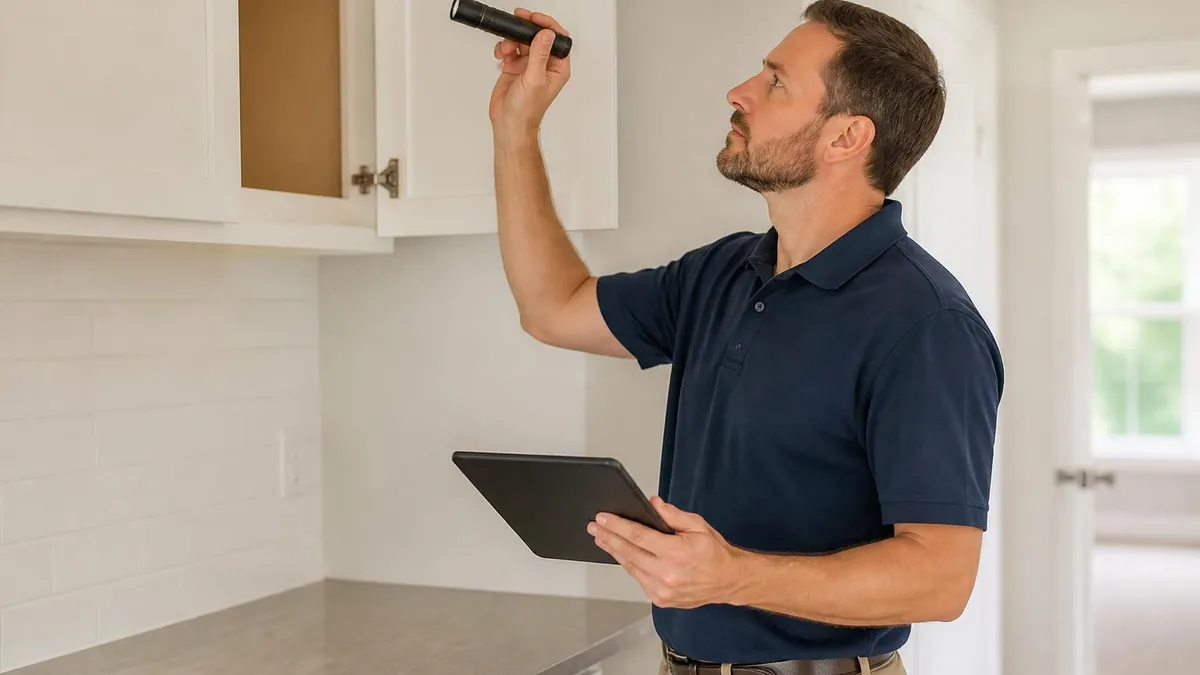
Home Inspector School: Complete 2026 Guide to Training Programs, Costs, Licensing & Career Launch
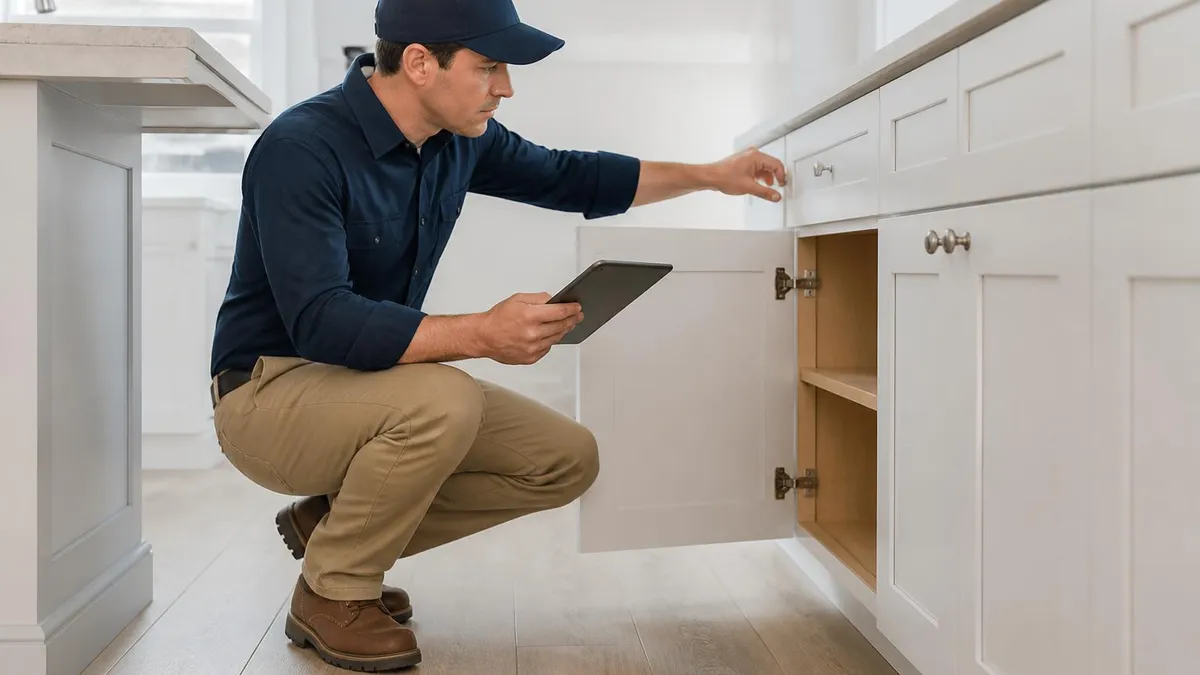
What Home Inspectors Look For: The Complete 2026 Buyer's Guide to Inspection Findings, Red Flags & Repair Negotiations

American Home Inspectors Training Reviews: The Complete 2026 Guide to Home Inspector Training, Certification & Career
FREE Safety Home Inspector Questions and Answers
Home Inspector Test 2026
About the Author

Licensed Real Estate Broker & Licensing Exam Specialist
University of Wisconsin School of BusinessSandra Taylor is a Graduate Realtor Institute (GRI) and Accredited Buyer's Representative (ABR) designee with an MBA in Real Estate from the University of Wisconsin School of Business. She has 18 years of residential and commercial real estate brokerage experience and coaches real estate license candidates through state salesperson and broker pre-license examinations across multiple states.