
American Home Inspectors Training Reviews: The Complete 2026 September Guide to Home Inspector Training, Certification & Career
Find the best home inspector training programs, certification paths & salary data. 🎯 Reviews of top courses to launch your inspection career in 2026 September.

If you've been searching for home inspectors near me or wondering how to break into this high-demand profession yourself, understanding the landscape of american home inspectors training reviews is the essential first step. The home inspection industry has grown substantially over the past decade, with more buyers demanding thorough property assessments before closing. Choosing the right training program determines not just whether you pass your licensing exam, but whether you build a sustainable, profitable career. This guide covers everything from top-rated courses to state requirements and real salary expectations.
The quality of home inspector training programs varies enormously across the United States. Some programs offer self-paced online modules that take just a few weeks, while others provide immersive in-person instruction spanning several months. When reviewing programs, prospective students should evaluate instructor credentials, curriculum depth, hands-on field training opportunities, pass rates for state licensing exams, and the strength of post-graduation career support. Programs affiliated with major professional associations like InterNACHI or ASHI typically carry the most credibility and are recognized by licensing boards nationwide.
One of the most important considerations when selecting a home inspector training program is whether the curriculum aligns with your target state's licensing requirements. Requirements differ dramatically — some states mandate 120 hours of pre-licensing education while others require 200 or more. States like California operate without a statewide license requirement, while Texas and Florida have some of the most rigorous standards in the country.
Before enrolling in any program, verify that the training hours, supervised inspections, and exam preparation content meet your specific state's standards. If you want detailed state-by-state breakdowns, learning how do i become a home inspector in your specific jurisdiction is a critical research step.
Online training programs have become increasingly popular since 2020, and for good reason — they allow working adults to study at their own pace without relocating or quitting their current jobs. Platforms like InterNACHI's online training portal offer hundreds of free and low-cost courses covering structural systems, roofing, electrical panels, plumbing, HVAC, and environmental hazards. The American Home Inspectors Training Institute (AHIT) is another well-regarded option, offering both online and in-person instruction with a strong reputation for exam readiness. Students consistently rate AHIT's structured approach and comprehensive study materials among the best in the industry.
Field training and mentorship are components that online-only programs often lack, yet they are arguably the most important part of becoming a competent inspector. Reading about roof flashing failures is vastly different from identifying them on an actual structure while managing client expectations and documentation simultaneously.
Many training providers now partner with experienced inspectors who allow students to shadow inspections and eventually conduct supervised assessments. The number of required field inspections varies by state, ranging from as few as 25 completed inspections to more than 250 before full licensing is granted, making mentorship programs an invaluable piece of your education pathway.
Cost is naturally a significant factor when evaluating home inspector training programs. Entry-level programs can be found for under $500, while comprehensive packages that include exam prep, tools, and E&O insurance guidance can run $3,000 to $5,000 or more.
Many students find that mid-range programs in the $1,000 to $2,500 range offer the best balance of quality and value, particularly when they include exam simulation tools, standards of practice materials, and access to an instructor for questions. Financing options and payment plans are available through most major training providers, making entry into the profession accessible even for those on tight budgets.
Beyond the initial training investment, new home inspectors should also budget for business startup costs including liability insurance, inspection reporting software, professional tools (moisture meters, thermal cameras, electrical testers), and marketing expenses. Cheap general liability for home inspectors is available through specialty insurers, with basic GL policies starting around $500 to $800 per year for new solo operators. Errors and omissions (E&O) insurance is equally important and typically costs between $1,200 and $2,500 annually depending on coverage limits and your inspection volume. Understanding these ongoing costs helps set realistic expectations for the first year of running your inspection business.
Home Inspector Industry by the Numbers

Top Home Inspector Training Programs: Honest Reviews
The largest inspector training association worldwide offers free and paid courses covering all major inspection domains. Members gain access to 1,000+ courses, exam prep tools, and a globally recognized certification that satisfies requirements in most U.S. states. Best for self-motivated learners.
One of the most respected names in inspector education, AHIT offers both online and live classroom options with structured curricula. Their comprehensive packages include state exam prep, field inspection checklists, and post-course support. Particularly strong for students in Texas, Florida, and the Midwest.
A fully online program designed for affordability without sacrificing quality. ICA's curriculum includes video lectures, quizzes, and downloadable study guides. They offer personalized coaching and have helped thousands of students pass state licensing exams across the country at a lower price point than competitors.
Kaplan's home inspection courses leverage decades of professional licensing education expertise. Their programs combine online flexibility with rigorous content, state-specific exam alignment, and access to experienced instructors. Particularly popular among students who also hold or are pursuing real estate licenses.
Many community colleges offer home inspection certificate programs at competitive tuition rates. These programs often include hands-on lab components and connections to local mentors. Credit-bearing courses may qualify for federal financial aid, making them one of the most affordable pathways for budget-conscious students.
Understanding home inspector salary potential is one of the first questions every prospective student asks, and the answer is more nuanced than most expect. According to the U.S. Bureau of Labor Statistics, the median annual wage for construction and building inspectors — the category that includes home inspectors — sits around $64,480. However, independent home inspectors operating their own businesses often earn significantly more or less than this figure depending on their market, volume of inspections, and specialization. In high-demand metro areas, experienced inspectors commonly clear $80,000 to $100,000 annually.
How much do home inspectors make in practice depends on several factors beyond raw experience. Geographic market is perhaps the biggest driver — a home inspector serving the Chicago metropolitan area or the Twin Cities will command different rates than one working in a rural county. Chicago area home inspectors and home inspectors chicago professionals benefit from a dense, active real estate market with thousands of transactions monthly, allowing busy inspectors to complete four or five inspections per week at $400 to $600 per inspection. At that volume, annual gross revenue can easily exceed $100,000 before business expenses.
For students curious about how pricing compares across different regions, discussions on platforms like Reddit frequently surface real-world data. Searches for minnesota home inspectors pricing reddit reveal that Twin Cities inspectors typically charge $350 to $500 for standard residential inspections, with add-ons for radon testing ($125 to $175), sewer scoping ($175 to $250), and mold sampling ($50 to $150 per sample). These ancillary services can meaningfully boost per-inspection revenue, and many successful inspectors generate 20% to 35% of their income from add-on services alone. Understanding your local pricing landscape before launching is critical to setting competitive and profitable rates.
New inspectors should expect a ramp-up period of six to eighteen months before reaching full income potential. In the early stages, most new inspectors complete just one to three inspections per week while building their referral network, refining their reporting workflow, and establishing relationships with real estate agents. Real estate agents are the primary referral source for most home inspection businesses, so networking — attending agent open houses, joining local real estate associations, and providing exemplary service on every inspection — is as important as technical competence during the first year.
Specialization is an increasingly attractive path for experienced inspectors looking to differentiate themselves and increase earnings. Commercial property inspection, new construction phase inspections, pre-listing inspections for sellers, and environmental testing (radon, asbestos, lead paint) all command premium fees and often face less competition than standard buyer's inspections. Thermal imaging certification is another popular add-on — inspectors with infrared camera expertise can charge $100 to $300 more per inspection and often attract higher-end residential clients who want the most comprehensive assessment available.
The business model of home inspection also rewards inspectors who invest in efficiency. Modern inspection reporting software like HomeGauge, Spectora, and ISN allows inspectors to produce polished, photo-rich reports in the field rather than spending hours at a desk afterward. Faster turnaround times — delivering reports within two to four hours of completing the inspection — are a competitive advantage that agents and clients notice and reward with repeat referrals. Understanding how much do home inspectors charge relative to the value they provide is an important part of positioning your services in a competitive market.
Income growth over a career in home inspection tends to follow a consistent pattern: slow initial buildup followed by steady growth as referrals compound. Inspectors who consistently deliver high-quality reports, respond promptly to client questions, and maintain professional liability coverage build reputations that generate steady streams of repeat and referral business. Many inspectors who have been in the industry for five or more years report that they no longer market actively — their reputation and referral network generate all the business they can handle, often allowing them to raise prices above market rates without losing clients.
What Do Home Inspectors Look For? Core Inspection Domains Explained
Understanding what do home inspectors look for in structural systems is fundamental to both passing your licensing exam and delivering value to clients. Inspectors evaluate foundations for cracks, settlement, moisture intrusion, and signs of lateral movement. Framing members including floor joists, roof rafters, load-bearing walls, and ridge boards are checked for damage, improper modifications, insect infestation, and moisture-related deterioration. Any evidence of previous structural repairs, non-permitted additions, or inadequate load-path continuity must be documented and disclosed clearly in the inspection report.
Roof systems receive particular attention because roof failures are among the most costly repairs homeowners face. Inspectors examine shingles or other roofing materials for age, wear, missing fasteners, curling, granule loss, and improper installation. Flashings around chimneys, skylights, dormers, and roof penetrations are common failure points. Gutters, downspouts, and the overall drainage away from the foundation are also evaluated, as improper drainage is a leading cause of basement moisture problems and foundation damage across all climate zones.

Online vs. In-Person Home Inspector Training: Which Is Better?
- +Online programs allow self-paced study that fits around existing work and family schedules
- +Typically 30–60% less expensive than equivalent in-person classroom courses
- +Top online platforms like InterNACHI offer hundreds of supplemental courses beyond core curriculum
- +Students can revisit video lectures and materials as many times as needed before exams
- +No geographic restriction — access the best instructors regardless of where you live
- +Digital study tools including flashcards, quizzes, and simulated exams are built into most platforms
- −Online-only programs provide little or no hands-on field training with real structures
- −Self-discipline is required — without a schedule, many students stall and don't complete the program
- −Networking with instructors and classmates who become future referral sources is limited
- −Some states require a minimum number of in-person instruction hours that online programs cannot satisfy
- −Practical skills like operating a gas analyzer or moisture meter must be learned separately
- −Questions may take hours or days to receive answers rather than getting immediate instructor feedback
Pros and Cons at a Glance
| Pros | Cons |
|---|---|
| Online programs allow self-paced study that fits around existing work and family schedules | Online-only programs provide little or no hands-on field training with real structures |
| Top online platforms like InterNACHI offer hundreds of supplemental courses beyond core curriculum | Self-discipline is required — without a schedule, many students stall and don't complete the program |
| Students can revisit video lectures and materials as many times as needed before exams | Networking with instructors and classmates who become future referral sources is limited |
| No geographic restriction — access the best instructors regardless of where you live | Some states require a minimum number of in-person instruction hours that online programs cannot satisfy |
| Digital study tools including flashcards, quizzes, and simulated exams are built into most platforms | Practical skills like operating a gas analyzer or moisture meter must be learned separately |
Home Inspector Certification Checklist: Steps to Get Licensed
- ✓Research your state's specific licensing requirements, including required education hours and field inspections
- ✓Enroll in a state-approved pre-licensing training program that meets your jurisdiction's curriculum standards
- ✓Complete all required classroom or online instruction hours and document your completion certificates
- ✓Conduct the minimum number of supervised field inspections required by your state licensing board
- ✓Register for and pass the National Home Inspector Examination (NHIE) or your state's equivalent exam
- ✓Submit your license application along with proof of education, inspections, and exam scores to your state board
- ✓Obtain Errors and Omissions (E&O) insurance and General Liability coverage before performing paid inspections
- ✓Purchase essential inspection tools: moisture meter, gas detector, circuit tester, infrared thermometer, and flashlight
- ✓Select professional inspection reporting software and practice using it before your first paid inspection
- ✓Join at least one professional association (InterNACHI, ASHI, or NAHI) to access continuing education and networking
The NHIE Is the Most Widely Accepted Licensing Exam
The National Home Inspector Examination (NHIE) is accepted for licensing in more than 30 U.S. states and is considered the gold standard credential in the industry. Developed and administered by the Examination Board of Professional Home Inspectors (EBPHI), the exam consists of 200 questions covering property and building inspection, analysis and reporting, and professional responsibilities. Candidates who pass the NHIE demonstrate competency recognized by employers, real estate professionals, and state licensing authorities alike.
Choosing the best home inspector training program for your situation requires honest self-assessment alongside careful research. Start by asking yourself how you learn best — if you're self-directed and comfortable absorbing information independently through reading and video, an online program offers unbeatable flexibility and value. If you benefit from structured schedules, face-to-face instruction, and immediate feedback from an experienced teacher, a hybrid or in-person program will likely produce better outcomes even at higher cost. Neither format is universally superior; the right choice depends entirely on your learning style and life circumstances.
Accreditation and state approval should be verified before committing any tuition dollars. Most reputable training providers maintain updated lists of the states where their programs satisfy licensing requirements. However, states occasionally update their approved provider lists, so always cross-reference the training provider's claims with your state licensing board's official website. A program that satisfied your state's requirements two years ago may no longer be on the approved list due to curriculum changes on either side. This verification step takes fifteen minutes but can save you thousands of dollars and months of wasted effort.
Instructor quality is perhaps the most underrated factor in home inspector training reviews. Look for programs where instructors are active, currently-licensed home inspectors with real-world field experience rather than academics who have never conducted a professional inspection. Many of the most effective instructors also work as InterNACHI or ASHI chapter leaders, bringing not just technical knowledge but industry connections and credibility. Reading student reviews on independent platforms like Google, Trustpilot, or the Better Business Bureau can surface patterns of excellence or concern that program marketing materials will never reveal.
Pass rates for state licensing exams are a legitimate metric for evaluating training program effectiveness, though they should be interpreted carefully. A program that heavily filters applicants or targets only academically strong candidates may show high pass rates that don't reflect the program's teaching quality.
Conversely, a program that accepts all applicants and provides robust support may show slightly lower aggregate pass rates while doing excellent work with a diverse student population. Ask training providers directly for their first-attempt pass rates on your state's licensing exam and compare those figures to the state average — that comparison tells you far more than raw numbers alone.
Post-course support is an often-overlooked differentiator between good and great training programs. The best programs don't disappear after you receive your completion certificate — they maintain alumni communities, mentor networks, and continuing education pathways that support you through your first inspections and beyond. InterNACHI's member community, for example, includes active forums where experienced inspectors answer questions from newcomers around the clock. Having access to experienced mentors when you encounter an unusual structural situation or unfamiliar mechanical system during an actual inspection is invaluable, particularly in your first year when every inspection presents learning opportunities.
The home inspector certification landscape is evolving rapidly, with increasing pressure from consumer advocates for stricter minimum standards nationwide. Several states that previously had no licensing requirements have enacted new legislation in recent years, and the trend toward higher standards appears likely to continue. This regulatory evolution is broadly positive for consumers and for career inspectors who have invested in proper training and certification, as it raises the floor on professional competence and makes certification a meaningful competitive advantage rather than a minimal barrier to entry.
Understanding the full scope of professional liability helps clarify why proper training and home inspectors professional liability coverage matter so much. Even highly skilled inspectors occasionally miss deficiencies that later cause financial harm to clients — that's the reality of inspecting complex structures under time pressure with limited visual access.
Errors and omissions insurance exists precisely to handle these situations professionally without destroying an inspector's business. Training programs that include substantive instruction on report writing, limitation disclosures, and standards of practice compliance help graduates avoid the documentation pitfalls that lead to claims in the first place, making comprehensive education a form of risk management as well as skill development.

Home inspector licensing requirements are set at the state level and can change with little public notice. Several states have increased their required education hours, added mandatory field inspection counts, or changed their approved exam requirements in the past two years. Never rely solely on a training provider's website to confirm current compliance — always verify requirements directly with your state's official licensing board before investing tuition money in any program.
Launching a successful home inspection career after completing your training requires a systematic approach to both business development and technical excellence. Many new inspectors underestimate the business-building phase and focus exclusively on technical skill development, only to find themselves struggling to attract clients six months after licensure. The inspectors who build thriving businesses from the start treat their first year as a dual investment — continuing to deepen technical knowledge while simultaneously building the relationships and reputation that drive referrals.
Real estate agent relationships remain the highest-leverage marketing activity for new home inspectors. Agents refer clients to inspectors they trust to provide thorough, honest assessments without being alarmist in ways that unnecessarily kill deals. Building these relationships means attending agent events, providing exceptional service on every inspection, delivering reports quickly, and being genuinely available to answer agent and client questions after reports are delivered. New inspectors who invest time in agent networking consistently outperform those who rely solely on online marketing or directory listings.
Online presence is increasingly important even when most business comes through agent referrals. Potential clients routinely search for home inspectors near me to verify credentials and read reviews before accepting an agent recommendation. A professional website with clear service descriptions, pricing transparency, sample reports, and authentic client testimonials builds confidence and converts searchers into bookings. Google Business Profile optimization is particularly important for local search visibility — inspectors with complete, well-reviewed Google profiles appear prominently when buyers search for inspection services in your service area.
Pricing strategy for new inspectors involves balancing the need to attract initial business against the risk of positioning yourself so cheaply that sophisticated buyers question your quality. In most markets, new inspectors should price within 10% to 15% below the market midpoint rather than dramatically undercutting established competitors.
Competing primarily on price attracts price-sensitive clients who are less likely to become repeat customers or referral sources, whereas pricing within a reasonable range of market rates signals professionalism and attracts clients who value quality. As you accumulate positive reviews and referrals, gradual price increases every 12 to 18 months help your income grow alongside your reputation.
Continuing education is both a licensing requirement and a genuine competitive advantage in home inspection. Most states require inspectors to complete 20 to 30 hours of continuing education annually to maintain licensure. Rather than viewing this as a burden, top inspectors use their CE hours strategically — pursuing certifications in high-demand specialty areas like commercial property inspection, mold assessment, radon measurement, and energy auditing. Each additional certification expands your marketable services, increases per-inspection revenue potential, and differentiates you from generalist competitors who offer only standard residential inspections.
Technology adoption is reshaping the home inspection industry in ways that favor early adopters. Mobile inspection reporting apps that allow inspectors to create, photo-document, and publish complete reports while still on-site are replacing paper forms and desktop software workflows that were standard just five years ago. Inspectors who adopt efficient field reporting technology can complete four inspections per day versus the two or three that more manual workflows allow — a difference that can mean $50,000 or more in additional annual revenue without adding a single working hour. Investing in the right software early pays dividends throughout your career.
Professional association membership — particularly with InterNACHI or ASHI — provides ongoing value beyond the initial credential. Both associations offer members access to ongoing education, standards of practice updates, consumer-facing marketing materials, errors and omissions insurance programs, and active peer communities. ASHI membership, which requires passing the NHIE and completing a minimum number of field inspections before receiving full membership status, carries particular prestige with consumers who research inspector credentials. For inspectors seeking every competitive advantage as they build their practice, maintaining active membership in at least one major association is a worthwhile ongoing investment in professional standing.
Practical preparation for your home inspector licensing exam requires more than simply completing your required training hours — it demands deliberate, focused study using materials that mirror the actual exam format. The National Home Inspector Examination (NHIE) draws questions from four primary domains: property and building inspection (site, structure, exterior, roofing, plumbing, electrical, heating, cooling, interiors, insulation, fireplaces), analysis and reporting, professional responsibilities, and business ethics. Understanding the weight each domain carries on the exam allows you to allocate study time proportionally rather than treating all topics as equally important.
Practice exams are consistently the single most effective study tool for home inspector licensing exams, according to both exam prep specialists and candidates who have recently passed. Taking timed practice tests under simulated exam conditions accomplishes several things simultaneously — it familiarizes you with question formats and common distractors, reveals specific knowledge gaps that need reinforcement, builds confidence through repeated successful performance, and trains your brain to work efficiently under time pressure. Most experts recommend completing a minimum of 500 to 800 practice questions before your actual exam date, spread across multiple testing sessions rather than marathon cramming sessions.
Targeted review of weak areas is more productive than general review of material you already know well. After each practice session, identify the categories where you missed the most questions and allocate your next study session exclusively to those areas. If you consistently struggle with HVAC systems or foundation types, seek out supplemental resources — InterNACHI's online course library, the Carson Dunlop home inspection textbook, and YouTube channels run by experienced inspectors all offer alternative explanations that may click where your primary study materials haven't. Diversifying your information sources helps concepts solidify from multiple angles.
Hands-on field preparation complements book and exam study in ways that cannot be replicated digitally. If you have access to a mentor inspector, ride along on as many inspections as possible during your study period — seeing real deficiencies in context accelerates your ability to recognize and describe them accurately.
Even if mentorship isn't available, visiting your own home or a willing friend's property with an inspection checklist in hand builds the pattern recognition skills that experienced inspectors rely on. Learning to articulate what you observe in clear, technically precise language is a skill that develops with practice, not just study.
Exam day logistics deserve careful attention. Arrive at the testing center early to complete check-in procedures without rushing. Bring any required identification exactly as specified in your exam registration confirmation — testing centers enforce ID requirements strictly and will deny entry if documentation doesn't match.
Read each exam question fully before selecting an answer, and watch for qualifiers like "most likely," "least likely," "except," and "always" that change the correct answer. If a question stumps you, flag it and move on rather than spending disproportionate time on one item — the exam is timed, and most candidates have time to review flagged questions if they maintain a steady pace.
After passing your licensing exam, the work of building professional competence continues through your early inspections. Every property you inspect teaches you something you didn't encounter in training — unusual construction methods, regional building materials, regional climate adaptations, non-standard mechanical systems, and creative (sometimes dangerous) homeowner modifications all appear regularly in the field.
Documenting interesting findings with photos for your own reference library builds an invaluable resource you'll return to throughout your career. The most respected home inspectors in any market are those who approach every inspection with the humility to keep learning, regardless of how many years and thousands of inspections they have behind them.
Connecting with fellow inspectors through professional association chapters, online communities, and local networking events accelerates professional development in ways that solo study never can. Experienced inspectors are generally generous with knowledge and advice to newcomers who approach them respectfully — the profession has a strong culture of mentorship and collegial support that benefits everyone.
Finding a community of inspectors you can reach out to when you encounter something unfamiliar in the field is one of the most practical steps you can take to ensure your early inspections are as thorough and accurate as possible, protecting both your clients and your professional reputation.
Home Inspector Questions and Answers
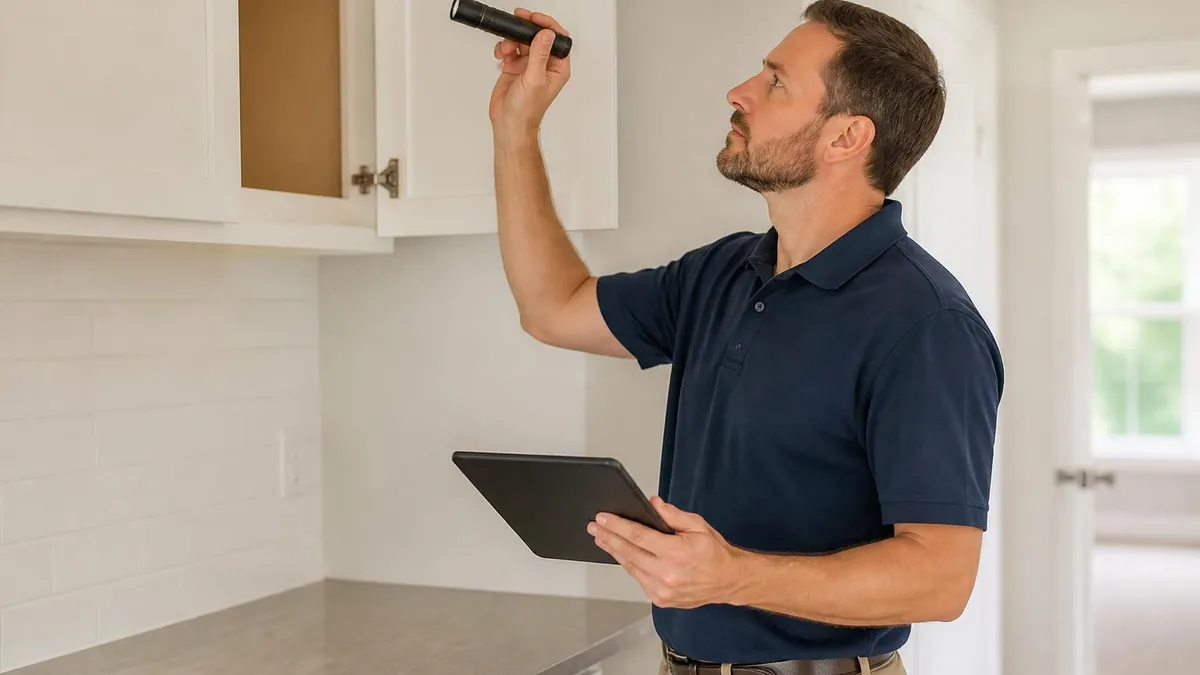
Home Inspector School: Complete 2026 Guide to Training Programs, Costs, Licensing & Career Launch
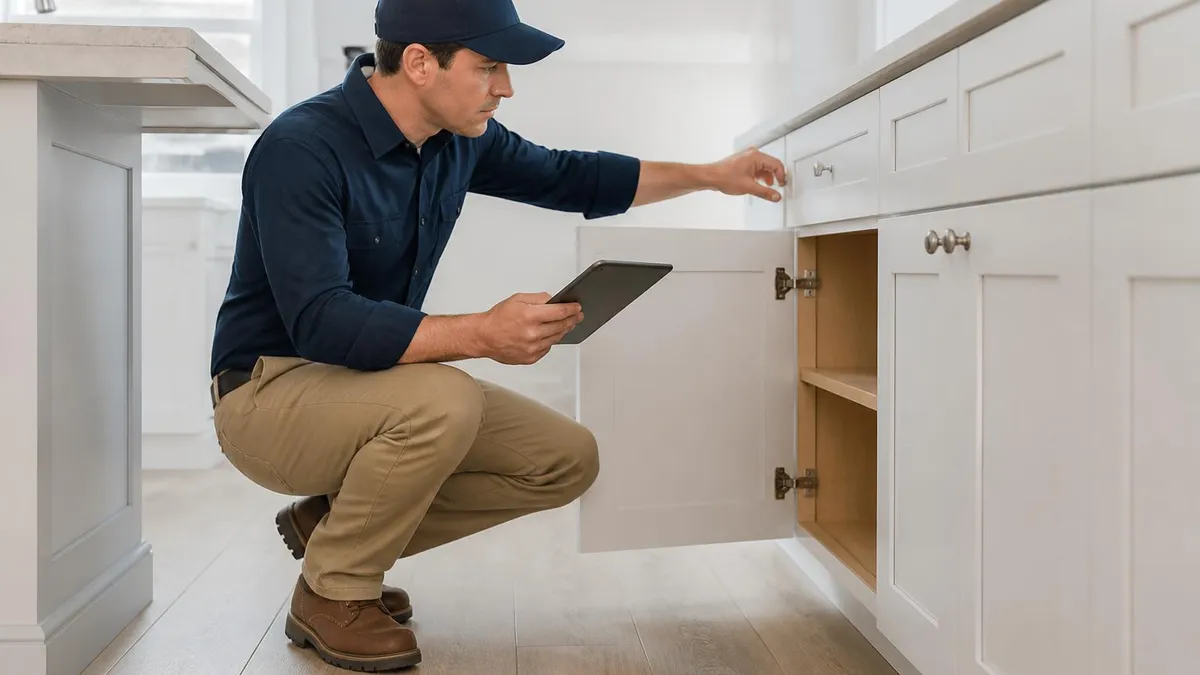
What Home Inspectors Look For: The Complete 2026 Buyer's Guide to Inspection Findings, Red Flags & Repair Negotiations
FREE Safety Home Inspector Questions and Answers

Home Inspector Certification Requirements by State: The Complete 2026 Guide
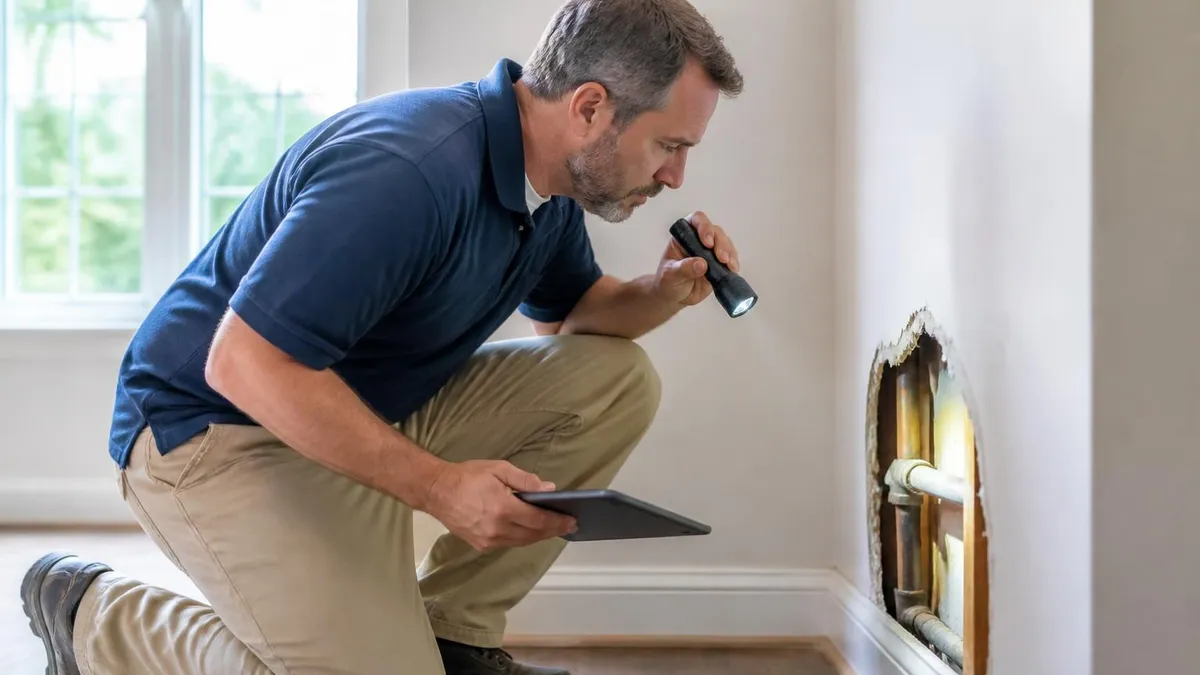
Home Inspector Near Me: How to Hire a Quality Local Inspector (2026)
About the Author

Licensed Real Estate Broker & Licensing Exam Specialist
University of Wisconsin School of BusinessSandra Taylor is a Graduate Realtor Institute (GRI) and Accredited Buyer's Representative (ABR) designee with an MBA in Real Estate from the University of Wisconsin School of Business. She has 18 years of residential and commercial real estate brokerage experience and coaches real estate license candidates through state salesperson and broker pre-license examinations across multiple states.