
Home Inspectors Association: Everything You Need to Know About Certification, Salary, and Finding Inspectors Near You
Find home inspectors near me, explore association memberships, certification paths, and salary data. Your complete 2026 September guide. ✅
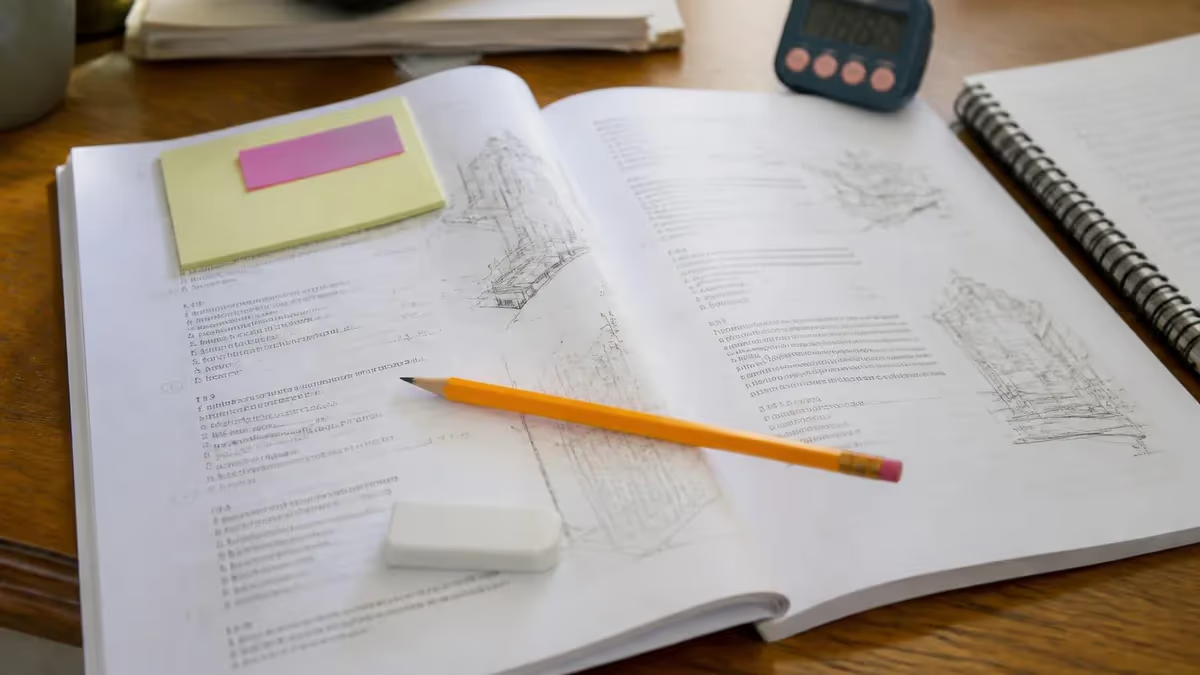
If you've searched for home inspectors near me or wondered what a professional home inspectors association actually does for consumers and practitioners alike, you're in the right place. A home inspectors association is a professional organization that sets industry standards, provides continuing education, offers networking opportunities, and—critically—establishes ethical codes that protect both inspectors and the homebuyers who rely on them. These organizations are the backbone of a profession that touches millions of real estate transactions every single year across the United States.
The two most prominent national associations are the American Society of Home Inspectors (ASHI) and the International Association of Certified Home Inspectors (InterNACHI). ASHI was founded in 1976 and is one of the oldest and most respected organizations in the field. InterNACHI, founded in 1990, is now the world's largest association of residential and commercial inspection professionals, boasting more than 27,000 members globally. Both organizations maintain rigorous standards of practice and require members to complete ongoing education to retain their credentials.
Membership in a recognized home inspectors association carries enormous professional weight. When a consumer searches online for home inspectors near me and finds an ASHI or InterNACHI member, they can feel confident that the inspector has passed a standardized exam, committed to a code of ethics, and invested in their ongoing professional development. This credentialing system creates accountability in what would otherwise be a largely unregulated industry in many states, giving buyers a reliable filter when choosing who to trust with one of the biggest purchases of their lives.
Beyond consumer protection, these associations offer inspectors access to resources that are nearly impossible to replicate independently. This includes sample inspection report templates, specialized training courses, business insurance group rates, legal resources, and peer-reviewed best practices for evaluating everything from roofing systems to HVAC equipment. For someone just starting out in the profession, association membership essentially compresses years of on-the-job learning into structured, accessible educational modules that accelerate career competence significantly.
State-level associations also play an important role. Many states have their own chapters of national organizations, plus independent state-specific groups. These local chapters host regional conferences, facilitate referral networks among members, engage with state legislatures on licensing issues, and organize volunteer programs like community inspection days. If you're curious about chicago area home inspectors or inspectors in your region, checking association member directories is always a smart starting point because it surfaces professionals who have demonstrated commitment to the profession's ethical and educational standards.
Understanding the role of professional associations also helps aspiring inspectors chart their career path more strategically. Rather than simply completing a state licensing course and hanging out a shingle, joining an association immediately connects you to mentorship programs, business development workshops, and a community of experienced peers who can help you grow your practice. The career trajectory of inspectors who join associations early tends to be steeper and more stable than those who go it alone, especially in competitive urban markets where reputation and credentials make all the difference.
Whether you are a homebuyer trying to vet your inspector, a real estate professional building a trusted referral list, or an aspiring inspector deciding which credential to pursue, understanding the landscape of home inspectors associations is foundational knowledge. This guide covers everything: the major national and regional organizations, certification pathways, salary expectations, what inspectors actually look for during an inspection, and how to find the right inspector for your specific needs—no matter where you live in the United States.
Home Inspector Profession by the Numbers

The Major Home Inspector Associations in the US
Founded in 1976, ASHI is the oldest and most respected US home inspector association. Members must pass the National Home Inspector Examination (NHIE) and complete 20 hours of continuing education annually. ASHI's Standards of Practice are widely recognized and referenced by state licensing boards.
The world's largest inspector association with 27,000+ members. InterNACHI offers its own online exam, extensive free training courses, and the Certified Professional Inspector (CPI) designation. Members benefit from a consumer-facing inspector finder and group insurance rates unavailable to independent inspectors.
NAHI provides the Certified Real Estate Inspector (CREI) designation and focuses on residential inspection standards. Members must complete a background check, pass a written exam, and demonstrate field experience. NAHI also offers a peer-reviewed inspection report program to elevate professional report quality.
Beyond national bodies, most states host regional chapters or independent associations such as the California Real Estate Inspection Association (CREIA) or the Texas Association of Real Estate Inspectors (TAREI). These groups lobby for inspector-friendly legislation and maintain state-specific resources that national organizations cannot provide.
Understanding how to become a home inspector starts with grasping the layered pathway that most successful professionals follow. The process involves completing a pre-licensing education course, passing your state's required examination (or the National Home Inspector Examination), acquiring field experience through ride-alongs or apprenticeships, and then obtaining your state license or certification before joining a professional association. While the specific steps vary by state, this general framework applies across the country and provides a reliable roadmap for new entrants into the profession.
Home inspector certification from a recognized association is often the most important credential you'll carry—sometimes even more valuable than your state license in the eyes of discerning clients. The National Home Inspector Examination (NHIE), administered by the Examination Board of Professional Home Inspectors (EBPHI), is the gold-standard exam accepted or required in over 30 states. It consists of 200 multiple-choice questions covering property and building inspection, analysis of findings and reporting, and professional practice. Candidates typically need 100 or more inspection hours before they're eligible to sit for the exam.
InterNACHI's own certification pathway offers an alternative that many inspectors find accessible and comprehensive. Through InterNACHI's online education platform, candidates can complete coursework in structural components, roofing, electrical systems, plumbing, HVAC, insulation, fireplaces, and dozens of specialty areas—all at their own pace. Once coursework is complete and the online exam is passed, members receive the Certified Professional Inspector (CPI) designation. InterNACHI also requires members to complete 24 hours of continuing education per year to keep their CPI active, ensuring that all certified members stay current with evolving building codes and inspection technologies.
For those wondering about state-specific requirements, it's worth noting that licensing rules differ dramatically from one state to the next. Texas requires 448 hours of pre-licensing education and a background check. Florida requires 120 hours plus an exam and 50 supervised inspections.
Some states like Wyoming and South Dakota have no licensing requirement at all, though even in those states, association membership is strongly recommended to signal professionalism to potential clients. If you're researching your specific jurisdiction, the guide on home inspectors chicago and state-by-state requirements breaks down each state's rules in detail, saving you hours of research across government websites.
The field experience component of becoming a home inspector is often the most challenging and most underestimated part of the journey. Most states and associations require new inspectors to complete a minimum number of supervised inspections before they can practice independently. InterNACHI requires 250 inspections or 1 year of experience for full membership.
ASHI requires candidates to conduct 250 fee-paid inspections over a minimum of one year. These thresholds exist because home inspection is fundamentally a hands-on skill—reading a textbook about foundation cracks is completely different from recognizing them in the field under time pressure with a client standing next to you asking questions.
Mentorship programs offered through associations bridge the gap between classroom learning and real-world competence. Many experienced association members actively take on apprentices or allow new inspectors to shadow them on paid inspections. This arrangement benefits both parties: the experienced inspector gets help with scheduling and logistics while the trainee gets irreplaceable exposure to real homes with real defects. Some associations maintain formal mentorship registries that match new members with experienced practitioners in the same geographic area, making it far easier to find a mentor than navigating cold outreach alone.
Continuing education is not just a box to check for maintaining your association membership—it is a genuine professional necessity in a field where building codes, materials, and home systems evolve constantly. New construction techniques like spray foam insulation, solar panel integration, and smart home technology all require inspectors to update their knowledge regularly.
Associations like InterNACHI and ASHI release updated courses and bulletins throughout the year, keeping their members ahead of emerging issues. Inspectors who treat continuing education as a burden rather than an investment tend to fall behind peers who embrace lifelong learning, particularly in markets where clients are sophisticated and demand inspectors who know the latest issues.
Home Inspector Salary: What Do Home Inspectors Make?
According to the U.S. Bureau of Labor Statistics, the median annual wage for construction and building inspectors—the category that includes home inspectors—is approximately $64,480. However, self-employed home inspectors who build a strong client base and referral network can earn significantly more, with top earners in high-demand markets reporting annual incomes exceeding $100,000. The wide salary range reflects the entrepreneurial nature of the profession, where marketing skill and local reputation matter as much as technical competence.
When thinking about how much do home inspectors make, it's important to separate salaried employees from independent operators. Inspectors working for large national inspection companies typically earn a base salary of $40,000–$55,000, while those who operate their own businesses keep a much larger share of each inspection fee—typically $300–$600 per residential inspection. A self-employed inspector completing 10–15 inspections per week in a busy real estate market can gross $180,000–$350,000 annually before expenses, making entrepreneurship attractive for high performers.

Pros and Cons of Joining a Home Inspectors Association
- +Credential recognition: association certifications (ASHI, InterNACHI) are widely recognized by real estate agents and buyers
- +Access to association member directories that generate passive client referrals without paid advertising
- +Group insurance rates for E&O and general liability coverage that are significantly cheaper than individual policies
- +Structured continuing education keeps you current with evolving building codes, materials, and technology
- +Peer networking and mentorship opportunities that accelerate skill development and business growth
- +Legal resources and sample contracts vetted by association attorneys that protect your business from liability
- −Annual membership dues range from $300 to $600+ per year depending on the association and membership tier
- −Continuing education requirements (20–24 hours annually) demand time investment on top of running a business
- −Not all associations have equal brand recognition in every local market, so membership value varies by region
- −Some associations require a minimum number of completed inspections before granting full membership status
- −Smaller regional associations may have limited resources compared to ASHI or InterNACHI's national platforms
- −Association standards of practice can create higher client expectations that require more thorough inspections per job
Pre-Inspection Checklist: What to Do Before Your Home Inspection
- ✓Verify the inspector holds a valid state license or certification from a recognized association like ASHI or InterNACHI.
- ✓Confirm the inspector carries Errors and Omissions (E&O) insurance and general liability coverage before booking.
- ✓Request a sample inspection report to evaluate the inspector's thoroughness and communication clarity.
- ✓Ask about the inspector's experience with homes similar in age, size, and construction type to the property being inspected.
- ✓Confirm what specialty services (radon, mold, sewer scope) are included or available as add-ons.
- ✓Plan to attend the inspection in person so you can ask questions and see issues firsthand rather than relying solely on the written report.
- ✓Clear access to the attic, crawl space, electrical panel, and HVAC equipment before the inspector arrives.
- ✓Ensure all utilities (gas, electric, water) are active so the inspector can fully test all systems and appliances.
- ✓Review the inspection contract carefully and confirm the scope of services before signing anything.
- ✓Follow up promptly on any major findings by consulting with licensed contractors before making purchase decisions.
Association Membership Is Your Best Vetting Filter
When searching for home inspectors near me, filtering results by ASHI or InterNACHI membership eliminates the vast majority of unqualified practitioners. Association members have passed standardized exams, committed to a code of ethics, and completed documented education hours—giving you a baseline of competence that state licensing alone doesn't always guarantee, particularly in states with minimal licensing requirements.
Understanding what do home inspectors look for during a professional inspection is essential knowledge for both buyers and aspiring inspectors. A standard residential inspection follows a systematic methodology covering the home from the ground up: foundation and structural components, exterior grading and drainage, roofing systems, attic insulation and ventilation, electrical systems, plumbing, HVAC, interior spaces, windows, and doors. The inspector's goal is to identify material defects—conditions that significantly affect the home's value, habitability, or safety—and communicate those findings clearly in a written report delivered within 24 hours of the inspection.
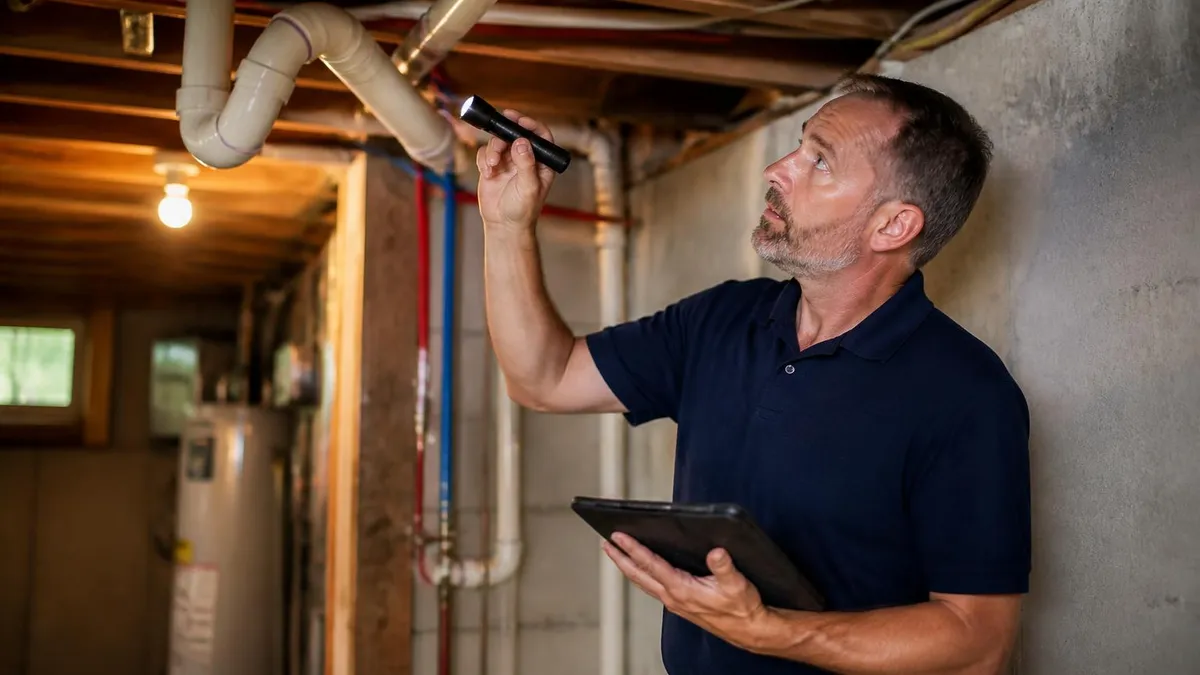
The structural inspection begins with the foundation. Inspectors look for cracks (distinguishing between cosmetic settlement cracks and structural cracks that indicate movement or failure), evidence of water infiltration, efflorescence on concrete block walls, and signs of previous repair attempts. They examine framing visible in the basement or crawl space for rot, insect damage, improper modifications, and undersized structural members.
Floor systems are checked for bounce or deflection that might indicate inadequate support or joist damage. This phase alone requires substantial expertise because foundation and structural issues are among the most expensive to remediate and the most consequential to a buyer's decision.
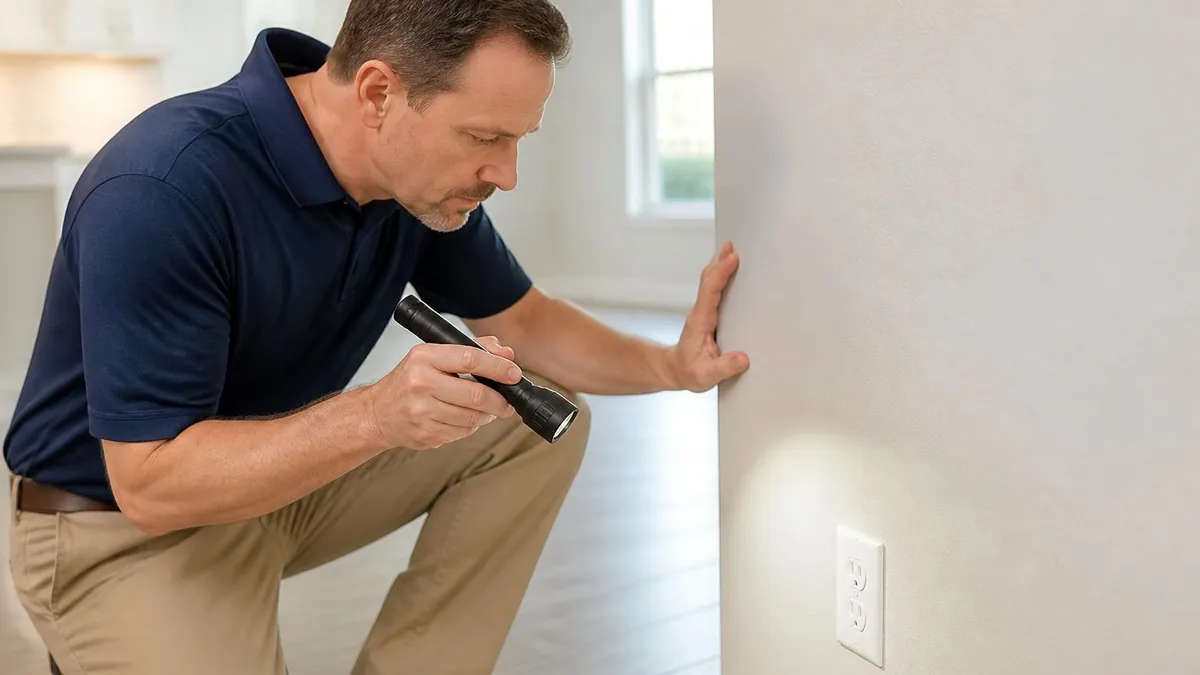
Electrical system inspection is another area where inspectors catch genuinely dangerous conditions. Double-tapped breakers, aluminum wiring in post-1972 homes, open junction boxes, reversed polarity outlets, missing GFCI protection near water sources, and Federal Pacific or Zinsco panels—which are known to have elevated fire risks—are all defects that association-trained inspectors are specifically taught to identify. A thorough inspector will test every accessible outlet, check the service entrance for weather damage, verify the panel labeling, and note the presence of any unpermitted additions that may have been wired without proper inspection oversight during construction.
Plumbing inspection covers supply pipes, drain lines, water heater condition and installation, fixture operation, and evidence of leaks both active and historical. Inspectors look for galvanized steel pipes that have corroded internally, polybutylene pipes (a notoriously failure-prone material used in homes built between 1978 and 1995), improperly vented drain traps, and water heaters that are past their useful life or improperly strapped in earthquake-prone areas.
The water heater inspection alone often identifies issues that require immediate replacement, as units operating beyond their 10–15 year lifespan are statistically much more likely to fail and cause water damage. For a detailed breakdown of what do home inspectors look for on licensing exams, our practice test covers all major inspection domains.
HVAC inspection evaluates the heating and cooling systems' condition, age, operational efficiency, and remaining useful life. Inspectors operate the systems through their full cycle, check filter conditions, examine ductwork for disconnected sections or excessive flex duct runs, verify thermostat operation, and assess combustion appliances for proper venting and carbon monoxide risks.
An aging furnace operating correctly today may still be flagged in the report as nearing the end of its useful life—typically 15–20 years for gas furnaces—so buyers can budget for replacement. Air conditioning systems are similarly evaluated for refrigerant leaks, coil condition, and compressor operation during the season when cooling can be tested.
The roof inspection is often what buyers are most anxious about, and for good reason—roof replacement is one of the most expensive repairs a homeowner can face, with costs ranging from $8,000 for a small home to $25,000+ for large or complex roofs. Inspectors examine the roofing material for remaining life expectancy, check flashing at chimneys, skylights, and wall intersections, look for missing or damaged shingles, assess gutter condition and drainage, and examine the roof structure for sagging or improper ventilation.
In cases where the roof is not safely walkable due to pitch or material type, inspectors typically use binoculars from the ground or drones (in jurisdictions that permit it) to complete their visual assessment without compromising their safety.
Interior inspection covers every accessible room systematically—checking windows for broken seals or operation failures, doors for proper latching and swing clearance, floors for squeaks or soft spots, ceilings and walls for water stains or cracks suggesting active leaks above, and fireplaces for proper damper operation and firebox condition.
Inspectors also check smoke and carbon monoxide detector presence and location relative to current code requirements, though it's important to note that inspectors evaluate conditions at the time of inspection and do not represent compliance with current codes for homes built under older code versions. The complete interior walkthrough for an average home typically takes 45–90 minutes alone.

Standard home inspections do not include radon testing, mold sampling, sewer scope, or pest inspections—these require separate specialized assessments. Homes built before 1978 may contain lead paint and asbestos in insulation, floor tiles, or duct wrap. Budget an additional $300–$800 for specialty testing on older properties, as these hidden hazards can represent thousands in remediation costs if discovered after closing.
Finding the right home inspector requires more than a simple online search for home inspectors near me. The quality of home inspectors varies enormously even within the same geographic market, and the cheapest option is almost never the best value when you're spending hundreds of thousands of dollars on a property. A poor inspection that misses a major defect can cost you far more than the few dollars you saved on the inspection fee—so evaluating inspectors on credentials, experience, report quality, and communication style is time well spent before you commit to any particular professional.
Start your search by using the ASHI member finder at homeinspector.org or the InterNACHI inspector finder at nachi.org. Both directories let you search by zip code and filter by specialty certifications. Read reviews on Google and the Better Business Bureau, but also look for inspector-specific platforms like Inspector's Outlet and HomeAdvisor where clients leave detailed reviews about specific inspection experiences. Pay attention to reviews that mention what the inspector found (or failed to find) rather than just general satisfaction scores, as these provide the most useful signal about inspection thoroughness.
When vetting inspectors, ask specifically about their experience with homes of similar age and construction to yours. An inspector who primarily works on 1990s–2000s suburban homes may not be the best choice for a 1920s Victorian with knob-and-tube wiring, plaster walls, and a coal-converted boiler.
Conversely, an inspector steeped in older urban housing stock may be less familiar with the issues common to modern tract construction like Chinese drywall (a defect that plagued some 2004–2007 new construction) or the specific failure modes of vinyl window seals. Match the inspector's experience profile to your target home's era and construction type for the best results.
Insurance verification is non-negotiable. Always confirm that your inspector carries both Errors and Omissions (E&O) insurance—which protects you if the inspector misses a major defect—and general liability insurance, which covers property damage during the inspection itself. Association members who source their insurance through group programs negotiated by ASHI or InterNACHI typically carry $500,000 to $1 million in E&O coverage. Get the certificate of insurance emailed to you before the inspection date, not after. Inspectors who hesitate to provide proof of insurance are a red flag that should send you looking for alternatives immediately.
Report format and delivery speed are practical considerations that vary significantly between inspectors. Some inspectors use basic word-processing templates that produce text-heavy reports with minimal photos. Others use professional inspection software like Spectora, HomeGauge, or Horizon that generates visually rich, photo-annotated reports organized by system and severity. These software-generated reports are dramatically easier to read and share with real estate agents, contractors, and lenders.
Ask to see a sample report before booking, and check whether the inspector uses a rating system that flags items by severity—issues classified as safety hazards, major defects, and maintenance items should be clearly distinguished from one another. For those curious about the minnesota home inspectors pricing reddit discussions on what to look for in inspector credentials and licensing, our detailed licensing guide covers the specifics of state-by-state requirements in full.
Attendance at the inspection is highly recommended for buyers. Being physically present—asking questions, watching the inspector examine systems, and hearing verbal explanations in real time—gives you a much richer understanding of the home's condition than reading the report alone ever could.
Most experienced inspectors appreciate engaged buyers because the questions you ask help them calibrate what details to explain at length versus what to simply note in the report. Plan for 2.5–4 hours for a standard single-family home inspection, and leave your schedule clear so you don't feel rushed during what is arguably the most information-dense part of the homebuying process.
After the inspection, use the report strategically. Not every finding warrants a repair demand—a list of 80 items sounds alarming but may include dozens of minor maintenance notes alongside two or three genuinely significant defects. Focus your negotiation energy on safety hazards, major structural or mechanical defects, and items that are expensive to repair.
Work with your real estate agent to determine which findings support price renegotiation, which warrant repair credits, and which are simply part of owning an older home that you're comfortable accepting. A well-conducted inspection with a thorough, professional report gives you the information you need to make a truly informed decision—which is exactly what the home inspectors association system was designed to deliver.
For aspiring inspectors, the journey from deciding to enter the profession to completing your first paid inspection typically takes between six months and two years depending on your state's requirements, your available study time, and how quickly you can accumulate the required supervised inspection hours. The most efficient path starts with researching your specific state's licensing requirements, selecting an accredited pre-licensing course, and immediately reaching out to local association chapter members about mentorship and ride-along opportunities—because those supervised inspection hours are the hardest part of the timeline to compress.
Pre-licensing education costs vary considerably. Online courses from providers like ICA School, American Home Inspectors Training (AHIT), or Inspection Certification Associates typically range from $500 to $2,500, with more expensive programs offering mentorship access, marketing materials, and business setup guidance alongside the technical curriculum. Many community colleges also offer home inspection courses at lower price points. Regardless of which course you choose, supplement the curriculum with the ASHI or InterNACHI standards of practice—read them multiple times until you can recite the inspection scope boundaries and limitations from memory, because exam questions frequently test these boundaries specifically.
The National Home Inspector Examination (NHIE) costs $225 to register and is offered at Prometric testing centers across the country. The exam consists of 200 questions with a 4-hour time limit, testing competency across five major domains: property and building inspection (the largest domain at approximately 30% of questions), analysis of findings and reporting, building science theory, professional practice, and business operations.
The pass rate is approximately 65–70% for first-time candidates, meaning roughly one in three candidates fails on their first attempt. Thorough preparation using practice tests, especially those that mirror the NHIE's question format and domain weighting, substantially improves first-time pass rates.
Building a business as a home inspector is as much a marketing challenge as a technical one. Your first year will likely involve significant time invested in establishing relationships with real estate agents, building your online presence, collecting reviews from every satisfied client, and refining your inspection process for efficiency without sacrificing thoroughness.
Joining your local association chapter and attending real estate investor meetups, Realtor association events, and Chamber of Commerce networking functions accelerates the relationship-building process that is the primary driver of referrals in this business. Inspectors who treat marketing as seriously as technical training tend to build sustainable practices far faster than those who assume quality work will automatically generate word-of-mouth growth.
Equipment investment is another area where new inspectors sometimes underestimate costs. A basic inspection requires a quality flashlight, an outlet tester, a moisture meter, a carbon monoxide detector, a combustible gas leak detector, a telescoping ladder, and a non-contact voltage tester at minimum—totaling approximately $500–$1,500 for quality tools.
As your business grows, you'll want to add a thermal imaging camera ($1,000–$4,000), a drone for roof inspections ($800–$2,000 plus drone certification), and possibly radon test equipment ($300–$800). Many associations offer member discounts on equipment purchases that help offset these startup costs, making association membership financially beneficial from day one of your business.
Professional liability management is a topic that new inspectors often don't consider until they receive their first complaint—at which point it's too late to retroactively strengthen their practices. Using association-vetted inspection agreements, writing clear limitation statements in your reports, documenting your methodology with consistent photos, and maintaining excellent client communication throughout the process are all practices that reduce your liability exposure significantly.
When issues do arise—and in a career spanning thousands of inspections, some disputes are essentially inevitable—having E&O insurance and the legal resource support of a professional association turns a potentially catastrophic situation into a manageable one. The associations have seen every type of complaint and dispute scenario and can provide guidance based on precedent that protects both your business and your professional reputation.
The home inspection profession is at an exciting inflection point driven by technology and evolving consumer expectations. Thermal imaging, drone roof inspections, digital report platforms, and AI-assisted defect detection tools are all reshaping how inspections are conducted and communicated.
Inspectors who invest in continuing education and stay current with these technologies through their association memberships will be best positioned to command premium fees, attract sophisticated buyer clients, and build practices that remain competitive as the market evolves. The professional associations are leading much of this evolution by developing certification programs for emerging technologies and lobbying for reasonable regulatory frameworks that allow inspectors to use new tools safely and legally.
Home Inspector Questions and Answers

About the Author

Licensed Real Estate Broker & Licensing Exam Specialist
University of Wisconsin School of BusinessSandra Taylor is a Graduate Realtor Institute (GRI) and Accredited Buyer's Representative (ABR) designee with an MBA in Real Estate from the University of Wisconsin School of Business. She has 18 years of residential and commercial real estate brokerage experience and coaches real estate license candidates through state salesperson and broker pre-license examinations across multiple states.