
How to Become a Home Inspector in 2026 August: Requirements, Training, Certification & Salary
Learn how to become a home inspector: 🧠 training, certification, licensing, costs and salary. Complete 2026 August guide to launching a home inspection career.
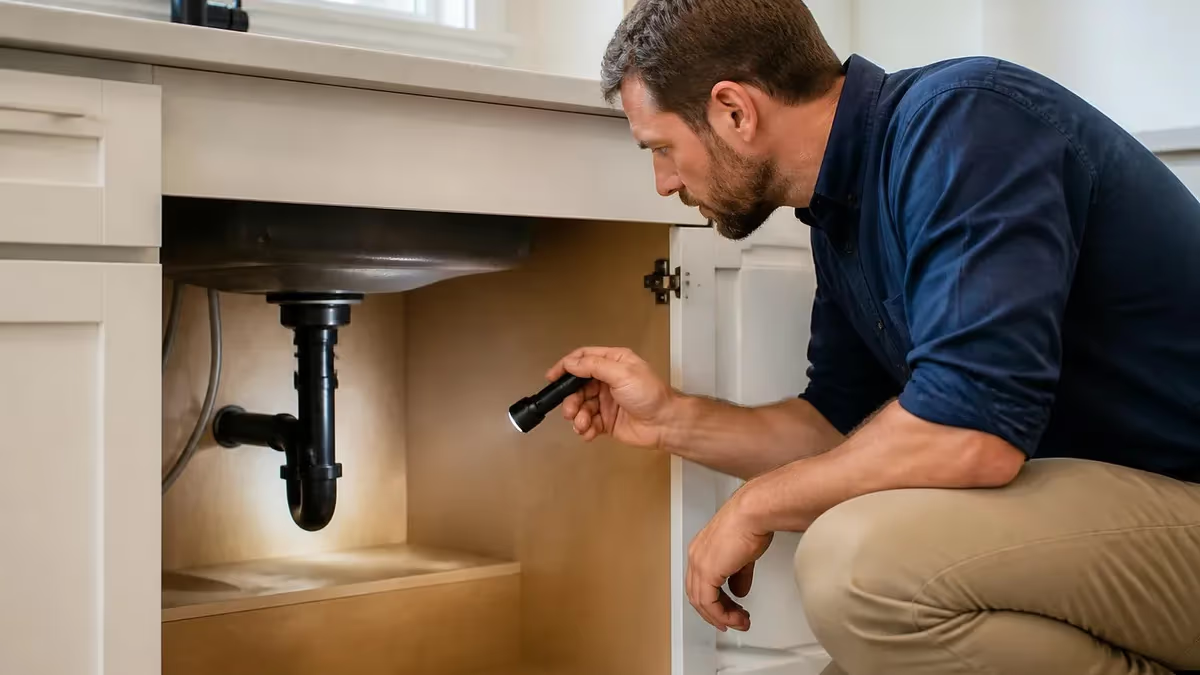
Deciding to become a home inspector puts you on a path toward an independent, hands-on career that pays well and stays in demand as long as people buy and sell houses. Every real estate transaction in America generates inspection work, and homeowners searching for home inspectors near me keep the pipeline full year-round. This guide walks you through the requirements, training, certification, licensing, costs, and earning potential so you can launch a real business rather than guess your way through it from scratch.
Home inspection is appealing because the barriers to entry are reasonable compared with most skilled trades. You do not need a four-year degree or years of formal apprenticeship. In most states you can complete the required education, pass a national exam, and start taking clients within three to six months. That short runway, combined with strong income potential, is why thousands of career-changers from construction, real estate, and even unrelated office jobs move into inspection every single year across the country.
The job itself is a blend of investigation and communication. You climb into attics, crawl under foundations, test electrical panels, run HVAC systems, and check roofs, then translate everything you find into a clear written report that a nervous buyer can actually understand. The technical knowledge matters, but so does the ability to explain a cracked heat exchanger or aluminum wiring without sending a client into a panic. Good inspectors are part detective, part teacher, and part calm reassuring guide.
Requirements vary widely by state, which is the first thing that trips up newcomers. About thirty states regulate home inspectors with formal licensing, while the rest leave it to professional associations like InterNACHI and ASHI to set standards. That means your exact roadmap depends on your zip code. Someone in Texas or North Carolina faces strict state rules, while someone in a non-regulated state can technically start faster but still needs credentials to win client trust and agent referrals.
Money is usually the deciding factor, and the numbers are encouraging. The typical home inspector salary lands in a solid middle-class range, but top operators who own their firms and add ancillary services earn far more. Geography matters too: busy metros support higher fees and steadier volume than rural areas where homes are spread thin and drive times eat into your day. We will break down realistic income at each career stage later in this complete guide.
Before you spend a dollar on training, it helps to understand the full picture: what the work involves day to day, which certifications carry weight, how much startup costs run, and what kind of insurance protects you from lawsuits. Treat this article as your planning document and reference it as you go. By the end you will know exactly what steps stand between you and your first paid inspection, how to sequence them so you are not wasting precious time or money, and how to position yourself for steady referral work in your local market right from the very beginning.
Becoming a Home Inspector by the Numbers
Your Step-by-Step Path to Becoming a Home Inspector
Check State Requirements
Complete Approved Training
Pass the National Exam
Get Insured & Licensed
Launch Your Business
Education is the foundation of every inspection career, and the requirements differ depending on whether your state regulates the profession. In a licensing state, the law typically spells out a minimum number of training hours, an approved curriculum, and sometimes a set of supervised inspections you must log before you can work solo. Texas, for example, requires extensive coursework plus field hours, while a neighboring state might ask for far less. Always verify the exact rule with your state's regulatory board before enrolling in anything.
A quality home inspector certification course covers the major systems you will evaluate every day: structural components, roofing, exterior cladding, electrical systems, plumbing, heating and cooling, insulation, ventilation, and interior finishes. Strong programs also teach the Standards of Practice and Code of Ethics that govern the field, plus report writing, which is where many new inspectors struggle the most. The technical knowledge is only useful if you can document your findings clearly and defensibly for clients and their agents.
You will choose between online, classroom, and hybrid formats. Online study is flexible and affordable, ideal for people transitioning from another job. Classroom training adds structure and instructor access. Hybrid programs combine self-paced lessons with hands-on field days where you practice on real houses under supervision. If you are wondering how much do home inspectors make relative to course cost, remember that good training typically pays for itself within your first handful of paid inspections.
Certification through a respected association adds credibility beyond any state license. InterNACHI, the International Association of Certified Home Inspectors, and ASHI, the American Society of Home Inspectors, are the two heavyweights. Membership requires passing an exam, agreeing to ethical standards, and completing continuing education. Many agents and buyers specifically look for these logos, so the credential is a marketing asset, not just a checkbox. In non-regulated states, association membership effectively becomes your license substitute and trust signal.
The National Home Inspector Examination is the gatekeeper in most jurisdictions. It contains roughly 200 multiple-choice questions covering property systems, analysis, and professional responsibilities, and you generally have around four hours to complete it. The exam is challenging but very passable with disciplined preparation. Candidates who use practice tests, flashcards, and timed mock exams consistently outperform those who only read the textbook once and hope for the best on exam day.
Continuing education keeps your license active and your skills sharp. Most states and associations require a set number of CE hours every year or every renewal cycle, covering updated codes, new building materials, and emerging issues like radon, mold, and energy efficiency. Treating CE as a chore is a mistake; the inspectors who stay current command higher fees and attract repeat agent referrals because they catch problems their less-educated competitors miss entirely on the job.
Finally, budget realistically for the full credential stack. Between coursework, exam fees, association dues, and initial insurance, expect to invest somewhere between $1,000 and $3,000 before your first paid job. That is modest compared with most professional licenses, and unlike a degree, you can start earning almost immediately. The key is choosing accredited training the first time so you never have to repeat a course that your state board ultimately refuses to accept.
Understanding Home Inspector Salary Across the Country
The typical home inspector salary in the United States falls in a comfortable middle-class band, with most full-time inspectors earning between $50,000 and $75,000 annually. Entry-level inspectors starting out usually earn less while building referral networks, then ramp quickly as agents learn to trust them. The figure depends heavily on volume, fee structure, and whether you work for a franchise or own your own independent firm.
National data understates the ceiling, though. Inspectors who own established businesses, employ additional inspectors, and add ancillary services routinely clear six figures. Because most inspections are priced per job rather than per hour, your earnings scale directly with how many homes you can responsibly inspect each week without sacrificing report quality or burning yourself out on the busy spring and summer season.
Is Becoming a Home Inspector Worth It?
- +Short path to entry — launch in 3 to 6 months without a degree
- +Strong, recession-resistant demand tied to real estate activity
- +Excellent income potential, especially for business owners
- +Independence and flexible scheduling once you are established
- +Low startup cost compared with most professional careers
- +Varied, hands-on work that rarely feels repetitive day to day
- +Clear path to scale by hiring additional inspectors over time
- −Income can be seasonal, peaking in spring and summer months
- −Liability risk requires E&O insurance and careful reporting
- −Physically demanding — attics, crawlspaces, ladders, and roofs
- −Building a referral network takes real time and persistence
- −Continuing education and license renewals are ongoing costs
- −Marketing and client communication skills are truly essential
Home Inspector Certification & Startup Checklist
- ✓Confirm your state's licensing rules and required training hours
- ✓Enroll in an accredited or state-approved inspection course
- ✓Complete any required supervised field inspections
- ✓Study for and pass the National Home Inspector Examination
- ✓Join InterNACHI or ASHI for credibility and resources
- ✓Purchase general liability and E&O insurance coverage
- ✓Form an LLC and obtain a business license and EIN
- ✓Buy core tools: moisture meter, flashlight, ladder, outlet tester
- ✓Choose and learn home inspection report software
- ✓Build a professional website optimized for local search
Verify course accreditation with your state board first
The single most common rookie mistake is buying training that your state board will not accept. Before enrolling, email or call your state's regulatory agency and confirm the specific course satisfies licensing requirements. This five-minute step can save you hundreds of dollars and weeks of wasted effort repeating coursework.
Understanding what home inspectors look for is essential whether you are training for the career or hiring someone to inspect your future home. A standard inspection evaluates the readily accessible, visible systems of a house against a published Standards of Practice. The inspector is not there to predict the future or tear open walls; the job is to document the current condition of major components and flag safety hazards, deferred maintenance, and items nearing the end of their service life.
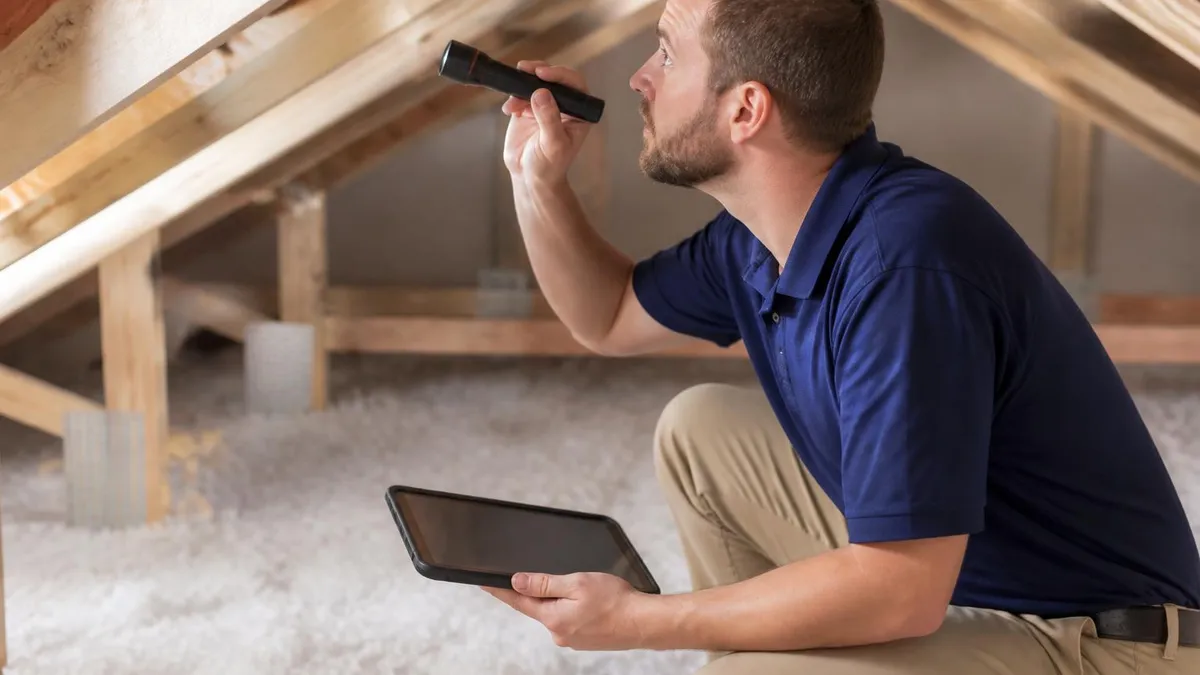
The roof is usually first on the list. Inspectors check shingle condition, flashing, valleys, chimneys, and signs of past leaks. Improper installation, granule loss, and missing flashing are common findings. Inside the attic they look at insulation depth, ventilation, framing, and any moisture staining that hints at a hidden leak. Roof issues are among the most expensive surprises for buyers, so accurate reporting here protects both your client and your own professional reputation.
Electrical systems draw intense scrutiny because of fire and shock risk. Inspectors open the main panel to check for proper wiring, breaker sizing, double-tapped breakers, and outdated or recalled equipment like certain Federal Pacific panels. They test a representative sample of outlets, confirm GFCI protection in kitchens and bathrooms, and note aluminum branch wiring or knob-and-tube remnants. These are the findings that genuinely keep families safe, and they separate thorough inspectors from mere box-checkers.
Plumbing inspection covers supply lines, drains, water heaters, and visible fixtures. Inspectors look for leaks, corrosion, inadequate water pressure, improper drainage slope, and aging materials like polybutylene or galvanized steel pipe. The water heater gets special attention: age, capacity, the temperature-pressure relief valve, and proper venting on gas units. A cracked or improperly vented unit is both a comfort issue and a serious carbon monoxide safety concern that demands clear, prominent documentation.
Heating and cooling systems round out the mechanical review. Inspectors run the furnace and air conditioner through a full cycle, check the age of the equipment, inspect the heat exchanger area for cracks where accessible, and note dirty filters or failing components. HVAC replacement is costly, so buyers want a candid assessment of remaining service life. Inspectors also check ductwork, registers, and thermostats to confirm the system actually delivers conditioned air to every room in the house.
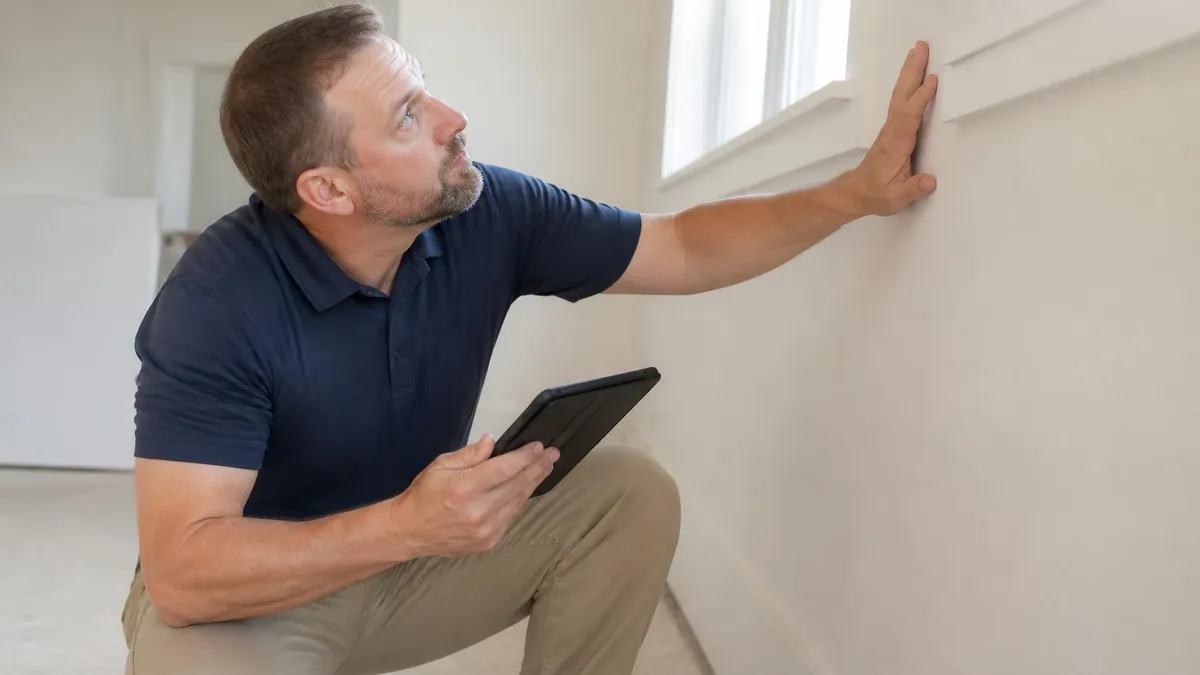
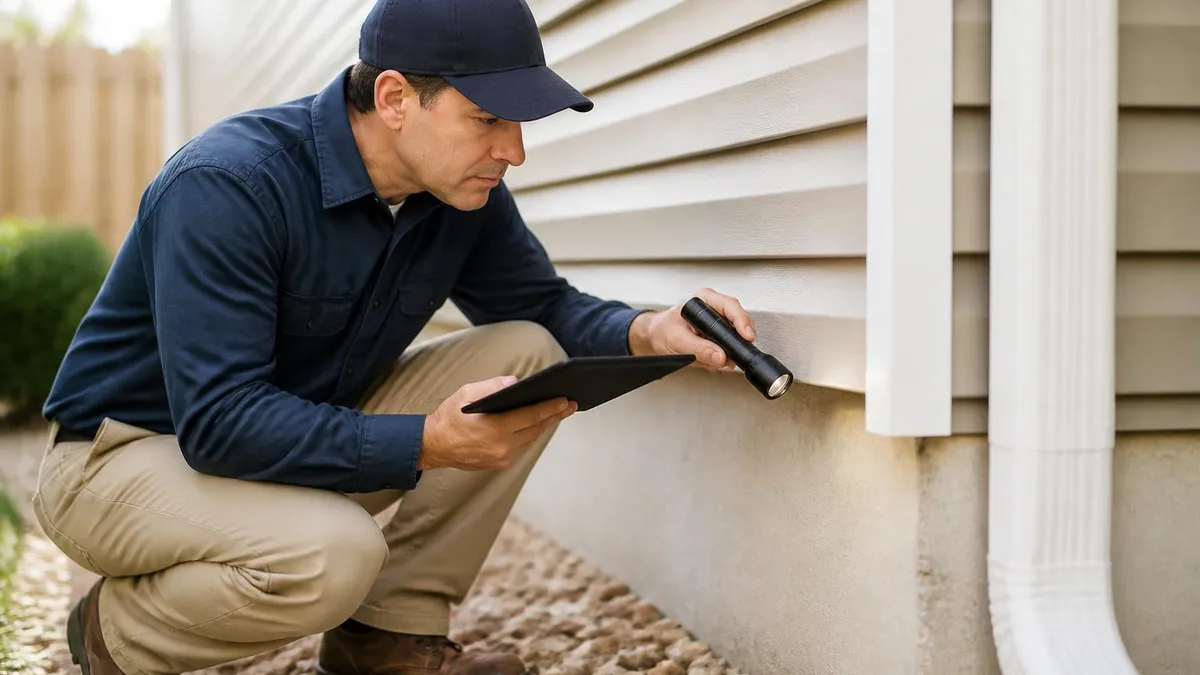
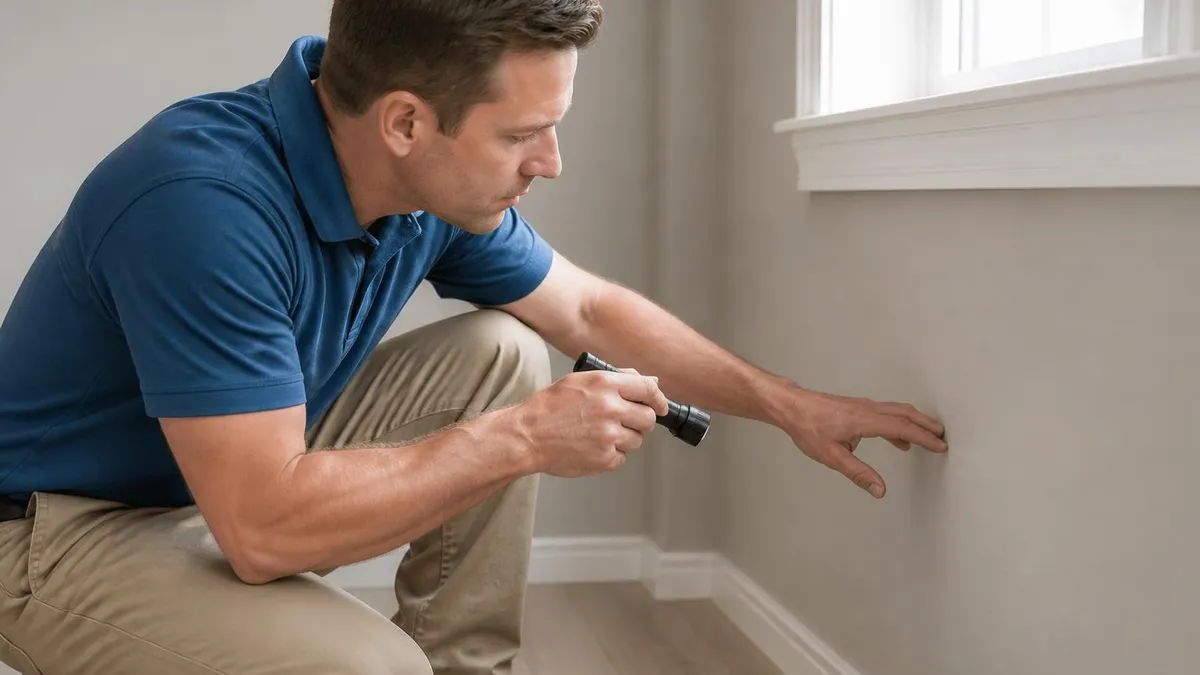
Structural and exterior components anchor the whole report. Inspectors evaluate the foundation for cracks, settlement, and water intrusion, then walk the grading, drainage, siding, windows, doors, and decks. Negative grading that pushes water toward the foundation is one of the most frequent and overlooked defects. Inside, they check floors for slope, doors and windows for proper operation, and walls and ceilings for stains that reveal active or historic leaks the seller may have quietly painted over.
Finally, inspectors document safety items that transcend any single system: missing smoke and carbon monoxide detectors, improper stair railings, trip hazards, and blocked egress windows in bedrooms. A good report organizes everything by severity so the buyer knows what is a five-dollar fix versus a five-thousand-dollar repair. Learning to prioritize and communicate findings clearly is what turns a technically competent inspector into one that agents recommend again and again for years.

Operating without E&O insurance exposes you to lawsuits that can wipe out a new business overnight. Even a thorough, honest inspector can miss something hidden, and disappointed buyers do sue. Carry both general liability and E&O coverage before you accept your first paid client, and confirm your state's minimum required limits.
Protecting your business with the right insurance is non-negotiable, and it is one of the most searched topics among new inspectors for good reason. Two policies matter most. General liability covers bodily injury and property damage you might cause on site, such as accidentally damaging a homeowner's belongings or a slip-and-fall during your visit. Errors-and-omissions, also called professional liability, covers claims that you missed a defect or made a reporting mistake, which is the lawsuit category that frightens working inspectors most.
Shopping for cheap general liability for home inspectors is a rite of passage, and prices vary widely by state, coverage limits, and claims history. Many inspectors find affordable bundled policies through their professional associations; InterNACHI and ASHI both offer member programs that combine general liability and E&O at competitive rates. Always compare deductibles, per-claim limits, and aggregate limits rather than chasing the lowest premium, because an underinsured policy can fail you precisely when you need it most.
Beyond insurance, building trust is what actually sustains a home inspection business long-term. Real estate agents are your single most valuable referral source. When you deliver clear, fair, on-time reports that do not needlessly kill deals or gloss over real problems, agents send you their clients repeatedly. Cultivating relationships with a handful of busy, ethical agents can keep your calendar full without spending heavily on advertising, especially in competitive metros like home inspectors chicago where reputation travels fast.
Your online presence is the other half of trust. Buyers increasingly search for inspectors online before they ever ask an agent, so a professional website, Google Business Profile, and genuine reviews are essential. When someone types a query looking for inspectors in their town, you want to appear with strong ratings and clear information about your services and pricing. Sample reports posted on your site let nervous first-time buyers see exactly what they will receive when they hire you.
Communication style separates good inspectors from great ones. The technical findings are only half the job; how you explain them determines whether a client feels informed or terrified. Walk buyers through the report, distinguish cosmetic items from safety hazards, and resist the urge to either alarm people or downplay genuine problems. Inspectors who teach rather than lecture earn loyalty, and loyal clients refer their friends, family, and coworkers for years to come without being asked.
Pricing your services takes judgment. Undercutting the market to win jobs trains clients to see you as a commodity and erodes your income. Instead, price fairly for your market, justify it with thorough work and fast turnaround, and add ancillary services like radon testing, mold sampling, or sewer scope inspections to raise your average ticket. Many inspectors significantly increase revenue simply by offering two or three add-ons that buyers in their area already want and fully expect.
Finally, protect your time and your body. Home inspection is physically demanding, with attics in summer and crawlspaces in winter taking a real toll. Build a sustainable schedule, invest in good tools that speed up the work, and never rush a report just to fit one more job into the day. The inspectors who last decades in this field are the ones who treat their health, their reputation, and their documentation discipline as the genuine assets that they truly are.
With the big picture in place, the practical final-prep stage is where most aspiring inspectors either accelerate or stall. The first move is to build a focused study plan for the National Home Inspector Examination rather than reading randomly. Break the material into the core domains — structure, exterior, roofing, plumbing, electrical, heating, cooling, interiors, insulation, and professional practice — and devote dedicated sessions to each. Spacing your study across several weeks beats cramming, because building science concepts need repetition to truly stick in long-term memory.
Practice tests are the highest-leverage tool you can use. Working through realistic multiple-choice questions trains you to read carefully, eliminate distractors, and manage exam pacing across 200 questions. Just as importantly, your wrong answers reveal exactly which topics need more work. Many candidates discover that electrical and HVAC trip them up most, so they reallocate study time accordingly. Aim to consistently score comfortably above the passing threshold on practice exams before you ever schedule the real thing.
Hands-on field experience cements what textbooks cannot. If your state requires supervised inspections, embrace them; if it does not, find a working inspector willing to let you shadow real jobs. Watching an experienced professional navigate a tight crawlspace, read a strange electrical panel, or diplomatically deliver bad news teaches lessons no course can. Even a dozen ride-alongs will dramatically sharpen your judgment about what is normal wear versus a genuine, reportable defect worth flagging.
Set up your business systems before your first paid client, not after. Choose your report software early and run several practice reports on friends' or family homes so you are fluent when a real deadline hits. Buyers and agents judge you partly on report quality and turnaround speed, so a polished, fast, well-organized report on day one builds instant credibility. Templates, photo workflows, and a consistent severity-rating system save you hours on every single job you take.
Marketing should begin during training, not after you are licensed. Build relationships with local real estate agents, set up your Google Business Profile, and create a simple professional website while you study. By the time you pass your exam, you want a warm pipeline ready to convert. Searching how competitors present themselves, including chicago area home inspectors and others in busy markets, reveals what professional positioning looks like and where you can differentiate on service.
Manage your money like a business owner from the start. Track every expense, set aside funds for quarterly taxes, and reinvest early profits into better tools, training, and marketing. Many new inspectors underprice themselves out of fear and then struggle to raise rates later. Decide your fair market rate, charge it confidently, and let the quality of your work justify it. Confidence in pricing signals competence, and competence is exactly what nervous home buyers are paying you for.
Above all, treat your first year as a reputation-building investment. Show up on time, communicate clearly, document thoroughly, and never let a deadline pressure you into a sloppy report. The home inspection business rewards consistency and integrity more than aggressive advertising ever could. Inspectors who build a foundation of trust in year one find that referrals compound year after year, eventually filling their calendar with steady, profitable work and giving them the independent career they set out to build.
Home Inspector Questions and Answers
Local Home Inspectors: Complete Guide to Finding, Hiring, and Working With Trusted Inspection Pros Near You
National Home Inspector Exam: Complete 2026 Study Guide, Pass Rates, Cost & Certification Prep
Home Inspector Course: Complete 2026 Guide to Training, Certification Requirements, Costs & Career Launch
Home Inspector Salary 2026: How Much Do Home Inspectors Make?
Home Inspector Pro Review 2026: Pricing, Features & Top Alternatives
About the Author

Licensed Real Estate Broker & Licensing Exam Specialist
University of Wisconsin School of BusinessSandra Taylor is a Graduate Realtor Institute (GRI) and Accredited Buyer's Representative (ABR) designee with an MBA in Real Estate from the University of Wisconsin School of Business. She has 18 years of residential and commercial real estate brokerage experience and coaches real estate license candidates through state salesperson and broker pre-license examinations across multiple states.