
How to Get Your FSC in California: Complete Step-by-Step Guide 2026 September
Learn how to get your FSC in California — requirements, test tips, locations & fsc practice test prep. ✅ Pass on your first try!

If you've been asking yourself how do I get a FSC in California, you're in the right place. The Firearm Safety Certificate (FSC) is a mandatory credential required by California law before you can purchase or receive most firearms. The process involves studying a state-approved study guide, visiting a DOJ-licensed dealer, and passing a 30-question written test with a score of at least 75 percent — meaning you must answer at least 23 questions correctly. This guide walks you through every step so you can walk in prepared and walk out certified.
The california firearms safety certificate program was established to ensure that every person who acquires a firearm in California understands the fundamental rules of safe storage, handling, and operation. Unlike a concealed carry permit, the FSC does not authorize you to carry a firearm in public. It is simply a proof-of-knowledge credential that the state requires before a licensed dealer can transfer a firearm to you. Without a valid FSC, no licensed dealer in California can legally complete the sale or transfer.
One of the most important things to know is that the FSC is issued right at the gun store or licensed dealer location where you take the test. You don't have to mail anything to the California Department of Justice or wait weeks for a certificate to arrive. Once you pass, the dealer generates your FSC card on the spot, and it is valid for five years from the date of issuance. Renewal works the same way — you simply take the test again before your card expires.
The test itself covers three broad areas: safe handling and storage of firearms, firearm and children safety, and general gun safety rules. The California DOJ publishes an official FSC Study Guide that contains all the material you need to know. Every question on the real exam is drawn from the content in that guide, which means careful study of the official material is the single most effective preparation strategy you can follow. Reading the guide once is helpful, but reading it two or three times while taking notes dramatically increases retention.
Many test-takers underestimate the FSC exam because it is only 30 questions. In reality, the questions are carefully written to test nuanced understanding of firearm safety principles, not just surface-level memorization. Questions frequently involve scenario-based situations — for example, asking what you should do if a child finds a firearm, or which direction to point a firearm when you are uncertain whether it is loaded. These scenario questions require genuine comprehension rather than rote recall, which is why using an FSC practice test before your appointment is so strongly recommended.
The cost to take the FSC test is capped by California law at $25, though some dealers charge slightly less. There is no additional state fee on top of this — the $25 (maximum) covers both the test administration and the issuance of your FSC card. If you fail the test, most dealers will allow you to retake it, though some may charge a small re-test fee.
The FSC is required for pistols, revolvers, and semi-automatic rifles, but there are some exemptions — including for active duty military, certain law enforcement personnel, and holders of a valid California Handgun Safety Certificate issued before January 1, 2015.
Whether you are a first-time buyer or a seasoned gun owner renewing an expired certificate, this guide covers everything you need to know about the requirements, the test format, the best locations to take your FSC exam, and how to prepare effectively using practice tests and study materials. By the time you finish reading, you will have a clear, actionable plan to earn your FSC with confidence.
California FSC by the Numbers
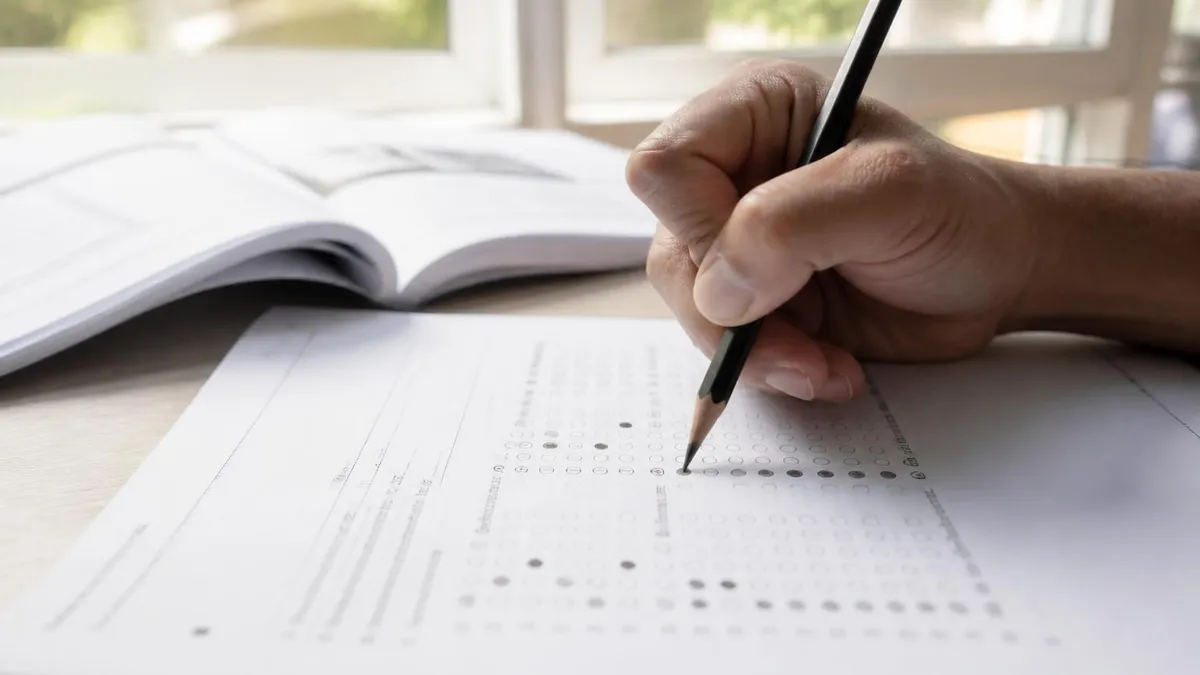
How to Get Your FSC in California: Step-by-Step Process
Study the Official FSC Study Guide
Take FSC Practice Tests Online
Find a DOJ-Licensed Dealer Near You
Bring Valid Government-Issued ID
Pay the Test Fee and Take the Exam
Receive Your FSC Card on the Spot
Finding the right location to take your FSC test is easier than most people expect. California has thousands of DOJ-licensed firearms dealers spread across the state, and the vast majority of them are authorized to administer the FSC exam. You don't need to schedule your test at a specific government office or DMV-style facility.
Instead, you simply walk into a licensed gun store, let them know you want to take the FSC test, pay the fee, and you're on your way. To find a convenient location, use the California DOJ's online dealer locator or simply call local gun stores to confirm they offer the FSC exam.
For those searching for firearm safety certificate california test sites, major retail sporting goods chains are often the most accessible option, especially if you live in a suburban or rural area without a dedicated gun shop nearby. Retailers like Big 5 Sporting Goods and Sportsman's Warehouse operate in dozens of California communities and typically administer the FSC test at their in-store firearms counters. Independent dealers — smaller, locally owned gun shops — are another excellent choice, as staff at these stores often have more time to answer your questions before and after the exam.
It is worth calling ahead before you make the trip. While most licensed dealers do offer the FSC test, a small number operate primarily as transfer-only FFLs or have specific hours for test administration. Calling ahead lets you confirm hours, ask about any requirements for scheduling, and verify the accepted forms of payment for the $25 test fee. Some dealers accept credit cards; others are cash-only for FSC transactions. Arriving with cash ensures you won't be turned away for a payment issue.
If you live in a metropolitan area like Los Angeles, San Diego, San Francisco, or Sacramento, you will have dozens of options within a short drive. In smaller cities and rural counties, selection may be more limited, but there are almost always one or two dealers within a reasonable distance.
The California DOJ maintains a searchable online database of licensed dealers, which you can filter by city or zip code to find the closest testing locations. Many popular gun forums and community sites also maintain user-contributed lists of dealer experiences and wait times, which can help you choose a location with a smooth test administration process.
One practical tip: avoid visiting dealers on weekend afternoons, which tend to be their busiest hours. Midweek mornings — Tuesday through Thursday between 10 a.m. and noon — are typically the quietest times at most gun stores. Fewer customers means the staff can devote more attention to the testing process and answer any questions you have. If you are planning to purchase a firearm immediately after passing your FSC, combining the test appointment with your firearm purchase is the most time-efficient approach, since the dealer will need to initiate the DROS (Dealer Record of Sale) process regardless.
Some cities in California have enacted local ordinances that impose additional restrictions on firearms dealers or require additional steps during the purchase process. However, the FSC test itself is standardized statewide — the same 30-question exam, the same $25 maximum fee, and the same 75 percent passing threshold apply uniformly across every county and city in California. Local restrictions may affect where you can ultimately take possession of a firearm, but they do not change the FSC test requirements or how you obtain your certificate.
If you are a resident of a neighboring state who is attempting to purchase a firearm in California — for example, if you are moving to California and want to buy a handgun here — you will still need a California FSC. Non-residents are not exempt from the FSC requirement when purchasing from a California dealer.
However, if you are bringing a firearm you already own from another state into California, the FSC requirement does not apply to that transfer in most circumstances. Always verify your specific situation with a licensed dealer or legal professional if you are unsure about your FSC obligations.
Firearm Safety Certificate Study Guide: Key Topics Covered
Safe storage is one of the most heavily tested topics on the FSC exam. California law requires that firearms be stored in a way that prevents unauthorized access, particularly by children. You must know the difference between a trigger lock, a cable lock, and a gun safe, as well as the situations in which each is appropriate. The exam frequently tests whether you understand that a loaded firearm should never be left unattended in a vehicle, even in a locked glovebox, without being secured in a locked container or equipped with a trigger lock.
The study guide also covers California's Child Access Prevention (CAP) laws, which impose criminal liability on adults who negligently allow a minor to access a loaded firearm. Understanding the definition of a "loaded" firearm under California law — which includes having a detachable magazine inserted — is critical. Questions about what constitutes proper storage in a home with children, or how to safely transport a firearm in a vehicle, appear frequently and require precise knowledge of these definitions to answer correctly.
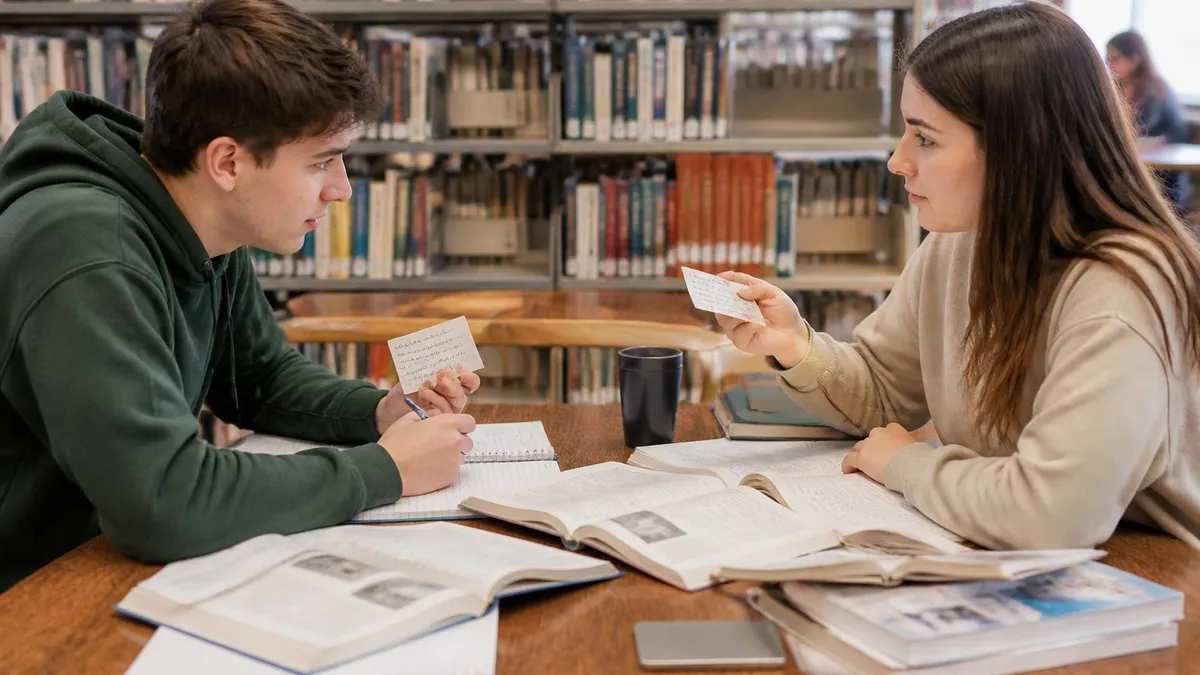
Is the FSC Test Easy or Hard? Honest Pros and Cons
- +Only 30 questions total — the exam is manageable for most test-takers
- +Official study guide covers 100% of testable material — no surprises
- +No appointment needed at most dealers — walk in and test same day
- +Certificate issued immediately upon passing — no waiting period
- +Cost capped at $25 by state law — one of the most affordable credentials in California
- +Retakes are allowed at most locations if you fail on your first attempt
- −Scenario-based questions can be tricky without proper preparation
- −Some legal detail questions (timeframes, definitions) are easy to confuse
- −Not all dealers accept credit cards for test payment
- −Busy dealers may make the testing environment feel rushed
- −FSC expires after 5 years — you must retest even if rules haven't changed
- −No official practice test provided by the California DOJ — you must find third-party resources
FSC Exam Day Checklist: Everything You Need
- ✓Bring a valid, unexpired government-issued photo ID (CA driver's license, passport, or military ID).
- ✓Carry cash for the test fee — up to $25 maximum allowed by California law.
- ✓Complete at least two full FSC practice tests before arriving at the dealer.
- ✓Review all three sections of the official California DOJ FSC Study Guide.
- ✓Double-check dealer hours in advance by calling ahead the day before.
- ✓Allow extra time — plan for 30-45 minutes total for paperwork, testing, and certificate issuance.
- ✓Know your Social Security Number — some dealers require it for their records.
- ✓Arrive during off-peak hours (midweek mornings) for a less rushed experience.
- ✓Bring a pen — some dealers still use paper answer sheets for the FSC exam.
- ✓Plan to purchase or transfer your firearm on the same visit to save a trip.
Scenario Questions Trip Up Under-Prepared Test-Takers
The most common reason people fail the FSC exam is not lack of general knowledge — it's unfamiliarity with how scenario-based questions are phrased. The correct answer is almost always the option that applies the most conservative safety rule: treat the firearm as loaded, point it in a safe direction, and keep your finger off the trigger. When in doubt, choose the safest possible action rather than the most convenient one. Taking at least three FSC practice tests before your exam virtually eliminates this pitfall.
FSC renewal follows the same process as your initial test — there is no simplified renewal pathway, no online renewal option, and no grace period if your card expires. Once your FSC card passes its five-year expiration date, it is no longer valid, and you cannot purchase or receive a firearm in California until you obtain a new one.
This means it's wise to schedule your renewal appointment at least a few weeks before your current FSC expires, rather than waiting until the last minute. Calendar reminders set four to five years in advance are a practical way to ensure you never find yourself with an expired certificate when you need to complete a firearm transfer.
California law provides a number of specific exemptions to the FSC requirement. Active duty military members and reservists who are stationed in California and present valid military identification are exempt. Certain categories of law enforcement officers — including peace officers who are authorized to carry firearms in the course of their duties — are also exempt from the FSC requirement when purchasing firearms for duty use. Hunters who hold a valid California hunting license and are purchasing a long gun (rifle or shotgun) for hunting purposes may also qualify for an exemption in certain circumstances.
Another notable exemption applies to private party transfers between immediate family members. If a parent is transferring a firearm to an adult child, or a spouse is transferring a firearm to their partner, the FSC requirement may not apply, provided the transfer occurs through a licensed dealer and complies with all other California transfer requirements. However, even in these exempt situations, many dealers will recommend that the recipient obtain an FSC anyway, both as a practical safety credential and to simplify future firearm purchases where the exemption would not apply.
It is also important to understand what the FSC does NOT cover. Passing the FSC test does not give you the right to carry a concealed firearm — California's Concealed Carry Weapon (CCW) permit requires a separate application process through your local sheriff's department or police department, involves a background check, and typically requires completion of a firearms training course. The FSC is also not a substitute for safe handling training. While the FSC test confirms that you know the rules on paper, nothing replaces hands-on training with a certified firearms instructor for building genuine competency and muscle memory.
For those purchasing their first firearm in California, the FSC is just one step in the process. You will also need to complete a DROS (Dealer Record of Sale) application, which initiates a background check through the California DOJ.
Most firearm purchases are also subject to a mandatory 10-day waiting period from the time the DROS is submitted before you can take possession of the firearm. The FSC must be valid at the time of the DROS submission — not just at the time you pick up the firearm — so don't let your FSC expire during a 10-day waiting period if you are close to the renewal date.
The fsc practice test california resources available on PracticeTestGeeks.com are specifically designed to mirror the question style and difficulty level of the real California FSC exam. Using these resources regularly during your study period ensures that you are not only learning the material but also practicing the skill of applying that material under exam conditions. Many test-takers find that their scores on practice tests plateau after two or three attempts, which is a signal to go back to the study guide and revisit the sections where they consistently miss questions before trying again.
California also requires that any firearm purchased from a dealer be a "handgun safety certified" model — meaning it must appear on the California Roster of Handguns Certified for Sale. This is a separate requirement from the FSC and applies to the firearm itself rather than the buyer. If you are purchasing a handgun, verify with the dealer that your chosen model is on the approved roster before investing significant time in the FSC preparation process. Rifles and shotguns are not subject to the roster requirement, though they are subject to other California-specific regulations such as the assault weapons laws.

Your FSC must be valid at the time your DROS is submitted to the California DOJ — not just when you pick up the firearm. If your FSC expires during the mandatory 10-day waiting period, the transfer cannot be completed. Renew your FSC well before it expires, and never submit a DROS within days of your card's expiration date without first confirming it will remain valid through the entire waiting period.
Preparing effectively for the FSC exam doesn't require weeks of intensive study, but it does require deliberate, focused preparation. The most efficient approach combines careful reading of the official FSC Study Guide with regular practice testing. Start by reading the entire study guide cover to cover without stopping to memorize. This first pass gives you a mental map of all the topics covered and helps you identify which sections feel unfamiliar. Then go back and read each section again, this time taking brief notes on key facts, definitions, and legal requirements.
After your second read-through of the study guide, take your first full california fsc practice test. Don't worry too much about your score on this first attempt — the goal is diagnostic. Review every question you answered incorrectly and trace it back to the specific section of the study guide that covers that topic. Return to those sections and reread them carefully before taking a second practice test. Most serious test-takers cycle through this read-test-review loop two or three times over the course of a week before scheduling their dealer appointment.
One of the most effective study techniques for the FSC is to focus heavily on the firearms-and-children content, which represents a disproportionately large portion of exam questions relative to its length in the study guide. California places enormous emphasis on preventing children from accessing firearms, and the exam reflects this priority. Topics like the definition of a "locked container," the circumstances under which a dealer must provide a safety device, and the specific penalties under California's Child Access Prevention laws are all testable and frequently appear in multiple-choice questions.
Pay special attention to questions involving the word "always" or "never." On the FSC exam, the safest action is almost invariably the correct one, and the four universal firearm safety rules apply without exception. When you see a scenario that seems to suggest a shortcut — like pointing a firearm in a "safer" direction rather than a truly safe direction because the truly safe direction is inconvenient — recognize that the exam will reward the stricter interpretation every time. There are no "good enough" exceptions on the FSC exam.
Vocabulary matters more on the FSC than many test-takers expect. California firearms law uses specific legal definitions for terms like "loaded," "firearm," "handgun," "long gun," "locked container," and "safety device." These definitions sometimes differ from colloquial usage. For example, under California law, a firearm is considered "loaded" if there is an unexpended cartridge or shell in the firing chamber, or — for firearms with a detachable magazine — if a loaded magazine is attached to the firearm. Knowing these legal definitions precisely can mean the difference between a correct and incorrect answer on several exam questions.
Many test-takers find it helpful to create a short list of "hard facts" — specific numbers, timeframes, and legal thresholds — and review this list the night before their exam. Key facts to memorize include: the 30-question exam format, the 75 percent passing threshold (23 correct answers), the $25 maximum test fee, the 5-year validity period of the FSC card, the 10-day waiting period for firearm purchases, and the 5-day window to report a lost or stolen firearm to law enforcement. These specific numbers are frequently embedded in exam questions, and knowing them cold eliminates hesitation during the test.
Finally, approach your test day with confidence rather than anxiety. The FSC is designed to be accessible to any responsible adult who has studied the material — it is not designed as a barrier to firearm ownership but as a baseline knowledge check.
Thousands of Californians pass the FSC exam every month, and with the preparation strategies outlined in this guide, you are well-positioned to join them. Show up rested, bring your ID and payment, and trust your preparation. The certificate you earn that day will serve as your gateway to lawful firearm ownership in California for the next five years.
Practical tips can make a significant difference on FSC exam day, especially for first-time test-takers who are unfamiliar with the gun store environment. When you arrive at the dealer, introduce yourself to the staff and let them know you are there to take the FSC test.
Most dealers have a specific counter or area designated for FSC testing, and the staff will walk you through the paperwork before handing you the test. Don't rush through the administrative paperwork — read each form carefully, as errors can slow down the process or require the dealer to restart the test administration from scratch.
During the test itself, read every question and all four answer choices completely before selecting your answer. The FSC exam is designed with plausible-sounding distractors — wrong answers that seem reasonable at first glance. Rushing through questions is one of the most common causes of avoidable errors. Since there is no strict time limit on the FSC exam, take the time you need to read and think through each question. Most test-takers complete the exam in 10 to 15 minutes, but taking 20 to 25 minutes to be deliberate is perfectly acceptable and almost always results in a better score.
If you are unsure about a specific question, use the process of elimination. Start by identifying any answer choices that are clearly incorrect — these are usually options that violate one of the four universal safety rules or contradict a specific California law you studied. With two remaining choices, look for the one that reflects the most conservative safety approach. On the FSC exam, the answer that prioritizes safety above convenience is nearly always correct. This heuristic won't help you on every question, but it resolves the majority of close calls in favor of the right answer.
After you finish the exam, the dealer will grade it immediately. If you pass, you will be asked to sign your FSC card before it is laminated and handed to you. Treat your FSC card like a driver's license — keep it in your wallet or a dedicated card holder rather than loose in a bag where it can get bent or damaged.
If your FSC card is lost or stolen, contact the dealer who issued it or the California DOJ for information on how to obtain a replacement. Some dealers can reprint a card from their records; in other cases, you may need to retake the exam.
If you don't pass on your first attempt, don't be discouraged. Many people miss by one or two questions on their first try, particularly on scenario-based questions they weren't fully prepared for. Ask the dealer which sections of the exam you struggled with — they may be able to provide general guidance without revealing specific questions. Then go back to the study guide, focus on your weak areas, and take several more practice tests before scheduling your retake. Most people who fail their first FSC attempt pass comfortably on their second try after targeted review.
Consider pairing your FSC preparation with a formal firearm safety course from a certified instructor. Organizations like the NRA, the California Rifle and Pistol Association (CRPA), and many independent firearm training companies offer beginner courses that teach practical handling skills alongside the theoretical knowledge covered on the FSC exam. While these courses are not required for the FSC, they dramatically improve your real-world firearm competency and often make the theoretical concepts on the exam feel more intuitive. Many shooting ranges in California offer one-day intro courses that are both affordable and highly informative.
Finally, remember that earning your FSC is just the beginning of responsible firearm ownership in California. Once you have your certificate, continue educating yourself about safe storage, regular maintenance, and California's evolving firearms laws. Subscribe to updates from the California DOJ's firearms bureau or follow organizations like the CRPA to stay current on regulatory changes that could affect your rights and responsibilities as a firearm owner. Responsible ownership is a lifelong commitment, and the knowledge you've built during FSC preparation is the foundation on which that commitment is built.
FSC Questions and Answers
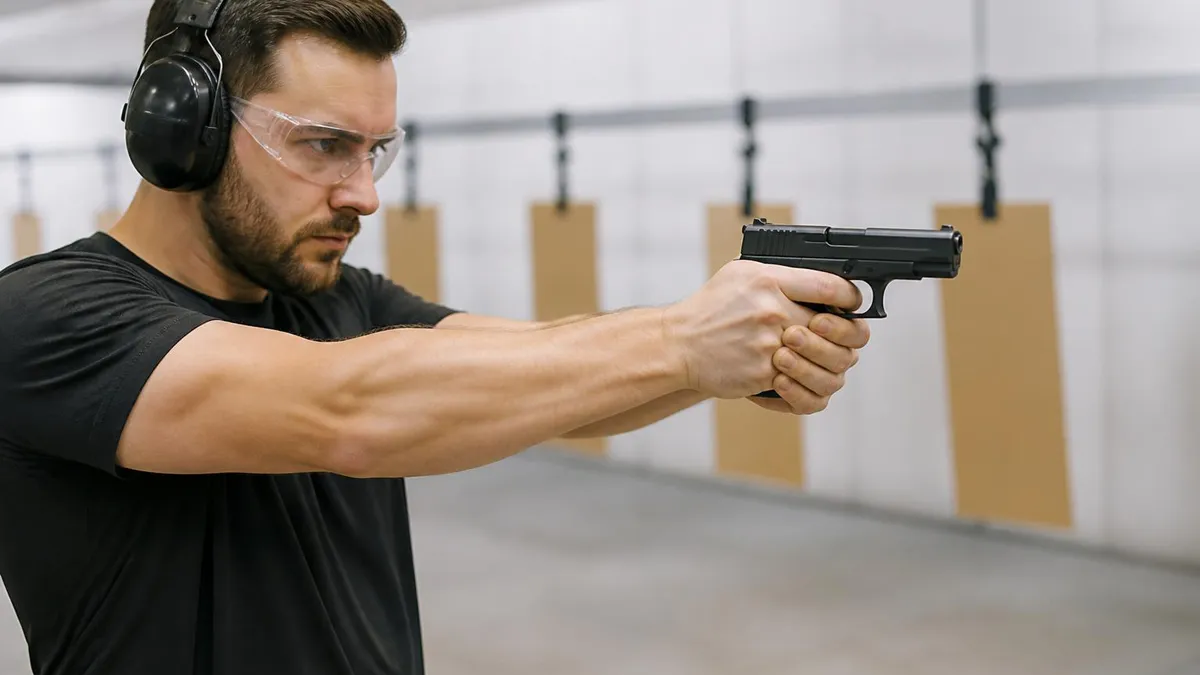
What Is FSC? California Firearm Safety Certificate Guide
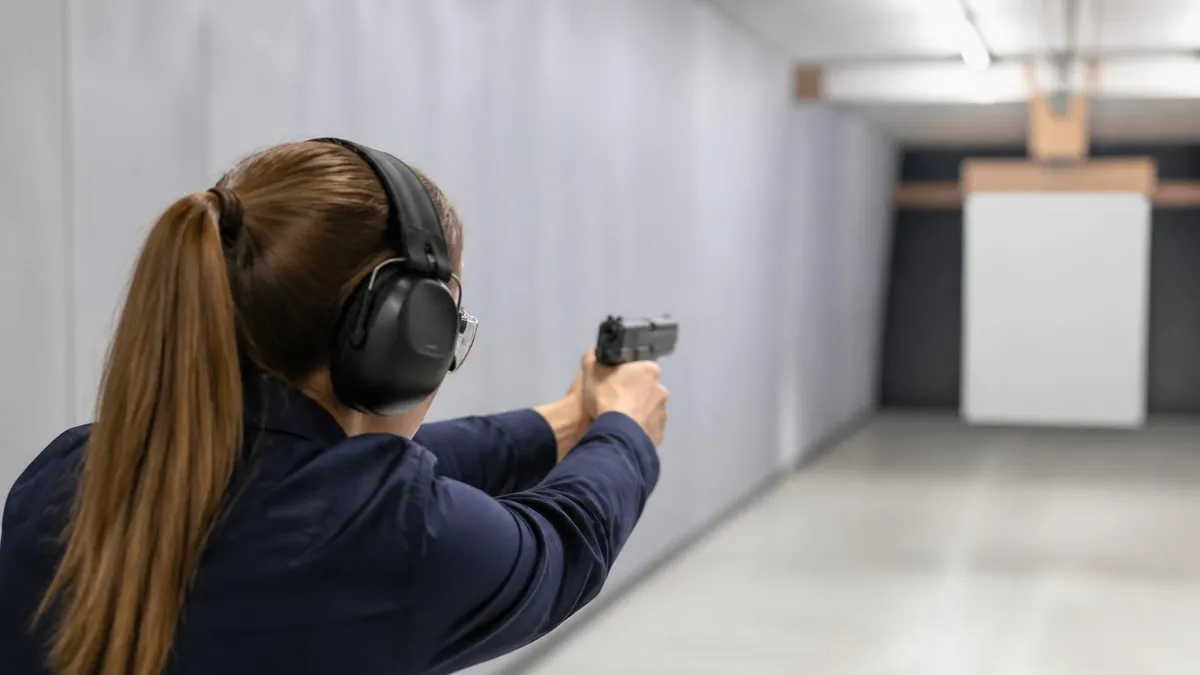
California Firearm Safety Certificate: Requirements, Test, and How to Get Your FSC

Does Big 5 Do FSC Tests? FSC Test Locations in California
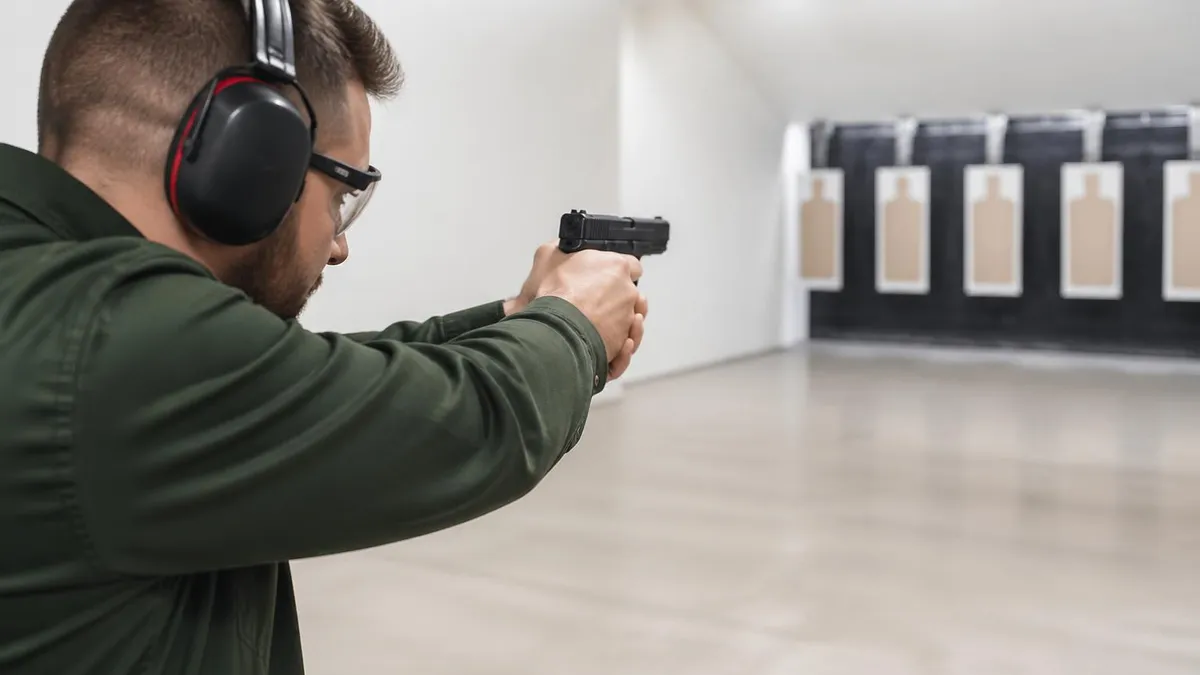
FSC Study Guide: California Firearm Safety Certificate Complete Prep
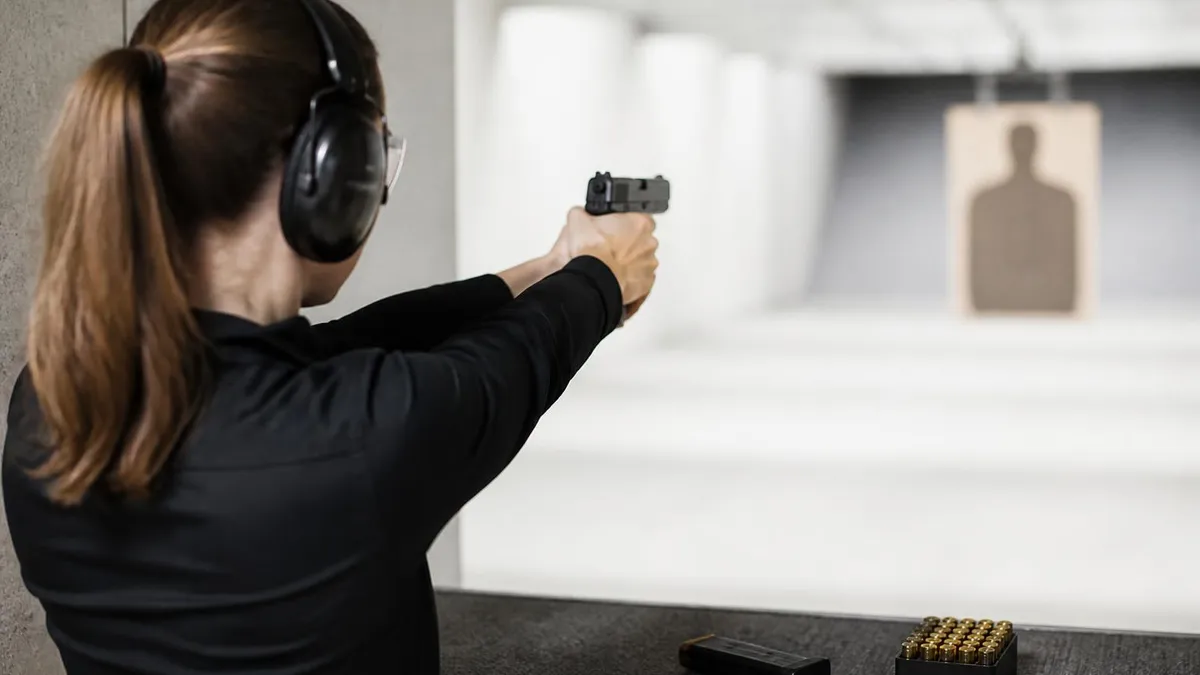
What Does FSC Stand For? FSC Meaning in Firearms
About the Author

Educational Psychologist & Academic Test Preparation Expert
Columbia University Teachers CollegeDr. Lisa Patel holds a Doctorate in Education from Columbia University Teachers College and has spent 17 years researching standardized test design and academic assessment. She has developed preparation programs for SAT, ACT, GRE, LSAT, UCAT, and numerous professional licensing exams, helping students of all backgrounds achieve their target scores.
Join the Discussion
Connect with other students preparing for this exam. Share tips, ask questions, and get advice from people who have been there.
View discussion (7 replies)