
FDNY 9/11: The Heroic Response, 343 Lives Lost, and the Lasting Legacy of New York's Bravest
Learn about FDNY 9/11 — ✅ the 343 firefighters lost, rescue operations at the World Trade Center, health aftermath, and the lasting legacy of September 11.
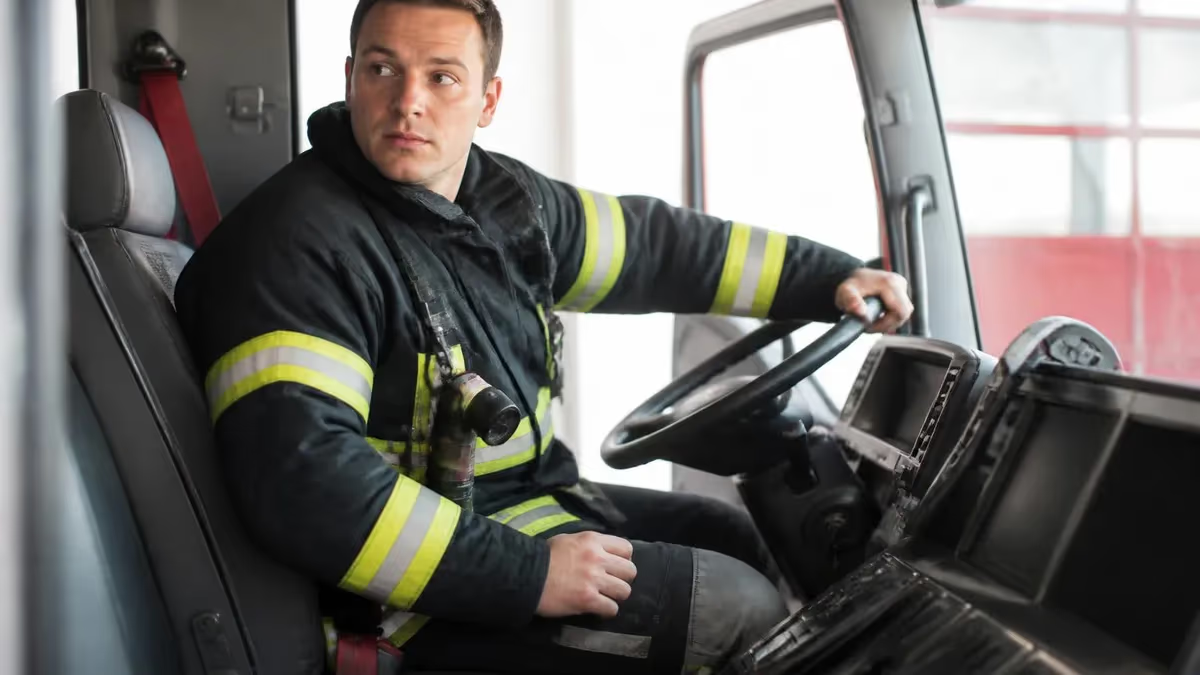
The morning of September 11, 2001, changed the Fire Department of New York forever. FDNY 9/11 remains the single deadliest day in American firefighting history, claiming the lives of 343 members who rushed into the burning World Trade Center towers while thousands of civilians fled in the opposite direction. The courage displayed by these firefighters, paramedics, and officers defined a generation of first responders and reshaped how emergency services approach large-scale disasters across the entire nation and around the world.
When American Airlines Flight 11 struck the North Tower at 8:46 a.m., FDNY dispatched an unprecedented number of units to Lower Manhattan. Within minutes, dozens of engine companies, ladder companies, and rescue squads converged on the World Trade Center complex. The initial response involved more than 200 firefighters arriving in the first wave alone. Battalion chiefs established command posts while individual companies began the grueling climb up dozens of flights of stairs carrying heavy equipment and self-contained breathing apparatus into dense smoke.
The situation escalated dramatically at 9:03 a.m. when United Airlines Flight 175 struck the South Tower. With both towers now burning fiercely above the impact zones, FDNY leadership recognized this was an attack of truly unprecedented scale. Chief of Department Peter Ganci and First Deputy Commissioner William Feehan coordinated the massive response from a command post near the towers. Both men would ultimately give their lives that morning, representing the highest-ranking FDNY officials ever killed in the line of duty.
The collapse of the South Tower at 9:59 a.m. caught many firefighters still inside or near the building, ascending staircases to reach trapped civilians. The North Tower followed at 10:28 a.m., and both collapses sent massive clouds of pulverized concrete and toxic debris racing through the streets of Lower Manhattan. Entire fire companies were lost in seconds. Rescue 1, Squad 1, Squad 288, Ladder 3, and Engine 33 were among the units that suffered the most catastrophic losses that morning.
Beyond the immediate death toll, thousands of FDNY members sustained injuries ranging from broken bones and severe burns to respiratory damage from inhaling the toxic dust cloud that blanketed Ground Zero for weeks afterward. Many firefighters continued working at the debris pile for months during recovery operations, knowingly exposing themselves to hazardous materials including asbestos, pulverized concrete, lead, heavy metals, and combustion byproducts. These prolonged exposures would later manifest as cancers, chronic lung diseases, and other debilitating conditions.
The FDNY response on September 11 also demonstrated extraordinary organizational resilience under the most extreme circumstances imaginable. Despite losing senior leadership and hundreds of experienced firefighters in a single morning, the department continued functioning throughout the crisis and in the difficult recovery days that followed. Off-duty members reported to their firehouses immediately upon seeing the news, retired firefighters returned to active service voluntarily, and neighboring departments from across the region provided critical mutual aid coverage for the city.
Understanding the full scope of FDNY 9/11 requires examining not just the events of that terrible morning but the decades of consequences that followed. From the immediate rescue and recovery operations that lasted nine months to the long-term health crisis now affecting thousands of members, the story of FDNY on September 11 encompasses heroism, profound tragedy, institutional transformation, and an enduring commitment to remembering those who made the ultimate sacrifice in service to New York City and its residents.
FDNY 9/11 by the Numbers
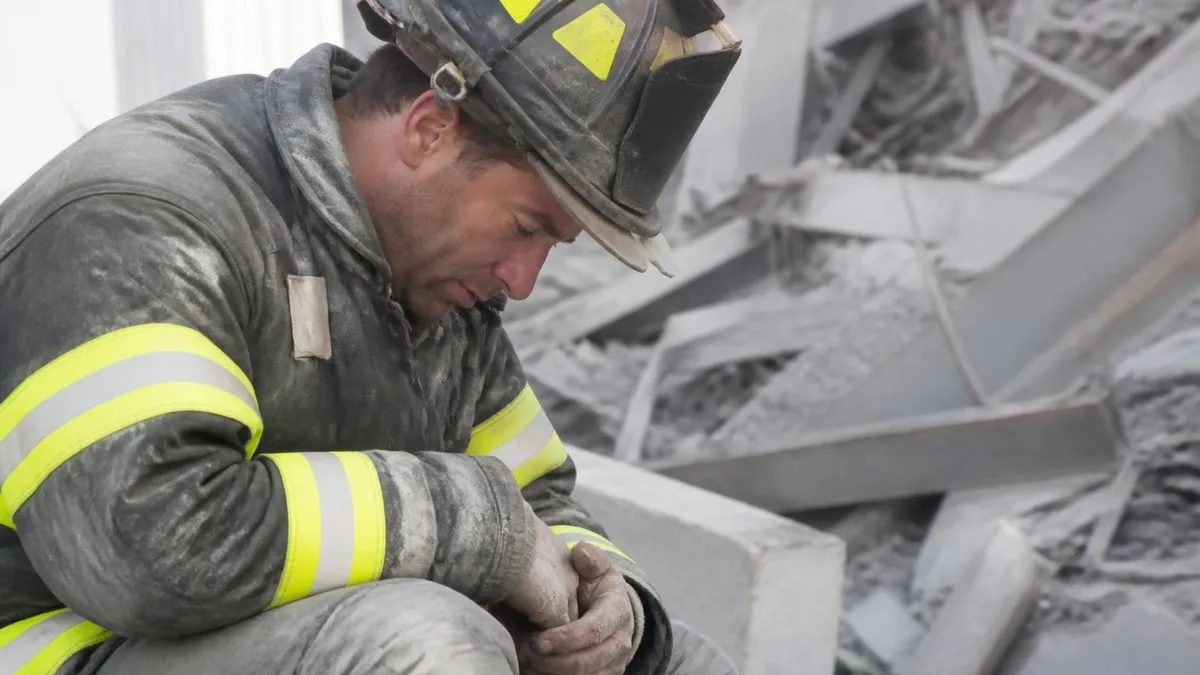
Timeline of the FDNY 9/11 Response
8:46 AM — First Impact on North Tower
8:50 AM — FDNY Mass Deployment Begins
9:03 AM — Second Impact on South Tower
9:59 AM — South Tower Collapses
10:28 AM — North Tower Collapses
September 2001 — May 2002: Recovery Operations
The rescue operations that FDNY conducted at the World Trade Center on September 11 represented the largest urban search and rescue effort in American history. Before the towers collapsed, FDNY members successfully helped evacuate approximately 25,000 people from the twin towers and surrounding buildings. Firefighters ascending the stairwells directed panicked office workers downward, carried injured civilians on their backs, and reassured terrified people that help was coming even as conditions inside the burning buildings deteriorated rapidly with each passing minute above them.
Inside the towers, FDNY companies operated under conditions that tested the absolute limits of firefighting capability. Elevator service was disrupted or destroyed by the impacts, forcing firefighters to climb dozens of flights of stairs while wearing full bunker gear and carrying tools, hose connections, and medical equipment. Some companies reached as high as the 78th floor of the South Tower before the collapse. Radio communications proved tragically unreliable due to the building's steel construction interfering with signal transmission and the sheer volume of emergency traffic on available channels.
The command structure itself was severely impacted when both towers fell. Chief of Department Peter Ganci, the highest-ranking uniformed officer in FDNY, was killed when the North Tower collapsed onto the command post on West Street. First Deputy Commissioner William Feehan died alongside him. Father Mychal Judge, the beloved FDNY chaplain, was killed by falling debris while administering last rites to a fallen firefighter, becoming officially recorded as the first certified fatality of September 11 with a death certificate numbered as victim zero-zero-zero-one.
In the weeks following the collapses, FDNY shifted from rescue operations to recovery at what became known simply as the pile. Firefighters worked twelve-hour shifts moving debris by hand, using buckets, and operating heavy machinery to search for remains of their fallen brothers and the civilian victims. The emotional toll was immense as members repeatedly discovered the remains of colleagues they had known personally for years. Many firefighters refused to take time off, driven by a sense of duty to bring closure to the families of the victims.
The recovery operation at Ground Zero continued for nine months, officially concluding in May 2002. During that period, FDNY members worked alongside construction crews, police officers, and volunteers from across the country. The site operated continuously with round-the-clock shifts despite hazardous conditions including unstable debris fields, underground fires that burned for months, and airborne contaminants that permeated every surface. Workers at the site often wore inadequate respiratory protection or none at all during the early weeks.
FDNY's emergency medical services division played an equally critical role during and after the attacks. FDNY EMS units established triage stations around the perimeter of the World Trade Center complex, treating survivors for injuries including burns, smoke inhalation, lacerations, broken bones, and severe psychological trauma. Paramedic Carlos Lillo and EMT Yamel Merino were among the EMS members killed on September 11, highlighting that the sacrifice extended beyond firefighters to include every branch of the FDNY family.
The sheer scale of destruction at Ground Zero challenged every aspect of FDNY operations. Ninety-one FDNY vehicles were destroyed or damaged beyond repair, including engines, ladders, rescue trucks, and chief officer vehicles that had been positioned near the towers. The loss of apparatus compounded the personnel losses, forcing the department to redistribute equipment from other boroughs and accept emergency vehicle donations from fire departments across the nation to maintain basic citywide coverage during the recovery period.
FDNY Practice Test Questions
Prepare for the FDNY - Fire Department New York exam with our free practice test modules. Each quiz covers key topics to help you pass on your first try.
FDNY Building Construction
FDNY Exam Questions covering Building Construction. Master FDNY Test concepts for certification prep.
FDNY Community Engagement and Public Educa...
Free FDNY Practice Test featuring Community Engagement and Public Education. Improve your FDNY Exam score with mock test prep.
FDNY Emergency Medical Response
FDNY Mock Exam on Emergency Medical Response. FDNY Study Guide questions to pass on your first try.
FDNY Emergency Medical Services
FDNY Test Prep for Emergency Medical Services. Practice FDNY Quiz questions and boost your score.
FDNY Hazardous Materials Response
FDNY Questions and Answers on FDNY Hazardous Materials Response. Free FDNY practice for exam readiness.
FDNY Technical Rescue Operations
FDNY Mock Test covering FDNY Technical Rescue Operations. Online FDNY Test practice with instant feedback.
FDNY Fire Behavior
Free FDNY Quiz on Fire Behavior. FDNY Exam prep questions with detailed explanations.
FDNY Firefighting Operations and Equipment
FDNY Practice Questions for Firefighting Operations and Equipment. Build confidence for your FDNY certification exam.
Understanding the FDNY 9/11 Impact Across Three Dimensions
The immediate toll of September 11 on FDNY was staggering in both scale and depth. The department lost 343 members in a single morning, including 23 police officers from the NYPD who also perished. Entire firehouse companies were wiped out, leaving stations across all five boroughs with empty lockers, unworn gear, and families waiting for members who would never return home from their shift that Tuesday morning. Some firehouses lost as many as fifteen members in one devastating blow.
The human cost extended far beyond the official death count from that day. Thousands of surviving FDNY members carried physical injuries and deep psychological scars from what they witnessed and experienced at Ground Zero. Post-traumatic stress disorder affected a significant percentage of responders, leading to increased rates of depression, substance abuse, and suicide within the department in the years following the attacks. The mental health toll on families who lost loved ones created generational trauma throughout FDNY communities.
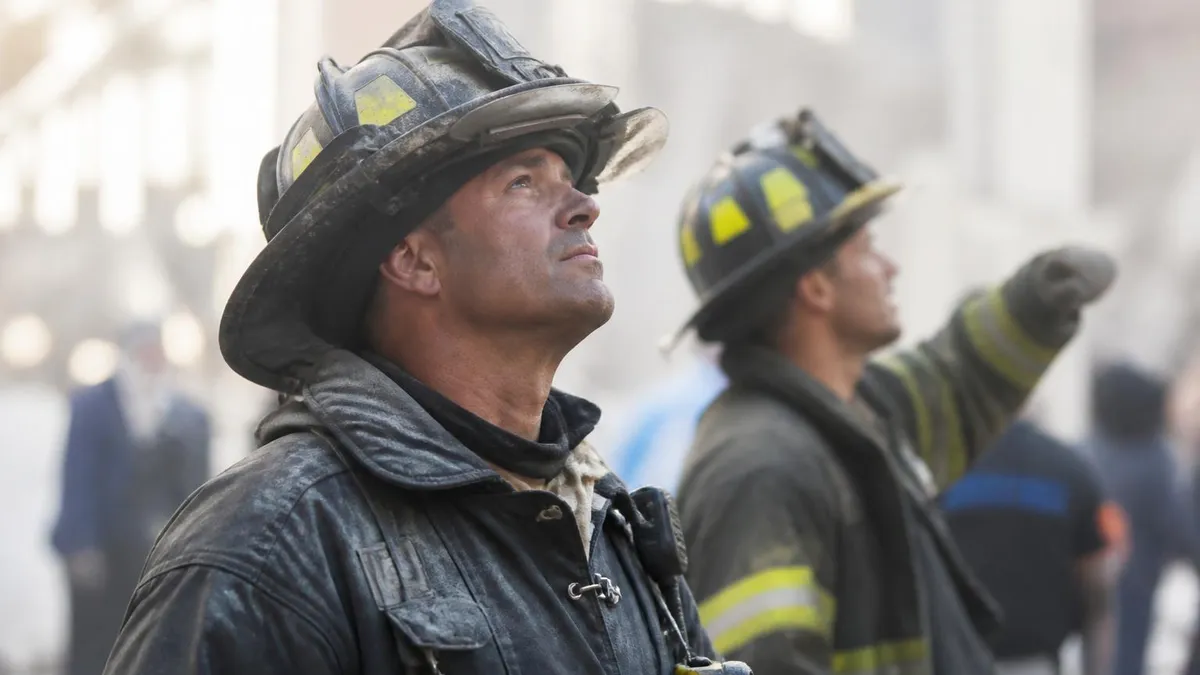
Strengths and Challenges Revealed by the FDNY 9/11 Response
- +Evacuated approximately 25,000 civilians from the World Trade Center complex before the collapses
- +Demonstrated extraordinary individual courage with firefighters climbing toward danger while others fled
- +Led directly to creation of the National Incident Management System for interagency coordination
- +Prompted passage of the James Zadroga Act providing healthcare for first responders
- +Strengthened mutual aid agreements between fire departments across the greater New York region
- +Inspired an entire generation of Americans to pursue careers in public safety and emergency services
- −Radio communication failures prevented evacuation orders from reaching all units inside the towers
- −Lack of unified command structure between FDNY and NYPD hindered real-time intelligence sharing
- −Inadequate respiratory protection exposed thousands of responders to toxic materials at Ground Zero
- −Government initially delayed recognizing and funding treatment for long-term health conditions
- −Loss of 343 experienced members created an institutional knowledge gap that took years to rebuild
- −Early assurances that Ground Zero air quality was safe proved dangerously inaccurate for workers
Essential FDNY 9/11 Facts Everyone Should Know
- ✓343 FDNY members were killed on September 11, 2001, the deadliest day in U.S. firefighting history.
- ✓More FDNY members have since died from 9/11-related illnesses than were killed on the day itself.
- ✓Chief of Department Peter Ganci was the highest-ranking uniformed officer killed on September 11.
- ✓Father Mychal Judge was officially recorded as the first certified fatality of the September 11 attacks.
- ✓FDNY helped evacuate approximately 25,000 civilians from the World Trade Center before the towers collapsed.
- ✓Ninety-one FDNY vehicles were destroyed or damaged beyond repair at Ground Zero.
- ✓Recovery operations at Ground Zero lasted nine months, concluding in May 2002.
- ✓The James Zadroga 9/11 Health and Compensation Act provides medical coverage for affected responders.
- ✓The FDNY Memorial Wall in Brooklyn lists every member who has died in the line of duty.
- ✓Every September 11, FDNY holds a ceremony reading the names of all 343 fallen members.
343 — The Number That Changed FDNY Forever
The loss of 343 members on September 11 represents the single largest loss of emergency responders in a single incident in United States history. To put this in perspective, FDNY lost more members in one morning than most fire departments employ in total. The number 343 has become a symbol of sacrifice throughout the firefighting community worldwide, appearing on memorial patches, challenge coins, and apparatus tributes in firehouses from New York to Tokyo.
The health crisis stemming from FDNY 9/11 represents one of the most significant occupational health disasters in American history. In the months and years following September 11, thousands of FDNY members who worked at Ground Zero began developing serious medical conditions linked to their exposure to the toxic debris cloud and the contaminated environment at the recovery site. Respiratory diseases, including chronic coughing, asthma, and reduced lung function, appeared first among responders who had breathed in the pulverized concrete, asbestos fibers, and chemical compounds released by the collapse.
Cancer diagnoses among FDNY 9/11 responders began emerging at alarming rates within a decade of the attacks. Studies conducted by the FDNY World Trade Center Health Program and the Mount Sinai monitoring program documented significantly elevated rates of multiple cancer types among exposed firefighters compared to the general population. Thyroid cancer, prostate cancer, melanoma, multiple myeloma, and non-Hodgkin lymphoma appeared with particular frequency. Researchers identified over 68 types of cancer linked to World Trade Center exposure, painting a grim picture of the long-term biological consequences.
The federal government's response to the first responder health crisis was initially slow and politically contentious. Early assurances from the Environmental Protection Agency that the air quality near Ground Zero was safe to breathe proved catastrophically wrong and remain one of the most criticized government failures following September 11. Firefighters and other first responders who trusted those assurances worked at the site for months without adequate respiratory protection, dramatically increasing their cumulative toxic exposure and the severity of health conditions that manifested years later.
The James Zadroga 9/11 Health and Compensation Act, named after an FDNY detective who died from respiratory disease linked to Ground Zero exposure, was signed into law in January 2011 after years of advocacy by first responders and their congressional allies. The legislation established the World Trade Center Health Program to provide medical monitoring and treatment for responders and survivors, and it reactivated the September 11th Victim Compensation Fund to provide financial assistance to those who became ill. The act has been renewed and extended multiple times since.
FDNY's own medical division has played a central role in tracking and treating the health effects of 9/11 exposure among its members. The FDNY Bureau of Health Services established the World Trade Center Medical Monitoring and Treatment Program, which provides annual medical examinations to all members who were exposed at Ground Zero. This program has generated some of the most important longitudinal data on the health effects of the World Trade Center disaster, contributing to peer-reviewed research published in leading medical journals worldwide.
The psychological health impact of September 11 on FDNY members has been equally devastating, though sometimes less visible than the physical ailments. Studies have documented elevated rates of post-traumatic stress disorder, depression, anxiety, and substance use disorders among firefighters who responded to the attacks or participated in recovery operations. The department has expanded its counseling services and peer support programs significantly in response, recognizing that mental health is inseparable from the overall well-being of its workforce and their ability to continue serving the public.
As of recent years, the number of FDNY members who have died from World Trade Center-related illnesses has surpassed the 343 who were killed on September 11 itself. This grim milestone underscores that the toll of FDNY 9/11 continues to grow more than two decades later, with new diagnoses and deaths occurring regularly. The ongoing health crisis serves as a powerful reminder that the consequences of that single day continue reverberating through the lives of first responders, their families, and the communities that depend on them for protection.
The World Trade Center Health Program continues to accept new enrollees who were exposed to the toxic environment at Ground Zero. FDNY members, other first responders, recovery workers, and residents or workers in the exposure zone may be eligible for free medical monitoring and treatment for certified WTC-related health conditions. Visit the CDC's WTC Health Program website for enrollment information and eligibility requirements.
The memorials honoring the FDNY members lost on September 11 span from formal national monuments to deeply personal tributes inside individual firehouses across all five boroughs. The National September 11 Memorial at the World Trade Center site features the names of all 2,977 victims inscribed around two reflecting pools set within the footprints of the original towers. Each year on the anniversary, family members and dignitaries gather for a solemn ceremony where every name is read aloud, with particular attention given to the 343 FDNY members whose sacrifice defines the department's identity.
The FDNY Memorial Wall, located at FDNY Headquarters on MetroTech Center in Brooklyn, serves as the department's own tribute to members lost in the line of duty throughout its history. The wall was significantly expanded following September 11 to accommodate the names of the 343 members killed that day. A permanent exhibit at headquarters includes photographs, personal artifacts, and apparatus that survived the collapses, providing visitors with a powerful and intimate connection to the individual stories behind the staggering numbers of that terrible morning.
Individual firehouses throughout New York City maintain their own memorials to members lost on September 11, creating a decentralized network of remembrance that visitors can encounter throughout the city. Many firehouses display plaques, photographs, and preserved gear from their fallen members. Some stations, like the quarters of Engine 10 and Ladder 10 directly across from the World Trade Center site, feature elaborate bronze relief sculptures on their exterior walls depicting the events of that day and the members they lost in extraordinary detail.
The Tunnel to Towers Foundation, established by the family of FDNY firefighter Stephen Siller who ran through the Brooklyn-Battery Tunnel in full gear to reach the World Trade Center, has become one of the most prominent charitable organizations born from September 11. The foundation hosts an annual 5K run retracing Siller's final journey and has expanded its mission to support first responders, military veterans, and Gold Star families nationwide. The organization has raised hundreds of millions of dollars and paid off mortgages for families of fallen service members across America.
FDNY's tradition of remembrance extends beyond physical memorials to include annual ceremonies, educational programs, and community events that keep the memory of September 11 alive for new generations. The department conducts its own memorial ceremony each anniversary, separate from the city's official observance, where current members gather to honor their predecessors and recommit to the values of service, courage, and sacrifice that defined the FDNY response. Probationary firefighters receive extensive education about September 11 as part of their training at the FDNY Fire Academy on Randalls Island.
Museums and cultural institutions have also played important roles in preserving the FDNY 9/11 story. The National September 11 Memorial Museum, located beneath the memorial plaza, houses an extensive collection of FDNY artifacts including Ladder 3's damaged truck, personal effects of fallen firefighters, and audio recordings of radio transmissions from that morning. The museum's exhibits provide visitors with a comprehensive understanding of the FDNY response and the individual heroism that characterized every aspect of the department's actions during the worst terrorist attack on American soil.
The commitment to remembrance serves a dual purpose for FDNY beyond honoring the dead. It reinforces the department's core values and provides current members with a tangible connection to the sacrifices that define their profession. Every new class of FDNY recruits visits the September 11 Memorial and studies the department's response during their training, ensuring that the lessons learned and the lives lost on that day continue to shape the culture and operational philosophy of the Fire Department of New York for generations to come.
The lessons learned from FDNY 9/11 have fundamentally transformed how the department prepares for and responds to large-scale emergencies in the modern era. Perhaps the most significant operational change was the complete overhaul of the department's radio communication system. The tragic reality that many firefighters inside the North Tower never received evacuation orders drove FDNY to invest hundreds of millions of dollars in new digital radio technology, repeater systems for high-rise buildings, and redundant communication networks designed to function even when primary infrastructure is destroyed or compromised.
Interagency coordination between FDNY, NYPD, and other city agencies underwent dramatic restructuring following September 11. The city established the Office of Emergency Management as a central coordinating body and adopted the National Incident Management System framework for multi-agency responses. Joint training exercises between fire and police departments became routine, and shared communication channels were established to prevent the information silos that contributed to preventable casualties on September 11. These reforms were tested during subsequent events including Hurricane Sandy and various building collapses.
High-rise firefighting protocols received particular attention in the post-9/11 era. FDNY developed new standard operating procedures for fires above the reach of aerial ladders, including enhanced staging protocols, improved elevator usage guidelines, and clearer evacuation trigger criteria. The department created the position of High-Rise Unit Chief and expanded training on building construction, structural collapse indicators, and the behavioral characteristics of fire in steel-frame and concrete structures. These changes directly informed how FDNY approaches fires in the thousands of tall buildings across New York City today.
Mental health support within FDNY expanded significantly as a direct consequence of the psychological toll of September 11. The department established the Counseling Services Unit, expanded its peer support program, and reduced the stigma around seeking mental health treatment that had historically pervaded the firefighting culture. Members who experienced trauma during the attacks, recovery operations, or subsequent health battles were encouraged to seek help, and confidential counseling services were made available to all active and retired members without career consequences or professional judgment.
The FDNY Fire Academy on Randalls Island incorporated extensive September 11 curriculum into its training programs for new recruits. Probationary firefighters study the department's response in detail, analyze the operational successes and failures, and learn from the tactical decisions that were made under extraordinary pressure. Veteran members who survived September 11 frequently serve as guest instructors, sharing their firsthand experiences with new generations of firefighters to ensure that institutional memory is preserved and the lessons paid for with 343 lives are never forgotten or repeated.
Physical fitness and health monitoring standards within FDNY were strengthened in recognition of the demanding conditions that firefighters may face during extended operations. The World Trade Center experience demonstrated that firefighters needed exceptional cardiovascular fitness to climb dozens of flights of stairs while carrying heavy equipment, and the subsequent health crisis highlighted the importance of baseline medical monitoring that could detect exposure-related conditions early. Annual medical screenings became more comprehensive, and fitness requirements were updated to reflect the realities of modern urban firefighting scenarios.
The legacy of FDNY 9/11 ultimately extends far beyond any single department or city. The sacrifices made by 343 FDNY members on September 11 set a standard of courage and selflessness that continues to inspire firefighters around the world more than two decades later.
Every firefighter who dons bunker gear and enters a burning building carries with them the spirit of those who climbed the stairs of the World Trade Center knowing the dangers but choosing duty over safety. Their legacy lives on in every rescue made, every life saved, and every young person who chooses to serve their community as a firefighter.
FDNY Questions and Answers
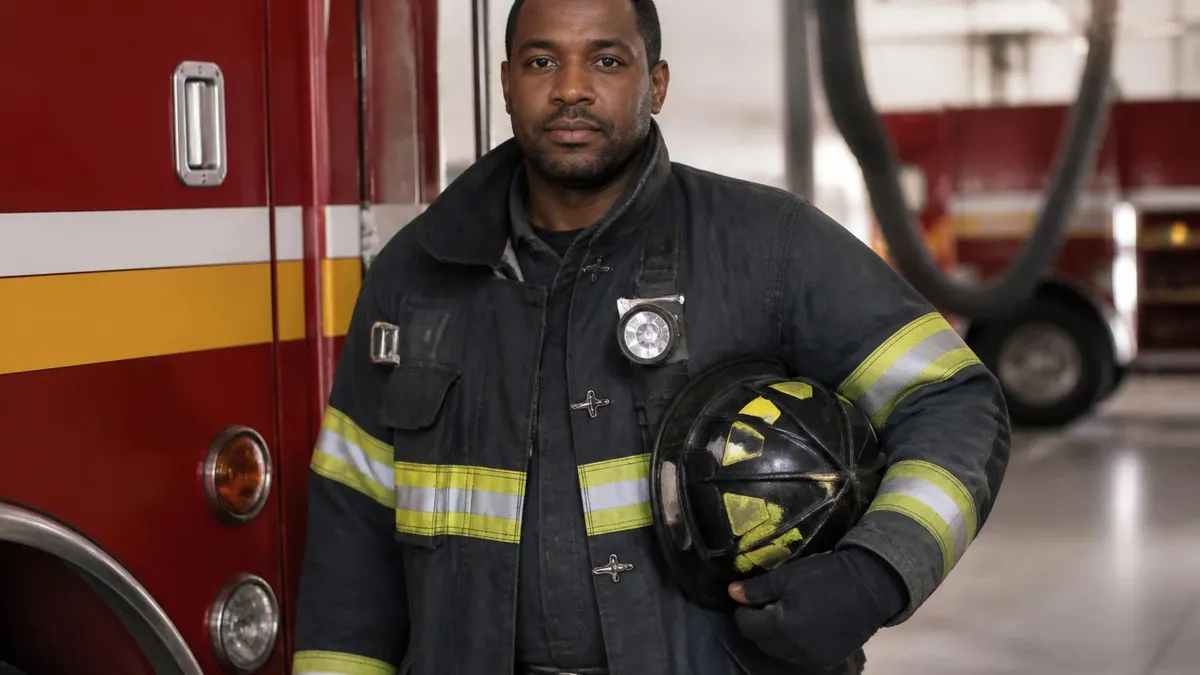
FDNY Marine Units: Inside the Fire Department of New York's Fireboat Fleet and Marine 6
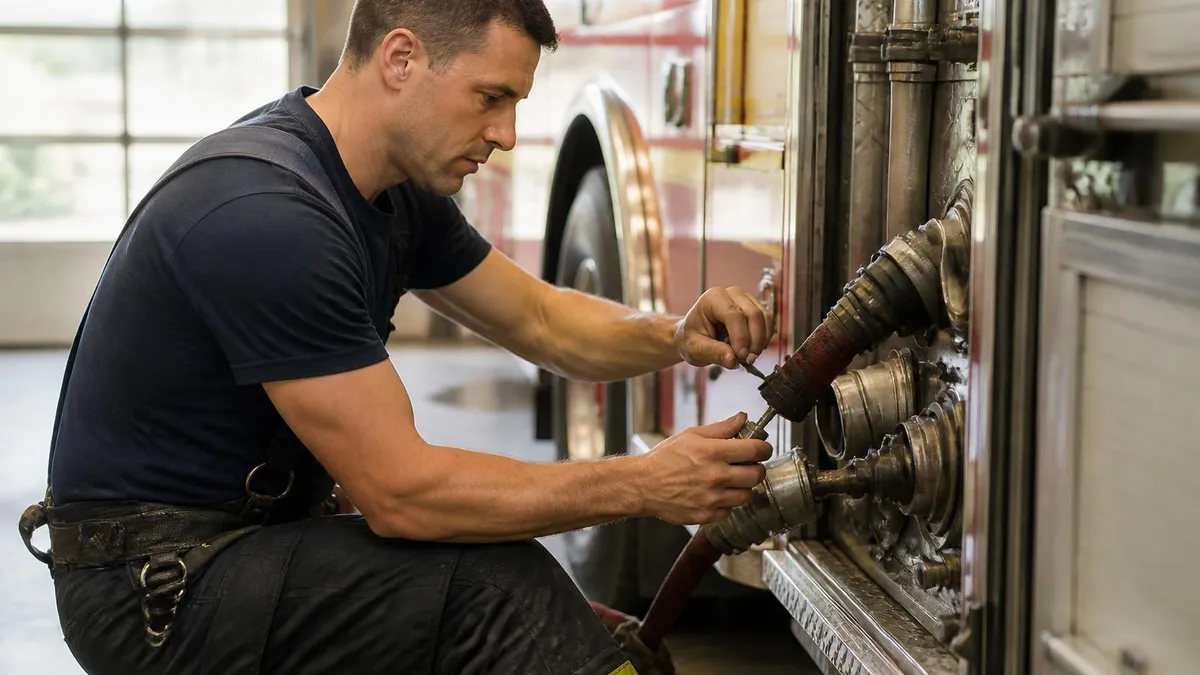
FDNY Jobs: Careers, Salaries, and How to Get Hired by the Fire Department of New York
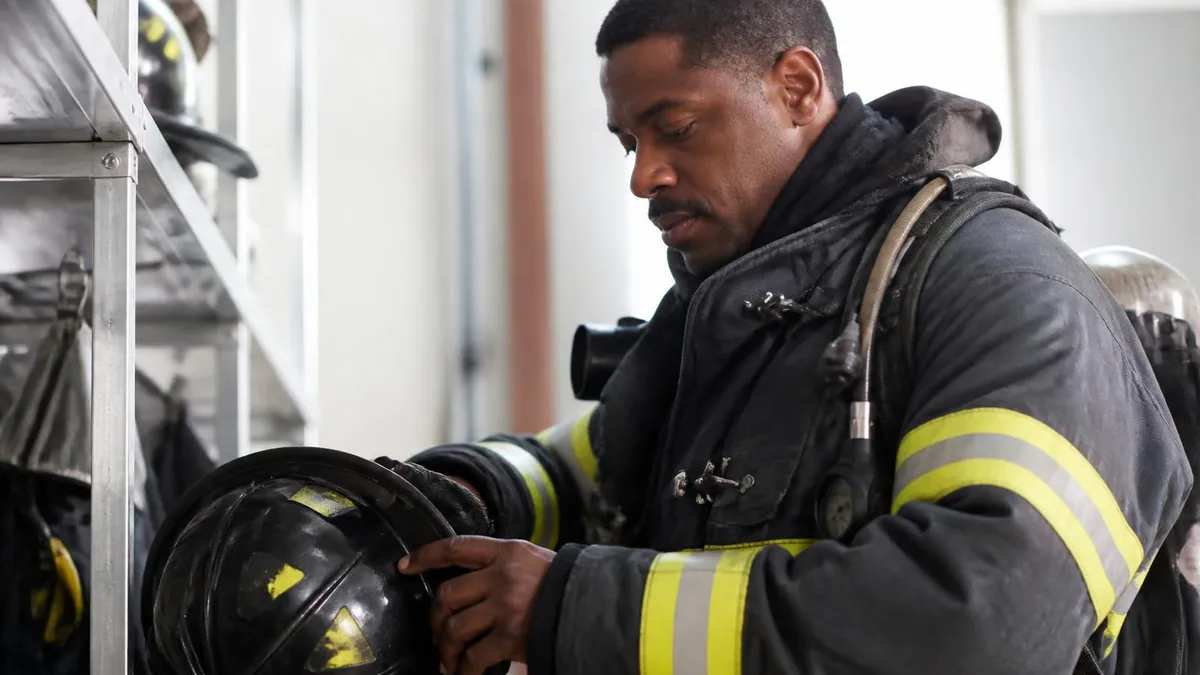
FDNY Firefighter Death: Line of Duty Sacrifice, Memorials, and the Legacy of New York's Bravest
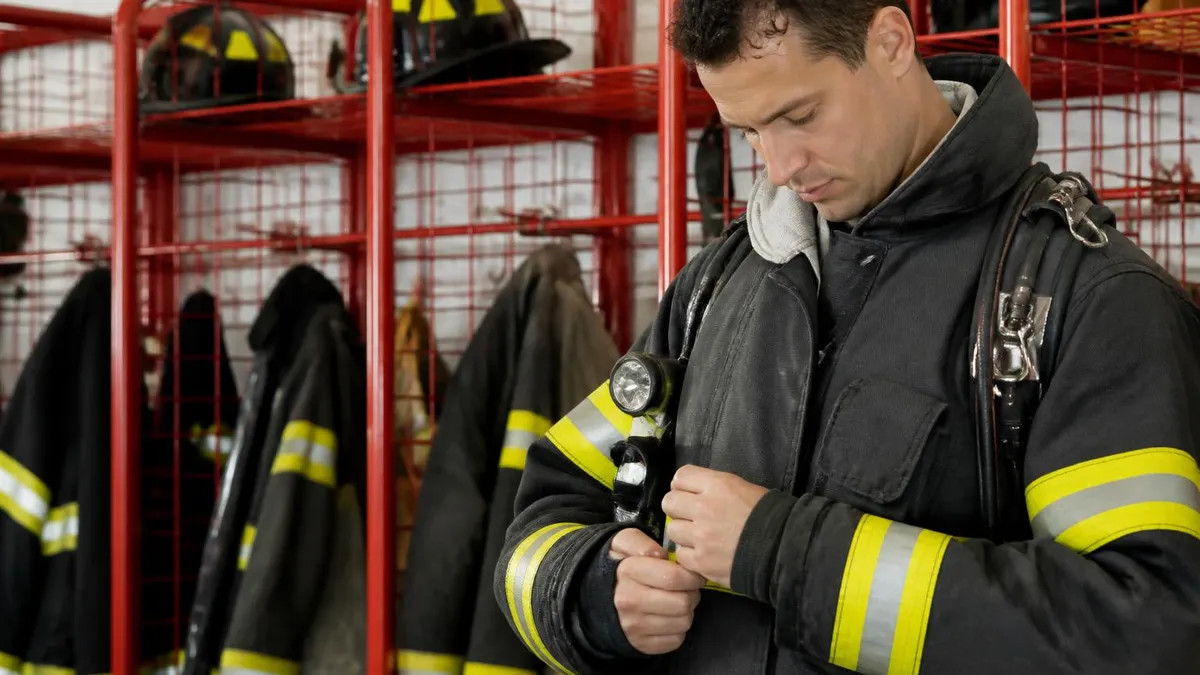
FDNY Rescue 2: Inside Brooklyn's Elite Rescue Company
FDNY EMS — How New York City's Emergency Medical Service Works and How to Become an FDNY EMT or Paramedic
About the Author
Law Enforcement Trainer & Civil Service Exam Specialist
John Jay College of Criminal JusticeMarcus B. Thompson earned his Master of Arts in Criminal Justice from John Jay College of Criminal Justice and served 12 years as a law enforcement officer before transitioning to full-time academy instruction. He is a POST-certified instructor who has prepared candidates for police entrance exams, firefighter assessments, and civil service examinations across dozens of agencies.
Join the Discussion
Connect with other students preparing for this exam. Share tips, ask questions, and get advice from people who have been there.
View discussion (9 replies)