
ECMO Monitoring: A Complete Guide to Extracorporeal Membrane Oxygenation Surveillance
Master ECMO monitoring: circuits, alarms, parameters & neonatal care. Complete guide for clinicians & students. 🧠 Includes practice questions.

Extracorporeal membrane oxygenation in neonates represents one of the most demanding monitoring challenges in modern critical care medicine. ECMO monitoring encompasses the continuous, real-time surveillance of a complex circuit that temporarily replaces the function of the heart, lungs, or both in patients who cannot sustain adequate oxygenation on their own. From the moment blood leaves the patient's body and enters the extracorporeal circuit, trained specialists must track dozens of physiologic and mechanical variables simultaneously to prevent life-threatening complications and optimize outcomes for critically ill patients of all ages.
The scope of ecmo monitoring extends far beyond simply watching numbers on a screen. It requires an integrated understanding of the patient's underlying pathology, the specific configuration of the ECMO circuit in use, the pharmacologic agents being infused, and the dynamic interplay between the artificial support system and the patient's recovering native organ function. A skilled ECMO specialist or perfusionist must interpret trends, respond to alarms within seconds, and anticipate potential problems before they escalate into emergencies that can harm or kill a vulnerable patient.
Understanding the extracorporeal membrane oxygenation procedure from a monitoring perspective is essential for anyone preparing for credentialing exams, clinical rotations in intensive care units, or a career as an ECMO specialist or critical care nurse. The procedure begins with surgical cannulation, continues through hours or days of circuit management, and concludes with a carefully planned weaning process. Throughout every phase, monitoring parameters guide clinical decision-making and serve as the early warning system that separates safe, effective ECMO support from catastrophic circuit failure.
This guide covers the full landscape of ECMO monitoring, including circuit components, hemodynamic parameters, oxygenator function, anticoagulation surveillance, and the unique considerations that apply when supporting neonatal, pediatric, and adult patients. Whether you are a bedside nurse encountering ECMO for the first time, a respiratory therapist expanding into perfusion support, or a medical student preparing for critical care rotations, this resource provides the foundational knowledge you need to understand what is being watched, why it matters, and how clinicians respond when parameters fall outside acceptable ranges.
The extracorporeal membrane oxygenation circuit itself is a marvel of biomedical engineering, but it is also a system with inherent risks that only vigilant, continuous monitoring can mitigate. Clot formation in the circuit, oxygenator failure, pump malfunction, and cannula displacement are among the most feared complications, and each one has characteristic monitoring signatures that allow trained specialists to detect problems early. Learning to read these signatures is a skill that develops through study, simulation, and clinical experience — and it begins with a thorough understanding of what normal ECMO monitoring looks like.
Throughout this article, we will examine how monitoring strategies differ between venovenous extracorporeal membrane oxygenation and venoarterial configurations, how neonatal circuits differ from those used for extracorporeal membrane oxygenation for adults, and what the COVID-19 pandemic taught the critical care community about scaling ECMO monitoring capacity rapidly. We will also address the extracorporeal membrane oxygenation machine price considerations that influence which devices are deployed in different hospital systems, since equipment selection directly affects the monitoring interfaces available to clinicians.
By the time you finish this guide, you will have a comprehensive mental model of ECMO monitoring that supports both clinical practice and examination preparation. The knowledge here aligns with the competency frameworks used by the Extracorporeal Life Support Organization (ELSO) and the American Board of Cardiovascular Perfusion, making it directly applicable to the certification pathways pursued by ECMO professionals across the United States.
ECMO Monitoring by the Numbers

Key Components of the ECMO Circuit
The inlet of the ECMO circuit, the drainage cannula removes deoxygenated blood from the patient — typically from the right atrium or a central vein. Cannula size and positioning critically affect how much flow the circuit can safely achieve.
Modern ECMO systems use magnetically levitated centrifugal pumps to propel blood through the circuit without direct mechanical contact. RPM settings, flow rates, and inlet/outlet pressures are all continuously displayed and monitored by the ECMO specialist.
The hollow-fiber oxygenator adds oxygen and removes carbon dioxide from blood flowing through the circuit. Specialists monitor pre- and post-oxygenator gas values, transmembrane pressure gradient, and visual inspection for fibrin deposition.
Integrated into or adjacent to the oxygenator, the heat exchanger maintains blood temperature as it circulates outside the body. Temperature monitoring prevents hypothermia or inadvertent hyperthermia, both of which worsen outcomes in critically ill patients.
Oxygenated blood re-enters the patient through the return cannula. In VV-ECMO this is a venous return; in VA-ECMO it is arterial. Pressure monitoring at the return cannula detects obstruction, kinking, or malposition that could reduce effective support.
Effective ECMO monitoring begins with a firm grasp of the hemodynamic parameters that reflect both patient status and circuit performance. Blood flow rate, measured in liters per minute, is one of the most fundamental variables tracked during extracorporeal membrane oxygenation treatment.
In adult patients, flows typically range from 3 to 6 liters per minute, while neonatal circuits may operate at flows as low as 0.3 to 0.8 liters per minute. The target flow is calculated based on the patient's body surface area and the degree of support needed, and deviations from target flow prompt immediate investigation of the circuit, cannulas, and patient volume status.
Pump speed, expressed in revolutions per minute (RPM), directly drives blood flow but is not interchangeable with it. Two patients on the same RPM setting can have very different actual flows depending on cannula size, circuit resistance, and the patient's own hemodynamics. This is why continuous flow measurement — not just RPM monitoring — is essential during extracorporeal membrane oxygenation treatment. A sudden drop in flow at constant RPM is a classic sign of circuit obstruction, hypovolemia, or cardiac tamponade, and it demands immediate bedside assessment by the ECMO specialist and intensivist.
Inlet pressure, also called the suction pressure or P1, reflects the negative pressure generated by the pump as it draws blood from the patient. Excessively negative inlet pressures (typically below -60 to -80 mmHg, though thresholds vary by institution) indicate inadequate venous drainage and can cause hemolysis from red blood cell destruction. Monitoring inlet pressure continuously helps clinicians detect hypovolemia, cannula malposition, pneumothorax, or cardiac tamponade before these conditions critically compromise circuit performance and patient safety during the procedure.
Outlet pressure, or P2, reflects the resistance the pump must overcome to push blood through the oxygenator and return cannula back to the patient. Improved outlet pressures can indicate oxygenator thrombosis, a kinked return line, or arterial hypertension in VA-ECMO patients. The transmembrane pressure differential (P2 minus post-oxygenator pressure) specifically reflects oxygenator resistance and is a sensitive early indicator of membrane lung failure — one of the most clinically consequential complications requiring circuit component exchange during extracorporeal membrane oxygenation treatment.
Oxygen delivery and gas exchange monitoring via continuous pulse oximetry and frequent arterial blood gas (ABG) analysis are cornerstones of the monitoring protocol. Post-oxygenator blood gases confirm that the membrane lung is functioning adequately, with target PaO2 values generally above 300 mmHg on 100% sweep gas FiO2. Pre-oxygenator or venous blood gases reveal the patient's oxygen consumption and can alert the team to worsening metabolic demands. In venovenous extracorporeal membrane oxygenation, recirculation — where already-oxygenated blood is immediately drained back into the circuit before reaching tissues — can falsely improve venous saturations and mask inadequate systemic oxygen delivery.
Sweep gas flow rate, sometimes called the gas flow or blender setting, controls how much carbon dioxide is removed from blood passing through the membrane lung. Carbon dioxide is cleared very efficiently by modern hollow-fiber oxygenators, and the sweep gas rate is titrated to maintain patient PaCO2 within the target range.
Overly aggressive CO2 removal can induce respiratory alkalosis with cerebral vasoconstriction, which is especially dangerous in neonatal patients who are at high risk for intracranial hemorrhage during extracorporeal membrane oxygenation in neonates. Monitoring serial blood gases and adjusting sweep gas accordingly is a continuous, iterative process throughout the ECMO run.
Anticoagulation monitoring represents another critical dimension of ECMO surveillance. Heparin is the most commonly used anticoagulant, and activated clotting time (ACT) is checked every one to four hours to ensure therapeutic anticoagulation. Most centers target an ACT of 160 to 200 seconds, though the specific range is individualized based on bleeding risk, thrombotic risk, and circuit age. Anti-Xa levels, thromboelastography (TEG), and rotational thromboelastometry (ROTEM) are increasingly used to refine anticoagulation management, particularly in patients who exhibit heparin resistance or develop heparin-induced thrombocytopenia during the extracorporeal membrane oxygenation procedure.
Venovenous vs Venoarterial: Monitoring Differences Explained
Venovenous extracorporeal membrane oxygenation provides respiratory support only, draining venous blood and returning oxygenated blood to the venous circulation, where it mixes with native cardiac output before reaching the lungs. Monitoring in VV-ECMO focuses heavily on oxygenation efficiency, recirculation fraction, and venous saturation trends. Because the patient's heart is still responsible for cardiac output, hemodynamic instability in a VV-ECMO patient signals primary cardiac dysfunction rather than circuit failure, requiring a different diagnostic and therapeutic response from the ECMO team.
Key monitoring targets in VV-ECMO include maintaining arterial oxygen saturation above 88–92% (lower thresholds are accepted compared to VA-ECMO due to venous mixing), a sweep gas CO2 removal rate that keeps PaCO2 in the target range, and careful attention to the patient's native lung function as it hopefully recovers. Pre- and post-oxygenator saturations are tracked alongside near-infrared spectroscopy (NIRS) readings of cerebral and somatic oxygenation to ensure tissues are receiving adequate oxygen delivery despite the unique physiology of VV support.

Benefits and Limitations of Current ECMO Monitoring Approaches
- +Continuous flow and pressure monitoring detects circuit problems within seconds, enabling rapid intervention before patient harm occurs
- +Integrated alarm systems alert specialists to out-of-range parameters even when not at bedside, improving response times in busy ICUs
- +Frequent ABG analysis provides accurate, real-time data on gas exchange and acid-base status to guide sweep gas and ventilator adjustments
- +Near-infrared spectroscopy (NIRS) offers non-invasive, continuous tissue oxygenation monitoring without additional blood sampling
- +Thromboelastography enables individualized anticoagulation management that goes beyond ACT alone, reducing both bleeding and clotting complications
- +Digital data logging creates a comprehensive audit trail that supports quality improvement, outcomes research, and medicolegal documentation
- −High monitoring burden requires dedicated, trained ECMO specialists at the bedside continuously, creating significant staffing challenges
- −ACT-based anticoagulation monitoring has poor precision at therapeutic heparin levels, leading to both over- and under-anticoagulation
- −Pressure sensor artifacts and flow measurement errors can trigger false alarms, leading to alarm fatigue and potential oversight of real problems
- −Recirculation in VV-ECMO inflates venous saturation readings, making it difficult to accurately assess true systemic oxygen delivery without additional testing
- −Limited standardization across ECMO platforms means monitoring parameters and alarm thresholds are not consistent between device manufacturers
- −Continuous monitoring requires extensive consumables, frequent laboratory testing, and specialized equipment, contributing significantly to the high extracorporeal membrane oxygenation machine price and overall treatment cost
Pros and Cons at a Glance
| Pros | Cons |
|---|---|
| Continuous flow and pressure monitoring detects circuit problems within seconds, enabling rapid intervention before patient harm occurs | High monitoring burden requires dedicated, trained ECMO specialists at the bedside continuously, creating significant staffing challenges |
| Integrated alarm systems alert specialists to out-of-range parameters even when not at bedside, improving response times in busy ICUs | ACT-based anticoagulation monitoring has poor precision at therapeutic heparin levels, leading to both over- and under-anticoagulation |
| Frequent ABG analysis provides accurate, real-time data on gas exchange and acid-base status to guide sweep gas and ventilator adjustments | Pressure sensor artifacts and flow measurement errors can trigger false alarms, leading to alarm fatigue and potential oversight of real problems |
| Near-infrared spectroscopy (NIRS) offers non-invasive, continuous tissue oxygenation monitoring without additional blood sampling | Recirculation in VV-ECMO inflates venous saturation readings, making it difficult to accurately assess true systemic oxygen delivery without additional testing |
| Thromboelastography enables individualized anticoagulation management that goes beyond ACT alone, reducing both bleeding and clotting complications | Limited standardization across ECMO platforms means monitoring parameters and alarm thresholds are not consistent between device manufacturers |
ECMO Monitoring Checklist: Hourly Assessment Items
- ✓Verify ECMO flow rate matches prescribed target and document any unexplained deviations greater than 10% from baseline
- ✓Check pump RPM and calculate flow-to-RPM ratio to detect early circuit resistance changes
- ✓Record inlet (P1) and outlet (P2) pressures and calculate transmembrane pressure gradient across the oxygenator
- ✓Inspect all circuit tubing, connections, and the oxygenator for visible clot, fibrin deposition, or air entrainment
- ✓Confirm sweep gas flow rate and FiO2 settings match current physician orders and recent blood gas results
- ✓Review most recent ACT result and confirm heparin infusion rate is adjusted per institutional anticoagulation protocol
- ✓Assess patient hemodynamics including heart rate, arterial blood pressure waveform morphology, and central venous pressure
- ✓Check all cannula sites for bleeding, hematoma formation, or signs of cannula migration or dislodgement
- ✓Review NIRS cerebral and somatic saturation trends and compare to baseline values established at cannulation
- ✓Document circuit assessment findings in the EMR and communicate any concerns immediately to the ECMO physician on call
The Chattering Pump Sign: Recognize It Immediately
When the ECMO pump makes a "chattering" or rattling sound and flow becomes erratic, this indicates the pump is cavitating due to inadequate venous drainage — a condition called suction events. This is a medical emergency that can cause hemolysis, air entrainment, and circuit failure within minutes. The immediate response is to reduce pump speed, assess the patient's volume status, check for cannula malposition or kinking, and notify the ECMO physician immediately. Never ignore pump noise changes.
Extracorporeal membrane oxygenation in neonates presents monitoring challenges that are qualitatively different from those encountered in pediatric or adult patients, and specialists working in neonatal ICUs must be intimately familiar with these differences. Neonatal ECMO is most commonly used for respiratory failure due to conditions such as meconium aspiration syndrome, congenital diaphragmatic hernia, persistent pulmonary hypertension of the newborn, and sepsis with severe respiratory compromise. These conditions affect infants weighing as little as 2 to 3 kilograms, demanding circuit volumes, flow rates, and monitoring parameters that are scaled to tiny bodies with very little physiologic reserve.
Circuit priming for neonatal ECMO typically requires the use of packed red blood cells and fresh frozen plasma to minimize the hemodilution that would otherwise occur when a small infant's blood volume — often less than 300 mL — encounters the 200 to 400 mL prime volume of the ECMO circuit. Monitoring the hematocrit, ionized calcium, potassium, and glucose in the prime solution and during the first hours of ECMO support is essential in neonates, as metabolic derangements from the circuit prime can cause cardiac arrhythmias, seizures, and hemodynamic collapse before they are clinically apparent at the bedside.
Intracranial hemorrhage (ICH) is the most feared complication of extracorporeal membrane oxygenation in neonates, occurring in 5 to 15 percent of patients and representing a leading cause of death and neurodevelopmental disability in ECMO survivors. Anticoagulation management in neonates is therefore a delicate balancing act between preventing circuit thrombosis and avoiding bleeding into the vulnerable neonatal brain. Monitoring protocols at leading neonatal ECMO centers include daily head ultrasounds, continuous anterior fontanelle assessment, and careful ACT targeting — often at the lower end of the therapeutic range — to reduce ICH risk without compromising circuit safety.
Temperature regulation in neonates on ECMO requires particularly close monitoring because these patients have a very high surface-area-to-body-mass ratio and lose heat rapidly. The ECMO circuit itself, if not properly warmed, can cool the infant's blood significantly with each pass through the extracorporeal tubing. Heat exchanger settings must be carefully titrated to maintain the patient's core temperature in the target range, and rectal or esophageal temperature monitoring provides more accurate data than axillary or skin probes that can be affected by environmental factors in the NICU.
Neurologic monitoring during neonatal ECMO has evolved significantly over the past decade. Amplitude-integrated electroencephalography (aEEG) is increasingly used continuously at the bedside to detect seizure activity, which can occur subclinically in neonates receiving neuromuscular blocking agents for ECMO management. Cerebral near-infrared spectroscopy provides continuous, non-invasive monitoring of frontal lobe oxygenation and is particularly valuable for detecting cannula malposition, air embolism, or circulatory failure before they manifest as clinical deterioration. Many leading centers now consider cerebral NIRS monitoring standard of care for extracorporeal membrane oxygenation in neonates.
Nutritional monitoring and fluid balance are additional dimensions of neonatal ECMO management that are sometimes underappreciated in discussions focused on the circuit itself. Neonates on ECMO frequently develop fluid overload due to inflammatory responses, capillary leak, and the large volume of fluid delivered with blood products and medications. Daily fluid balance monitoring, serial weight measurements, and assessment of edema are routine components of the monitoring protocol, with diuretic therapy or continuous renal replacement therapy initiated when cumulative fluid balance exceeds 10 to 15 percent of body weight — a threshold associated with worse outcomes in neonatal ECMO literature.
Weaning monitoring in neonatal ECMO focuses on signs of native lung recovery: improving lung compliance on ventilator graphics, increasing transcutaneous or pulse oximetry saturation at reduced circuit support, and decreasing oxygen requirements at stable or improving ECMO flows. A trial-off or flow-reduction weaning protocol is used at most centers, with careful serial monitoring of the infant's ability to maintain adequate oxygenation, ventilation, and hemodynamics as ECMO support is gradually withdrawn. The decision to decannulate is made collaboratively by the neonatologist, ECMO specialist, and bedside nurse based on integrated monitoring data gathered over hours to days of careful observation.

The first 24 hours of ECMO support carry the highest risk of life-threatening complications, including intracranial hemorrhage, cardiac tamponade, massive air embolism, and cannula dislodgement. During this period, most institutions require one-to-one ECMO specialist coverage with no other patient assignments. All monitoring alarms should be set to audible, backup power systems must be confirmed functional, and emergency hand-crank or battery backup for the pump must be immediately accessible at the bedside. Never leave an ECMO patient unsupervised during the first 24 hours.
Complications during extracorporeal membrane oxygenation treatment are best understood through the lens of monitoring — each complication has a characteristic pattern in the data stream that allows experienced specialists to detect problems early. Oxygenator failure, one of the most common circuit complications requiring intervention, typically presents as a rising transmembrane pressure gradient, declining post-oxygenator PaO2 despite stable sweep gas settings, and visible whitening or thickening of the hollow-fiber bundle on inspection. When these signs appear together, circuit exchange planning should begin immediately rather than waiting for oxygenator failure to become catastrophic.
Circuit thrombosis, whether in the oxygenator, pump head, or circuit tubing, is detected through a combination of visual inspection, pressure monitoring, and laboratory markers of hemolysis. Rising plasma-free hemoglobin, falling haptoglobin levels, hemoglobinuria, and a pink discoloration of urine are laboratory signs of red blood cell destruction from circuit clot. These findings, combined with increasing circuit pressures and visible fibrin strands in the circuit, indicate the need for anticoagulation intensification or circuit component exchange. Comprehensive ecmo monitoring protocols that incorporate both clinical and laboratory surveillance catch thrombotic complications far earlier than visual inspection alone.
Air embolism is a potentially catastrophic complication of ECMO that can result from loose connections, cracked tubing, inadvertent disconnection, or air entering through the drainage cannula in a patient with low venous blood volume. Modern centrifugal pumps are somewhat self-limiting with respect to air entrainment, but even small volumes of air entering the arterial return in VA-ECMO can cause stroke, myocardial ischemia, or bowel infarction.
Continuous visual inspection of the circuit, particularly the pump head and oxygenator inlet, is the primary monitoring strategy for air detection, supplemented by audible alarm systems in some ECMO platforms that detect air in the return limb.
Cannula complications, including migration, kinking, dislodgement, and vessel injury, are detected primarily through monitoring of circuit pressures and patient hemodynamics. A sudden increase in inlet negativity with decreased flow often signals drainage cannula malposition or migration into a suboptimal position. In femoral VA-ECMO, limb ischemia distal to the arterial return cannula is a serious complication monitored by comparing pulse oximetry readings bilaterally and assessing distal limb perfusion clinically at least every two hours. Many centers place distal perfusion catheters prophylactically in the superficial femoral artery when femoral arterial cannulation is used for VA-ECMO support.
Renal function monitoring deserves special emphasis in ECMO management, as acute kidney injury occurs in 40 to 80 percent of ECMO patients and is an independent predictor of mortality. Serial creatinine, blood urea nitrogen, urine output, and electrolytes are tracked closely, with continuous renal replacement therapy initiated for volume overload, azotemia, or electrolyte imbalances that cannot be managed medically. The ECMO circuit can be used as a convenient access point for continuous renal replacement therapy, but this integration requires careful monitoring of additional pressures, flows, and anticoagulation adjustments to ensure safe operation of both circuits simultaneously.
Infectious complications, including bloodstream infections related to ECMO cannulas and ventilator-associated pneumonia, require surveillance through daily blood cultures when clinically indicated, trending white blood cell counts and inflammatory markers, and careful monitoring of temperature trends. Fever management in ECMO patients is nuanced — the heat exchanger can be used to induce therapeutic normothermia or mild hypothermia in select patients, but temperature manipulation must be carefully coordinated between the ECMO team and intensivist to avoid metabolic consequences. Some centers use targeted temperature management protocols specifically designed for ECMO patients recovering from cardiac arrest, adding another dimension of temperature monitoring complexity.
Neurologic monitoring extends beyond the neonatal population to all ECMO patients, as the risk of stroke, intracranial hemorrhage, and hypoxic-ischemic injury is improved throughout the duration of ECMO support. In adult patients capable of cooperation, serial neurologic examinations are performed every four to eight hours. In sedated patients, pupillary responses, continuous EEG for seizure surveillance when indicated, and cerebral NIRS monitoring provide the best available windows into neurologic status. Any sudden change in neurologic examination findings, unexplained changes in ICP monitoring values, or new focal deficits on imaging should prompt immediate review of anticoagulation status and circuit function.
Preparing for credentialing examinations and clinical competency assessments in ECMO requires more than memorizing normal parameter ranges. It demands an integrated, systems-level understanding of how circuit function, patient physiology, and pharmacologic management interact — and how changes in one domain ripple through the others in ways that monitoring data will reflect before clinical deterioration is obvious at the bedside. The most effective preparation strategy combines conceptual study with case-based practice that mirrors the kind of decision-making ECMO specialists encounter in real intensive care environments.
Understanding the extracorporeal membrane oxygenation diagram — the visual representation of blood flow through the circuit — is a powerful anchor for all the monitoring concepts covered in this guide. When you can mentally trace blood from the patient through the drainage cannula, into the pump, through the oxygenator, and back via the return cannula, you can logically derive what each monitoring parameter reflects and what changes in that parameter indicate about circuit function.
Drawing and labeling the circuit from memory, then overlaying the monitoring points onto that diagram, is an exercise that experienced ECMO educators consistently recommend for learners at all levels.
Pharmacologic monitoring is an often-underemphasized aspect of ECMO management that has major implications for circuit performance and patient outcomes. Many medications behave differently in ECMO patients due to drug sequestration in the circuit tubing and oxygenator, altered volumes of distribution from fluid shifts, and the effects of the inflammatory response triggered by blood contact with the extracorporeal circuit. Sedatives, analgesics, paralytics, vasopressors, antibiotics, and antifungals all demonstrate altered pharmacokinetics on ECMO, requiring more frequent drug level monitoring and dose adjustments than would be needed in non-ECMO patients receiving the same medications.
The cost and institutional logistics of ECMO monitoring infrastructure are important considerations for healthcare systems building or expanding their ECMO programs. The extracorporeal membrane oxygenation machine price represents just the beginning of the financial investment — ongoing costs include disposable circuit components, laboratory monitoring, imaging, specialized nursing and perfusionist staffing, and the extensive training programs required to maintain a competent ECMO team. Understanding these cost drivers helps clinicians and administrators make informed decisions about which patients are appropriate candidates for ECMO and how to build financially sustainable monitoring systems that do not compromise quality of care.
Documentation standards in ECMO monitoring have become increasingly rigorous as quality improvement programs and regulatory oversight have expanded. Most institutions require contemporaneous, time-stamped documentation of all circuit parameters, patient assessments, alarm responses, and circuit interventions. Electronic medical record integration with ECMO monitoring systems is now available on many platforms, enabling automated data capture that reduces transcription errors and creates searchable databases for outcomes research. Learning to navigate these documentation systems efficiently is a practical skill that complements the clinical knowledge assessed on credentialing examinations.
Simulation-based training has transformed how new ECMO specialists develop monitoring competencies before they assume independent bedside responsibility. High-fidelity ECMO simulators can reproduce circuit alarms, air embolism scenarios, oxygenator failure, and cannula complications in a safe learning environment that allows trainees to practice their monitoring and response skills without risk to real patients. Most ELSO-accredited ECMO centers incorporate simulation training into their competency programs, and familiarity with the simulation experience is increasingly reflected in the scenarios presented on ECMO certification examinations.
As ECMO technology continues to evolve, monitoring capabilities are expanding in exciting directions. Continuous inline blood gas monitoring, automated anticoagulation management systems, and artificial intelligence-driven alarm prioritization systems are all under active development and early clinical deployment. These innovations promise to reduce monitoring burden, improve response times, and enhance the consistency of ECMO care across different institutions and skill levels. Staying current with these technological advances is an ongoing professional responsibility for anyone committed to excellence in extracorporeal membrane oxygenation monitoring and patient care.
ECMO Questions and Answers

VA ECMO Cannulation: Complete Guide to Veno-Arterial Extracorporeal Membrane Oxygenation
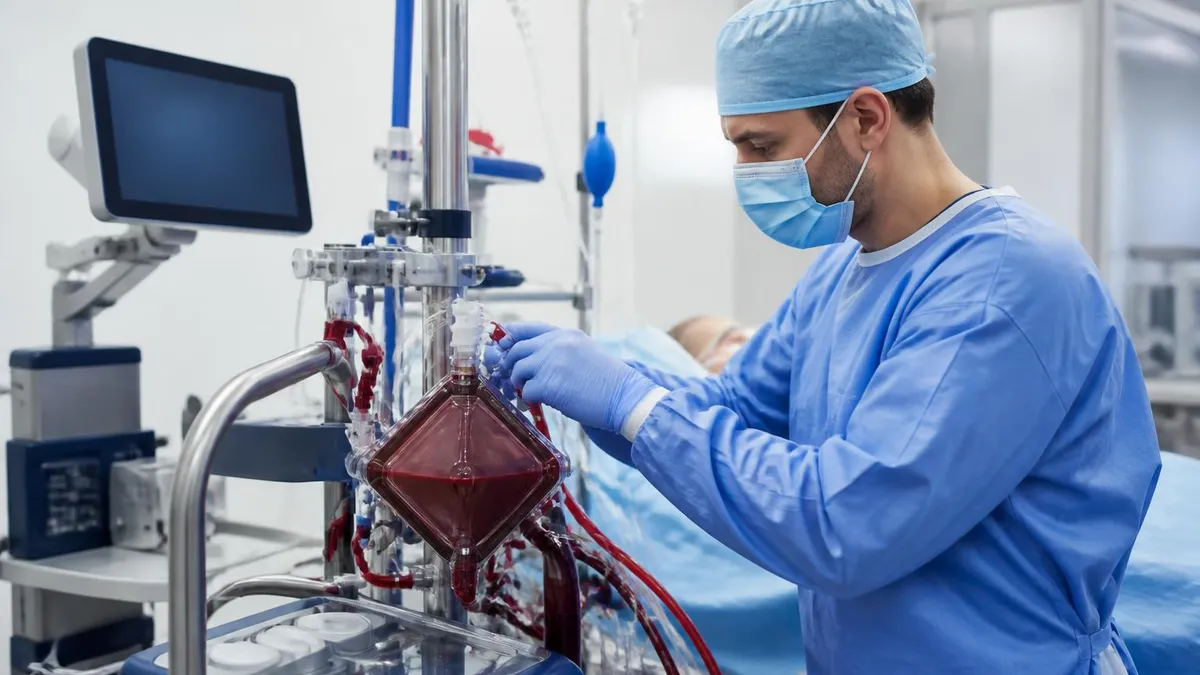
ECMO Patient Guide: What to Expect, Care, Recovery & Outcomes

ECMO Specialist vs Perfusionist: Roles, Duties, and Career Paths Compared
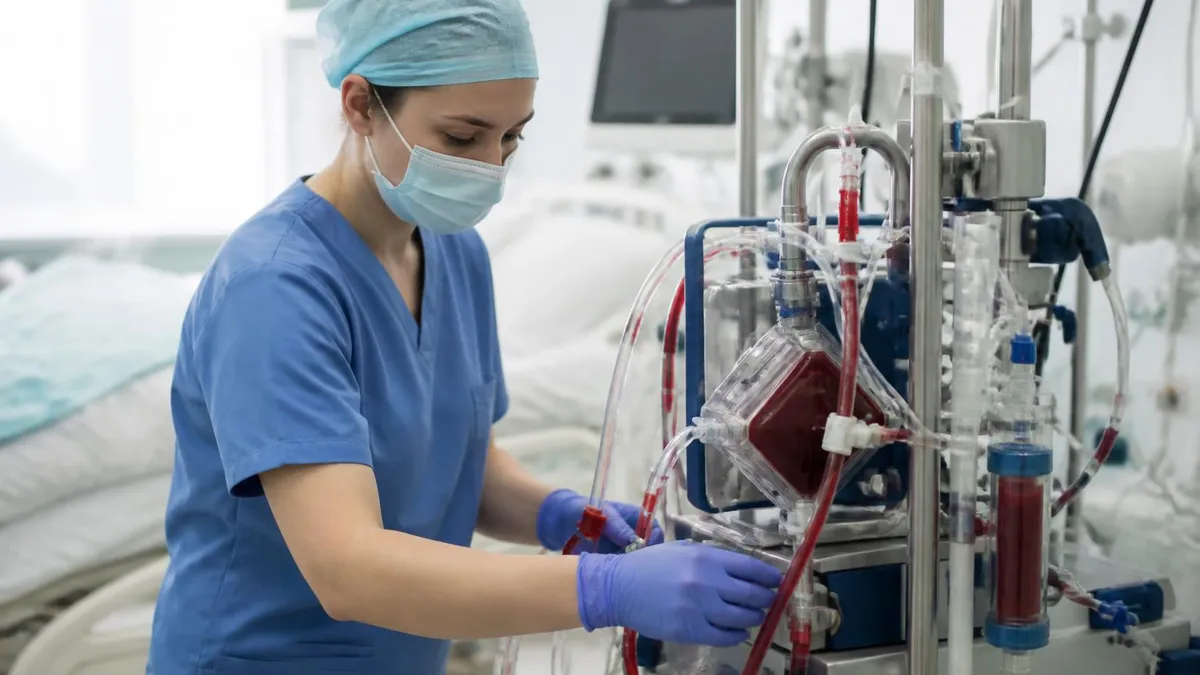
ECMO Specialist: Career Path, Duties, Salary, and Certification Guide
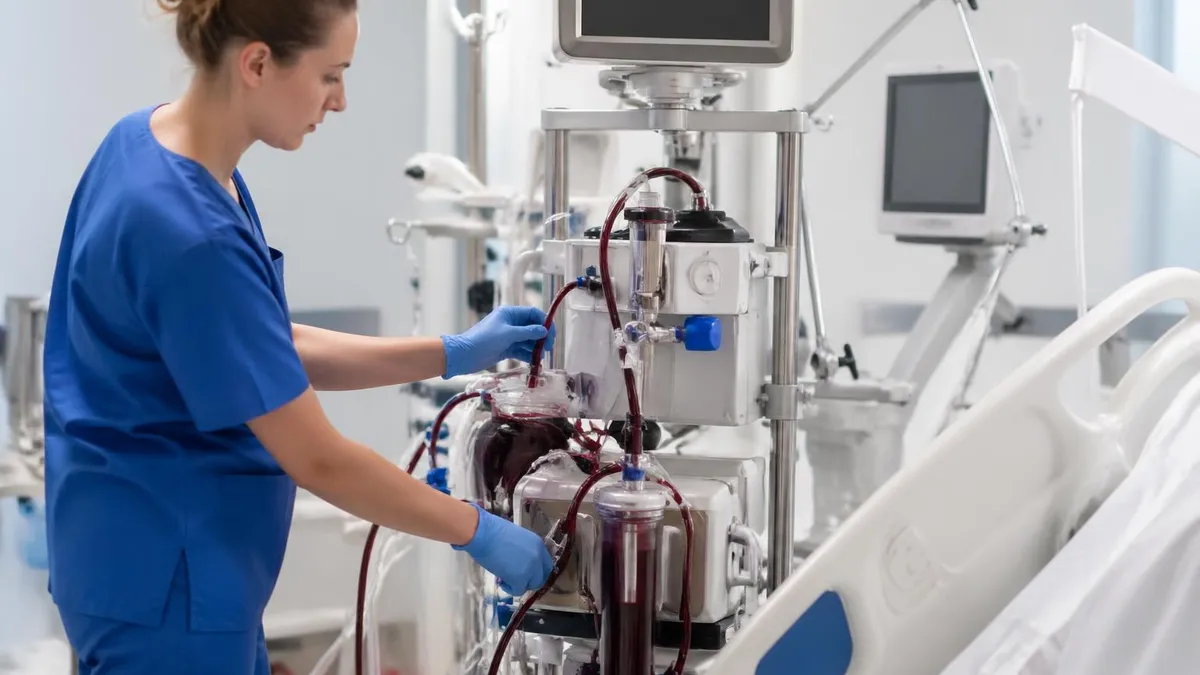
ECMO: How Extracorporeal Membrane Oxygenation Works and Who Needs It
About the Author

Educational Psychologist & Academic Test Preparation Expert
Columbia University Teachers CollegeDr. Lisa Patel holds a Doctorate in Education from Columbia University Teachers College and has spent 17 years researching standardized test design and academic assessment. She has developed preparation programs for SAT, ACT, GRE, LSAT, UCAT, and numerous professional licensing exams, helping students of all backgrounds achieve their target scores.
Join the Discussion
Connect with other students preparing for this exam. Share tips, ask questions, and get advice from people who have been there.
View discussion (9 replies)