
UK Driving Test Cancellations: How to Get an Earlier Test Date 2026
Learn how UK driving test cancellations work, how to find earlier slots, and what to do when your test is cancelled. Complete 2026 guide. 🟢
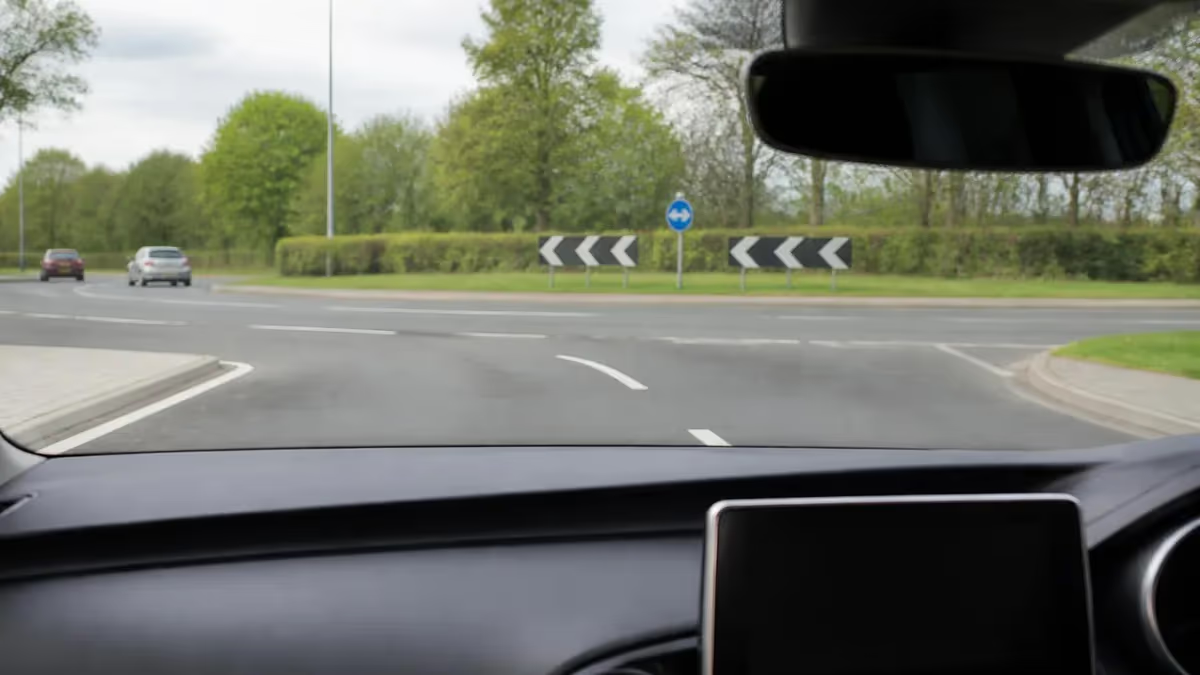
UK driving test cancellations are one of the most overlooked opportunities for learner drivers who are ready to pass but stuck waiting months for an available slot. The DVSA booking system is notorious for long queues, with waiting times in many areas stretching eight to fourteen weeks or longer.
When another candidate cancels their test, that slot opens up — and if you know how to monitor the system effectively, you can snap up a date weeks or even months sooner than your current booking. Understanding how this process works can be the difference between getting your licence before summer or waiting until autumn.
The demand for driving tests in the UK has been extraordinary since the pandemic disrupted testing schedules in 2020 and 2021. Even now in 2026, certain test centres in urban areas like London, Birmingham, Manchester, and Bristol regularly show waiting times of three months or more. Learners who have completed their lessons and feel confident behind the wheel are often left in a frustrating holding pattern, unable to drive independently simply because a test slot is not available. This situation has given rise to a thriving market of tools, services, and strategies aimed at helping drivers find cancelled slots faster.
It is important to understand exactly what happens when a driving test is cancelled. A candidate who cancels at least 10 full working days before their test receives a full refund of the £62 car test fee. The slot is then returned to the available pool in the DVSA booking system, where it can be claimed by any logged-in user checking the system at that moment.
These cancellations happen constantly throughout the day — early mornings and late evenings are particularly active windows, as people decide overnight whether to proceed with an upcoming test. Monitoring these windows dramatically improves your chances of securing an earlier date.
Many learners are unaware that you can hold two bookings simultaneously through the official DVSA system. This is a crucial strategy: book your standard available slot to secure your place, then actively monitor the system for earlier cancellations. Once you find and book an earlier slot, you should cancel the later one before it lapses or before you forget. Failing to cancel properly can result in losing your test fee, and repeatedly failing to show up can restrict your ability to book future tests. Planning carefully around this dual-booking approach is standard advice from driving instructors across the UK.
Third-party cancellation-checking services have become increasingly popular, with many offering automated alerts via text message or email the moment a slot becomes available at your preferred test centre. While these services vary in cost — some are free with limited features, others charge a monthly subscription — they can significantly reduce the time you spend manually refreshing the DVSA booking page.
However, it is vital to use reputable services that work within DVSA's terms and do not use bots that could violate the booking system's usage policies. Always read reviews and check that the service simply notifies you rather than booking on your behalf without consent.
Your choice of test centre can have a dramatic impact on how quickly you find a cancelled slot. Rural test centres typically have shorter queues than urban ones, and some learners are willing to travel an hour or more to sit their test at a quieter location. This is entirely permitted — you are not required to test at the centre nearest to your home address.
If your instructor is happy to drive you to a different centre or you can arrange your own transport, broadening your search radius to include multiple centres can multiply the number of available cancellation slots you are watching. Flexibility is one of your greatest assets when navigating the DVSA system.
Finally, preparation remains the most important factor of all. Finding a cancelled slot is only valuable if you are genuinely ready to take the test. Booking an earlier date when you and your instructor both feel confident is a smart move; booking one prematurely just to avoid waiting can lead to a failed test, an additional £62 fee, and another long wait for a retest. Before pursuing uk driving test cancellations, make sure your theory test is still valid, your practical skills are polished, and you have discussed readiness with your driving instructor.
- The DVSA hazard perception test shows 14 video clips of everyday road scenes. (Driver and Vehicle Standards Agency)
- The DVSA car theory test multiple-choice part has 50 questions to answer in 57 minutes. (Driver and Vehicle Standards Agency)
- In the DVSA car practical driving test you drive for around 35 minutes. (Driver and Vehicle Standards Agency)
- The independent driving section of the DVSA car driving test lasts 20 to 35 minutes. (Driver and Vehicle Standards Agency)
- The pass mark for the DVSA hazard perception test is 44 out of 75 points. (Driver and Vehicle Standards Agency)
- The pass mark for the DVSA car theory test multiple-choice part is 43 out of 50. (Driver and Vehicle Standards Agency)
- The DVSA car practical driving test costs £75 on evenings, weekends and bank holidays. (Driver and Vehicle Standards Agency)
- The DVSA car practical driving test costs £62 on weekdays. (Driver and Vehicle Standards Agency)
- If you fail the DVSA theory test, you must retake both parts and wait at least 3 working days. (Driver and Vehicle Standards Agency)
Facts verified Oct 15, 2026 against Driver and Vehicle Standards Agency. Dates that have passed are removed automatically.
DVSA Exam at a Glance
| Item | Detail | Official source |
|---|---|---|
| Number of questions (Hazard perception) | 14 video clips | Driver and Vehicle Standards Agency |
| Number of questions (Multiple-choice questions) | 50 multiple-choice questions | Driver and Vehicle Standards Agency |
| Time limit (Car practical driving test) | Around 35 minutes of driving | Driver and Vehicle Standards Agency |
| Time limit (Independent driving) | 20 to 35 minutes | Driver and Vehicle Standards Agency |
| Time limit (Multiple-choice questions) | 57 minutes | Driver and Vehicle Standards Agency |
| Passing score (Hazard perception) | 44 out of 75 | Driver and Vehicle Standards Agency |
| Passing score (Multiple-choice questions) | 43 out of 50 | Driver and Vehicle Standards Agency |
| Exam fee (Car practical driving test (evenings, weekends, bank holidays)) | £75 evenings, weekends and bank holidays | Driver and Vehicle Standards Agency |
| Exam fee (Car practical driving test (weekday)) | £62 on weekdays | Driver and Vehicle Standards Agency |
| Exam fee (Car theory test) | £23 | Driver and Vehicle Standards Agency |
| Retake policy | Retake the full test after at least 3 working days | Driver and Vehicle Standards Agency |
| Validity | 2 years | Driver and Vehicle Standards Agency |
| Delivery | In person at a DVSA theory test centre | Driver and Vehicle Standards Agency |
| Eligibility | Age 17+ (16 with higher-rate PIP mobility), provisional licence required | Driver and Vehicle Standards Agency |
| Testing window (Car practical driving test) | Released 24 weeks ahead, 6am every Monday | Driver and Vehicle Standards Agency |
Facts verified Oct 15, 2026 against Driver and Vehicle Standards Agency. Dates that have passed are removed automatically.
UK Driving Test Cancellations by the Numbers

How the DVSA Cancellation Process Works
Candidate Cancels Their Booking
Slot Returns to the DVSA Pool
Alert Services Detect the Opening
You Log In and Claim the Slot
Cancel Your Old Booking if Earlier
Confirm and Prepare
Finding earlier test slots through the cancellation system requires a combination of patience, strategy, and the right tools. The DVSA online booking portal at gov.uk/book-driving-test is the official channel, and it remains the most reliable place to secure an appointment. However, checking it manually once or twice a day is rarely sufficient to catch the best cancellations — especially at popular test centres where slots disappear within minutes. Developing a systematic approach to monitoring the system is essential if you want to move your test forward by more than a few days.
The first and most important step is to book a test as soon as possible, even if the earliest available date is months away. You cannot hold a cancellation slot without an active booking, and having one gives you something concrete to fall back on.
Once your initial booking is in place, you can begin monitoring for cancellations with a much lower-risk approach. If you find nothing suitable in the weeks leading up to your test, you still have your original date. Think of the cancellation hunt as a bonus opportunity layered on top of your confirmed booking, not a replacement for it.
Timing your manual checks strategically can improve your hit rate even without paid tools. The DVSA system tends to see higher volumes of cancellations during certain windows: Sunday and Monday evenings, when people reflect on their upcoming week; early Tuesday and Wednesday mornings, when corporate administrative changes happen; and during school half-term periods, when some learners defer tests due to holidays. Knowing these patterns and setting calendar reminders to check at those times gives you a measurable edge over learners who check randomly throughout the day.
When using the DVSA website to search for cancellations, look for the option to check for earlier available dates after you have an existing booking. The system allows you to view dates up to six months in advance. Set your preferred test centre, select your desired date range, and refresh the page at regular intervals.
If you are monitoring multiple test centres simultaneously — perhaps your local centre plus two or three others within a reasonable driving distance — consider opening separate browser tabs for each centre so you can check all of them in quick succession without losing your place in the system.
One underused tactic is monitoring test centres in adjacent towns and cities rather than just your nearest one. Many learners restrict their search to the single most convenient location, creating artificial demand concentration. By including centres fifteen to thirty miles away, you access a much larger pool of available cancellations while competing against fewer people actively watching those centres. Discuss this option with your driving instructor, as they may already be familiar with alternative test routes and venues and could offer to accompany you to a different centre at short notice.
It is also worth noting that the DVSA occasionally releases additional test capacity at short notice due to examiner availability changes, extended operating hours during busy periods, or the opening of temporary test centres. Following the DVSA's official social media channels and subscribing to their updates can give you advance notice of these additional slots before they appear in the general booking system. This kind of proactive information-gathering costs nothing and can occasionally yield an appointment that bypasses the normal cancellation hunt entirely.
For learners in particularly congested areas, combining manual monitoring with a reputable third-party alert service is the most effective strategy. These services run automated checks far more frequently than any human could manage — some scan the system every thirty to sixty seconds — and send instant notifications the moment a qualifying slot appears.
The few pounds per month these services typically cost is easily justified by the weeks of waiting time they can save. Always verify that any service you use sends alerts only and does not attempt to book on your behalf, as automated booking tools may breach DVSA terms of service.
DVSA Practice Test Questions
Prepare for the DVSA - UK Driving Theory Test exam with our free practice test modules. Each quiz covers key topics to help you pass on your first try.
DVSA Eco-Friendly Driving and Vehicle Loading
DVSA Exam Questions covering Eco-Friendly Driving and Vehicle Loading. Master DVSA Test concepts for certification prep.
DVSA Hazard Awareness
Free DVSA Practice Test featuring Hazard Awareness. Improve your DVSA Exam score with mock test prep.
DVSA Incidents, Accidents and First Aid
DVSA Mock Exam on Incidents, Accidents and First Aid. DVSA Study Guide questions to pass on your first try.
DVSA Motorway Rules and Smart Motorways
DVSA Test Prep for Motorway Rules and Smart Motorways. Practice DVSA Quiz questions and boost your score.
DVSA Rules of the Road (Highway Code)
DVSA Questions and Answers on Rules of the Road (Highway Code). Free DVSA practice for exam readiness.
DVSA - UK Driving Theory Hazard Awareness ...
DVSA Mock Test covering - UK Driving Theory Hazard Awareness and Perception. Online DVSA Test practice with instant feedback.
DVSA - UK Driving Theory Motorway Rules an...
Free DVSA Quiz on - UK Driving Theory Motorway Rules and Regulations. DVSA Exam prep questions with detailed explanations.
DVSA - UK Driving Theory Road and Traffic ...
DVSA Practice Questions for - UK Driving Theory Road and Traffic Signs. Build confidence for your DVSA certification exam.
DVSA - UK Driving Theory Rules of the Road
DVSA Test Online for - UK Driving Theory Rules of the Road. Free practice with instant results and feedback.
Strategies for Getting an Earlier UK Driving Test
Manual checking through the official DVSA website is free and fully within the terms of service. Log into your account at gov.uk/book-driving-test, navigate to your existing booking, and use the 'check for earlier test' function. The key to success with manual checking is consistency — set specific times each day to check, particularly early mornings between 7am and 9am and late evenings between 9pm and 11pm, when cancellations from the following day's hesitant candidates tend to appear most frequently.
Manual checking works best when combined with a broad geographical approach. Check your primary test centre first, then open new tabs for two or three alternative centres within a thirty-mile radius. Spending fifteen to twenty minutes each morning and evening covering multiple locations dramatically increases your chance of spotting a slot before it disappears. Keep your DVSA login details saved in your browser so you can act the moment you spot something suitable — popular cancellation slots in cities like London or Manchester can vanish within thirty seconds of appearing.
Using Cancellation Slots: Benefits and Drawbacks
- +Get your driving licence weeks or months earlier than your original booking
- +Save money on additional driving lessons by reducing your total wait time
- +Build on your current momentum and confidence rather than losing sharpness over a long wait
- +Gain independence sooner — drive to work, university, or appointments without depending on others
- +Keep your theory test certificate valid, which expires two years after passing
- +Reduce test-day anxiety by sitting the exam when your skills are at their peak
- −Popular cancellation slots can disappear within seconds, requiring constant vigilance
- −Third-party alert services cost money and vary widely in quality and reliability
- −Short-notice slots may not align with your instructor's availability for a final lesson
- −Taking a test before you are fully ready risks a failed result and another long wait
- −Travelling to an unfamiliar test centre adds stress and logistical complexity on test day
- −Holding two bookings simultaneously requires careful management to avoid losing a fee
Pros and Cons at a Glance
| Pros | Cons |
|---|---|
| Get your driving licence weeks or months earlier than your original booking | Popular cancellation slots can disappear within seconds, requiring constant vigilance |
| Save money on additional driving lessons by reducing your total wait time | Third-party alert services cost money and vary widely in quality and reliability |
| Build on your current momentum and confidence rather than losing sharpness over a long wait | Short-notice slots may not align with your instructor's availability for a final lesson |
| Gain independence sooner — drive to work, university, or appointments without depending on others | Taking a test before you are fully ready risks a failed result and another long wait |
| Keep your theory test certificate valid, which expires two years after passing | Travelling to an unfamiliar test centre adds stress and logistical complexity on test day |
| Reduce test-day anxiety by sitting the exam when your skills are at their peak | Holding two bookings simultaneously requires careful management to avoid losing a fee |
UK Driving Test Cancellation: Your Step-by-Step Checklist
- ✓Book your standard test as early as possible to secure a fallback date and open access to the cancellation system.
- ✓Confirm your theory test certificate is valid — it expires two years after your pass date and must be valid on test day.
- ✓Set up a DVSA account with a reliable email address and save your login details securely on your mobile device.
- ✓Identify two to four test centres within a reasonable travelling distance and note their typical waiting times.
- ✓Register with a reputable cancellation alert service and configure it for your chosen centres and preferred date ranges.
- ✓Set daily manual-checking reminders at peak cancellation windows: 7–9am and 9–11pm on weekdays.
- ✓Discuss the cancellation strategy openly with your driving instructor so they can support you with availability and readiness advice.
- ✓Prepare your payment card details for quick re-booking — some popular slots require you to complete payment within two to three minutes.
- ✓Keep a note of your current booking reference so you can cancel it promptly once you secure an earlier slot.
- ✓Cancel your original booking before the three-clear-working-days deadline to secure a full refund of the £62 test fee.
You Can Hold Two DVSA Bookings at Once
Most learners do not realise that the DVSA system allows you to hold two driving test bookings simultaneously. This means you can secure a future date as your safety net while actively hunting for an earlier cancellation — eliminating the risk of being left without any booking if your search takes time. Once you find and confirm an earlier slot, cancel the later one before the three-clear-working-days deadline to get your £62 fee refunded.
Avoiding common mistakes during the cancellation-hunting process can save you money, time, and considerable frustration. The single most costly error learners make is failing to cancel their original booking after securing an earlier one. It sounds obvious, but in the excitement of finding a great cancellation slot, many people forget to log back in and cancel their later date.
If you miss the three-clear-working-days cancellation window, you forfeit the £62 test fee. Worse, if you simply do not show up on the day of your original test, the DVSA notes this as a non-attendance and it may affect your ability to make future bookings. Always set a calendar reminder the moment you confirm a new earlier slot.
Another frequent mistake is using unofficial bot services that attempt to automatically book a test on your behalf. While these might seem convenient, they violate the DVSA's terms of service for their booking system. If the DVSA detects automated booking behaviour linked to your account, they have the right to cancel your booking and restrict your access. Additionally, some of these services have been reported to fraudulently charge fees without delivering any benefit. Stick to legitimate notify-only services that alert you and leave the actual booking in your hands. This protects both your money and your test eligibility.
Booking a cancellation slot at a test centre you have never driven around before is a risk that many learners underestimate. Every test centre has its own characteristic roads, traffic patterns, junctions, and manoeuvre areas. Examiners design the test route to reflect the local road environment, which means driving around an unfamiliar area adds an extra layer of cognitive load on an already pressured day.
If you do choose to book at a different centre to access a cancellation slot, try to arrange at least one practice drive around that centre's local roads with your instructor before test day. Even a single ninety-minute lesson in the new area can make a significant difference to your confidence and performance.
Do not neglect your theory test status while focusing on the practical test cancellation hunt. The DVSA theory test certificate remains valid for exactly two years from the date you passed. If your certificate expires before you sit your practical test, you must resit the theory test at a cost of £23 before you can book or attend a practical test.
Many learners who passed their theory test early in their learning journey and then faced long practical test waits have found themselves needing to resit it. Check your certificate's expiry date and factor it into your planning — particularly if you are considering waiting for a last-minute cancellation very close to the expiry date.
Emotional preparation for short-notice tests is another area where learners often struggle. Finding a cancellation slot five days away feels exciting in the moment, but it can trigger a spike in anxiety when the reality of the imminent test sets in. Having a clear pre-test routine established well before any specific date helps enormously.
Know what time you will wake up, what you will eat, how you will get to the test centre, and what you will do in the hour before the test. Practise mock tests with your instructor under realistic pressure conditions so that the actual test environment feels familiar rather than overwhelming. Routine and preparation calm nerves far more effectively than willpower alone.
It is also worth understanding what happens if the DVSA cancels your test rather than you cancelling theirs. Test centres occasionally close due to examiner illness, extreme weather, technical problems, or administrative issues. In these cases, the DVSA will contact you, offer a new appointment, and ensure you are not financially penalised. Do not panic if you receive such a notification — it is uncommon but not rare, and the DVSA's customer service team is generally efficient at rebooking affected candidates. Keep your contact details up to date in your DVSA account so you receive any such notifications promptly.
Finally, be wary of paying third parties who claim to be able to get you a specific test date at a specific centre for a premium fee. While legitimate alert services charge a transparent subscription fee, some fraudulent operators claim to have insider access to DVSA slots. They do not.
The DVSA's booking system is fully centralised and no individual or company has privileged access to cancel or reserve specific slots outside the standard system. If any service promises a guaranteed specific date for a large fee, treat it as a scam and report it to Trading Standards or Action Fraud.
For a fuller set of questions on this topic, see our uk driving test cancellations resource.
For a fuller set of questions on this topic, see our theory mock test resource.
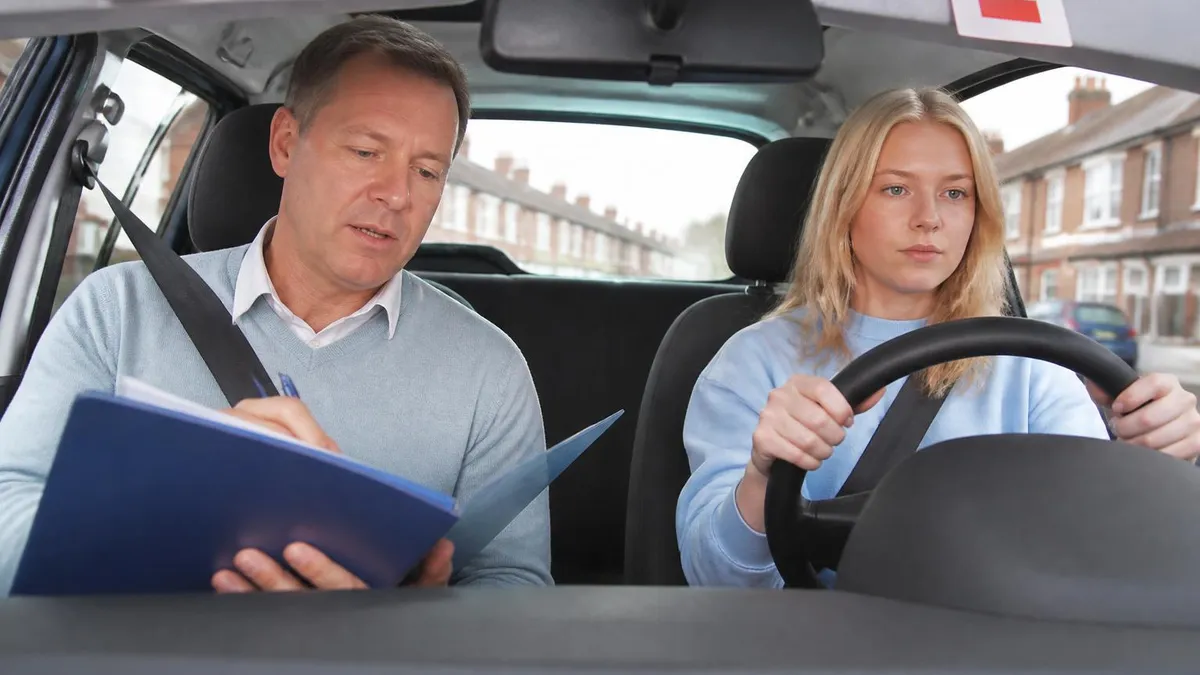
Your DVSA theory test certificate expires exactly two years after your pass date. If you are on a long waiting list for your practical test, check this date urgently. Sitting your practical test after expiry is not permitted — you must resit the full theory test at an additional cost of £23 before rebooking. Learners who passed their theory in 2024 may find their certificate expiring in 2026 while still waiting for a practical slot.
Maximising your chances of finding a suitable cancellation slot requires a layered approach that combines technology, flexibility, and insider knowledge. Think of it as a campaign rather than a single action. Start with your booking in place and two or three alert services running simultaneously, each configured for slightly different criteria. One might cover your nearest centre exclusively; another might sweep a wider radius. Having overlapping coverage means you receive redundant alerts, and the first notification that arrives is your cue to act immediately, regardless of which service sent it.
Flexibility about the time of day for your test can unlock additional slots that less flexible candidates overlook. Early morning tests — particularly those starting between 8am and 9am — are often unpopular because learners worry about traffic, school runs, or simply not being mentally sharp so early.
Conversely, late afternoon slots close to 4pm or 4:30pm can also see higher cancellation rates as candidates worry about peak-hour traffic on the test route. Being willing to accept any time slot, rather than holding out for a mid-morning appointment, gives you access to a significantly larger pool of available cancellations at any given test centre.
Seasonal timing affects the density of available cancellations in ways that are predictable and exploitable. The weeks around major school holidays — Easter, August, and Christmas — tend to see higher cancellation rates as families make travel plans that conflict with booked test dates. Conversely, the first week back after a school holiday often sees a rush of bookings as learners refocus on their driving goals. If your search for cancellations coincides with a school holiday window, check more frequently and broaden your monitoring criteria during those weeks, as the supply of returned slots tends to spike temporarily.
Your personal network is a surprisingly useful resource in this process. Fellow learners, friends who recently passed their test, and driving instructor communities often share real-time information about which centres are seeing high cancellation rates, which alert services are performing well, and which strategies are working in the current booking environment.
Online forums like Reddit's r/LearnerDrivers and dedicated Facebook groups for UK learner drivers are active communities where members frequently post notifications about newly released slots and advice on the best current tools. Joining one or two of these groups takes five minutes and can yield genuinely useful and up-to-date intelligence.
Once you have secured a cancellation slot, the priority shifts entirely to preparation. Inform your instructor of the new date the moment your booking is confirmed. Arrange any final lessons needed, including a mock test under examination conditions. Review the Highway Code sections most commonly assessed during practical tests: moving off and stopping, junctions, roundabouts, lane discipline, pedestrian crossings, and the independent driving section. Practise the standard manoeuvres — parallel parking, bay parking, and the pull-up-on-the-right — until they feel automatic. The shorter the remaining preparation window, the more focused and deliberate your practice sessions need to be.
On test day itself, give yourself ample time to reach the test centre without rushing. Arriving stressed because of a delayed journey is one of the most avoidable causes of poor test performance. Plan your route in advance, account for traffic, and aim to arrive at least fifteen minutes before your scheduled time.
Bring your provisional licence (the photo card), and ensure your instructor's vehicle is insured, taxed, and roadworthy if they are accompanying you. If you are travelling to an alternative test centre, do a dry run of the journey at a similar time of day at least once before test day so there are no navigation surprises on the day itself.
Remember that the practical driving test is designed to assess whether you are a safe and competent driver, not to trick or catch you out. Examiners follow a standardised marking sheet and are looking for consistent, safe, and considerate driving throughout the approximately forty-minute test.
Minor faults — up to fifteen — are acceptable; a serious or dangerous fault ends the test immediately. Approaching the test with this understanding, rather than treating every small error as catastrophic, helps maintain composure throughout. Many learners who fail do so not because of poor driving skill but because anxiety disrupts their decision-making under pressure.
Practical preparation in the weeks before your test — whether it is your original booking or an earlier cancellation slot you have secured — should follow a structured and progressive approach. Begin by consolidating the manoeuvres you find most challenging. Parallel parking and bay parking cause the most anxiety among learner drivers, yet they are entirely learnable with deliberate repetition. Ask your instructor to run dedicated manoeuvre-focused sessions where you perform each one repeatedly in different locations and under different parking conditions. Familiarity breeds confidence, and confidence is the foundation of clean test performance.
The independent driving section of the practical test, introduced in 2017, now lasts for approximately twenty minutes — half the total test duration. During this section, you will follow either a sat-nav (provided by the examiner in most cases) or road signs to a given destination. Examiners are not testing your navigation ability; they are assessing whether you can drive safely and independently without constant instruction. Practise driving using a sat-nav during your lessons so that glancing at the screen and following audio directions feels natural and does not distract you from the primary task of driving safely.
Show-me tell-me questions are asked at the start of the practical test and count as one minor fault if either is answered incorrectly. There are nineteen possible questions in total, covering topics such as how to check engine oil level, how to test the horn, how to check tyre pressure, how to use the rear demister, and how to check the brake fluid reservoir.
Spend thirty minutes reviewing the complete list of show-me tell-me questions in the final week before your test. Most learners find that a single focused revision session is sufficient to feel comfortable answering any question the examiner might ask.
Driving smoothly and progressively — rather than hesitantly or aggressively — is one of the most important qualities examiners look for throughout the test. Smooth acceleration, progressive braking, and well-timed gear changes create an impression of control and competence. Avoid the common learner tendency to hover over the brake pedal or to creep hesitantly at junctions when a clear gap in traffic exists. Decisive, safe progress through a junction is marked more favourably than excessive caution that would impede other road users. Your instructor should be giving you honest feedback on your decisiveness and traffic observation during your final lessons.
Eye contact and observation checks are assessed continuously throughout the test. Examiners pay close attention to whether you are checking mirrors at the correct moments — before signalling, before changing speed, before changing direction, and before completing a manoeuvre. They also watch for appropriate shoulder checks when moving off, reversing, or changing lanes on multi-lane roads. These observation habits must become automatic before you sit the test, because consciously thinking about them under examination pressure is unreliable. Build them into every single minute of every lesson from now until your test date.
In the final forty-eight hours before your test, resist the temptation to cram excessive driving practice. You have done the work; now the priority is mental preparation and physical readiness. Get a full night's sleep on both nights before the test. Avoid alcohol entirely. Eat a balanced breakfast on test morning — blood sugar levels directly affect concentration and reaction time.
If you feel extreme anxiety, speak to your instructor about techniques such as controlled breathing, positive visualisation, or pre-test affirmations. Mild nerves are actually beneficial, sharpening alertness; it is excessive anxiety that impairs performance. Know the difference and manage it proactively.
After your test — whether you pass or need to rebook — the lessons learned from the experience are invaluable. If you pass, congratulations: you have navigated one of the most frustrating aspects of the UK licensing system and earned your independence on the road.
If you do not pass this time, ask the examiner for a debrief on the specific faults recorded, study the DL25 marking sheet you receive, and discuss the feedback in detail with your instructor before deciding when to rebook. Many drivers pass comfortably at their second attempt after addressing specific, identified weaknesses. The cancellation system will be there again for your retest booking — and by then, you will know exactly how to use it.
Sample DVSA UK Driving Theory Practice Questions
Try these questions from our free DVSA UK Driving Theory practice tests. The correct answer and an explanation follow each question.
You are driving in heavy rain and your vehicle begins to aquaplane. What should you do?
- A. Brake hard to regain grip
- B. Steer sharply to the left
- C. Ease off the accelerator and avoid braking until you regain grip
- D. Accelerate to drive through the water
Answer: C. Ease off the accelerator and avoid braking until you regain grip
Aquaplaning occurs when water builds up under the tyres faster than the tread can disperse it, causing a loss of contact with the road. You should ease off the accelerator smoothly and avoid braking or steering until the tyres regain grip.
You are joining a motorway from a slip road. What should you do?
- A. Stop at the end of the slip road and wait for a gap
- B. Build up speed on the slip road to match motorway traffic, and merge safely
- C. Drive straight onto the motorway without checking
- D. Use the hard shoulder to build up speed
Answer: B. Build up speed on the slip road to match motorway traffic, and merge safely
When joining a motorway, use the slip road to build up your speed to match the traffic on the motorway. Check mirrors, signal right, and merge into a safe gap in the traffic. Do not force your way in or stop at the end of the slip road unless traffic is queuing.
When driving in the left-hand lane on a three-lane motorway, you see a vehicle broken down on the hard shoulder. What should you do?
- A. Stop on the hard shoulder to help
- B. Move to the middle lane if it is safe to do so
- C. Flash your headlights to warn other drivers
- D. Continue in the left lane at the same speed
Answer: B. Move to the middle lane if it is safe to do so
If you see a vehicle on the hard shoulder, you should move over to the next lane if it is safe, to give them more space. This follows the principle of creating a safety buffer and is recommended in the Highway Code.
What does a broken white line along the centre of the road indicate?
- A. You must not overtake under any circumstances
- B. You may cross it to overtake if it is safe to do so
- C. The road ahead is closed to through traffic
- D. You must stop and give way to oncoming vehicles
Answer: B. You may cross it to overtake if it is safe to do so
A broken centre line means you may cross it to overtake or turn, provided it is safe and legal to do so.
DVSA Questions and Answers
DVLA Theory Test Booking: Complete Step-by-Step Guide for UK Learners
Driving Theory Test App: The Complete Study Guide for UK Learners
How to Book Your DVSA Practical Driving Test: Complete UK Guide

Learn to Drive in the UK: Complete Beginner's Guide to Getting Your Licence

DVSA Car Practical Test: Complete Guide to Passing First Time
Sources & references
Prepared by the Practice Test Geeks editorial team using AI-assisted drafting; exam facts are checked against the official sources below. Editorial policy
- gov.uk — Time limit · verified Oct 2026
- gov.uk — Eligibility, registration, test dates · verified Oct 2026
- gov.uk — Passing score, retake policy, score release · verified Oct 2026
- gov.uk — Exam format · verified Oct 2026
- gov.uk — Exam format, time limit · verified Oct 2026
- gov.uk — Fees · verified Oct 2026
- gov.uk — Eligibility · verified Oct 2026